Elevator Modernization in Texas & California
For many commercial property owners, elevator modernization is viewed as a capital expense to delay as long as possible.
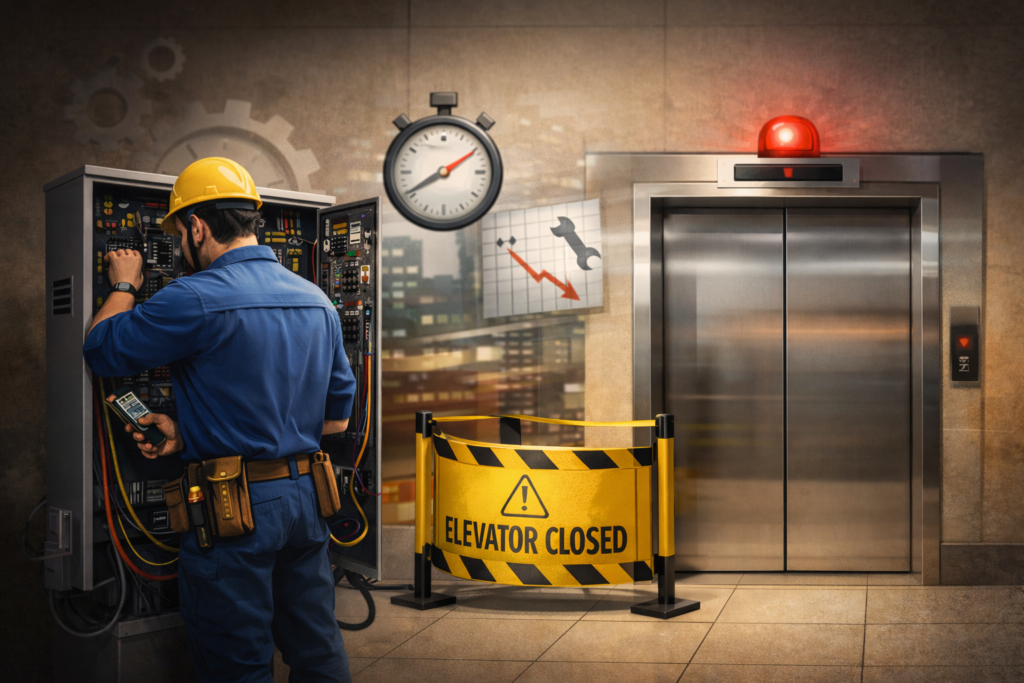
In reality, elevator modernization in Texas and California is often a strategic operational upgrade—one that improves reliability, system visibility, compliance positioning, and long-term cost control without requiring full elevator replacement.
At AmeriTex Elevator Services, we help property managers approach modernization not as a disruption—but as an advantage.
Let’s break down why.
Modernization vs. Full Replacement: What’s the Difference?
Full replacement means removing the entire system—rails, machines, wiring, and cab infrastructure.
Modernization focuses on upgrading critical components while preserving the existing hoistway and structural systems.
Typical modernization scope may include:
- Controller upgrades
- Drive system replacement
- Door operator modernization
- Signal fixtures and dispatch systems
- Safety circuit improvements
- Code-related component updates
This targeted approach delivers major performance gains at a fraction of the cost and downtime of full replacement.
1. Reliability Without Structural Disruption
Aging controllers and relay-based systems are common sources of:
- Intermittent shutdowns
- Long diagnostic times
- Hard-to-source replacement parts
- Repeat service calls
Modern solid-state controllers and updated drives provide:
- Faster processing
- Fewer mechanical failure points
- Remote diagnostic capability
- Reduced callback frequency
The result? Fewer surprises and shorter outages.
2. Improved Visibility Into System Health
Older systems operate like black boxes.
Modernized systems provide:
- Digital fault logs
- Performance data
- Clear diagnostic codes
- More accurate troubleshooting
This allows maintenance teams to identify patterns before they become failures—transforming reactive service into predictive oversight.
For high-traffic buildings in Dallas, Houston, Los Angeles, or San Francisco, that visibility directly translates to uptime.
3. Compliance Positioning in Strict Regulatory Environments
Texas and California both maintain evolving safety code standards.
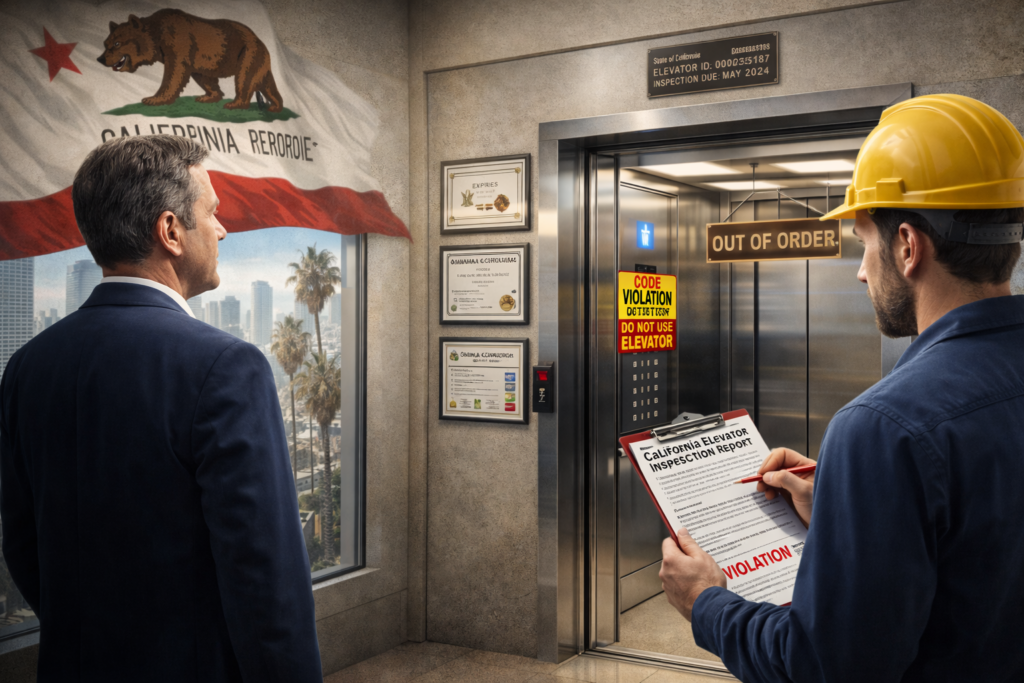
California, in particular, enforces stringent compliance measures under California Division of Occupational Safety and Health (Cal/OSHA) oversight.
Modernization can help address:
- Outdated safety circuits
- Fire service phase requirements
- Door protection standards
- Emergency communication updates
- Code-mandated equipment improvements
Rather than waiting for a failed inspection or red-tag situation, modernization positions your property ahead of regulatory risk.
4. Operational Cost Stabilization
Deferred modernization often leads to escalating service calls.
Common pattern:
- Minor component failure
- Temporary repair
- Repeat malfunction
- Emergency dispatch
- Overtime charges
Modernization reduces chronic problem areas and helps stabilize maintenance budgets.
While modernization is a capital investment, it often reduces long-term operational volatility.
5. Tenant Experience & Building Perception
Elevators are one of the most visible indicators of building quality.
Modernized systems improve:
- Ride quality
- Leveling accuracy
- Door performance
- Noise reduction
- Interior aesthetic options
In competitive Texas and California markets, that matters for:
- Lease renewals
- Medical facility standards
- Mixed-use developments
- Corporate tenants
Modernization strengthens both performance and perception.
When Is the Right Time to Modernize?
Signs it may be time:
- Equipment is 20–25+ years old
- Replacement parts are becoming difficult to source
- Frequent callbacks on door or controller systems
- Increased inspection citations
- Budget instability from repeat repairs
The key is planning before failure forces a rushed decision.
A Strategic Approach to Elevator Modernization
A proper modernization plan evaluates:
- Equipment age and model
- Traffic demands
- Current service call trends
- Inspection history
- Capital budget timing
- Phased upgrade options
Modernization does not need to happen all at once. Many properties benefit from phased upgrades aligned with capital planning cycles.
The Bottom Line
Elevator modernization is not just about replacing aging parts.
It’s about:
✔ Increasing reliability
✔ Improving diagnostic visibility
✔ Reducing emergency calls
✔ Strengthening compliance positioning
✔ Stabilizing operational costs
✔ Enhancing tenant experience
When approached strategically, modernization becomes an operational advantage—not just a repair response.
Request a Modernization Planning Call
If your building operates in Texas or California, now is the time to evaluate whether modernization can improve reliability and reduce long-term risk.
Request a Modernization Planning Call with AmeriTex Elevator Services today.