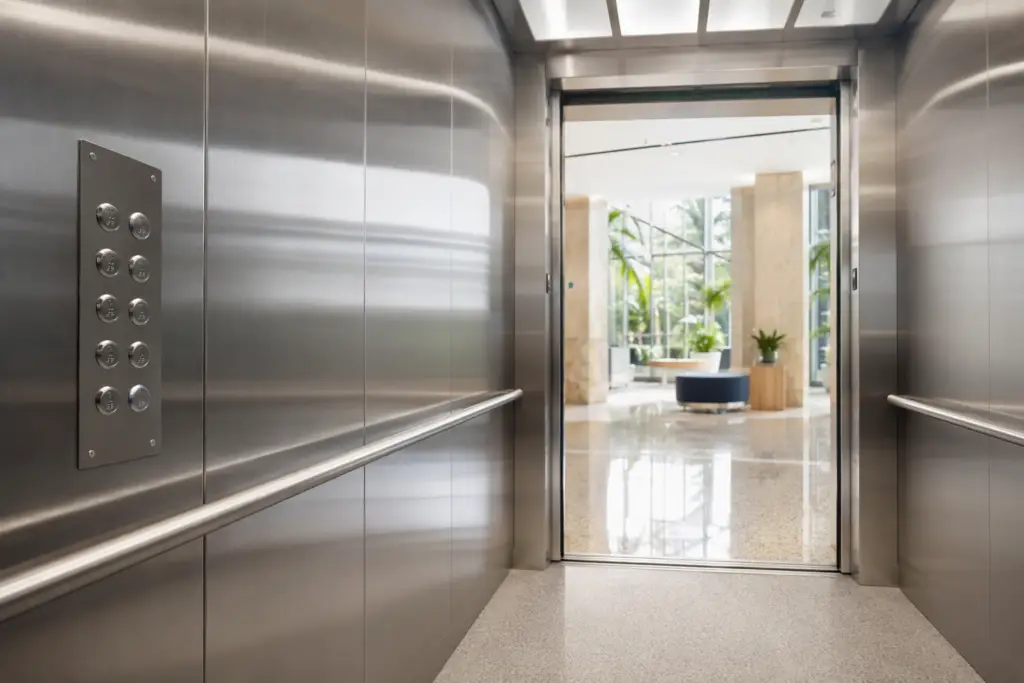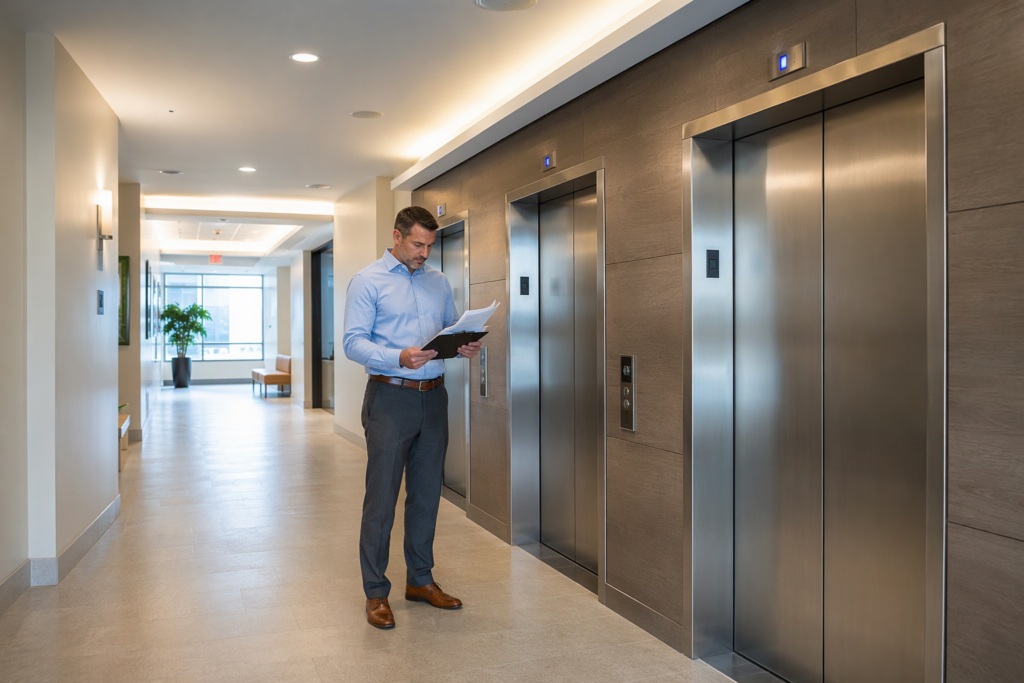
Getting a meaningful upgrade estimate is not simply a matter of calling a vendor and asking for a price. Older elevators accumulate layers of deferred maintenance, outdated components, and code deficiencies that interact in ways that only a thorough inspection can untangle. The sections below answer every important question building owners, property managers, and facilities directors in Signal Hill, Long Beach, Los Angeles, and Orange County ask before beginning the upgrade process.
What Exactly Happens During an Elevator Upgrade Assessment?

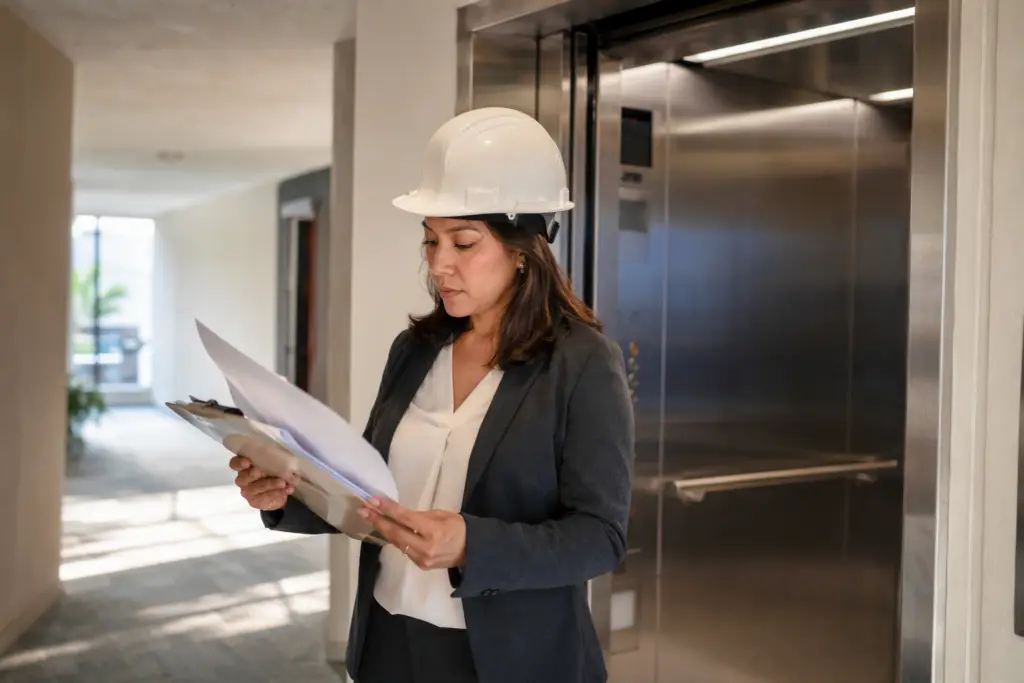
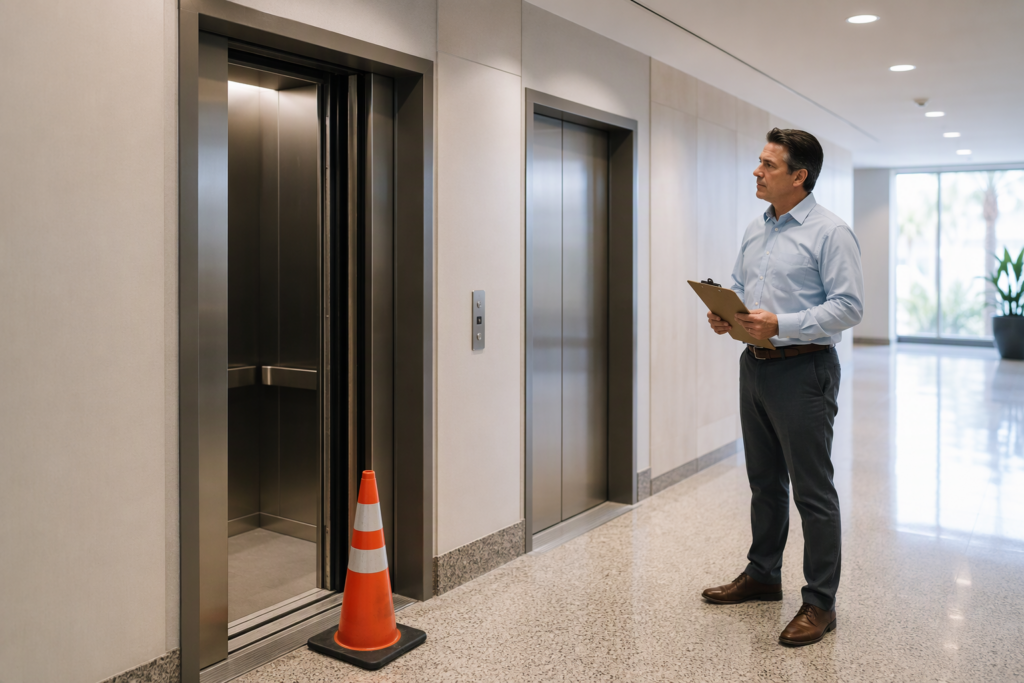
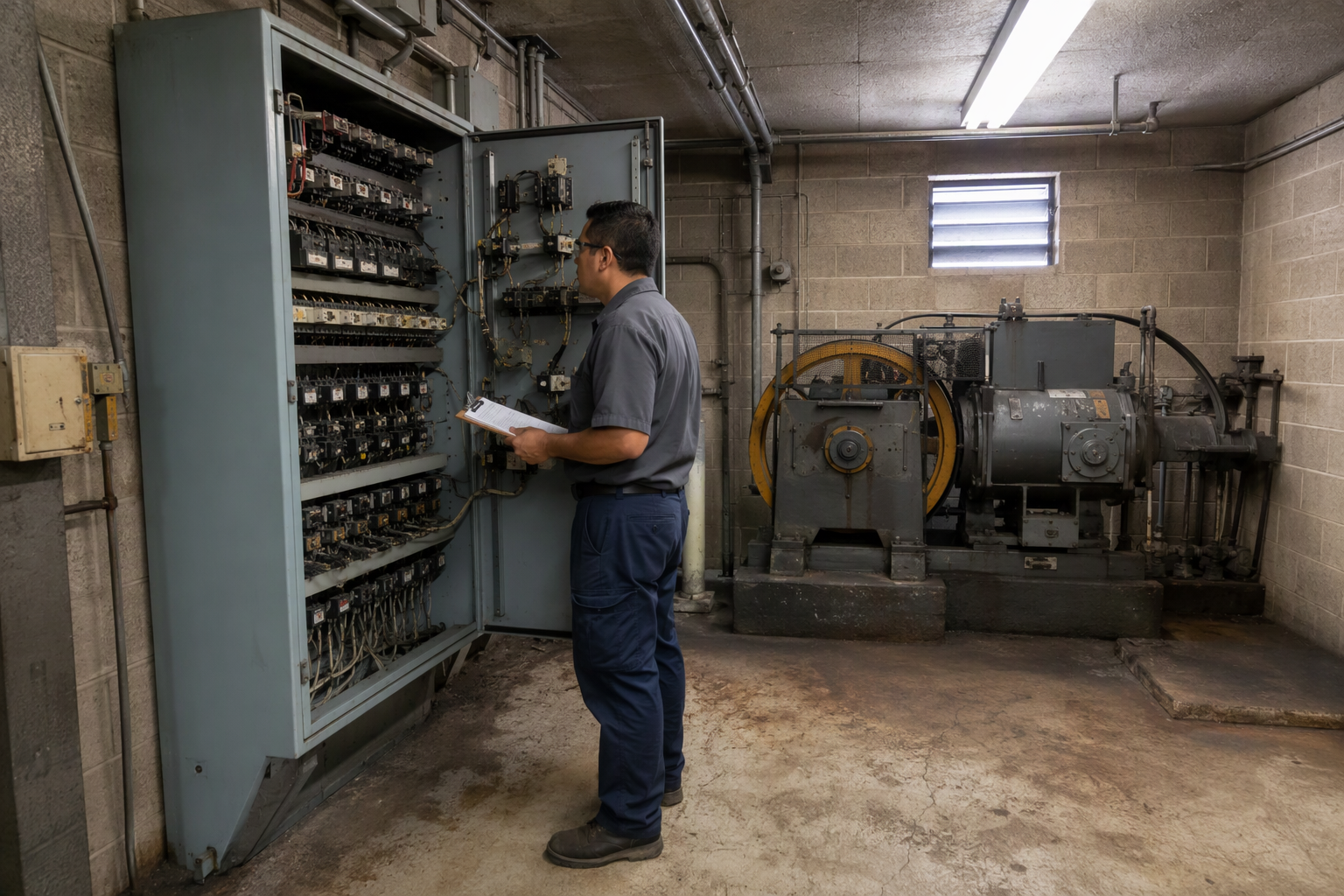
A trained Certified Competent Conveyance Mechanic (CCCM) visits the site, inspects every major system in the elevator, and produces a written report that separates safety violations requiring immediate correction from performance upgrades that can be phased over time.
The assessment typically covers the machine room, hoistway, cab, doors, control system, safety devices, guide rails, buffers, and pit equipment. The technician cross-references findings against the edition of ASME A17.1 Safety Code for Elevators and Escalators in force at the time of the original installation and against any subsequent California alterations requirements. The resulting report becomes the foundation of a defensible, itemized cost estimate rather than a rough ballpark figure.
Who Is Legally Allowed to Inspect and Estimate Elevator Upgrades in California?
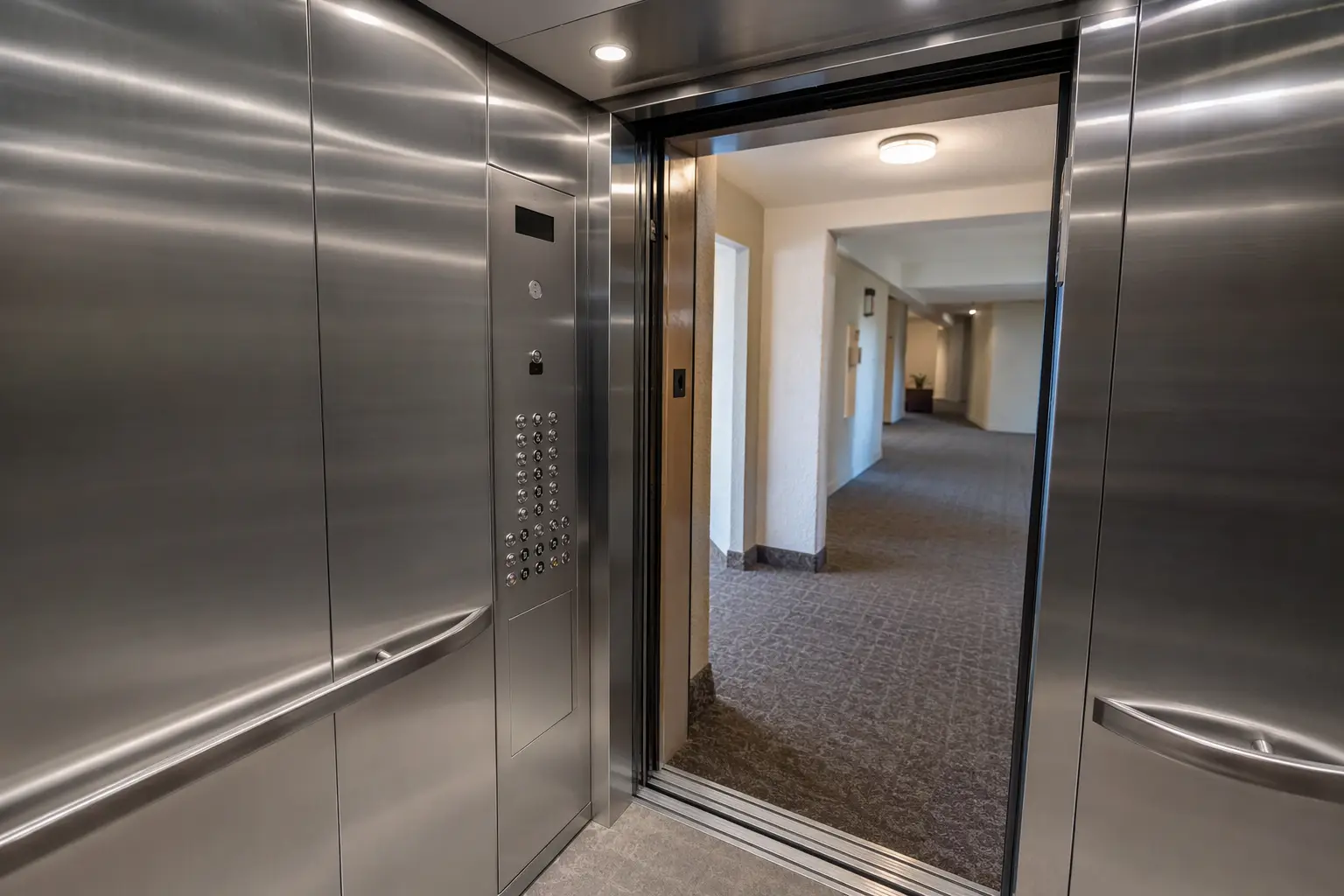
In California, only a Certified Competent Conveyance Mechanic (CCCM) working for a Certified Qualified Conveyance Company (CQCC) may maintain, repair, alter, or replace components on a conveyance, and only State of California safety engineers or Certified Competent Conveyance Inspectors (CCCI) may perform official safety inspections.
This distinction matters when soliciting estimates. A general contractor or unlicensed handyman cannot legally assess or touch elevator equipment in California. Under Cal/OSHA’s Elevator Unit, companies must hold CQCC certification, and that certification requires a current C-11 Elevator Contractor license issued by the California Contractors State License Board (CSLB), plus certificates of workers’ compensation and liability insurance. When reviewing competing estimates, always verify CQCC status before signing any contract.
How Do I Know Whether My Older Elevator Needs Repair, Modernization, or Full Replacement?
The right scope depends on the age and condition of the control system, the mechanical components, the cab, and the door operator, as well as the number of outstanding code deficiencies identified in the most recent Cal/OSHA inspection report.
As a general framework, elevators are typically evaluated across three tiers:
- Targeted repair — isolated component failure with otherwise sound equipment; lowest upfront cost but may not resolve systemic reliability issues.
- Partial modernization — replacement of the control system, door operator, or cab interior while retaining the machine, rails, and structure; moderate cost with significant reliability and code compliance gains.
- Full modernization or replacement — replacement of all major systems, often triggered by obsolete controls, failed traction machines, or repeated regulatory violations; highest upfront cost but lowest long-term risk.
The assessment report from a qualified company such as Liftech Elevator will identify which tier applies to each system independently, allowing a phased investment plan rather than an all-or-nothing decision.
What Specific Information Should I Gather Before Requesting an Estimate?
Providing complete documentation before the site visit accelerates the assessment and produces a more accurate estimate.
Collect the following items:
- The current Cal/OSHA permit to operate, which must be posted conspicuously in the elevator car under California Labor Code Sections 7300–7324.2.
- The most recent Cal/OSHA or CCCI inspection report and any outstanding violation notices.
- Any maintenance or service records, including work orders from the past three to five years.
- The original installation contract date, which determines which edition of ASME A17.1 applies to the unit.
- The elevator’s rated capacity, speed, number of stops, and type (hydraulic, traction, MRL).
- Any ADA accommodation complaints or accessibility concerns raised by tenants or visitors.
- Documentation of the specific issues causing problems — entrapments, door failures, leveling errors, excessive callbacks.
The installation contract date is particularly significant in California because elevators installed under contracts signed on or after May 1, 2008, are subject to the ASME A17.1/CSA B44, 2004 edition as adopted in California’s Group IV Elevator Safety Orders. Older units may fall under earlier editions, which affects which retroactive requirements apply during modernization.
What Does a Typical Elevator Upgrade Estimate Include?
A thorough estimate should break down labor, materials, permitting, testing, and inspection costs as separate line items rather than presenting a single lump sum.
Reputable estimates will typically cover:
- Itemized scope of work by system (controls, doors, cab, machine, pit)
- Cal/OSHA permit fees for the alteration work
- Post-modernization inspection and testing requirements
- Estimated downtime and interim accessibility accommodations
- Warranty terms on parts and labor
- ADA compliance upgrades, if applicable
- Optional phased payment schedule tied to project milestones
How Does the Cal/OSHA Permit Process Work for Elevator Modernization?
In California, a permit from Cal/OSHA is required before a conveyance is materially altered, and after the alteration is complete, the elevator must pass a Cal/OSHA inspection before it is returned to service.
The owning company or their contractor submits permit applications to the Cal/OSHA Elevator Unit before work begins. The scope of the alteration determines whether a full reinspection or a partial inspection is required. After the work passes inspection, Cal/OSHA issues a new permit to operate, which is valid for up to one year — or up to two years if the elevator is covered by a full maintenance contract with a C-11 licensed elevator company. No elevator may be legally operated in California without a valid, current permit to operate.
What Are the Most Common Code Deficiencies Found in Older Elevators in California?
Older elevators frequently present a cluster of deficiencies related to door protection, emergency communication, safety devices, and machine room conditions that have fallen out of compliance with current standards.
Common findings during pre-upgrade assessments include:
- Worn or non-compliant door restrictors and reopening devices
- Outdated or failed emergency lighting and signage
- Pit conditions: standing water, inadequate lighting, missing stop switches or ladders
- Overspeed governor and safety device testing failures
- Non-compliant emergency communication systems
- Control relay logic systems that are obsolete and no longer serviceable
- Non-ADA-compliant cab interiors, buttons, or signage
- Hydraulic units with single-bottom cylinders that may be subject to environmental or replacement requirements
How Do ASME A17.1 and ASME A17.3 Apply to Existing Elevators Being Modernized?
ASME A17.1 governs new installations and alterations, while ASME A17.3 is the Safety Code for Existing Elevators and Escalators, setting minimum retroactive safety requirements for elevators already in service.
When a material alteration is made to an existing elevator, the altered portion must comply with the edition of ASME A17.1 in force at the time of the alteration. California has adopted the ASME A17.1/CSA B44, 2004 edition as its standard for elevators installed under contracts signed on or after May 1, 2008. California is also in the process of a proposed Group V update that would incorporate elements of ASME A17.1-2019; a public hearing was held on June 18, 2026, and no effective date has been posted as of the time of this publication. Property owners planning major modernizations should ask their contractor how this pending update may affect project scope.
What ADA Requirements Apply to Elevator Upgrades?
Under the Americans with Disabilities Act, elevators in buildings covered by Title II or Title III must meet ADA Standards for Accessible Design, and modernization projects present an obligation to bring the elevator into compliance.
ADA-related upgrade items commonly addressed during modernization include:
- Braille and raised character markings on control buttons and jamb plates
- Audible and visible floor indicators
- Door timing adjustments for accessibility
- Leveling accuracy to ensure the cab lands within acceptable tolerance of the floor
- Minimum cab dimensions and clear floor space requirements
- Handrails where required
ADA compliance items are often bundled into modernization contracts because the cab and control work is already open, making the incremental cost lower than standalone ADA retrofits.
What Is the Step-by-Step Process for Getting an Upgrade Estimate from Start to Finish?
Following a structured process ensures that the estimate received is accurate, complete, and legally defensible before any contract is signed.
- Compile documentation. Gather the current permit to operate, the most recent inspection report, all maintenance records, and the original installation contract date.
- Contact a CQCC-certified elevator company. Confirm the company holds a current Cal/OSHA CQCC certification and C-11 license before scheduling the visit.
- Schedule the site assessment. A CCCM-certified mechanic inspects the full elevator system, including machine room, hoistway, pit, cab, doors, and controls.
- Receive the written assessment report. The report should distinguish between mandatory code corrections and optional performance upgrades.
- Review the itemized estimate. Confirm that permitting, testing, inspection, labor, and materials are each listed separately.
- Obtain at least two estimates. Compare scope line by line, not just total price, to ensure equivalent work is being quoted.
- Confirm permit submission. Before work begins, verify that the contractor has submitted the required Cal/OSHA alteration permit application.
- Plan for downtime. Coordinate building access, tenant notification, and temporary accessibility accommodations for the duration of the work.
- Post-work inspection. After modernization is complete, the Cal/OSHA inspection must pass before the elevator returns to service and a new permit to operate is issued.
How Long Does an Elevator Modernization Project Typically Take?
Project duration varies significantly based on the scope of work, parts availability, permit processing times, and the size of the building, so a written project schedule should be part of every estimate.
Partial modernizations involving only controls or door operators may be completed in a matter of days for a single-elevator installation. Full modernizations involving machine replacement, cab rebuild, and new door systems on multi-elevator banks can extend over several weeks. Supply chain conditions for proprietary control components can also affect lead times, particularly for older relay-logic systems being replaced with microprocessor controls. Asking for a milestone-based schedule in writing protects building owners from open-ended downtime.
How Do I Compare Estimates from Multiple Elevator Contractors?
Estimates should be compared on scope equivalence, not just total price, because two estimates for the same elevator can differ substantially if one includes permitting and testing and the other does not.
| Comparison Factor | What to Look For | Red Flag |
|---|---|---|
| CQCC Certification | Current Cal/OSHA certificate number provided on request | Contractor cannot provide CQCC or C-11 documentation |
| Scope of Work | Itemized by system: controls, doors, cab, machine, pit, electrical | Single lump-sum price with no breakdown |
| Permit Inclusion | Cal/OSHA alteration permit application and fees included | Permits listed as “owner’s responsibility” without explanation |
| Post-Work Testing | Acceptance testing and Cal/OSHA reinspection support included | Testing costs excluded or vaguely described |
| ADA Compliance | ADA items identified and costed separately | ADA compliance not addressed |
| Warranty | Parts and labor warranty terms stated in writing | No written warranty or verbal assurance only |
| Project Schedule | Milestone-based timeline with estimated downtime | No schedule provided; open-ended completion language |
| References | Local commercial or residential references available | No verifiable local project history |
What Should I Do If My Elevator Has an Outstanding Violation or Failed Its Last Inspection?
Outstanding violations must be addressed before the elevator can legally continue operating, or Cal/OSHA may order the unit out of service, so the correction plan should be the first priority in any upgrade discussion.
Under California Labor Code Sections 7300–7324.2 and the California Code of Regulations, Title 8, Elevator Safety Orders, no elevator may be operated without a valid permit to operate. If Cal/OSHA has flagged violations, the owner must work with a CQCC-certified company to correct the deficiencies, have the corrections inspected, and obtain a new or reinstated permit before resuming operation. Building owners in this situation should not delay contacting a qualified contractor, as continued operation of an elevator with a suspended or lapsed permit creates significant legal and liability exposure.
Does the City of Los Angeles Have Its Own Elevator Inspection Program?
Yes — the City of Los Angeles runs its own elevator and conveyance inspection program through the Los Angeles Department of Building and Safety (LADBS), which operates alongside the state Cal/OSHA framework.
Building owners with elevators in the City of Los Angeles should contact LADBS directly for jurisdiction-specific requirements. Properties in Long Beach, Signal Hill, and Orange County operate under the standard Cal/OSHA Elevator Unit program administered by the California Department of Industrial Relations. When scheduling an upgrade assessment, confirm with the contractor which authority having jurisdiction (AHJ) governs the specific property so that permit applications are filed with the correct agency.
How Does the Annual Inspection Requirement Affect Upgrade Planning?
California law requires every conveyance to be inspected at least once a year, and the owner is responsible for arranging that reinspection, making the annual inspection cycle a natural trigger point to also assess upgrade needs.
Many property owners use the annual inspection report as the starting document for an upgrade conversation. If the inspection identifies deficiencies that require correction before a new permit to operate can be issued, those items become the minimum scope of any upcoming modernization. A proactive approach — scheduling an upgrade assessment before the annual inspection rather than after a failed one — gives owners more time to plan, budget, and select contractors without the pressure of an operational deadline. Only a CCCI or State of California safety engineer may perform the official annual inspection; a CQCC company like Liftech Elevator can conduct a separate pre-inspection walk-through to identify likely findings before the official visit.
What Is the Difference Between a Maintenance Contract and a Modernization Contract?
A maintenance contract covers routine servicing, lubrication, adjustment, and minor repairs to keep an elevator in its current operating condition, while a modernization contract involves replacing major components or systems to bring the elevator to a higher standard of performance, safety, or compliance.
The two contracts are legally distinct in California. Maintenance work is performed under the ongoing CQCC certification and does not require a separate Cal/OSHA permit. Material alterations — defined as changes that affect the safety of the elevator — require a Cal/OSHA alteration permit before work begins and a reinspection afterward. Having a full maintenance contract with a C-11 licensed elevator company also carries a regulatory benefit: Cal/OSHA may issue a permit to operate for up to two years for elevators in safe condition covered by such a contract, compared to the standard one-year permit.
How Soon After a Modernization Is Completed Can the Elevator Return to Service?
The elevator may not return to service until it has passed the required Cal/OSHA post-alteration inspection and a new permit to operate has been issued, regardless of how well the modernization work appears to have gone.
Coordinating the inspection scheduling promptly after work is completed is an important project management task. Cal/OSHA scheduling timelines can vary by region and workload. Experienced contractors plan permit applications and inspection requests in advance to minimize the gap between project completion and return to service. Building owners should confirm with their contractor how post-work inspection coordination will be handled before signing a modernization contract.
Can a Modernization Be Completed in Phases to Manage Cost?
Yes — many older elevators can be modernized in phases that separate mandatory safety and compliance corrections from performance and comfort upgrades, allowing owners to spread capital investment over multiple budget cycles.
A phased approach requires careful planning to ensure that each phase leaves the elevator in a legal, operable condition. Each phase that constitutes a material alteration will require its own Cal/OSHA permit and post-work inspection. The overall modernization plan should be developed with the contractor upfront so that early phases do not create rework when later phases are executed. Liftech Elevator’s assessment process is designed to produce a phased roadmap that sequences mandatory corrections first, followed by reliability improvements, and finally comfort and aesthetic upgrades.
What Happens to the Maintenance Contract During a Modernization?
Maintenance contracts are typically suspended or modified during active modernization work because the contractor performing the modernization assumes responsibility for the elevator’s condition throughout the project.
Once the modernization is complete and the new permit to operate is issued, a new or amended maintenance contract should be established. Post-modernization maintenance agreements often reflect the upgraded components, which may have different service intervals and warranty terms than the original equipment. Building owners should clarify the transition of maintenance responsibility in writing before the modernization begins.
Why Should Building Owners in Signal Hill, Long Beach, Los Angeles, and Orange County Choose a Local Certified Provider?
Local CQCC-certified companies have established relationships with the specific Cal/OSHA district offices and local authority having jurisdictions that govern permits, inspections, and code interpretations in Southern California’s varied municipal landscape.
Permit processing, inspection scheduling, and local AHJ relationships all affect project timelines and outcomes. A contractor unfamiliar with the City of Los Angeles LADBS program, for example, may cause avoidable delays on a property in that jurisdiction. Liftech Elevator operates across Signal Hill, Long Beach, Los Angeles, and Orange County, bringing familiarity with the specific requirements and processes of each market. When a building owner is evaluating providers, asking how many similar modernization projects the company has completed in the same jurisdiction is a reasonable and productive question.
Contact Liftech Elevator for a free elevator assessment at 562-997-3639.
Need elevator service you can rely on? Liftech Elevator is ready to help.