Elevator Service in Signal, CA | Liftech Elevator
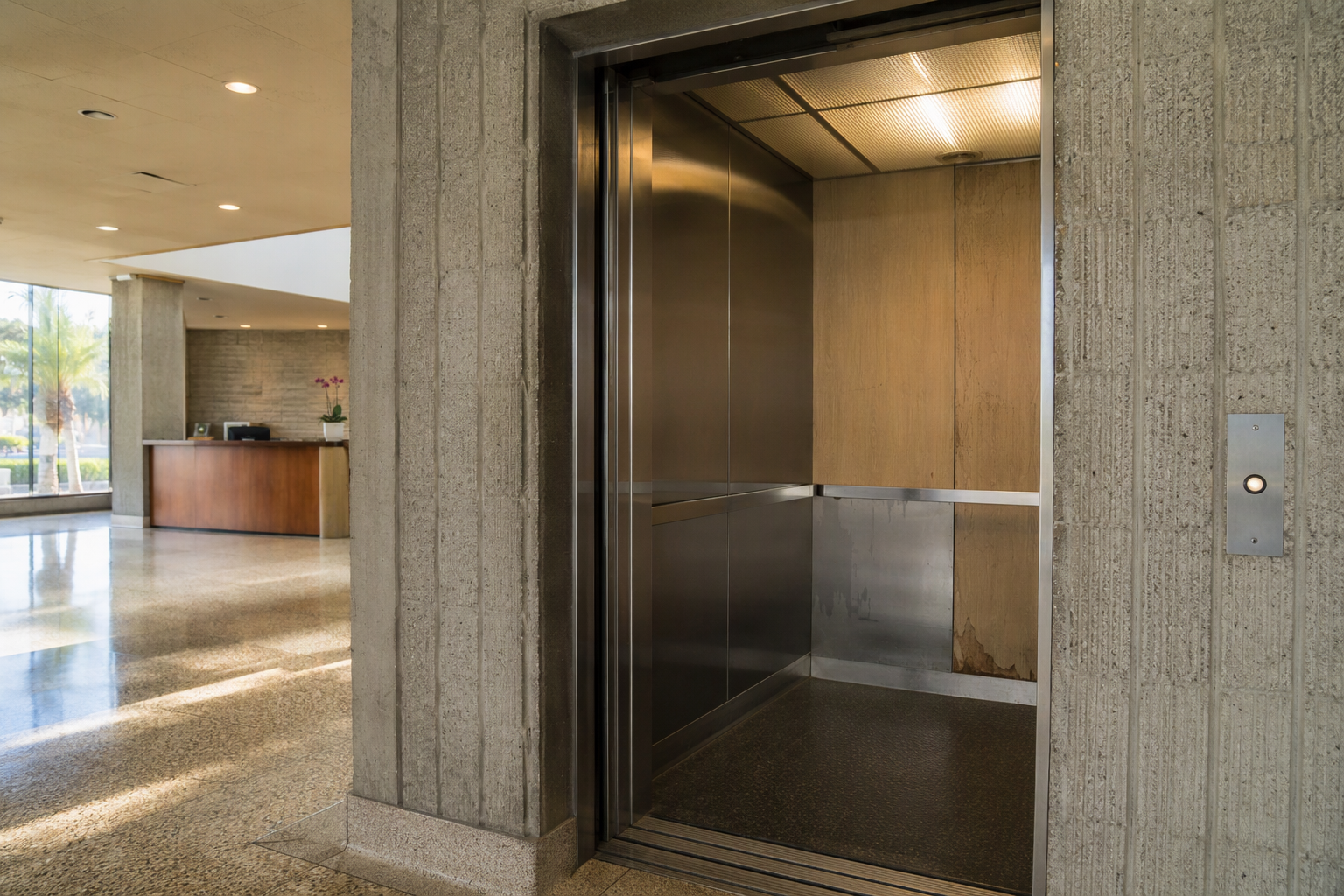
Building owners and property managers in Signal, CA often discover that ageing lifts do not have to be torn out and replaced entirely. Liftech Elevator provides elevator modernisation and full replacement services throughout the Signal Hill and greater Los Angeles–area corridor, helping clients weigh every option before committing to a path forward. The sections below answer the most common questions about lift modernisation in California.
What Does Elevator Modernisation Actually Mean?
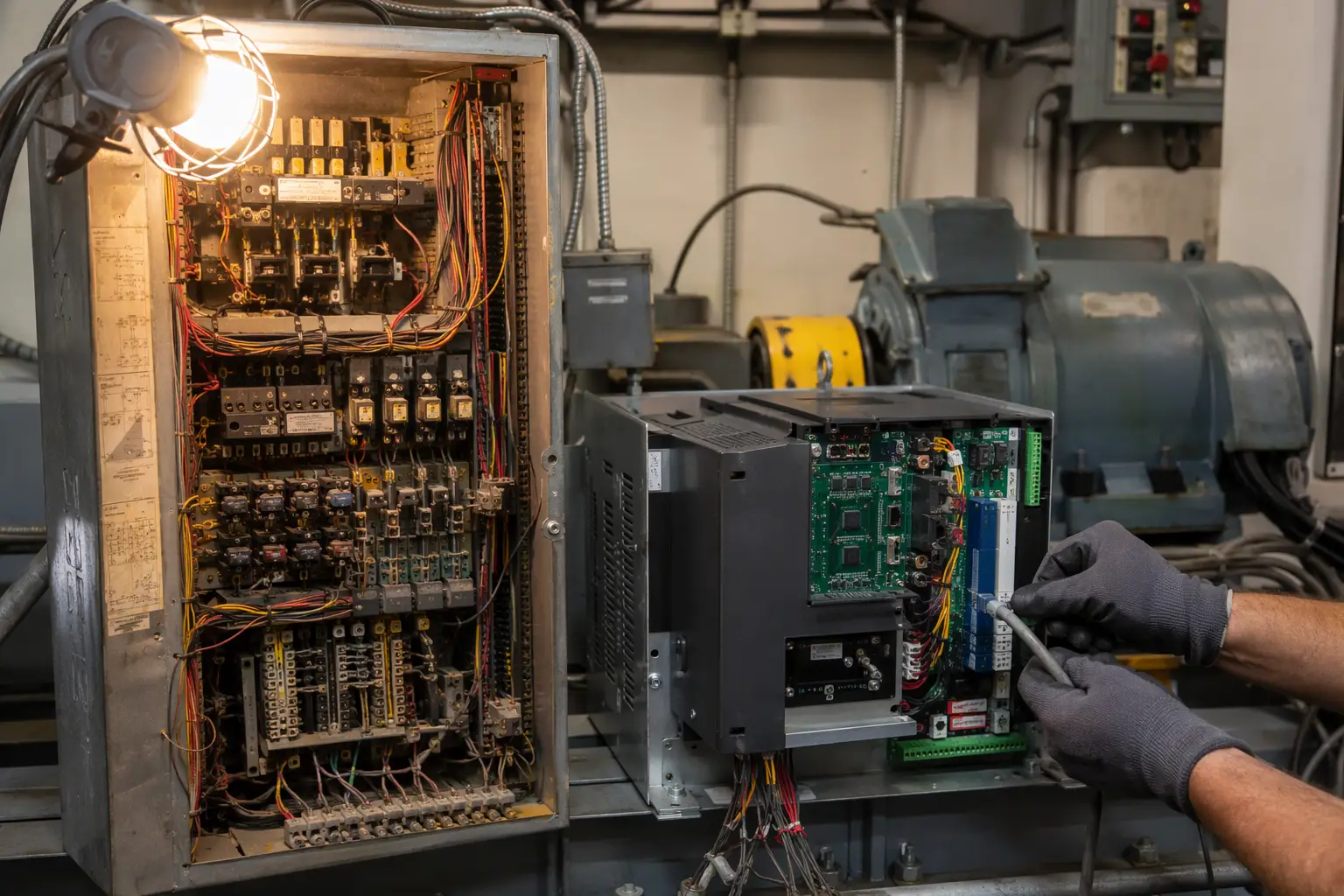
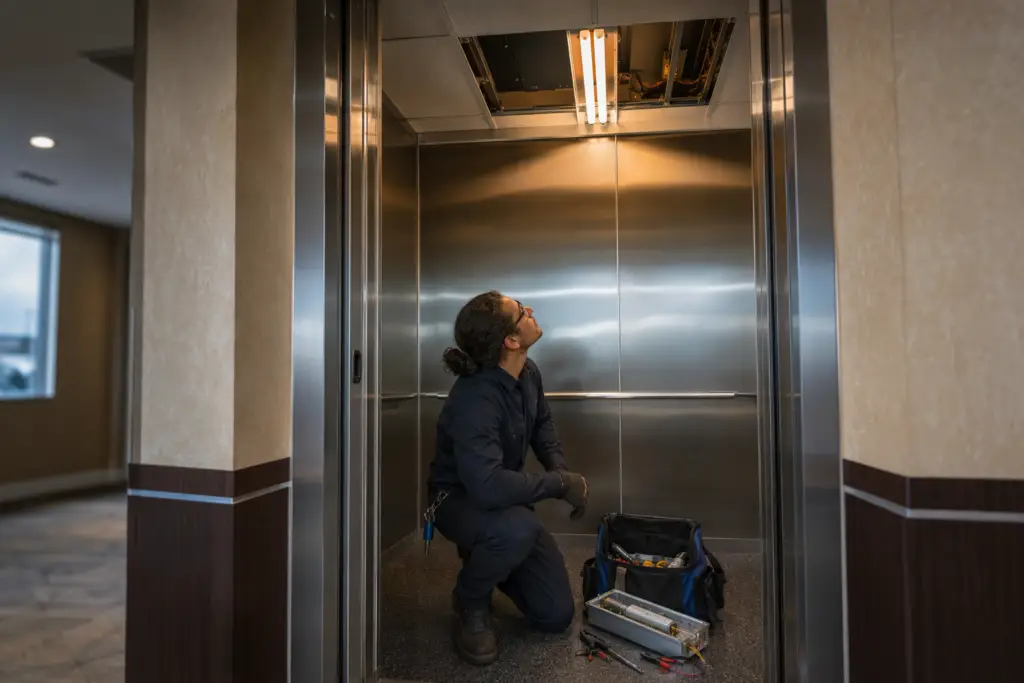
Elevator modernisation is the process of upgrading selected components of an existing elevator system — such as the controller, drive system, cab interior, door operators, or safety devices — without removing the entire hoistway structure. A partial modernisation might address only the control system and door hardware, while a full modernisation can replace virtually every mechanical and electrical element while retaining the original shaft and pit. The result is a unit that performs like a new elevator but requires far less structural work and typically causes far less downtime for building occupants.
In California, any material alteration to a conveyance triggers the permit and inspection process administered by the Cal/OSHA Elevator Unit, California Department of Industrial Relations. Under California Labor Code Sections 7300–7324.2 and the California Code of Regulations, Title 8, Elevator Safety Orders (Sections 3000–3146), a permit from Cal/OSHA is required before any conveyance is materially altered. After work is completed, a Cal/OSHA safety engineer or Certified Competent Conveyance Inspector (CCCI) must inspect the unit and issue a permit to operate before the elevator is placed back in service.
How Do You Know Whether to Modernise or Replace?
Several factors guide this decision:
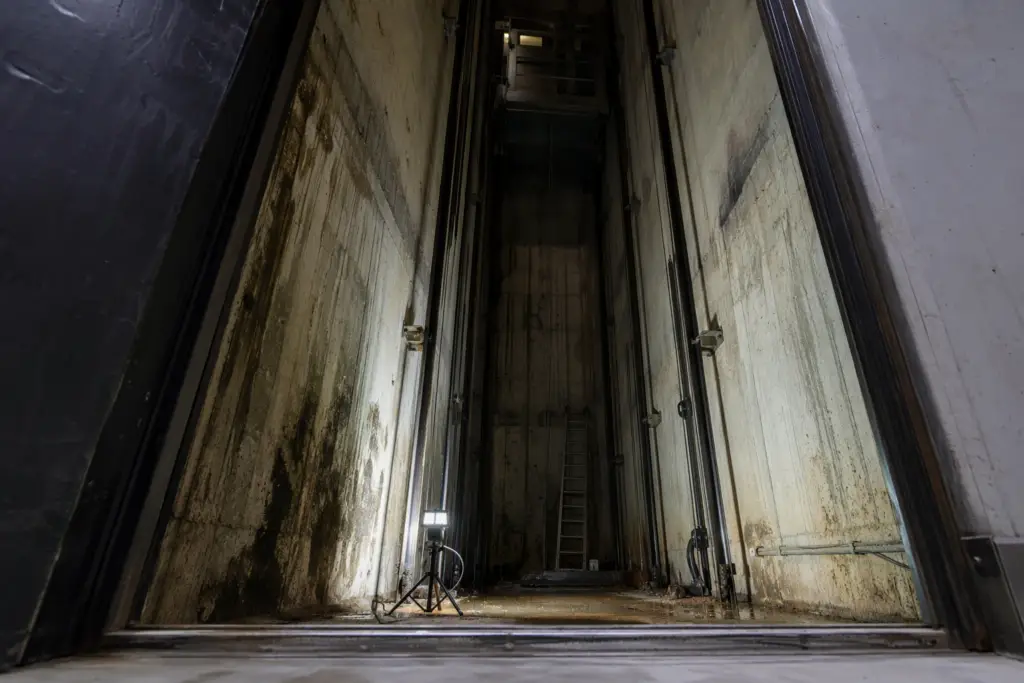
- Age and condition of the hoistway structure. If the structural elements of the shaft, pit, and machine room are sound, modernisation is typically viable. Severe structural deterioration may make replacement the safer long-term investment.
- Extent of non-compliant components. Outdated controllers, worn guide rails, obsolete safety devices, and inaccessible cab features each represent modernisation opportunities rather than automatic replacement triggers.
- Operational goals and budget. Modernisation can be phased over time, allowing building owners to prioritise the highest-risk or lowest-performing systems first.
- Regulatory compliance gaps. California’s adopted code — the ASME A17.1/CSA B44 Safety Code for Elevators and Escalators — sets requirements that modernisation work must satisfy. Alterations that bring an older unit into compliance with current safety orders can resolve outstanding violations and restore full permit eligibility.
- Accessibility requirements. Federal ADA standards apply to elevators serving the public, and modernisation is a practical moment to address cab size, door timing, button placement, and other accessibility elements.
What California Permits and Inspections Are Required for Modernisation?
California’s regulatory framework requires the following steps for any material alteration:
- Obtain a Cal/OSHA permit before work begins. No conveyance may be erected, installed, or materially altered in California without this permit.
- Ensure all work is performed by a Certified Qualified Conveyance Company (CQCC) — a designation issued by Cal/OSHA. Only a CQCC may legally perform modernisation, maintenance, repair, or alteration work on California elevators.
- Have all hands-on work performed by or under the direct supervision of a Certified Competent Conveyance Mechanic (CCCM), also certified by Cal/OSHA.
- After modernisation is complete, schedule inspection by a Cal/OSHA safety engineer or CCCI.
- Receive and post the new permit to operate conspicuously inside the elevator car before returning the unit to service.
The California Contractors State License Board (CSLB) issues the C-11 Elevator Contractor license that CQCC applicants must hold. Cal/OSHA handles permits to operate, inspections, and CQCC/CCCM certification separately. Building owners should confirm that any company they hire holds both credentials. As of 2026, California is also proceeding through a proposed Group V update to its Elevator Safety Orders that would incorporate portions of ASME A17.1-2019; a public hearing was held on June 18, 2026, though no effective date has been announced.
How Long Does an Elevator Modernisation Take?
Project duration depends on the scope of work and equipment lead times. A targeted upgrade — replacing only the controller and door operator, for example — may be completed in a matter of days. A comprehensive modernisation that addresses the drive system, cab, fixtures, safety devices, and door equipment typically takes longer and may involve a planned shutdown period. Liftech Elevator coordinates schedules with Signal-area property managers to minimise disruption to building occupants throughout the process.
What Systems Are Most Commonly Modernised?
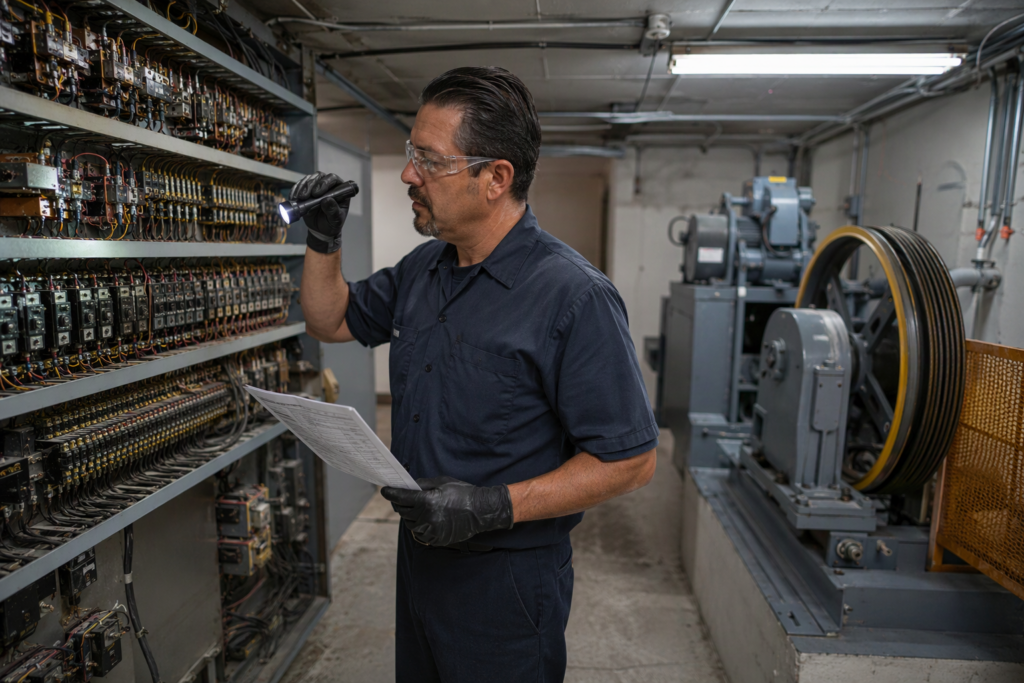
- Controllers and dispatch systems — older relay-logic panels are replaced with microprocessor-based controllers that improve reliability and energy efficiency.
- Drive systems — hydraulic units and DC motor drives are frequently converted to machine-room-less or variable-voltage, variable-frequency (VVVF) drive configurations.
- Door operators and safety edges — worn door operators cause a high proportion of entrapment incidents; modern operators with full-height safety curtains address this directly.
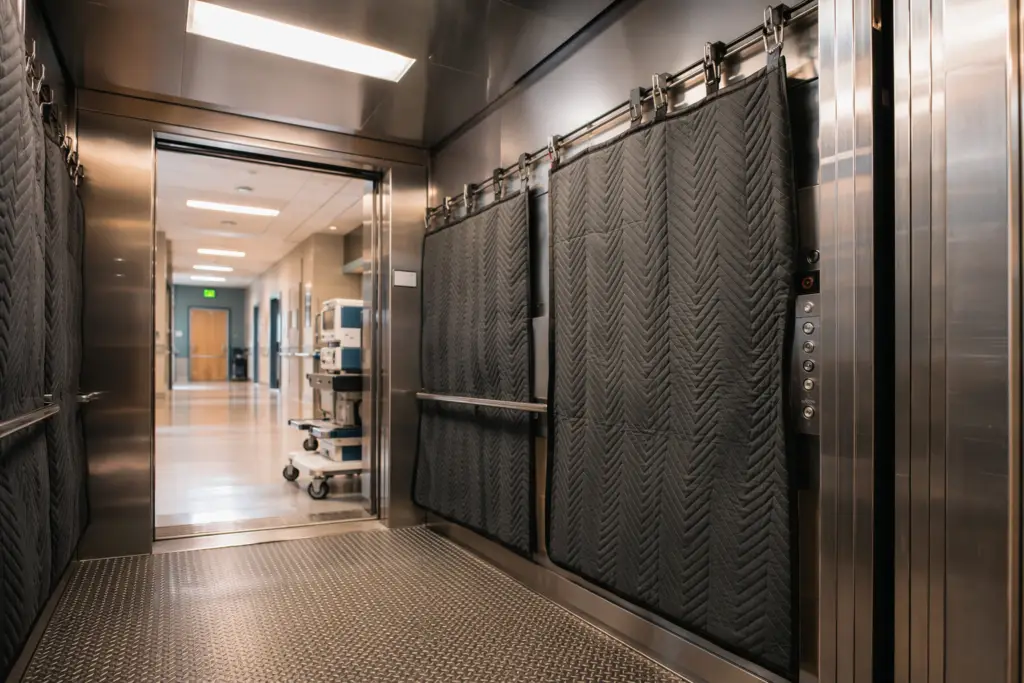
- Cab interiors and fixtures — updated panels, lighting, flooring, and emergency communication equipment improve passenger experience and may satisfy ADA and code requirements simultaneously.
- Safety devices — governors, buffers, and safety gear are inspected and replaced as needed to meet current ASME A17.1/CSA B44 requirements.
- Guide rails and rollers — worn rails contribute to rough rides and increased maintenance frequency.
Does Modernisation Affect Annual Inspection Requirements?
No — California law requires every conveyance to be inspected at least once a year regardless of its age or condition. A conveyance found safe receives a permit to operate for up to one year. Cal/OSHA may issue a permit to operate for up to two years for an elevator in safe condition that is covered by a full maintenance contract with a C-11 licensed elevator company. Arranging annual reinspection remains the elevator owner’s responsibility. Modernisation does not waive this obligation; it simply positions the unit to pass inspection consistently and qualify for multi-year permit eligibility under a qualifying maintenance agreement.
Can Modernisation Address ADA and Accessibility Gaps?
Yes. Many older lifts in Signal and the surrounding area were installed before current ADA standards were in effect. Modernisation provides a practical opportunity to address cab dimensions, door width, control panel height, Braille and tactile signage, and door-open timing without replacing the entire elevator. Because federal ADA requirements apply independently of California’s Elevator Safety Orders, building owners should evaluate both frameworks when scoping any upgrade project.
How Does Liftech Elevator Support Signal, CA Property Owners Through This Process?
Liftech Elevator serves commercial, residential, and industrial properties across Signal and the broader Los Angeles area, working with office buildings, multi-family residential complexes, healthcare facilities, retail centres, and public institutions. The company’s approach begins with a thorough assessment of the existing equipment, followed by a written evaluation of modernisation options versus full replacement. Because Liftech Elevator operates as a Certified Qualified Conveyance Company in California, it can manage the complete Cal/OSHA permit process, coordinate inspections, and provide ongoing maintenance agreements that support multi-year permit eligibility. Emergency service availability is maintained for clients throughout the region.
Schedule a free consultation with Liftech Elevator at 562-997-3639.
Need elevator service you can rely on? Liftech Elevator is ready to help.