Elevator Downtime Cost Statistics: What Building Owners Need to Know in 2026
The most important data point building owners need to understand: elevator downtime is not simply a maintenance inconvenience. It is a measurable financial liability that affects tenant retention, ADA compliance exposure, property valuation, and operational continuity. According to the ASME Codes & Standards framework governing elevator safety in North America, elevators must meet strict operational and inspection requirements — and failure to maintain those standards creates compounding legal and financial risk on top of the direct cost of the outage itself.
What Does Elevator Downtime Actually Cost Building Owners?
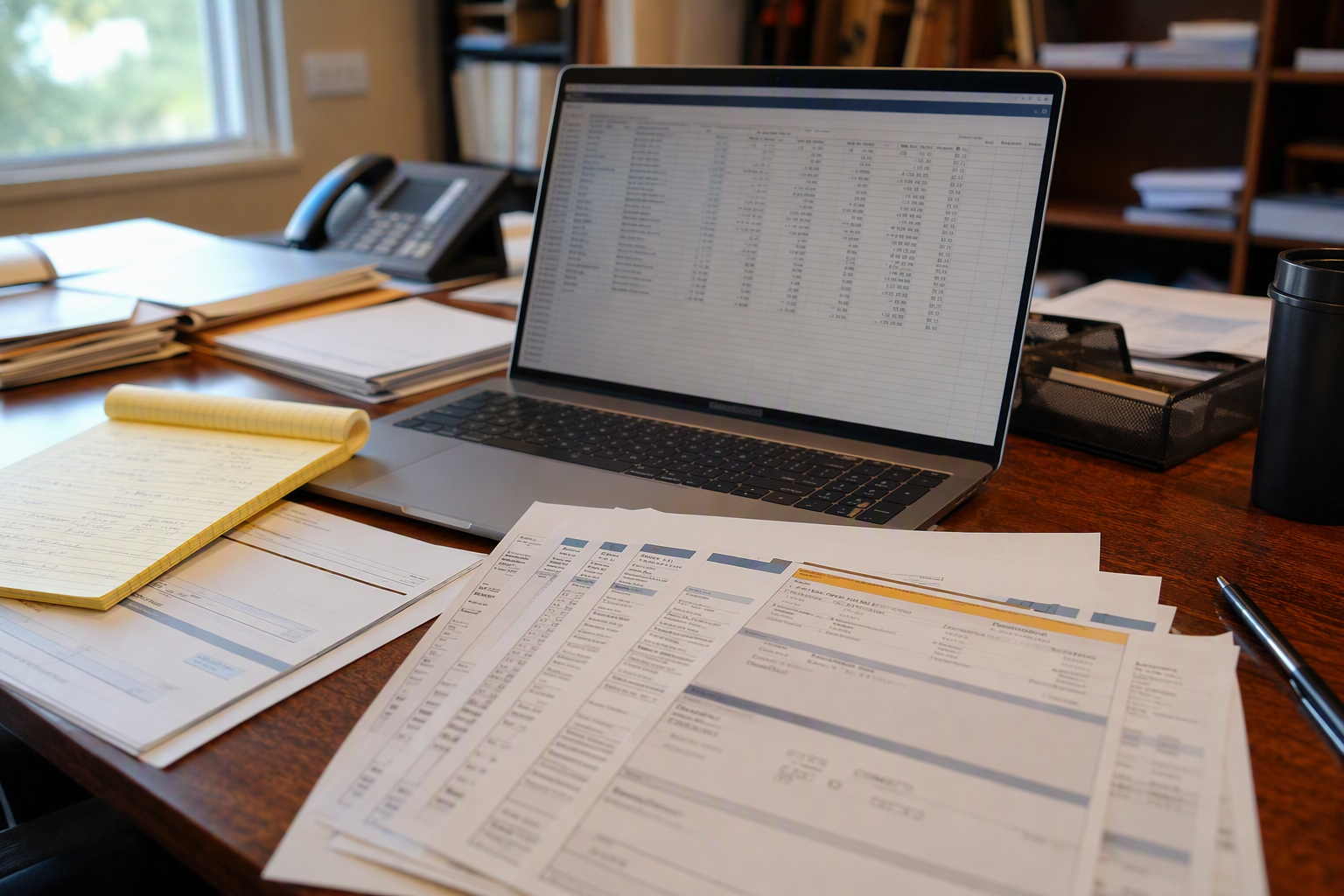
Elevator downtime costs fall into several distinct categories, and understanding each is essential for accurate financial planning. The total cost of an outage is almost never limited to the repair invoice alone.
Direct Repair Costs
Emergency repair calls — those initiated because an elevator has already failed — consistently carry higher labor rates, expedited parts premiums, and after-hours service surcharges compared to scheduled maintenance visits. When critical components such as door operators, traction motors, or control boards fail unexpectedly, parts may need to be sourced on an urgent basis, further compressing timelines and inflating cost. Modernization work that could have been phased affordably over time often becomes a rushed, full-scope project when deferred maintenance leads to a complete system failure.
Lost Productivity and Tenant Impact
In multi-story office buildings, a single elevator outage in a low-rise property with only one or two elevators can effectively render upper floors inaccessible to mobility-impaired tenants and visitors. This translates directly into lost working hours, missed client meetings, and potential lease disputes. In residential high-rises, elevator outages affecting elderly or disabled residents can trigger regulatory complaints and mandatory remediation timelines imposed by local building authorities.
ADA Compliance Exposure
Under the Americans with Disabilities Act (ADA), buildings that provide public accommodations must ensure that individuals with disabilities have equal access to all areas of the facility. A prolonged elevator outage in a building where stairs are the only alternative access route can expose building owners to ADA complaints, civil litigation, and mandatory corrective orders. The financial exposure from a single formal ADA complaint — including legal fees, remediation costs, and potential settlement — can dwarf the cost of the underlying repair.
OSHA Regulatory Risk
Elevator-related workplace incidents fall under the jurisdiction of OSHA when they occur in an employment setting. Failure to maintain equipment in safe operating condition, or failure to take equipment out of service when hazards are present, can result in citations and penalties. OSHA’s general duty clause requires employers to maintain a workplace free from recognized hazards — and an elevator with documented maintenance deficiencies that remains in service can be treated as a recognized hazard.
What Are the Sourced Statistics on Elevator Downtime Costs?
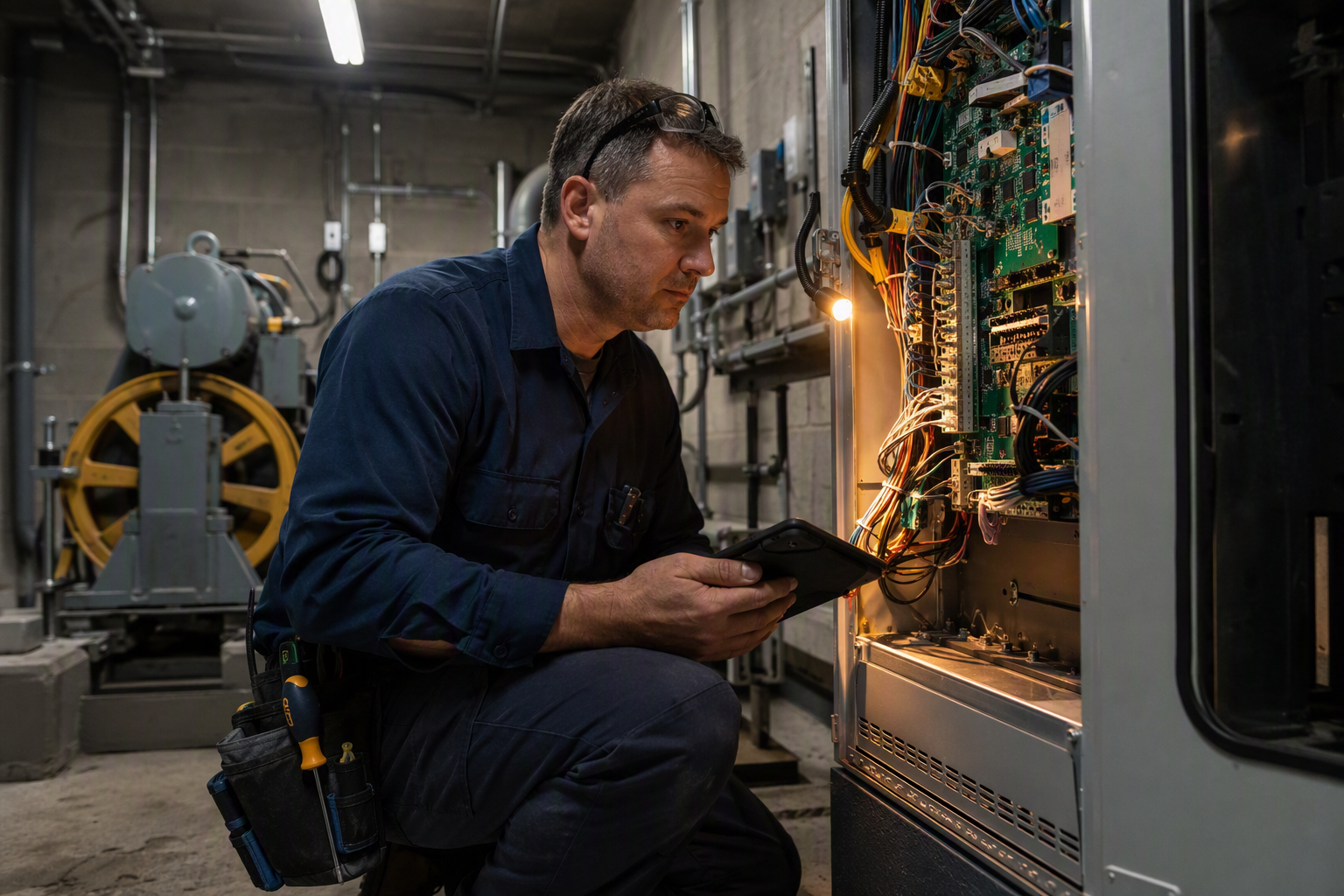
Reliable, independently verified statistics on elevator downtime costs across the industry are more limited than many content sources suggest. The table below presents only figures that can be attributed to verifiable published standards and regulatory frameworks.
| Data Point | Source | Relevance to Downtime Cost |
|---|---|---|
| ASME A17.1 mandates periodic inspection intervals for elevator components including safety devices, buffers, and door systems | ASME Codes & Standards | Missed inspections can result in mandatory shutdown orders, converting a compliance issue into forced downtime with no advance planning window |
| ADA Title III requires that buildings provide accessible routes and that temporary inaccessibility be addressed with alternative accommodations where feasible | ADA.gov | Failure to provide alternatives during outages creates civil rights exposure that significantly multiplies total downtime cost beyond repair expenses |
| OSHA General Duty Clause (Section 5(a)(1)) requires employers to maintain workplaces free from recognized hazards likely to cause death or serious physical harm | OSHA.gov | Operating a malfunctioning elevator in a workplace can result in citations compounding regulatory costs on top of repair costs |
Note: Liftech Elevator does not cite industry-wide downtime cost averages without verified sourcing. Any figures appearing elsewhere that claim precise dollar-per-hour downtime costs without attribution should be treated with caution.
How Does Unplanned Downtime Compare to Planned Maintenance Cost?
The economic argument for preventive maintenance is well established in facilities management and is consistent with engineering principles regardless of specific dollar figures. Unplanned failures impose costs that planned maintenance avoids across multiple dimensions:
- Labor premium: Emergency technician dispatch typically carries higher rates than scheduled service windows.
- Parts availability: Urgent sourcing of components — particularly for older or modernized systems with proprietary controllers — can add significant lead-time costs or expedited shipping charges.
- Secondary damage: A failing component that is not caught during routine inspection can cause cascading damage to adjacent systems, multiplying the scope and cost of repair.
- Operational disruption: Planned maintenance can be scheduled during low-traffic periods; unplanned failures occur at random, often during peak building usage hours.
- Regulatory exposure window: An unexpected outage creates an immediate compliance clock. Buildings in jurisdictions with strict elevator regulations may face mandatory timelines for repair or replacement, removing cost negotiation leverage.
What Factors Drive the Total Cost of an Elevator Outage?
Several variables determine how expensive any given elevator outage will be. Building managers evaluating their risk profile should consider each of the following:
- Number of elevators in service: A single-elevator building faces a complete access failure during any outage, whereas a building with multiple units can often maintain partial service.
- Building occupancy type: Hospitals, assisted living facilities, and hotels face far more severe operational consequences from elevator downtime than do low-traffic commercial buildings.
- Equipment age and parts availability: Older elevator systems — particularly those running proprietary controllers or discontinued hydraulic components — carry longer estimated repair times due to parts sourcing challenges.
- Maintenance contract terms: Buildings with active full-service maintenance agreements typically have predefined response expectations and parts coverage that contain emergency costs. Buildings without such agreements bear the full cost of emergency dispatch.
- Local regulatory environment: Some municipalities impose fines for elevators that remain out of service beyond a defined window without documented remediation progress. These regulatory costs are separate from repair costs.
- Time of year: Supply chain disruptions, particularly those affecting elevator components imported internationally, can extend downtime windows in ways that no maintenance contract fully eliminates.
What Happens Immediately When an Elevator Goes Out of Service?
- Secure the equipment: Take the elevator out of service immediately and post clear signage at all landings to prevent unauthorized use.
- Assess entrapment risk: Confirm that no passengers are trapped inside the cab before any other action is taken. If entrapment is suspected, contact emergency services.
- Notify your maintenance provider or service company: Contact your elevator service provider to initiate a diagnostic and repair workflow. Document the time and nature of the reported failure.
- Assess ADA accommodation obligations: Evaluate whether the outage creates an access barrier for individuals with disabilities and determine whether alternative accommodations (such as staff assistance or temporary service protocols) are feasible under ADA guidance.
- Notify building tenants and management: Communicate the outage, the expected timeline for assessment, and any available alternatives. Written documentation of this communication can be important if tenant disputes or regulatory inquiries arise later.
- Check regulatory reporting requirements: In many jurisdictions, certain types of elevator failures — particularly those involving safety device activation — must be reported to the local elevator inspection authority within a defined timeframe.
- Document everything: Maintain a written log of all communications, diagnostic findings, parts orders, and repair milestones. This documentation supports compliance defense if regulatory scrutiny follows.
How Do Compliance Failures Compound Elevator Downtime Costs?
One of the most underappreciated dimensions of elevator downtime cost is the regulatory multiplier effect. When an elevator fails — particularly if that failure is linked to a missed inspection or deferred maintenance — building owners face simultaneous exposure on multiple tracks:
Under ASME A17.1 Safety Code for Elevators and Escalators, which is the foundational technical standard adopted by most U.S. jurisdictions, elevators must pass periodic inspections conducted by certified inspectors. If a failure event triggers an investigation that uncovers overdue inspections or unresolved violations from prior inspections, the building owner may face mandatory shutdown orders that extend far beyond the duration of the underlying repair. This transforms a one-day repair window into a multi-week compliance remediation process.
Similarly, OSHA may become involved in any elevator incident that results in injury to a worker — including maintenance personnel or building staff — broadening the financial and legal exposure well beyond the mechanical failure itself.
What Are the 2025–2026 Trends in Elevator Downtime and Maintenance?
Several qualitative trends are shaping how building owners and facilities managers approach elevator downtime risk heading into 2026:
- Predictive maintenance adoption: More building operators are exploring sensor-based and IoT-enabled monitoring systems that can flag anomalies in motor performance, door cycling, and cab leveling before they result in a failure event. While adoption is still growing rather than universal, the trend is clearly toward condition-based maintenance rather than calendar-based inspection alone.
- Supply chain awareness: Post-pandemic disruptions in global parts supply chains have made building owners more aware of lead times for critical elevator components. Facilities teams are increasingly asking maintenance providers about parts inventory and sourcing protocols as part of contract negotiations.
- Aging elevator stock: A significant portion of the commercial elevator fleet in North America consists of units that are decades old. As these systems age beyond their designed service life, the frequency and cost of unplanned failures increases — creating pressure for either full modernization or enhanced preventive maintenance programs.
- Regulatory tightening: Multiple states and municipalities are updating their elevator inspection and licensing requirements in line with recent editions of ASME Codes & Standards. Building owners in affected jurisdictions are discovering that compliance costs are rising even in the absence of any failure event.
- Tenant and occupant expectations: In competitive commercial and residential leasing markets, elevator reliability has become a more prominent factor in tenant satisfaction and lease renewal decisions. Downtime events that were once tolerated are increasingly triggering formal complaints and lease escalation clauses.
How Can Building Owners Reduce Elevator Downtime Risk?
Risk reduction in elevator operations follows a consistent set of best practices that align with both technical standards and commercial common sense:
- Maintain a current, active service agreement with a qualified elevator maintenance provider rather than relying on reactive repair-only relationships.
- Ensure that all required inspections under the applicable edition of ASME A17.1 are completed on schedule and that certificates are current and posted as required by local code.
- Keep detailed maintenance records, including all inspection reports, repair orders, parts replacements, and technician notes. This documentation is your primary defense in the event of a regulatory inquiry or tenant dispute.
- Budget proactively for modernization of aging systems rather than deferring investment until a failure forces an emergency project at premium cost.
- Understand your ADA obligations under ADA Title III so that when outages occur, you have a documented accommodation protocol ready to implement immediately.
Elevator Downtime Cost Statistics Q&A
What is the biggest hidden cost of elevator downtime?
The largest hidden cost is typically regulatory and legal exposure rather than the repair bill itself. When an outage triggers an ADA complaint or OSHA investigation, legal defense costs, settlement costs, and mandatory remediation expenses can far exceed the underlying mechanical repair. Building owners who do not have documented compliance histories are particularly vulnerable to this compounding cost effect.
How does elevator age affect downtime frequency and cost?
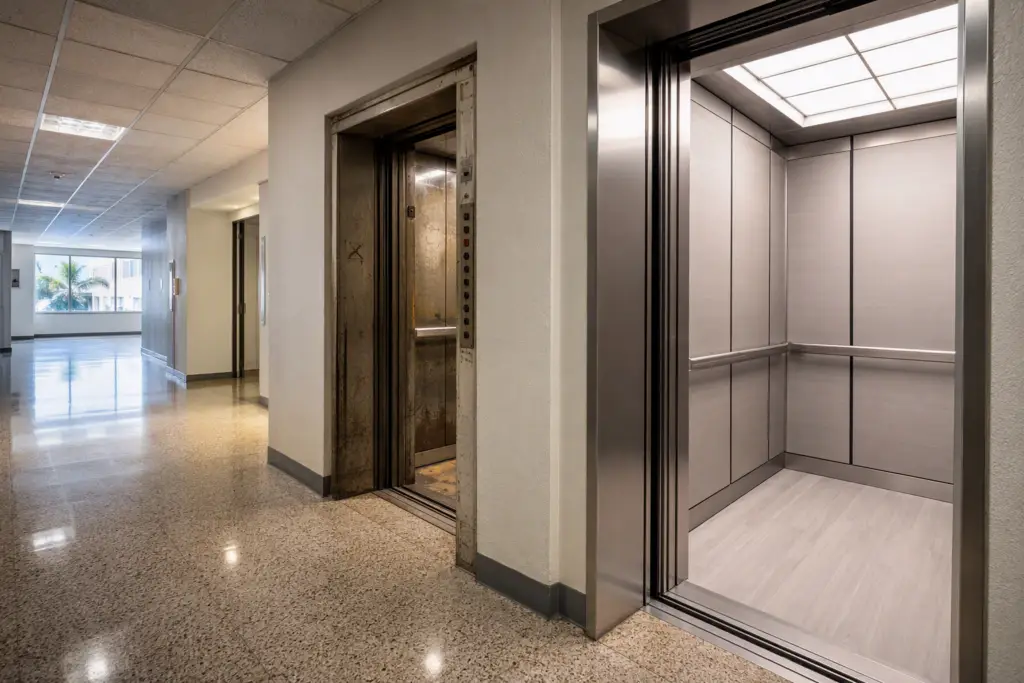
Older elevator systems — particularly those more than 20 to 25 years old — are more susceptible to unplanned failures due to component wear, obsolete control systems, and reduced parts availability. As systems age beyond their designed service life, the cost trajectory of maintaining them in safe operating condition typically increases, while the risk of a failure event that exceeds the economic threshold for repair versus replacement also rises.
Does elevator downtime affect property value?
Elevator reliability is a recognized factor in commercial and residential property valuation. Buildings with documented histories of frequent outages, outstanding violations, or aging equipment in need of modernization may face downward pressure on appraised value and lease rates. Buyers and lenders conducting due diligence on multi-story properties increasingly review elevator maintenance records as part of their assessment.
What is the difference between a full-service elevator maintenance contract and a parts-and-labor contract?
A full-service maintenance contract typically covers routine inspections, lubrication, adjustments, and parts replacement within the scope of normal wear, in addition to emergency response. A parts-and-labor or oil-and-grease contract covers only routine service visits, with emergency calls and parts billed separately. The gap in emergency cost exposure between these two contract types is particularly significant when major components fail unexpectedly.
Are there regulatory fines specifically for elevator downtime?
Local jurisdiction requirements vary significantly, but many states and municipalities impose penalties for elevators that remain out of service beyond a defined period without documented remediation progress. Additionally, operating an elevator with known deficiencies rather than taking it out of service can trigger separate violations with their own fine schedules. Building owners should consult their local elevator inspection authority for the specific enforcement framework applicable to their property.
How does elevator downtime affect ADA compliance obligations?
Under the ADA, a building that relies on an elevator to provide accessible access to upper floors is required to address outages in a way that does not effectively exclude individuals with disabilities. Depending on the building type and the duration of the outage, this may require providing alternative accommodations, adjusting service protocols, or in extended cases, completing repairs as a priority. Failure to do so can result in formal complaints filed with the Department of Justice or private civil litigation.
What ASME standards govern elevator maintenance requirements?
The primary governing document is the ASME A17.1 Safety Code for Elevators and Escalators, which establishes requirements for design, construction, operation, inspection, testing, maintenance, alteration, and repair. Most U.S. jurisdictions adopt ASME A17.1 by reference in their local elevator codes, though adoption cycles mean that some jurisdictions may be operating under an earlier edition. Building owners should verify which edition their jurisdiction has adopted.
Can elevator downtime trigger an OSHA investigation?
Yes. If an elevator failure results in injury to an employee — including maintenance workers, building staff, or visitors in a workplace setting — OSHA has jurisdiction to investigate and may issue citations under the General Duty Clause or applicable construction or general industry standards. The presence of prior maintenance records showing known deficiencies that were not addressed is particularly damaging in the context of an OSHA inquiry.
How does preventive maintenance reduce the total cost of elevator ownership?
Preventive maintenance reduces total cost of ownership by catching component wear before it leads to failure, eliminating emergency labor and expedited parts premiums, extending the useful service life of equipment, and maintaining continuous compliance with inspection requirements. Buildings that defer routine maintenance consistently face higher aggregate costs over any multi-year period than those operating under consistent preventive programs — even accounting for the ongoing cost of the service agreement.
How can Liftech Elevator help building owners manage downtime risk?
Liftech Elevator provides data-driven elevator assessment, maintenance, and modernization services designed to help building owners understand their current equipment condition, compliance status, and risk profile before a failure event occurs. By combining technical expertise with a structured approach to preventive maintenance planning, Liftech Elevator supports building operators in making informed decisions that reduce unplanned downtime and its associated costs. Rather than responding only after equipment fails, Liftech Elevator’s approach emphasizes proactive service planning grounded in the requirements of ASME A17.1 and applicable local codes.
Key Takeaways for Building Owners and Facilities Managers
- Elevator downtime costs extend well beyond repair invoices — regulatory exposure, ADA liability, tenant impact, and property value effects all contribute to the true total cost of an outage.
- Compliance failures under ASME A17.1, ADA, and OSHA can compound the financial impact of any outage significantly.
- Preventive maintenance is consistently more cost-effective than reactive repair across every dimension of the cost analysis.
- Aging elevator stock and evolving regulatory requirements are increasing downtime risk and compliance costs for building owners who have deferred modernization investment.
- Documentation of maintenance activity, inspection completion, and ADA accommodation protocols is essential to managing regulatory and legal exposure when outages occur.
- The trends heading into 2026 favor building owners who invest proactively in condition-based monitoring, full-service maintenance agreements, and modernization planning over those relying on reactive service models.
Get a Free Elevator Assessment from Liftech Elevator
Understanding your elevator’s current condition, maintenance status, and compliance posture is the foundation of any effective downtime risk management strategy. Liftech Elevator provides comprehensive elevator assessments that help building owners identify vulnerabilities before they become emergencies — and before the financial consequences of unplanned downtime become unavoidable.
Contact Liftech Elevator for a free elevator assessment: 562-609-3478