Elevator Service in Signal, CA | Liftech Elevator
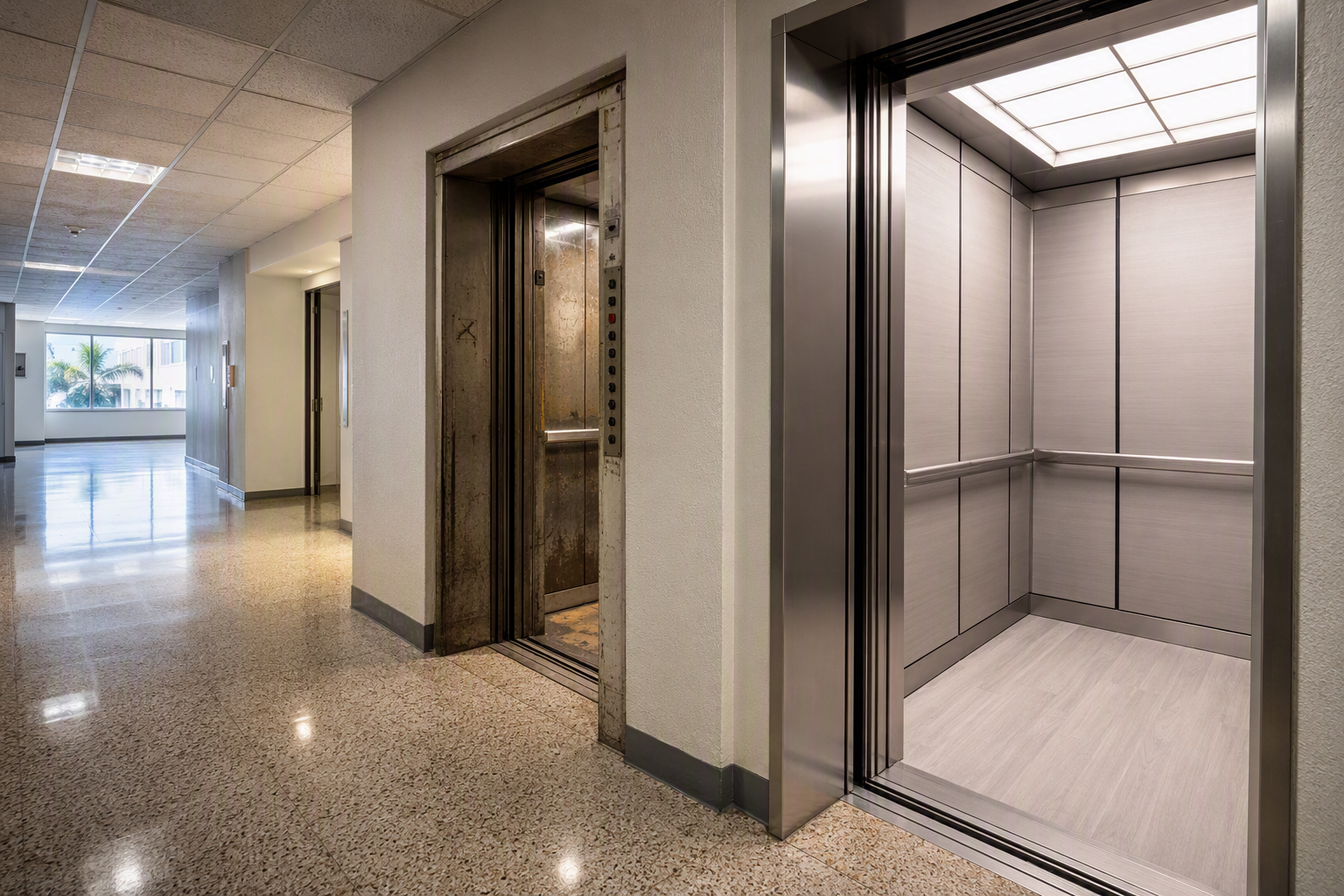
Deciding between elevator modernization and full replacement is one of the most consequential capital decisions a Signal, CA building owner or facilities manager will face. Both paths have distinct cost profiles, compliance implications, and operational impacts. Liftech Elevator provides certified elevator services throughout Signal and the surrounding Southern California region, helping property owners navigate this decision with clarity and confidence.
What Is the Difference Between Elevator Modernization and Full Replacement?
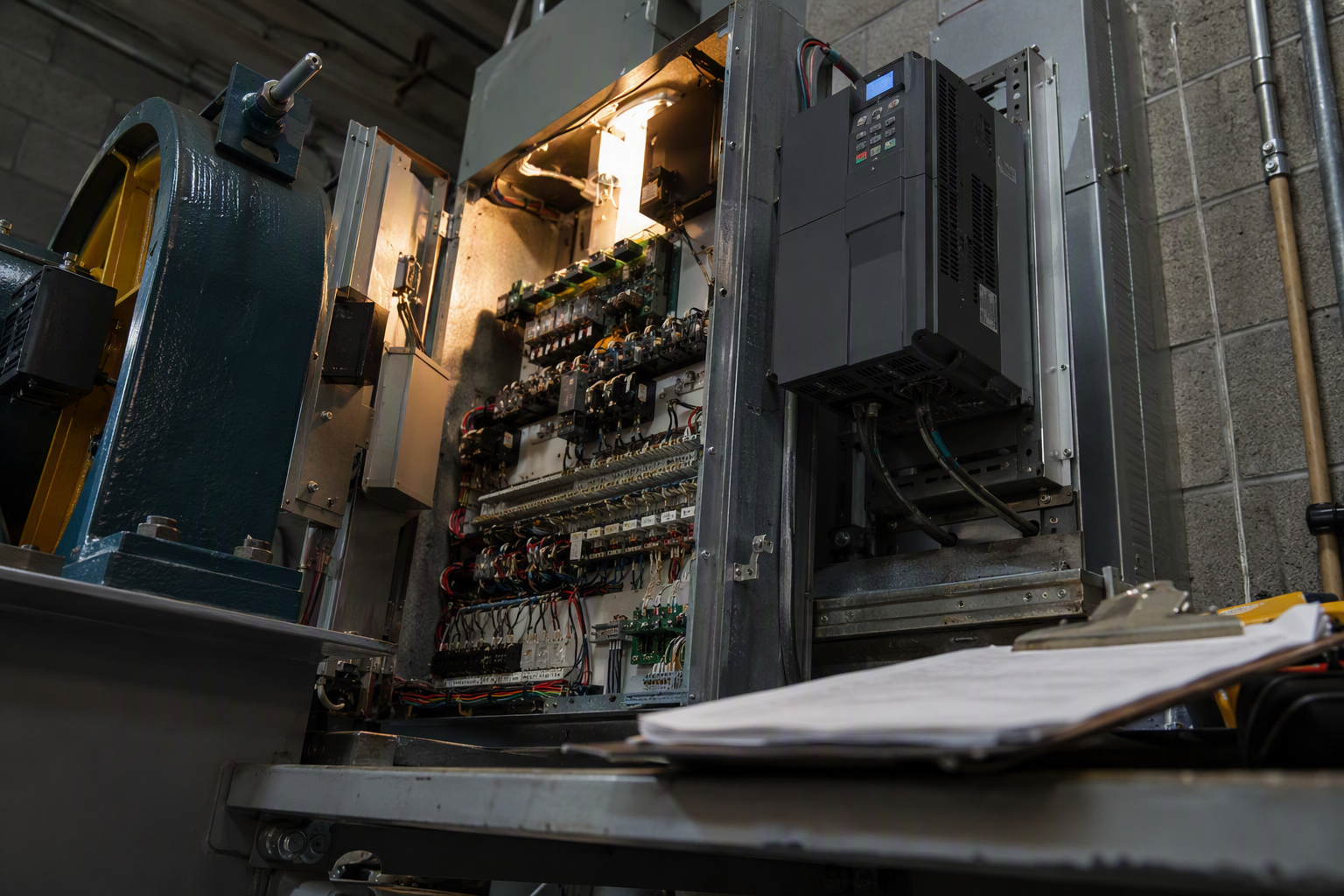
Elevator modernization refers to the selective upgrade of existing elevator components — such as the controller, drive system, cab interior, door operators, lighting, or safety devices — while retaining the original hoistway structure and major mechanical infrastructure. Full replacement involves removing the entire elevator system, including the cab, machine room equipment, and often the rail structure, and installing a new system from the ground up.
Modernization is best suited for elevators whose core structure remains sound but whose components are outdated, unreliable, or no longer compliant with current codes. Full replacement becomes the practical choice when the hoistway itself is compromised, when the existing equipment is entirely obsolete, or when the scope of required upgrades approaches or exceeds the cost of a new installation.
How Do California Elevator Codes Affect the Modernization vs. Replacement Decision?
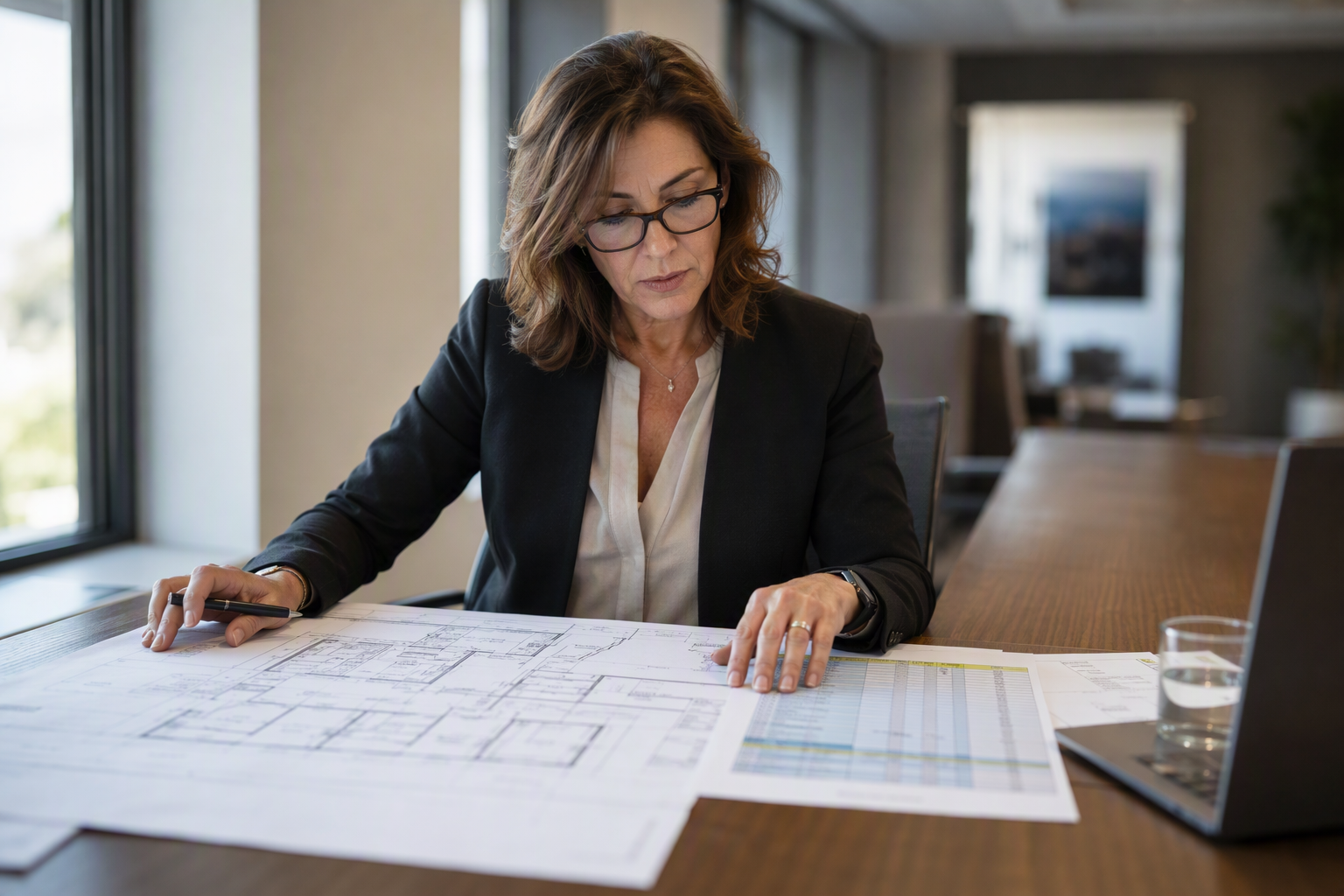
California enforces elevator safety through the ASME A17.1 Safety Code for Elevators and Escalators, adopted and administered at the state level by the California Division of Occupational Safety and Health (Cal/OSHA). In 2026, building owners in Signal, CA must ensure their elevator systems meet current ASME A17.1 requirements — and any modernization project that triggers a permit will require the upgraded components to comply with the code edition in effect at the time of the permit.
This is a critical consideration: a partial modernization can require broader code-compliance upgrades than originally anticipated. For example, replacing a controller may trigger requirements for updated firefighter service, door reopening devices, or emergency lighting that must also be brought into compliance. Working with a knowledgeable local elevator company helps property owners understand the full compliance scope before committing to a project budget.
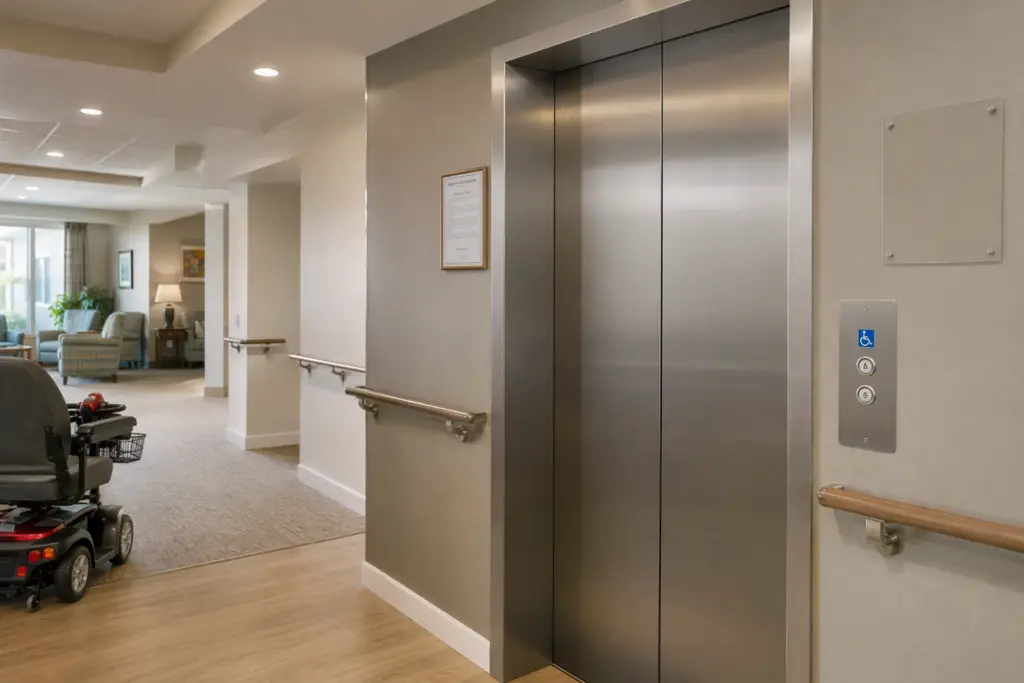
Additionally, ADA (Americans with Disabilities Act) accessibility requirements apply to elevators in public accommodations and commercial facilities. Both modernization and replacement projects present an opportunity — and in some cases an obligation — to address cab dimensions, control panel height, Braille signage, and audio-visual indicators.
What Are the Key Factors That Favor Elevator Modernization?
- Equipment age and condition: Elevators with sound hoistways and mechanically intact rail systems are strong modernization candidates.
- Budget constraints: Modernization generally requires a lower initial capital outlay than full replacement, though costs vary significantly by scope.
- Minimal disruption: Selective component replacement often means shorter out-of-service periods compared to a complete tear-out-and-replace project.
- Sustainability goals: Retaining usable infrastructure reduces material waste and aligns with green building initiatives.
- Targeted reliability improvements: Replacing aging controllers, door operators, or drive systems can resolve most recurring service issues without a full replacement.
What Are the Key Factors That Favor Full Elevator Replacement?
- Hoistway or structural deficiencies: If the pit, overhead clearances, or hoistway walls do not meet current code and cannot be modified economically, replacement may be the only viable path.
- Obsolete equipment with no parts supply: When replacement parts for existing machinery are no longer manufactured or sourced, maintaining reliability becomes increasingly difficult.
- Cumulative modernization costs: When the sum of required upgrades approaches full-replacement cost, a new system offers better long-term value and warranty protection.
- Technology requirements: Destination dispatch systems, machine-room-less (MRL) configurations, and regenerative drive technology may only be achievable through full replacement.
- Insurance or lender requirements: Some financing or insurance arrangements require fully new equipment with current manufacturer certifications.
How Long Does Each Option Typically Take?
Project timelines depend on the scope of work, equipment lead times, permit processing by the California elevator inspection authority, and site-specific conditions. In general terms:
- A targeted modernization — such as a controller and door operator upgrade — may keep an elevator out of service for a shorter period than a full replacement.
- A comprehensive modernization involving drive systems, cab, and multiple safety upgrades can approach the timeline of a full replacement.
- Full replacement projects require complete decommissioning, installation, and final state inspection before the unit returns to service.
Permit timelines with California authorities are a variable that experienced local elevator contractors plan for proactively. Liftech Elevator coordinates the permitting process on behalf of Signal, CA property owners to minimize avoidable delays.
What Steps Should a Signal, CA Property Owner Take When Evaluating This Decision?
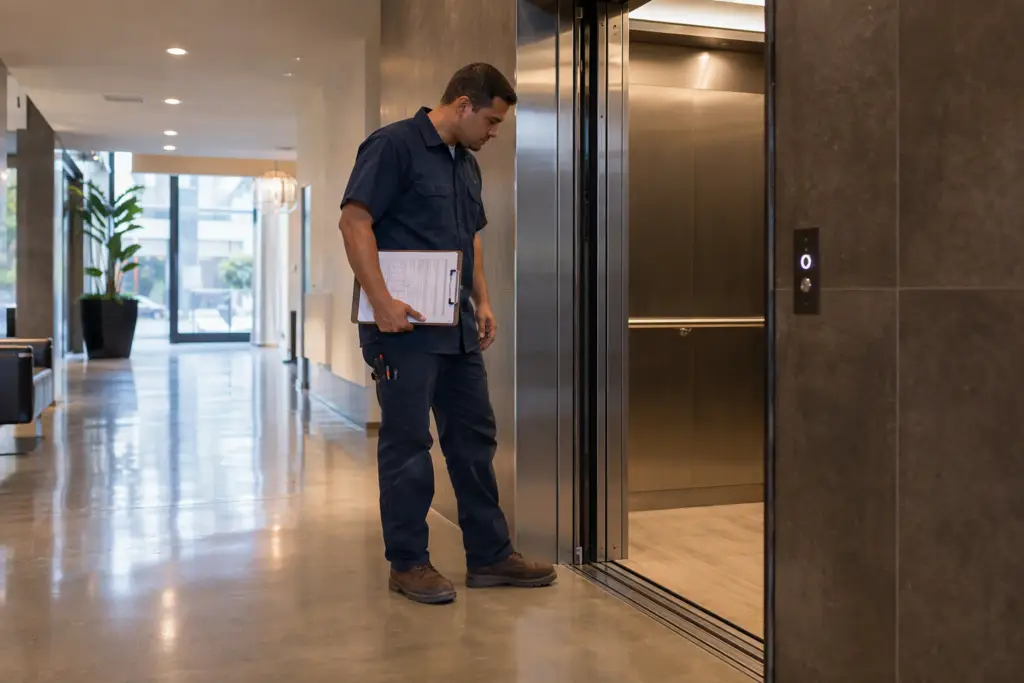
- Commission a comprehensive elevator assessment. Have a qualified elevator contractor conduct a full inspection of the existing system, documenting the condition of all major components, hoistway dimensions, and current code compliance status.
- Obtain a code gap analysis. Identify every area where the existing installation falls short of current ASME A17.1 and California-specific requirements, as well as ADA accessibility standards.
- Request itemized modernization and replacement proposals. Compare full-scope modernization costs against new-installation costs, including all permit fees, testing, and inspection costs.
- Evaluate total cost of ownership. Factor in projected maintenance costs, parts availability, energy consumption, and expected remaining service life for each option over a defined planning horizon.
- Consult with a local elevator service provider. A contractor with direct experience in Signal and Southern California will have insight into local inspection timelines, preferred equipment suppliers, and hoistway conditions common to regional building stock.
- Plan for business continuity. Determine how out-of-service periods will affect tenants, residents, or ADA compliance obligations, and build contingency access plans.
- Review financing options. Both modernization and replacement may qualify for capital improvement financing; consult with a financial advisor and your elevator contractor about available options.
Does Modernization or Replacement Affect Ongoing Maintenance Requirements?
Both options result in systems that require regular preventive maintenance and periodic state inspections under California law. Newer components — whether installed through modernization or full replacement — typically carry manufacturer warranties and may reduce emergency repair frequency in the near term. California requires annual inspections by a certified state elevator inspector, and any permitted modernization or replacement work will trigger a post-completion inspection before the elevator is returned to service. Liftech Elevator provides ongoing maintenance programs for Signal, CA properties following both modernization and replacement projects.
Is Emergency Elevator Service Available in Signal, CA?
Liftech Elevator provides emergency elevator service to Signal, CA and surrounding Southern California communities. Emergency availability is offered to address entrapments, sudden shutdowns, and critical safety concerns that require prompt attention. Property owners and facilities managers are encouraged to contact Liftech Elevator directly to discuss service coverage for their specific location and building type.
Why Choose a Local Elevator Service Company in Signal, CA?
Signal, CA properties — including commercial office buildings, multifamily residential communities, healthcare facilities, and public-access structures — each present unique elevator challenges shaped by building age, use patterns, and local code enforcement practices. Liftech Elevator serves the Signal area with direct knowledge of Southern California building stock, established relationships with California elevator inspection authorities, and familiarity with the equipment commonly found in regional properties. This local expertise streamlines permitting, inspection scheduling, and parts sourcing in ways that out-of-area contractors often cannot match.
Schedule a Free Consultation with Liftech Elevator
Property owners in Signal, CA navigating the elevator modernization versus full replacement decision deserve clear, unbiased guidance based on the actual condition of their equipment and their building’s compliance obligations. Liftech Elevator offers no-obligation consultations to assess your existing system, explain your options, and help you make the decision that best serves your property and its occupants.
Contact Liftech Elevator today to schedule your free consultation: 562-609-3478
Need elevator service you can rely on? Liftech Elevator is ready to help.