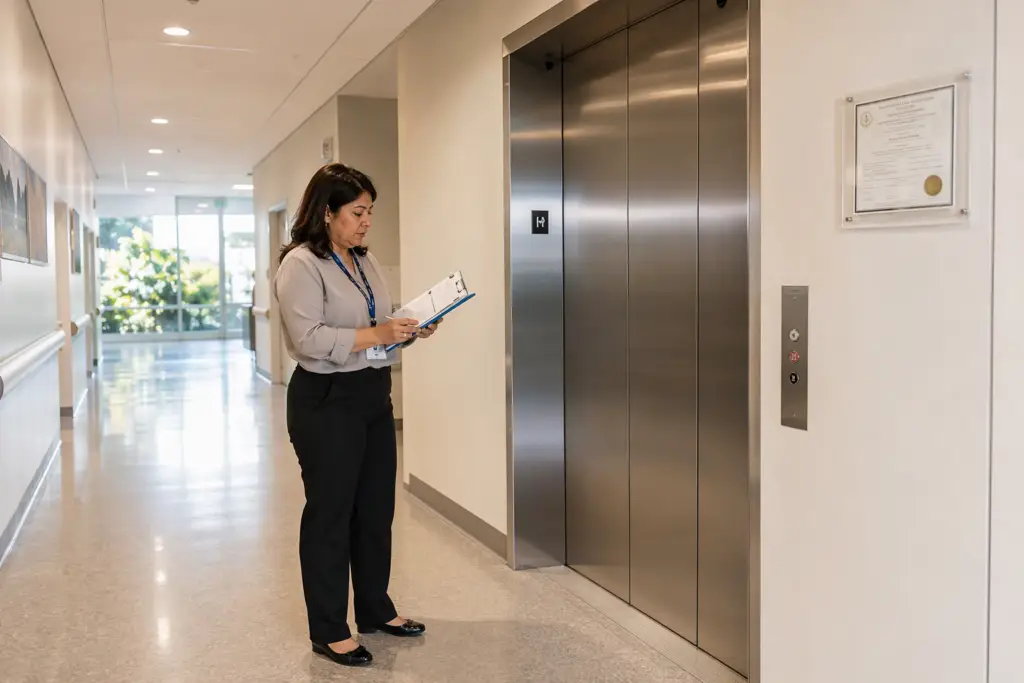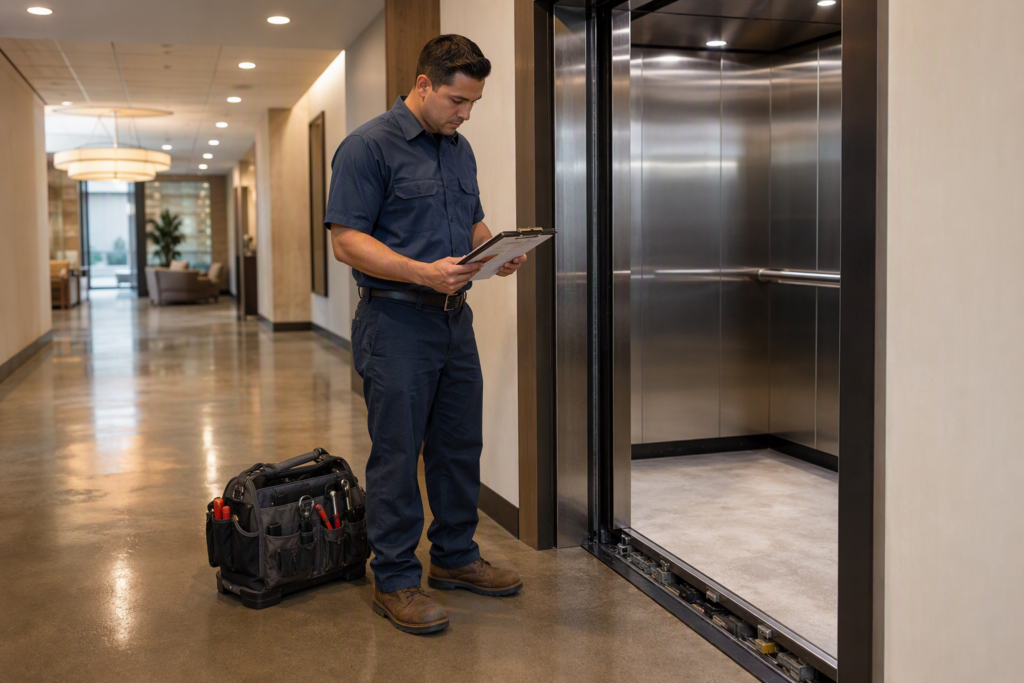
Multifamily Elevator Modernization: Comparison & Decision Guide
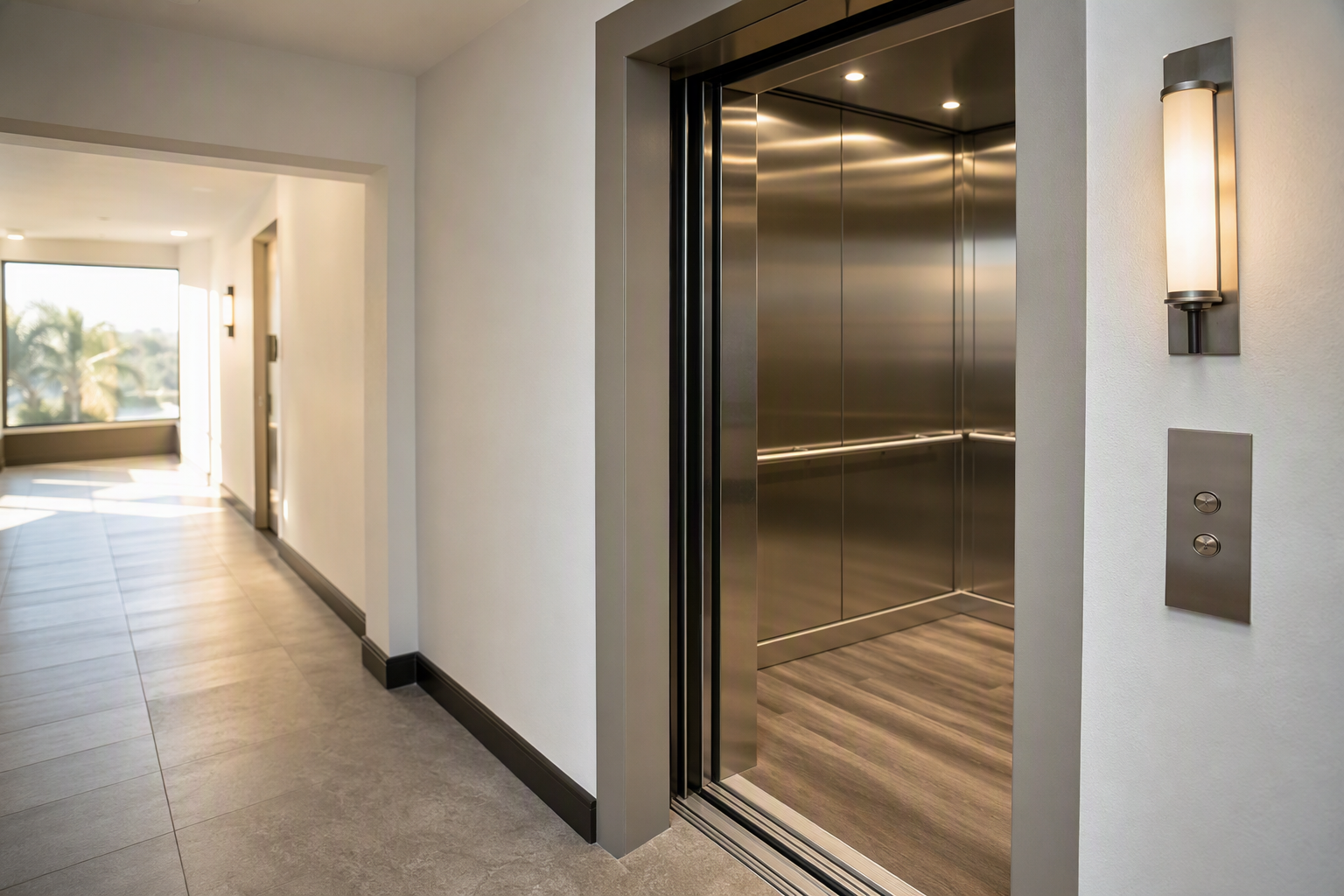
For property managers, building owners, and HOA boards, deciding whether — and how — to modernize a multifamily elevator is one of the most consequential capital decisions a building will face. This guide walks through every critical factor: scope options, cost considerations, timelines, compliance requirements, and how to choose a qualified service provider.
What Does Multifamily Elevator Modernization Actually Mean?
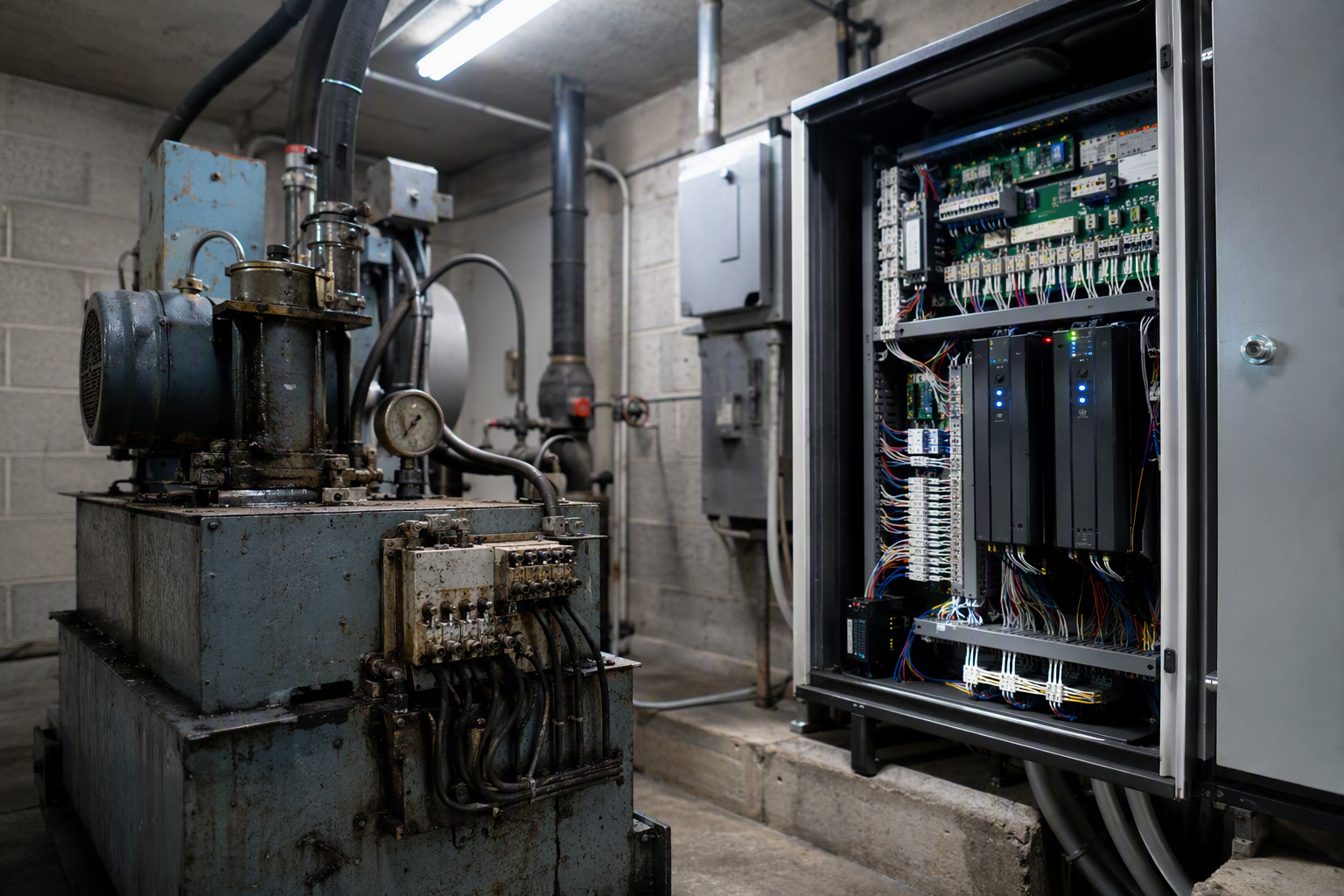
Modernization is not the same as routine maintenance or a single repair. It refers to the planned replacement of major elevator systems — typically including the controller, drive, door operator, cab interior, or hydraulic power unit — to bring an aging elevator up to current performance, safety, and code standards.
Unlike a full replacement (which involves removing the entire hoistway structure), modernization works within the existing shaft and structural envelope. This typically makes it faster, less disruptive to residents, and more cost-effective than new construction.
Modernization projects generally fall into three tiers:
- Partial Modernization: Targeting one or two systems (e.g., controller only, or door operator only) to address a specific failure point or compliance gap.
- Full Modernization: Comprehensive replacement of all major mechanical and electrical components while retaining the hoistway, car frame, and guide rails if structurally sound.
- Cab Renovation: Interior-only upgrades (flooring, wall panels, lighting, fixtures) focused on aesthetics and resident experience rather than mechanical performance.
How Do the Three Modernization Scopes Compare?
| Factor | Partial Modernization | Full Modernization | Cab Renovation Only |
|---|---|---|---|
| Primary Goal | Fix specific failure or compliance gap | Full system renewal & longevity | Aesthetic refresh |
| Typical Downtime | Days to 2 weeks | 4–10 weeks per elevator | Days to 1 week |
| Code Impact | May trigger additional upgrades | Brings unit to current code | Minimal code implications |
| Expected Lifespan Gain | Varies by component | Substantial long-term extension | No mechanical benefit |
| ROI Driver | Reduced immediate breakdown risk | Energy savings, reduced callbacks, NOI support | Resident satisfaction, property value perception |
| Best For | Buildings with newer equipment needing targeted fix | Equipment aged beyond manufacturer support | Recently modernized elevators needing refresh |
Key insight: When a single component is replaced on an older elevator, local jurisdictions enforcing ASME A17.1 Safety Code for Elevators and Escalators may require that the entire elevator meet current code at that point of modernization. Always confirm the scope of code compliance obligations with your Authorities Having Jurisdiction (AHJ) before beginning a partial project.
What Are the Main Compliance Drivers for Elevator Modernization in 2026?
Compliance is frequently the catalyst — not a choice — for modernization in multifamily properties. The primary regulatory frameworks that property owners must understand include:
- ASME A17.1 Safety Code for Elevators and Escalators: The national baseline standard governing elevator safety, inspection intervals, and equipment requirements. Many states and municipalities adopt specific editions of this code, and older elevators may not comply with current editions.
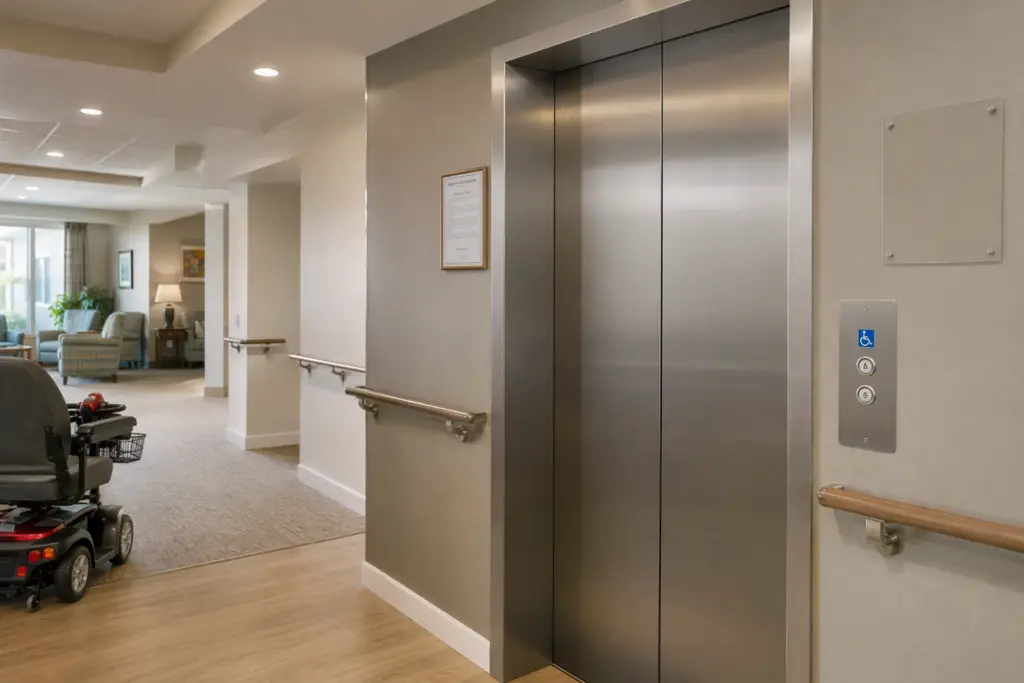
- Americans with Disabilities Act (ADA): Requires that elevators in multifamily buildings with four or more stories (and in covered facilities) meet accessibility standards including door width, control panel height, audible signals, and Braille markings. Modernization is a common trigger for ADA compliance reviews.
- OSHA Standards: Applies to construction and maintenance workers performing modernization work. Property managers should confirm that contractors follow applicable OSHA safety protocols during the project.
- State and Local Elevator Codes: Many states have adopted their own elevator safety acts with inspection frequencies, permit requirements, and modernization triggers that exceed or vary from the federal baseline. Always consult your local AHJ.
Failure to maintain code-compliant elevators can result in elevator shutdowns ordered by the AHJ, potential liability exposure, and resident displacement — all of which carry significant financial and reputational consequences for property owners.
What Are the Key Components Replaced During Full Elevator Modernization?
| Component | Why It’s Replaced | Performance Benefit |
|---|---|---|
| Controller & Logic Board | Obsolete parts, unreliable dispatching | Faster response, diagnostic capability, remote monitoring |
| Drive System (MG Set or SCR to VVF) | Energy inefficiency, rough ride quality | Smoother leveling, significant energy reduction |
| Door Operator & Contacts | Leading cause of callbacks and entrapment risk | Fewer door faults, improved passenger safety |
| Hydraulic Power Unit (hydraulic elevators) | Oil leaks, environmental liability, obsolete seals | Reduced leak risk, improved efficiency, lower fluid costs |
| Fixtures & Controls (hall and car) | ADA non-compliance, outdated interface | Code compliance, improved usability |
| Cab Interior | Worn finishes, dated aesthetics | Resident satisfaction, property value perception |
| Safety Devices & Buffers | May not meet current ASME A17.1 requirements | Code compliance, passenger protection |
How Long Does a Multifamily Elevator Modernization Take?
Timeline is a critical planning factor in occupied residential buildings because elevator downtime directly affects residents — especially those with mobility limitations.
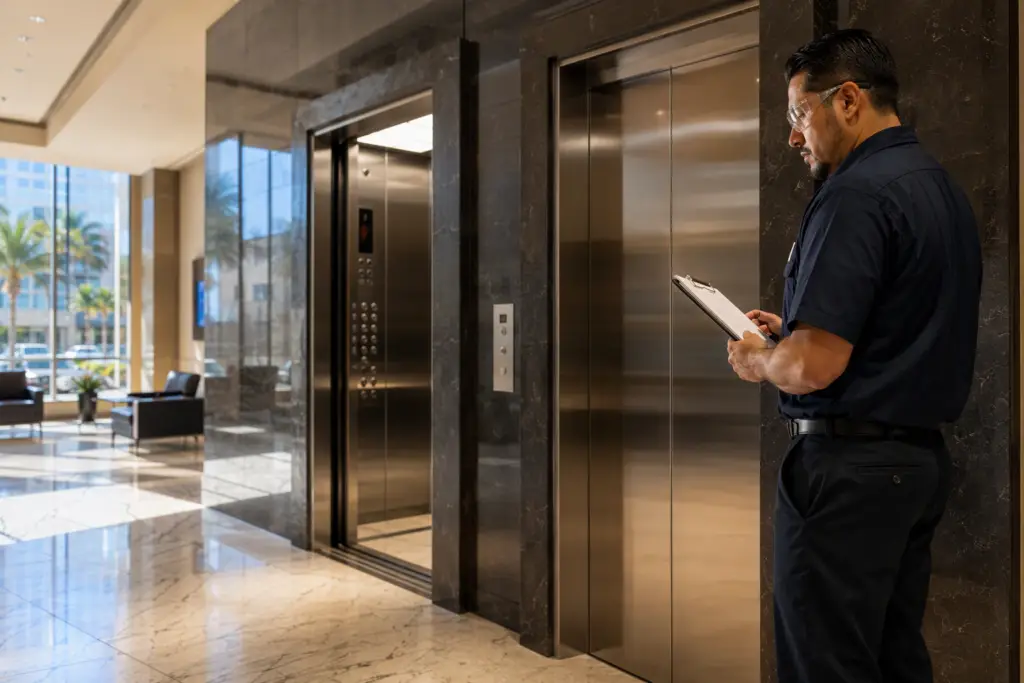
- Assessment & Scope Definition (2–4 weeks): A qualified elevator contractor performs a thorough condition assessment, reviews code requirements with the local AHJ, and develops a detailed scope of work and specification.
- Proposal & Contractor Selection (2–6 weeks): The property obtains multiple bids, reviews vendor qualifications, and executes a contract. For buildings subject to procurement rules (e.g., co-ops, some HOAs), board approval may add time.
- Permitting (2–8 weeks): Modernization requires permits from the local AHJ before work begins. Timeline varies significantly by jurisdiction.
- Equipment Lead Time (4–16 weeks): Custom controllers, drive systems, and cab components often have manufacturer lead times. Supply chain conditions in 2026 continue to influence delivery schedules.
- Installation (1–10 weeks per elevator): Partial modernizations may take only a few days per elevator; full modernizations typically take several weeks depending on scope and building configuration.
- Inspection & Certificate of Occupancy (1–4 weeks): After installation, the AHJ performs a final inspection. The elevator cannot return to service until an updated operating certificate is issued.
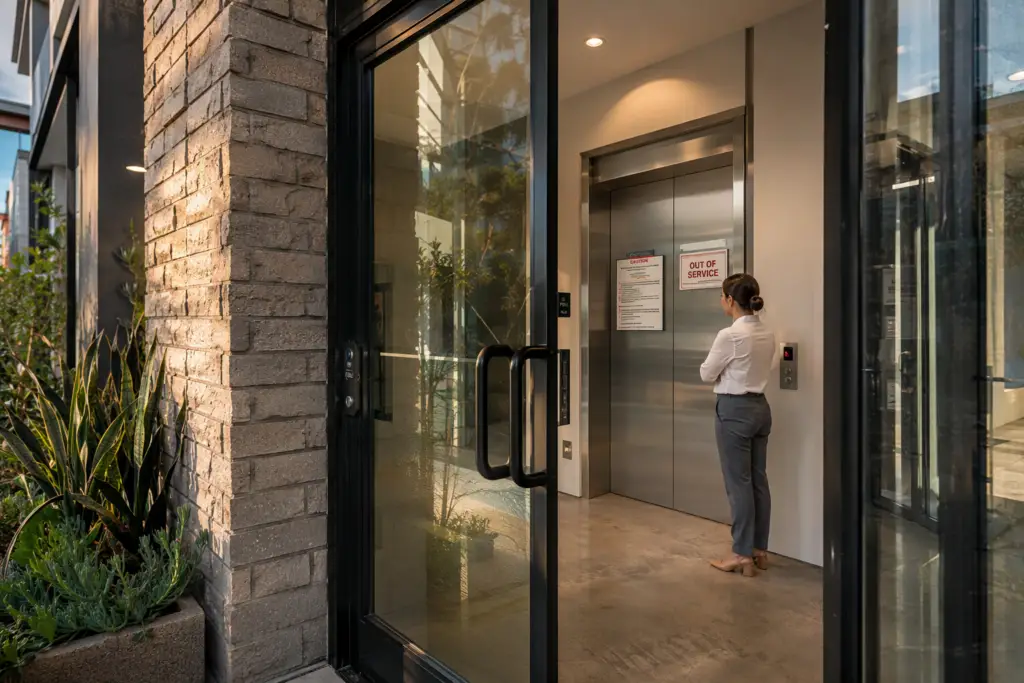
Planning note: In multifamily buildings with a single elevator, extended downtime requires a resident communication plan and, in some cases, temporary accommodations for residents with disabilities under ADA and Fair Housing Act obligations.
How Does Modernization Compare to Full Elevator Replacement?
| Factor | Modernization | Full Replacement |
|---|---|---|
| Structural Impact | Works within existing hoistway | May require hoistway demolition and reconstruction |
| Permitting Complexity | Elevator permit required | Building permit + elevator permit; structural engineering |
| Resident Disruption | Weeks | Months to over a year |
| Relative Cost | Lower | Substantially higher |
| Best Suited When | Hoistway structure is sound; equipment is the issue | Structural deficiencies, change in travel/capacity requirements |
| Code Outcome | Brings to current code at time of modernization | New installation to current code |
For the vast majority of multifamily elevator situations — especially buildings constructed from the 1960s through the 1990s — modernization is the preferred path because it delivers code compliance, mechanical reliability, and improved performance at a fraction of the cost and disruption of full replacement.
What Should Multifamily Building Owners Look for in an Elevator Modernization Contractor?
Contractor selection is among the most consequential decisions in the modernization process. The following criteria distinguish qualified, trustworthy vendors from those who may create long-term problems:
- Independent vs. OEM-Tied Contractor: Some contractors are affiliated with specific elevator manufacturers and may steer specifications toward proprietary parts that increase future maintenance costs and lock the building into single-vendor relationships. Independent elevator service companies can specify equipment from multiple manufacturers and are free to recommend what is best for the building’s needs.
- Knowledge of Local Code and AHJ Relationships: A contractor experienced in your jurisdiction understands local code editions, inspection processes, and permitting timelines — reducing surprises and delays.
- Transparent Scope Documentation: Specifications should detail every component being replaced, the brand and model of new equipment, warranty terms, and what is explicitly excluded from scope.
- References from Multifamily Projects: Residential modernization has unique challenges (occupied buildings, diverse resident needs, limited access windows) that differ from commercial work. Ask for multifamily-specific references.
- Warranty and Post-Modernization Service Plan: Understand who services the elevator after modernization and whether proprietary components will limit your future service options.
Liftech Elevator is an independent elevator service provider offering multifamily elevator modernization assessments and project management. As an independent contractor, Liftech Elevator is not tied to a single manufacturer’s equipment line, allowing recommendations based on building-specific needs rather than vendor relationships.
What Are the Pros and Cons of Modernization vs. Continued Deferred Maintenance?
| Modernization | Deferred Maintenance (Reactive Repairs Only) | |
|---|---|---|
| Pros |
|
|
| Cons |
|
|
The financial and liability risk of deferred maintenance compounds over time. When an aging elevator fails on a Friday evening or requires emergency part sourcing for obsolete equipment, costs escalate substantially compared to a planned modernization executed on a defined schedule.
How Should a Building Owner Begin the Modernization Process?
- Commission a Condition Assessment: Engage a qualified, independent elevator contractor to inspect all mechanical, electrical, and structural elevator components. The assessment should identify items that are non-compliant with the current adopted edition of ASME A17.1 Safety Code for Elevators and Escalators and local code.
- Review Your Current Maintenance Contract: Understand what your existing service agreement covers, whether it includes modernization work, and whether any proprietary parts clauses may affect your contractor options.
- Consult Your Local AHJ: Before finalizing scope, confirm which code edition governs your jurisdiction, what triggers additional compliance requirements, and what the permitting process entails.
- Develop a Detailed Specification: Work with your chosen contractor to create a component-level specification that defines exactly what will be replaced, with what equipment, under what warranty terms.
- Obtain Multiple Bids: Solicit bids from at least two or three qualified contractors using the same specification to enable apples-to-apples comparison.
- Plan Resident Communication: Develop a communications plan notifying residents of downtime dates, expected duration, and accommodations for those who rely on elevator access.
- Execute Permits and Contracts: Secure AHJ permits and finalize the contractor agreement with clearly defined milestone dates and payment schedules tied to completion milestones.
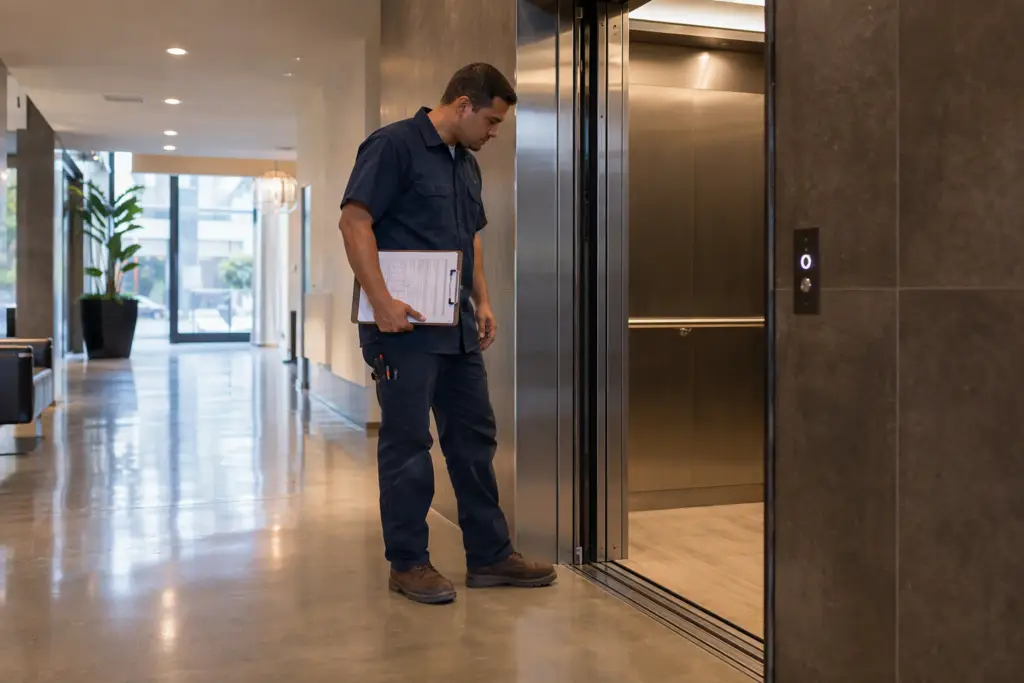
- Manage Installation and Final Inspection: Have your property manager or a third-party representative available during installation milestones. Confirm the final AHJ inspection is scheduled before the contractor demobilizes.
Does Elevator Modernization Affect Property Value in Multifamily Buildings?
Elevator reliability is a material factor in multifamily property valuation, particularly for mid-rise and high-rise assets where vertical transportation is not optional for residents. Persistent elevator problems generate resident complaints, increase turnover risk, and can appear in property reviews that prospective residents and buyers consult. Conversely, a recently modernized elevator system is a documentable capital improvement that supports NOI stability and appeals to institutional buyers who scrutinize deferred maintenance schedules during due diligence.
For buildings pursuing refinancing, sale, or recapitalization, aging elevator equipment that is past its expected service life without a modernization plan on record is frequently flagged as a deferred maintenance liability in third-party property condition assessments.
What Energy Efficiency Gains Can Modernization Deliver?
One of the most tangible operational benefits of full elevator modernization is energy efficiency improvement, primarily driven by replacing older drive systems (such as motor-generator sets or silicon-controlled rectifiers) with modern variable-voltage, variable-frequency (VVVF) drive technology. VVVF drives modulate power consumption based on load demand rather than running at constant draw.
Additionally, LED cab lighting packages replace older fluorescent or incandescent fixtures, reducing continuous electrical consumption. Regenerative drive options — available on traction elevators — can return braking energy to the building’s electrical system. The actual energy reduction achieved in any specific building will depend on usage patterns, drive type, and building configuration; property owners should request energy consumption modeling from their contractor as part of the specification process.
Are There Financing Options for Multifamily Elevator Modernization?
Elevator modernization is a capital improvement and may be financed through several mechanisms commonly available to multifamily property owners:
- Reserve Fund Draw: Buildings with adequately funded capital reserves can fund modernization directly. HOAs and co-ops should confirm reserve study recommendations support the planned expenditure.
- Special Assessment: For HOAs and co-ops without sufficient reserves, a special assessment to unit owners may be required. This typically requires board approval and, in many states, owner vote depending on assessment size.
- Commercial Lending: Property owners may finance modernization through property improvement loans or lines of credit secured by the building.
- Utility Rebate Programs: Some local utilities offer rebates for energy-efficient elevator drive system upgrades. Contact your utility provider to determine availability in your service area.
- Green Building Financing: Certain energy efficiency financing programs administered at the state or federal level may include elevator efficiency upgrades as eligible expenses. Availability and terms vary by program and jurisdiction.
Why Choose an Independent Elevator Service Provider for Modernization?
The elevator industry is dominated by large OEM manufacturers who bundle installation, maintenance, and modernization services. While these companies offer convenience, building owners should be aware of several considerations:
- Proprietary Parts Lock-In: Some OEM-installed equipment uses proprietary controllers or components that can only be serviced by that manufacturer, reducing future competitive options for maintenance contracts.
- Specification Influence: An OEM contractor has a financial incentive to specify its own equipment regardless of whether it is the best fit for the building’s needs or budget.
- Independent Oversight: An independent contractor, by contrast, can specify equipment from multiple manufacturers and tailor recommendations to the building’s actual requirements without brand allegiance.
Liftech Elevator operates as an independent elevator service company serving multifamily buildings. Liftech Elevator’s approach to modernization begins with an unbiased condition assessment and results in a specification designed around the building’s needs — not a manufacturer’s product line. For building owners, HOA boards, and property managers seeking a vendor-neutral assessment of their elevator modernization options, Liftech Elevator provides the expertise and independence to guide the process from initial evaluation through final inspection.
Ready to Assess Your Building’s Elevator Modernization Needs?
Contact Liftech Elevator for a free elevator assessment. An independent evaluation will identify your compliance obligations, mechanical priorities, and modernization options — giving your board or ownership group the information needed to make a confident capital decision.
Call Liftech Elevator: 562-609-3478
Need elevator service you can rely on? Liftech Elevator is ready to help.