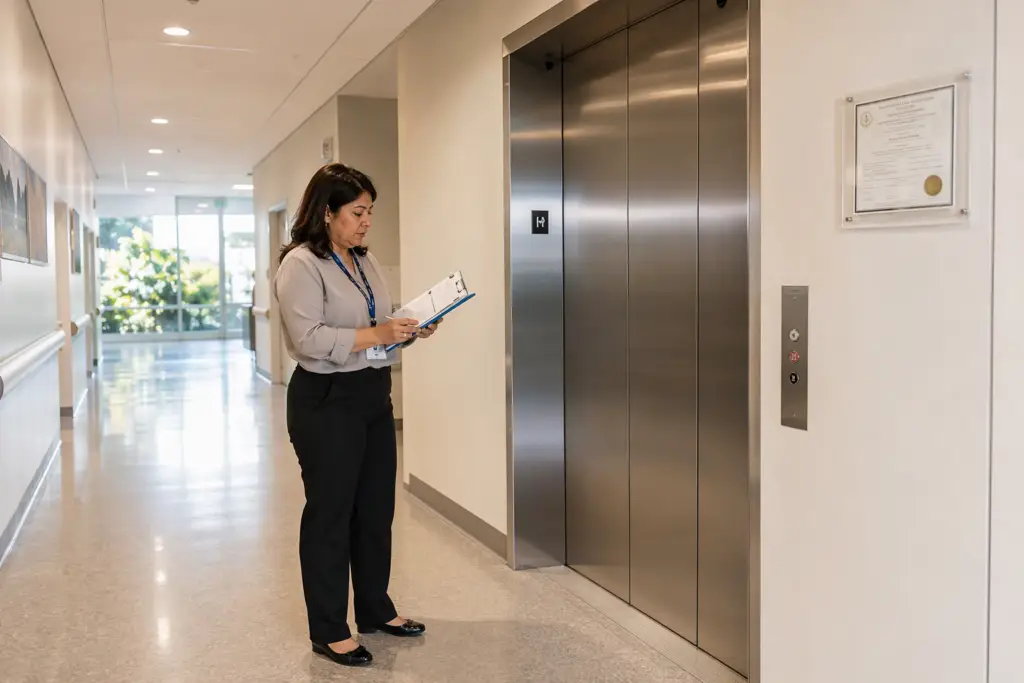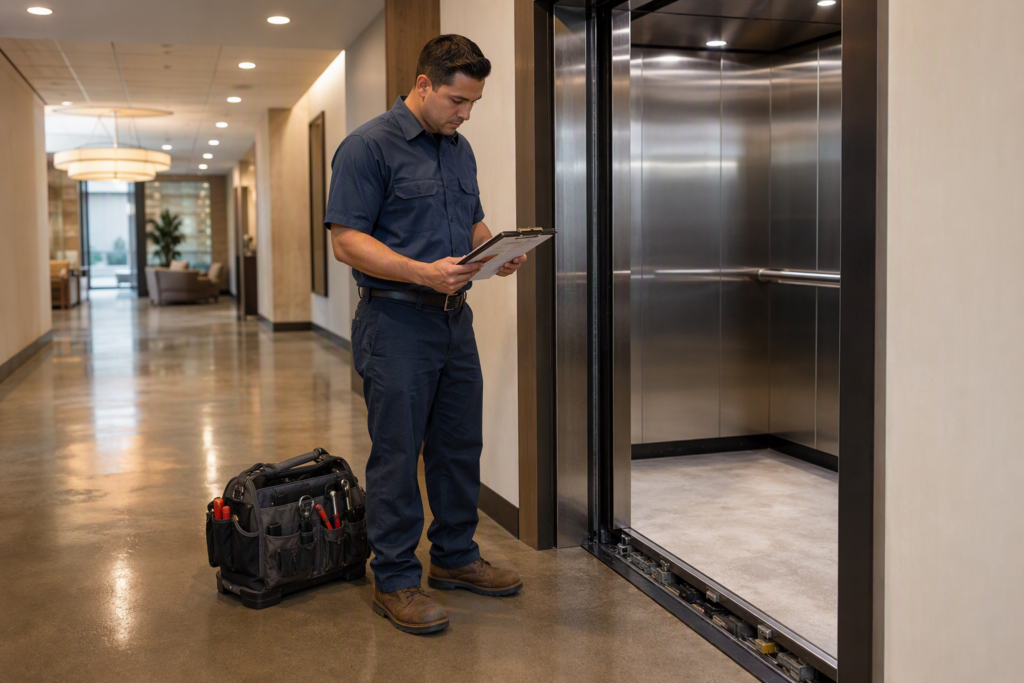
Office Building Elevator Inspection Schedule for Healthcare Facilities
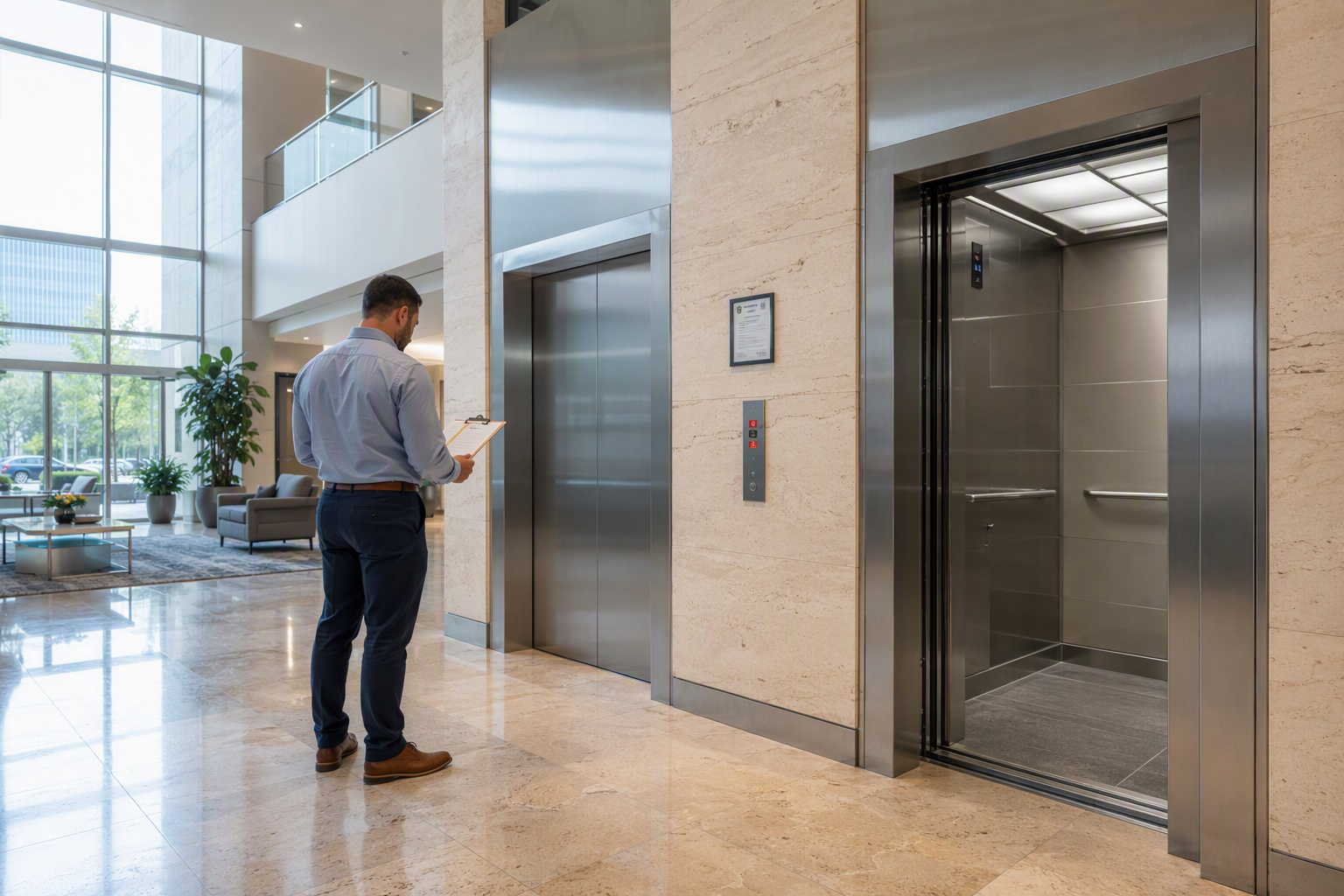
Elevator reliability in a healthcare office building is not a convenience issue — it is a patient safety and regulatory compliance issue. From medical office buildings in Long Beach to outpatient clinics across Orange County, elevators serve patients with limited mobility, staff transporting medical equipment, and emergency responders who cannot afford a single point of failure. Understanding the correct inspection schedule, applicable codes, and what to expect during an inspection is essential for any healthcare facility manager or building owner in Signal Hill, Los Angeles, Long Beach, or Orange County, CA.
—
What Is the Required Elevator Inspection Schedule for a Healthcare Office Building?
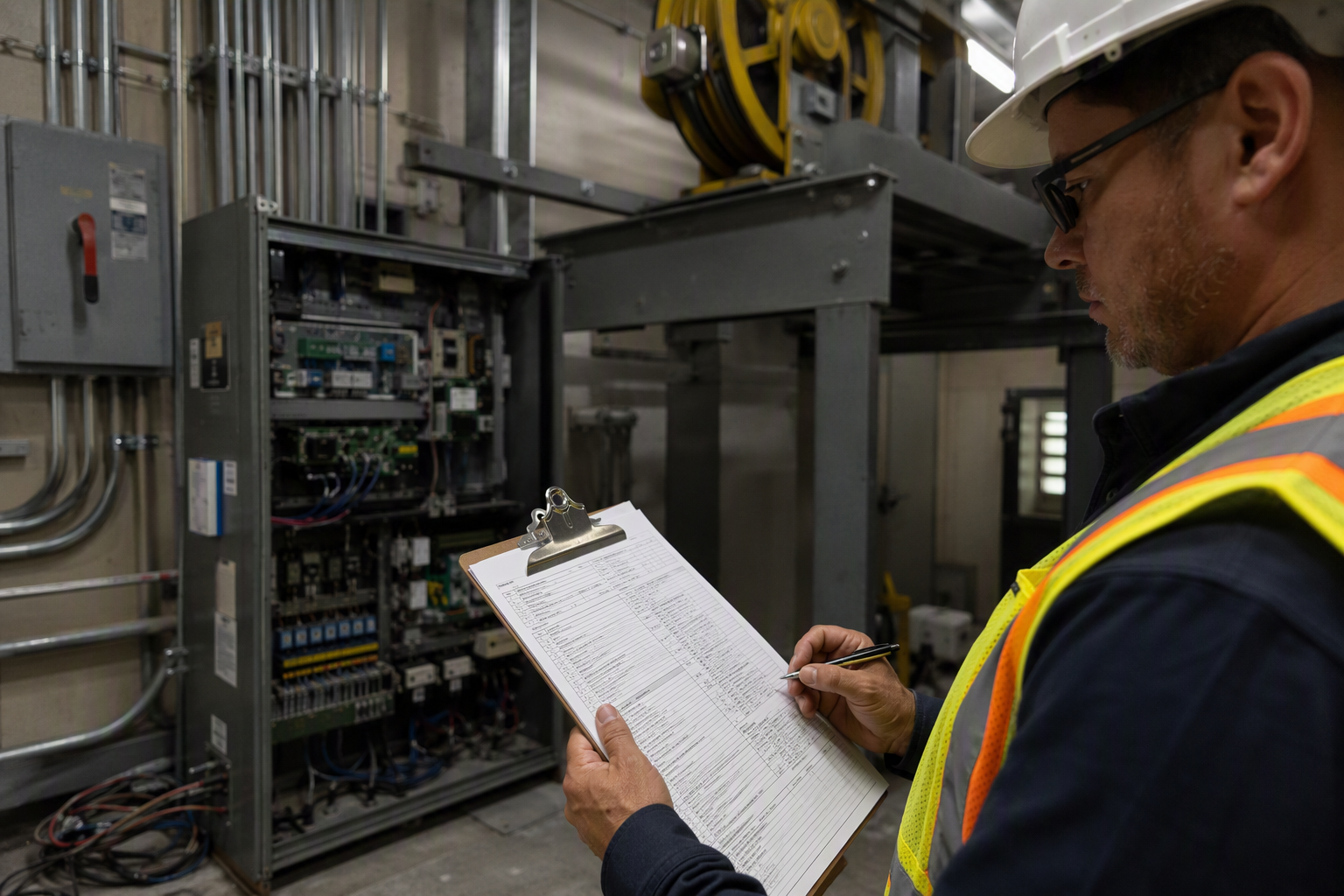
California requires that all passenger elevators in commercial buildings, including healthcare office buildings, undergo a full safety inspection and test by a Qualified Elevator Inspector (QEI) at intervals defined under the California Elevator Safety Construction Regulation (Title 8, California Code of Regulations). In practice, this means:
- Annual State Inspection: A full inspection and operational test must be completed at least once per calendar year. The building owner must post a valid Certificate of Inspection in or near each elevator cab.
- Periodic Maintenance Inspections: Beyond the state-mandated annual inspection, healthcare facilities benefit significantly from quarterly or semi-annual maintenance visits to identify wear before it becomes a code violation or service disruption.
- Witnessing Tests: Certain tests — such as governor and safety tests — are required at specified intervals under ASME A17.1 Safety Code for Elevators and Escalators and must be witnessed by the authority having jurisdiction (AHJ).
Liftech Elevator works with healthcare office building owners throughout Signal Hill, Long Beach, Los Angeles, and Orange County to keep inspection certificates current and maintenance records organized for state audits.
—
Which Compliance Codes Govern Elevator Inspections in Healthcare Office Buildings?
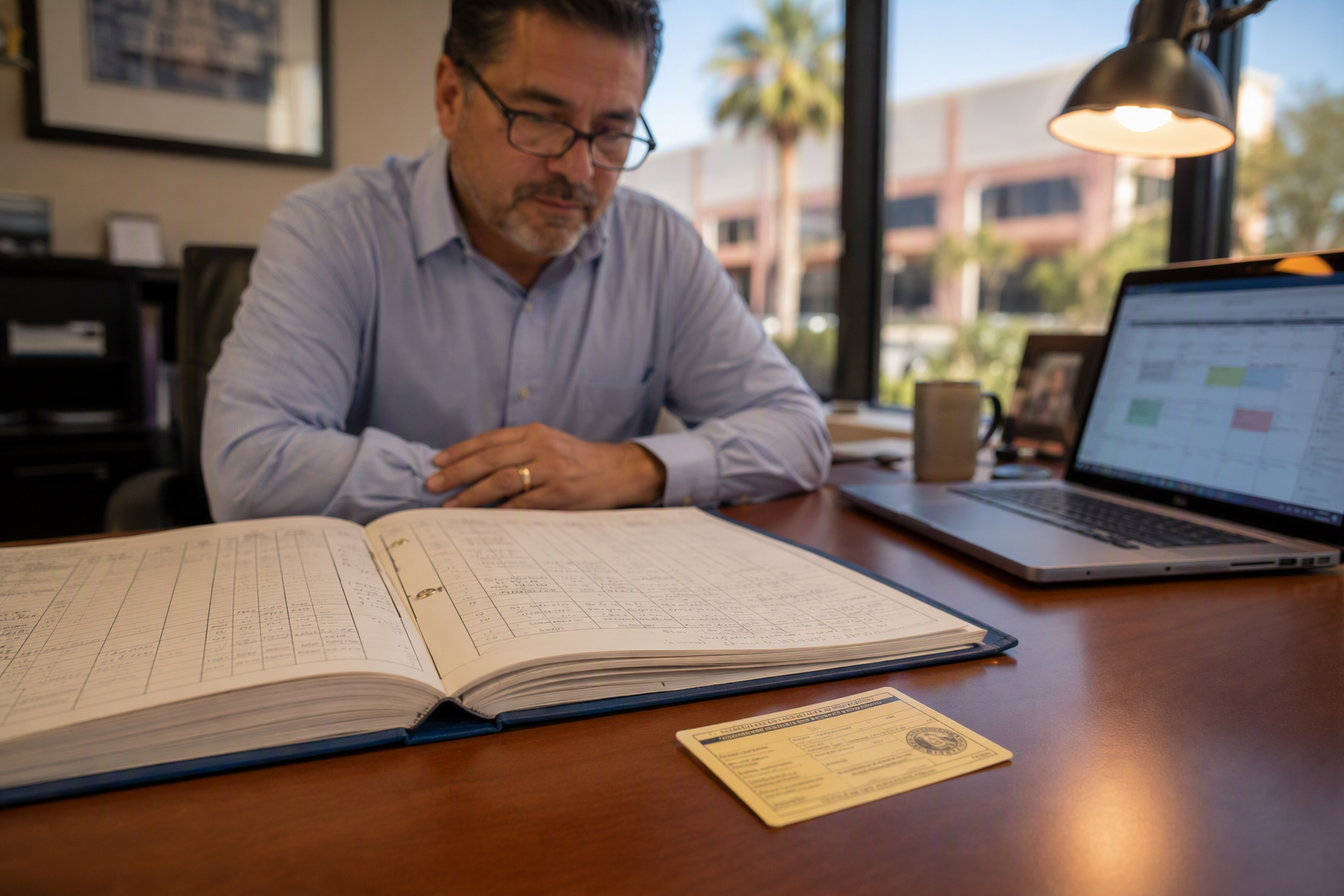
Healthcare elevator compliance sits at the intersection of multiple regulatory frameworks. Facility managers should be familiar with all of the following:
- ASME A17.1 Safety Code for Elevators and Escalators — The foundational national standard covering design, construction, operation, inspection, testing, maintenance, alteration, and repair of elevators. California adopts and enforces ASME A17.1 as the basis of its elevator safety program.
- California Title 8, Division 1, Chapter 4, Subchapter 6 — The state-specific elevator safety regulations enforced by the California Division of Occupational Safety and Health (Cal/OSHA), which administers the Elevator, Escalator, and Chair Lift Safety program.
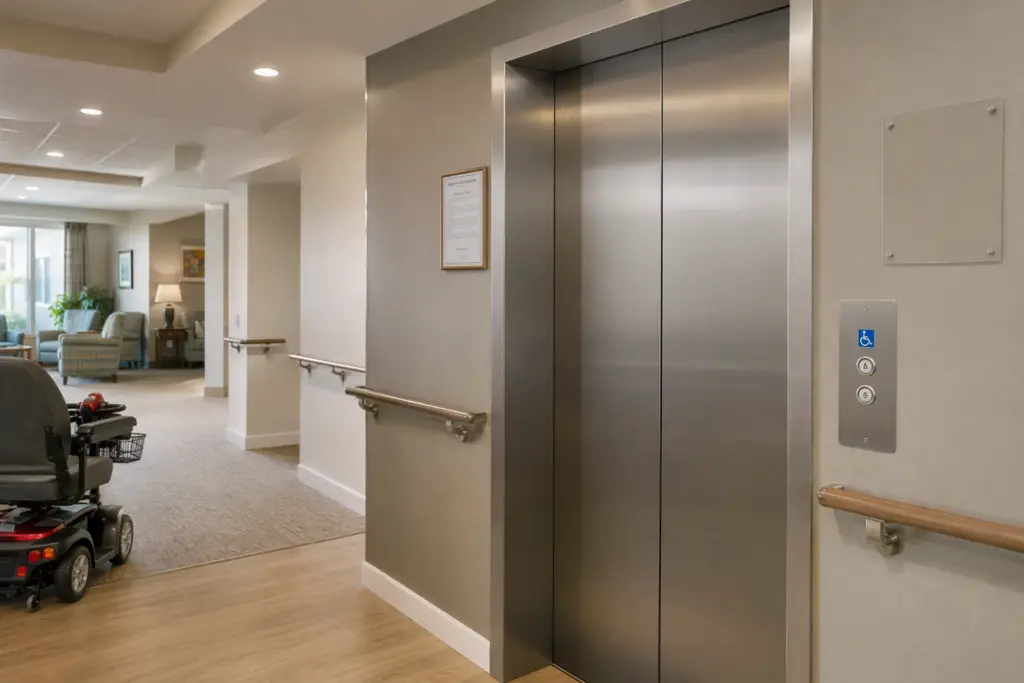
- Americans with Disabilities Act (ADA) — Requires that elevators in multi-story buildings serving the public are accessible, with specific requirements for door timing, call button height, Braille signage, and audible signals. In a healthcare setting, ADA compliance is particularly critical for patients using wheelchairs, walkers, or mobility devices.
- OSHA General Industry Standards — Applies to worker safety around elevator equipment, including machine rooms, pit access, and maintenance procedures.
- The Joint Commission (TJC) and HFAP Standards — For buildings housing accredited healthcare organizations, The Joint Commission’s Environment of Care standards require that all vertical transportation equipment be included in the facility’s preventive maintenance program and that inspection records be maintained and available on demand.
- NFPA 101 Life Safety Code — Governs fire service access elevators and means of egress in healthcare occupancies, requiring elevators serving certain floors to meet specific recall and firefighter operation standards.
—
Why Does the Inspection Schedule Matter More in Healthcare Settings?
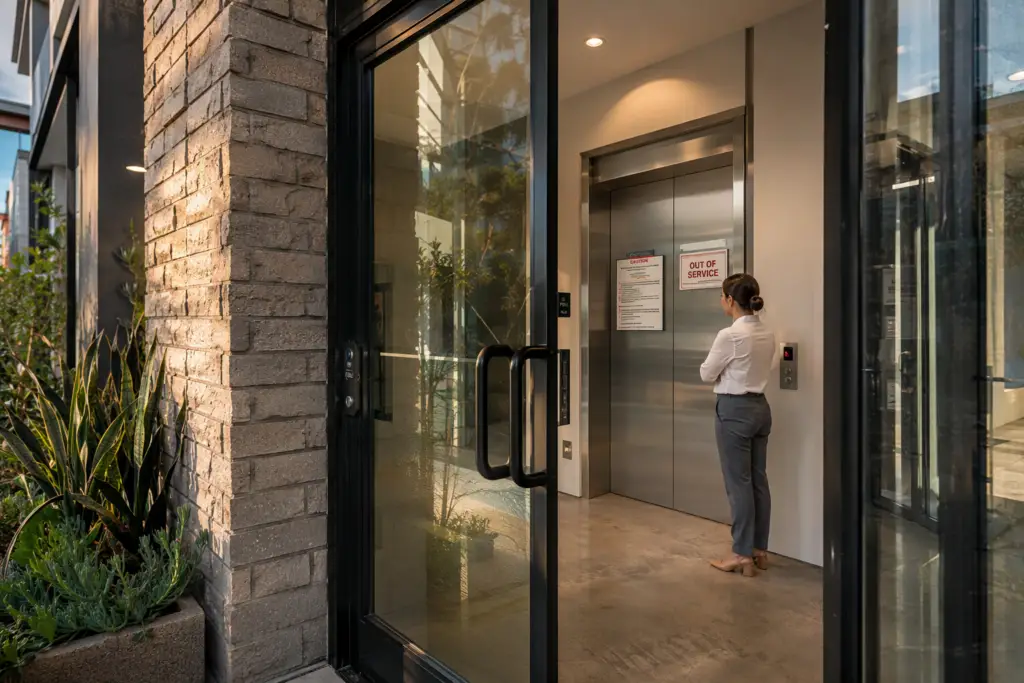
In a standard commercial office building, an elevator outage causes inconvenience. In a healthcare office building, it can delay a patient using a wheelchair from reaching a specialist, prevent the transport of medical records or equipment between floors, or impede emergency responder access. Healthcare facilities also tend to operate longer daily hours and experience higher elevator traffic intensity than typical office environments, which accelerates component wear and increases the importance of a proactive inspection and maintenance schedule.
Facility managers in Los Angeles and Orange County healthcare properties are also subject to Joint Commission surveys that can review maintenance logs without advance notice. An expired inspection certificate or a gap in preventive maintenance records can result in a finding that triggers a required plan of correction.
—
What Happens During an Annual Elevator Inspection in a Healthcare Office Building?
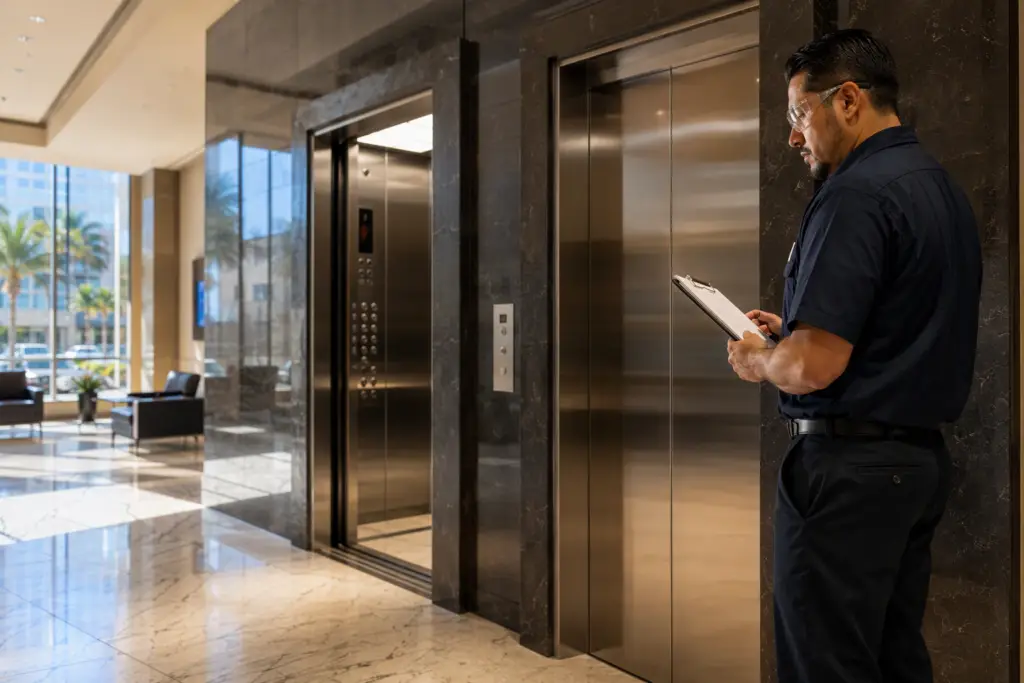
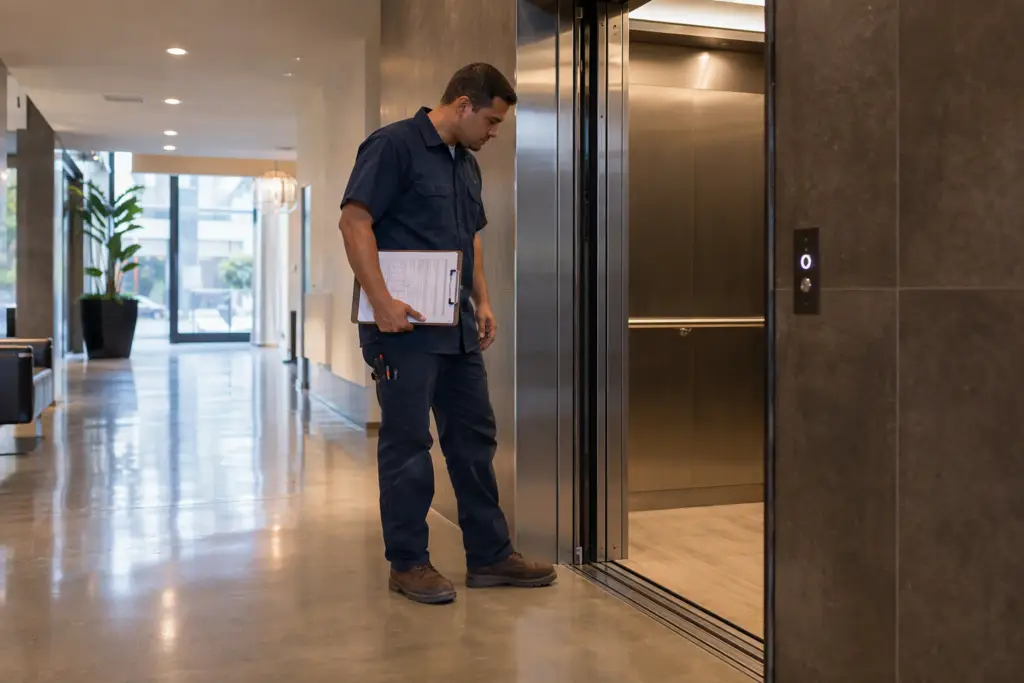
A state-required annual elevator inspection typically covers the following areas:
- Car and hoistway inspection: The inspector examines the cab interior, doors, lighting, emergency lighting, ventilation, and the hoistway structure for physical defects or code deviations.
- Door operation test: Door open and close times are measured and verified against ADA and ASME A17.1 requirements, including door reopening device sensitivity.
- Safety devices test: Safeties, buffers, and overspeed governor mechanisms are tested to confirm they engage correctly.
- Operational test: The elevator is run through its full range of operation — leveling, stopping accuracy, emergency stop, and alarm systems.
- Machine room and pit inspection: The inspector checks machine room conditions, pit cleanliness and lighting, sump pump function, and emergency access.
- Emergency communication: The two-way communication system required for entrapment situations is tested — a critical check in healthcare buildings where a patient could be alone in the cab.
- Certificate review: The inspector confirms that current certificates, maintenance logs, and test records are present and properly posted.
When Liftech Elevator provides maintenance services to a healthcare building ahead of the state inspection, technicians perform a pre-inspection walkthrough using a checklist aligned with ASME A17.1 and California Title 8 to reduce the likelihood of violations being identified during the official inspection.
—
What Is the Difference Between an Inspection and Preventive Maintenance?
An annual state inspection is a pass/fail compliance evaluation conducted by a licensed third-party inspector or a state inspector. It results in either the issuance of a Certificate of Inspection or a list of violations that must be corrected before the certificate is issued.
Preventive maintenance, by contrast, is an ongoing service program — typically contracted with a qualified elevator service company — designed to keep equipment in safe operating condition between inspections. A preventive maintenance visit includes lubrication of moving components, adjustment of door operators and safety edges, inspection of ropes or hydraulic fluid levels, and testing of safety devices.
For healthcare office buildings in Long Beach, Signal Hill, and the greater Los Angeles and Orange County areas, Liftech Elevator offers preventive maintenance programs calibrated to the usage intensity and compliance requirements of medical office environments.
—
How Should a Healthcare Facility Document Its Elevator Inspection History?
Documentation is not optional in a healthcare setting — it is an auditable record. Best practices for elevator inspection documentation include:
- Maintaining a logbook in or near the machine room with dates and details of every maintenance visit, test, and repair.
- Retaining copies of all Certificates of Inspection with the facility’s plant operations or compliance files.
- Keeping dated records of any violations cited, corrective actions taken, and re-inspection clearances.
- Storing maintenance vendor work orders and parts replacement records organized by elevator unit and date.
- Making records available to Joint Commission surveyors, state inspectors, or AHJ representatives on request.
—
What Are Common Elevator Violations Found in Healthcare Office Buildings?
Based on the types of issues addressed under ASME A17.1 and California Title 8, the following deficiencies are frequently identified during inspections of healthcare and medical office buildings:
- Expired or missing Certificate of Inspection posted in the elevator cab
- Door reopening devices that do not meet sensitivity requirements — a significant ADA concern
- Emergency lighting failures or inadequate cab ventilation
- Non-functioning or unclear two-way emergency communication systems
- Pit lighting, drainage, or access deficiencies
- Leveling inaccuracies that create a tripping hazard — particularly dangerous in a patient-facing environment
- Outdated firefighter’s emergency operation (Phase I and Phase II) programming
—
How Far in Advance Should a Healthcare Building Schedule Its Annual Elevator Inspection?
Planning the annual inspection well in advance allows time to complete any required maintenance or repairs before the inspection date, avoiding a failed inspection and the operational disruption of taking an elevator out of service for corrections. Healthcare facility managers are advised to:
- Review the expiration date on the current Certificate of Inspection at least 90 days before it expires.
- Contact an elevator maintenance provider to perform a pre-inspection service visit at least 30–45 days before the scheduled inspection.
- Schedule the state inspection or third-party QEI inspection with sufficient lead time to address any deficiencies found during the pre-inspection service visit.
- Notify department heads of the inspection date and any planned brief outages to minimize disruption to patient care workflows.
—
Questions Your Inspector Will Ask
Being prepared for these questions can streamline the inspection process and demonstrate the facility’s commitment to compliance:
- “Can I see the current maintenance logbook?” — Inspectors want to confirm that documented, regular maintenance has been performed and recorded.
- “Where is the machine room key?” — Inspectors require immediate, unobstructed access to the machine room and pit. Delays can complicate the inspection.
- “Has there been any alteration to this elevator since the last inspection?” — Alterations must be permitted and inspected separately; undisclosed alterations can result in violations.
- “When was the last Category 1 or Category 5 test performed?” — Under ASME A17.1, Category 1 tests (no-load safety tests) and Category 5 tests (full-load, full-speed safety tests) are required at defined intervals. The inspector will verify records.
- “Is the two-way communication system functioning?” — This will be tested in person; having it working prior to arrival avoids a critical violation.
- “Have there been any entrapments or incidents since the last inspection?” — Incident reports may be part of the inspection review in healthcare settings.
- “Is the pit clean and dry?” — Pit conditions are a consistent area of inspection focus; standing water or debris can result in a cited violation.
—
How Does ADA Compliance Intersect With Elevator Inspection in Healthcare Buildings?
The Americans with Disabilities Act sets specific accessibility requirements for elevators in facilities open to the public, which includes virtually all healthcare office buildings. ADA-related items reviewed during or alongside an inspection include:
- Call button height and diameter (minimum ¾ inch diameter, mounted within the height range specified by ADA Standards for Accessible Design)
- Raised and Braille characters on all floor designation buttons and door jamb markings
- Audible and visual signals for each floor stop
- Door timing requirements ensuring adequate time for individuals using mobility aids to board and exit
- Cab interior dimensions and handrail requirements
ADA compliance failures can expose healthcare building owners to civil complaints and federal enforcement action, making this an area where pre-inspection review by a knowledgeable elevator service provider adds measurable value.
—
Can a Healthcare Building Use the Same Inspection Schedule as a Standard Office Building?
The state-mandated minimum inspection frequency — annual — applies equally to healthcare and standard commercial office buildings in California. However, healthcare facilities face additional compliance obligations from The Joint Commission, CMS Conditions of Participation (for buildings housing Medicare or Medicaid participants), and NFPA 101 that effectively require a more rigorous and more frequently documented maintenance program than a typical commercial property.
Healthcare facility managers should treat the annual state inspection as a compliance floor, not a complete maintenance strategy. A properly structured preventive maintenance agreement ensures that elevators in medical office environments are serviced with the frequency that high-utilization, patient-facing equipment demands.
—
What Should a Healthcare Facility Do After Receiving an Inspection Violation?
- Review the violation notice carefully to identify each cited item, its severity classification, and the required correction deadline.
- Contact a qualified elevator service company immediately to assess the scope of corrective work required.
- Obtain the necessary repair permits from the California Division of Occupational Safety and Health if the corrective work constitutes an alteration.
- Complete all corrective work within the timeframe specified in the violation notice to avoid escalated penalties or mandatory elevator shutdown orders.
- Request a re-inspection or follow-up inspection to confirm that all cited items have been resolved and that a Certificate of Inspection can be issued.
- Update the maintenance logbook with all corrective actions taken, parts replaced, and inspection clearance documentation.
—
How Does Liftech Elevator Support Healthcare Office Buildings in Southern California?
Liftech Elevator provides elevator inspection coordination, preventive maintenance, and repair services to healthcare office buildings throughout Signal Hill, Long Beach, Los Angeles, and Orange County. The team is familiar with the overlapping compliance requirements that apply to medical office properties — from ASME A17.1 and California Title 8 to ADA accessibility standards and Joint Commission Environment of Care expectations.
Working with a single, knowledgeable elevator service provider simplifies record-keeping, ensures that pre-inspection maintenance is aligned with current code requirements, and provides facility managers with a reliable point of contact when compliance questions arise ahead of a state inspection or accreditation survey.
—
Schedule Your Healthcare Facility Elevator Assessment Today
Keeping elevator inspection certificates current and maintenance records complete is a non-negotiable responsibility for healthcare office building owners and facility managers in Southern California. Whether a facility is preparing for an upcoming state inspection, responding to a violation notice, or establishing a preventive maintenance program for the first time, professional guidance makes the process more efficient and less disruptive to daily operations.
Contact Liftech Elevator for a free elevator assessment. Call 562-609-3478 to speak with the Liftech Elevator team serving Signal Hill, Long Beach, Los Angeles, and Orange County, CA.
Need elevator service you can rely on? Liftech Elevator is ready to help.