Elevator Service in Signal, CA | Liftech Elevator
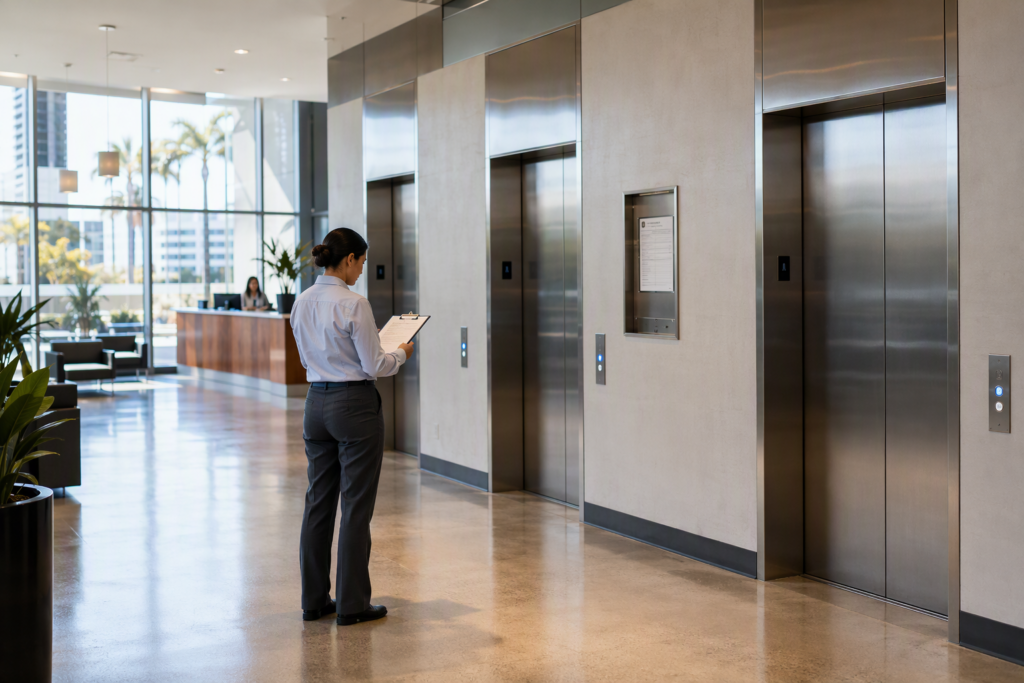
An elevator load test is a formal safety procedure that confirms a conveyance can support its full rated load without mechanical failure, excessive deflection, or brake slippage. In the Los Angeles area — including Signal, CA — building owners and property managers rely on load testing to satisfy regulatory requirements, support insurance documentation, and protect the people who use their elevators every day. Liftech Elevator is a Cal/OSHA-compliant elevator service company serving the greater Los Angeles region.
What Is an Elevator Load Test and Why Is It Required in Los Angeles?
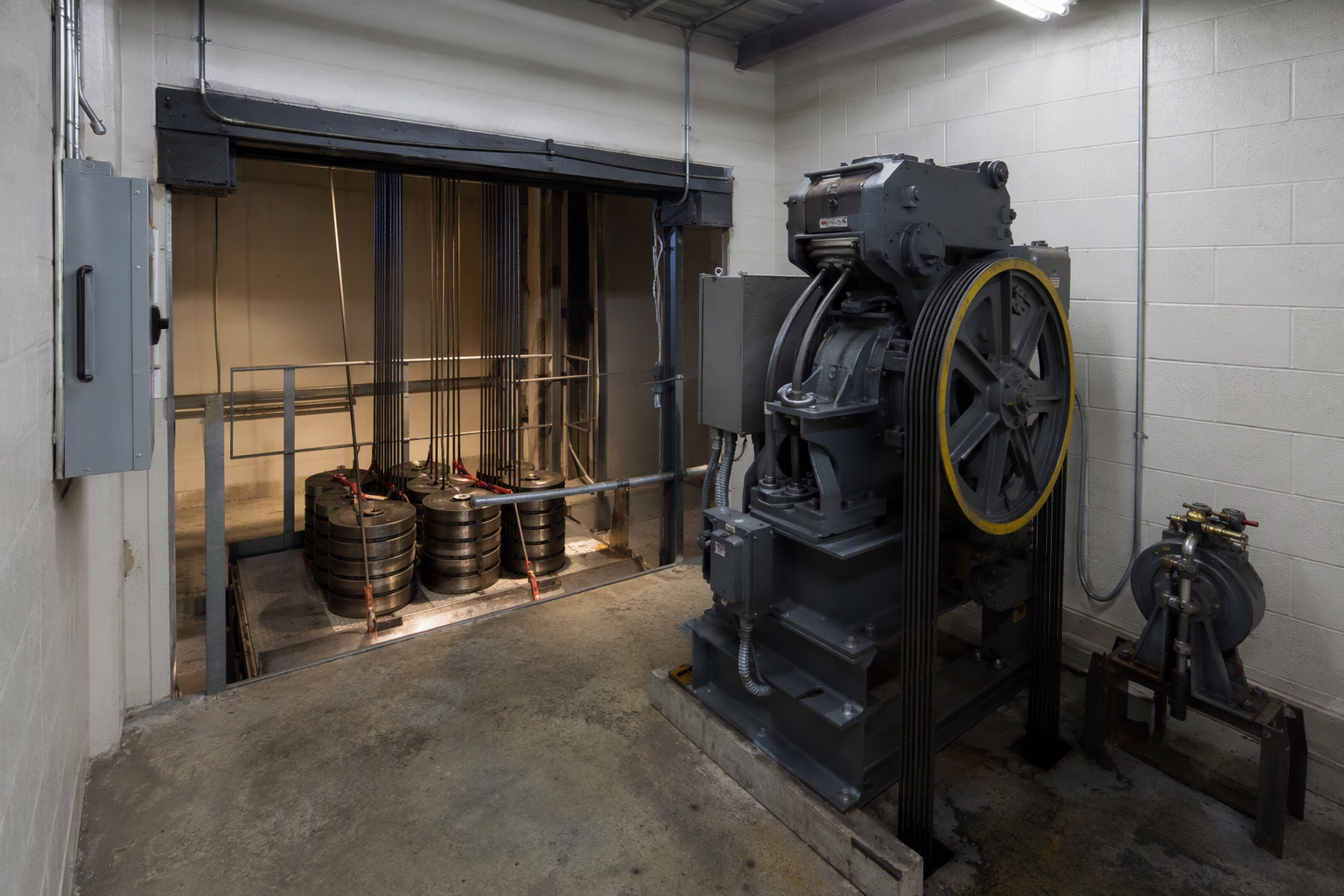
A load test subjects an elevator to a percentage of its rated capacity — or its full rated capacity — under controlled conditions. The test evaluates the performance of the hoisting machine, braking system, safety devices, and structural connections. In California, elevators must comply with the ASME A17.1/CSA B44 Safety Code for Elevators and Escalators, which California adopted in its 2004 edition (Group IV Elevator Safety Orders, effective May 1, 2008, for installation contracts signed on or after that date), as codified in the California Code of Regulations, Title 8, Elevator Safety Orders (Sections 3000–3146).
The City of Los Angeles operates its own elevator and conveyance inspection program through the Los Angeles Department of Building and Safety (LADBS). Building owners in Los Angeles should be aware that both LADBS and Cal/OSHA’s Elevator Unit within the California Department of Industrial Relations may have authority over their equipment, depending on jurisdiction. Liftech Elevator is familiar with the requirements of both programs.
What Are California’s Regulatory Requirements for Elevator Testing and Inspections?
California elevator law — established under California Labor Code Sections 7300–7324.2 — sets clear obligations for elevator owners and service companies:
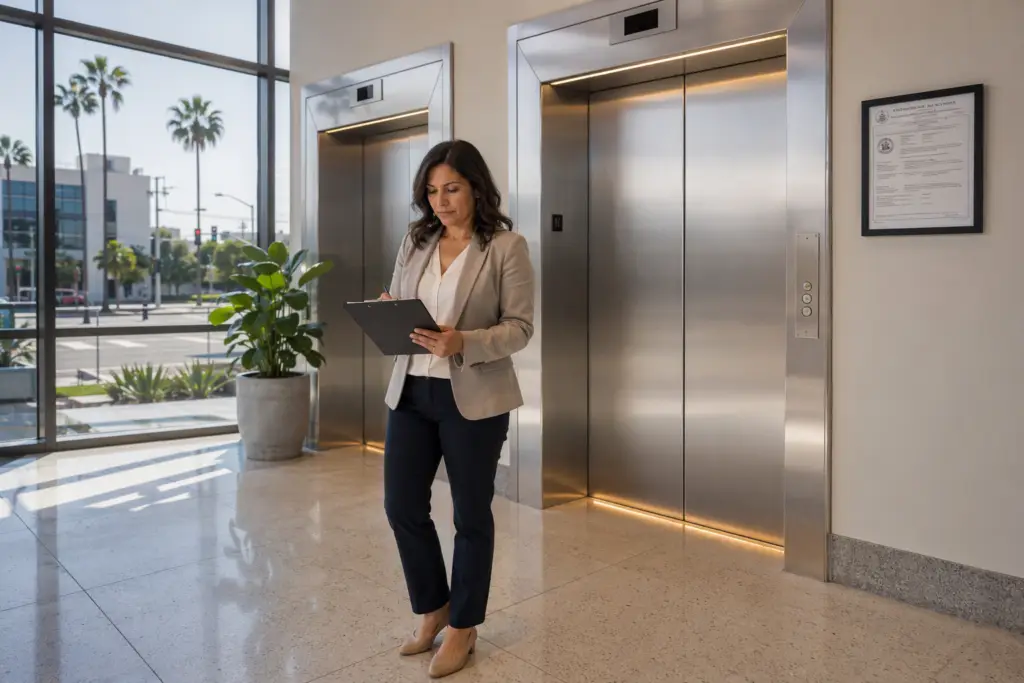
- No elevator may be operated in California without a valid, current permit to operate issued by Cal/OSHA. That permit must be posted conspicuously inside the elevator car.
- Every conveyance must be inspected at least once a year. An elevator found to be in safe condition receives a permit to operate for up to one year.
- Cal/OSHA may issue a permit for up to two years for an elevator that is in safe condition and covered by a full maintenance contract with a C-11 licensed elevator company.
- Only California state safety engineers and Certified Competent Conveyance Inspectors (CCCI) may perform elevator inspections in California.
- Arranging the annual reinspection is the elevator owner’s responsibility — not the service company’s.
- A permit from Cal/OSHA is required before any conveyance is erected, installed, or materially altered.
- Each new elevator must be inspected by Cal/OSHA and receive a permit to operate before it is placed in service.
In 2026, California’s Standards Board held a public hearing on June 18 regarding a proposed Group V update to the Elevator Safety Orders that would incorporate portions of ASME A17.1-2019. No effective date has been posted as of this writing. Liftech Elevator monitors these regulatory developments on behalf of its clients.
Who Is Qualified to Perform Elevator Load Testing in California?
California law is explicit about who may work on elevators. Companies that install, alter, test, maintain, repair, or service elevators must be certified by Cal/OSHA as a Certified Qualified Conveyance Company (CQCC). To obtain CQCC certification, a company must hold a current C-11 Elevator Contractor license — issued by the California Contractors State License Board (CSLB) — along with certificates of workers’ compensation and liability insurance.
Individual mechanics who work on elevators without supervision must be certified by Cal/OSHA as Certified Competent Conveyance Mechanics (CCCM). Only a CCCM working for a CQCC may maintain, repair, alter, or replace components on a conveyance. CQCC, CCCM, and conveyance inspector certificates are valid for two years; renewal requires at least eight hours of continuing education.
Liftech Elevator operates in full compliance with these requirements, serving building owners, property managers, and facilities teams throughout Signal, CA and the broader Los Angeles region.
What Does the Elevator Load Test Process Look Like Step by Step?
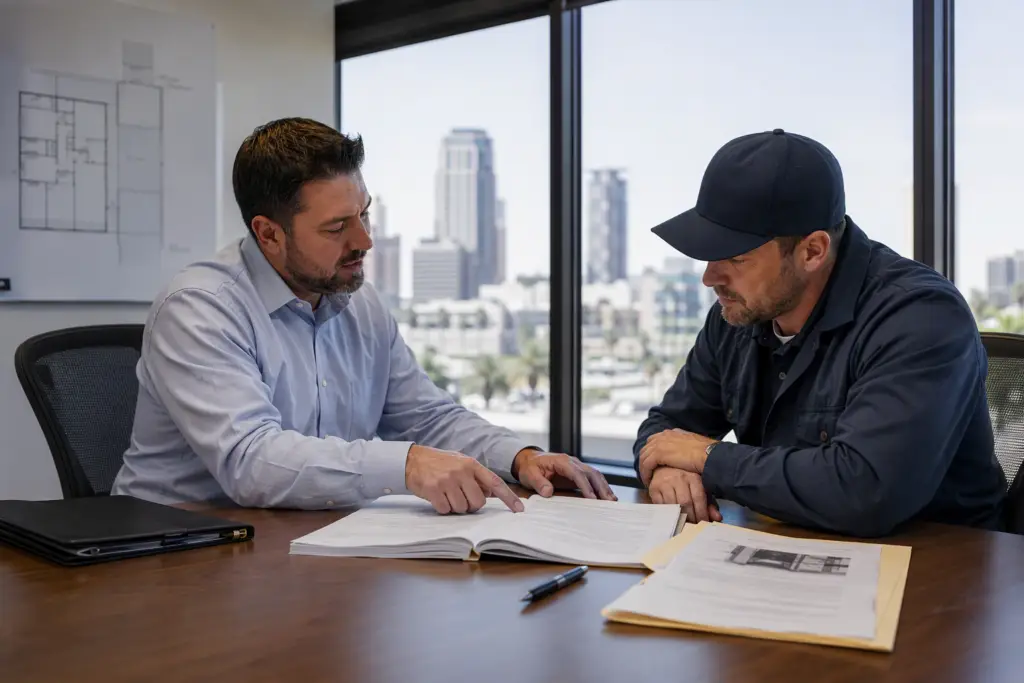
- Review documentation. The service team gathers the elevator’s rated capacity, installation date, last inspection records, and permit-to-operate status before any physical work begins.
- Coordinate with the authority having jurisdiction. Depending on the building’s location, this may involve LADBS, Cal/OSHA, or both. Required notifications or permits are confirmed in advance.
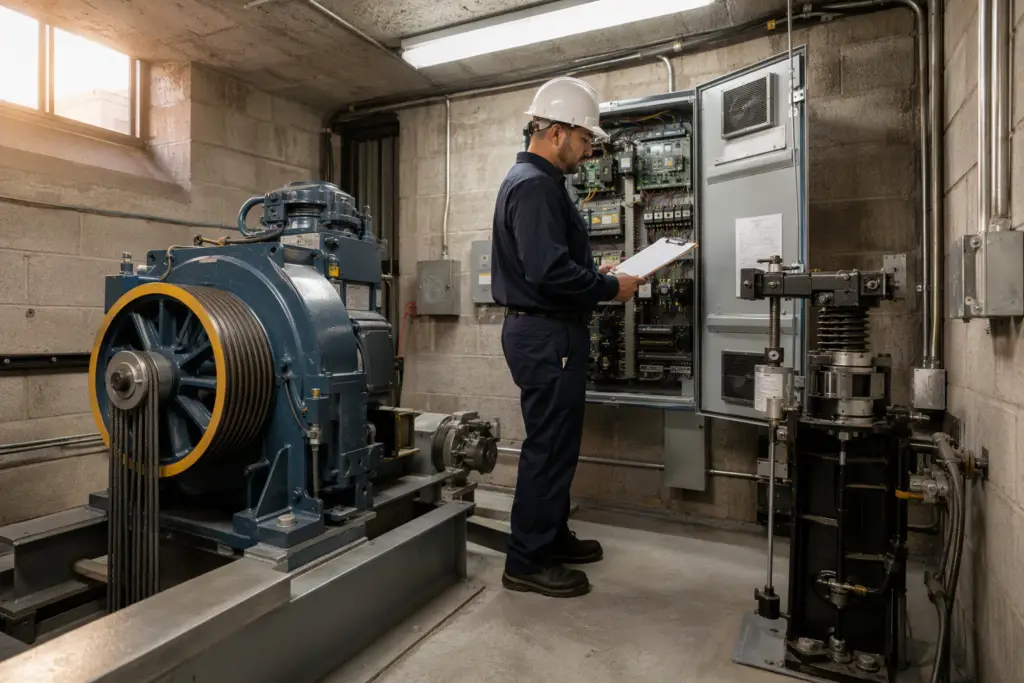
- Prepare the equipment. The elevator is taken out of normal passenger or freight service. Safety devices, brakes, and mechanical components are visually inspected before loading begins.
- Apply test loads. Calibrated test weights are loaded into the car to the required test level in accordance with applicable ASME A17.1 provisions. The elevator is operated through its full travel range.
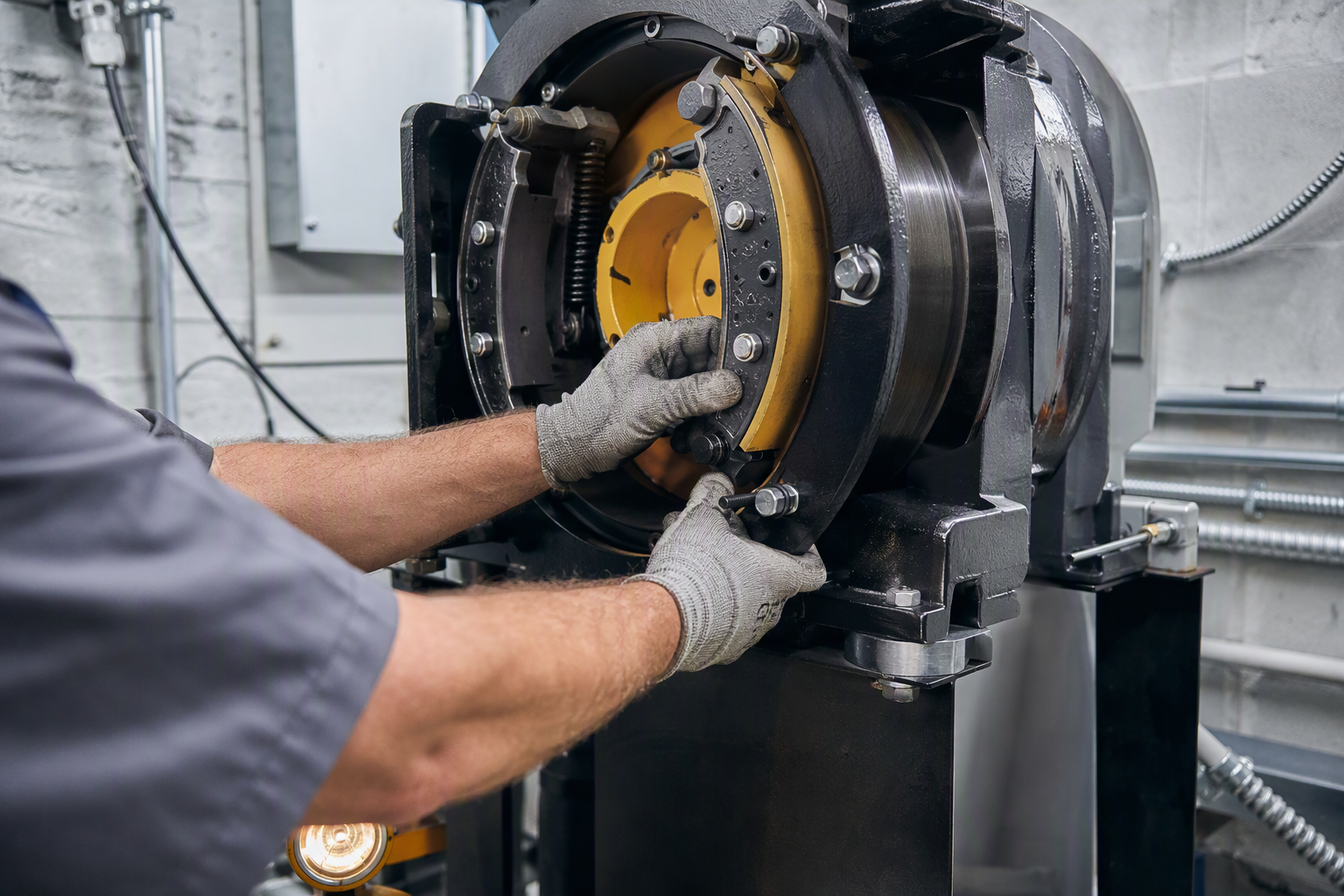
- Evaluate brake performance. The braking system is tested to confirm it can stop and hold the car under load without drifting or slippage.
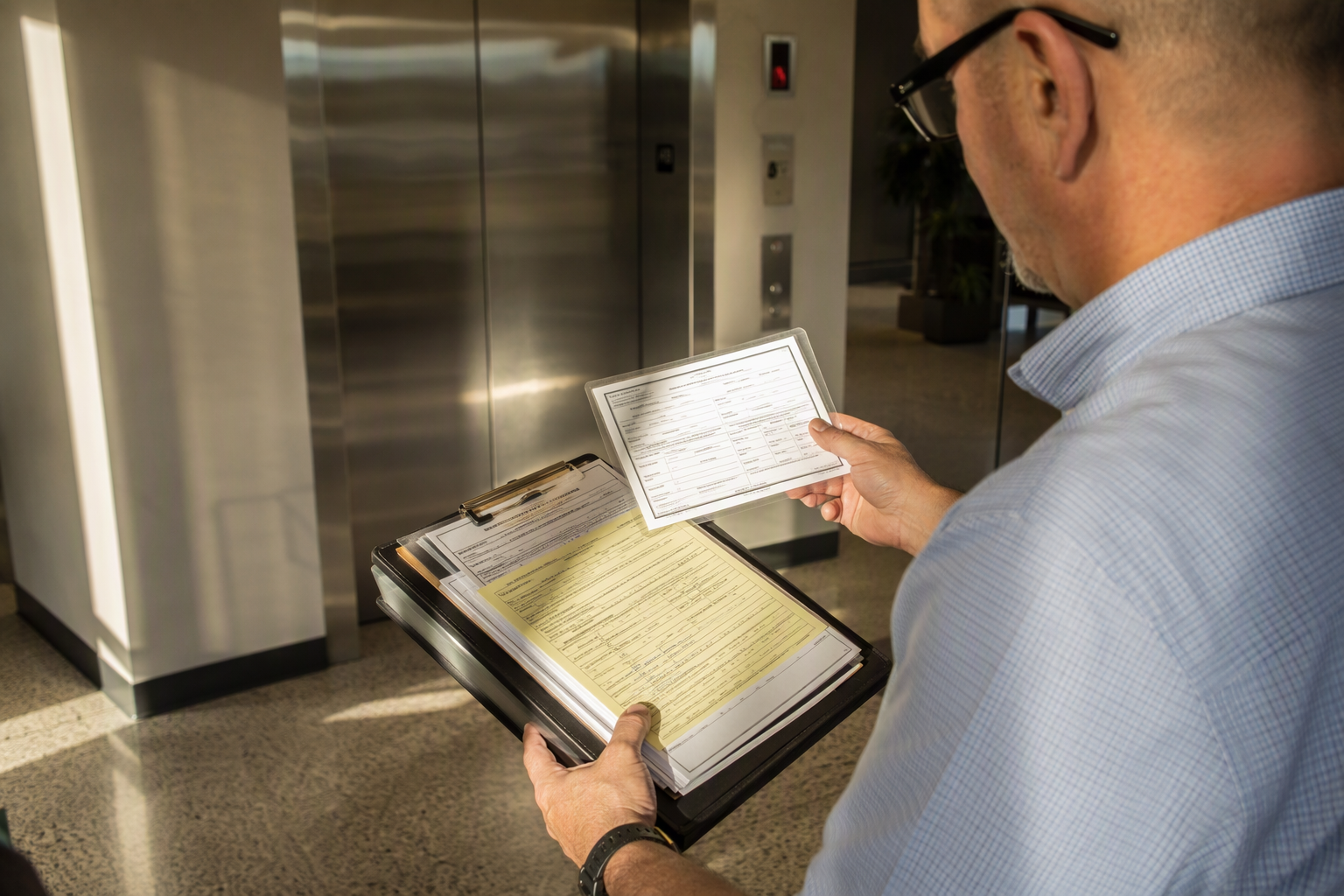
- Document results. All test data — including load values, observed performance, and any anomalies — is recorded and provided to the building owner for their compliance files.
- Coordinate follow-up inspection. If a Cal/OSHA inspection is required after testing, Liftech Elevator assists the owner in coordinating that process, since arranging inspection remains the owner’s legal responsibility.
- Remediate any deficiencies found. If the test reveals a component that does not meet code, the service team provides a written assessment so the owner can arrange necessary repairs before the elevator is returned to service.
How Often Should an Elevator Load Test Be Scheduled in Los Angeles?
The frequency of load testing is governed by the ASME A17.1 Safety Code for Elevators and Escalators and California’s adopted Elevator Safety Orders. Beyond ASME-driven intervals, annual reinspection by a qualified conveyance inspector is required under California law. Building owners who want to maximize their permit-to-operate duration — potentially up to two years — must ensure their elevator is covered by a full maintenance contract with a C-11 licensed company.
Liftech Elevator recommends that Los Angeles building owners maintain a proactive maintenance and testing calendar rather than waiting for a notice of violation or a permit expiration to prompt action.
What Types of Elevators Require Load Testing in the Los Angeles Area?
California’s elevator law under Labor Code Sections 7300–7324.2 covers passenger elevators, freight elevators, inclined elevators, and other conveyances — with limited exemptions for conveyances under federal jurisdiction and those in single-unit private residences not accessible to the public. In a dense urban and commercial environment like Los Angeles and Signal, CA, affected equipment typically includes:
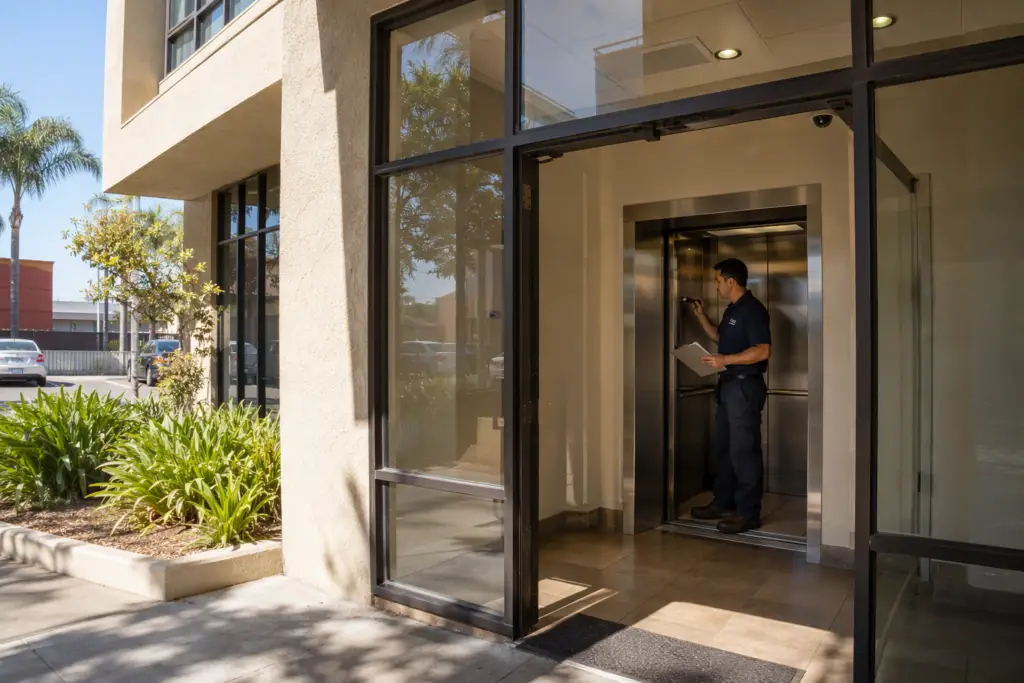
- Passenger elevators in commercial office buildings, retail centers, and mixed-use developments
- Freight and service elevators in warehouses, distribution facilities, and industrial properties
- Elevators in multifamily residential buildings above the private-home exemption threshold
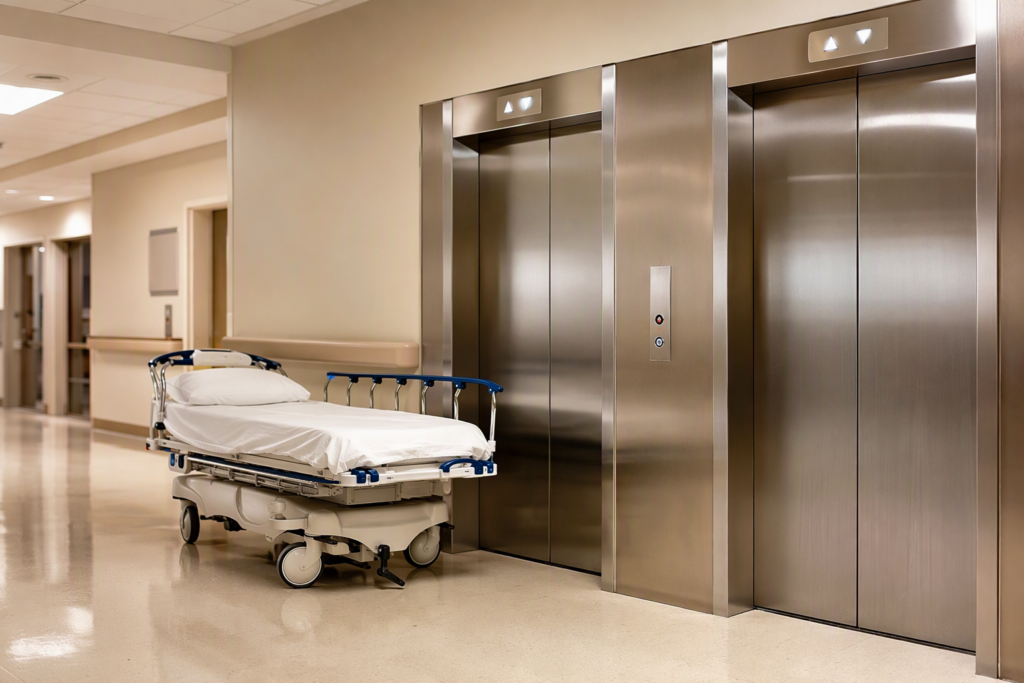
- Elevators in healthcare, hospitality, government, and education facilities
- Newly installed or materially altered elevators requiring a pre-service Cal/OSHA permit
Does ADA Compliance Factor Into Elevator Load Testing?
Load testing addresses the structural and mechanical performance of an elevator under weight. ADA compliance addresses accessibility — cab dimensions, door timing, control panel height, and related features. While the two are distinct requirements, a comprehensive elevator service visit is often a practical opportunity to assess both. Liftech Elevator advises clients to treat safety testing and accessibility compliance as complementary obligations rather than separate concerns, particularly when preparing for a Cal/OSHA inspection or an LADBS review.
What Should a Building Owner in Signal, CA Do If an Elevator Fails a Load Test?
- Take the elevator out of service immediately. Operating a conveyance that has failed a safety test creates liability and may violate California law.
- Obtain a written deficiency report. Request documentation of every item that contributed to the failure so repairs can be properly scoped.
- Engage a CQCC-certified company for repairs. Under California law, only a CCCM working for a CQCC may repair or replace elevator components.
- Notify the authority having jurisdiction. Depending on the nature of the failure, notification to Cal/OSHA or LADBS may be required.
- Schedule a retest. Once repairs are complete, a follow-up test confirms the elevator now meets applicable standards before it is returned to service.
- Update your compliance records. Retain all test reports, repair documentation, and permit-to-operate certificates in a readily accessible file.
Why Do Los Angeles Building Owners Choose Liftech Elevator for Load Testing?
Liftech Elevator brings deep familiarity with the Los Angeles market — including the specific requirements of LADBS, Cal/OSHA’s Elevator Unit, and the range of building types found across Signal, CA and surrounding communities. The company services commercial office towers, industrial facilities, multifamily residential properties, hospitality venues, and institutional buildings throughout the region. Liftech Elevator’s technicians operate under the CQCC and CCCM framework required by California law, and the company monitors evolving regulatory guidance — including the proposed Group V Elevator Safety Orders update — to keep clients ahead of compliance changes. Emergency service needs are addressed with the same regulatory knowledge applied to planned load testing.
Schedule a free consultation with Liftech Elevator at 562-997-3639.
Need elevator service you can rely on? Liftech Elevator is ready to help.