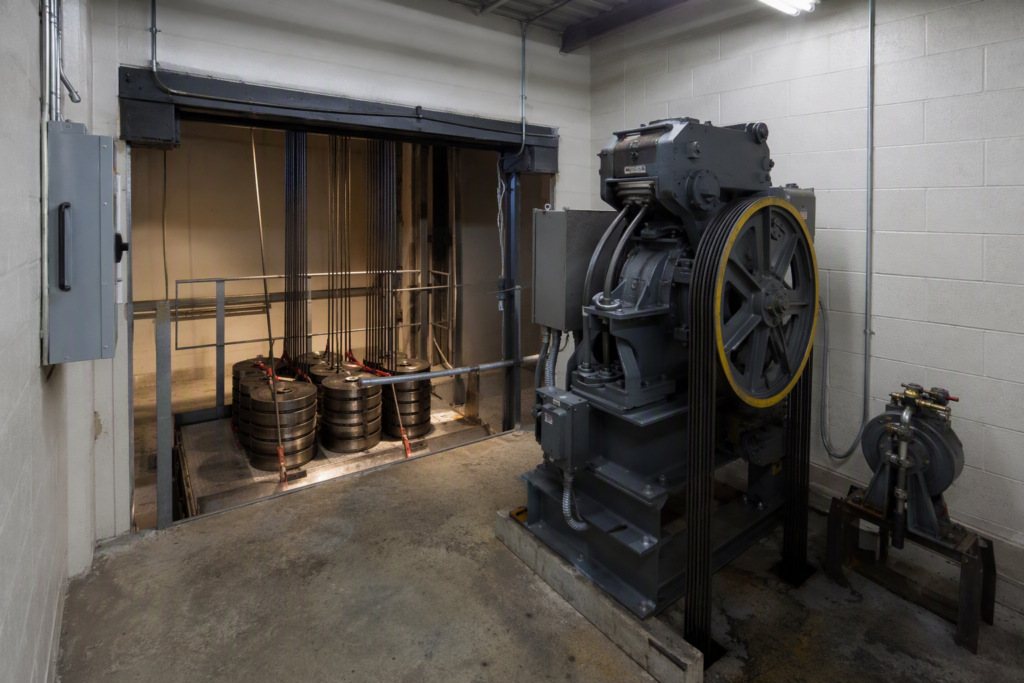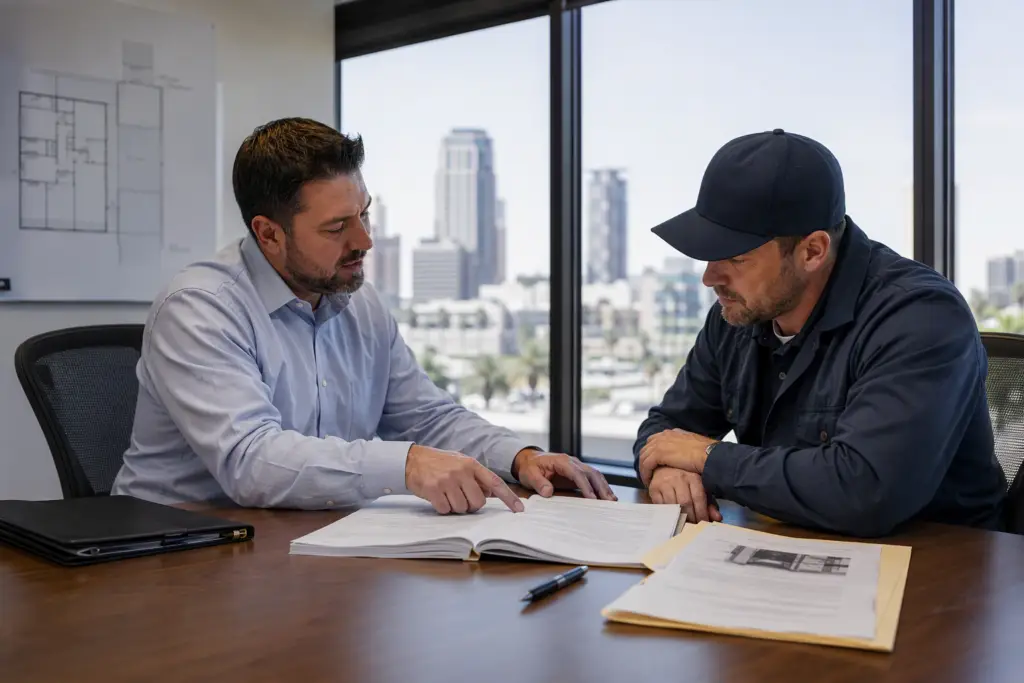
Elevator Maintenance & Inspection Requirements for Apartment and Multifamily Buildings in Los Angeles and Orange County
Direct Answer: Apartment and multifamily buildings in Los Angeles and Orange County must comply with California’s Title 8 elevator safety regulations administered by the California Division of Occupational Safety and Health (Cal/OSHA), including periodic inspections, routine maintenance under ASME A17.1 Safety Code for Elevators and Escalators, and accessibility standards under the Americans with Disabilities Act (ADA).
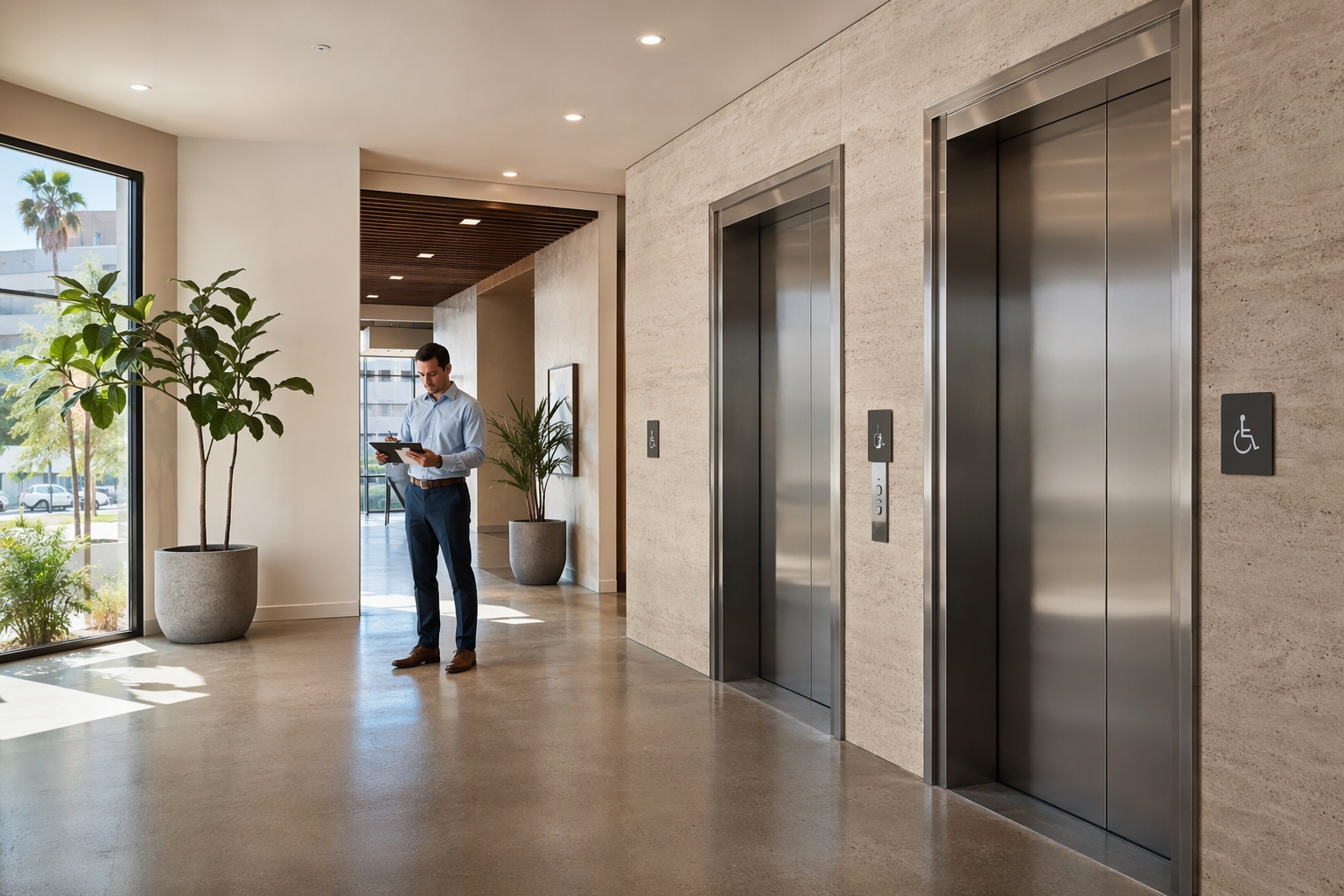
For property owners and managers overseeing apartment complexes and multifamily residential buildings throughout Los Angeles, Long Beach, Signal Hill, and Orange County, elevator compliance is not optional — it is a legal obligation tied directly to tenant safety, liability exposure, and building occupancy status. Understanding exactly which inspection schedules, maintenance standards, and code requirements apply is the first step toward protecting residents and avoiding costly enforcement actions.
—
What State Agency Governs Elevator Inspections in California?
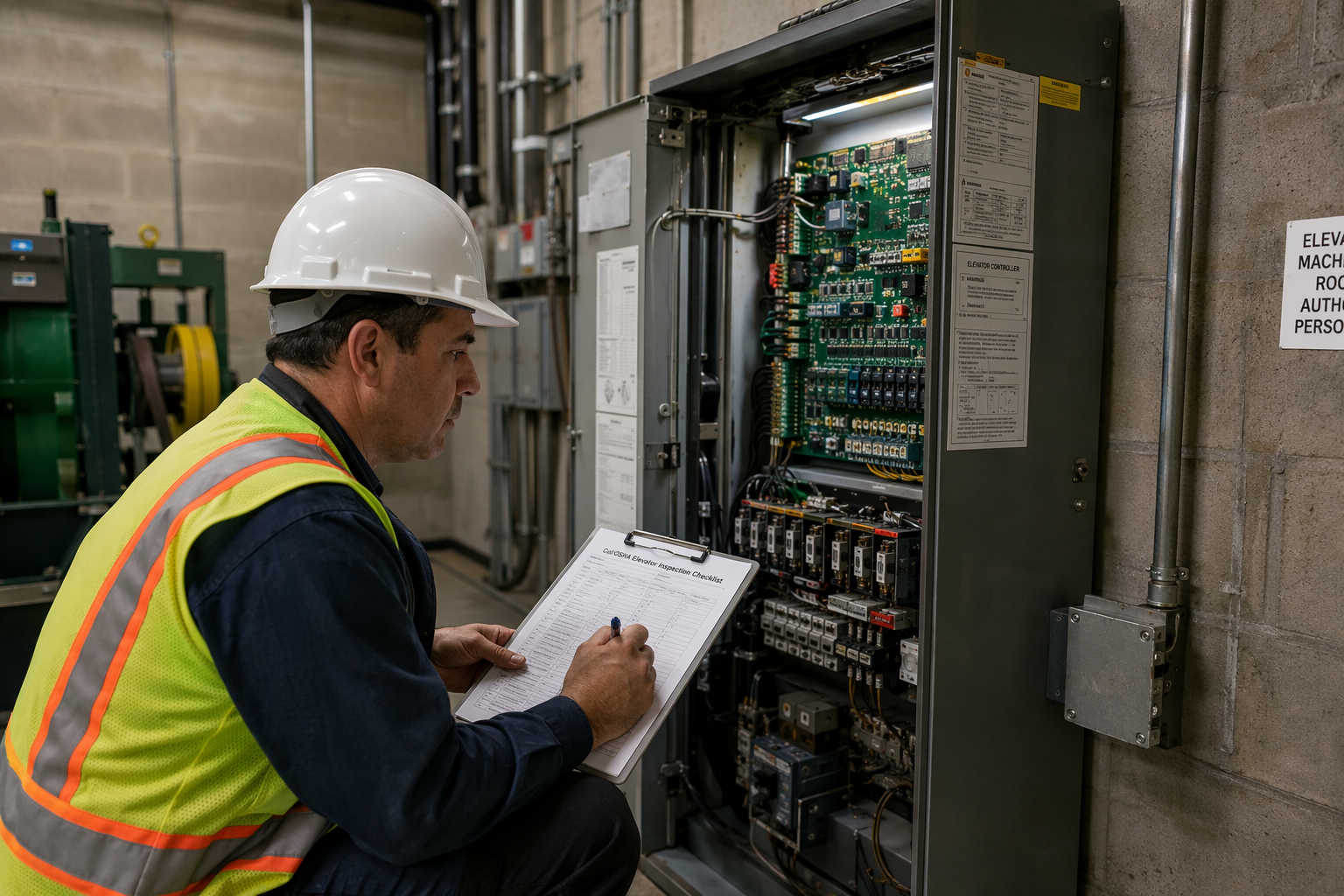
In California, elevator safety and inspection are governed by the California Division of Occupational Safety and Health (Cal/OSHA), operating under the California Department of Industrial Relations. Cal/OSHA’s Elevator, Ride, and Tramway (ERT) Unit enforces the state’s elevator safety orders, which are codified in California Code of Regulations (CCR), Title 8. Every elevator operating in a multifamily or apartment building in Los Angeles County and Orange County falls under this jurisdiction.
Local Authorities Having Jurisdiction (AHJs) — including the Los Angeles Department of Building and Safety (LADBS) and equivalent agencies in Orange County municipalities — coordinate with Cal/OSHA but do not supersede state-level inspection authority. Property managers in Long Beach, Signal Hill, and surrounding communities should be aware that city-level permit requirements may layer on top of state obligations.
—
How Often Must Elevators in Apartment Buildings Be Inspected in California?
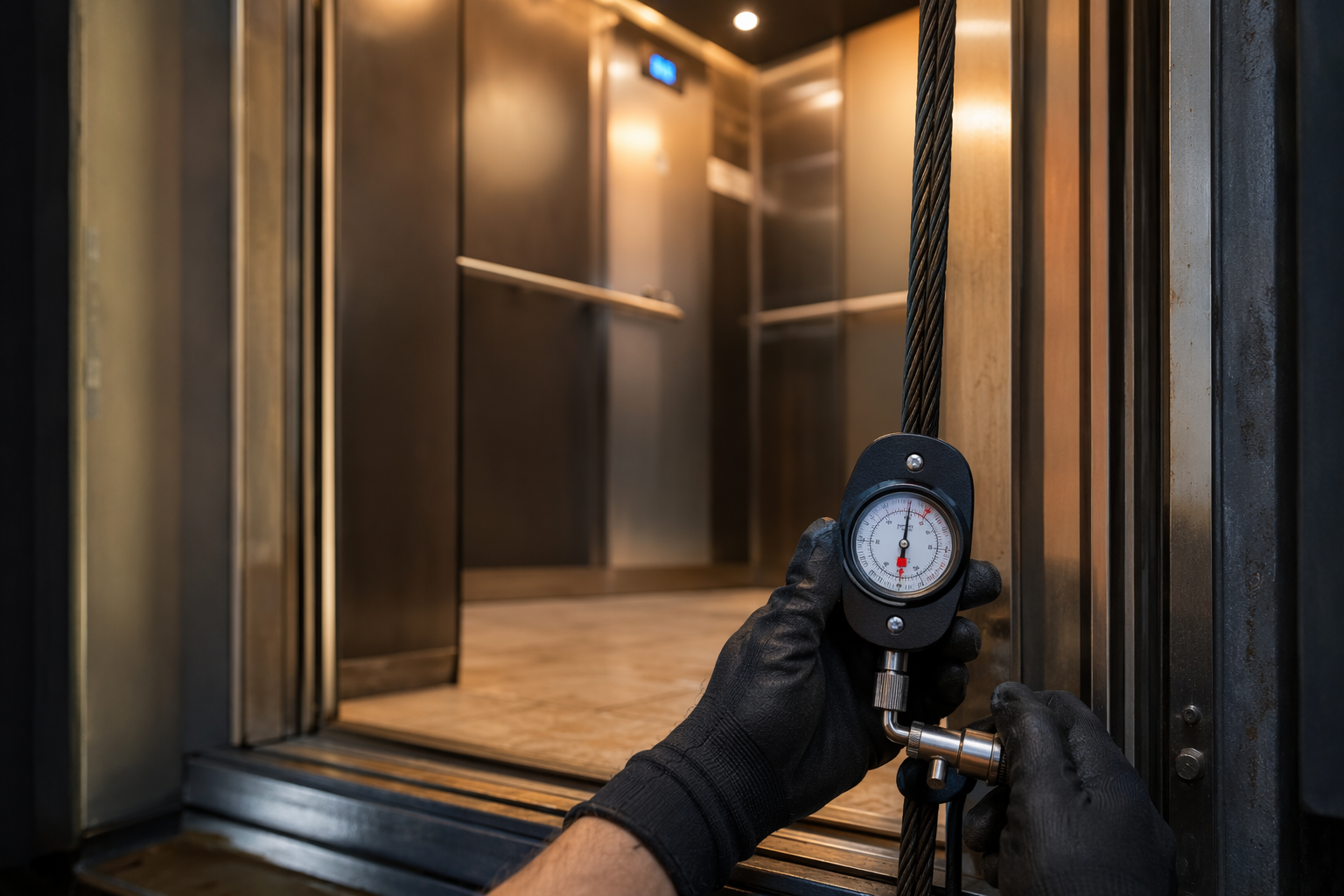
California requires that passenger elevators in residential buildings undergo a periodic safety inspection at least once every year by a qualified elevator inspector who meets Cal/OSHA’s standards. Following any major repair, alteration, or installation, a separate acceptance inspection is required before the elevator can return to service.
In addition to state-mandated inspections, the ASME A17.1 Safety Code for Elevators and Escalators — the foundational technical standard adopted and referenced by California’s elevator safety orders — prescribes routine tests and examinations that must occur on defined schedules. These include:
- Monthly maintenance checks of safety devices, lubrication points, and mechanical components
- Annual full-load safety tests and governor/safeties examinations
- Five-year full-load and full-speed safety tests (for traction elevators)
Liftech Elevator designs maintenance programs for multifamily buildings in Los Angeles and Orange County that align with these ASME-defined intervals, helping property managers stay ahead of inspection deadlines rather than react to violations.
—
What Is the ASME A17.1 Code and Why Does It Apply to Apartment Buildings?
The ASME A17.1 Safety Code for Elevators and Escalators is the nationally recognized technical standard governing the design, construction, operation, inspection, testing, maintenance, alteration, and repair of elevators. California has adopted this code by reference within its Title 8 elevator safety orders, making ASME A17.1 compliance a legal requirement — not merely a best practice — for every residential elevator operating in the state.
For multifamily buildings, this means maintenance contractors must follow ASME A17.1’s defined procedures for testing safety brakes, door interlocks, emergency lighting, and communication systems. Deviations from these procedures can result in failed inspections and permit revocations.
Older elevators installed under previous code editions are subject to ASME A17.3, the Safety Code for Existing Elevators and Escalators, which establishes modernization and retrofit obligations that California’s ERT Unit actively enforces.
—
What ADA Requirements Apply to Elevators in Multifamily Residential Buildings?
The Americans with Disabilities Act (ADA) applies to the common-use areas of multifamily buildings that constitute “places of public accommodation” or are subject to the Fair Housing Act’s accessibility mandates. For buildings with four or more units where at least one elevator serves the building, ADA and Fair Housing Act design standards require:
- Minimum cab dimensions that allow wheelchair maneuverability
- Accessible controls at reachable heights for people using wheelchairs
- Audible and visual floor indicators
- Braille and raised-character markings on control panels
- Hall lanterns and position indicators
- Adequate door timing to allow safe entry and exit for individuals with mobility impairments
Buildings constructed after the ADA’s effective date that do not meet these requirements may face federal enforcement actions and civil liability. Property owners in Los Angeles and Orange County conducting renovations should treat any alteration that affects elevator primary function as a trigger for full ADA path-of-travel compliance review.
—
What Permits Are Required Before Elevator Work Can Begin?
In California, any elevator alteration, modernization, or new installation requires a permit issued through the Cal/OSHA ERT Unit before work commences. Routine maintenance performed under a current maintenance contract generally does not require individual permits, but repairs classified as alterations — such as replacing control systems, installing new door operators, or modifying cab dimensions — do require permit approval and a subsequent acceptance inspection.
In the City of Los Angeles, the LADBS coordinates with Cal/OSHA on permit issuance for new construction. Property managers in Long Beach, Signal Hill, and Orange County municipalities should verify local permitting layers with their AHJ, as processing timelines can vary.
Liftech Elevator assists clients with permit documentation and coordinates with the relevant inspecting authority to reduce administrative delays that keep elevators out of service.
—
What Happens If an Apartment Building Elevator Fails Inspection?
When an elevator fails a Cal/OSHA inspection, the inspector issues a written notice specifying the deficiencies and a correction deadline. In cases involving immediate safety hazards, the inspector has authority to order the elevator taken out of service immediately by posting a “Do Not Use” notice. The elevator cannot legally return to operation until:
- All cited deficiencies are corrected by a licensed elevator contractor
- The corrective work is documented and submitted to Cal/OSHA
- A reinspection is conducted and the elevator receives a new certificate of operation
- The permit and certificate are posted in the elevator machine room or cab as required by California regulations
For multistory apartment buildings, an out-of-service elevator creates immediate accessibility hardship for elderly residents, residents with disabilities, and families — creating both humanitarian and legal urgency to resolve violations promptly.
—
Are There Special Seismic Requirements for Elevators in Los Angeles and Orange County?
Yes. California’s seismic risk profile means that elevator installations and modernizations in the Los Angeles basin and Orange County must comply with seismic protection requirements incorporated into California’s Title 8 elevator safety orders and referenced within ASME A17.1. Seismic switches (counterweight derail devices and car derail devices) are required components that must be tested as part of the maintenance program. Buildings that have undergone seismic retrofitting may require elevator system evaluation to ensure compatibility between the building’s new structural behavior and the elevator’s safety systems.
Property owners in Signal Hill — a community with a notable seismic history — and throughout the greater Los Angeles and Orange County areas should confirm that their elevator maintenance provider understands California’s seismic device testing requirements.
—
How Should a Multifamily Property Manager Document Elevator Compliance?
Proper documentation is a core component of compliance. California regulations require that the current certificate of operation be posted in a location accessible to the elevator user or in the machine room, depending on the elevator type. Beyond this legal minimum, best practices for multifamily property managers include maintaining:
- A maintenance logbook recording all service visits, tests, and component replacements
- Copies of all Cal/OSHA inspection reports and correction notices
- Records of all permits issued for alterations or repairs
- Written maintenance agreements with the contracted elevator service provider
- Documentation of any ADA-related modifications and their completion dates
In the event of a tenant complaint, personal injury claim, or regulatory audit, complete documentation is the most effective defense a property owner can present. Liftech Elevator provides clients with organized service records that support this documentation standard.
—
What Is the Difference Between a Maintenance Contract and a Full-Service Contract?
Elevator service agreements for multifamily buildings typically fall into several tiers. A maintenance-only contract covers routine lubrication, adjustment, and inspection visits but excludes parts and significant repairs. A full-service contract includes parts, labor, and emergency callbacks within the scope of the agreement. Property managers should review contract language carefully to understand exactly which components and repair categories are covered, as exclusions for “modernization-class” repairs are common even in full-service agreements.
For older elevator systems common in Los Angeles’s pre-1980 apartment stock and Orange County’s mid-century multifamily buildings, understanding the parts coverage in a service contract is particularly important, as obsolete components may require sourcing from specialized suppliers or fabrication.
—
Questions Your Inspector Will Ask
When a Cal/OSHA elevator inspector arrives at a multifamily building in Los Angeles or Orange County, the inspection typically covers both physical conditions and administrative records. Property managers should be prepared to address the following:
- Is the current certificate of operation posted and valid? Expired certificates are an immediate compliance issue.
- Is the maintenance logbook current and on-site? Inspectors review service frequency and test documentation.
- When was the last five-year safety test performed? (For traction elevators subject to the ASME A17.1 five-year test cycle.)
- Are all seismic safety devices installed and documented as tested?
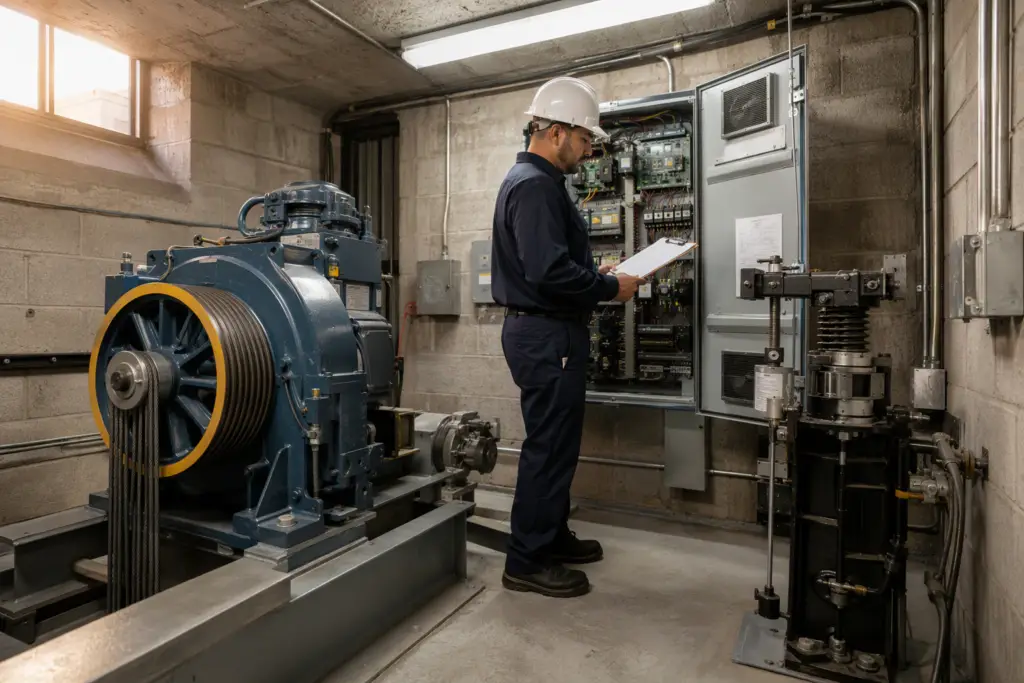
- Is the machine room locked, clean, and accessible only to authorized personnel?
- Are emergency lighting and communication systems functional?
- Has any work been performed on the elevator since the last inspection, and if so, was it permitted?
- Are door reopening devices, interlocks, and safeties functioning as required by ASME A17.1?
- Are the oil levels in hydraulic systems within acceptable ranges? (For hydraulic elevators.)
- Is the elevator’s weight capacity (rated load) placard posted in the cab?
Proactively working through this list with a qualified elevator contractor before the inspection date significantly reduces the likelihood of citations and out-of-service orders.
—
Why Is Elevator Compliance Especially Critical in Buildings Serving Elderly or Disabled Residents?
Multifamily buildings that serve senior residents or residents with disabilities face an elevated standard of duty of care regarding elevator reliability and accessibility. Under the ADA and California’s Fair Employment and Housing Act, elevator failure in a building where upper-floor residents cannot use stairs may constitute a deprivation of equal access — a serious civil rights issue beyond simple code violation. Property managers in Los Angeles and Orange County with senior housing communities or buildings with a significant population of residents with mobility limitations should prioritize preventive maintenance schedules and rapid response protocols for any elevator malfunction.
Liftech Elevator works with multifamily building owners throughout Long Beach, Signal Hill, Los Angeles, and Orange County to develop maintenance programs that account for occupancy profiles and resident vulnerability.
—
How Do Property Managers Choose a Qualified Elevator Contractor in Los Angeles or Orange County?
In California, elevator contractors must hold a valid Elevator Contractor License issued by the California Department of Industrial Relations. Elevator mechanics must hold a valid Certified Competent Conveyance Mechanic (CCCM) certification. Before entering any maintenance agreement, property managers should verify that the contractor and its field personnel hold current California credentials.
Beyond licensure, factors to evaluate include familiarity with the specific elevator makes and models installed in the building, knowledge of California’s seismic requirements, experience navigating Cal/OSHA permit and inspection processes, and a documented approach to maintenance recordkeeping.
Liftech Elevator serves the multifamily market across Signal Hill, Long Beach, Los Angeles, and Orange County, bringing knowledge of local AHJ processes and California’s regulatory framework to each service relationship.
—
Get a Free Elevator Assessment for Your Multifamily Property
Elevator compliance in Los Angeles and Orange County involves layered requirements from Cal/OSHA, ASME standards, and federal ADA obligations. Whether managing a pre-war apartment building in Long Beach, a mid-rise complex in Los Angeles, or a senior community in Orange County, proactive maintenance and inspection preparation protect residents, limit liability, and keep operations running without interruption.
Contact Liftech Elevator for a free elevator assessment: 562-997-3639
Liftech Elevator serves Signal Hill, Long Beach, Los Angeles, and Orange County — helping multifamily building owners and managers meet California’s elevator compliance requirements with confidence.
Need elevator service you can rely on? Liftech Elevator is ready to help.