Elevator Service in Signal, CA | Liftech Elevator
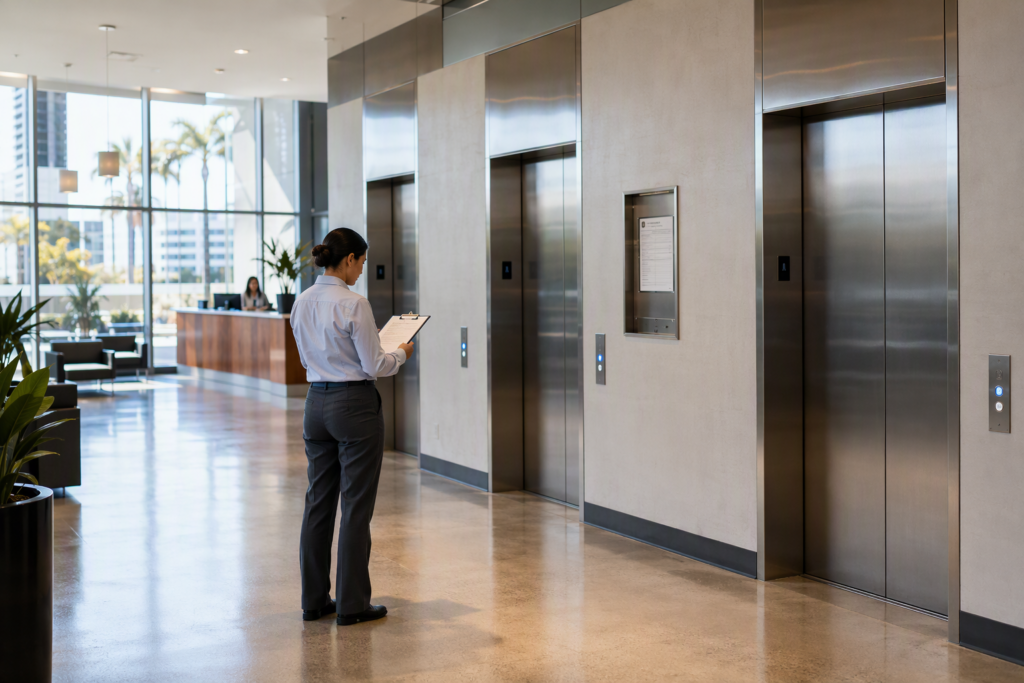
Elevator modernization is one of the most consequential investments a building owner or property manager can make in the greater Los Angeles and Orange County markets. Whether the building is a mid-rise commercial tower in downtown LA, a residential complex in Anaheim, or a mixed-use structure in Long Beach, aging elevator systems eventually reach a point where repair alone is no longer cost-effective, code-compliant, or safe. Liftech Elevator provides certified elevator modernization services throughout Southern California, helping property owners understand exactly what a project involves — from initial assessment through final inspection.
—
What Does Elevator Modernization Actually Include?
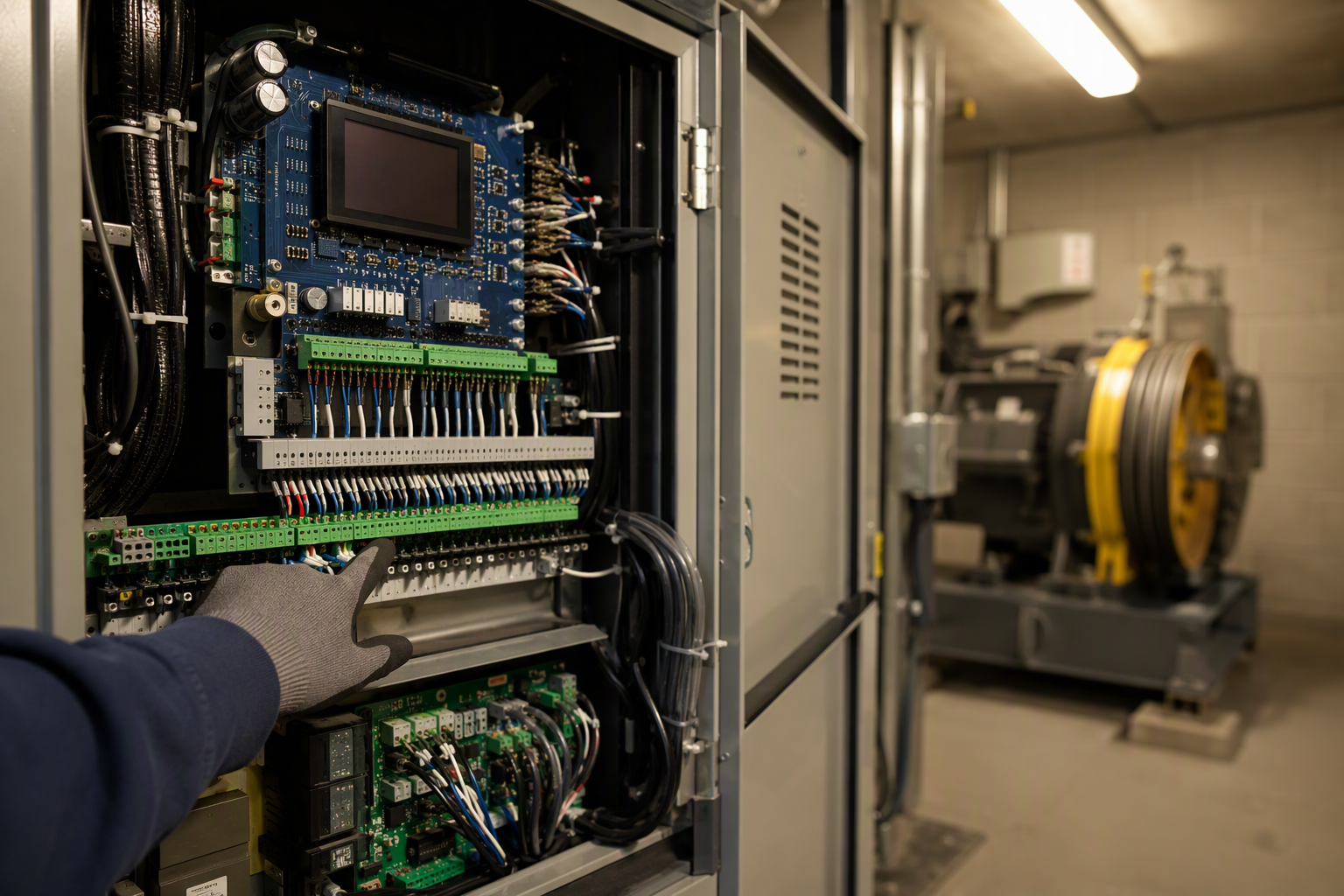
Modernization is not a single repair — it is a structured replacement of the systems that keep an elevator operating safely and efficiently. A full modernization project in Los Angeles or Orange County generally encompasses several interconnected scopes of work:
- Control system replacement: Older relay-logic or solid-state controllers are replaced with modern microprocessor-based systems that offer diagnostics, energy efficiency, and compatibility with current safety standards.
- Door operator and interlock upgrades: Door systems are among the most failure-prone components in aging elevators. Modern door operators reduce entrapment incidents and are required to meet current safety specifications under the ASME A17.1 Safety Code for Elevators and Escalators.
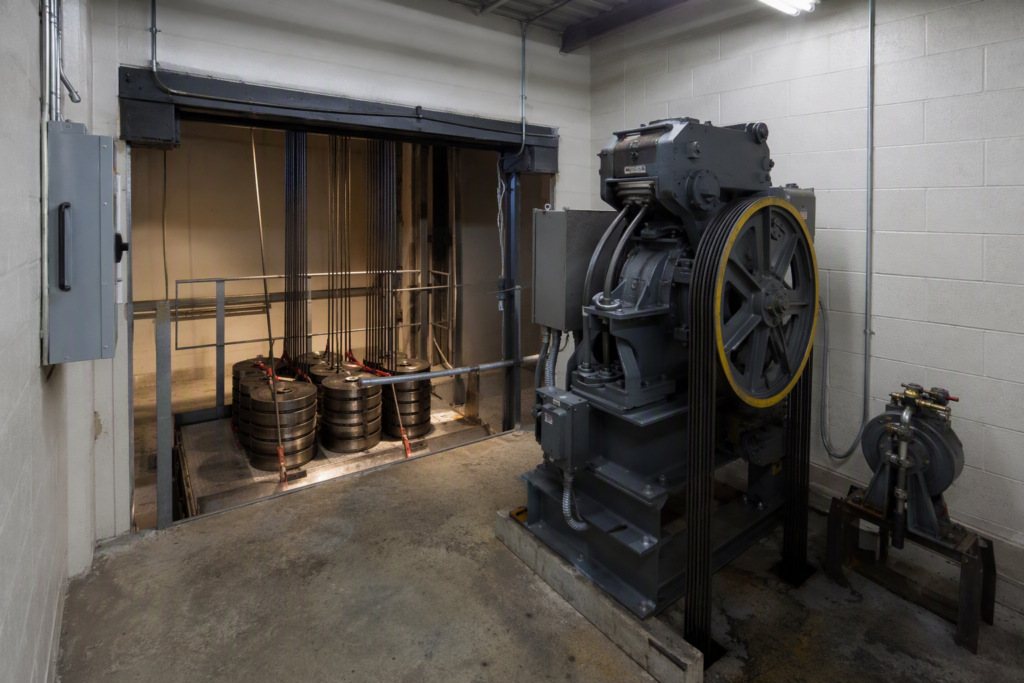
- Drive system modernization: DC motor drives are commonly replaced with variable-voltage, variable-frequency (VVVF) AC drives, which reduce energy consumption and provide smoother ride quality.
- Safety device testing and replacement: Governors, safeties, buffers, and overspeed devices are inspected and replaced as required to conform to ASME A17.3, the Safety Code for Existing Elevators and Escalators.
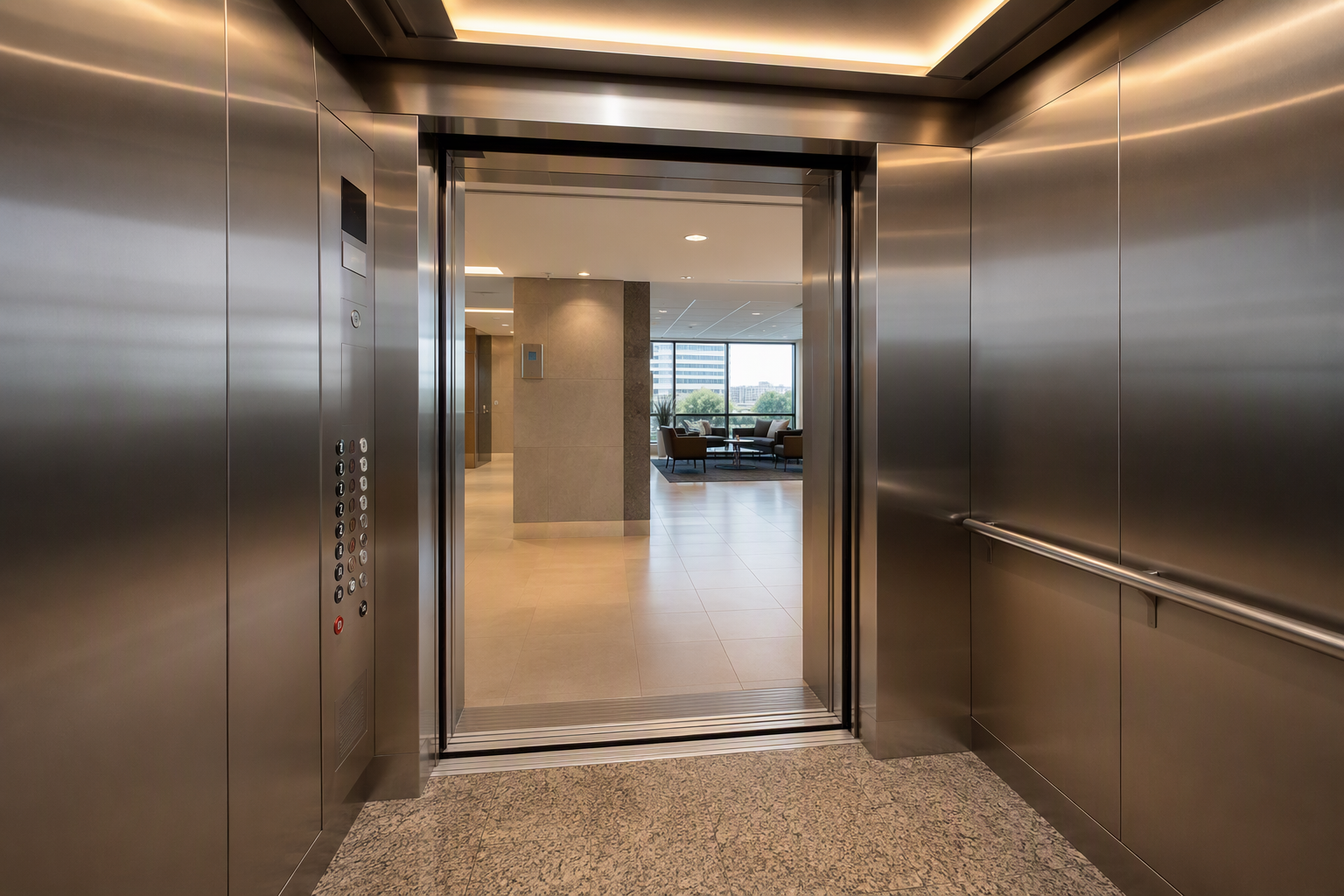
- Cab interior and fixtures: Lighting, flooring, wall panels, handrails, and in-cab signage are updated — often required to meet ADA accessibility standards for button placement, Braille signage, and audible signals.
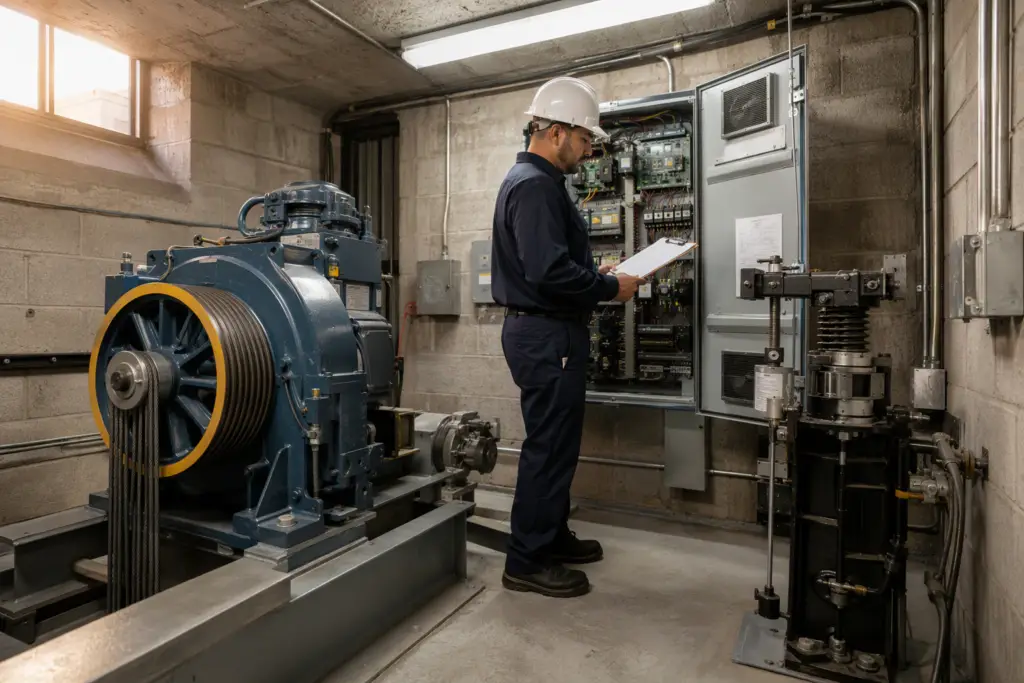
- Machine room and pit improvements: Lighting, ventilation, and electrical panels in the machine room and pit are brought into compliance with California building and electrical codes.
- Seismic upgrades: California’s seismic risk profile makes this component unique to the state. Seismic switches, counterweight retainers, and related equipment must meet California-specific requirements enforced by the Division of Occupational Safety and Health (Cal/OSHA) and local AHJs.
Not every modernization project requires every item above. A phased or partial modernization may address the control system and door operators while deferring cab finishes. A complete gut modernization replaces virtually all components. The scope is determined by the elevator’s condition, its age, and what the AHJ requires before issuing a new permit to operate.
—
What Factors Influence the Cost of Elevator Modernization in Los Angeles or Orange County?
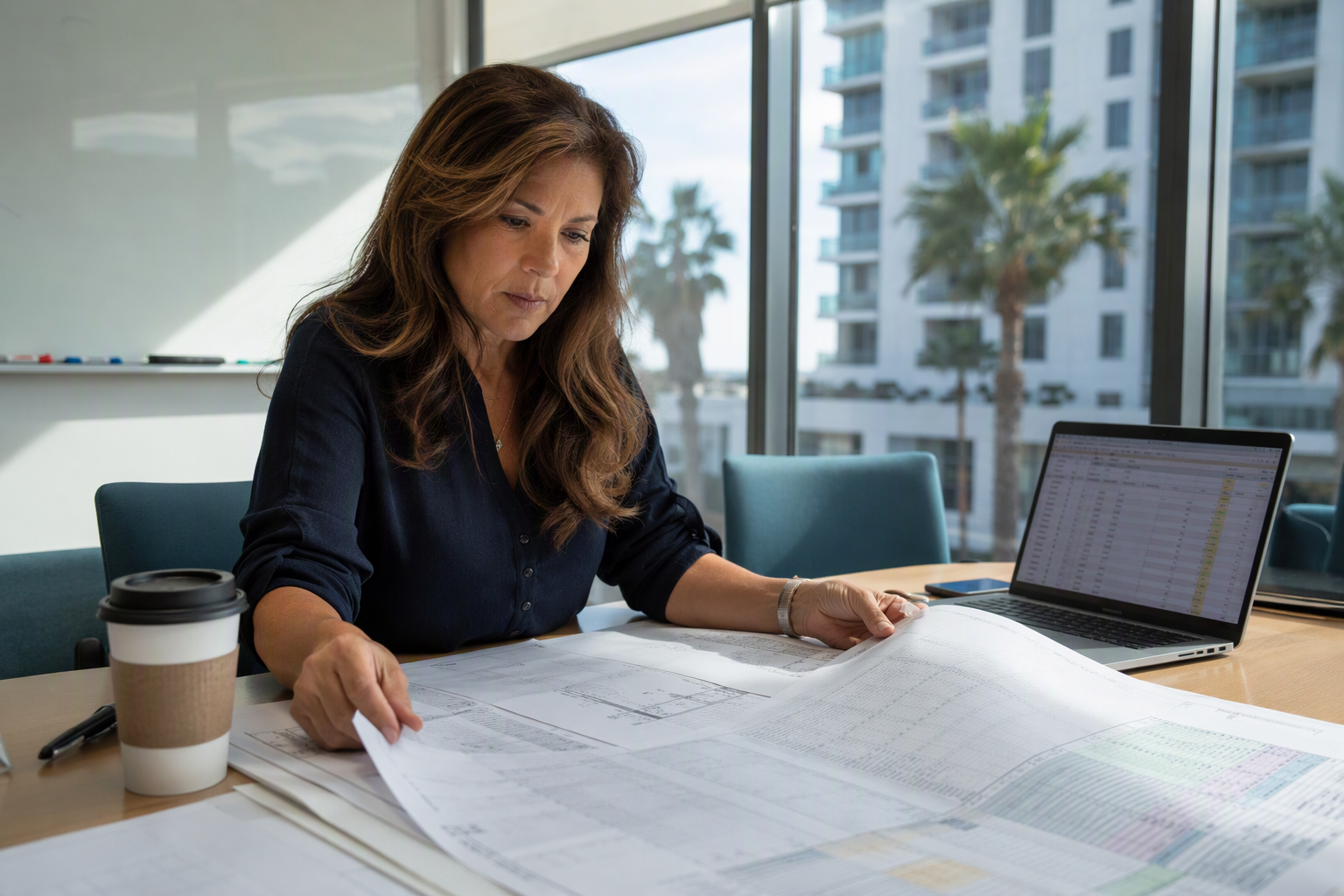
Modernization investment is driven by several variables, and no honest contractor can quote a meaningful number without first conducting a site assessment. Key cost drivers include:
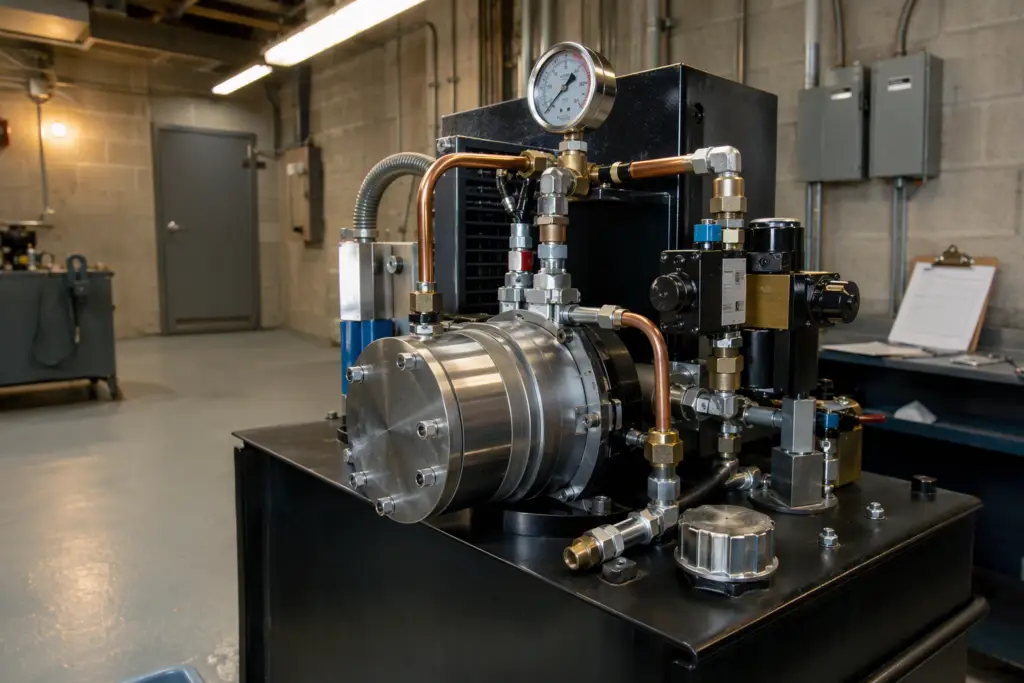
- Elevator type and configuration: Hydraulic elevators, traction elevators, and machine-room-less (MRL) systems each have distinct component ecosystems and labor requirements.
- Number of stops and travel distance: More floors mean more wiring runs, more door operators, and more labor hours.
- Age and condition of existing equipment: An elevator installed decades ago may require infrastructure work — new conduit, new electrical panels, pit waterproofing — before modernization components can even be installed.
- Seismic compliance scope: Because California enforces seismic safety requirements for elevators, buildings in high-seismic zones in LA and Orange County often require seismic switch upgrades as part of any permitted modernization.
- ADA compliance requirements: If a modernization triggers ADA path-of-travel obligations under the Americans with Disabilities Act, the overall project budget must account for accessible route improvements.
- Permitting and inspection fees: Los Angeles and Orange County both require permits for elevator modernization work through their respective AHJs. Fee schedules vary by jurisdiction and scope.
- Equipment lead times: Supply chain conditions in 2026 affect how quickly controllers, drive systems, and specialty components can be sourced, which may influence project phasing and total carrying costs for building owners.
Liftech Elevator provides detailed assessments so property owners in Signal Hill, Los Angeles, and throughout Orange County receive an accurate scope of work — not a ballpark guess — before any contracts are signed.
—
What California Codes Govern Elevator Modernization?
California elevator modernization is regulated at multiple levels. Understanding who enforces what is essential for any building owner navigating the permitting process.
- ASME A17.1 and A17.3: The federal baseline safety codes for new and existing elevators, adopted and enforced in California. The ASME A17.1 Safety Code for Elevators and Escalators governs new installations and major alterations; ASME A17.3 sets requirements for existing equipment.
- Cal/OSHA Elevator Unit: In California, the Division of Occupational Safety and Health (Cal/OSHA) has jurisdiction over most passenger elevators in workplaces. Permits, inspections, and certificates of compliance flow through Cal/OSHA’s Elevator, Ride, and Tramway (ERT) Unit for qualifying installations.
- Local AHJ requirements: Cities within Los Angeles County and Orange County may layer additional requirements on top of state minimums, particularly around seismic safety, building code integration, and permit sequencing.
- ADA Title III and Title II: Applicable to public accommodations and government facilities, the ADA requires that elevator modernization projects evaluate whether alterations trigger accessible feature requirements.
—
How Long Does an Elevator Modernization Project Typically Take?
Project duration varies based on scope and equipment availability. A partial modernization — such as a controller and door operator replacement on a single elevator — may be completed in a matter of weeks once equipment is on-site. A full modernization on a multi-stop traction elevator in a commercial building can extend to several months, particularly when permitting, inspection scheduling, and equipment lead times are factored in. Building owners should plan for elevator downtime and, where possible, coordinate sequencing to maintain at least one operational unit during the work.
—
Does Modernization Require a New Elevator Permit and Inspection?
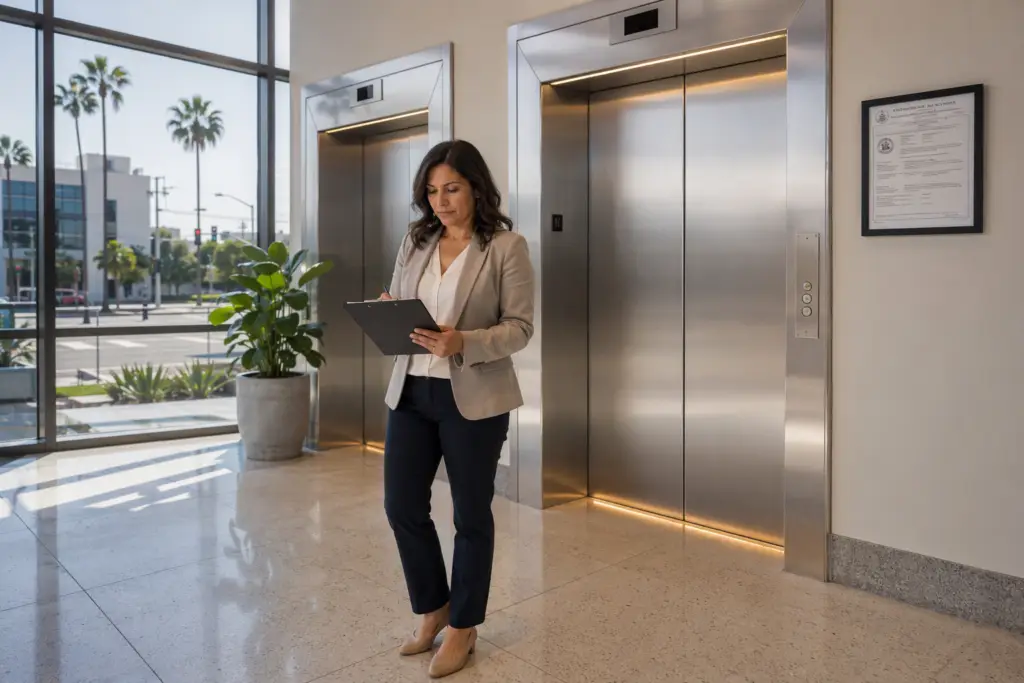
Yes. In California, any modernization work classified as an alteration under applicable codes requires a permit from the AHJ before work begins and a formal inspection before the elevator is returned to service. The inspection verifies that all new components meet current code requirements and that the overall installation is safe for public use. Operating an elevator without a current certificate of inspection in California is a violation that exposes building owners to liability and regulatory action. Liftech Elevator manages the permit application and coordinates inspection scheduling as part of every modernization engagement.
—
How Does Elevator Modernization Differ From Routine Maintenance or Repair?
Routine maintenance preserves the condition of existing components — lubricating parts, adjusting door closers, testing safety devices, and replacing wear items. Repair addresses specific failures. Modernization replaces major systems, often because components are obsolete, parts are no longer available, or the existing configuration cannot meet current code requirements regardless of its physical condition. The decision point is typically when repair costs begin approaching or exceeding the cost of a modernized system, or when an AHJ requires upgrades as a condition of re-issuing a certificate of operation.
—
What Should Building Owners Ask a Modernization Contractor Before Signing?
Selecting the right contractor for a modernization project in Los Angeles or Orange County involves more than comparing line-item prices. Property managers and owners should ask:
- Does the contractor hold a valid California elevator contractor license?
- Will the contractor pull the required permits and coordinate inspections with the AHJ?
- What equipment brands and components are specified, and are replacement parts readily available?
- Does the proposal include seismic compliance review, given California’s requirements?
- What warranty covers parts and labor after the modernization is complete?
- How will the contractor manage building access, downtime, and communication with tenants during the project?
- Is there a post-modernization maintenance agreement, and what does it cover?
Liftech Elevator addresses each of these questions transparently during the consultation and scoping process, ensuring property owners in Signal Hill and the broader Southern California market have the information they need to make a sound decision.
—
Does Elevator Modernization Improve Energy Efficiency?
Modern drive systems — particularly VVVF AC drives replacing older DC or single-speed systems — operate more efficiently than legacy technology. LED cab lighting, standby-mode controls, and regenerative drive systems (which return energy to the building’s electrical grid during descent) can reduce elevator-related energy consumption meaningfully. For commercial properties in Los Angeles and Orange County pursuing sustainability certifications or seeking to reduce operating costs, energy efficiency is a legitimate driver of modernization decisions alongside safety and compliance.
—
Is Emergency Service Available If an Elevator Fails During or After Modernization?
Liftech Elevator maintains availability for emergency service calls throughout the Southern California service area, including Los Angeles and Orange County. When an elevator experiences an entrapment or sudden failure, the immediate priorities are passenger safety and communication — building personnel should follow posted emergency procedures, contact building management, and ensure occupants remain calm while professional technicians respond. Liftech Elevator’s service team is reachable for emergency situations in the region.
For OSHA-regulated workplaces, employers are responsible for ensuring that elevator entrapment procedures are documented and that employees know how to initiate a response.
—
Why Choose Liftech Elevator for Modernization in Los Angeles and Orange County?
Liftech Elevator focuses exclusively on the California market, with deep familiarity with the AHJs, inspection processes, seismic requirements, and contractor licensing framework that govern elevator work in Southern California. The team serves commercial buildings, residential complexes, healthcare facilities, government properties, and industrial sites throughout Los Angeles County, Orange County, and the surrounding region. Every modernization project is managed from initial assessment through final permit close-out, with clear communication at each phase.
—
Schedule a Free Consultation
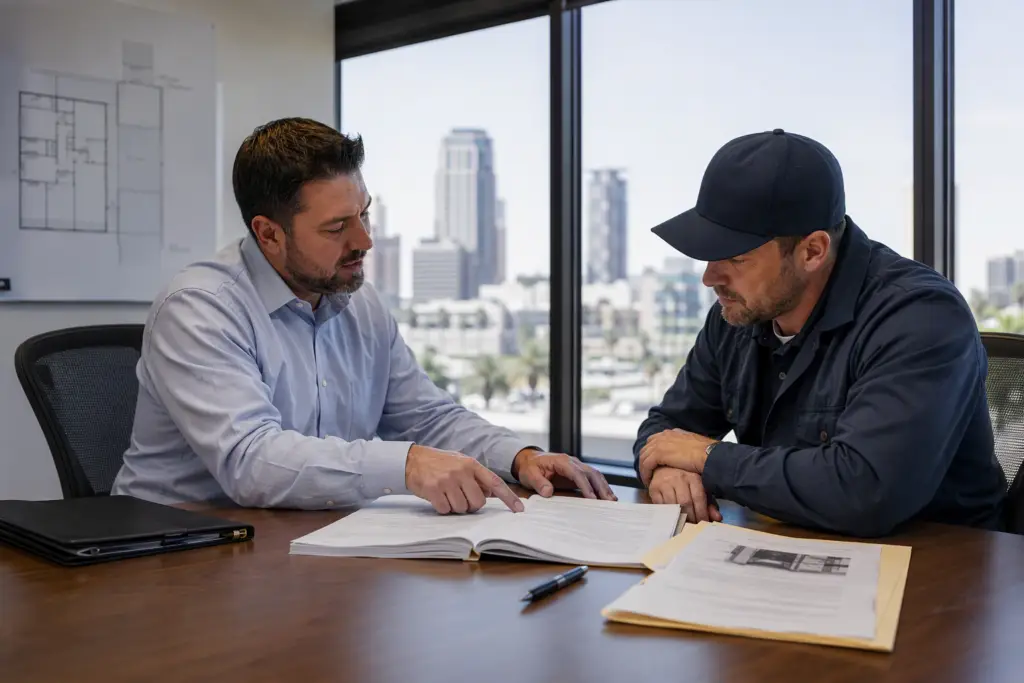
If your building’s elevator is aging, out of compliance, or approaching the point where modernization makes more sense than continued repair, Liftech Elevator is ready to help. A no-obligation consultation begins with a site assessment and results in a clear, detailed scope of work — so there are no surprises once the project begins.
Contact Liftech Elevator today: 562-997-3639
Need elevator service you can rely on? Liftech Elevator is ready to help.