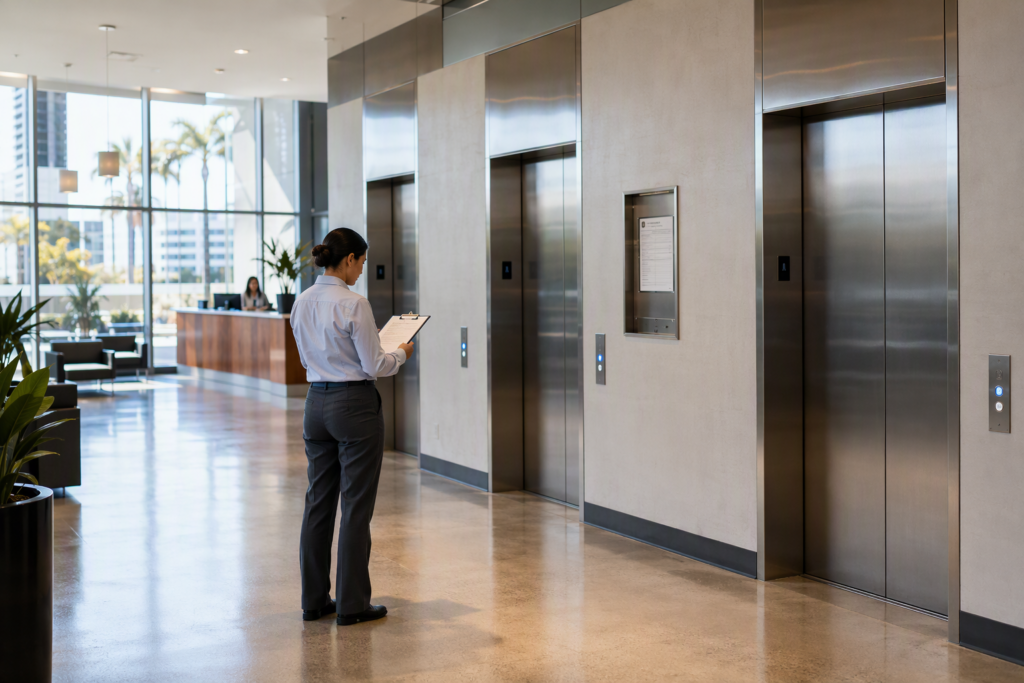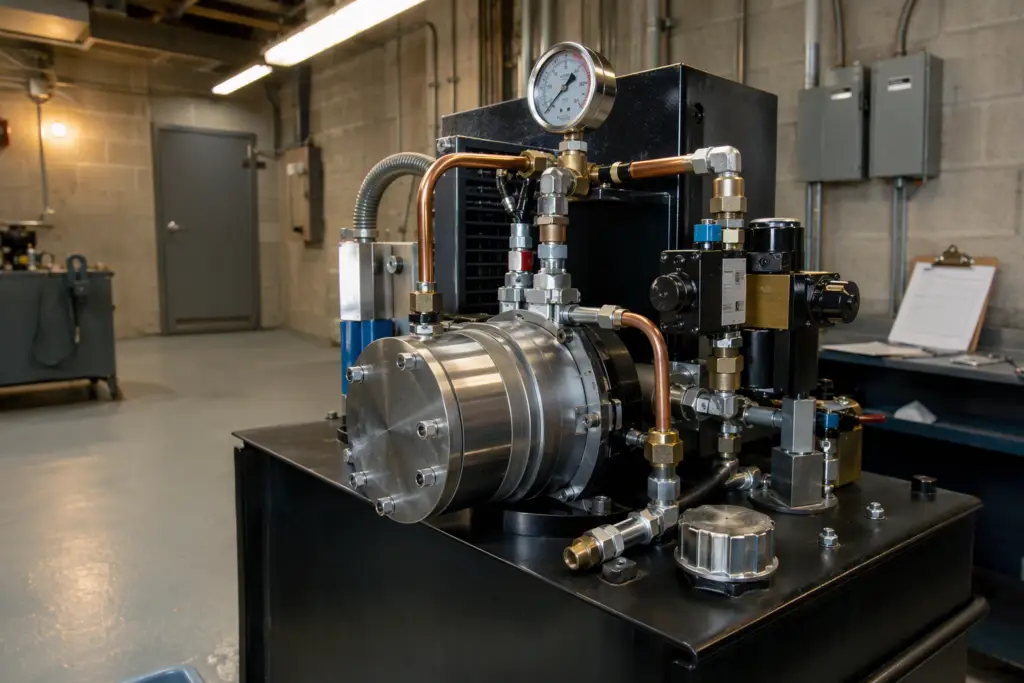
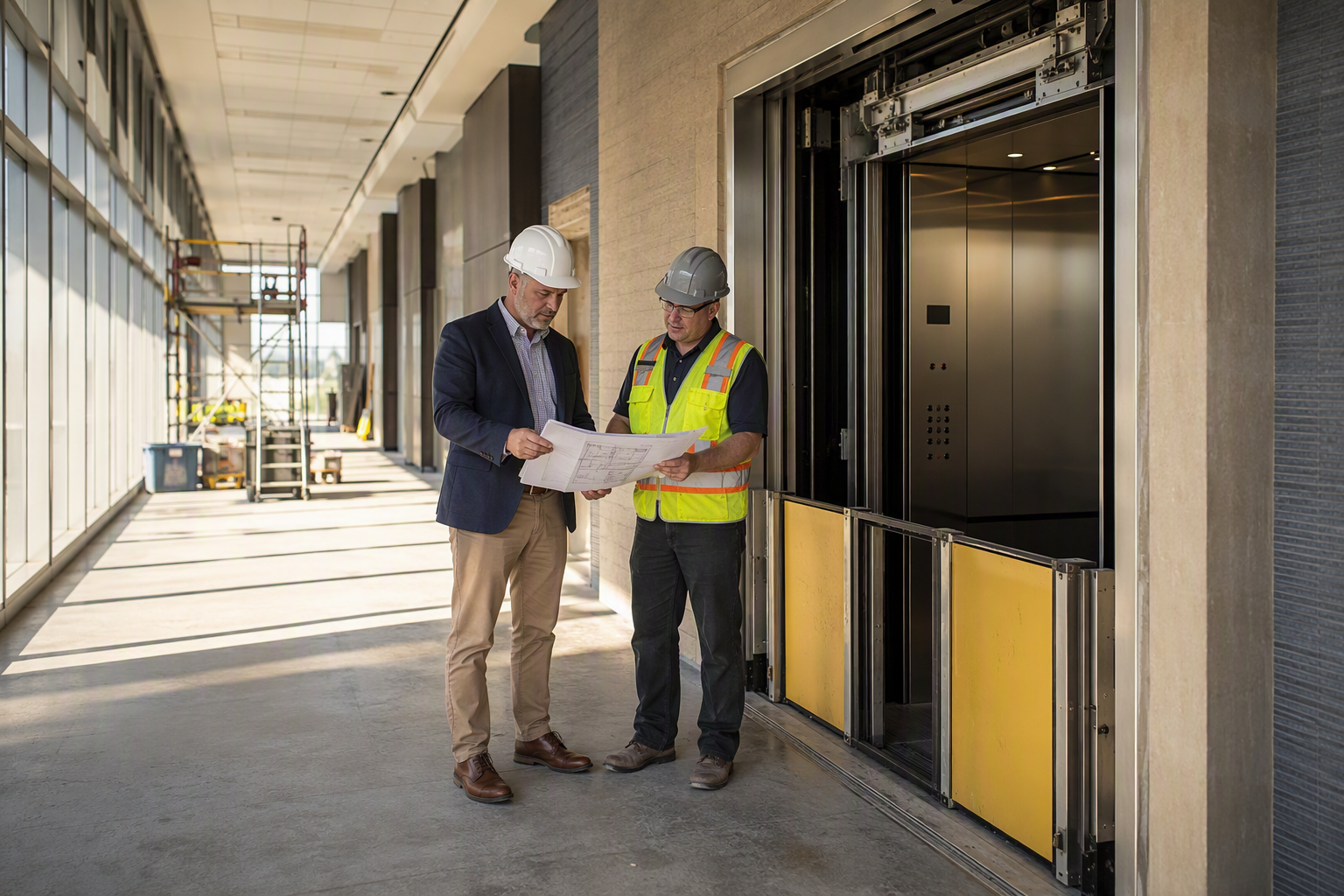
Campus and school building renovations in California present a unique compliance challenge for facility directors. Elevators sit at the intersection of multiple regulatory frameworks — state elevator safety law, federal accessibility law, and nationally adopted mechanical codes — and a renovation project can trigger re-inspection requirements, mandatory upgrades, and ADA obligations that many teams do not anticipate until construction is already underway. This guide walks through every key decision point so facility directors can plan proactively, avoid violations, and keep students, staff, and visitors safe throughout construction.
What Are the Core Regulatory Frameworks That Govern Elevators in California Schools?
California school and university elevators operate under a layered compliance structure. Understanding which agency has authority — and when that authority applies — is the first step in any renovation plan.
- ASME A17.1 Safety Code for Elevators and Escalators — The nationally adopted standard for new and altered elevator installations, referenced by California’s elevator safety program. See the full code family at ASME Codes & Standards.
- ASME A17.3 Safety Code for Existing Elevators and Escalators — Governs retroactive safety requirements for elevators already in service. Renovations can trigger A17.3 obligations even when the elevator itself is not the primary focus of construction. Details are available at ASME Codes & Standards.
- Americans with Disabilities Act (ADA) — Federal law requiring accessible routes in public accommodations and commercial facilities, including schools and universities. Any renovation that affects a path of travel may trigger ADA elevator obligations. Review requirements at ADA.gov.
- California Division of the State Architect (DSA) — For K–12 public schools and community colleges, the DSA has plan review and inspection authority over accessibility and structural elements, including elevators as part of accessible routes.
- Local Authority Having Jurisdiction (AHJ) — For UC system campuses and private universities, the local building department or a state-designated AHJ typically oversees elevator permits and inspections.
- California Elevator Safety Program (DOSH) — The Division of Occupational Safety and Health administers the California Elevator Safety Program, which requires permits, periodic inspections, and licensed contractors for elevator work statewide.
Facility directors must identify their specific AHJ at the outset of project planning. K–12 public school projects and community college projects that receive state funding route through DSA, while other institutions coordinate directly with DOSH or their local building department.
How Does a Building Renovation Trigger New Elevator Code Requirements?
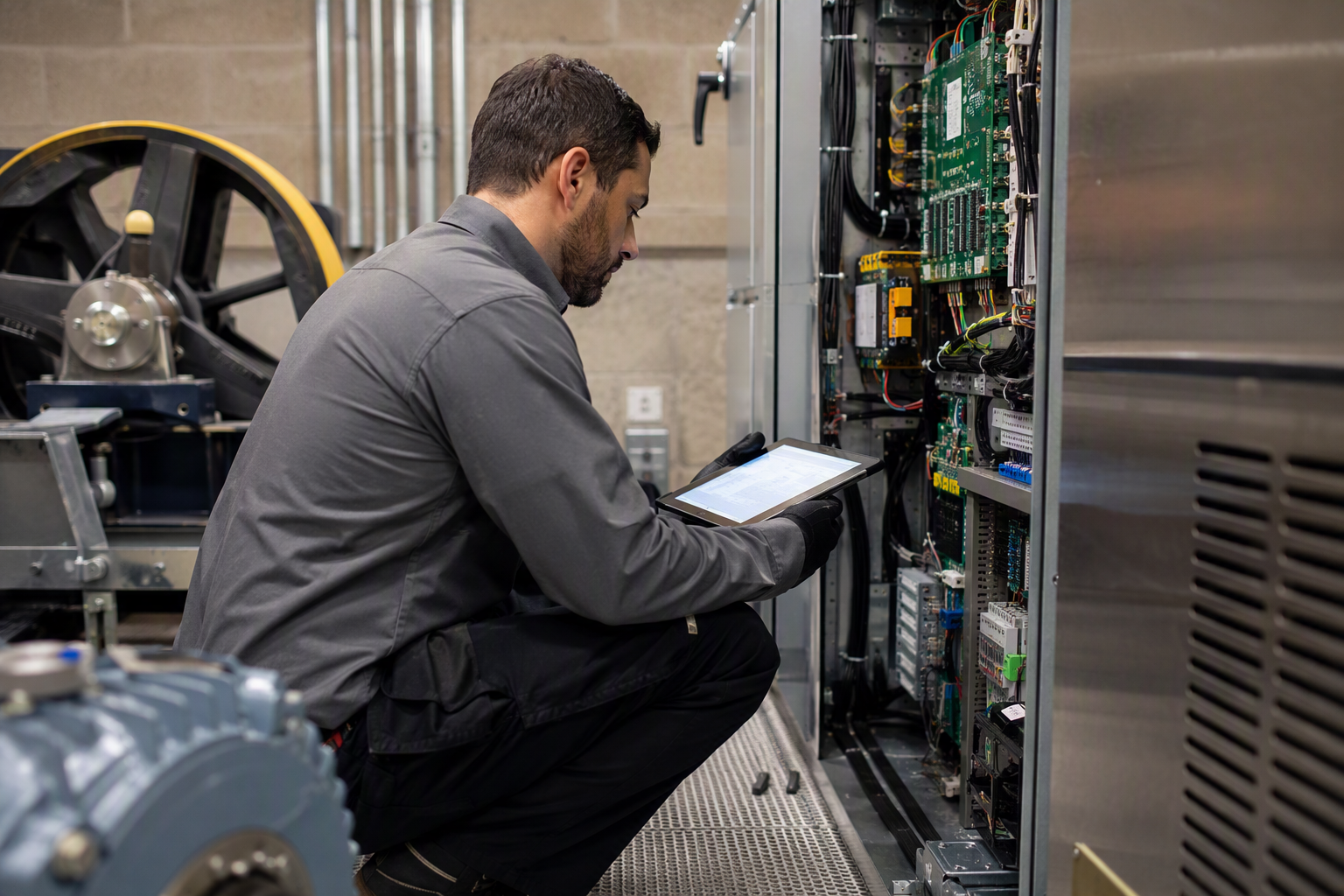
One of the most common and costly surprises in campus renovation projects is the discovery that work unrelated to the elevator can still trigger elevator upgrade obligations. Under ASME A17.3, alterations to an existing elevator or its associated systems may require the installation of additional safety devices or modernization of existing components to meet current code editions.
Beyond the elevator equipment itself, the ADA “path of travel” obligation is frequently triggered during renovations. When a school or university renovates a primary function area — such as a classroom wing, administrative suite, or student services area — federal accessibility law may require that the accessible route serving that area, including any elevator on that route, be brought into compliance. This means an elevator that was code-compliant under an older standard may require upgrades to controls, door timing, cab dimensions, signage, or audible signals.
Key renovation scenarios that commonly trigger elevator compliance reviews include:
- Structural modifications to floors served by the elevator
- Changes to lobbies, corridors, or entry points adjacent to elevator landings
- Electrical system upgrades that affect elevator power supply
- HVAC or mechanical work in elevator machine rooms
- Addition of new building uses that increase occupant load
- Seismic retrofit projects (California-specific risk)
What Is the Step-by-Step Process for Planning Elevator Compliance Before Construction Starts?
- Identify Your AHJ Early. Determine whether your project falls under DSA jurisdiction (K–12 public schools, community colleges) or local/DOSH jurisdiction. Contact the appropriate agency before the design phase begins to request pre-application guidance.
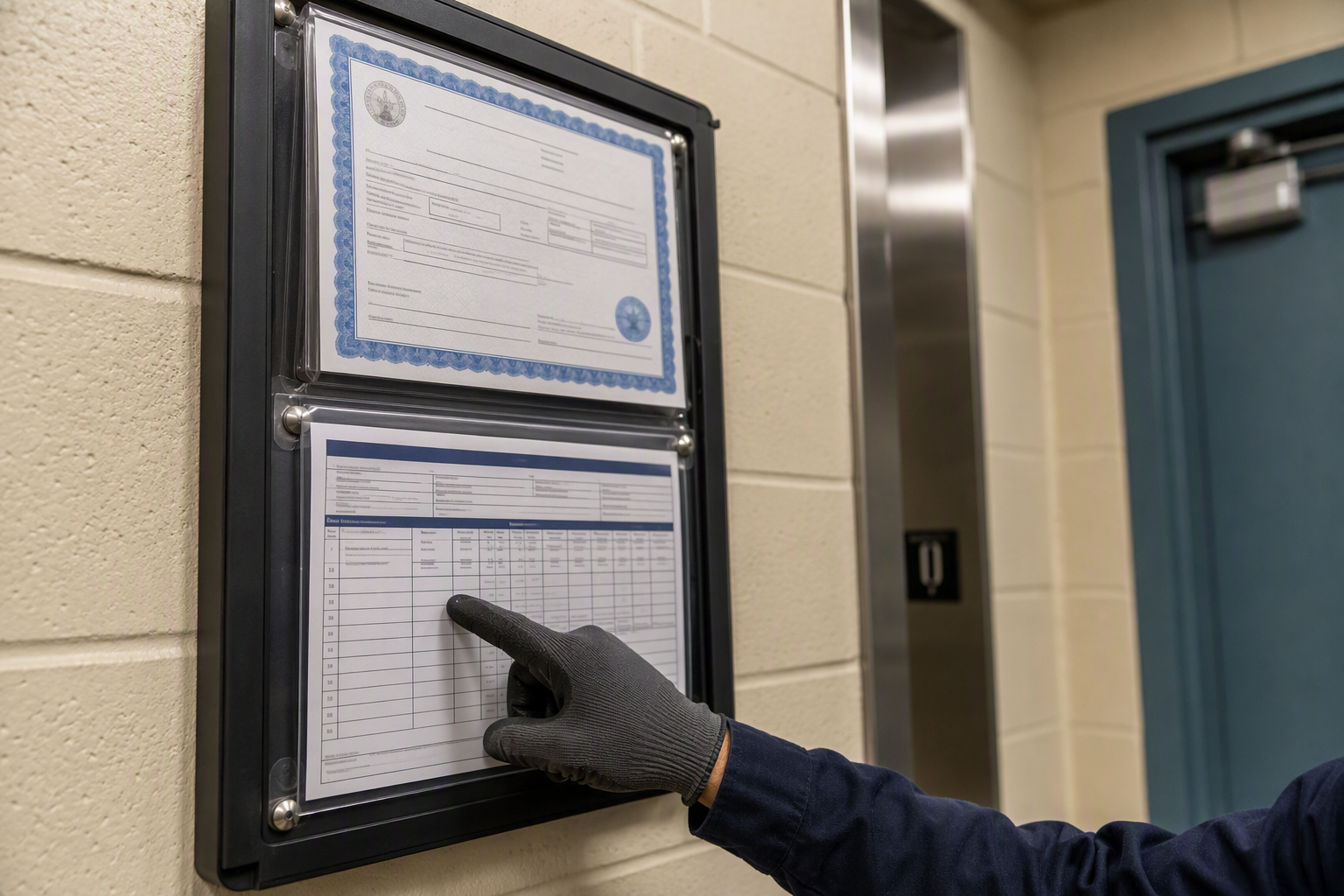
- Audit Existing Elevator Documentation. Gather current permits, inspection certificates, maintenance records, and any prior violation notices for every elevator in the affected building. Missing records must be located or recreated before permit applications can proceed.
- Commission a Pre-Renovation Elevator Assessment. Engage a qualified independent elevator service provider — Liftech Elevator offers free elevator assessments — to evaluate the current condition of all equipment, identify any existing deficiencies, and flag components that may not meet current ASME A17.1 or A17.3 requirements.
- Review ADA Path-of-Travel Obligations. Work with your architect and accessibility consultant to determine whether the scope of renovation triggers ADA path-of-travel upgrades affecting elevator lobbies, controls, or signage under ADA.gov standards.
- Incorporate Elevator Work into the Construction Document Set. Elevator modifications, maintenance shutdowns, and temporary access plans should appear in the construction documents submitted for plan review — not handled as a separate afterthought.
- Obtain Elevator-Specific Permits. Submit elevator permit applications to the AHJ separately from general construction permits if required. California’s elevator safety program requires permits for alterations, modernizations, and certain maintenance activities.
- Schedule Phased Maintenance Around Construction. Coordinate with your elevator service provider to schedule preventive maintenance, required periodic inspections, and any mandated tests during construction phases when the elevator can be safely taken out of service, minimizing disruption to building occupants.
- Plan Temporary Accessibility Measures. If the elevator must be taken out of service during construction, California’s DSA and the ADA require that an equivalent accessible route be provided or that affected program areas be temporarily relocated. Document this plan in advance.
- Schedule the Acceptance Inspection. After any alteration or modernization, California requires an acceptance inspection by the AHJ before the elevator is returned to service. Coordinate this date with your general contractor’s schedule to avoid project delays.
- Retain All Records Post-Project. File updated permits, inspection certificates, and as-built documentation with the building’s maintenance records. These are required for future inspections and permit applications.
Comparison Table: Reactive vs. Proactive Elevator Compliance Planning
| Factor | Reactive Approach (Address Issues After They Arise) | Proactive Approach (Plan Before Construction Starts) |
|---|---|---|
| Inspection Outcome Risk | High — violations discovered during construction stall the entire project | Low — deficiencies identified and remediated before permit submission |
| ADA Compliance Risk | High — path-of-travel obligations discovered mid-project require expensive change orders | Low — ADA scope defined during design phase; upgrades budgeted accurately |
| Project Timeline Impact | Significant delays possible; elevator shutdowns may block accessible routes unexpectedly | Elevator outages scheduled during low-occupancy periods; accessible alternatives planned |
| Cost Predictability | Low — emergency repairs, stop-work orders, and change orders add unbudgeted costs | High — scope defined early; modernization costs included in original project budget |
| Occupant Safety During Construction | Variable — maintenance may lapse during construction focus | Strong — phased maintenance schedule maintained throughout project |
| Permit & Inspection Coordination | Elevator permits handled separately and late, causing re-inspection delays | Elevator permits integrated into master project schedule |
| Long-Term Equipment Reliability | Deferred maintenance during construction compounds future repair needs | Maintenance continuity preserved; equipment life extended |
What Are the Most Common Elevator Code Violations Found During School Renovations in California?
Facility directors benefit from understanding the categories of violations that inspectors most commonly cite during and after campus renovation projects. While every building is different, the following deficiency categories appear repeatedly in California school elevator inspections:
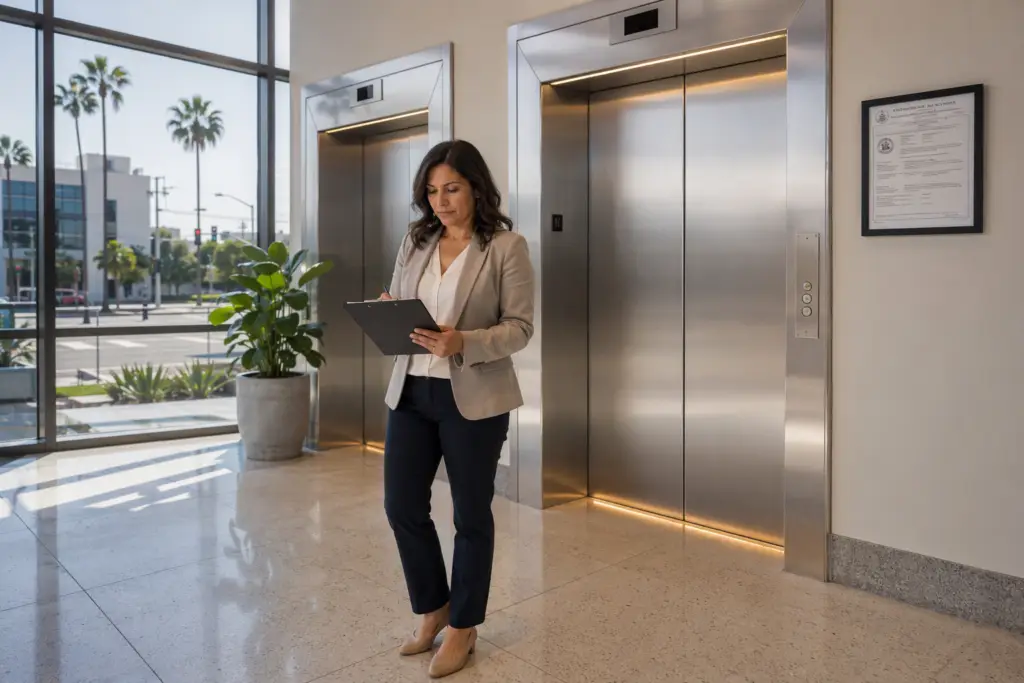
- Missing or expired inspection certificates — California requires that current inspection certificates be posted in the elevator cab. Construction activity that disrupts the inspection schedule can result in lapsed certificates.
- ADA signage and control non-compliance — Older elevator cabs frequently have Braille signage, button height, or audible signal configurations that do not meet current ADA Standards for Accessible Design. Renovations that trigger path-of-travel obligations bring these deficiencies into scope.
- Door timing and force violations — ASME A17.1 specifies requirements for door closing force and timing. Aging door operators frequently fall out of compliance, especially when maintenance is deferred during construction.
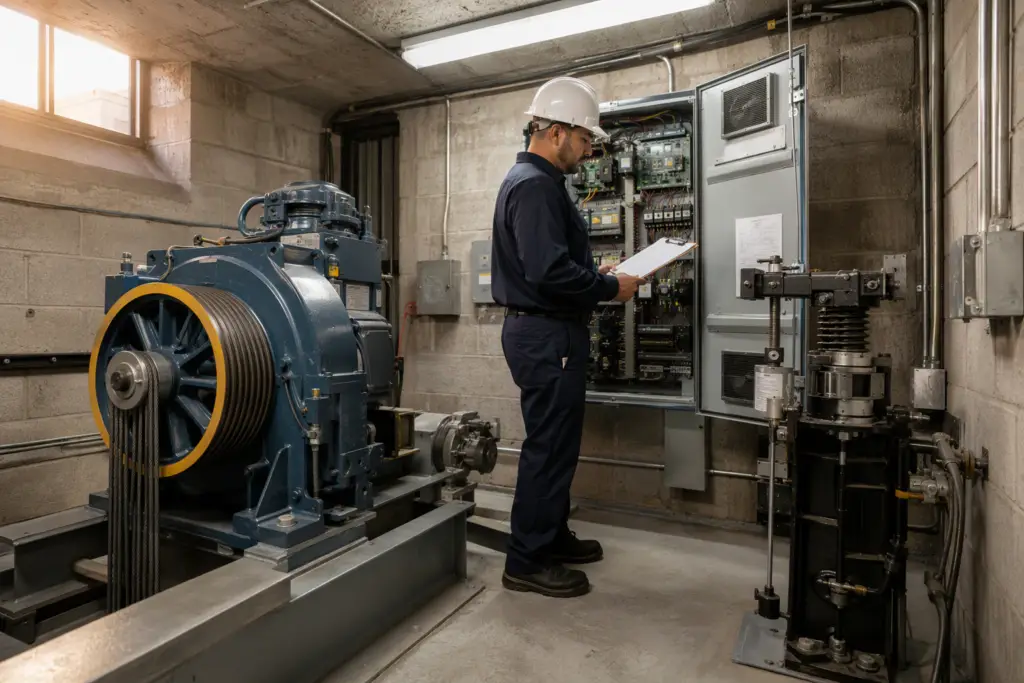
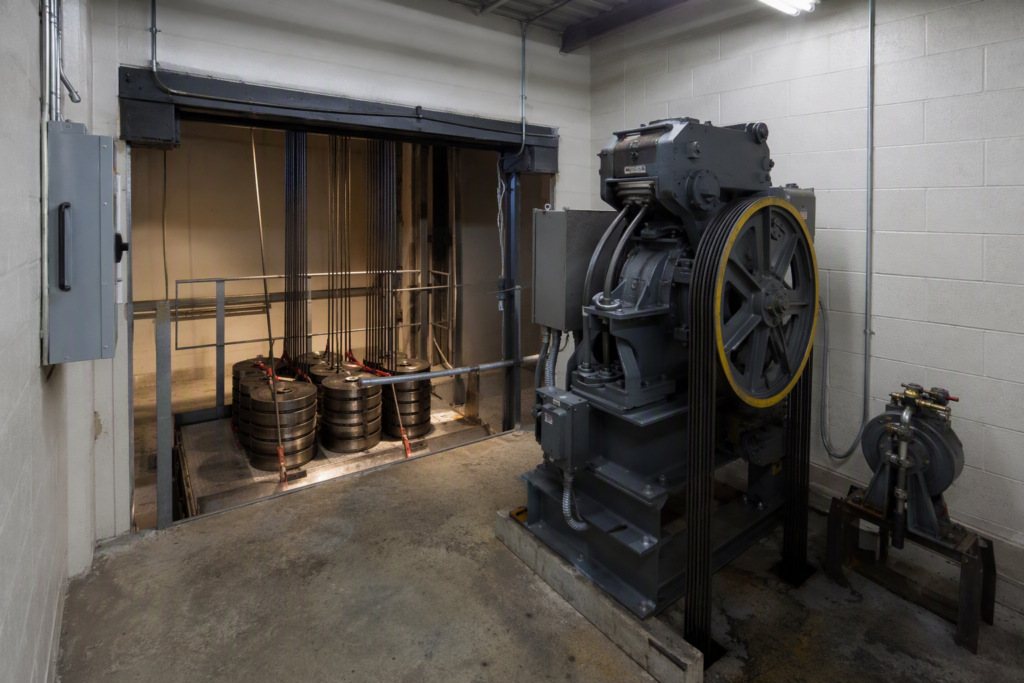
- Machine room access and environmental conditions — Construction activity sometimes results in machine rooms being used for storage, blocked for access, or exposed to temperature or moisture conditions outside allowable ranges.
- Seismic switch functionality — California’s seismic risk means that seismic switches (earthquake operation devices) are a required and frequently inspected component. Construction vibration can affect calibration.
- Pit conditions — Construction debris, water intrusion, or inadequate lighting in elevator pits is a common post-renovation finding.
- Safety device testing records — Required periodic tests (governor, safeties, buffers) must be documented. If tests fall due during a construction project and are not completed, violations result.
Comparison Table: Elevator Modernization vs. Targeted Repairs During Renovation
| Consideration | Full Modernization | Targeted Code-Compliance Repairs |
|---|---|---|
| Best For | Elevators that are older, have multiple deficiencies, or where major building renovation is already planned | Elevators with isolated deficiencies and otherwise sound mechanical condition |
| Scope | Controller, drive system, cab interior, doors, signals, fixtures replaced comprehensively | Specific components brought to current code; remainder of system unchanged |
| Code Trigger Risk | Comprehensive modernization resolves existing and anticipated future triggers | Partial repairs may not address all triggered requirements; re-inspection may reveal additional scope |
| ADA Integration | Full opportunity to meet all current ADA Standards during modernization scope | ADA upgrades addressed only within targeted repair scope; gaps may remain |
| Long-Term Reliability | High — new components carry manufacturer warranties and extend useful equipment life significantly | Moderate — repaired components are compliant but surrounding aging equipment may continue to require service |
| Disruption to Campus | Longer planned outage; best coordinated with summer break or other low-occupancy periods | Shorter outage windows; may be scheduled around class schedules more easily |
| Budget Timing | Higher upfront investment; aligns well with major renovation capital budget cycles | Lower initial outlay; may result in additional expenditures as other components age |
What ADA Requirements Apply Specifically to School and University Elevators in California?
The ADA Standards for Accessible Design establish requirements for elevators in facilities that serve the public or are places of education, including K–12 schools and higher education institutions. Key elevator-specific ADA requirements that facility directors must verify during any renovation include:
- Call button height and configuration — Hall call buttons must be mounted at accessible heights with specific clearance requirements at landings.
- Cab controls — Car operating panel controls, emergency communication devices, and floor buttons must meet dimensional, tactile (raised characters and Braille), and visual requirements.
- Door operation — Doors must provide sufficient clear width and must not close with excessive force or speed.
- Floor designation signage — Hoistway entrances must have raised characters and Braille floor designations at specified locations.
- Audible signals — Audible signals at landings and within cabs are required to communicate floor information.
- Two-way emergency communication — ADA requires a two-way means of emergency communication within elevator cabs.
California’s own accessibility code, which incorporates and in some respects exceeds federal ADA requirements, is administered through the DSA for applicable school projects. Facility directors should confirm with their AHJ which edition of California’s accessibility standards applies to their specific project type and funding source.
How Should Elevator Maintenance Be Managed During Active Construction?
Maintaining a continuous preventive maintenance schedule during an active renovation is one of the most overlooked aspects of campus elevator compliance planning. Construction activity introduces conditions — dust, vibration, power fluctuations, and debris — that accelerate wear on elevator components and can cause safety device malfunctions. Facility directors should require the following from their elevator service provider during any active construction phase:
- Increased inspection frequency coordinated with construction milestones
- Machine room protection protocols (dust control, temperature monitoring, secured access)
- Pit inspection after any significant construction vibration events
- Documentation that all scheduled periodic tests remain current despite construction schedules
- A written elevator outage and re-commissioning plan shared with the general contractor
- Coordination with the general contractor to prevent machine room use for storage or contractor access
Liftech Elevator provides coordinated maintenance planning for California schools and campuses undergoing renovation, working directly with general contractors and facility teams to keep elevator systems safe and compliant throughout construction phases.
What Happens If an Elevator Fails Inspection During or After a School Renovation?
A failed elevator inspection in California results in the AHJ issuing a notice of violation and, depending on the severity, ordering the elevator out of service until deficiencies are corrected and a reinspection is passed. For school and university buildings, this creates both a safety and an accessibility crisis: if the elevator serves as the only accessible route to classrooms, offices, or program areas, an out-of-service elevator may trigger ADA program access obligations that require the institution to relocate activities or provide alternative accommodations.
The consequences of a failed post-renovation inspection extend beyond the immediate repair cost. Stop-work orders, reinspection fees, and the cost of providing temporary accessible alternatives all add unbudgeted expense. In cases where construction activity caused or concealed the deficiency, disputes between the owner, general contractor, and elevator contractor can further delay resolution.
The most effective risk management strategy is a pre-renovation inspection and assessment — completed before construction documents are finalized — so that all known deficiencies are addressed within the project scope and budget.
How Do Seismic Considerations Affect Elevator Compliance in California Schools?
California’s seismic environment adds a layer of compliance obligation that facility directors in other states do not face. California school buildings are subject to seismic design and retrofit requirements, and elevator systems must include specific seismic safety features. Seismic switches (earthquake operation devices) are required components that, when triggered, cause the elevator to travel to the nearest floor, open its doors, and remain out of service until manually reset and inspected.
When a seismic retrofit is part of a campus renovation project, the interaction between structural work and elevator seismic components must be explicitly addressed in the project scope. Construction vibration can affect the calibration of seismic switches, and structural changes to the building can alter the performance of the hoistway. Facility directors should ensure that the elevator service provider reviews and tests all seismic components as part of the post-construction acceptance inspection.
What Should Facility Directors Look for When Selecting an Elevator Service Provider for a Campus Renovation Project?
Selecting the right elevator service partner for a school or university renovation project involves more than price comparison. Facility directors should evaluate prospective providers on the following criteria:
- California licensure and DOSH compliance — Verify that the provider’s mechanics hold current California elevator mechanic certifications and that the company is authorized to perform permitted work under California’s elevator safety program.
- Experience with educational facility projects — Campus renovations involve occupied buildings, complex scheduling around academic calendars, and DSA or AHJ coordination that requires specific project management capability.
- Independence from equipment manufacturers — Independent service providers can work across multiple elevator brands and are not limited to proprietary parts or service protocols that may not serve the owner’s best interests.
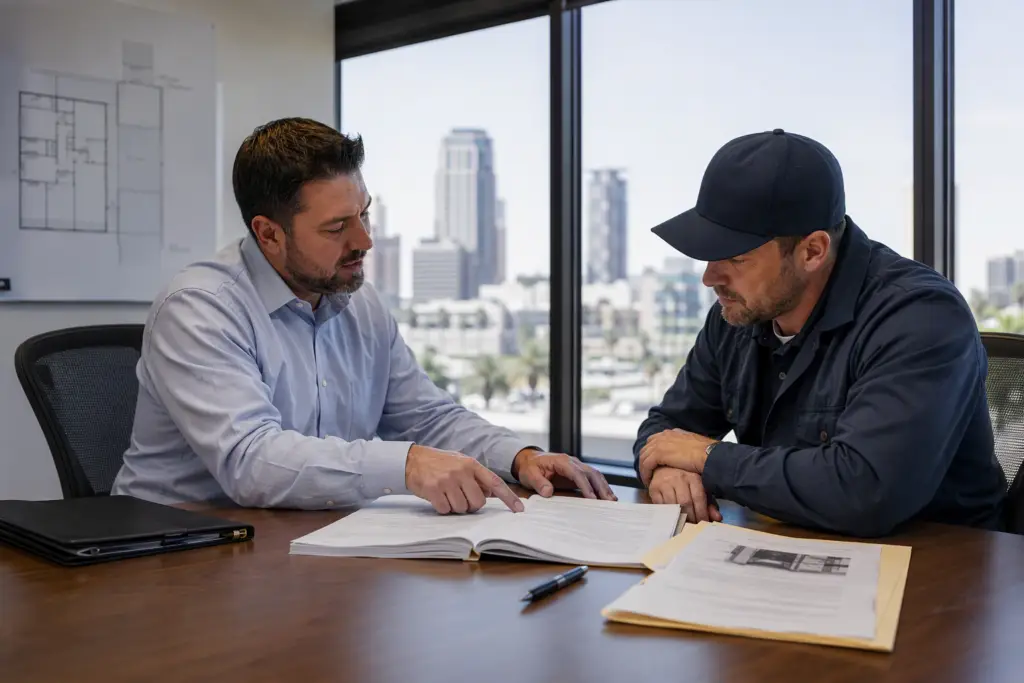
- Coordination capability with general contractors — The elevator service provider must be able to participate in construction coordination meetings, respond to schedule changes, and communicate clearly with the construction team.
- Documentation and record-keeping practices — Providers should deliver complete, organized inspection and maintenance records that meet California’s requirements for permit documentation.
Liftech Elevator is an independent California elevator service company serving school and university facilities. As an independent provider, Liftech Elevator can service and support elevator systems across manufacturers, giving facility directors flexibility and objective guidance throughout the renovation process.
Quick-Reference Compliance Checklist for California School Elevator Renovations
| Task | Responsible Party | Timing | Code Reference |
|---|---|---|---|
| Identify AHJ (DSA, DOSH, or local) | Facility Director + Architect | Pre-design | California elevator safety program |
| Pre-renovation elevator assessment | Elevator Service Provider | Pre-design | ASME A17.1 / A17.3 |
| ADA path-of-travel analysis | Architect + Accessibility Consultant | Schematic design | ADA Standards |
| Elevator permit application | Elevator Contractor | Design development | DOSH / AHJ requirement |
| Temporary accessible route plan | Facility Director + Architect | Pre-construction | ADA |
| Machine room protection protocol | General Contractor + Elevator Provider | Construction start | ASME A17.1 |
| Continued periodic maintenance and tests | Elevator Service Provider | Throughout construction | ASME A17.1 / A17.3 |
| Seismic switch inspection and test | Elevator Service Provider | Post-construction | California seismic requirements |
| AHJ acceptance inspection | AHJ + Elevator Contractor | Prior to return to service | DOSH / AHJ requirement |
| Post-project record filing | Facility Director | Project closeout | California permit retention requirements |
What Are the Consequences of Ignoring Elevator Compliance During a California School Renovation?
The regulatory and institutional consequences of non-compliance are significant and extend well beyond the cost of the repairs themselves:
- Out-of-service orders — The AHJ can order an elevator out of service immediately if violations pose a safety risk. For schools, this can disrupt accessible routes for students and staff with disabilities.
- ADA complaints and enforcement — If a renovation triggers ADA path-of-travel obligations that are not met, the institution can face complaints filed with the U.S. Department of Justice or private litigation. Review ADA enforcement information at ADA.gov.
- DSA project holds — For K–12 public school projects, DSA can place holds on project approvals and occupancy if elevator compliance issues are unresolved.
- Increased long-term costs — Deferred compliance issues do not disappear; they accumulate and typically require more extensive remediation when finally addressed.
- Reputational and institutional risk — Schools and universities have a duty of care to students, staff, and visitors. Elevator safety violations that result in incidents carry serious institutional consequences.
Why Should California Schools Work with an Independent Elevator Service Provider?
Many school and university facilities have legacy maintenance contracts with elevator manufacturers or their authorized service subsidiaries. While these arrangements can be appropriate in some circumstances, independent elevator service providers offer distinct advantages in the context of a campus renovation:
- Independent providers can evaluate the existing equipment objectively, without a commercial interest in recommending proprietary upgrades.
- Independent providers can work across multiple elevator brands within a campus that may have mixed-manufacturer equipment.
- Independent providers often offer greater scheduling flexibility, which is critical when coordinating around academic calendars and complex construction phasing.
- Independent providers can serve as the facility director’s technical advocate during AHJ inspections and contractor negotiations.
Liftech Elevator is a certified independent elevator service company serving California schools, community colleges, and universities. Liftech Elevator’s team works directly with facility directors, architects, and general contractors to develop compliance plans that keep campus elevators safe, accessible, and code-compliant before, during, and after renovation projects.
Ready to Plan Your Campus Elevator Compliance Strategy?
Elevator code violations during a school or university renovation are preventable — but only when compliance planning begins before construction starts. Liftech Elevator helps California facility directors navigate ASME code requirements, ADA obligations, DSA coordination, and phased maintenance scheduling so that renovation projects stay on track and elevators stay in service.
Contact Liftech Elevator for a free elevator assessment.
Call us today at 562-997-3639 to schedule your pre-renovation consultation with the Liftech Elevator team.
Need elevator service you can rely on? Liftech Elevator is ready to help.