Elevator Maintenance and Inspection Requirements for Hotels in Los Angeles and Orange County
Hotels in Los Angeles and Orange County rely on elevators as essential infrastructure — transporting guests, staff, luggage, and housekeeping equipment around the clock. When an elevator goes out of service or fails an inspection, the consequences extend beyond inconvenience: they include regulatory penalties, potential liability, and damage to guest experience. Understanding exactly which maintenance and inspection requirements apply is the first step toward full compliance and uninterrupted operations.
Liftech Elevator provides elevator maintenance, inspection support, and compliance services to commercial and hospitality properties across Signal Hill, Long Beach, Los Angeles, and Orange County. The following guide covers every compliance layer hotel operators need to understand.
What California Laws Govern Hotel Elevator Inspections?
In California, elevators are regulated under Title 8 of the California Code of Regulations, which is enforced by the California Division of Occupational Safety and Health (Cal/OSHA), specifically through its Elevator Unit. Any elevator installed or operated in a California hotel — whether in Los Angeles, Long Beach, Signal Hill, or Orange County — must hold a valid Certificate of Inspection issued after a passing periodic inspection.
California adopted the ASME A17.1 Safety Code for Elevators and Escalators and its companion standard ASME A17.3 Safety Code for Existing Elevators and Escalators as the basis for its regulatory framework. These codes set the technical standards against which every hotel elevator is measured during inspection.
Local Authorities Having Jurisdiction — including the City of Los Angeles Department of Building and Safety and Orange County agencies — may also conduct their own inspections or require supplemental permits, so hotel operators should confirm applicable AHJ requirements for their specific municipality.
How Often Must Hotel Elevators Be Inspected in Los Angeles and Orange County?
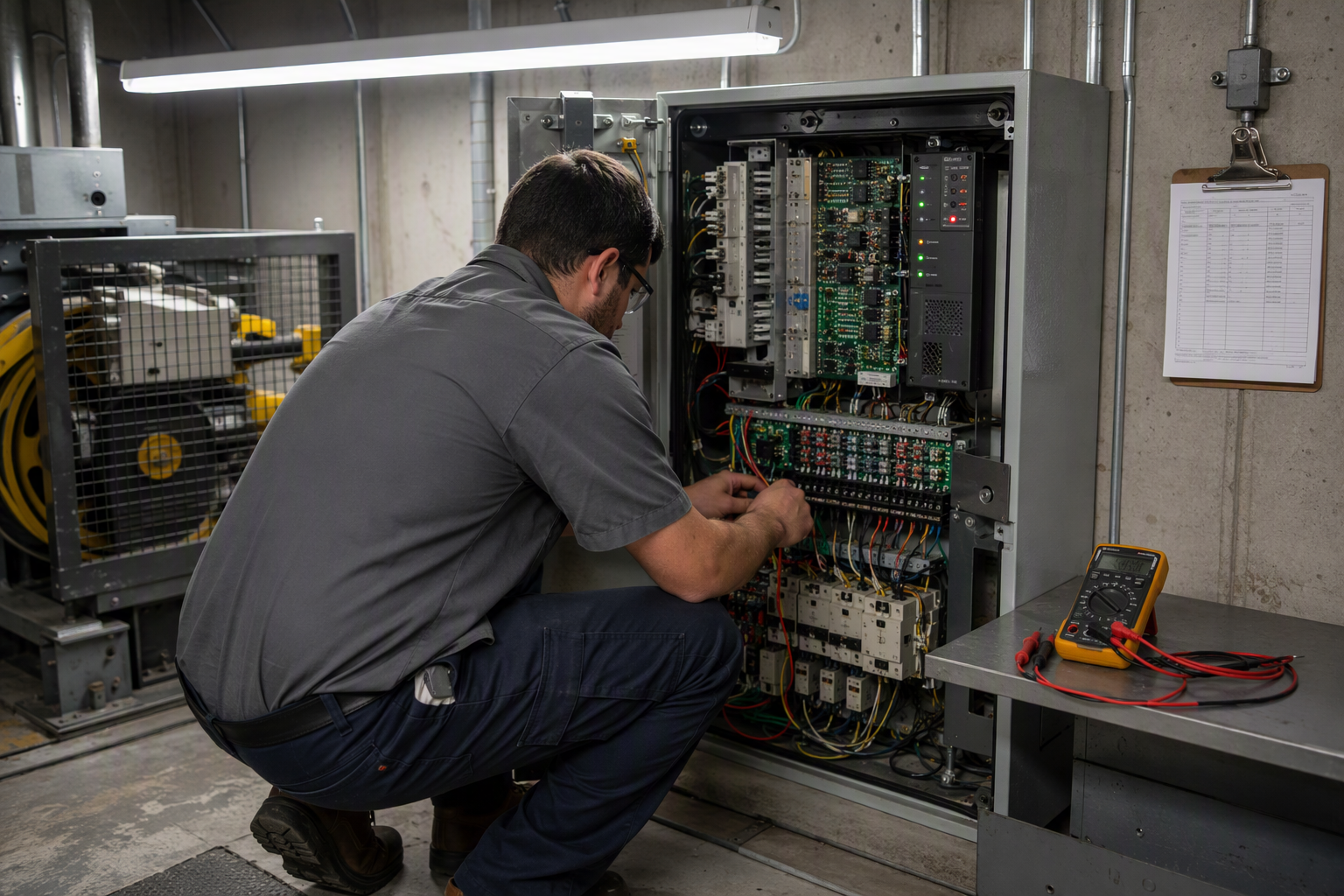
Under California’s Title 8 regulations, conveyances in commercial settings — including hotel elevators — are subject to periodic inspections on an interval established by Cal/OSHA and the applicable AHJ. In practice, most hotel elevators in California are inspected on an annual basis, though the exact interval can vary by elevator type and local AHJ requirements.
In addition to periodic government inspections, hotels are expected to maintain a routine preventive maintenance program. The ASME A17.1 Safety Code for Elevators and Escalators requires that elevators be maintained in a safe operating condition and that maintenance procedures be documented. Failure to maintain maintenance logs can itself be a violation during inspection.
Liftech Elevator helps hotel clients in Los Angeles and Orange County establish compliant maintenance schedules that satisfy both state and local inspection requirements, keeping certificates of operation current and equipment performing reliably.
What Is the ASME A17.1 Code and Why Does It Apply to Hotels?
The ASME A17.1 Safety Code for Elevators and Escalators is the foundational technical standard for elevator design, installation, and maintenance across the United States. California has adopted this code as the basis of its elevator safety regulations, which means every hotel elevator — regardless of age — must conform to its requirements.
For hotels specifically, ASME A17.1 governs critical safety systems including:
- Door operation and re-opening devices
- Emergency lighting and communication systems inside the cab
- Overload and leveling controls
- Machine room safety requirements
- Hydraulic system integrity for hydraulic elevators
- Rope and drive sheave condition for traction elevators
- Governor and safety device testing intervals
For existing elevators, ASME A17.3 Safety Code for Existing Elevators and Escalators establishes the retroactive requirements that apply when older equipment is being brought into compliance or modified.
What ADA Requirements Apply to Hotel Elevators?
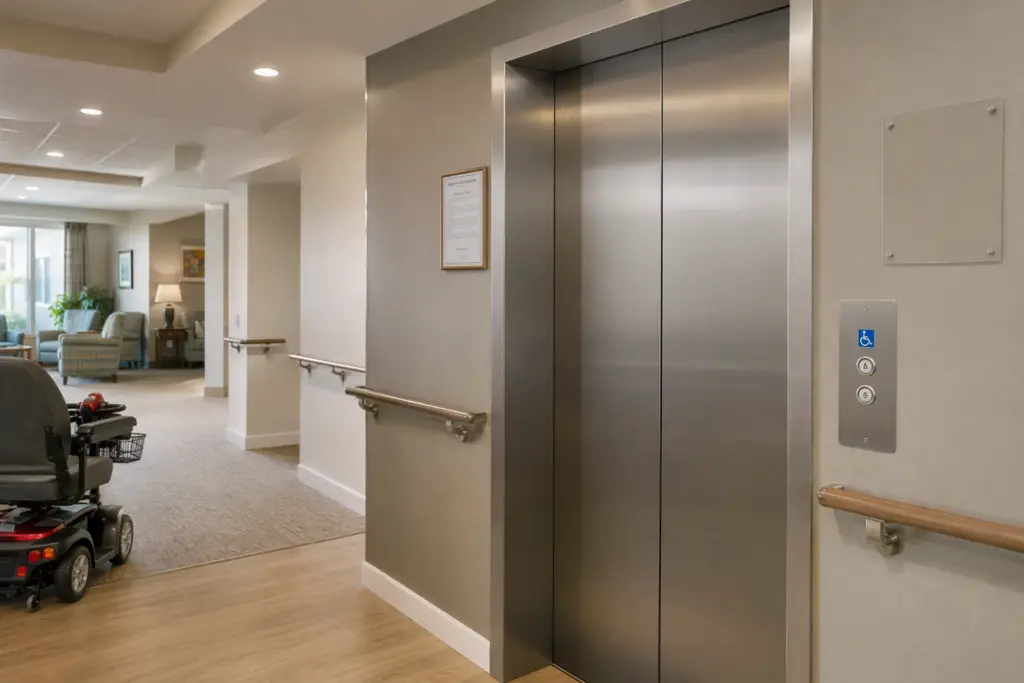
Under the Americans with Disabilities Act (ADA), hotels that serve the public are required to ensure their elevators meet accessibility standards. The ADA Standards for Accessible Design — adopted under Title III for places of public accommodation — require that elevators serving multiple floors be accessible to individuals with disabilities.
Key ADA elevator requirements relevant to hotels include:
- Minimum cab dimensions to accommodate wheelchairs and mobility devices
- Accessible call buttons at the correct mounting heights
- Audible and visual floor indicators
- Braille and raised character markings on controls
- Door reopening devices that respond to obstructions
- Lever or raised-button controls operable with a closed fist
ADA compliance is assessed separately from Cal/OSHA safety inspections. Hotels that have undergone renovations should verify that any modified elevator components still conform to current ADA standards, as alterations can trigger updated accessibility requirements.
What Are the Emergency Communication Requirements for Hotel Elevators?
Both the ASME A17.1 Safety Code for Elevators and Escalators and California regulations require that hotel elevators be equipped with a means for passengers to summon help in an emergency. This typically means a functioning two-way communication system in the cab that connects to a location staffed around the clock or to an emergency monitoring service.
For hotels — which operate continuously — the two-way communication requirement is especially important. Inspectors verify that the communication device is operational, audible, and capable of reaching a live response. Hotels that use third-party monitoring services should confirm those services meet state requirements.
What Happens If a Hotel Elevator Fails Inspection in California?
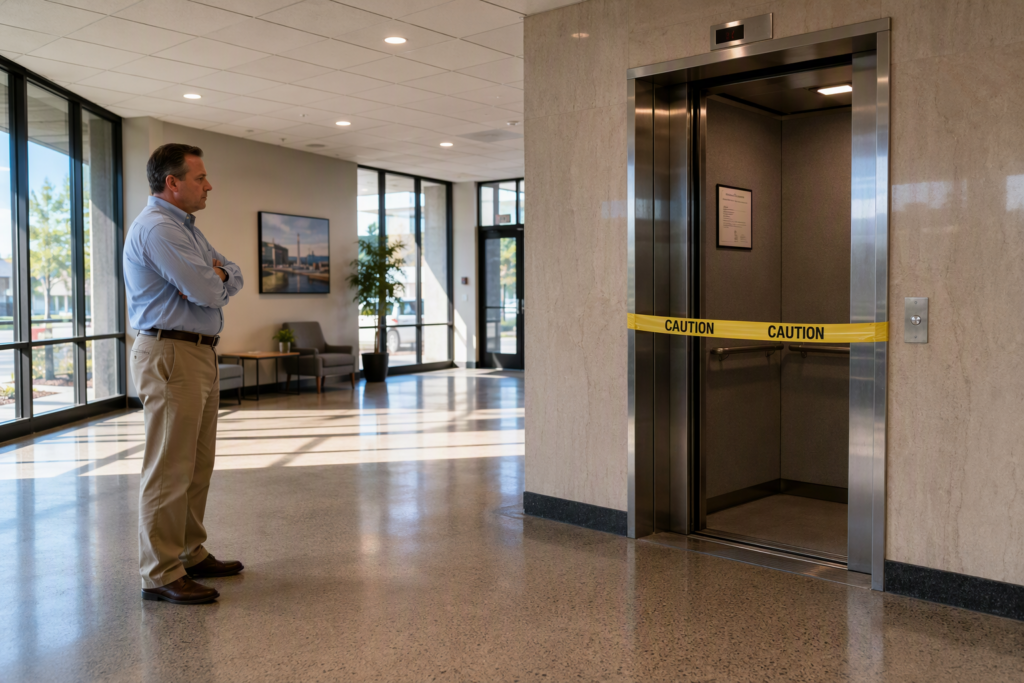
When a hotel elevator fails a Cal/OSHA periodic inspection or AHJ inspection, the elevator must be removed from service until the cited deficiencies are corrected and a follow-up inspection is passed. Operating an elevator without a valid Certificate of Inspection is a violation of California law and can result in penalties.
The steps hotel operators should follow after a failed inspection are:
- Review the inspection report and identify every cited deficiency in writing.
- Contact a qualified elevator contractor to assess the scope of required repairs.
- Obtain any required permits for repair work from the AHJ.
- Complete all corrective repairs using qualified elevator mechanics.
- Document all repair work with dated records and parts documentation.
- Request a follow-up inspection from Cal/OSHA or the AHJ to clear violations.
- Receive a passing inspection and updated Certificate of Inspection before returning the elevator to service.
Liftech Elevator supports hotel operators through every step of this process — from diagnosing deficiencies to completing repairs and coordinating reinspection across Los Angeles and Orange County properties.
What Maintenance Records Must Hotels Keep for Their Elevators?
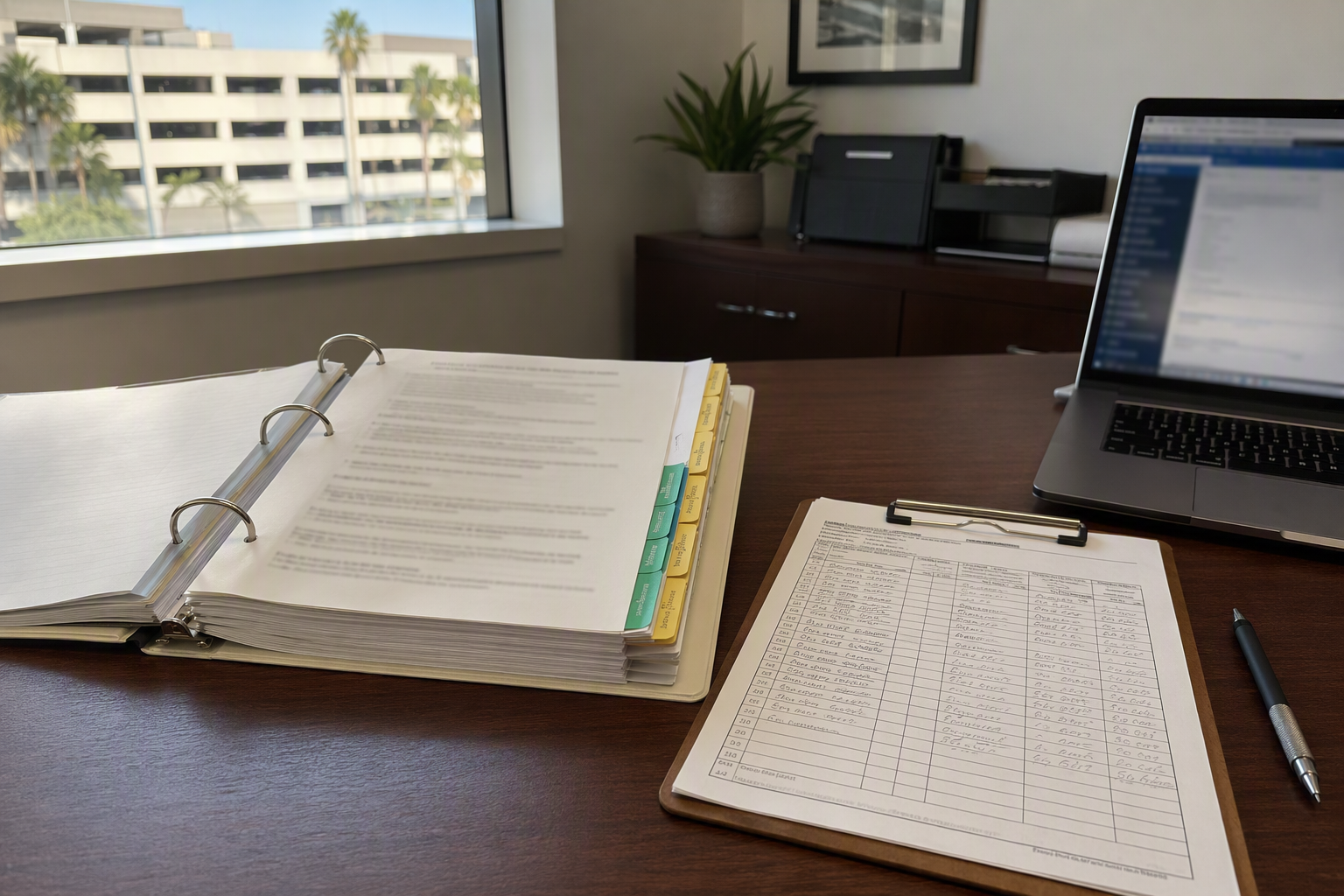
California regulations and the ASME A17.1 Safety Code for Elevators and Escalators both require that maintenance records be kept and made available to inspectors. For hotels, proper recordkeeping includes:
- Maintenance logs documenting each service visit, work performed, and the name of the servicing company
- Lubrication and adjustment records
- Records of any repairs, parts replacements, or modifications
- Documentation of periodic tests (such as governor and safety device tests)
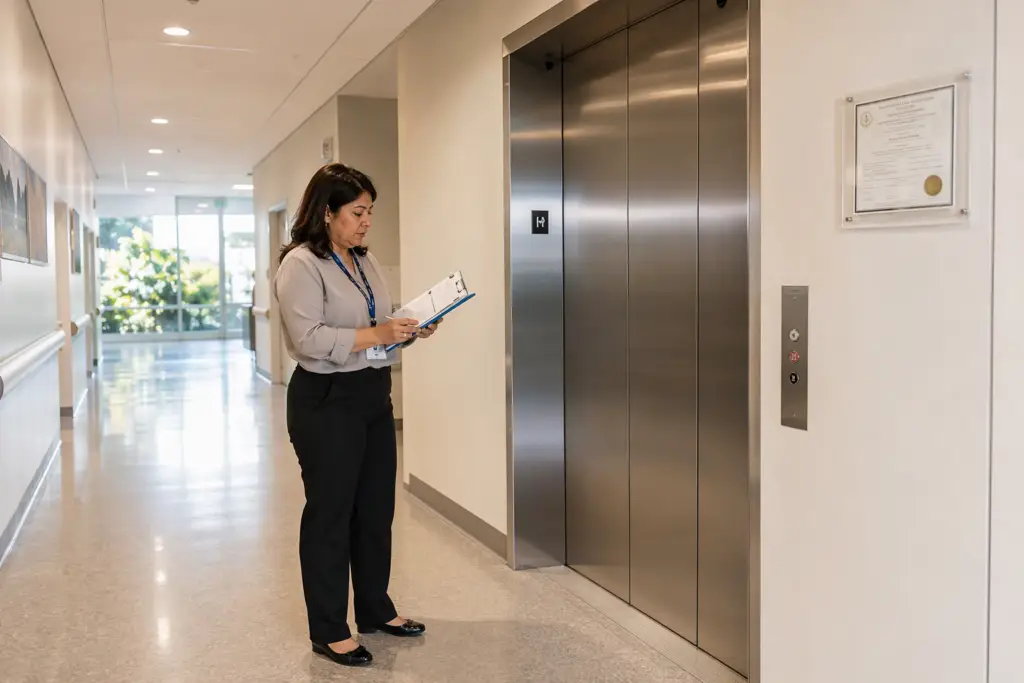
- Current Certificate of Inspection posted in or adjacent to the elevator
Incomplete or missing records are a common reason hotels receive citations during inspections. A structured maintenance program with a qualified contractor ensures documentation stays current and accessible.
Do Hotel Service Elevators and Freight Elevators Have Different Requirements?
Yes. Service elevators and freight elevators used in hotels are subject to their own classifications and requirements under the ASME A17.1 Safety Code for Elevators and Escalators. Freight elevators have specific requirements related to rated load capacity, door type, and signage indicating the elevator is not intended for passenger use. Hotels that allow employees but not guests to use freight elevators must ensure signage and controls comply with applicable code sections.
Any elevator used to transport people — including housekeeping or maintenance staff — is subject to the full range of safety and inspection requirements, regardless of how it is labeled.
How Do Los Angeles and Orange County AHJs Differ in Their Requirements?
While both Los Angeles County and Orange County operate under California’s statewide Title 8 framework, local AHJs — such as the City of Los Angeles Department of Building and Safety — may have supplemental permit requirements, additional inspection fees, or specific timelines for compliance. Hotels operating in incorporated cities within Orange County (such as Anaheim, Irvine, or Santa Ana) should verify local AHJ contacts and requirements, as these can vary by municipality.
Liftech Elevator’s familiarity with the regulatory environment across Los Angeles County and Orange County helps hotel clients navigate local AHJ processes without delays.
What Should Hotels Do to Prepare for an Elevator Inspection?
Preparation before a scheduled inspection reduces the risk of citations and follow-up visits. Hotels should take the following steps:
- Confirm the inspection date and ensure building management staff are available to provide access.
- Gather and organize all maintenance logs and records for the inspector’s review.
- Verify that the Certificate of Inspection is posted as required.
- Test emergency lighting, two-way communication, and door safety devices in advance.
- Check that machine rooms are clean, properly lit, and free of unauthorized storage.
- Confirm that all required signage — including capacity placards — is posted in each cab.
- Address any known performance issues or unusual noises before the inspection date.
Questions Your Inspector Will Ask
Hotel operators can expect elevator inspectors in Los Angeles and Orange County to raise the following questions and review the following items during a periodic inspection:
- Is the current Certificate of Inspection posted and valid? Inspectors verify the certificate is current and displayed in the required location.
- Are maintenance logs complete and up to date? Inspectors review records to confirm the elevator has received regular service from a qualified contractor.
- When was the last governor and safety device test performed? Certain tests are required at defined intervals under ASME A17.1 and California regulations.
- Is the two-way communication system operational? The inspector will test the in-cab communication device to verify it connects to a live monitoring point.
- Are door reopening devices functioning correctly? Door sensors and reopening devices are tested for proper response to obstructions.
- Is the machine room secure and properly maintained? Inspectors check for unauthorized access, adequate lighting, and fire suppression where required.
- Are capacity and signage postings correct? Each cab must display rated capacity and any applicable operating instructions.
- Have any modifications been permitted and documented? Any changes to elevator components must have been performed under permit and documented in the maintenance record.
Why Do Hotels in Los Angeles and Orange County Work with Liftech Elevator?
Hotel operators from Signal Hill and Long Beach to communities throughout Los Angeles and Orange County turn to Liftech Elevator because hospitality properties have unique compliance demands. Elevators in hotels operate under higher duty cycles than those in many other commercial buildings — carrying guests and staff at all hours. Preventive maintenance programs designed for hotel environments address this reality by scheduling service around hotel operations and prioritizing reliability.
Liftech Elevator’s technicians are familiar with the inspection requirements enforced by Cal/OSHA and local AHJs throughout the region, helping hotel clients stay ahead of compliance issues rather than reacting to them after a failed inspection or equipment failure.
Schedule Your Hotel Elevator Assessment Today
Whether a hotel property is preparing for an upcoming Cal/OSHA inspection, addressing a maintenance backlog, or evaluating ADA compliance, getting a professional assessment is the most reliable first step. Contact Liftech Elevator for a free elevator assessment and find out exactly where your property stands under California’s current requirements.
Contact Liftech Elevator for a free elevator assessment: 562-609-3478
Need elevator service you can rely on? Liftech Elevator is ready to help.