Elevator Service in Signal, CA | Liftech Elevator
Renewing an elevator inspection certificate after a failed inspection in Long Beach or Los Angeles requires navigating California’s elevator safety framework, correcting every cited deficiency, and coordinating a follow-up inspection with the appropriate Authority Having Jurisdiction. Liftech Elevator provides certified elevator inspection support, code-compliance repairs, and ongoing maintenance to property owners throughout Signal, CA and the surrounding Los Angeles County region.
—
What Happens After an Elevator Fails Inspection in California?
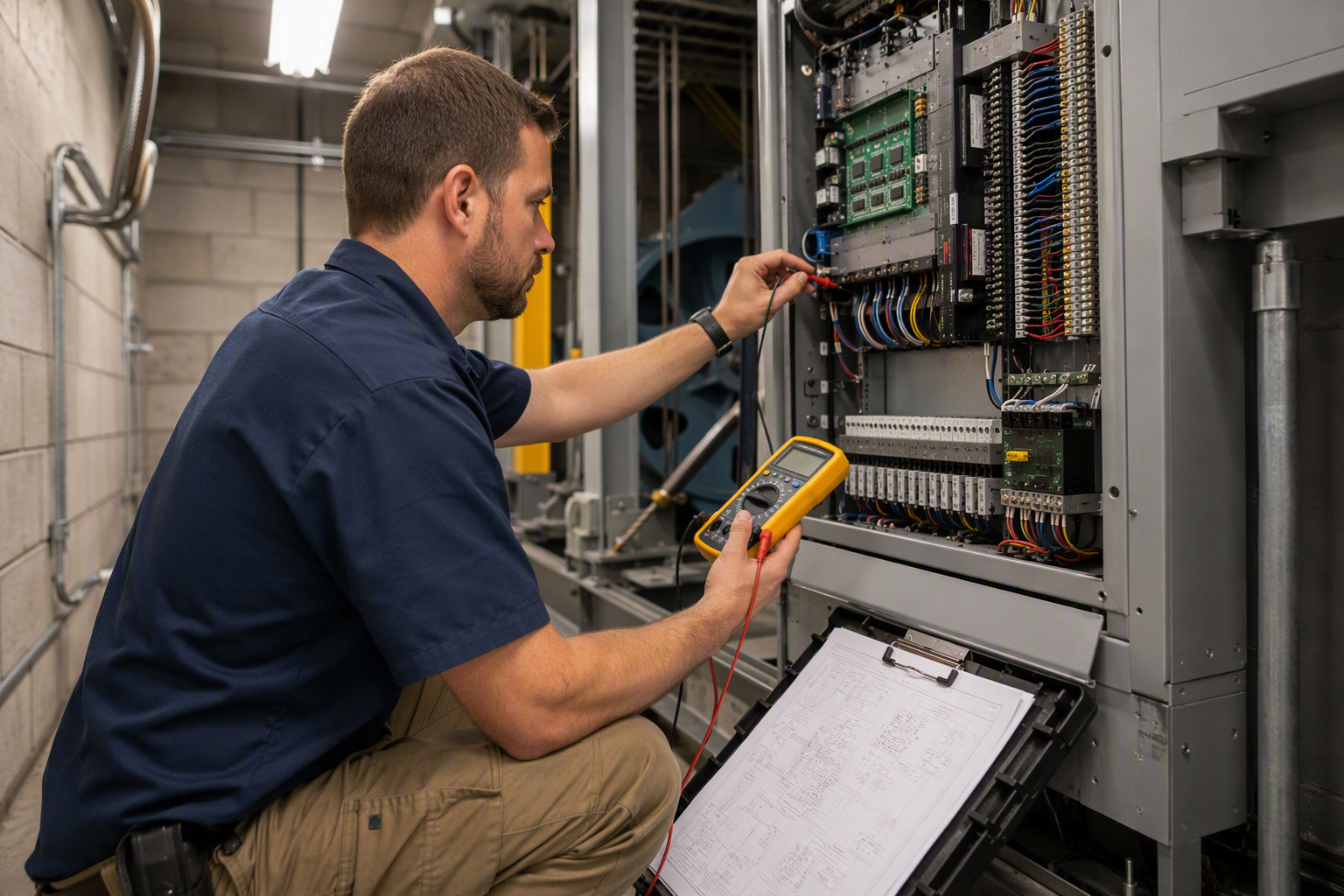
When an elevator fails a periodic safety inspection in California, the inspecting authority issues a notice of violation that documents each deficiency. Depending on the severity of the findings, the elevator may be placed out of service immediately or permitted to continue limited operation until repairs are completed. California elevator safety is governed through the ASME A17.1 Safety Code for Elevators and Escalators and its companion standard ASME A17.3 Safety Code for Existing Elevators and Escalators, both of which establish the minimum safety requirements that California inspectors evaluate.
The California Division of Occupational Safety and Health (Cal/OSHA) Elevator, Ride, and Tramway Unit oversees elevator safety statewide, while local jurisdictions such as the City of Long Beach and the City of Los Angeles may serve as the AHJ and conduct inspections independently or through contracted third-party inspectors. Understanding which authority issued the violation is the first step in the renewal process.
—
What Is the Step-by-Step Process to Renew a Certificate After a Failed Inspection?
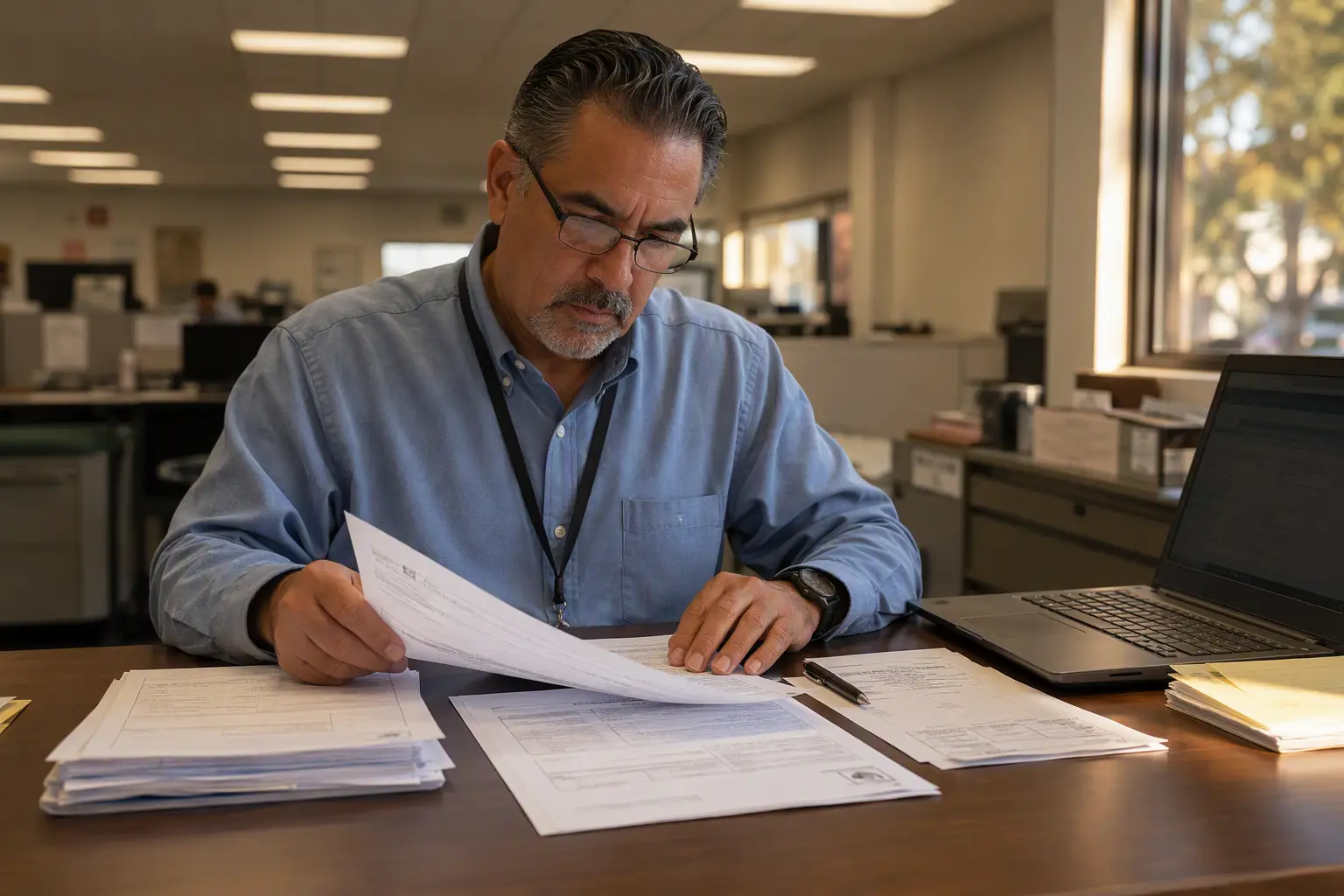
- Obtain the full inspection report. Request a copy of the written violation notice from the AHJ — either Cal/OSHA’s Elevator Unit, the City of Long Beach, or the City of Los Angeles — so every cited deficiency is clearly documented.
- Hire a qualified elevator contractor. Engage a California-licensed elevator contractor to assess each violation and provide a written scope of work. Repairs must comply with ASME A17.1 and A17.3 as adopted by California.
- Complete all required repairs. Address every cited deficiency — no partial correction will result in certificate renewal. Document repairs with work orders, parts records, and any required permits.
- Pull any necessary permits. Major repairs or alterations in Los Angeles or Long Beach may require a building permit or an alteration permit through the local building and safety department before work begins.
- Request a follow-up (re-inspection) appointment. Submit a re-inspection request to the AHJ that issued the original violation. Include documentation of completed repairs. Scheduling timelines vary by jurisdiction and current inspector availability.
- Pass the re-inspection. The inspector will verify that all cited deficiencies have been corrected and that the elevator meets the applicable code requirements in 2026.
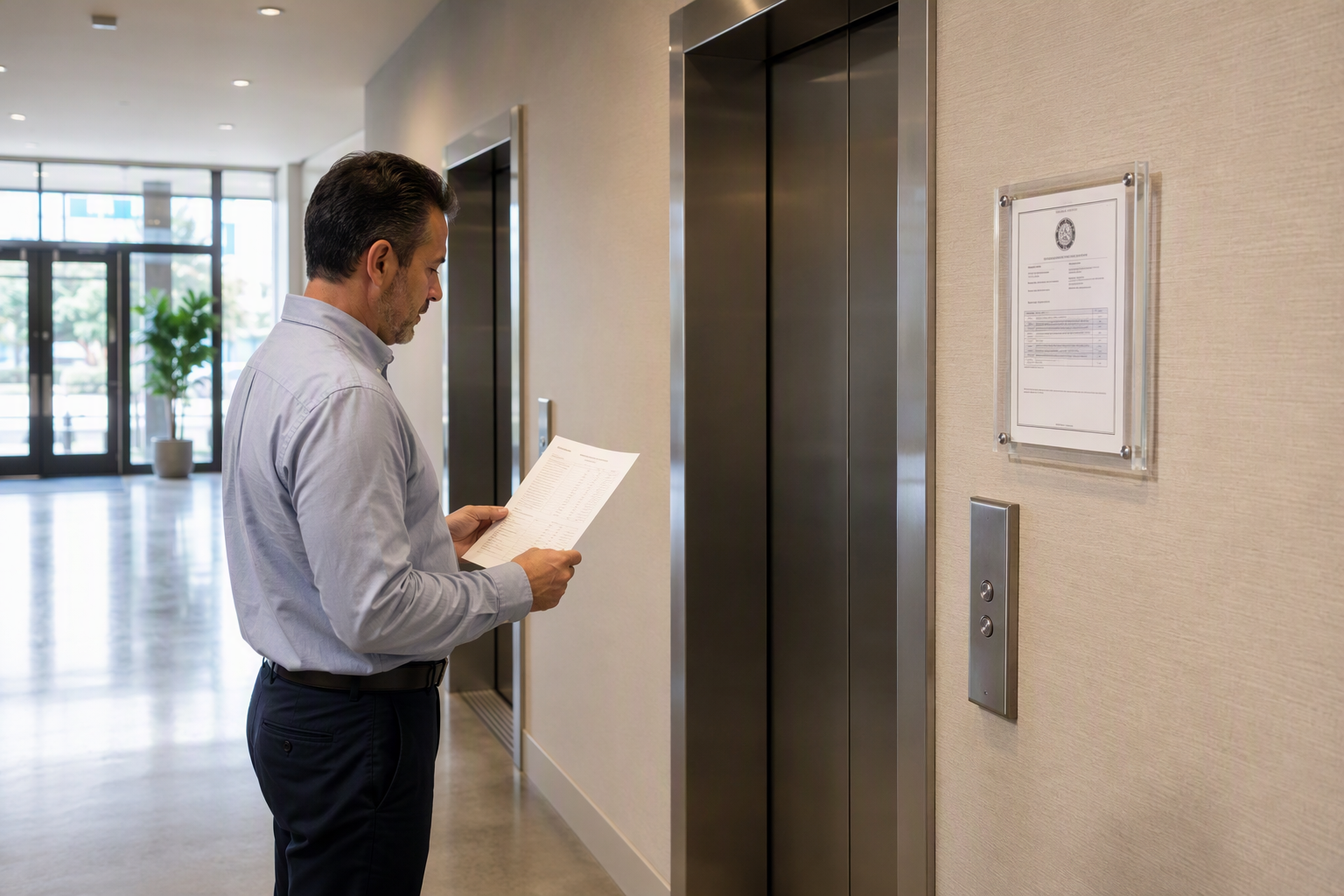
- Receive the Certificate of Compliance. Once the elevator passes re-inspection, the AHJ issues a new Certificate of Compliance (often called a Permit to Operate), which must be posted in or near the elevator cab as required by California law.
- Maintain ongoing records. Retain all inspection reports, repair documentation, and the new certificate in the building’s elevator maintenance file for reference at future inspections.
—
Who Is the Authority Having Jurisdiction for Elevators in Long Beach and Los Angeles?
In California, the AHJ for elevator inspections is determined by local adoption. The City of Los Angeles operates its own elevator inspection program through the Department of Building and Safety (LADBS), which enforces local amendments alongside state elevator safety standards. The City of Long Beach similarly administers its own inspection and permitting program through its Development Services Department.
For jurisdictions that have not established their own local program, Cal/OSHA’s Elevator, Ride, and Tramway Unit serves as the default AHJ. Building owners and property managers should confirm which agency issued their violation notice before initiating the renewal process, as submission procedures, fees, and contact points differ between Los Angeles, Long Beach, and Cal/OSHA.
—
What Types of Deficiencies Most Commonly Cause Elevator Inspection Failures in California?
While every inspection is specific to the equipment and conditions present, California elevator inspectors frequently cite issues related to:
- Door safety systems, including door restrictors and door reopening devices required under ASME A17.1
- Pit conditions such as inadequate lighting, missing stop switches, or accumulation of water
- Emergency lighting and two-way communication systems within the cab
- Rope and sheave wear beyond allowable tolerances
- Missing or expired safety tests, including the periodic load and safety tests required by code
- Accessibility-related concerns, which may involve ADA obligations under the Americans with Disabilities Act
- Governor and buffer condition issues identified during Category 1 or Category 5 tests
Identifying the root cause of each deficiency — not merely the symptom — is essential to avoiding repeat failures at re-inspection.
—
How Long Does It Typically Take to Renew a Certificate After a Failed Inspection?
The timeline depends on the complexity of the repairs required, permit issuance timelines, and inspector scheduling at the relevant AHJ. Minor deficiencies that can be corrected quickly may allow a re-inspection to be requested within days of completing repairs. More extensive deficiencies requiring parts procurement, alterations, or permit approvals can extend the process significantly. Building owners should communicate proactively with both their elevator contractor and the AHJ to understand scheduling availability and avoid prolonged out-of-service periods.
—
Can an Elevator Continue Operating After a Failed Inspection in California?
Whether an elevator may continue operating after a failed inspection depends on the nature and severity of the violations. California’s regulatory framework allows inspectors to order an immediate shutdown when a condition presents an imminent hazard to safety. Less severe violations may permit continued operation under a temporary notice while repairs are scheduled and completed. Building owners should never assume operation is permitted after a failure — the violation notice or the AHJ should be consulted directly to confirm the equipment’s legal operating status.
—
How Does Liftech Elevator Support the Certificate Renewal Process in Signal, CA and the Los Angeles Region?
Liftech Elevator works with property owners, building managers, and facility directors throughout Signal, CA, Long Beach, Los Angeles, and the broader Los Angeles County area to address elevator code violations and prepare equipment for successful re-inspection. The Liftech team is familiar with the inspection priorities and procedural requirements of both the City of Los Angeles LADBS elevator program and the City of Long Beach’s inspection process, as well as Cal/OSHA’s Elevator, Ride, and Tramway Unit requirements.
Services that support the certificate renewal process include:
- Violation assessment and repair planning aligned with ASME A17.1 and A17.3 requirements
- Code-compliant repair and modernization work
- Permit coordination assistance
- Preventive maintenance programs designed to reduce the likelihood of future inspection failures
- Emergency service availability for situations where an out-of-service elevator requires urgent attention
Liftech Elevator serves commercial buildings, residential high-rises, healthcare facilities, and institutional properties throughout the Signal Hill, Long Beach, Los Angeles, and greater Los Angeles County markets.
—
What Ongoing Maintenance Practices Help Prevent Future Inspection Failures?
A proactive, code-aligned preventive maintenance program is the most reliable way to avoid failed inspections and the costs associated with emergency repairs and re-inspection scheduling. California’s adoption of ASME A17.1 requires that elevators be maintained in a safe operating condition, and that maintenance records be kept current. Consistent preventive maintenance — covering lubrication, adjustment, safety device testing, and component inspection — keeps equipment in compliance between annual inspections and supports a smooth certification renewal cycle year over year.
—
Schedule a Free Consultation
If an elevator in your Long Beach, Los Angeles, or Signal, CA property has failed inspection, Liftech Elevator is ready to help assess the violations, plan the necessary repairs, and guide the property through the certificate renewal process. Contact the Liftech Elevator team today to schedule a free consultation.
Call Liftech Elevator: 562-609-3478
Need elevator service you can rely on? Liftech Elevator is ready to help.