Elevator Service in Signal, CA | Liftech Elevator
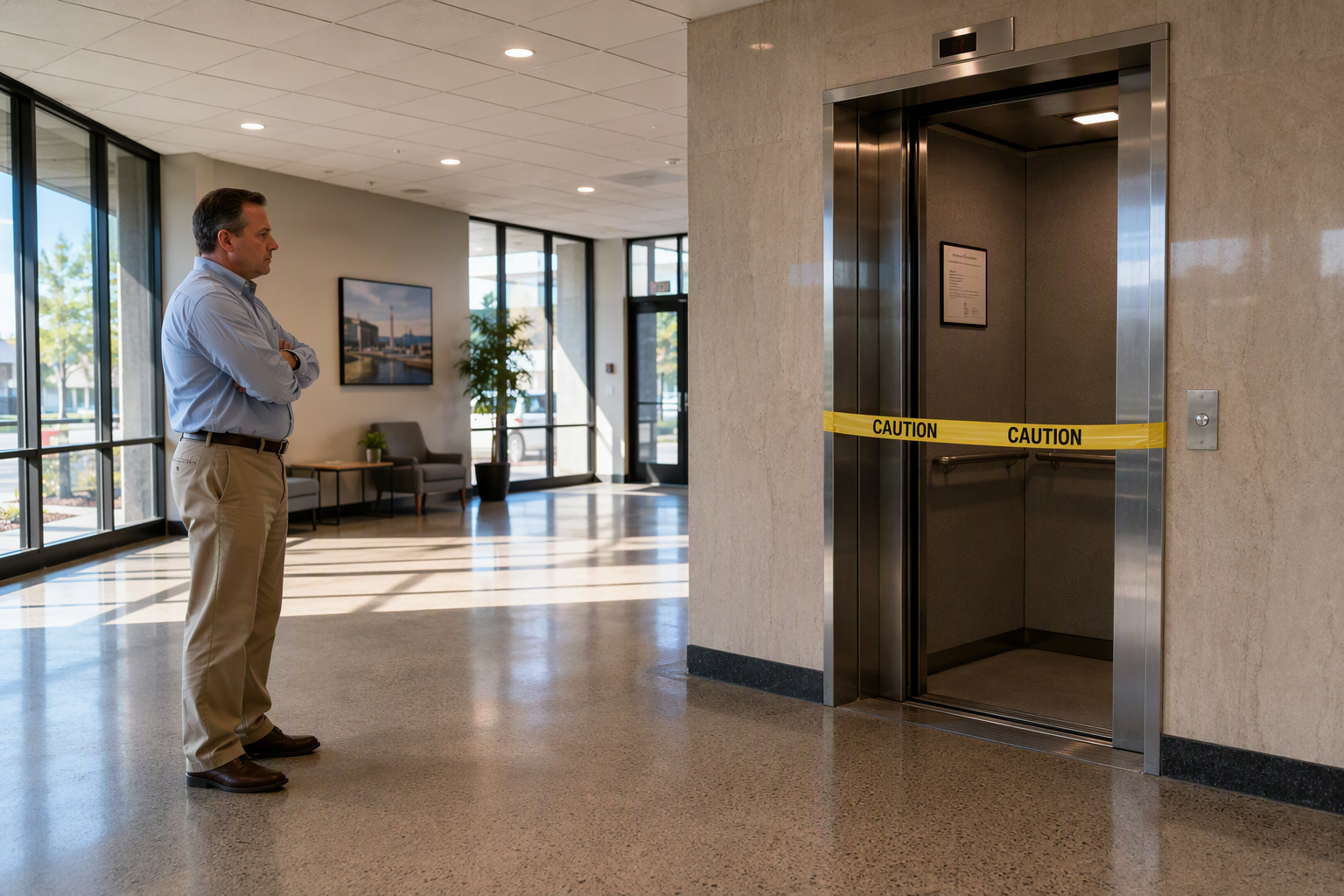
Elevator downtime is rarely just an inconvenience. For building owners and property managers in Signal, CA, an out-of-service elevator can quickly become a legal and financial exposure. Understanding what California law requires — and where owner responsibility begins and ends — is essential for protecting tenants, guests, and the property itself. Liftech Elevator, a Cal/OSHA-compliant Certified Qualified Conveyance Company (CQCC), helps Signal-area building owners stay compliant and reduce liability risk year-round.
Does Elevator Downtime Create Legal Liability for Building Owners in California?
Yes — and the exposure is serious. California courts have long recognized that building owners owe a duty of care to tenants, guests, and invitees. When an elevator is out of service due to deferred maintenance, missed inspections, or unaddressed mechanical faults, an owner who knew — or reasonably should have known — about the problem and failed to act can face negligence claims if someone is injured as a result.
Liability can arise in multiple ways:
- Negligent maintenance: Failing to keep the elevator in safe working condition.
- Failure to warn: Not posting notices or restricting access when a known hazard exists.
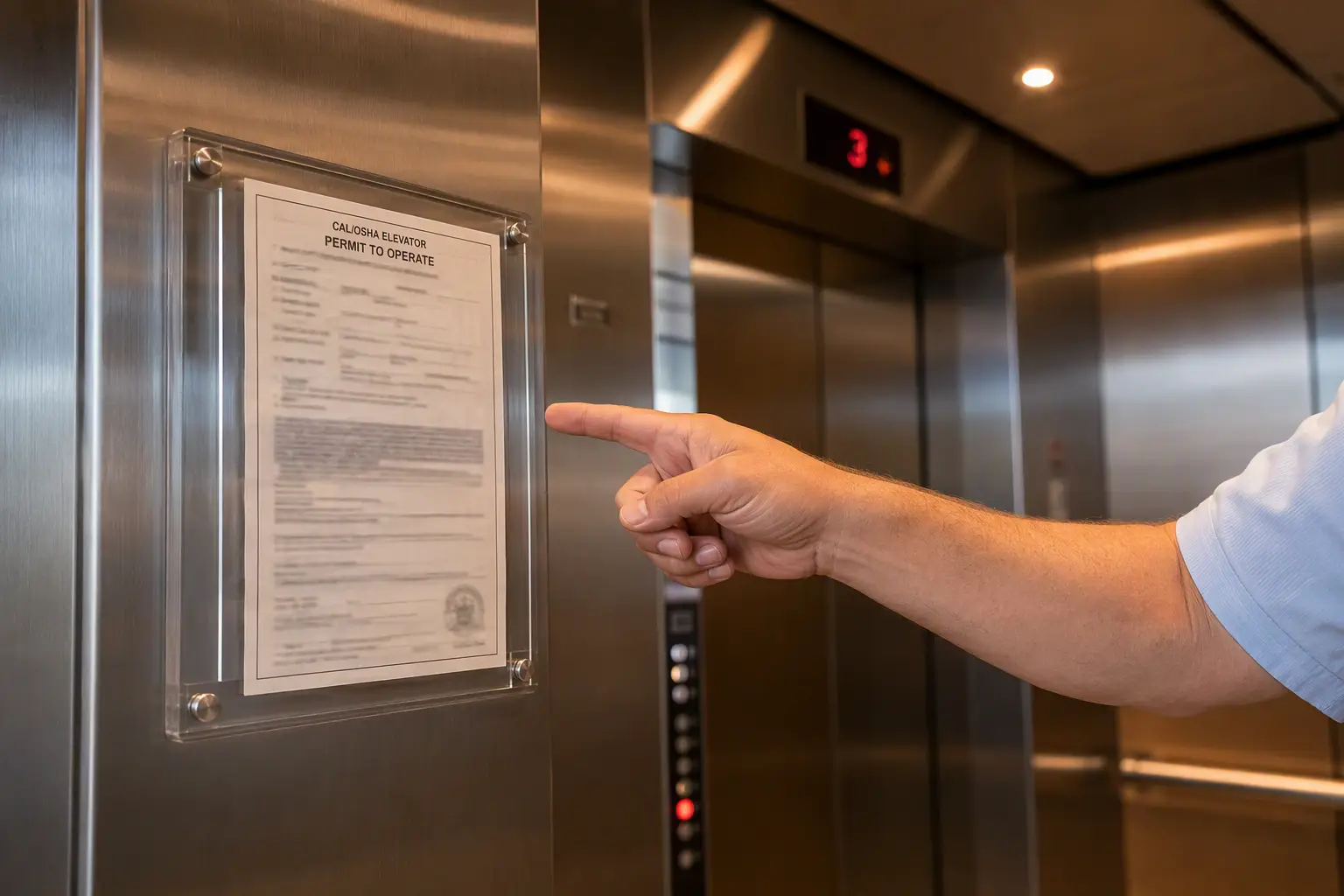
- Operating without a valid permit: Under California Labor Code Sections 7300–7324.2, no elevator may be operated in California without a valid, current permit to operate issued by Cal/OSHA. Operating an elevator without one is itself a violation that can compound liability in litigation.
- ADA-related exposure: Extended downtime can prevent people with disabilities from accessing building floors, raising potential claims under the Americans with Disabilities Act.
Liability does not require a catastrophic failure. Slip-and-fall incidents caused by leveling errors, door malfunctions that trap or strike passengers, or falls due to sudden stops can all give rise to injury claims tied to elevator condition.
What Is a Building Owner’s Legal Responsibility Under California Law?
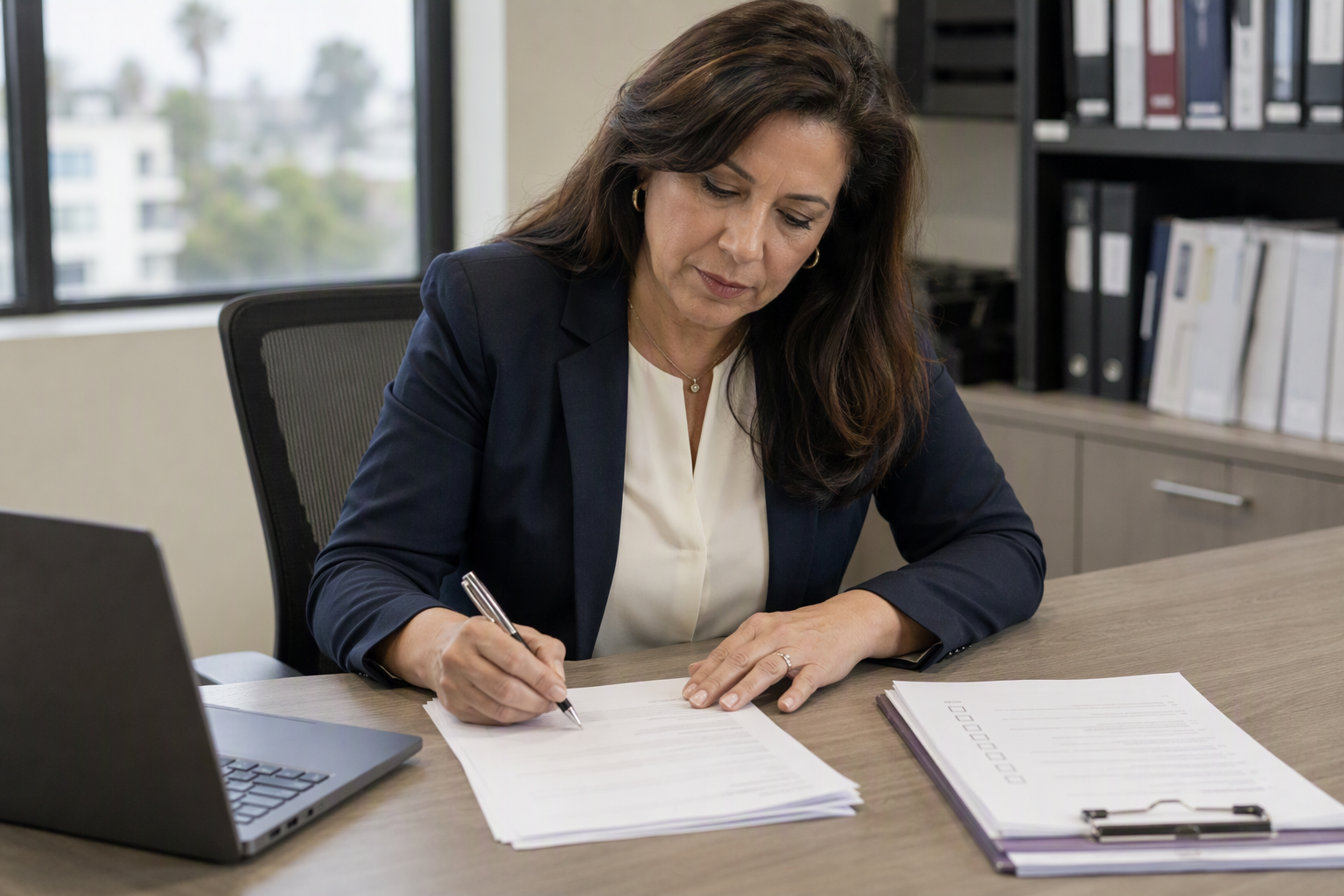
California places clear, affirmative obligations on elevator owners — not on tenants, not on service vendors alone. Under the California Code of Regulations, Title 8, Elevator Safety Orders (Sections 3000–3146), the owner of a conveyance is responsible for ensuring it is inspected, permitted, and maintained in a safe condition.
Key owner responsibilities under California law include:
- Arranging the annual reinspection — this obligation belongs to the elevator owner, not the service company.
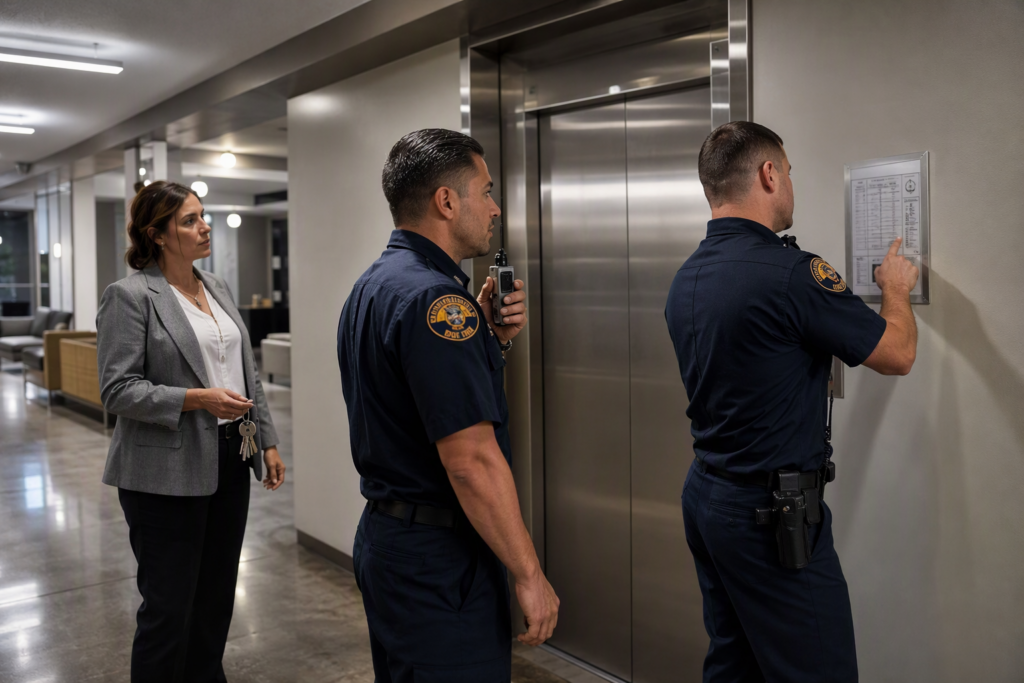
- Ensuring a valid Cal/OSHA permit to operate is in force and posted conspicuously inside the elevator car at all times.
- Engaging only a Certified Qualified Conveyance Company (CQCC) — companies that install, alter, test, maintain, repair, or service elevators in California must hold this certification from Cal/OSHA.
- Ensuring that any mechanic who works on the elevator is a Certified Competent Conveyance Mechanic (CCCM) certified by Cal/OSHA.
- Obtaining a Cal/OSHA permit before any elevator is erected, installed, or materially altered.
When a building owner delegates maintenance to an uncertified company or an uncertified technician, that decision itself can factor into liability determinations if an incident occurs.
How Does a Lapsed or Missing Permit Increase Liability Exposure?
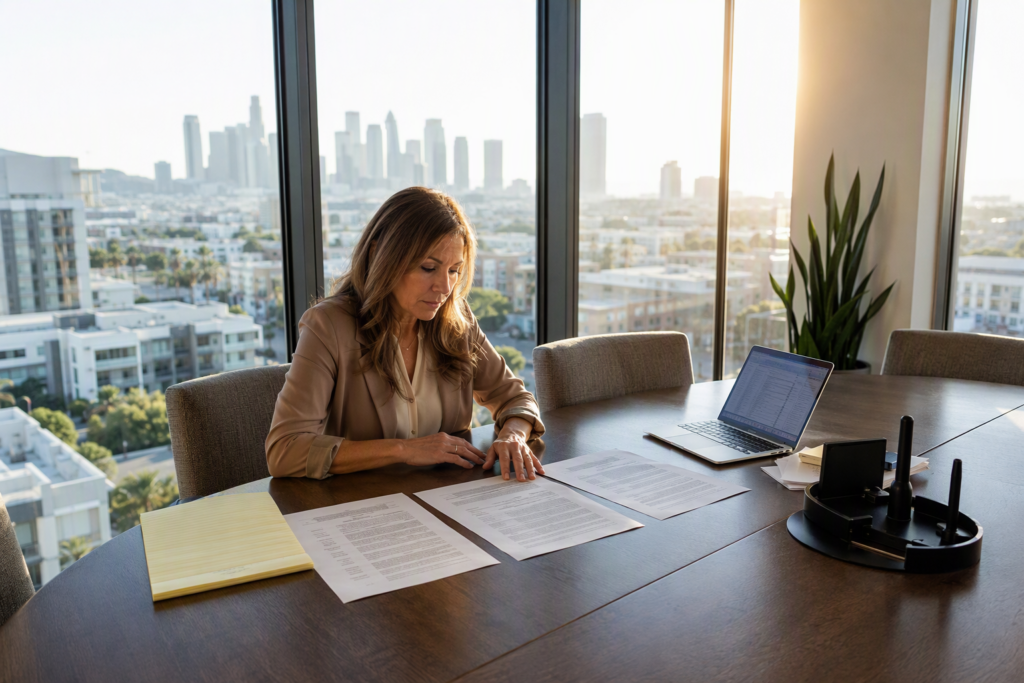
A lapsed Cal/OSHA permit to operate is more than a regulatory paperwork issue — it is documented evidence that the elevator was not in compliance at the time of an incident. In personal injury litigation, opposing counsel will request permit and inspection records as a matter of course. A gap in those records makes it substantially harder to argue the elevator was properly maintained.
California law requires every conveyance to be inspected at least once a year. When an elevator is found safe, Cal/OSHA issues a permit to operate for up to one year. For elevators covered by a full maintenance contract with a C-11 licensed elevator company, Cal/OSHA may issue a permit for up to two years. Owners who allow that cycle to lapse — even unintentionally — are operating without legal authorization and assume heightened risk.
What Should a Building Owner Do Immediately After an Elevator Incident or Injury?
- Secure the elevator. Take the car out of service immediately to prevent additional injuries and to preserve the condition of the equipment for inspection.
- Provide first aid and emergency assistance. Ensure the injured person receives appropriate care and contact emergency services if needed.
- Document the scene. Photograph the elevator interior, exterior, control panels, and any visible hazards before anything is moved or repaired.
- Preserve maintenance and inspection records. Pull all service logs, Cal/OSHA permits, and inspection reports for the elevator. These will be among the first documents requested in any claim or investigation.
- Notify your insurance carrier. Report the incident to your property or general liability insurer promptly and in accordance with your policy terms.
- Contact a Certified Qualified Conveyance Company. A CQCC can conduct a thorough mechanical inspection of the elevator and document its condition — this protects the owner and provides evidence of post-incident due diligence.
- Do not authorize repairs before the investigation is complete. Premature repairs can destroy evidence and complicate any insurance or legal proceedings.
- Consult legal counsel. An attorney familiar with California premises liability can advise on notification obligations, records retention, and exposure management.
Does the Type of Maintenance Contract Affect Liability?
Yes — and it affects more than just liability. The scope of a maintenance contract directly determines whether an elevator owner qualifies for an extended Cal/OSHA permit to operate. A full maintenance contract with a C-11 licensed elevator company can support a permit valid for up to two years, compared to the standard annual inspection cycle.
Beyond the permit benefit, a documented, ongoing maintenance relationship with a CQCC demonstrates that the owner was actively exercising their duty of care. Courts and insurers consider maintenance records when evaluating whether an owner acted reasonably. A building with a consistent, documented service history is in a fundamentally different position than one with sporadic or undocumented maintenance.
Liftech Elevator provides maintenance programs structured to support Cal/OSHA compliance and designed to minimize the gaps in service history that create legal exposure for Signal-area building owners.
Can Extended Elevator Downtime Trigger ADA Exposure?
It can. Under the Americans with Disabilities Act, buildings that are required to be accessible must maintain that accessibility. When an elevator — which may be the only accessible means of vertical travel for people with mobility impairments — is out of service for an extended period without a remediation plan, that situation can constitute a failure to maintain accessible features in operable condition.
The ADA does not require perfection, but it does require that owners take reasonable steps to restore accessibility promptly and, where possible, provide alternative accommodations in the interim. Extended downtime without proactive communication or remediation is the area of greatest risk.
How Does Liftech Elevator Help Signal, CA Building Owners Manage Compliance and Liability Risk?
Liftech Elevator is a Certified Qualified Conveyance Company serving the Signal, CA area. Every technician Liftech deploys is a Certified Competent Conveyance Mechanic — meeting the California requirement that only a CCCM working for a CQCC may maintain, repair, alter, or replace components on a conveyance.
Liftech’s approach to liability risk management includes:
- Routine preventive maintenance programs designed to reduce the frequency and duration of unplanned downtime.
- Coordination of annual Cal/OSHA reinspections and documentation support so that permit cycles do not lapse.
- Comprehensive service records that building owners can produce in the event of an incident, insurance review, or regulatory inquiry.
- Emergency response availability when elevators require urgent attention — helping owners minimize the window of exposure when a problem does arise.
- Guidance on compliance with ASME A17.1/CSA B44 standards as adopted under California’s Elevator Safety Orders.
Building owners throughout the Signal, CA area — including commercial properties, multifamily residential buildings, and mixed-use developments — rely on Liftech for elevator service that is documented, certified, and designed to hold up to scrutiny.
What Questions Should Building Owners Ask When Evaluating an Elevator Service Company?
Given how directly the choice of service company affects liability exposure, Signal-area building owners should confirm the following before signing a maintenance agreement:
- Is the company certified by Cal/OSHA as a Certified Qualified Conveyance Company (CQCC)?
- Do the mechanics who will work on the building’s elevators hold Cal/OSHA CCCM certification?
- Does the company hold a current C-11 Elevator Contractor license issued by the California Contractors State License Board (CSLB)?
- Does the company carry current certificates of workers’ compensation and liability insurance, as required for CQCC certification?
- Will the company provide detailed maintenance logs that owners can retain for compliance and legal purposes?
- Does the maintenance contract qualify as a “full maintenance contract” for purposes of supporting an extended Cal/OSHA permit to operate?
Liftech Elevator meets each of these standards and welcomes the review.
Schedule a Free Consultation
Elevator downtime is a liability event in progress. Building owners and property managers in Signal, CA don’t have to navigate California’s compliance requirements or liability exposure alone. Liftech Elevator’s certified team is available to assess your elevator’s current condition, review your permit and maintenance history, and recommend a service plan designed to reduce risk and keep your building accessible and compliant.
Contact Liftech Elevator today to schedule your free consultation: 562-997-3639
Need elevator service you can rely on? Liftech Elevator is ready to help.