Elevator Service in Signal, CA | Liftech Elevator
To compare elevator maintenance bids when contracts look completely different, break every proposal down into the same six categories — scope of covered parts, exclusions, inspection coordination, compliance obligations, escalation terms, and emergency availability — then score each vendor against California’s licensing and certification requirements before considering price.

Property managers and building owners in Signal, CA face a genuine challenge when elevator maintenance proposals arrive in completely different formats. One contract runs four pages; another runs forty. One quotes a flat monthly fee; another itemizes every labor category. Without a structured comparison method, the lowest-dollar bid can easily become the highest-cost contract once exclusions, callbacks, and compliance gaps surface. Liftech Elevator serves the Signal area and the broader Los Angeles region with elevator maintenance, repair, and modernization services designed to keep buildings compliant and operational.
Why Do Elevator Maintenance Contracts Look So Different From Each Other?
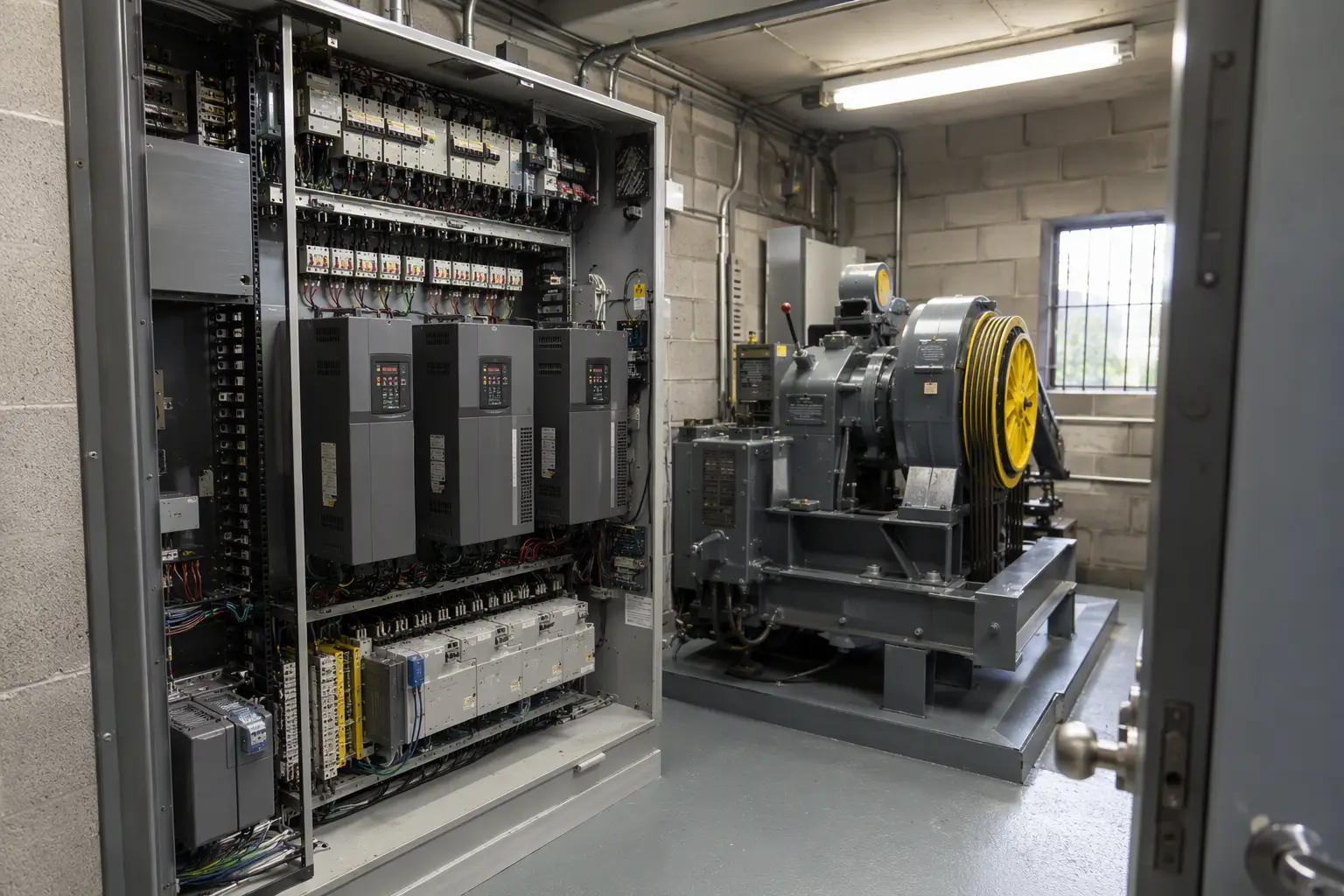
Elevator service contracts are not standardized documents. Vendors structure them to reflect their own cost models, liability preferences, and service tiers. A “full maintenance” contract from one company may cover parts, labor, and lubrication, while the same phrase from another company may exclude motors, controllers, and hydraulic cylinders. The language differences are not accidental — they directly affect what the building owner pays when something breaks.
Three contract structures appear most often in California:
- Oil and grease (lubrication only): The lowest-priced tier, covering only routine lubrication and minor adjustments. Most parts and repairs are billed separately.
- Full maintenance: A broader scope that typically covers labor and a defined list of parts, but exclusions vary widely. Read the exclusions list, not the title.
- Comprehensive (all-inclusive): Intended to cover parts, labor, and major components, but even these contracts routinely exclude items such as cab interiors, door sills, and vandalism damage.
What Six Categories Should Every Bid Comparison Use?
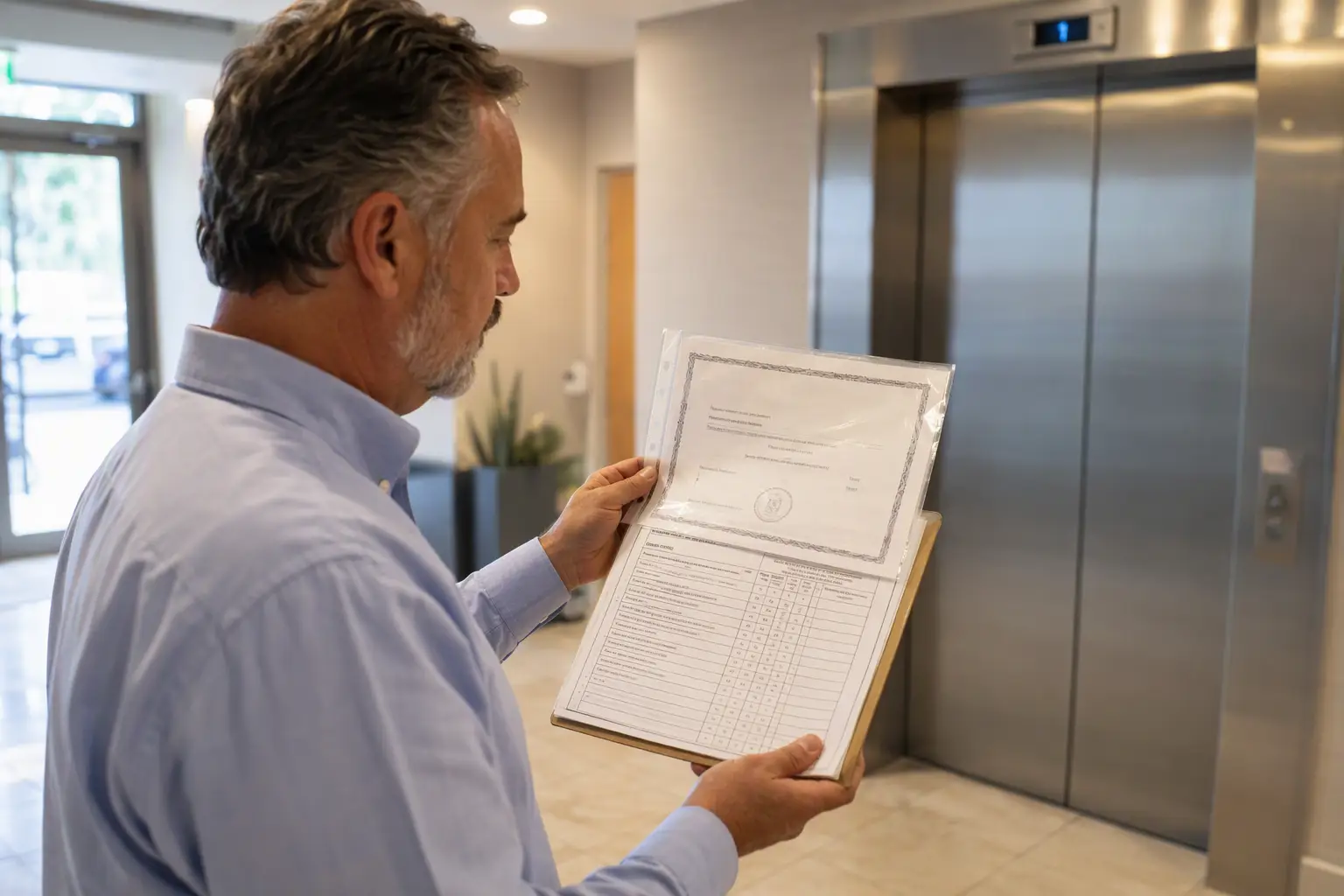
- Scope of covered work: List every maintenance task and part each proposal explicitly includes. Compare the lists side by side rather than comparing tier names.
- Exclusions: Read every exclusions clause. Components excluded from one contract — hydraulic units, selector tapes, solid-state drives — can produce repair invoices that dwarf the annual contract cost.
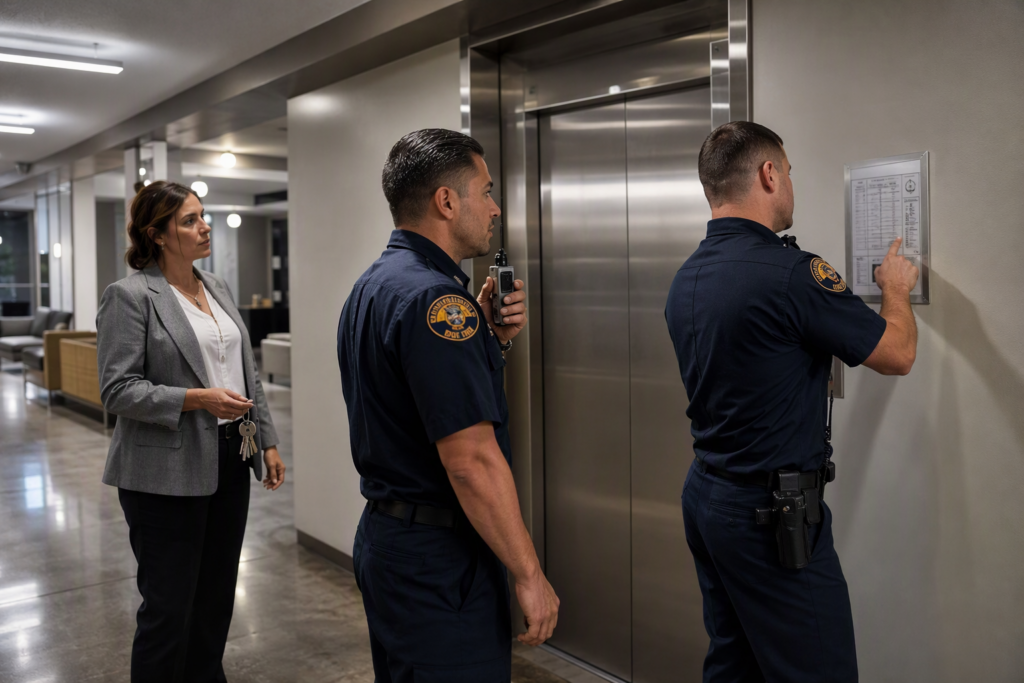
- Inspection coordination: Under California Labor Code Sections 7300–7324.2, arranging the annual reinspection is the elevator owner’s responsibility. Confirm which, if any, vendor will coordinate with Cal/OSHA on the owner’s behalf and whether that coordination is included in the contract price or billed separately.
- Compliance obligations: Ask each vendor how they handle code-required repairs identified during a Cal/OSHA inspection. Is remediation labor included, or does it generate a separate work order?
- Escalation and renewal terms: Check whether the contract includes annual price escalation clauses tied to labor indexes, and what the cancellation notice period is. Multi-year contracts with uncapped escalation can significantly change the cost picture.
- Emergency availability: Each proposal should describe how the vendor responds when an elevator fails outside regular business hours. Confirm the process in writing rather than accepting verbal assurances.
What California Licensing Requirements Should Every Vendor Meet?
Before comparing price, verify that every bidder meets the mandatory California requirements established by the Cal/OSHA Elevator Unit, California Department of Industrial Relations.
- The company must hold a Certified Qualified Conveyance Company (CQCC) certificate issued by Cal/OSHA. This certification requires a current C-11 Elevator Contractor license issued by the California Contractors State License Board (CSLB), plus certificates of workers’ compensation and liability insurance.
- Every mechanic performing unsupervised work on the elevator must hold a Certified Competent Conveyance Mechanic (CCCM) certificate issued by Cal/OSHA.
- California CQCC and CCCM certificates last two years and require at least eight hours of continuing education for renewal. Ask each vendor when their certifications were last renewed.
- Under California law, only a CCCM working for a CQCC may maintain, repair, alter, or replace components on a conveyance.
A vendor that cannot produce current CQCC documentation should be removed from consideration regardless of price. Working with an uncertified company exposes the property owner to regulatory liability.
How Does the Permit to Operate Factor Into a Maintenance Contract?
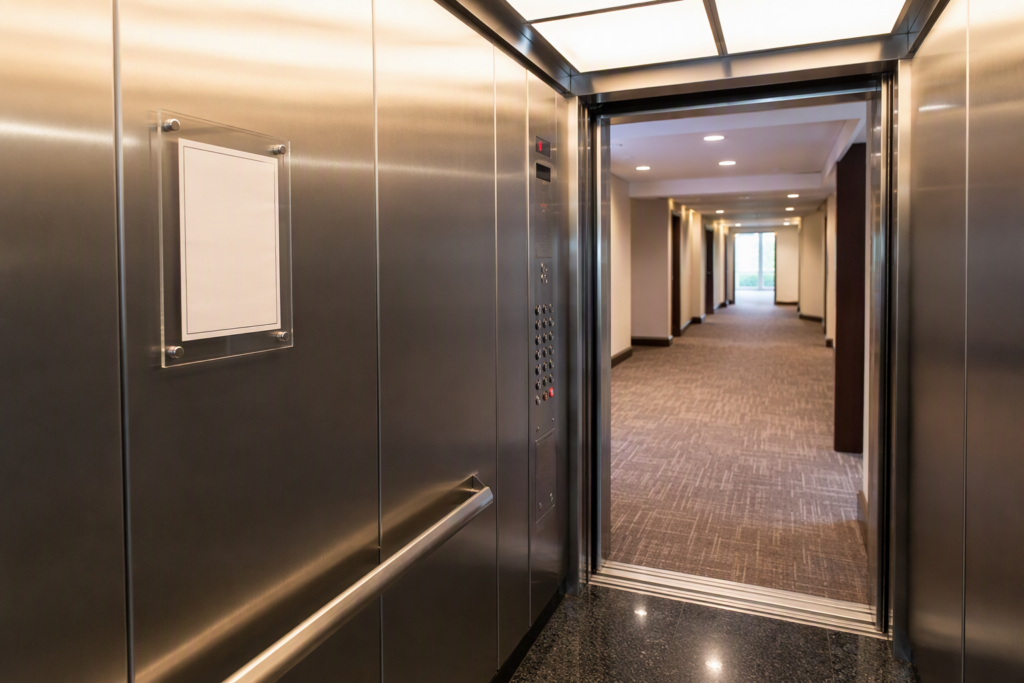
No elevator may operate in California without a valid permit to operate issued by Cal/OSHA. The permit must be posted conspicuously inside the elevator car. Cal/OSHA typically issues a permit for up to one year following a successful inspection. However, Cal/OSHA may issue a permit for up to two years for an elevator in safe condition that is covered by a full maintenance contract with a C-11 licensed elevator company. When comparing bids, ask each vendor whether their contract qualifies for the two-year permit interval and whether they will document that eligibility for the building owner.
What Is the Right Way to Normalize Pricing Across Bids?
Because contract scopes differ, comparing monthly fees directly is misleading. A structured normalization process produces a more accurate cost picture:
- List every item explicitly covered by the most comprehensive bid.
- For each competing bid, identify which of those items are excluded.
- Request a unit price from each vendor for every excluded item (labor rate, callback rate, and parts markup percentage).
- Estimate the realistic annual frequency of each excluded service based on the elevator’s age, type, and usage.
- Add estimated out-of-scope costs to each contract’s base price to produce a comparable total annual cost.
- Rank vendors by total annual cost, not base contract price.
This approach consistently reveals that low-base-price, high-exclusion contracts are more expensive in practice than mid-tier comprehensive agreements for older or heavily used equipment.
What Questions Should Signal, CA Building Owners Ask Before Signing?
- Is your company currently certified as a CQCC by Cal/OSHA, and can you provide documentation?
- Are all mechanics assigned to this property certified as CCCMs?
- Does this contract qualify for Cal/OSHA’s two-year permit interval?
- How are code-required repairs identified during a Cal/OSHA inspection handled — are they included or billed separately?
- What is your parts markup policy, and is it capped in the contract?
- What is the process for after-hours emergency calls, and is that process documented in the contract?
- What is the cancellation notice period and any associated penalty?
Vendors who are evasive about any of these questions in writing present a risk that should be weighed against any price advantage they offer.
Does the Adopted California Elevator Code Affect What Maintenance Contracts Must Cover?
California’s elevator maintenance requirements are governed by the California Code of Regulations, Title 8, Elevator Safety Orders (Sections 3000–3146), which adopt the ASME A17.1/CSA B44 Safety Code for Elevators and Escalators, 2004 edition, for installation contracts signed on or after May 1, 2008. Maintenance contracts should reference compliance with these orders. California has proposed a Group V update to the Elevator Safety Orders that would incorporate elements of ASME A17.1-2019; a public hearing was held in June 2026, but no effective date has been announced as of 2026. Property owners should ask vendors how they track and implement changes when updated safety orders take effect.
Why Does Local Experience in the Signal, CA Area Matter When Selecting a Vendor?
Signal, CA falls within the Los Angeles service area. Los Angeles operates its own elevator and conveyance inspection program through the Los Angeles Department of Building and Safety (LADBS) in addition to the statewide Cal/OSHA framework. A vendor with direct experience navigating both the LADBS program and Cal/OSHA requirements can help building owners avoid scheduling conflicts, documentation gaps, and unexpected compliance costs that arise when a vendor is unfamiliar with local authority requirements.
Liftech Elevator serves the Signal area and surrounding Los Angeles communities, providing maintenance, repair, modernization, and compliance support for commercial, residential, and industrial elevator systems. Working with a locally experienced company means the team coordinating inspections and responding to service needs understands the specific regulatory environment property owners in this region face.
Schedule a Free Consultation
Comparing elevator maintenance bids does not have to be a guessing game. Liftech Elevator helps Signal, CA property owners and managers evaluate proposals side by side, verify vendor compliance with California certification requirements, and structure contracts that provide genuine protection — not just a low monthly number.
Contact Liftech Elevator to schedule a free consultation: 562-609-3478
Need elevator service you can rely on? Liftech Elevator is ready to help.