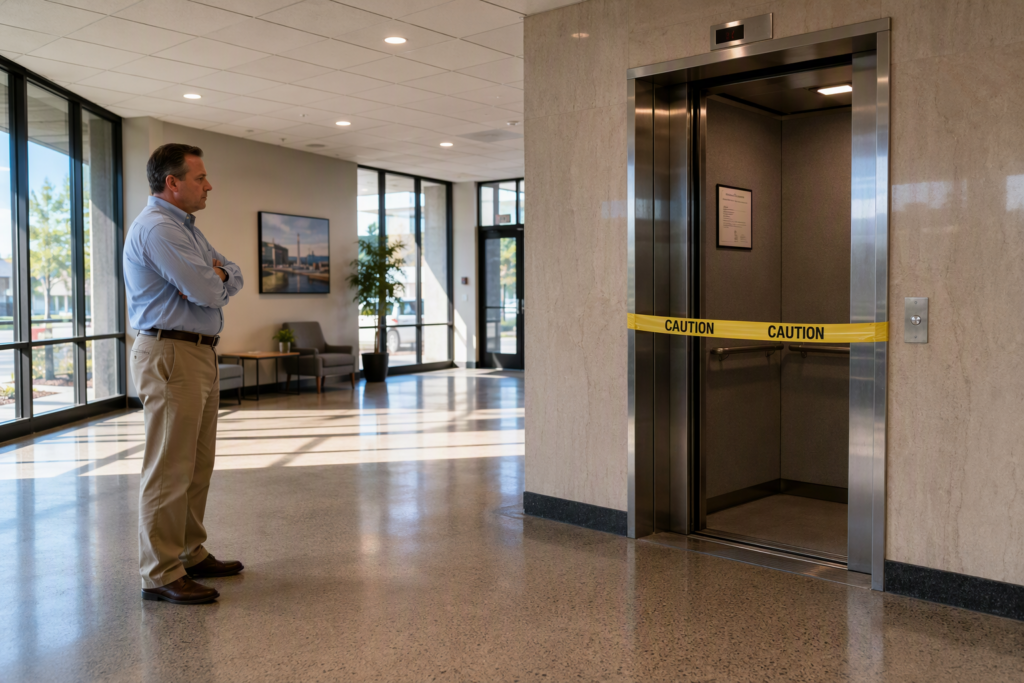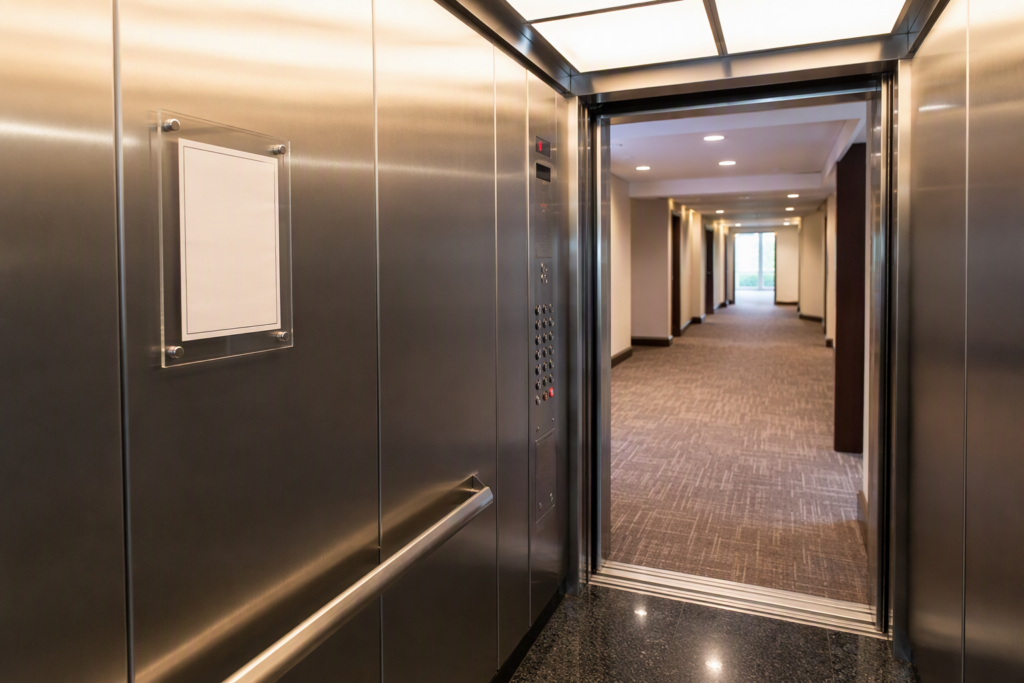
How Long Does Elevator Modernization Take and How Do I Minimize Downtime for Tenants or Residents During the Project?
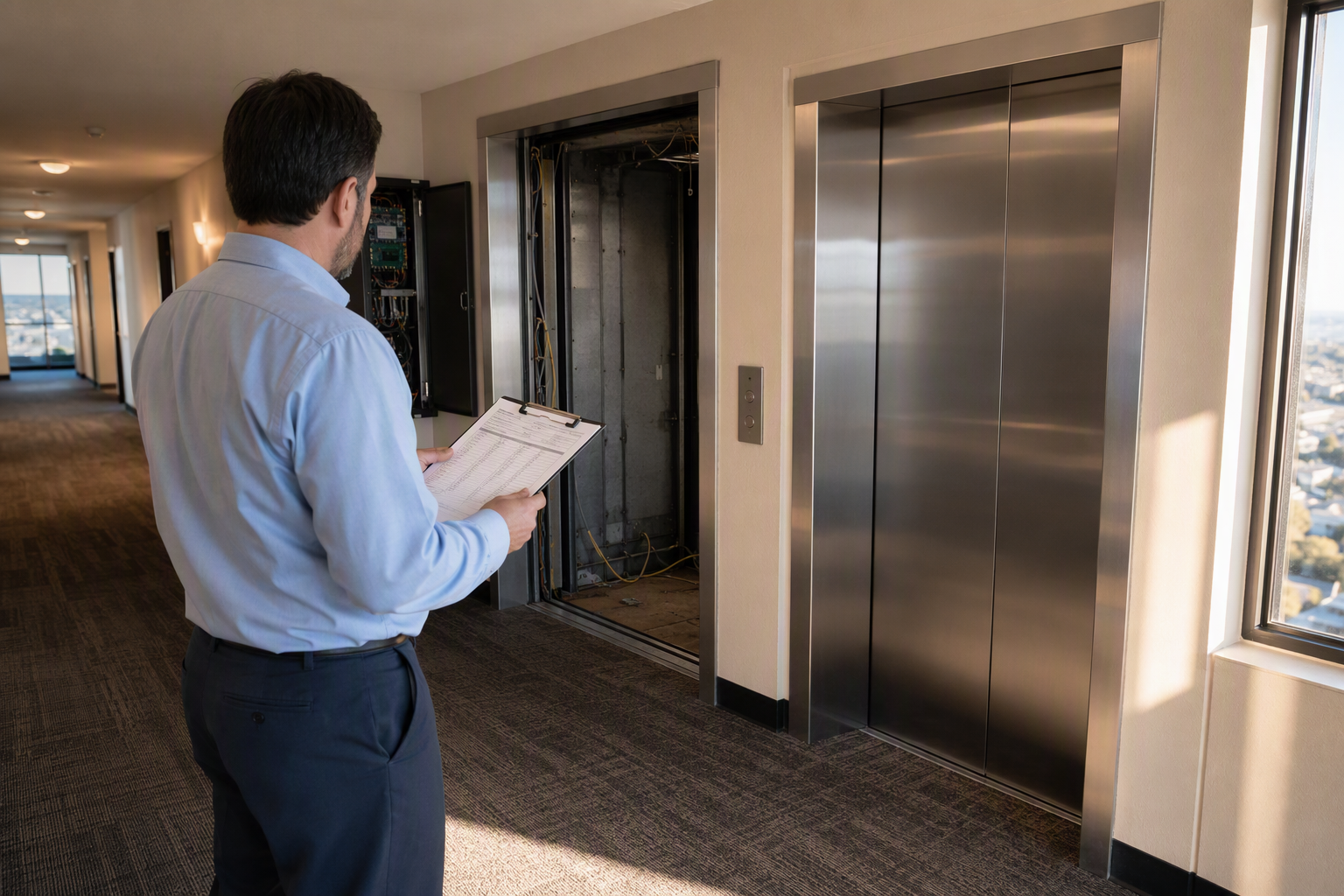
Elevator modernization is one of the most impactful investments a building owner can make — improving safety, energy efficiency, code compliance, and tenant satisfaction in one coordinated project. But the question that keeps most property managers up at night is not whether to modernize, but how to manage the period when the elevator is out of service. This comprehensive FAQ hub covers every dimension of that challenge, from project timelines and phasing strategies to California regulatory requirements and choosing the right service partner in Los Angeles, Long Beach, Signal Hill, and Orange County.
How Long Does a Typical Elevator Modernization Project Take?
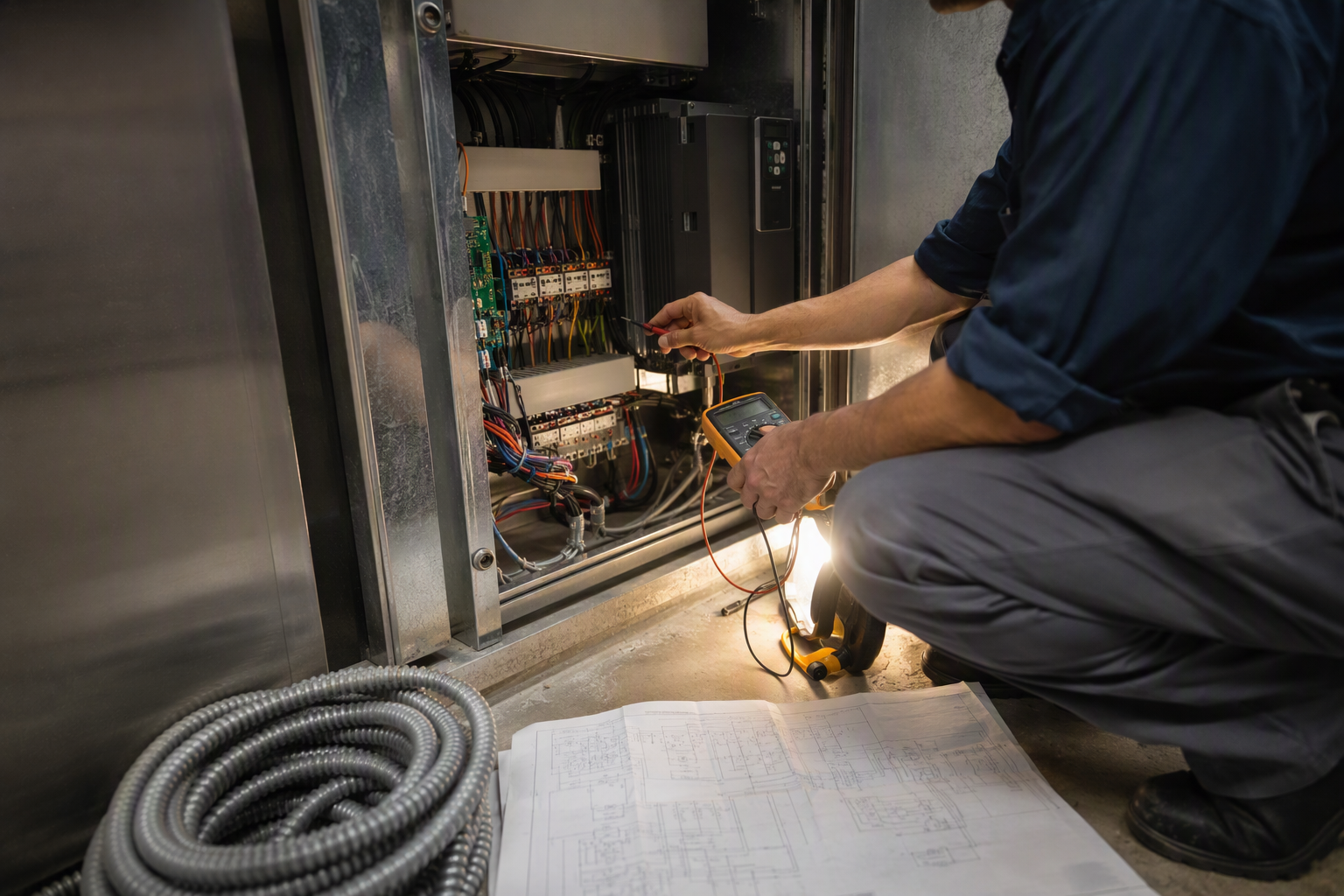
Most elevator modernization projects require between two and eight weeks of active work, though the actual duration depends heavily on the scope of modernization, building configuration, equipment availability, and permit approval timelines.
A partial modernization — replacing only the controller and drive system on a hydraulic elevator in a low-rise building — may be completed in as little as one to two weeks. A full modernization of a traction elevator in a mid-rise commercial building, replacing the controller, motor, cab finishes, door operators, and safety components, typically runs four to six weeks. High-rise projects with multiple elevators, complex machine room configurations, or custom cab materials can extend to eight weeks or beyond.
Lead times for specialty components such as custom door panels, proprietary controllers, or ADA-compliant cab fixtures can add weeks to a project before physical work even begins. Procurement planning is therefore among the most time-sensitive decisions in any modernization schedule.
What Factors Determine How Long Elevator Modernization Takes?
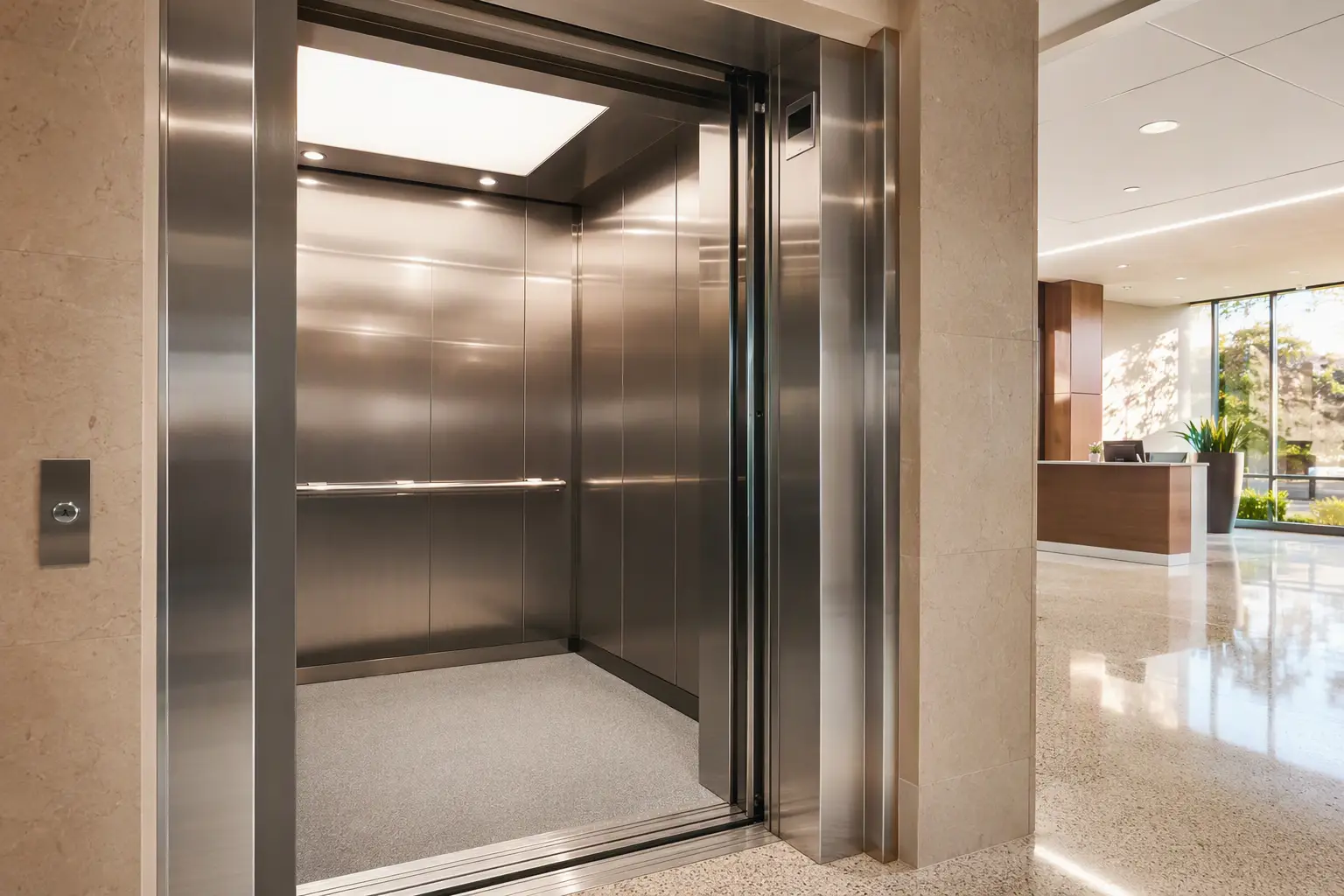
Several interdependent variables drive total project duration, including the type and age of the elevator, the number of stops, permit processing times, and the extent of code-upgrade work required.
The following factors consistently influence timelines across projects in California:
- Elevator type: Hydraulic elevators generally modernize faster than traction systems due to simpler mechanical configurations.
- Number of stops and floors served: More stops mean more door operator work, wiring, and inspection checkpoints.
- Age of existing equipment: Older elevators often require additional safety upgrades to meet current editions of the ASME A17.1 Safety Code for Elevators and Escalators, adding scope that was not anticipated at project kickoff.
- Permit and inspection pipeline: California’s Authority Having Jurisdiction (AHJ) — typically the Division of Occupational Safety and Health (Cal/OSHA Elevator Unit) or a local municipal department — must approve permits before work begins and conduct inspections at defined stages. Processing times vary by county and city.
- Material lead times: Supply chain conditions affect availability of controllers, drives, and cab components.
- Scope additions discovered during demolition: Hidden wiring deficiencies, structural irregularities, or deteriorated hoistway conditions can extend the timeline.
What Is the Difference Between a Partial and Full Elevator Modernization?
A partial modernization replaces select subsystems — most commonly the controller, drive, and door operator — while a full modernization replaces virtually every major component including the machine, cab, fixtures, guide rails, and safety devices.
| Modernization Type | Typical Scope | Estimated Duration | Best Suited For |
|---|---|---|---|
| Partial / Controls Upgrade | Controller, drive, door operator | 1–3 weeks | Elevators with sound mechanicals but outdated controls |
| Mid-Scope Modernization | Controls, motor, cab interior, fixtures | 3–5 weeks | Buildings seeking performance and aesthetic improvement |
| Full Modernization | All major components, hoistway upgrades | 5–8+ weeks | Aging elevators with safety, compliance, or structural concerns |
| ADA Compliance Retrofit Only | Call buttons, signage, door timing, cab dimensions | 1–2 weeks | Buildings addressing accessibility requirements under the Americans with Disabilities Act |
Choosing the right scope requires a qualified assessment of the existing equipment’s condition, remaining service life, and compliance status. Liftech Elevator provides building owners across Los Angeles, Long Beach, Signal Hill, and Orange County with detailed modernization assessments that frame these decisions accurately before any contract is signed.
How Can Building Owners Minimize Downtime for Tenants During Elevator Modernization?
The most effective downtime-reduction strategies are phased scheduling, off-hours work arrangements, advance tenant communication, and thorough pre-project planning that anticipates complications before they occur.
When a building has only one elevator, the stakes of every lost day are higher. When multiple elevators serve a single building, a phased approach — modernizing one elevator at a time while keeping others operational — is usually the most practical solution. This sequencing requires additional coordination but is often the difference between a project that tenants tolerate and one that generates formal complaints or lease disputes.
Off-hours and weekend work shifts, while potentially carrying a cost premium, can be structured to limit daytime outages in occupied residential or office buildings. The tradeoff between added cost and reduced tenant friction is a decision each property owner must weigh against their specific occupancy profile.
What Is a Phased Elevator Modernization and Is It Right for Every Building?
A phased modernization divides the project into sequential segments — either by component or by elevator unit — so that some level of elevator service is maintained throughout the project period.
Phasing is most practical in buildings with two or more elevators. In a two-elevator building, one unit can be taken down while the other remains operational, then work switches to the second elevator after the first is back in service. In a single-elevator building, true phasing by unit is not possible, but the scope can sometimes be divided so that the elevator is returned to temporary service between major phases — for example, completing controls work before beginning cab demolition.
Phasing does typically extend the total calendar duration of the project because setup, inspection, and testing steps are repeated for each phase. Property managers should weigh extended total duration against reduced single-phase outage intensity when making this decision.
What Steps Should a Property Manager Take to Prepare Tenants for Elevator Downtime?
Tenant preparation involves a documented communication plan, physical accessibility accommodations, and clearly posted progress updates throughout the modernization period.
- Issue written notice at least 30 days in advance: Provide tenants with the projected start date, anticipated duration, and a general explanation of the work being performed. Include contact information for questions.
- Post physical notices in common areas: Lobby boards, elevator doors, and mailroom bulletin boards should all carry consistent messaging before and during the project.
- Identify residents with mobility challenges: Proactively reach out to elderly residents, those with disabilities, and anyone who relies on the elevator for medical equipment or daily mobility. Develop individualized accommodation plans where needed.
- Coordinate with building management for temporary accommodations: This may include temporary stair assistance services, adjusted package delivery protocols, or relocated amenity access.
- Establish a weekly project update channel: Email, posted notices, or a building app notification system should deliver progress reports so tenants can anticipate fluctuations in the schedule.
- Designate a single point of contact: One property manager or superintendent should be the go-to person for tenant questions, reducing confusion and misinformation.
- Confirm the inspection and testing schedule: Final inspections by the AHJ are a prerequisite for returning the elevator to service. Knowing the inspection date in advance allows property managers to communicate a realistic return-to-service target.
What California Regulations Apply to Elevator Modernization Projects?
In California, elevator modernization is regulated under state law administered through the California Occupational Safety and Health Standards Board, and all modernization work must conform to the applicable edition of the ASME A17.1 Safety Code for Elevators and Escalators as adopted by the state.
Before any modernization work begins, the contractor must obtain a permit from the relevant AHJ — which in California is generally the Division of Occupational Safety and Health (the Elevator Unit within the state’s occupational safety structure) or, in some jurisdictions, a local municipal elevator inspection authority. Work cannot legally commence without an approved permit, and the elevator cannot be returned to passenger service without a final inspection and certificate of compliance.
Existing elevators that have not been modernized are governed by ASME A17.3, the Safety Code for Existing Elevators and Escalators, which establishes the minimum safety requirements for units that remain in their original configuration. Modernization triggers a transition from A17.3 requirements to the current A17.1 code edition for the components being replaced, which is why scope decisions have direct regulatory consequences.
ADA requirements under the Americans with Disabilities Act apply to public accommodations and commercial facilities. Modernization projects in applicable building types create an opportunity — and in many cases a legal obligation — to address any accessibility gaps that exist in the current installation.
Do Elevators Need to Meet Current Code After Modernization Even If They Were Originally Code-Compliant?
Yes — when components are modernized, the replaced elements must conform to the current adopted edition of ASME A17.1, even if the original installation met the code in effect at the time it was built.
This is a critically important concept for building owners to understand before defining modernization scope. Replacing a controller, for example, may trigger requirements for upgraded safety circuits, door protection devices, or emergency communication systems that were not required under the code edition in effect when the elevator was installed. A qualified modernization contractor will identify all code-triggered upgrades as part of the scope development process, not as change orders after work begins.
How Does the Permit and Inspection Process Affect the Modernization Timeline?
Permit approval and AHJ inspection scheduling are among the most variable and least controllable elements of any modernization timeline, and delays in either step directly extend the out-of-service period.
In high-volume jurisdictions such as Los Angeles County and the City of Long Beach, permit processing and inspection scheduling can take several weeks. Experienced modernization contractors factor this into the project schedule and submit permit applications well in advance of the planned start date. Some projects benefit from pre-permit meetings with the AHJ to clarify scope and anticipated code compliance approaches, particularly for complex or unusual configurations.
Intermediate inspections — required at specific stages of work such as before hoistway wall closures or before final testing — must also be scheduled and passed before subsequent work can proceed. A delay in obtaining an intermediate inspection slot can stall a project for days. Contractors with established relationships with local AHJs and a history of compliant work submissions are generally better positioned to navigate these scheduling constraints.
What Equipment Is Typically Replaced During Elevator Modernization?
Common components replaced during modernization include the controller and logic board, drive system, motor and machine (for traction elevators), door operators and doors, hall and car fixtures, cab interior, guide shoes, and safety devices.
On hydraulic elevators, modernization frequently includes replacement of the power unit, hydraulic cylinder (particularly for single-bottom cylinders subject to environmental regulations), and jack assembly. Older hydraulic systems with underground cylinders may also require environmental assessment of the surrounding soil before cylinder replacement, adding complexity and time to the project.
Modern solid-state drive systems, microprocessor-based controllers, and variable-voltage variable-frequency (VVVF) drive technology offer measurable improvements in energy efficiency, ride quality, and diagnostic capability compared to older relay-logic or analog systems. These improvements directly benefit building operations over the long service life of the modernized installation.
How Should Building Owners Evaluate Elevator Modernization Contractors?
Evaluating modernization contractors requires assessing their licensing status under California law, familiarity with the local AHJ, experience with the specific elevator type, and the quality and transparency of their project planning documentation.
In California, elevator contractors must hold the appropriate state-issued licensure. Building owners should verify that any contractor bidding on a modernization project holds a current and valid license before awarding work. Requesting permit history, references from comparable projects, and sample project schedules are all reasonable due diligence steps.
Contractors who provide a detailed scope of work, a phased timeline with identified permit milestones, and a written communication plan for tenant notifications are demonstrating the kind of project management discipline that minimizes surprises. Liftech Elevator serves building owners throughout Los Angeles, Long Beach, Signal Hill, and Orange County with a structured modernization process designed to produce predictable timelines and transparent communication at every stage.
What Are the Signs That an Elevator Needs Modernization Rather Than Repair?
Key indicators that modernization is more appropriate than continued repair include recurring control malfunctions, difficulty sourcing replacement parts, frequent callbacks, declining ride quality, ADA non-compliance, and approaching end-of-useful-life for major components.
When an elevator requires frequent service calls for the same underlying issues — particularly control system faults, door operation problems, or drive failures — the cumulative cost of reactive repairs can exceed the cost of modernization over a relatively short period. Parts obsolescence is a particularly telling signal: when manufacturers no longer produce or support components in an existing elevator system, maintaining safe and reliable operation becomes progressively more difficult and expensive.
Building owners who are uncertain whether their elevator warrants modernization or can sustain continued maintenance benefit most from a professional condition assessment that evaluates each major subsystem against its remaining service life and current code compliance status.
How Does Elevator Modernization Affect Building Value and Tenant Retention?
A modernized elevator directly supports building value by improving reliability, energy efficiency, code compliance, and the overall tenant experience — factors that influence lease renewals, vacancy rates, and property appraisal.
In competitive rental markets across Los Angeles and Orange County, elevator reliability is a visible amenity that tenants notice and discuss. An elevator with frequent outages or rough ride quality signals deferred maintenance to prospective tenants and gives existing ones a concrete grievance. Modernization addresses this perception directly and tangibly. Updated cab aesthetics, smooth digital controls, and improved door timing all contribute to the experience of a well-managed building.
Energy-efficient drive systems can also reduce utility costs over the operational life of the modernized elevator — a benefit that accrues to the building owner over the years following project completion.
What ADA Requirements Apply to Elevator Modernization in California?
Under the Americans with Disabilities Act, elevators in buildings subject to ADA requirements must meet accessibility standards for cab dimensions, door width and timing, control panel heights, Braille signage, audible floor announcements, and emergency communication systems.
Modernization projects provide a structured opportunity to address ADA compliance gaps. Upgraded cab fixtures can incorporate the correct button heights, tactile characters, and visual indicators required by ADA standards. Door operators can be reconfigured to provide compliant opening and closing timing and force thresholds. Building owners who fail to address known ADA deficiencies during a modernization project may face increased liability exposure going forward, since the project represents a clear point at which accessibility improvements were both practical and feasible.
California also has its own state-level accessibility requirements that may be more stringent than federal ADA minimums. A qualified modernization contractor operating in California will be familiar with both frameworks and will ensure the completed installation meets whichever standard is more demanding.
Can Elevator Modernization Be Scheduled Around Building Occupancy Patterns?
Yes — scheduling modernization work during periods of lowest building occupancy, such as early morning hours, weekends, or recognized low-traffic seasons, is one of the most practical ways to reduce tenant impact without necessarily extending total project duration.
In office buildings, weekend and evening work shifts can allow the elevator to be available during core business hours on weekdays. In residential buildings, work scheduled between roughly 8 a.m. and 5 p.m. on weekdays may be less disruptive than work overlapping with morning and evening commute windows, though this varies by building population. Vacation periods and holiday weeks are commonly used in university housing, hospitality-adjacent residential buildings, and seasonal commercial properties.
Coordinating with the AHJ to ensure that inspection availability aligns with the planned schedule is essential — there is no value in completing work on a Saturday if the inspection cannot be scheduled until the following week and the elevator must remain out of service in the interim.
What Should Be Included in an Elevator Modernization Contract?
A comprehensive modernization contract should include a detailed scope of work, a phased project schedule with milestones, permit responsibility assignments, warranty terms for both parts and labor, change order procedures, and a defined process for handling code-triggered scope additions discovered during work.
Building owners should be cautious of contracts that define scope vaguely or that do not explicitly address how unforeseen conditions will be handled. Discovering during demolition that additional safety upgrades are required by the AHJ — and receiving an unexpected change order that extends both timeline and budget — is a common source of project conflict. A well-drafted contract anticipates this possibility and establishes a transparent process for evaluating and approving additions before work on them begins.
Warranty terms should specify what is covered, for how long, and what the contractor’s response obligations are if a warranty issue arises. Post-modernization maintenance agreements should also be discussed during contract negotiation so that the relationship between the modernization contractor and the ongoing service provider is clear.
How Are Safety and Code Compliance Verified After Modernization Is Complete?
After modernization work is complete, the elevator must pass a final inspection conducted by the AHJ before it can be returned to passenger service, and the building owner receives an updated certificate of compliance.
The final inspection verifies that all work was performed in accordance with the approved permit, that safety devices function as required by the applicable edition of ASME A17.1, and that the installation meets all AHJ-specific requirements. Testing during this inspection typically includes safety device function tests, load tests, speed verification, door operation checks, and emergency system verification.
The contractor is responsible for having the elevator ready for inspection, meaning all work must be substantially complete and internally tested before the AHJ arrives. Failed inspections result in additional delays while deficiencies are corrected and a re-inspection is scheduled. Experienced contractors minimize this risk through rigorous pre-inspection testing protocols.
What Is the Role of an Elevator Consultant in a Modernization Project?
An independent elevator consultant can help building owners define scope, evaluate contractor bids, monitor project progress, and verify that completed work meets the specified requirements — serving as an owner’s representative throughout the modernization process.
For large or complex modernization projects, particularly those involving multiple elevators, high-occupancy residential buildings, or significant code compliance challenges, an independent consultant adds a layer of technical oversight that most building owners and property managers are not positioned to provide themselves. The consultant’s scope typically includes developing the bid specification, evaluating contractor proposals on a technically equivalent basis, conducting periodic site visits during construction, and participating in the final inspection process.
For straightforward modernization projects, building owners who work with a single reputable contractor — one with demonstrated local experience and a transparent project management approach — may find that consultant engagement is not necessary. The right contractor functions as a knowledgeable partner, not simply a vendor.
How Does Liftech Elevator Approach Elevator Modernization Projects in Southern California?
Liftech Elevator approaches modernization projects in Los Angeles, Long Beach, Signal Hill, and Orange County with a structured process that begins with a thorough equipment assessment, continues through detailed scope and schedule development, and concludes with final inspection and a verified return to service.
The Liftech Elevator team works with building owners and property managers to develop phasing strategies, tenant communication materials, and permit timelines that reflect the realities of California’s regulatory environment. Understanding the specific requirements of local AHJs across Southern California — and maintaining the working relationships that support efficient permit and inspection scheduling — is a core part of delivering modernization projects that stay on schedule and minimize disruption to the people who live and work in the buildings served.
Liftech Elevator’s modernization work encompasses hydraulic and traction elevator systems across low-rise, mid-rise, and select high-rise building types, with particular depth of experience in the residential, commercial, and mixed-use properties that characterize the Southern California market.
What Questions Should Building Owners Ask Before Signing an Elevator Modernization Contract?
Before signing a modernization contract, building owners should ask about the contractor’s California licensure status, permit history with the local AHJ, approach to code-triggered scope additions, phasing options, tenant communication support, and post-modernization maintenance terms.
A non-exhaustive list of due diligence questions includes:
- Is your company licensed under California law to perform elevator modernization work in this jurisdiction?
- Have you obtained permits from this specific AHJ before? What is the typical processing time you have experienced?
- How do you handle code requirements that are identified during demolition that were not part of the original scope?
- Can you provide a phased schedule that shows when the elevator will be out of service and when it will be available?
- What does your warranty cover, and for how long?
- Do you offer post-modernization maintenance agreements?
- Can you provide references from building owners or property managers with similar buildings in this area?
- Who will be the day-to-day project contact, and how will you communicate progress updates?
The quality and specificity of the answers to these questions reveal a great deal about a contractor’s competence, transparency, and commitment to a successful project outcome.
Ready to Plan Your Elevator Modernization?
Elevator modernization is a significant investment in your building’s safety, compliance, and tenant experience — and the planning decisions made before the first permit is filed determine whether the project runs smoothly or generates costly surprises. The right partner makes the difference between a disruption and a seamless upgrade.
Contact Liftech Elevator for a free elevator assessment. Liftech Elevator serves building owners and property managers in Signal Hill, Long Beach, Los Angeles, and Orange County with honest, detailed modernization guidance backed by deep familiarity with California’s regulatory requirements and local AHJ processes.
Call Liftech Elevator today: 562-609-3478
Need elevator service you can rely on? Liftech Elevator is ready to help.