Elevator Service in Signal, CA | Liftech Elevator
Adding an elevator to a building that has never had vertical transportation is one of the most significant capital improvements a property owner can undertake in the Los Angeles or Long Beach area. The process involves regulatory approvals, structural considerations, and ongoing compliance obligations that can feel overwhelming without the right guidance. Liftech Elevator helps building owners in Signal, CA and the surrounding Southern California region navigate every step — from the first permit application through final inspection and long-term maintenance.
—
What Are the First Steps to Installing an Elevator in a Building That Has Never Had One?
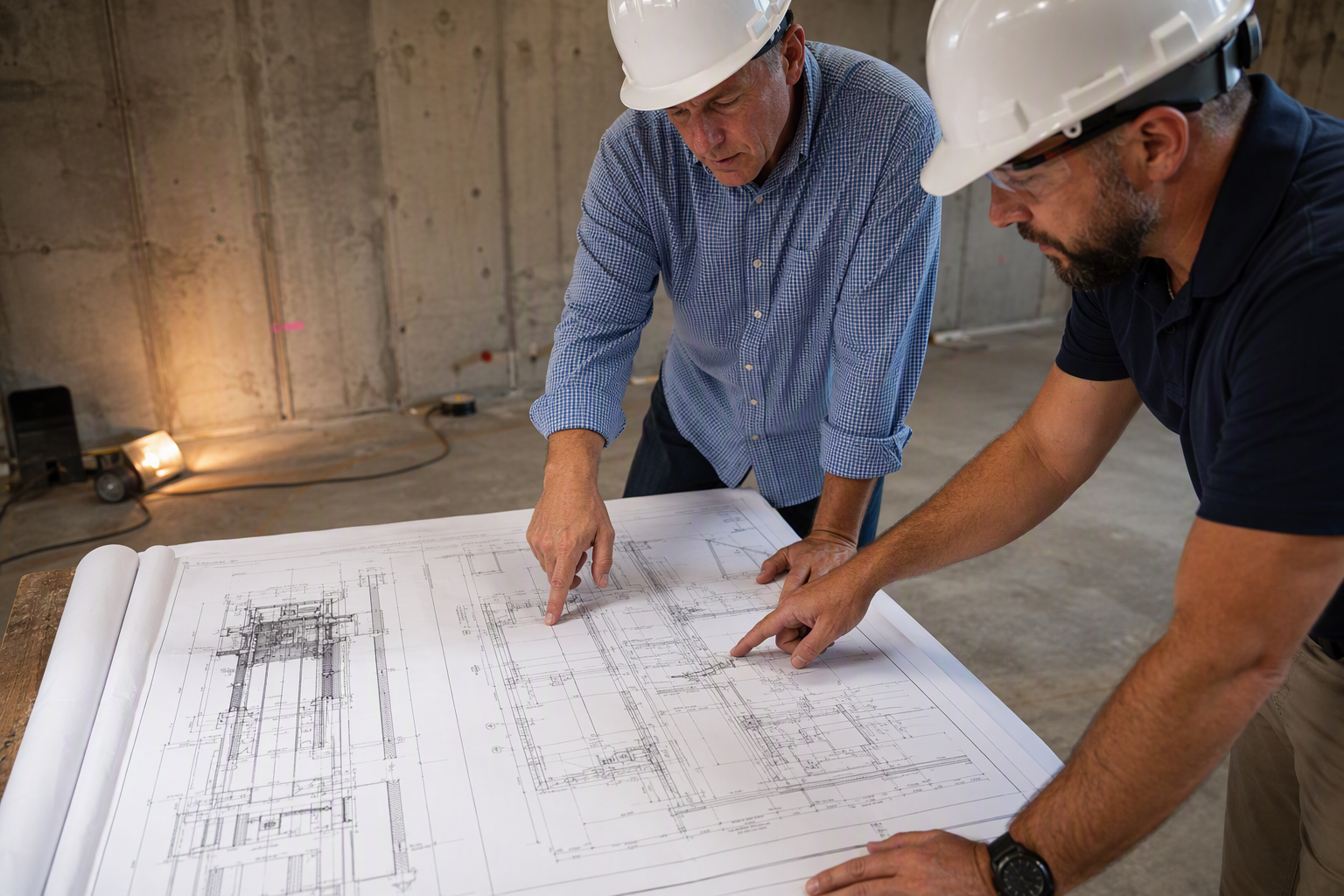
New elevator installation in a previously unelevated building follows a defined sequence under California’s regulatory framework. Skipping or misordering any step can result in costly delays, failed inspections, or mandatory retrofits.
- Engage a licensed elevator contractor early. California requires that elevator installation work be performed by a contractor holding a valid Elevator Mechanic license issued under the California Department of Industrial Relations (DIR). Selecting a qualified contractor before finalizing building plans ensures code requirements are built into the design from the start.
- Conduct a structural and architectural feasibility assessment. A structural engineer must evaluate whether the building can support a hoistway, machine room (or machine-room-less configuration), and the load demands of elevator equipment.
- Develop permit-ready drawings. Elevator installation plans must be prepared to code and submitted to the local Authority Having Jurisdiction (AHJ) — typically the Los Angeles Department of Building and Safety (LADBS) for LA properties, or the Long Beach Department of Development Services for Long Beach properties.
- Submit for plan check and obtain permits. The AHJ reviews drawings for compliance with California’s elevator safety regulations and the applicable edition of the ASME A17.1 Safety Code for Elevators and Escalators as adopted by the state.
- Complete rough-in and hoistway construction. General contractors build the hoistway shaft and machine space to the approved plans before elevator equipment is delivered.
- Install elevator equipment. Licensed elevator mechanics install the car, rails, drive system, controls, doors, and safety devices in accordance with approved plans and ASME A17.1 requirements.
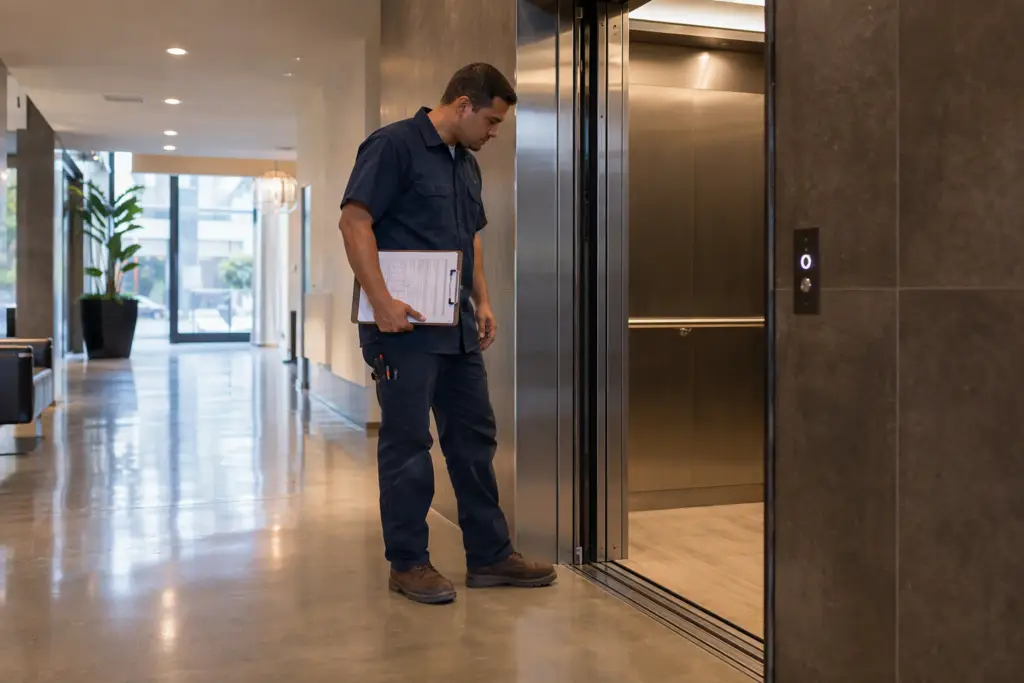
- Schedule and pass the final state inspection. The California Division of Occupational Safety and Health (Cal/OSHA) Elevator Unit conducts a witnessing inspection before any new elevator may be placed in service. A permit to operate is issued upon passing.
- Establish a code-required maintenance program. California mandates periodic maintenance and inspection after the elevator is in service.
—
Which California Codes and Regulations Govern New Elevator Installation?
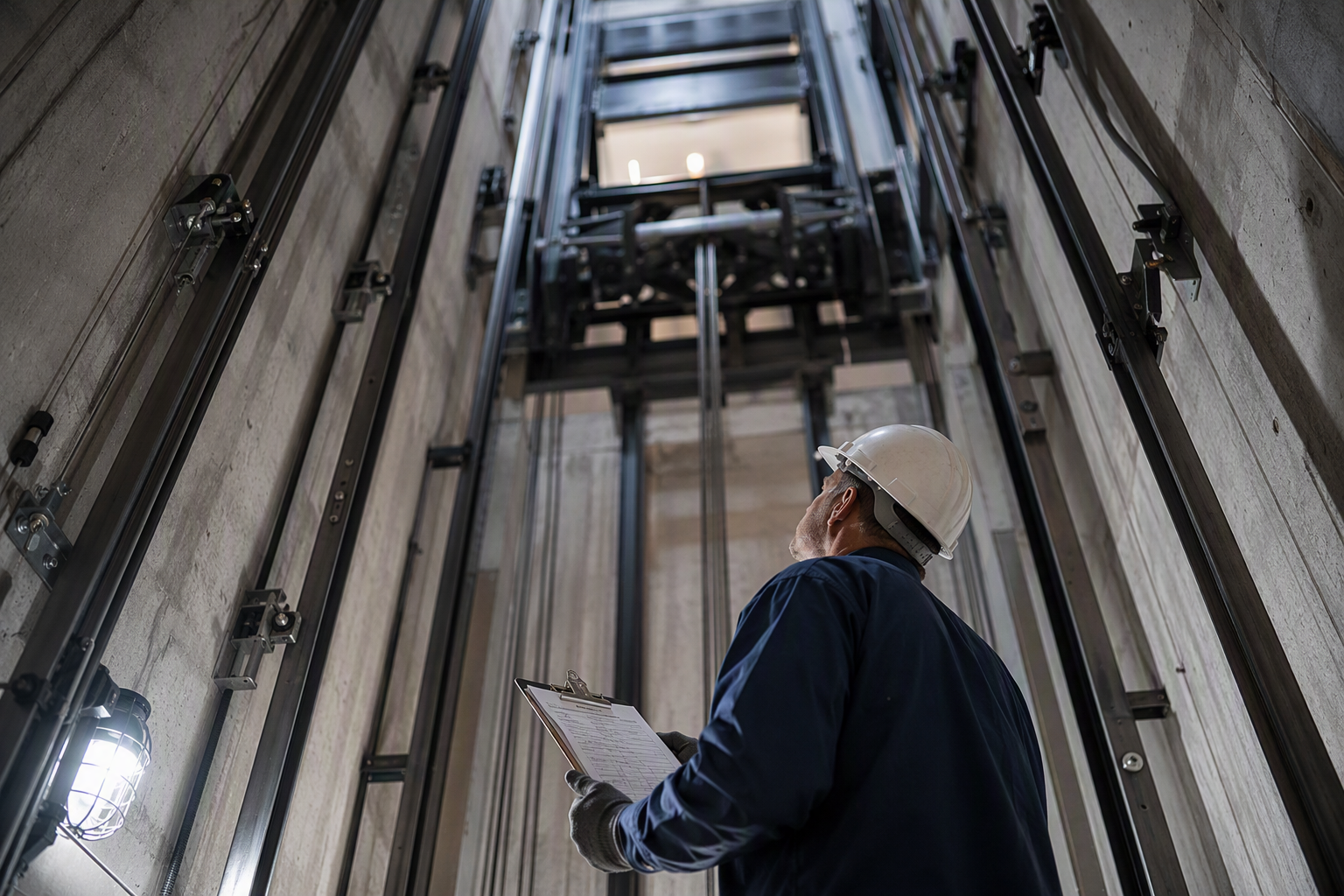
California’s elevator safety framework is administered primarily by the Cal/OSHA Elevator Unit under the California Department of Industrial Relations. Key regulatory layers include:
- California Elevator Safety Construction Code: California has adopted and amended ASME A17.1 as the state elevator safety construction standard. For new installations in 2026, contractors must work to the edition currently adopted by the state, along with any California-specific amendments.
- ASME A17.1 Safety Code for Elevators and Escalators: The foundational national standard governing design, construction, installation, and testing of elevators.
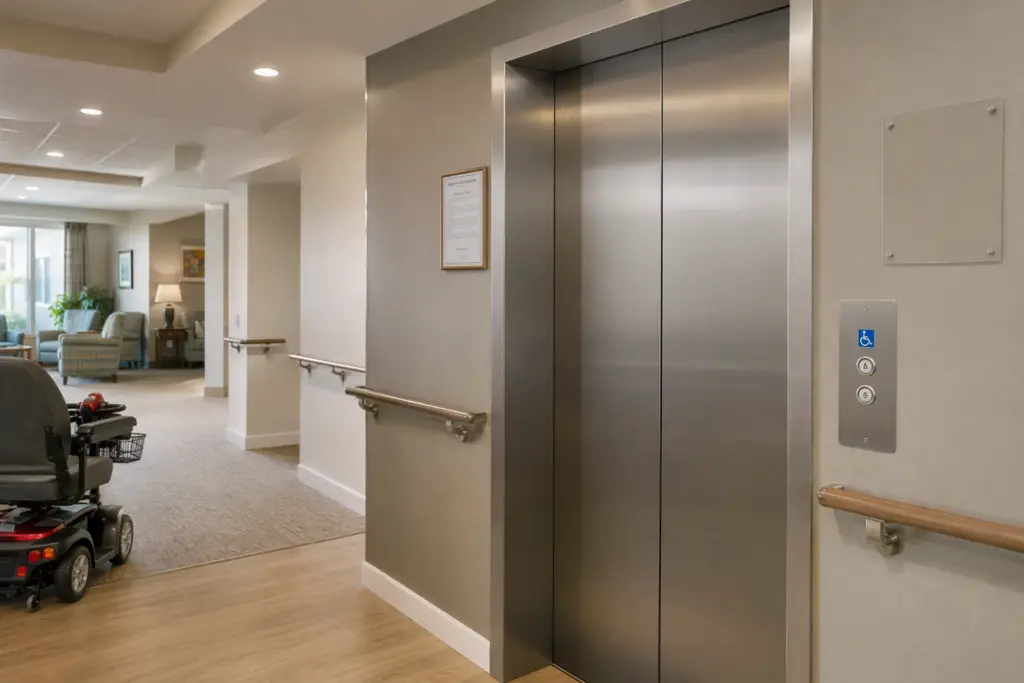
- Americans with Disabilities Act (ADA): Most new commercial elevator installations must meet ADA accessibility requirements, including minimum car dimensions, door widths, control heights, and Braille signage. Private residential buildings under a certain occupancy threshold may have different obligations — consult your contractor and legal counsel for building-specific guidance.
- Local Building Codes: Both LADBS and the Long Beach Department of Development Services enforce local amendments and may have additional requirements for plan check submittals, fire-rated hoistway construction, and seismic considerations — a significant factor throughout Southern California.
- Cal/OSHA Elevator Unit Permit Requirements: No new elevator may operate without a permit to operate issued by the Cal/OSHA Elevator Unit following a successful witnessing inspection.
—
How Long Does the Elevator Installation Process Typically Take?
Timeline varies based on building complexity, permit queue times at the AHJ, equipment lead times, and hoistway construction scheduling. Factors that commonly affect the schedule include the thoroughness of permit-ready drawings, the current plan check backlog at LADBS or the Long Beach permitting office, equipment manufacturing and delivery windows, and the availability of the Cal/OSHA Elevator Unit for witnessing inspections. Working with an experienced elevator contractor who understands the local permitting environment in Los Angeles and Long Beach is one of the most effective ways to minimize unexpected delays.
—
What Type of Elevator Is Right for a Building That Has Never Had One?
Selecting the correct elevator type depends on building height, structural constraints, usage patterns, and budget. Common options evaluated for retrofit installations in Southern California include:
- Hydraulic elevators: Often used in low-rise buildings of up to five or six floors. They require a machine room at or near the base of the hoistway and a fluid reservoir. They can be a practical choice when overhead clearance is limited.
- Traction elevators (geared or gearless): Better suited to mid- and high-rise applications. Gearless traction systems offer high efficiency and smooth ride quality.
- Machine-room-less (MRL) traction elevators: Place drive equipment inside or immediately adjacent to the hoistway, eliminating the need for a dedicated machine room — an important consideration in buildings where creating machine room space is difficult.
- Pneumatic/vacuum elevators: Limited to residential low-rise applications; not appropriate for most commercial buildings.
A qualified elevator contractor will assess the structural realities of the existing building and local code requirements before recommending an appropriate system.
—
What Are the ADA Accessibility Requirements for a New Elevator Installation?
Under the Americans with Disabilities Act, elevators serving commercial facilities and public accommodations must meet specific accessibility standards. Requirements address minimum car interior dimensions, door clear width, door reopening devices, floor-level indicators, raised and Braille floor designations, accessible control panels, and emergency communication systems. Because ADA requirements interact with California’s own accessibility provisions under the California Building Code (CBC), building owners should confirm applicable standards with both their elevator contractor and the local building department during plan check.
—
What Ongoing Inspection and Maintenance Requirements Apply After Installation?
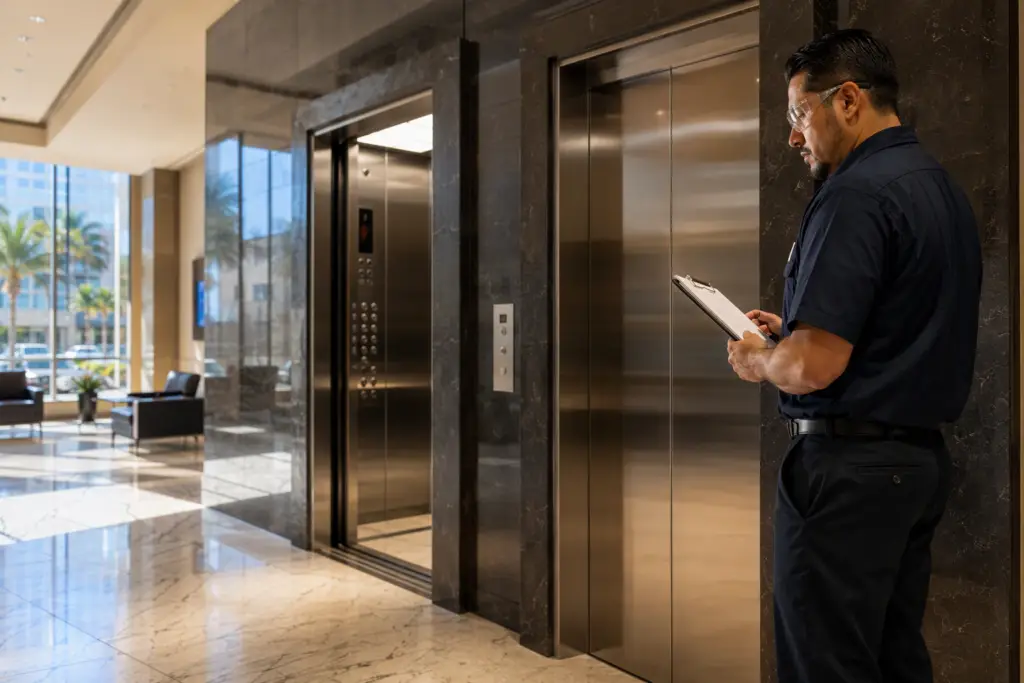
A new elevator does not become a one-time project — California law requires ongoing periodic inspections and maintenance to keep the permit to operate current. The Cal/OSHA Elevator Unit oversees routine inspections of elevators in the state. Additionally, ASME A17.1 and its companion standard ASME A17.3 (the Safety Code for Existing Elevators and Escalators) define required tests and inspection intervals that California references for in-service equipment. Building owners should establish a preventive maintenance agreement with a licensed elevator service company immediately after the elevator enters service to remain in compliance and protect the investment.
—
Does Liftech Elevator Serve Los Angeles, Long Beach, and Signal, CA?
Liftech Elevator is a certified elevator service company serving the Los Angeles and Long Beach markets, including Signal, CA and the broader Southern California region. The Liftech team works with commercial building owners, property managers, HOAs, and developers on new installation projects, modernizations, routine maintenance, and code compliance consulting. Liftech’s familiarity with the local permitting environment at LADBS and the Long Beach Department of Development Services, as well as the inspection protocols of the Cal/OSHA Elevator Unit, allows the company to guide clients efficiently through the regulatory process.
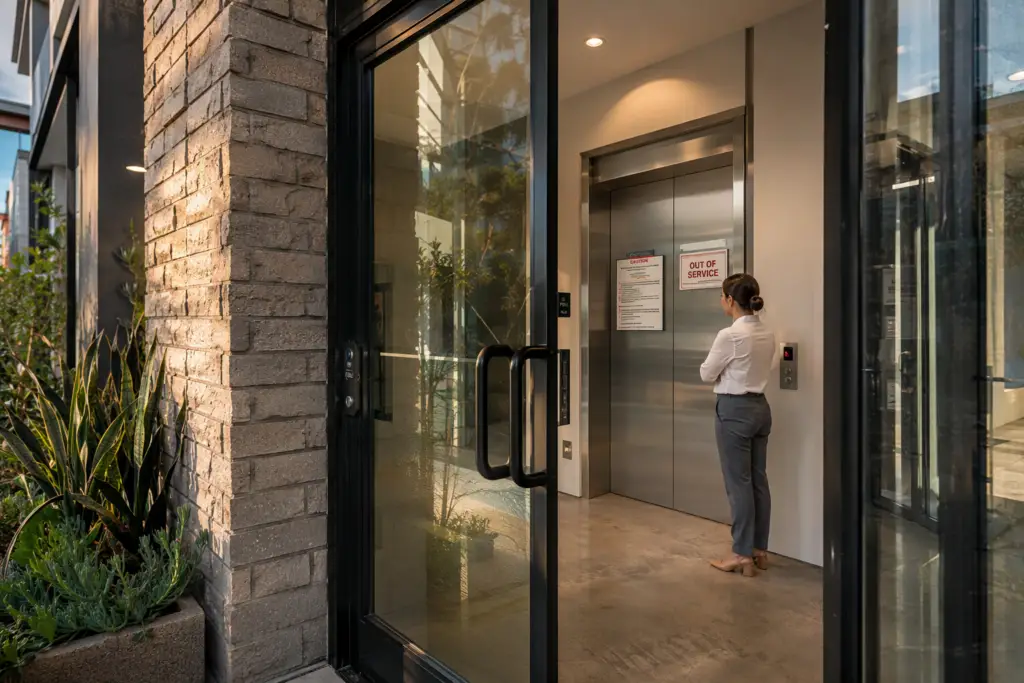
Emergency elevator service is also available to existing clients in the area — Liftech’s service structure is designed to respond to out-of-service equipment situations that affect building occupants and operations.
—
What Should Building Owners Know About Seismic Requirements for Elevators in Southern California?
Southern California’s seismic environment adds a layer of code requirements that building owners outside the region may not anticipate. California’s elevator regulations incorporate seismic provisions that address rail bracing, counterweight guarding, and other earthquake-protective design elements. These requirements are particularly relevant in the Los Angeles and Long Beach areas, which sit within active seismic zones. A licensed elevator contractor familiar with California’s seismic amendments to ASME A17.1 is essential for ensuring that new installations meet these region-specific standards during plan check and inspection.
—
Ready to Move Forward? Schedule a Free Consultation.
Installing a new elevator in a building that has never had one is a complex but achievable project with the right team. Liftech Elevator helps Los Angeles, Long Beach, and Signal, CA building owners understand their options, navigate California’s regulatory requirements, and complete installations that meet code and serve occupants reliably for decades.
Contact Liftech Elevator today to schedule a free consultation: 562-609-3478
Need elevator service you can rely on? Liftech Elevator is ready to help.