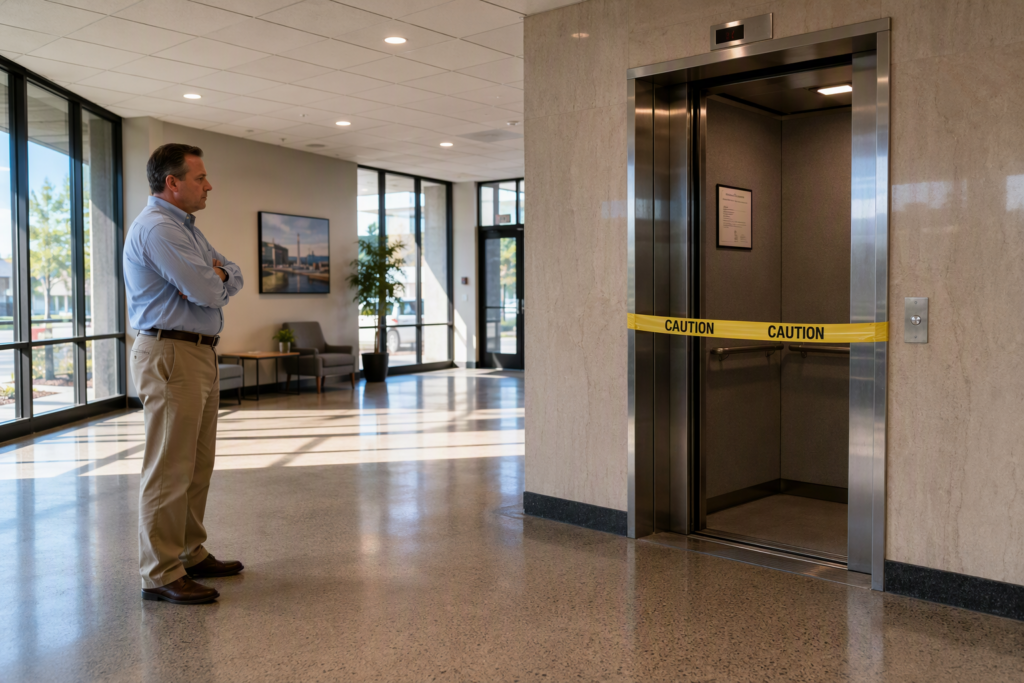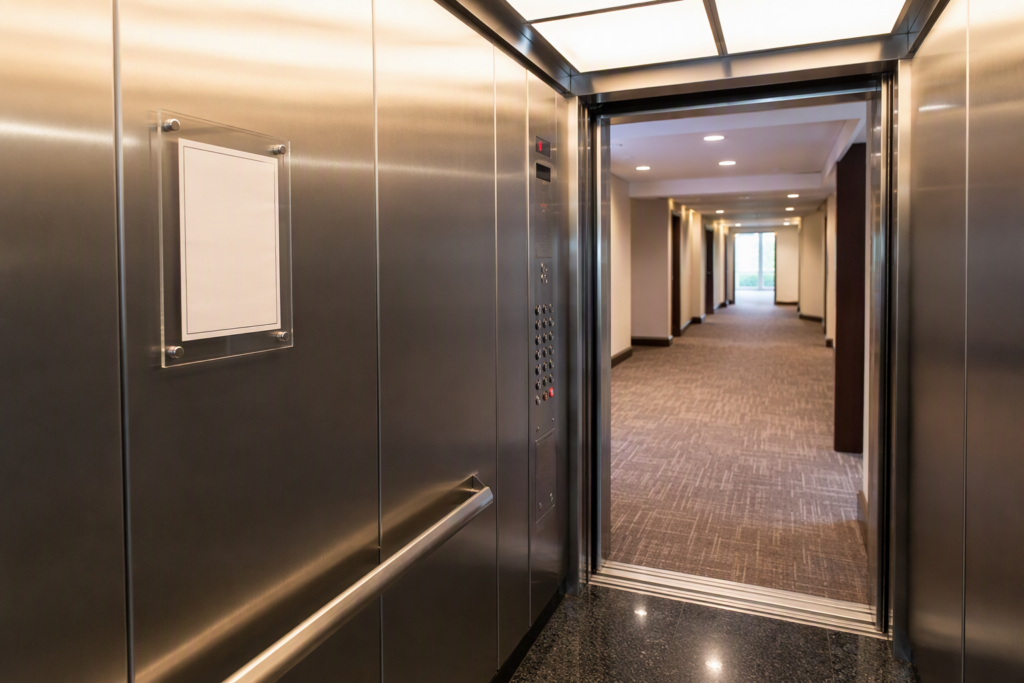
Elevator Upgrades Required Before Renewing a Long-Term Commercial Lease in California’s Healthcare Sector
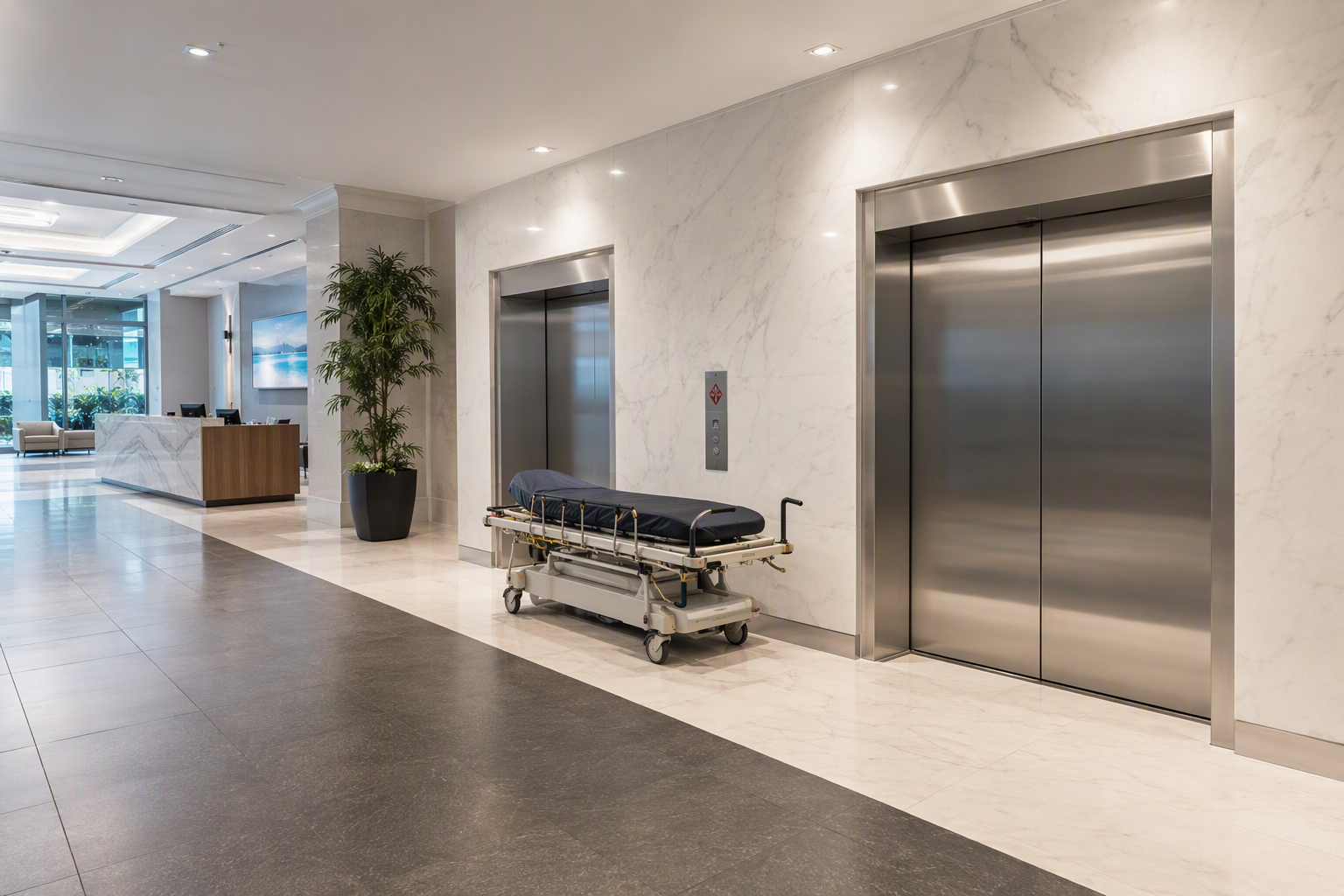
Renewing a long-term lease with a healthcare tenant — a medical office group, outpatient clinic, imaging center, dialysis facility, or skilled nursing operator — carries significantly higher vertical transportation obligations than a standard commercial lease renewal. Healthcare occupants depend on elevators to move patients, medical equipment, gurneys, and emergency personnel safely and without interruption. California building owners who skip or defer elevator improvements before signing a long-term healthcare lease face regulatory violations, lease disputes, and potential liability.
The guidance below covers the compliance framework, the most common required improvements, and how Liftech Elevator helps property owners across Signal Hill, Long Beach, Los Angeles, and Orange County prepare elevators for healthcare tenant occupancy.
What California Codes Govern Healthcare Elevator Compliance?
California elevator law draws from several overlapping frameworks that building owners must satisfy before a healthcare tenant renews or signs a long-term lease:
- ASME A17.1 Safety Code for Elevators and Escalators — The baseline national code for new elevator design and installation, referenced by California’s elevator safety orders.
- ASME A17.3 Safety Code for Existing Elevators and Escalators — Governs retroactive requirements for existing equipment. California adopts this standard as the benchmark for alterations and compliance upgrades on older units.
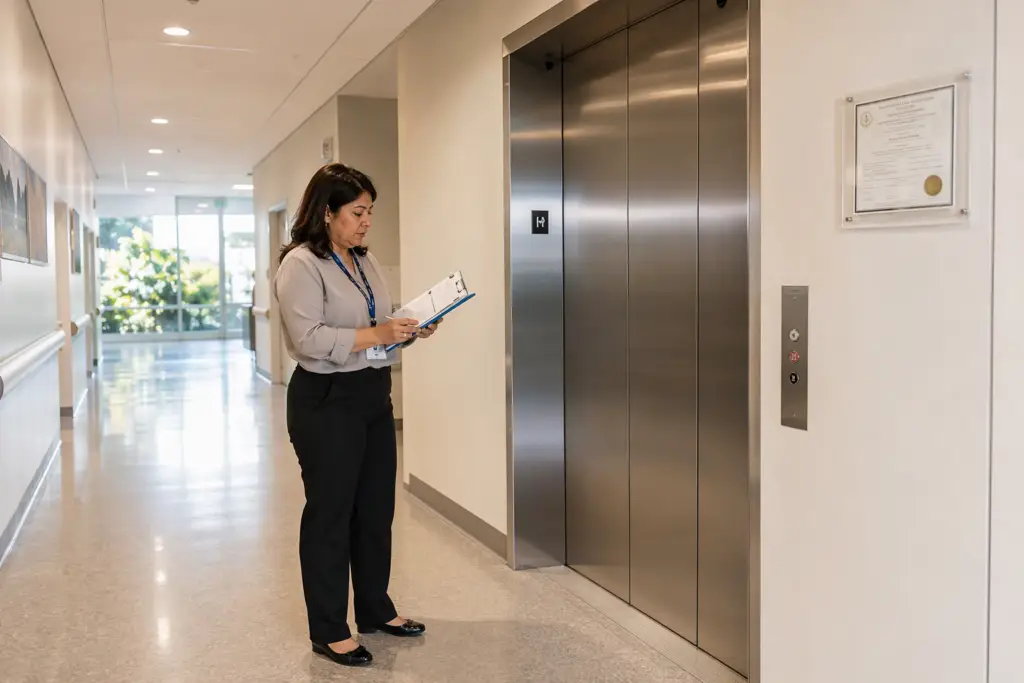
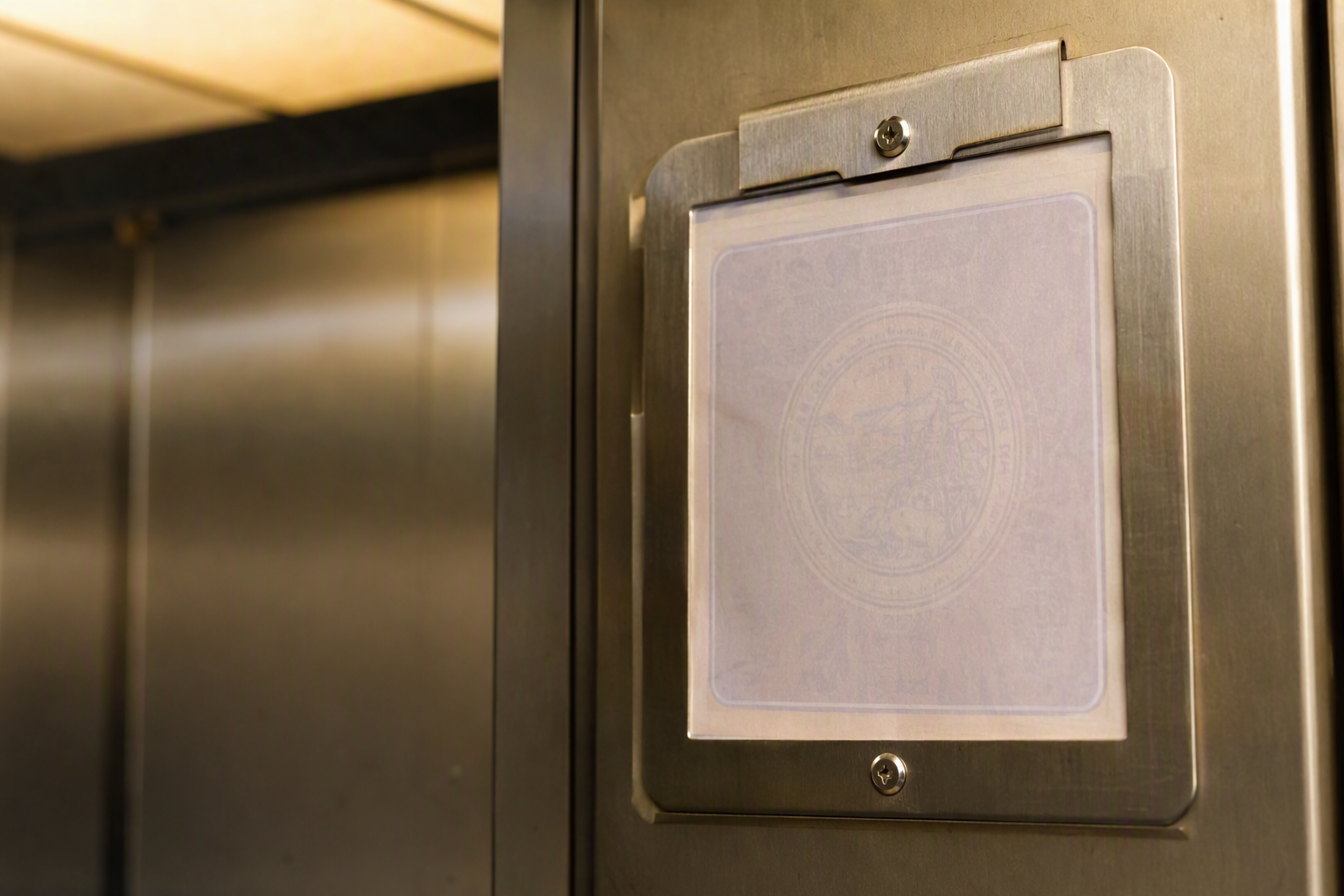
- California Division of Occupational Safety and Health (Cal/OSHA) — Elevator Unit — The state authority having jurisdiction (AHJ) for elevator permitting, inspection, and enforcement. All California elevators require a valid Cal/OSHA permit to operate. Permits must be current and publicly posted inside the elevator cab at all times.
- Americans with Disabilities Act (ADA) — Federal law requiring accessible elevator design. Healthcare buildings have particularly strict obligations because patients and visitors with mobility limitations are a core user group.
- California Building Code (CBC) / Title 24 — Applies to any alteration or tenant improvement project and triggers accessibility path-of-travel requirements, which frequently include elevator upgrades.
- NFPA 101 Life Safety Code and local fire authority requirements — Healthcare occupancies in California are subject to fire recall, emergency lighting, and firefighters’ service requirements on elevators.
Which Elevator Components Most Often Require Upgrades Before a Healthcare Lease Renewal?

Property inspections and pre-lease due diligence routinely surface the following deficiencies in California commercial buildings:
- Phase I and Phase II Firefighters’ Emergency Operation (FEO) — Required by ASME A17.1/A17.3 and California fire codes. Phase I returns the elevator to the designated recall floor; Phase II gives firefighters direct in-car control. Non-compliant FEO systems must be upgraded before occupancy by a healthcare tenant.
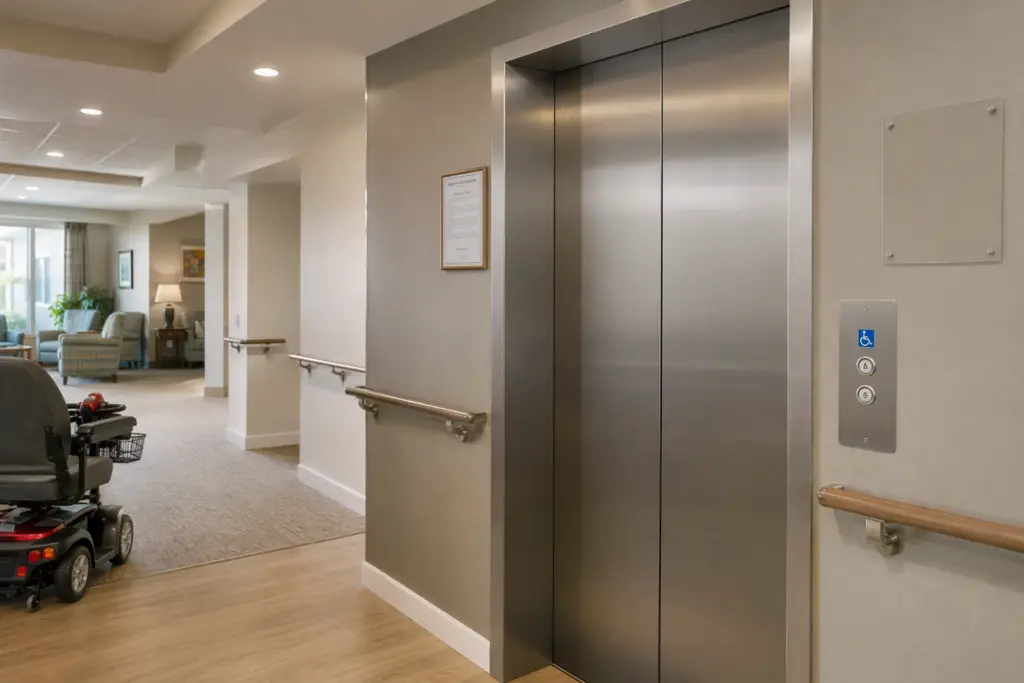
- Door reopening devices and door timing — ADA requires elevator doors to remain open long enough for a person using a mobility aid to enter. Healthcare environments add further pressure because patients using walkers, wheelchairs, or IV stands need extended door dwell times. Sensors must reliably detect obstructions at multiple heights.
- Cab interior dimensions — ADA specifies minimum interior dimensions for accessible elevators. Gurney-accessible configurations typically require a larger cab; if the existing cab cannot accommodate a standard hospital gurney, a cab expansion or equipment relocation may be necessary depending on the tenant’s use.
- Control buttons and signage — Raised characters, Braille, and visual contrast requirements under ADA apply to all call buttons, floor designations, and emergency communication devices.
- Emergency two-way communication — California requires a functioning two-way voice communication system in every elevator cab. This system must connect to a location where assistance is available, critical in a healthcare building where a patient or caregiver may need immediate help.
- Lighting levels inside the cab and at landings — Both ADA and Cal/OSHA elevator safety orders specify minimum lighting. Flickering or inadequate lighting is a code violation and a safety hazard for patients with visual impairments.
- Seismic safety requirements — California is seismically active. Elevator seismic switches and derail protection required under California’s seismic provisions must be in place and verified functional.
- Hydraulic system integrity — Older hydraulic elevators in Southern California buildings may have single-bottom cylinders that present environmental risk. California may require upgrades or secondary containment depending on the unit’s age and configuration.
- Machine room conditions — Proper temperature control, lighting, and access restrictions in the machine room are required and inspected. Healthcare buildings often add HVAC load that affects machine room temperatures.
How Does a Tenant Improvement Trigger Additional Elevator Work?
Under California Building Code Title 24, any tenant improvement that exceeds a threshold of construction cost may trigger a path-of-travel obligation. The path of travel includes the route from the public right-of-way to the primary function area — and elevators are often part of that path. When a healthcare tenant renovates its space, the building owner may be required to bring the elevator serving that tenant’s floor into current ADA and CBC compliance, even if the elevator itself is not part of the tenant improvement scope.
This is one of the most common surprises building owners encounter during lease negotiations. Engaging Liftech Elevator for a pre-lease assessment in Long Beach, Los Angeles, Orange County, or Signal Hill helps identify these triggered obligations before they become lease conditions or code enforcement actions.
What Is the Difference Between ASME A17.1 and ASME A17.3 for an Existing Elevator?
ASME A17.1 governs new elevator installations — it sets the design, construction, and testing requirements that apply when a new unit is installed. ASME A17.3 governs existing elevators and establishes the retroactive safety requirements that older equipment must meet over time. California uses A17.3 to determine what upgrades are required on existing units as part of alterations, periodic inspections, and enforcement actions. When renewing a lease with a long-term healthcare tenant, A17.3 is the operative standard for identifying what the building’s existing elevator must do to remain legal and insurable.
What Inspection and Permit Documentation Does a Healthcare Tenant Expect at Lease Renewal?
A sophisticated healthcare tenant — particularly a hospital system, managed care organization, or federally qualified health center — will conduct due diligence before signing a long-term lease. Their facilities team or outside counsel will typically request:
- Current Cal/OSHA elevator operating permit (must be posted in the cab)
- Most recent annual inspection report and any violation notices or citations
- Documentation of corrective actions taken in response to prior inspection findings
- Maintenance logs showing a regular, documented maintenance program
- Records of any alterations, modernizations, or repairs with associated permits
- Certificates of insurance and contractor license documentation for elevator service providers
Gaps in this documentation are red flags that experienced healthcare tenants use to negotiate lease concessions or require landlord-funded improvements as a lease condition.
How Long Does an Elevator Upgrade or Modernization Take Before a Lease Start Date?
Timeline depends on the scope of work identified during the assessment:
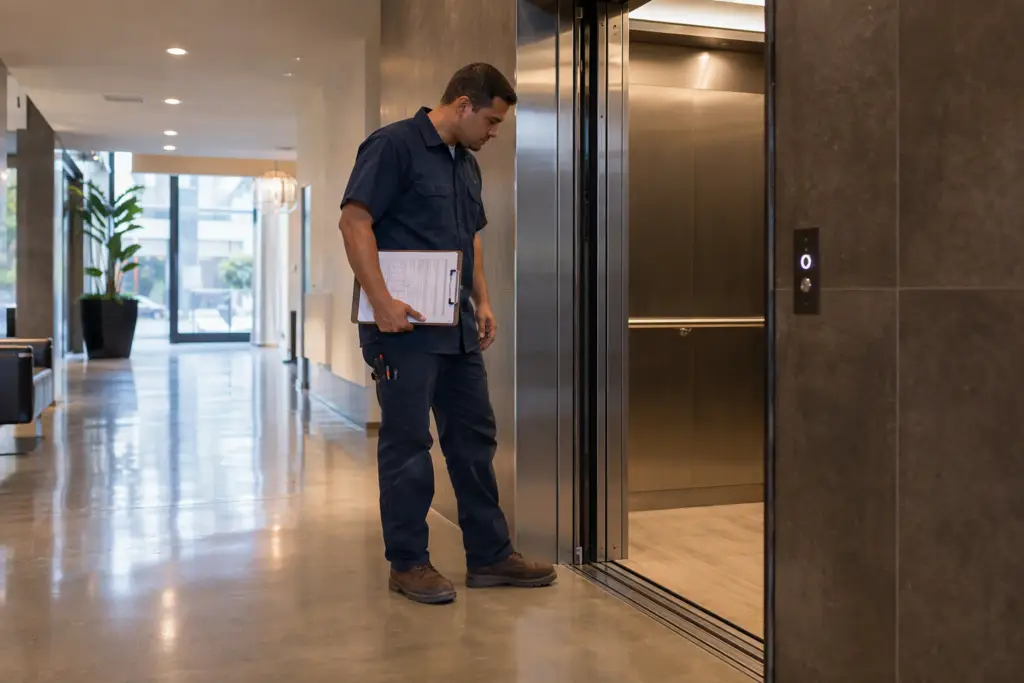
- Pre-lease assessment and inspection — Typically completed within a short scheduling window. Liftech Elevator provides written findings that a building owner can share with legal counsel and the prospective tenant.
- Permit application to Cal/OSHA Elevator Unit — Required before any alteration work begins. Plan review timelines vary by jurisdiction and project scope.
- Equipment procurement — Control systems, door operators, cab components, and accessibility hardware have lead times that vary by manufacturer and current supply conditions.
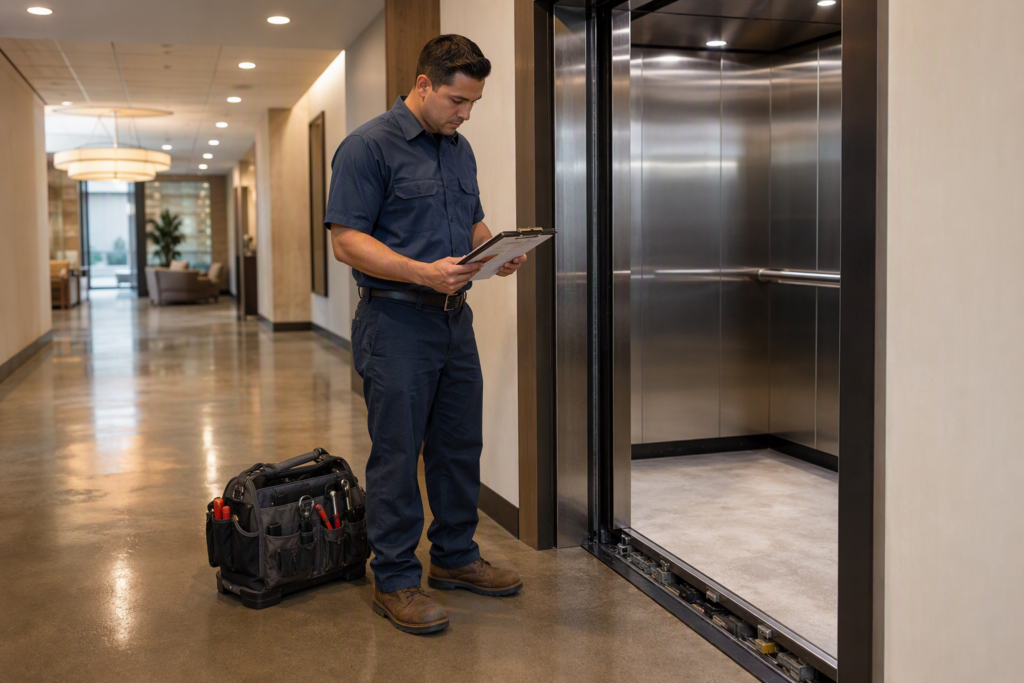
- Installation and testing — Performed by licensed elevator mechanics under permit. Work must pass a Cal/OSHA acceptance inspection before the elevator returns to service.
- Final permit close-out and documentation delivery — Completed inspection records are assembled for the tenant’s due diligence file.
A simple accessibility upgrade may be completed in weeks; a full modernization of an older traction or hydraulic system serving a multi-story medical office building can require several months from assessment to final permit. Starting early — ideally six to twelve months before a lease renewal date — avoids costly delays.
Are There Healthcare-Specific Requirements Beyond Standard Commercial Elevator Codes?
Yes. While California does not maintain a separate elevator code exclusively for healthcare buildings, several overlapping regulatory frameworks impose obligations that go beyond a standard commercial office building:
- California Department of Public Health (CDPH) and Office of Statewide Health Planning and Development (OSHPD/HCAI) — For licensed healthcare facilities, construction and alteration projects may fall under the oversight of the California Department of Health Care Access and Information (HCAI, formerly OSHPD). Elevator work in licensed facilities must comply with HCAI review processes in addition to Cal/OSHA elevator permits.
- Infection control during construction — Healthcare tenants impose strict infection control risk assessment (ICRA) protocols during any construction or maintenance work near patient care areas. Elevator work in an occupied healthcare building requires coordination with the tenant’s infection control team.
- Continuous availability requirements — Multi-story healthcare buildings with a single elevator may require a temporary alternative means of vertical transport during modernization. Planning for elevator downtime is a contractual and safety issue with healthcare tenants.
- Gurney and bariatric equipment clearance — If the tenant’s use includes patient transport, elevator cab dimensions, door widths, and capacity ratings must accommodate the tenant’s specific equipment. This is verified during the pre-lease assessment.
What Is the Role of the California Elevator Unit (Cal/OSHA) in Lease-Related Compliance?
Cal/OSHA’s Elevator, Ride, and Tramway Unit is the state agency responsible for issuing elevator permits, conducting inspections, and enforcing California’s elevator safety orders. Every elevator operating in California must hold a valid permit issued by this unit. The unit conducts periodic inspections and responds to complaints or incidents. An elevator operating without a current permit — or with unresolved violations — is subject to shutdown, which creates immediate lease default risk in a healthcare tenancy. Building owners in Long Beach, Los Angeles, Orange County, and Signal Hill should confirm their permit status and inspection history before entering lease renewal negotiations.
Questions Your Inspector Will Ask
When a Cal/OSHA elevator inspector or a pre-lease consultant visits a California healthcare building, these are the questions the equipment and documentation must answer:
- Is the operating permit current, and is it posted inside the cab?
- When was the last annual inspection, and were all findings corrected and documented?
- Is Phase I and Phase II Firefighters’ Emergency Operation installed and tested?
- Does the two-way emergency communication system connect to a staffed location?
- Are all ADA-required features — button height, Braille, door timing, cab dimensions — present and functional?
- Is lighting in the cab and at all landings meeting minimum required levels?
- Are seismic safety devices installed and verified?
- Is there a documented, ongoing maintenance program with service records?
- Have any alterations been performed under permit, with closed-out inspection records?
- For hydraulic units: is the cylinder type and containment configuration compliant with current California requirements?
- Is the machine room temperature-controlled, properly lit, and access-restricted?
How Can a Property Owner in Southern California Start the Compliance Process?
The most efficient starting point is a professional elevator assessment performed by a licensed California elevator contractor before lease negotiations are finalized. Liftech Elevator works with commercial property owners across Signal Hill, Long Beach, Los Angeles, and Orange County to document existing conditions, identify code gaps, estimate improvement scope, and coordinate permit submissions with Cal/OSHA.
A written assessment report from Liftech Elevator gives building owners the information needed to negotiate lease terms accurately, budget for required improvements, and demonstrate good faith to prospective healthcare tenants. It also creates a baseline record that protects the property owner if compliance questions arise later during the lease term.
Waiting until a healthcare tenant’s attorney raises elevator deficiencies during lease negotiation — or until Cal/OSHA issues a notice — is significantly more costly and time-consuming than proactive assessment and planning.
What Should a Building Owner Budget for Healthcare Elevator Improvements?
Scope varies too widely for a single figure to be meaningful, and costs depend on equipment age, building configuration, local labor conditions, and permit requirements. A minor accessibility update — replacing cab controls, adding Braille, adjusting door timing — carries a very different cost profile than a full traction elevator modernization or hydraulic system replacement. Liftech Elevator’s written assessment provides a clear scope of work from which accurate contractor estimates can be obtained. Obtaining this information early in lease negotiations allows landlords to address costs in lease economics rather than absorbing them as unplanned capital expenditures.
Get Your Building Ready for a Healthcare Lease Renewal
Elevator compliance is not a detail to resolve after a healthcare tenant signs. Code deficiencies, missing permits, and deferred maintenance discovered mid-negotiation delay lease closings and increase landlord costs. Contact Liftech Elevator for a free elevator assessment before your next lease renewal and get a clear picture of what your equipment needs to meet California’s healthcare occupancy standards.
Contact Liftech Elevator for a free elevator assessment: 562-609-3478
Serving Signal Hill, Long Beach, Los Angeles, and Orange County, California.
Need elevator service you can rely on? Liftech Elevator is ready to help.