Elevator Service in Signal, CA | Liftech Elevator
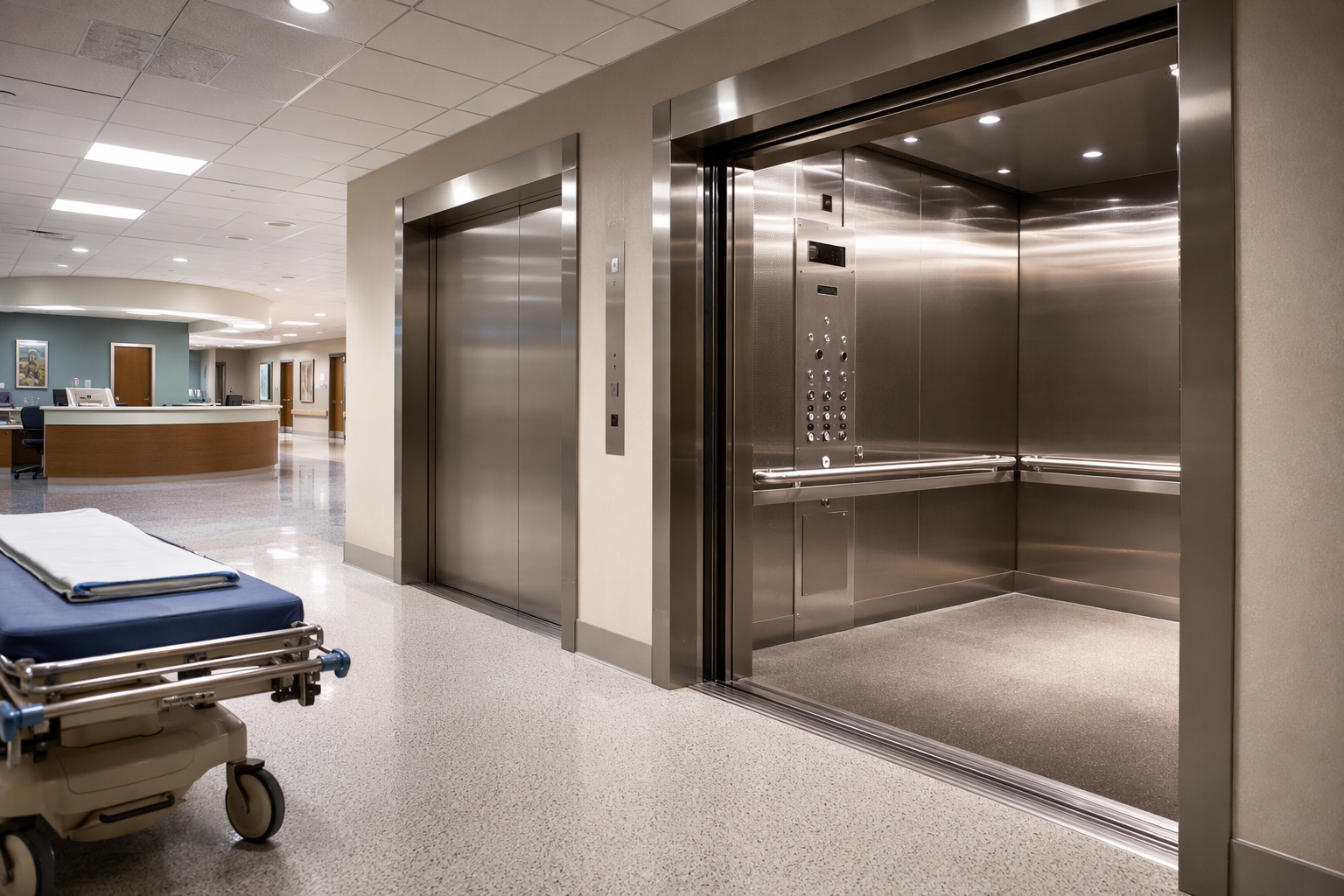
Hospital elevators operate under some of the most demanding conditions of any commercial or institutional building. In a healthcare environment, elevator downtime is not merely an inconvenience — it can directly affect patient transport, medical equipment delivery, and emergency response. Liftech Elevator serves Signal, CA and the surrounding region, providing elevator maintenance, inspections, and repair services specifically suited to the rigorous requirements of hospital and healthcare facilities.
What Are the Core Requirements for Hospital Elevators in California?
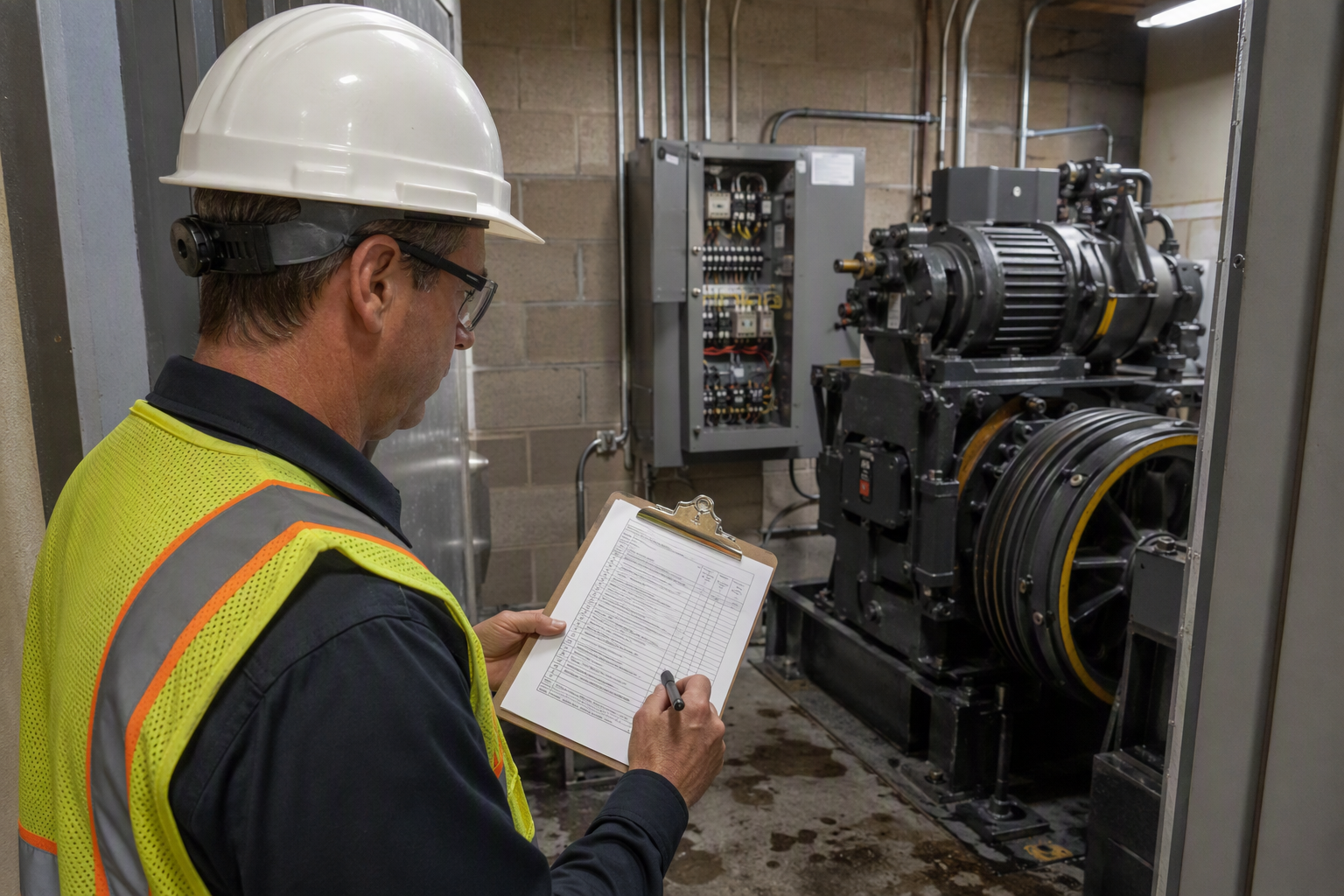
Hospital elevators in California are governed by a layered framework of federal, state, and industry standards. Facilities must align with all of the following:
- ASME A17.1 Safety Code for Elevators and Escalators: This is the foundational technical standard governing elevator construction, installation, operation, and maintenance across the United States. California adopts this standard as part of its regulatory baseline.
- California Title 8, Division 1, Chapter 4 (Elevator Safety Orders): Administered by the California Division of Occupational Safety and Health (Cal/OSHA), these orders set state-specific requirements for elevator permits, inspections, and operational safety.
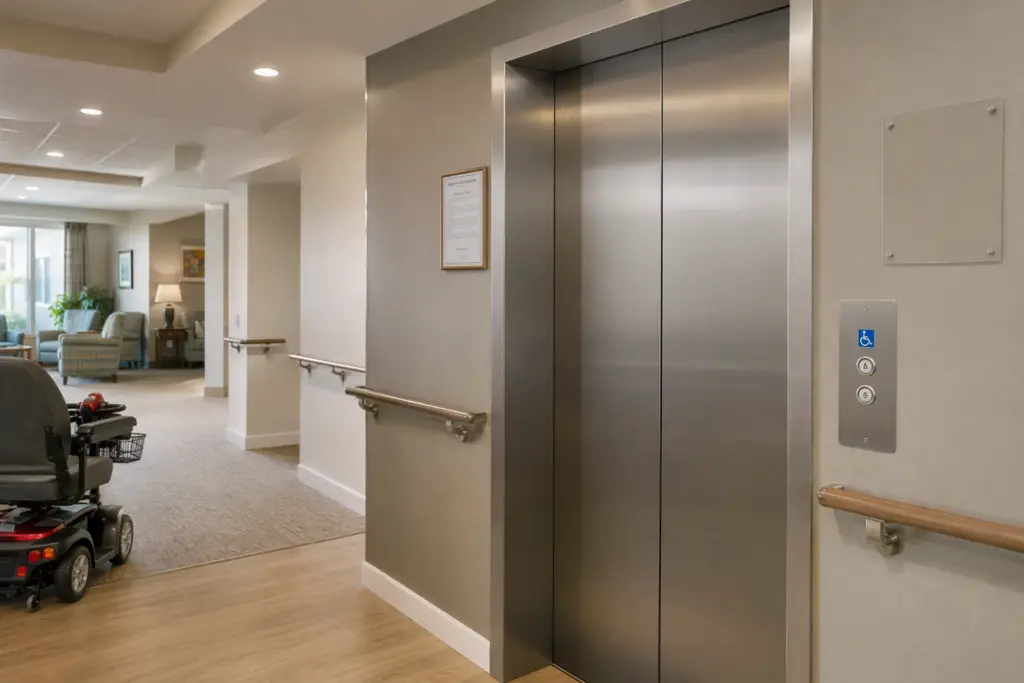
- ADA Standards for Accessible Design: Federal accessibility law requires that elevators in hospitals be fully accessible to individuals with disabilities, covering cab dimensions, door timing, controls, and signage.
- California Building Code (CBC) and OSHPD/HCAI Requirements: Hospitals designed or renovated in California must also comply with Office of Statewide Health Planning and Development (now Health Care Access and Information, HCAI) structural and seismic standards, which directly affect elevator installation and anchorage.
Taken together, these requirements mean hospital elevator programs in Signal, CA demand a maintenance partner with deep familiarity with both the national standards and California’s distinct regulatory environment.
How Often Do Hospital Elevators Need to Be Inspected in California?
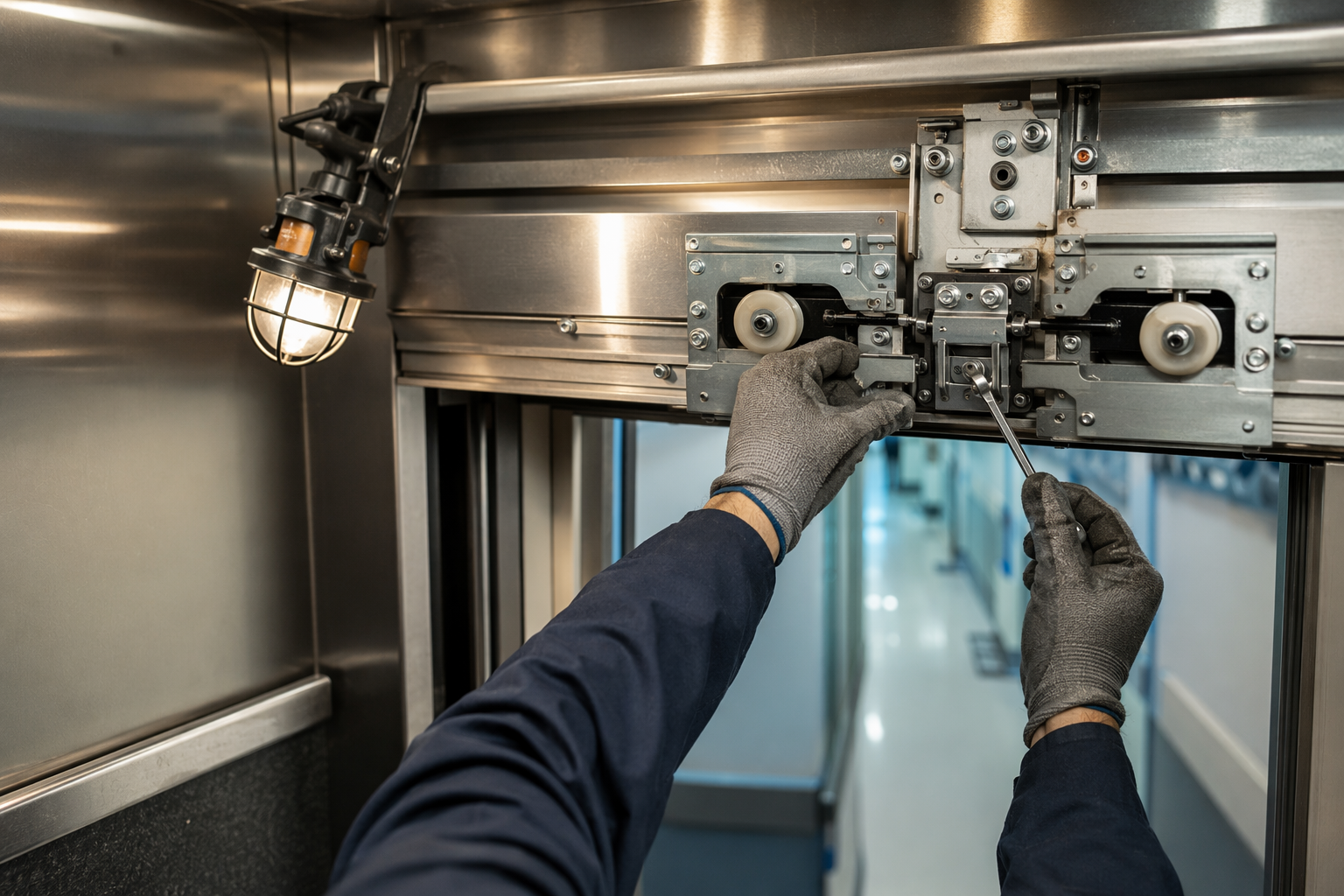
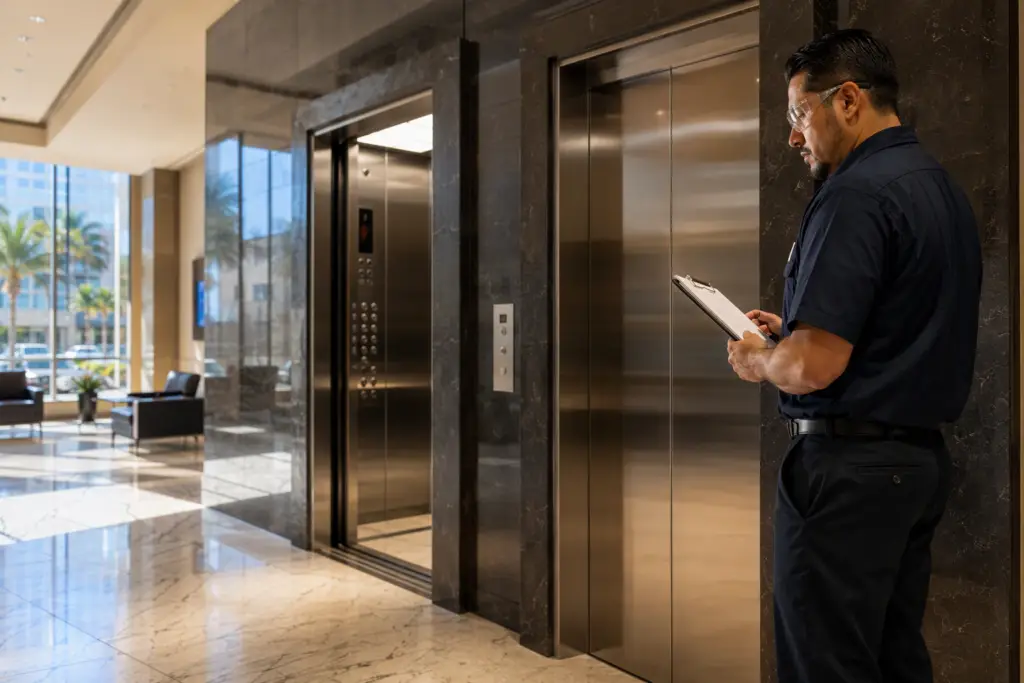
Under California’s elevator safety regulations, all elevators — including those in hospitals — are required to undergo periodic inspections conducted by a Qualified Elevator Inspector (QEI) or a Cal/OSHA-approved inspection agency. The ASME A17.1 Safety Code for Elevators and Escalators establishes the technical benchmarks that inspectors use to evaluate equipment condition and safety compliance.
Beyond state-mandated inspections, hospital administrators are strongly advised to maintain a regular preventive maintenance schedule. Planned maintenance intervals help facilities avoid unscheduled downtime, extend equipment service life, and demonstrate ongoing compliance during regulatory audits. Liftech Elevator structures maintenance agreements around the specific usage patterns and equipment types found in healthcare environments.
What Makes Hospital Elevator Maintenance Different from Standard Commercial Service?
Healthcare facilities place unique operational demands on elevator systems that standard commercial programs are not designed to address:
- Continuous high-cycle usage: Hospital elevators transport patients, staff, visitors, laundry, food service, and medical equipment around the clock — often resulting in significantly higher cycle counts than a typical office building elevator.
- Oversized and heavy loads: Stretcher-rated and bariatric-rated elevator cars must handle larger platform dimensions and heavier weight capacities, which places additional stress on drive systems, cables, and door operators.
- Infection control considerations: Maintenance technicians working in active healthcare environments are expected to follow hospital infection control protocols, including appropriate protective measures in sensitive areas.
- Emergency power integration: Hospital elevators are typically integrated with emergency generator systems. Proper maintenance must account for this interface to ensure elevators operate correctly during power interruptions.
- Fire service operation: All hospital elevators must be equipped and maintained for Phase I and Phase II fire service operations per ASME A17.1 requirements.
What Should a Hospital Do If an Elevator Breaks Down?
When an elevator goes out of service in a hospital, a clear and immediate response protocol helps protect patient safety and minimize disruption. The following steps are recommended:
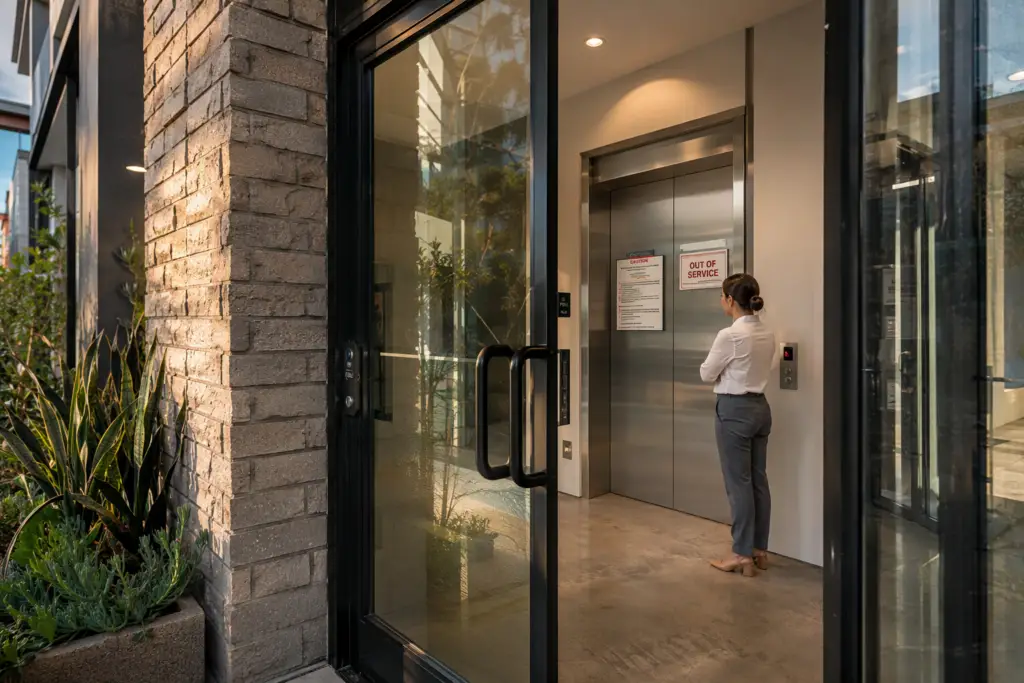
- Immediately post clear out-of-service signage on all affected floors to prevent patient or staff from attempting to use the elevator.
- Notify the hospital’s facilities management team and initiate the facility’s internal contingency plan for vertical transport.
- If any individuals are entrapped in the elevator cab, contact local emergency services (911) — do not attempt to self-rescue.
- Contact your elevator service provider to report the breakdown and request emergency response. Liftech Elevator provides emergency service availability for contracted hospital clients in the Signal, CA area.
- Document the nature of the malfunction, the time it was reported out of service, and all communications with the service provider — this information is important for regulatory recordkeeping.
- Once service is restored, verify full operational status with the responding technician before returning the elevator to patient use.
Does California Require Hospitals to Have an Elevator Maintenance Contract?
California’s elevator safety regulations and the ASME A17.1 Safety Code both establish maintenance obligations for elevator owners and operators. While the specific format of a maintenance agreement may vary, hospitals operating in California are responsible for ensuring their elevators are maintained in a safe condition and that maintenance activities are performed by qualified personnel. A formal maintenance contract with a licensed elevator service company is the most reliable way for hospital facilities teams to meet this obligation and document compliance.
What ADA Compliance Issues Are Most Common in Hospital Elevators?
Hospitals renovating older facilities or managing aging elevator equipment frequently encounter ADA compliance gaps. Common issues identified during assessments include:
- Door reopening devices that do not respond consistently to obstructions
- Control button height and reach range that fall outside ADA Standards for Accessible Design specifications
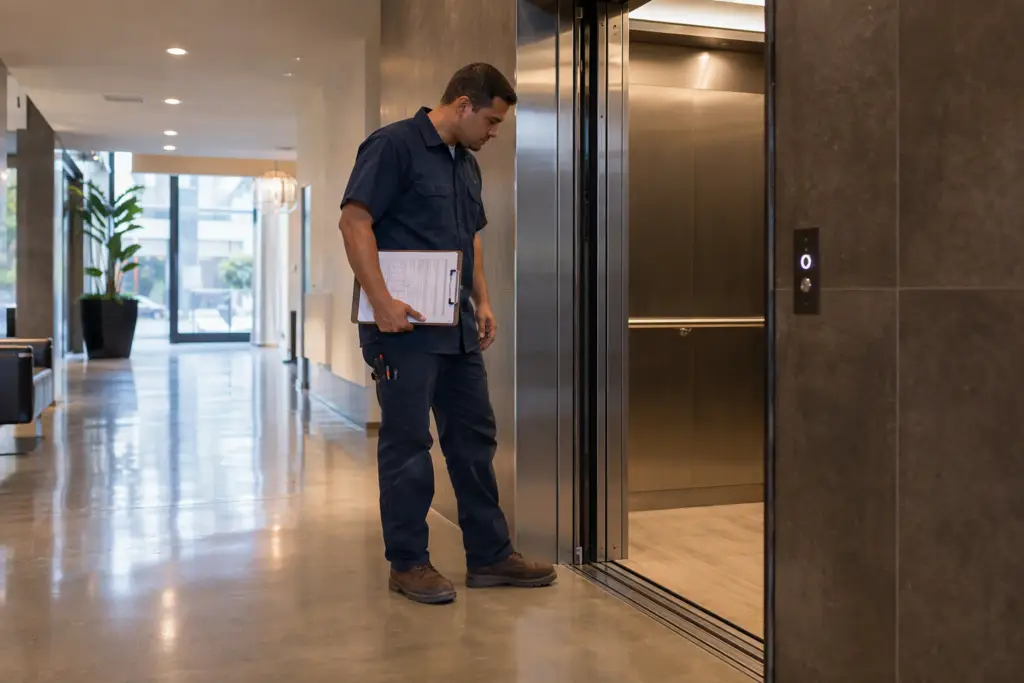
- Cab leveling tolerances that create trip hazards at floor landings — particularly relevant for wheelchair and gurney access
- Inadequate or missing auditory and visual floor indicators
- Insufficient cab interior dimensions for stretcher or power wheelchair access
Liftech Elevator conducts ADA compliance assessments for hospital clients in Signal, CA and provides remediation services to bring equipment into conformance with current 2026 standards.
How Should Hospitals Evaluate an Elevator Service Vendor?
Selecting the right elevator maintenance partner is a critical facilities management decision for any hospital. Key evaluation criteria include:
- Healthcare facility experience: Vendors should demonstrate familiarity with the unique operational, infection control, and regulatory environment of hospitals — not just general commercial elevator service.
- Scope of services: A qualified vendor should offer preventive maintenance, inspections, code compliance consulting, modernization planning, and emergency response under a single relationship.
- Local presence: A vendor based in or near Signal, CA will be better positioned to respond quickly and to maintain familiarity with local Cal/OSHA enforcement practices.
- Documentation and reporting: Hospitals require detailed maintenance logs and inspection records for accreditation bodies such as The Joint Commission. Ensure the vendor provides organized, accessible documentation.
- Multi-brand equipment capability: Hospital elevator portfolios often include equipment from multiple manufacturers. A vendor capable of servicing a range of brands reduces the need for multiple contracts.
What Elevator Modernization Options Are Available for Aging Hospital Equipment?
Many hospital elevators in the Signal, CA area are operating with control systems, drive components, or cab finishes that no longer meet current code requirements or operational expectations. Modernization does not always require full replacement. Options range from targeted component upgrades — such as replacing relay-logic controllers with microprocessor-based systems or upgrading door operators — to full cab and mechanical system overhauls. A properly planned modernization can extend equipment service life, improve energy efficiency, and bring systems into alignment with current ASME A17.1 and ADA requirements without the cost or construction disruption of a full new installation.
Liftech Elevator works with hospital facilities teams in Signal, CA to assess existing equipment conditions and develop phased modernization plans that minimize disruption to ongoing patient care operations.
Schedule a Free Consultation with Liftech Elevator
Hospitals in Signal, CA trust Liftech Elevator for compliant, reliable, and responsive elevator maintenance and service. Whether your facility needs a comprehensive maintenance program, an ADA compliance assessment, emergency repair support, or a modernization evaluation, Liftech Elevator has the local expertise and healthcare-focused service approach to meet your needs.
Contact Liftech Elevator today to schedule your free consultation: 562-609-3478
Need elevator service you can rely on? Liftech Elevator is ready to help.