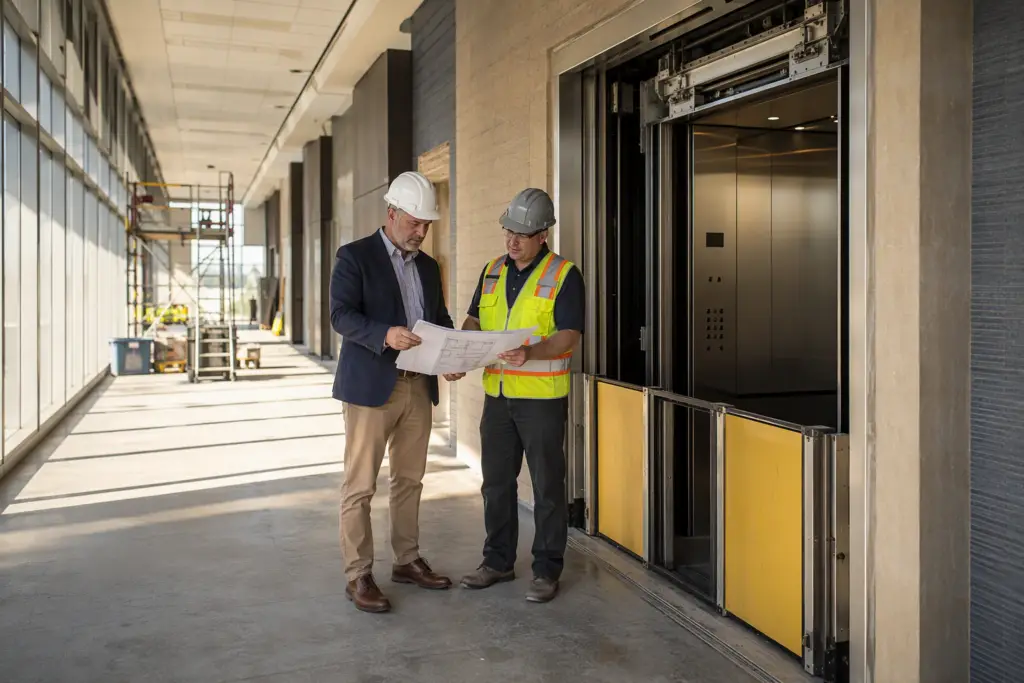
Elevator Service in Signal, CA | Liftech Elevator
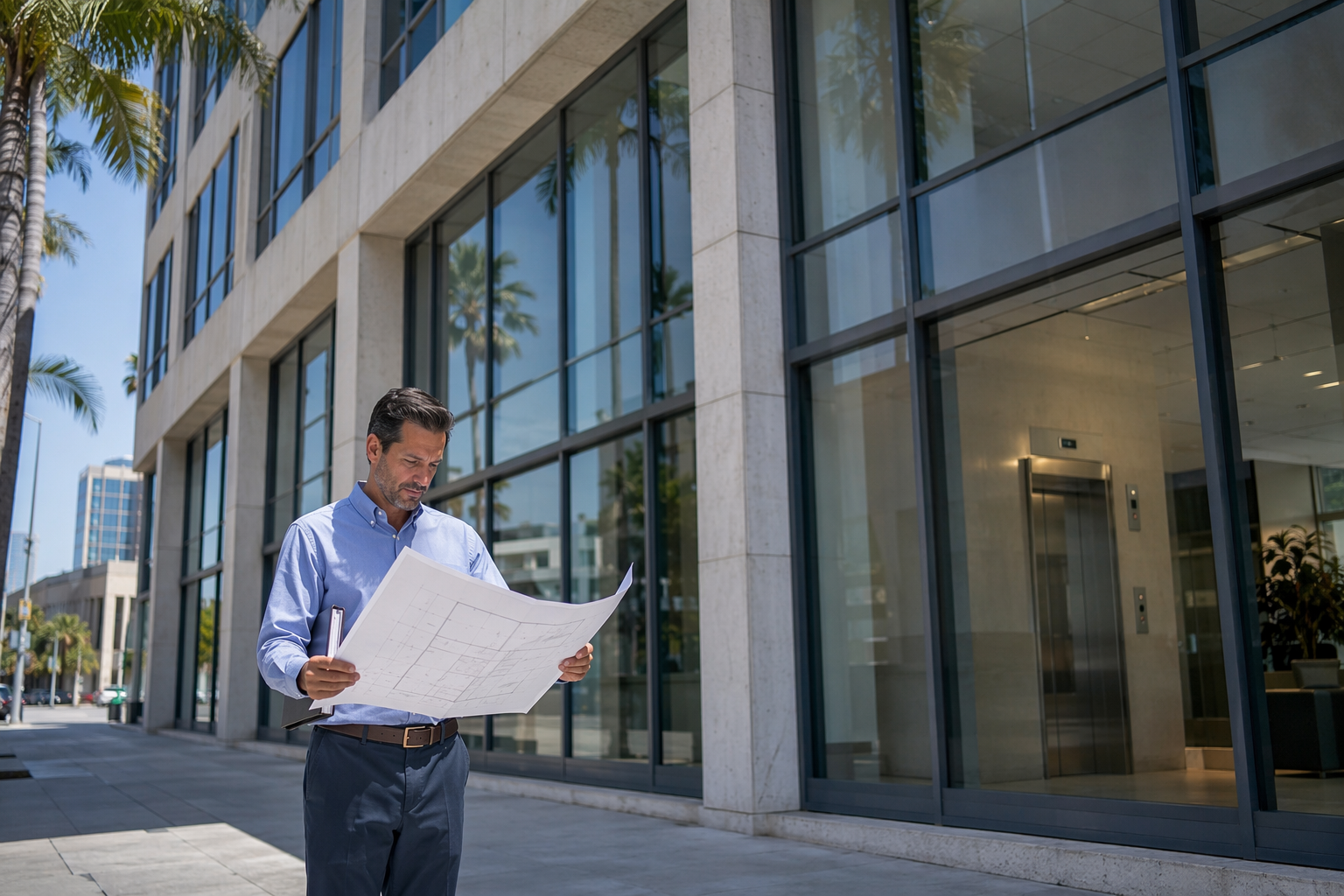
Installing a new elevator in a commercial building in Los Angeles or Orange County is a significant capital investment shaped by local building codes, California inspection requirements, ADA compliance obligations, and site-specific variables. Commercial property owners, developers, and facility managers in the Signal, CA area rely on Liftech Elevator for guidance through every phase — from initial planning and code compliance through installation, inspection, and long-term maintenance. This page addresses the full scope of questions surrounding commercial elevator installation costs and requirements across the Los Angeles and Orange County markets.
What Does It Cost to Install a New Elevator in a Commercial Building in Los Angeles or Orange County?
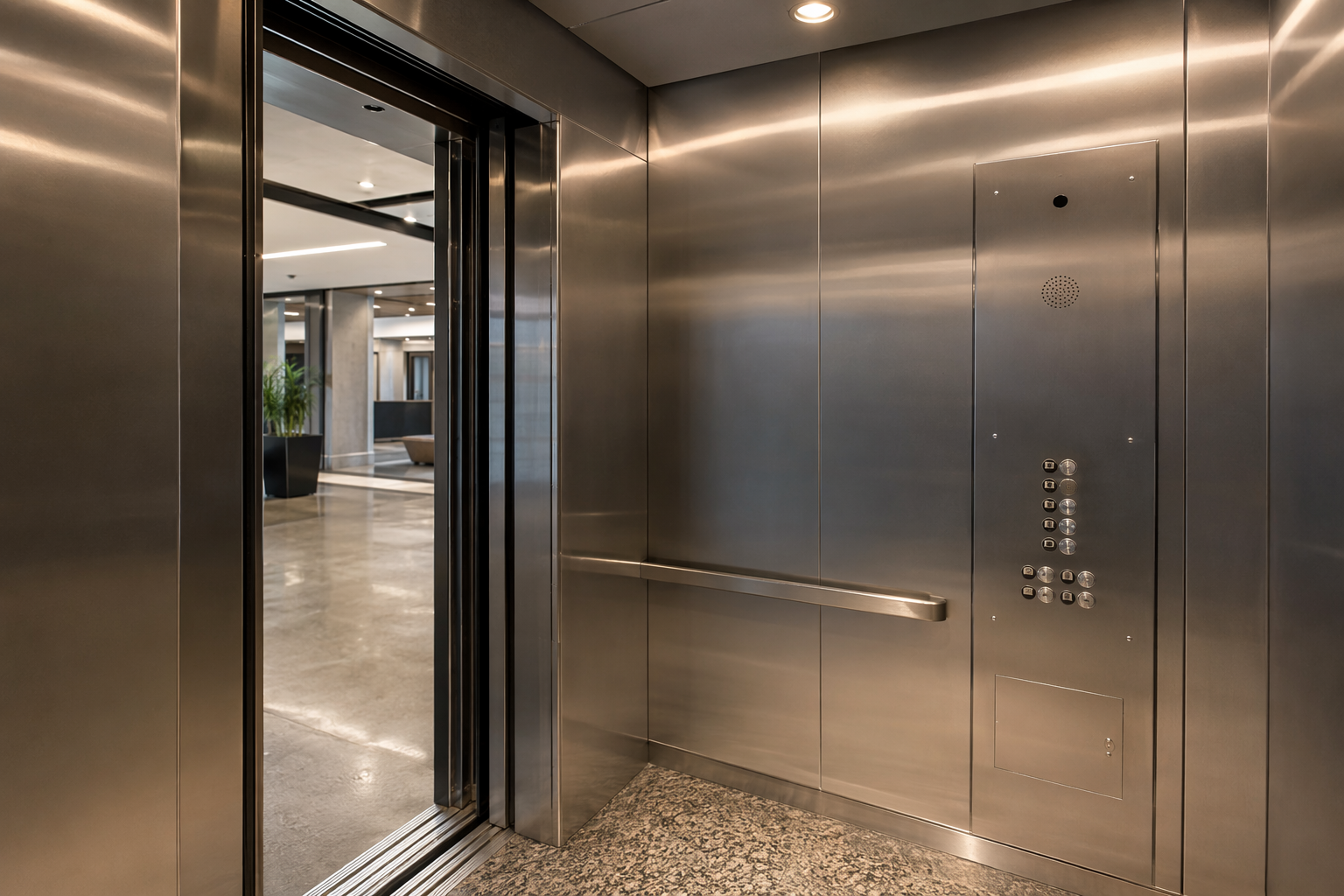
Commercial elevator installation costs in the Los Angeles and Orange County markets depend on a wide range of factors and cannot be accurately estimated without a thorough site assessment. Key variables that influence total project cost include:
- Elevator type: Hydraulic, traction (geared or gearless), machine-room-less (MRL), and pneumatic vacuum elevators each carry different equipment, installation, and long-term maintenance cost profiles.
- Building height and number of stops: A two-stop low-rise installation differs substantially in cost from a high-rise multi-stop system.
- Shaft construction: Whether a shaft already exists, needs to be retrofitted, or must be built from the ground up is often one of the most significant cost drivers in a commercial project.
- Cab size and finish level: Commercial cab interiors range from standard utility-grade finishes to custom architectural specifications, each affecting materials and labor costs.
- California code compliance work: Projects must meet California Building Code requirements and may require upgrades to electrical, structural, and fire protection systems.
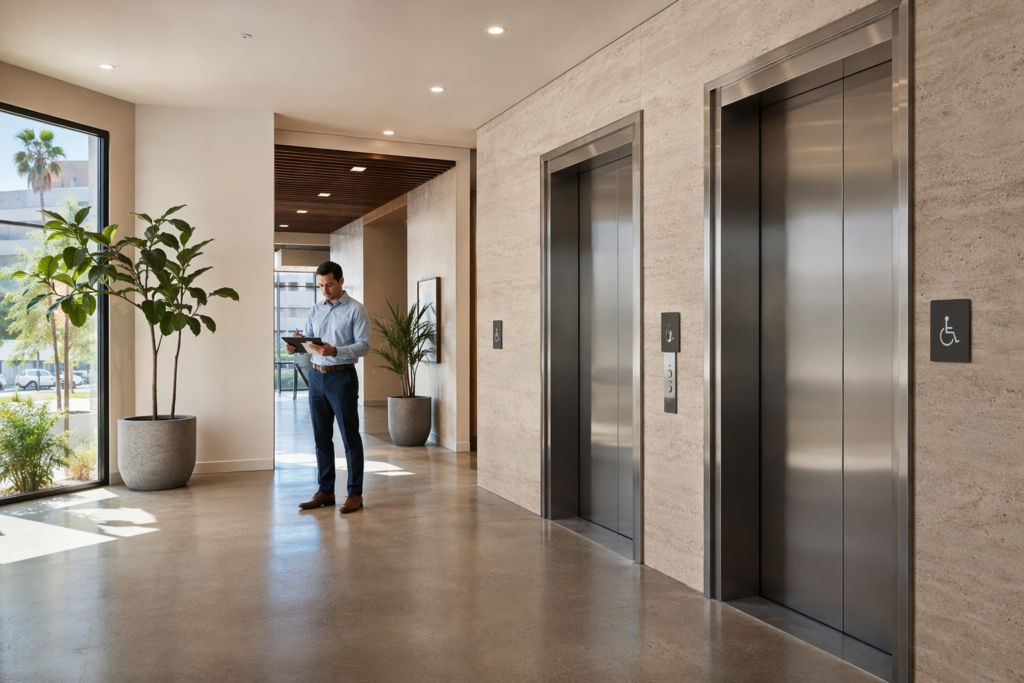
- ADA compliance: New commercial elevators serving the public must meet ADA accessibility standards, which can influence cab dimensions, control panel placement, door timing, and signage.
- Permitting and inspection fees: Los Angeles County and Orange County jurisdictions each have their own permitting structures and fees, which must be factored into the total project budget.
Because these variables interact differently on every project, Liftech Elevator offers free consultations to help property owners understand realistic cost ranges before committing to a scope of work.
What California Codes and Standards Apply to Commercial Elevator Installation?
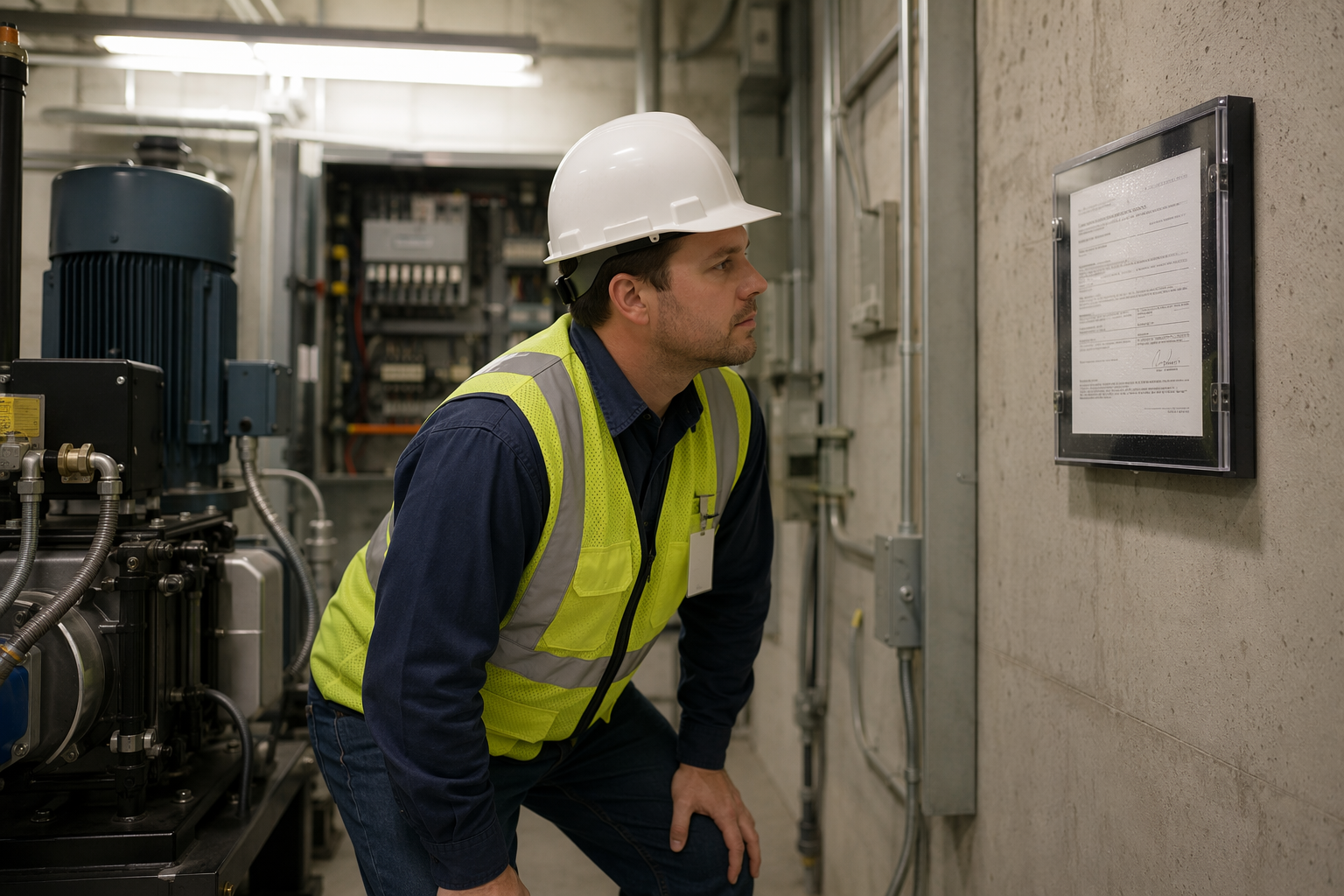
Commercial elevator installations in California are governed by a layered framework of federal and state requirements. Understanding these standards is essential for any project in Los Angeles or Orange County.
- ASME A17.1 Safety Code for Elevators and Escalators: This is the foundational national safety code covering design, construction, installation, operation, inspection, testing, maintenance, and repair of elevators. California adopts and enforces this standard.
- ASME A17.3 Safety Code for Existing Elevators and Escalators: Applies to existing installations, particularly relevant when retrofitting or modifying a commercial building.
- California Building Code (CBC): Governs structural, electrical, fire protection, and accessibility requirements that intersect with elevator installation projects.
- Americans with Disabilities Act (ADA): Federal law requiring that new commercial elevator installations serving the public meet specific accessibility criteria, including door width, cab dimensions, control height, and audible/visual signals.
- California Division of Occupational Safety and Health (Cal/OSHA) Elevator Unit: California’s elevator inspection and permitting authority oversees the licensing of elevator contractors and the inspection of all new elevator installations statewide, including those in Los Angeles and Orange County.
In 2026, property owners and developers should confirm that their project specifications align with the current adopted editions of these codes, as California periodically updates its code adoption cycle. Liftech Elevator’s team stays current with all applicable California requirements.
How Long Does Commercial Elevator Installation Take in Los Angeles or Orange County?
Project timelines for commercial elevator installation vary considerably depending on the scope of work. General factors that affect timeline include:
- Permitting processing times through the applicable local authority having jurisdiction (AHJ) — which may be a city building department or county agency depending on the project location
- Shaft construction or preparation work, which often represents the longest lead-time item on a new installation
- Equipment manufacturing and delivery lead times, which fluctuate with supply chain conditions
- Inspection scheduling with California’s elevator inspection authority
- Any required third-party special inspections mandated by the local AHJ
A realistic project timeline should be discussed during the initial consultation phase, once site conditions and permitting requirements are understood. Liftech Elevator works with clients to develop schedules that account for all California-specific approval stages.
What Types of Commercial Elevators Are Suitable for Buildings in Los Angeles and Orange County?
The Los Angeles and Orange County commercial real estate markets include a wide range of building types — from low-rise medical office buildings and retail centers to mid-rise and high-rise office towers. Common commercial elevator types include:
- Hydraulic elevators: Well-suited for low-rise commercial buildings, typically up to five or six floors, with lower upfront equipment costs but higher long-term energy consumption.
- Geared traction elevators: Appropriate for mid-rise commercial applications, offering a balance of speed, energy efficiency, and cost.
- Gearless traction elevators: The standard choice for high-rise commercial buildings requiring higher speeds and continuous-duty performance.
- Machine-room-less (MRL) traction elevators: An increasingly common choice for commercial projects where eliminating a dedicated machine room saves valuable floor space, often used in mid-rise buildings.
Selecting the appropriate elevator type depends on building height, traffic demand, available mechanical space, energy goals, and budget — all factors that a Liftech Elevator consultation will address.
What Permits and Inspections Are Required for a New Commercial Elevator in California?
Every new commercial elevator installation in California requires:
- Submission of plans and specifications to the local building department for plan check approval prior to construction.
- Issuance of a building permit by the local authority having jurisdiction (AHJ) — in Los Angeles and Orange County, this may be a city or county agency depending on project location.
- Registration with and inspection by California’s elevator inspection authority, which oversees all elevator installations in the state.
- Completion of all required inspections at specified construction milestones.
- Final inspection and issuance of an operating permit before the elevator can be placed in service.
- Ongoing periodic inspections as required by California law to maintain the operating permit in good standing.
Working with a licensed California elevator contractor such as Liftech Elevator ensures that permit applications, code-compliant drawings, and inspection coordination are handled correctly from the outset, avoiding costly delays or required rework.
Does a New Commercial Elevator in California Need to Be ADA Compliant?
Yes. New commercial elevators installed in facilities subject to the Americans with Disabilities Act must meet ADA accessibility requirements. For elevators, this includes provisions governing cab dimensions, door clear width, door timing and reopening devices, control panel layout and mounting height, floor designation signage, audible signals, and emergency communication systems. California’s own accessibility requirements under the CBC may impose additional or parallel obligations. Liftech Elevator incorporates ADA and California accessibility requirements into every new installation project.
How Do I Choose the Right Elevator Contractor for a Commercial Installation in Los Angeles or Orange County?
Selecting the right elevator contractor for a commercial project in the Los Angeles or Orange County area involves evaluating several important criteria:
- California licensure: Elevator contractors in California must hold the appropriate license through the Contractors State License Board (CSLB). Verifying licensure before engaging any contractor is essential.
- Local market knowledge: Familiarity with local AHJ requirements, permitting offices, and inspection workflows in Los Angeles and Orange County is a practical advantage that reduces delays.
- Code expertise: The contractor should demonstrate current, working knowledge of ASME A17.1, California Building Code, and ADA requirements as they apply to commercial installations.
- Full-service capability: A contractor who offers installation, maintenance, repair, and modernization services provides continuity of accountability throughout the elevator’s life cycle.
- References and project history: Requesting references from comparable commercial projects in the region allows property owners to evaluate a contractor’s track record.
Liftech Elevator serves commercial property owners, developers, building managers, and contractors throughout Signal, CA, Los Angeles County, and Orange County, providing licensed, code-compliant installation and ongoing service.
What Ongoing Maintenance and Inspection Requirements Apply After Installation?
Once a commercial elevator is in service in California, ongoing compliance obligations apply. California law requires periodic inspections and maintenance to keep a commercial elevator’s operating permit valid. Maintenance programs aligned with ASME A17.1 requirements help ensure both regulatory compliance and the safe, reliable performance of the equipment. Neglected maintenance can lead to equipment failures, regulatory violations, and operating permit suspension — outcomes that disrupt building operations and create liability exposure. Liftech Elevator provides preventive maintenance programs tailored to the requirements of commercial installations in the Los Angeles and Orange County markets.
Emergency service support is available for commercial clients experiencing elevator outages or safety concerns — contact Liftech Elevator directly to discuss service agreement options that meet your building’s operational needs.
Schedule a Free Consultation with Liftech Elevator
Understanding the true cost and scope of a commercial elevator installation in Los Angeles or Orange County begins with an on-site assessment by a knowledgeable California elevator professional. Liftech Elevator provides free consultations to commercial property owners, developers, and building managers throughout Signal, CA and the surrounding region.
Contact Liftech Elevator today to discuss your project requirements, get answers to code and compliance questions, and take the first step toward a properly planned, California-compliant commercial elevator installation.
Call Liftech Elevator: 562-609-3478
Schedule a Free Consultation
Need elevator service you can rely on? Liftech Elevator is ready to help.