Who Should I Contact for Elevator Maintenance — and How Much Does It Cost?
If you manage a commercial building, residential complex, or public facility in Southern California, elevator maintenance isn’t optional — it’s a legal requirement and a life-safety obligation. After nearly two decades in the field, I’ve seen what happens when building owners delay service calls or hire the cheapest vendor without checking credentials. This guide covers every question I hear from property managers, facility directors, and building owners who want to make smart, compliant decisions about elevator maintenance costs and contractors.
Who exactly should I contact for elevator maintenance services?
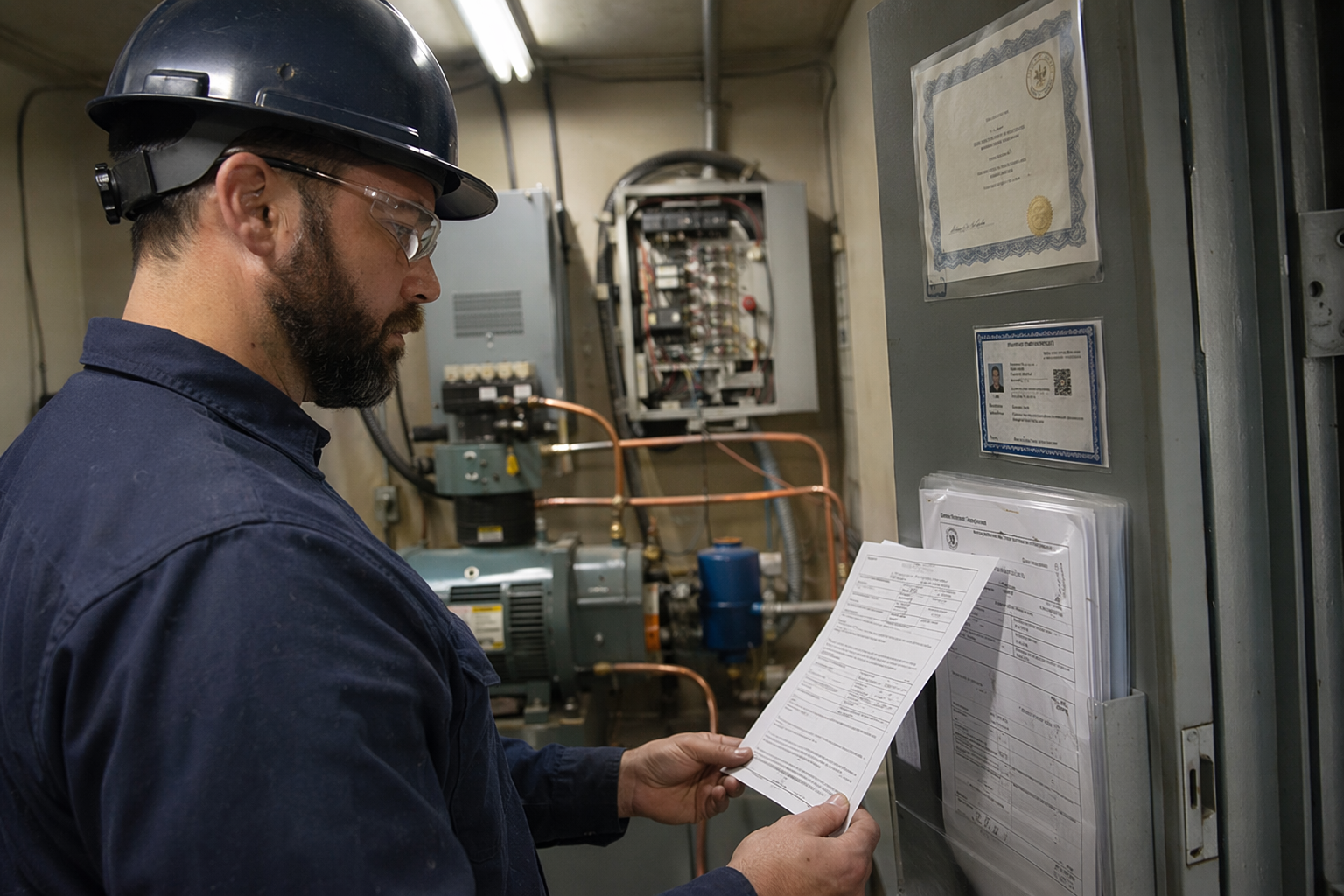
You should contact a state-licensed elevator contractor with IUEC-certified mechanics who are authorized to service elevators under California Labor Code and the California Code of Regulations, Title 8.
In California, elevator mechanics must hold a Certified Competent Conveyance Mechanic (C-11) certification issued by the Division of Occupational Safety and Health (Cal/OSHA). The contractor company must also hold a valid Elevator Contractor License through the California Department of Industrial Relations (DIR). Don’t hire a general maintenance company or a handyman for elevator work — it’s illegal, dangerous, and voids your building’s insurance coverage.
For property owners in Signal Hill, Long Beach, Los Angeles, and Orange County, Liftech Elevator is a fully licensed, insured, and IUEC-certified service provider with local technicians available for routine maintenance, emergency calls, and full modernizations.
When evaluating any vendor, ask for their DIR contractor license number and proof of IUEC membership before signing anything.
How much does elevator maintenance cost per year?
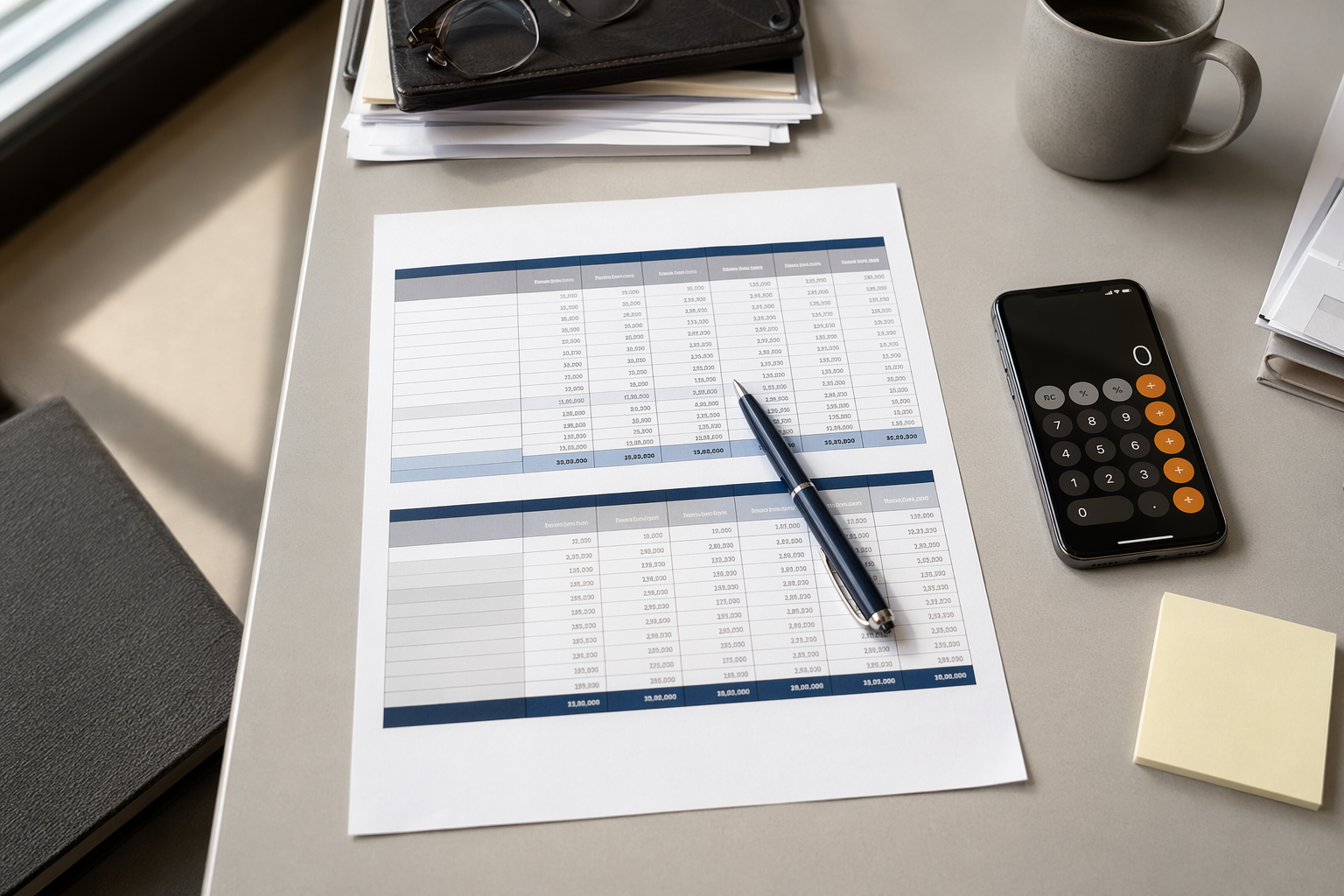
Annual elevator maintenance costs in Southern California typically range from $3,000 to $12,000+ per unit, depending on elevator type, age, usage volume, and the level of service agreement you choose.
The wide range exists because a low-traffic hydraulic elevator in a 4-story apartment building has very different demands than a high-speed traction elevator in a 30-story downtown Los Angeles office tower. Here is a realistic breakdown of what building owners actually pay in our service area:
| Elevator Type | Building Type | Avg. Annual Maintenance Cost (2026) | Monthly Estimate |
|---|---|---|---|
| Hydraulic (low-rise, <5 stops) | Apartment / Small Commercial | $3,000 – $5,500 | $250 – $460 |
| Geared Traction (mid-rise, 5–15 stops) | Office / Mixed-Use | $5,500 – $8,500 | $460 – $710 |
| Gearless Traction (high-rise, 15+ stops) | High-Rise Commercial / Hotel | $8,500 – $12,000+ | $710 – $1,000+ |
| MRL (Machine Room-Less) | Modern Mid-Rise | $4,500 – $7,000 | $375 – $585 |
| Platform Lift / LULA | ADA Compliance / Retail | $1,800 – $3,500 | $150 – $290 |
These figures reflect full-service contracts including routine inspections, lubrication, minor adjustments, and emergency callback coverage. Oil-only or basic contracts cost less upfront but expose you to higher repair bills later.
What is included in a standard elevator maintenance contract?
A standard full-service elevator maintenance contract covers routine inspections, lubrication, safety device testing, minor parts replacement, and emergency callback service — but the exact scope varies significantly between vendors.
There are three primary contract structures you’ll encounter in the industry:
- Oil-Only / Examination Contract: The cheapest option. The technician visits to inspect and lubricate, but all repairs are billed separately at labor + parts cost. These contracts look attractive on paper but can cost you significantly more over time.
- Comprehensive / Full-Service Contract: Covers inspection, lubrication, adjustments, and most parts and labor for covered repairs. This is the most common choice for busy commercial buildings and eliminates surprise invoices.
- Parts-Only Contract: A middle-ground option where parts are included but you pay labor separately. Suitable for newer elevators still under warranty.
Always read the exclusions section carefully. Items like car interiors, lighting fixtures, cab flooring, and major modernization components are almost always excluded from even comprehensive contracts. Ask your vendor to walk through every exclusion before signing.
How often is elevator maintenance legally required in California?
In California, elevators must be inspected and maintained at intervals established by Cal/OSHA under Title 8, Section 3001 of the California Code of Regulations — with most conveyances requiring a full inspection at least once every 12 months and a periodic inspection every 6 months.
Beyond the state minimum, the ASME A17.1 Safety Code for Elevators and Escalators — the national standard adopted in California — establishes a detailed maintenance schedule that responsible contractors follow between inspection cycles. This includes monthly, quarterly, and semi-annual tasks depending on component type.
In high-traffic environments like hospitals, airports, or large shopping centers in Los Angeles or Orange County, best practice is monthly preventive maintenance visits rather than the minimum required. Skipping routine service between inspections is where most major breakdowns originate — I’ve seen $40,000 repair bills that started with a missed quarterly lubrication.
What happens if I don’t maintain my elevator on schedule?
Failing to maintain your elevator on a proper schedule exposes you to Cal/OSHA citations, equipment shutdown orders, personal injury liability, and potential criminal negligence charges if a passenger is harmed.
In California, an elevator operating without a current Certificate of Inspection is in violation of Labor Code Section 7304. Cal/OSHA can post a notice to stop use — effectively shutting down your elevator immediately, which in a multi-story building can trigger ADA compliance violations simultaneously. Fines range from $1,000 to $25,000+ per violation depending on severity and history.
Beyond legal exposure, the financial math is stark: a $6,000/year maintenance contract versus a $45,000+ emergency replacement of a hydraulic power unit that failed due to neglect. I’ve seen both scenarios play out in Long Beach office buildings, and the math always favors proactive maintenance.
Are elevator maintenance costs tax deductible for commercial property owners?
Yes — elevator maintenance costs are generally fully deductible as ordinary and necessary business expenses under IRS Section 162, and certain capital improvements to elevators may qualify for Section 179 expensing or bonus depreciation in 2026.
Routine maintenance contracts, inspection fees, and repair labor are typically treated as operating expenses and deducted in the year incurred. However, if a repair constitutes a “betterment” or “restoration” under IRS Tangible Property Regulations (§1.263(a)-3), it may need to be capitalized. Always consult your CPA on the specific treatment — but in my experience, most building owners in Los Angeles and Orange County are leaving deductions on the table by not documenting their elevator maintenance spending properly.
How do I compare elevator maintenance vendors in Southern California?
Compare elevator maintenance vendors on five criteria: state licensing and insurance, IUEC certification of mechanics, local response time guarantees, contract transparency, and references from similar building types in your area.
Here is a practical comparison framework:
| Evaluation Criteria | What to Ask / Look For | Red Flags |
|---|---|---|
| Licensing | DIR Elevator Contractor License number | Can’t provide license number on request |
| Mechanic Certification | IUEC card or C-11 certification proof | “We use licensed subcontractors” |
| Response Time | Written SLA for emergency calls (ideally 2–4 hrs) | No written guarantee, vague “best effort” |
| Contract Terms | Clear exclusions list, no automatic renewal traps | Multi-year lock-ins with steep exit penalties |
| Local Presence | Technicians based in your service area | Dispatched from 60+ miles away |
| Parts Availability | In-house parts inventory or supplier relationships | Long lead times cited for common parts |
Liftech Elevator publishes transparent contract terms with no hidden auto-renewal clauses and maintains local technician presence throughout Signal Hill, Long Beach, Los Angeles, and Orange County — meaning our average emergency response time is under 3 hours for contracted clients.
What does an emergency elevator service call cost?
Emergency elevator service calls in Southern California typically cost between $250 and $600 for the initial callout, plus $95–$175 per hour for labor, with after-hours, weekend, and holiday rates running 1.5–2x the standard rate.
If you have a comprehensive maintenance contract, emergency callbacks during normal business hours are usually included at no additional charge. After-hours emergency responses may still carry a premium even under contract. This is one of the most important contract terms to negotiate — a building in downtown Long Beach with a passenger entrapment at 11 PM on a Friday needs a fast, affordable response, not an invoice surprise.
For non-contracted buildings, a single emergency call including parts can easily reach $1,500–$3,000. Running the math, a maintenance contract often pays for itself after just one or two avoided emergency calls per year.
How much does elevator modernization cost versus ongoing maintenance?
Elevator modernization in California typically costs $50,000 to $200,000+ per unit depending on scope, and is often more cost-effective than continuing to maintain aging equipment beyond its service life.
Industry rule of thumb: when annual repair costs exceed 50% of the modernization cost, it’s time to modernize. I use this benchmark with property managers throughout Los Angeles and Orange County who are running 30–40-year-old hydraulic systems. The tipping point is usually a combination of parts obsolescence, increasing downtime, and Cal/OSHA pressure to bring older equipment into ASME A17.1-2022 compliance.
Modernization also triggers ADA compliance requirements under Title III of the Americans with Disabilities Act — any significant alteration to an elevator must bring the unit into current ADA accessibility standards. Budget for this in your modernization cost estimate.
Does elevator type affect maintenance cost significantly?
Yes — elevator type is one of the biggest cost drivers, with hydraulic elevators generally costing less to maintain than traction systems but carrying higher long-term environmental and repair costs due to oil management requirements.
Hydraulic elevators require periodic oil sampling and disposal (a regulated process under California environmental law), cylinder inspections, and pump motor maintenance. Traction elevators — both geared and gearless — have more complex control systems, sheaves, ropes, and safeties that require more skilled labor to service. MRL (machine room-less) traction elevators, increasingly common in new Los Angeles construction, require specialized training and often proprietary diagnostic tools that not all contractors can access.
When budgeting maintenance for a mixed elevator portfolio — say, a property management company with hydraulic units in Signal Hill and gearless traction units in Downtown LA — expect a significant per-unit cost differential and factor that into your portfolio-level maintenance budget.
What specific maintenance tasks are required under ASME A17.1?
Under ASME A17.1, elevator maintenance must include examination and testing of all safety devices, door systems, hoistway equipment, machine and control spaces, and pit conditions — with specific tasks categorized by maintenance interval from monthly to annually.
Key required maintenance tasks include:
- Monthly: Door operation and safety edge testing, car lighting, emergency communication systems, pit sump pump operation
- Quarterly: Lubrication of guide rails, car and counterweight buffers check, governor rope tension
- Semi-Annual: Brake adjustment and lining inspection, hydraulic fluid level and condition, leveling accuracy
- Annual: Full safety test per Cal/OSHA Periodic Test requirements, governor trip speed test, pressure relief valve test (hydraulic), emergency brake test
- 5-Year: Full-load, rated-speed safety test (where applicable), hydraulic cylinder integrity test
A contractor who can’t show you a written maintenance log documenting these tasks is not in compliance — and your building isn’t either. Request maintenance logs at every visit.
How does elevator usage volume affect maintenance needs and cost?
Higher usage volume — measured in door cycles and starts per day — accelerates component wear and directly increases the maintenance labor and parts cost required to keep your elevator in safe, reliable condition.
Industry benchmarks suggest door operators in high-traffic buildings (500+ door cycles/day) require adjustment or replacement of components two to three times more frequently than low-traffic residential elevators (under 50 cycles/day). If you manage a busy medical office building in Orange County or a retail complex in Long Beach, you should be scheduling maintenance visits more frequently than the minimum code requirement — and negotiating a contract that reflects that reality rather than a one-size-fits-all price.
What questions should I ask before signing an elevator maintenance contract?
Before signing any elevator maintenance contract, ask about contract term length, automatic renewal clauses, exact scope of inclusions and exclusions, emergency response time guarantees, and the specific technician’s certifications.
Here is my full checklist refined over 17 years of working both as a technician and advising clients on vendor selection:
- What is your DIR Elevator Contractor License number?
- Are all mechanics IUEC-certified or hold a California C-11 certification?
- What is the written emergency response time SLA?
- Are emergency callbacks during business hours included at no charge?
- What is the after-hours emergency rate?
- What parts are explicitly excluded from the contract?
- Is there a cap on included repair costs per year?
- How long is the contract term, and what are the exit penalties?
- Will the same technician service my equipment each visit?
- How do you document maintenance tasks and provide records for Cal/OSHA inspections?
How do California elevator inspection requirements differ from federal standards?
California enforces its own elevator safety program through Cal/OSHA under the Elevator Safety Labor Code (Sections 7300–7324), which runs parallel to but is distinct from federal ASME A17.1 standards — with California’s requirements often being stricter in specific areas including hydraulic cylinder testing and seismic safety.
California is a “state plan” state for elevator safety, meaning Cal/OSHA administers its own inspection program rather than relying on federal OSHA. The state has adopted ASME A17.1 as its base standard but layered additional requirements on top, particularly around:
- Seismic safety: California has specific seismic switch requirements for elevators in Seismic Risk Zone 2 and above
- Hydraulic cylinders: Single-bottom hydraulic cylinders installed before 1972 face mandatory replacement requirements
- Periodic testing: Cal/OSHA periodic test intervals and witnessing requirements differ from ASME minimums
- Inspector licensing: California requires QEI (Qualified Elevator Inspector) certification for all inspection personnel
Building owners in Los Angeles and Orange County dealing with aging equipment need a maintenance contractor who understands both the federal and state-specific requirements — not just a national provider applying cookie-cutter ASME checklists.
What is the difference between elevator maintenance and elevator repair costs?
Maintenance costs are predictable, scheduled expenditures that prevent failures, while repair costs are reactive expenses triggered by component failures — and reactive repair costs almost always far exceed what proactive maintenance would have cost.
To put real numbers on this distinction: replacing a hydraulic pump unit because of neglected fluid maintenance costs $8,000–$15,000 in parts and labor. The quarterly fluid inspection that would have caught the early signs of pump wear costs roughly $150 in technician time. A burned-out traction motor on a mid-rise office elevator in Los Angeles can cost $20,000–$35,000 to replace — preventable with proper load monitoring and lubrication included in any standard maintenance visit.
From an asset management perspective, maintenance is not a cost center — it is capital preservation for an asset that, properly maintained, has a service life of 25–40 years.
Are there additional costs I should budget for beyond the maintenance contract?
Yes — beyond the base maintenance contract, budget for annual Cal/OSHA inspection fees, permit renewals, category testing (5-year load tests), and any ADA-required upgrades triggered by alterations or change of building use.
Here is a realistic supplementary cost budget for a typical mid-rise commercial building in Los Angeles County in 2026:
- Cal/OSHA Annual Permit (per unit): $150 – $400
- QEI Inspection Fee (annual): $300 – $700 per unit
- Category 1 Test (annual, witnessing fee): $200 – $500
- Category 5 Test (5-year, full-load safety test): $1,500 – $3,500 per unit
- Hydraulic oil disposal and replacement: $400 – $900 per service
- Seismic switch testing/update (if required): $500 – $2,000
Many building owners only budget for the maintenance contract line item and get surprised when the Category 5 test bill arrives. Build these into your 5-year capital plan from day one.
How do I know if my elevator maintenance contractor is actually doing the work?
Require written maintenance logs signed by the technician at every visit, review them against the ASME A17.1 task requirements, and cross-reference documentation with your Cal/OSHA inspection records.
In California, maintenance records must be kept in the machine room or a designated location accessible to Cal/OSHA inspectors. If your contractor is not leaving behind a detailed log of every task performed at each visit, that is both a compliance gap and a performance red flag. Ask to see the last 12 months of maintenance logs before signing any new contract — a reputable contractor will provide them without hesitation. A contractor who can’t produce records is a contractor who isn’t doing the work.
Digital maintenance platforms that provide real-time reporting and cloud-accessible logs are increasingly common among quality contractors in 2026 — ask your vendor if they offer this capability.
What is the best elevator maintenance contract structure for apartment buildings in California?
For residential apartment buildings in California, a comprehensive full-service contract with included emergency callback service and a response time guarantee is almost always the best value structure — because unplanned downtime in a residential building creates immediate habitability concerns and legal exposure under California Civil Code.
California landlords have specific obligations under Civil Code Section 1941 to maintain rental units in a habitable condition — and in a multi-story building, a non-functional elevator with elderly or disabled tenants can constitute a habitability violation. I’ve worked with apartment owners in Signal Hill and Long Beach who faced tenant complaints and legal action after elevator downtime exceeded 24 hours. A comprehensive contract with a written 4-hour emergency response guarantee eliminates most of that risk.
For buildings with just one elevator, consider negotiating a temporary lift solution or provision into your contract — some contractors (including Liftech Elevator) can provide interim access solutions while major repairs are underway.
How can building owners in Los Angeles and Orange County reduce elevator maintenance costs without cutting corners?
Building owners can legitimately reduce elevator maintenance costs by consolidating multi-unit contracts with a single vendor, scheduling proactive modernizations before emergency failures occur, training building staff on proper elevator use protocols, and reviewing contract terms annually to eliminate unused coverage.
Specific cost-reduction strategies that work in practice:
- Portfolio consolidation: If you own multiple buildings, consolidating all units under one vendor contract typically yields 10–20% volume discounts
- Preventive modernization: Replacing aging components proactively (controllers, door operators) before failure avoids emergency repair premiums
- Tenant education: Door obstruction misuse is the #1 cause of door operator damage — a simple tenant notice can reduce service calls measurably
- Annual contract review: Coverage levels appropriate for a 10-year-old elevator are different from a 25-year-old unit — renegotiate as equipment ages
- Competitive rebidding: Request competing bids every 3–5 years even if satisfied with your current vendor — the market pressure alone often yields price adjustments
Why should I choose Liftech Elevator for maintenance service in Southern California?
Liftech Elevator combines IUEC-certified local technicians, transparent contract terms, rapid emergency response, and deep knowledge of California-specific elevator regulations — making it the practical choice for property owners who can’t afford downtime or compliance surprises.
With service coverage across Signal Hill, Long Beach, Los Angeles, and Orange County, Liftech Elevator maintains local parts inventory and technician dispatch that means faster response times than national chains dispatching from regional hubs. Our contracts are written in plain language with clear exclusions lists — no buried auto-renewal traps or surprise escalation clauses.
More importantly, we bring 15+ years of hands-on experience with the specific elevator inventory common in Southern California’s aging commercial and residential building stock — the hydraulic systems in Long Beach’s mid-century apartment complexes, the aging traction units in downtown LA office towers, and the newer MRL systems going into Orange County mixed-use developments. That local knowledge shortens diagnostic time and reduces your repair costs.
Get Your Free Elevator Assessment Today
Whether you’re evaluating your current maintenance contract, dealing with an aging elevator system, or navigating a Cal/OSHA inspection requirement, Liftech Elevator is ready to help with honest, expert guidance — no sales pressure, no jargon.
Contact Liftech Elevator for a free elevator assessment. We serve property owners and facility managers throughout Signal Hill, Long Beach, Los Angeles, and Orange County.
Call us today: 562-609-3478
Our IUEC-certified technicians are available for consultations, emergency service, and comprehensive maintenance contract reviews. Let’s make sure your elevator is safe, compliant, and cost-efficiently maintained in 2026 and beyond.
References and Regulatory Sources:
California Code of Regulations, Title 8 — Section 3001, Elevator Safety Orders
ASME A17.1 Safety Code for Elevators and Escalators — www.asme.org
ADA Title III Accessibility Requirements — www.ada.gov
California Labor Code Sections 7300–7324 — California DIR Elevator Safety Program
IRS Publication 535 — Business Expenses (2026 Edition)