Apartment Building Elevator Maintenance Requirements: Codes, Compliance & Best Practices
Elevator maintenance in a residential apartment building is not optional — it is a legal, safety, and operational obligation. Building owners who allow maintenance to lapse risk regulatory fines, equipment shutdowns, resident injury liability, and significant unplanned repair costs. This page covers every dimension of apartment building elevator maintenance requirements, from the governing codes and inspection schedules to compliance documentation, vendor selection, and trends shaping the industry through 2025–2026.
What Federal and Industry Codes Govern Apartment Elevator Maintenance?
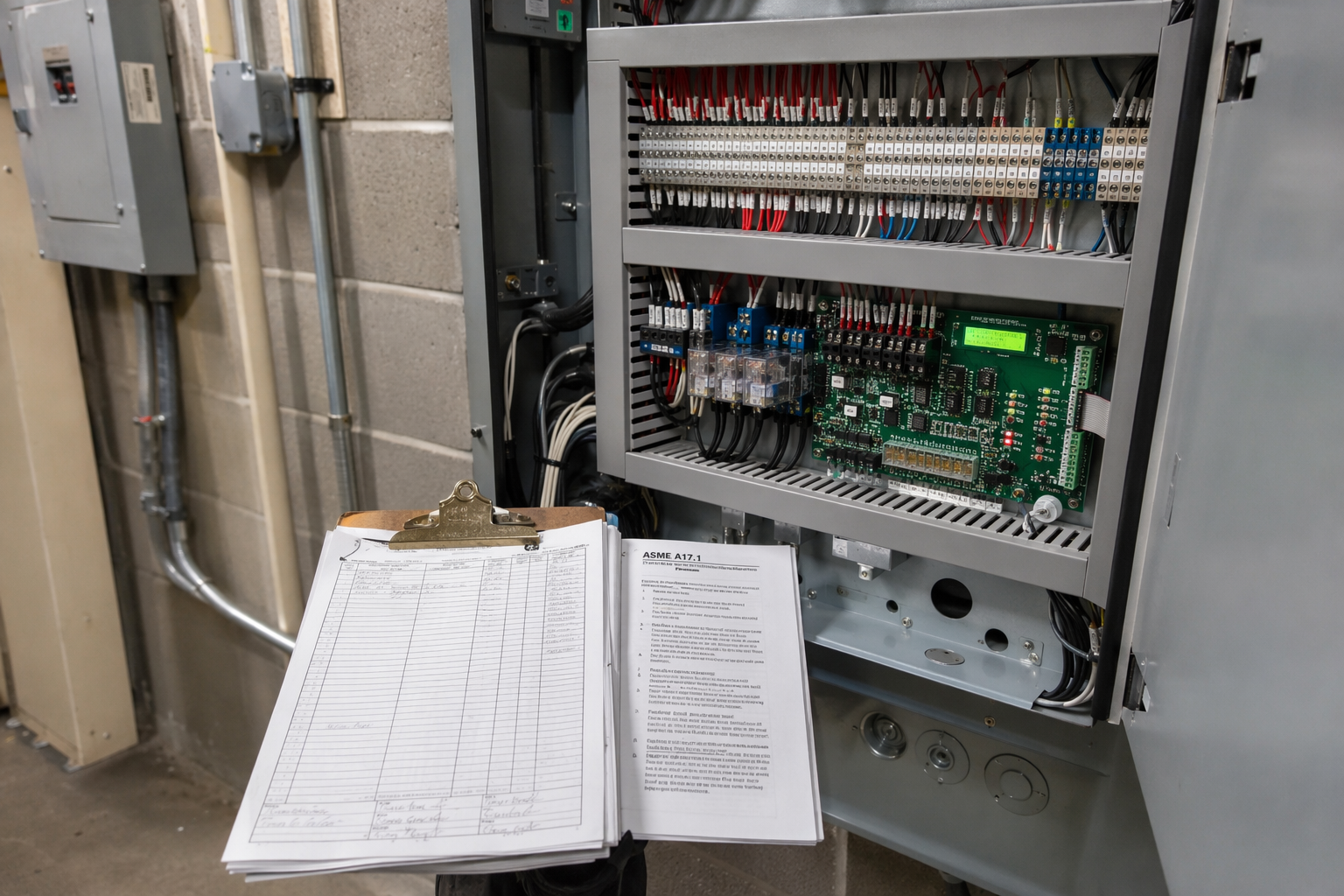
The primary governing standard for elevator safety in the United States is the ASME A17.1 Safety Code for Elevators and Escalators. This code, developed by the American Society of Mechanical Engineers, establishes minimum requirements for the design, construction, operation, inspection, testing, maintenance, alteration, and repair of elevators and related conveyances.
ASME A17.1 is a model code, meaning it does not have force of law on its own. Instead, individual states, counties, and municipalities adopt it — with or without amendments — into their local statutes. The result is a patchwork of local regulations that all reference the same foundational ASME standard. Building owners must verify which edition of ASME A17.1 their jurisdiction has adopted and whether local amendments impose stricter requirements.
For accessibility compliance, the Americans with Disabilities Act (ADA) imposes requirements on elevators that serve as the accessible means of vertical travel in buildings subject to ADA coverage. While the ADA primarily addresses design standards, an elevator that is out of service due to deferred maintenance can constitute an ADA accessibility violation for buildings that rely on that elevator to meet their accessible route obligations.
Workplace safety during elevator maintenance operations falls under the jurisdiction of the Occupational Safety and Health Administration (OSHA), which sets standards for the protection of maintenance technicians working in elevator pits, on top of cars, and in machine rooms.
How Often Must Apartment Building Elevators Be Inspected?
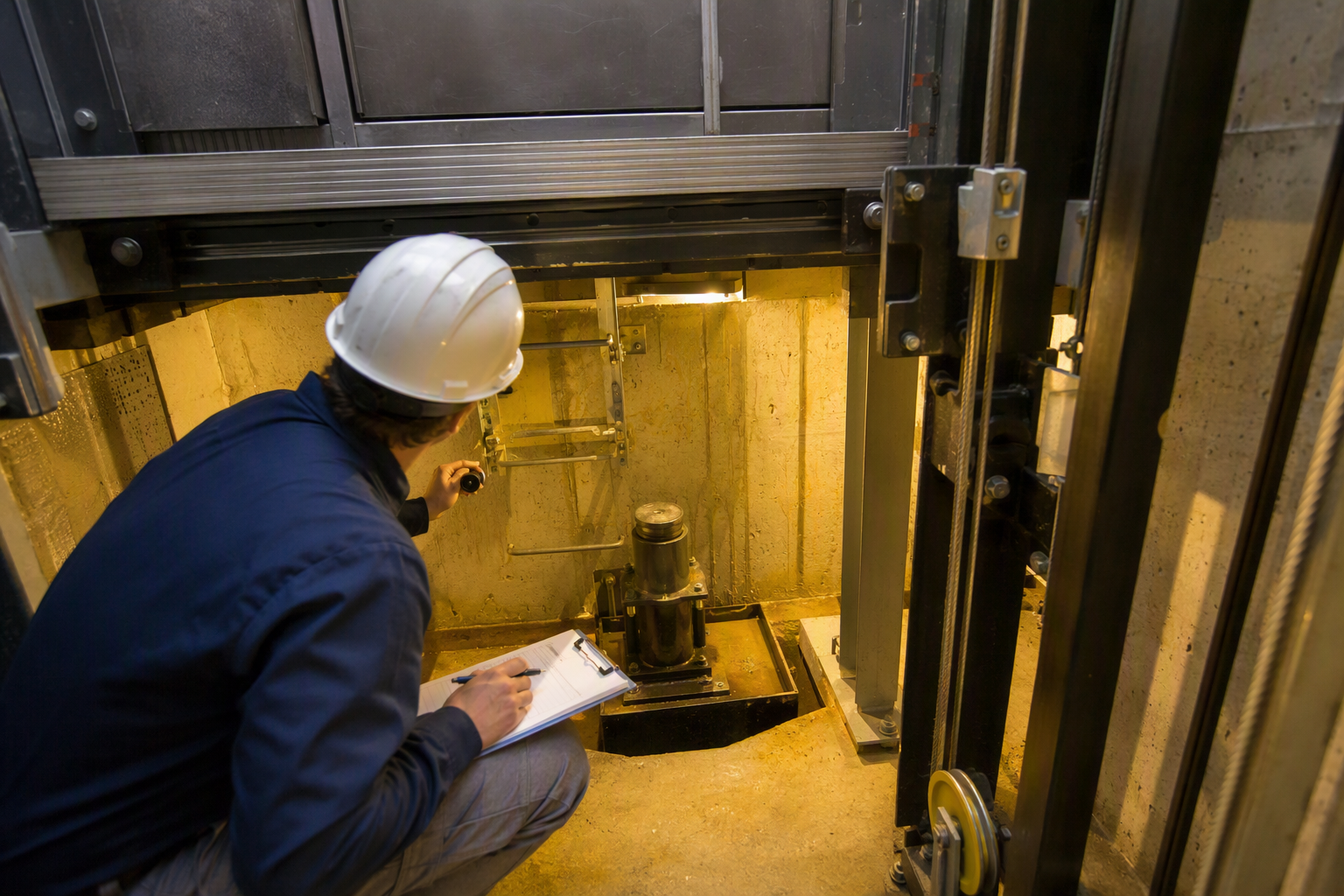
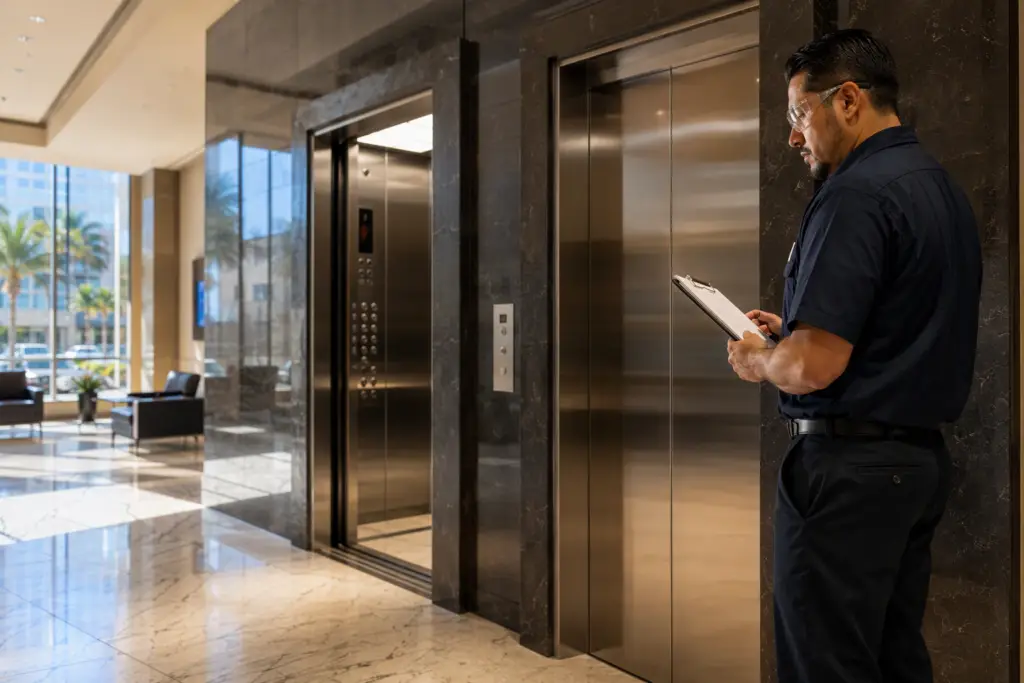
Under the ASME A17.1 Safety Code for Elevators and Escalators, elevators are subject to two distinct categories of inspection and testing: periodic inspections and periodic tests. The code distinguishes between routine inspections, which typically occur on an annual basis, and more involved category tests (Category 1, Category 3, and Category 5 tests for hydraulic elevators, and similar category tests for traction elevators) that occur on longer cycles — some annually, some every three years, and some every five years depending on equipment type.
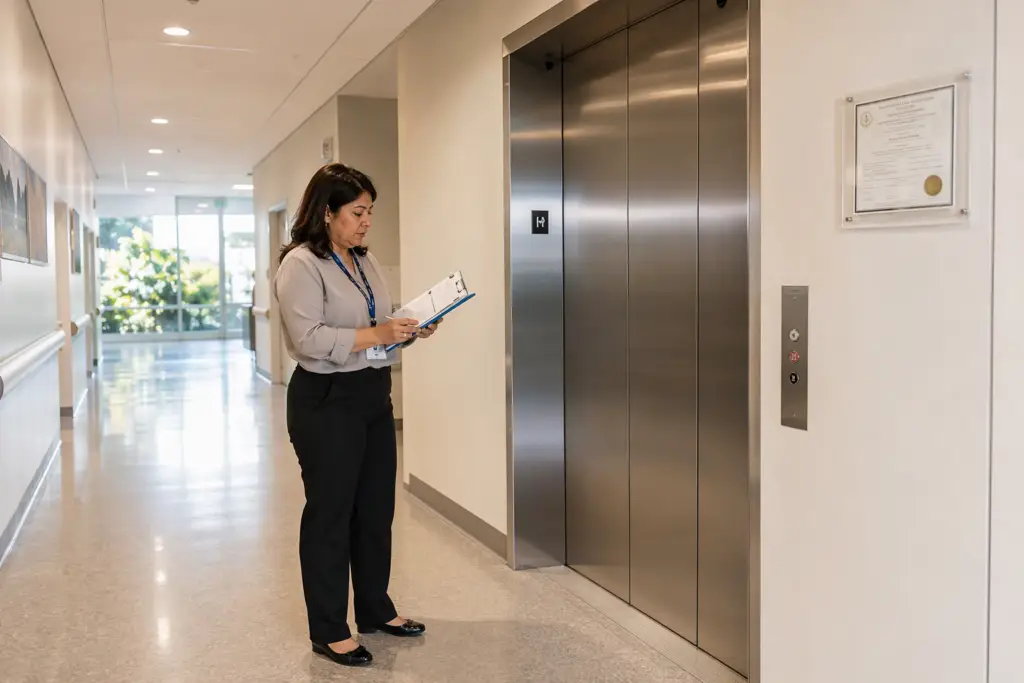
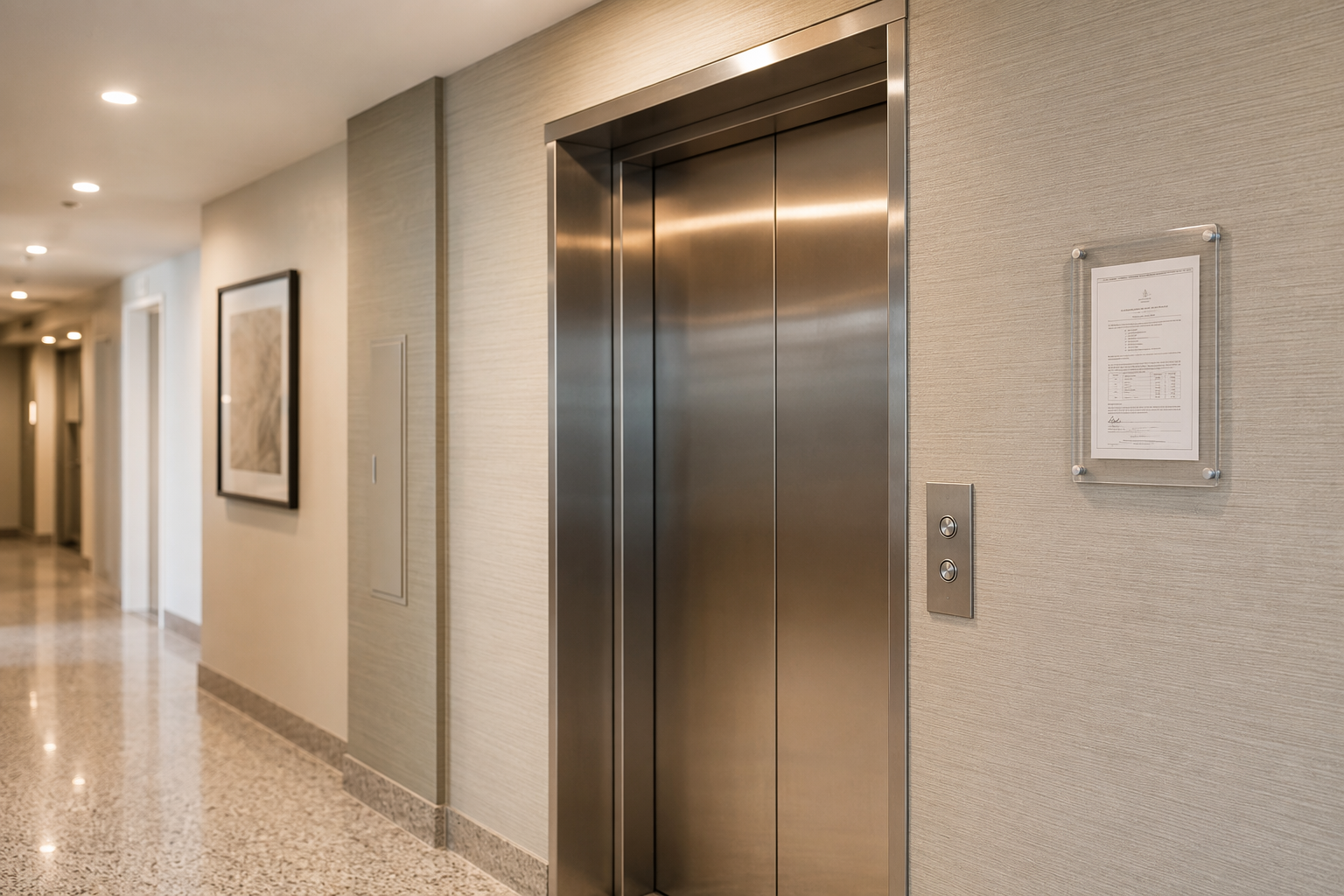
Most jurisdictions require that inspections be conducted by a state-licensed or state-certified elevator inspector, and that a certificate of operation be posted inside the elevator cab or maintained on file. When an inspection reveals deficiencies, building owners are typically given a compliance window to correct violations before the certificate is revoked and the elevator is placed out of service.
It is important to understand that inspection is not the same as maintenance. Passing an annual inspection does not fulfill a building owner’s maintenance obligations — inspections verify condition at a point in time, while an ongoing maintenance program addresses wear, lubrication, adjustment, and component replacement throughout the year.
What Does a Preventive Maintenance Program for an Apartment Elevator Include?
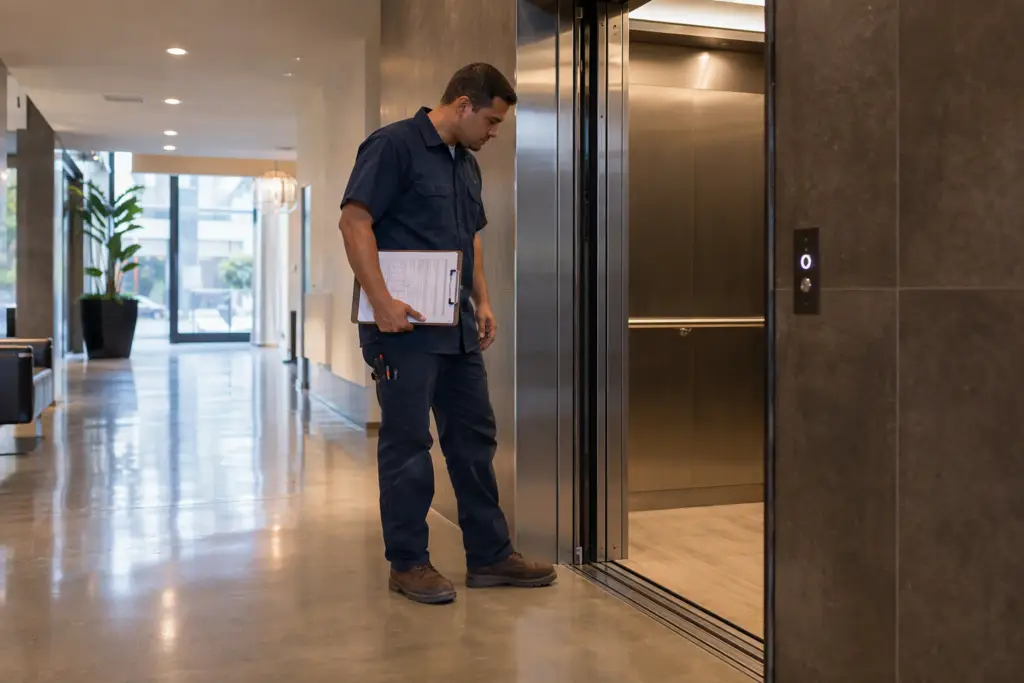
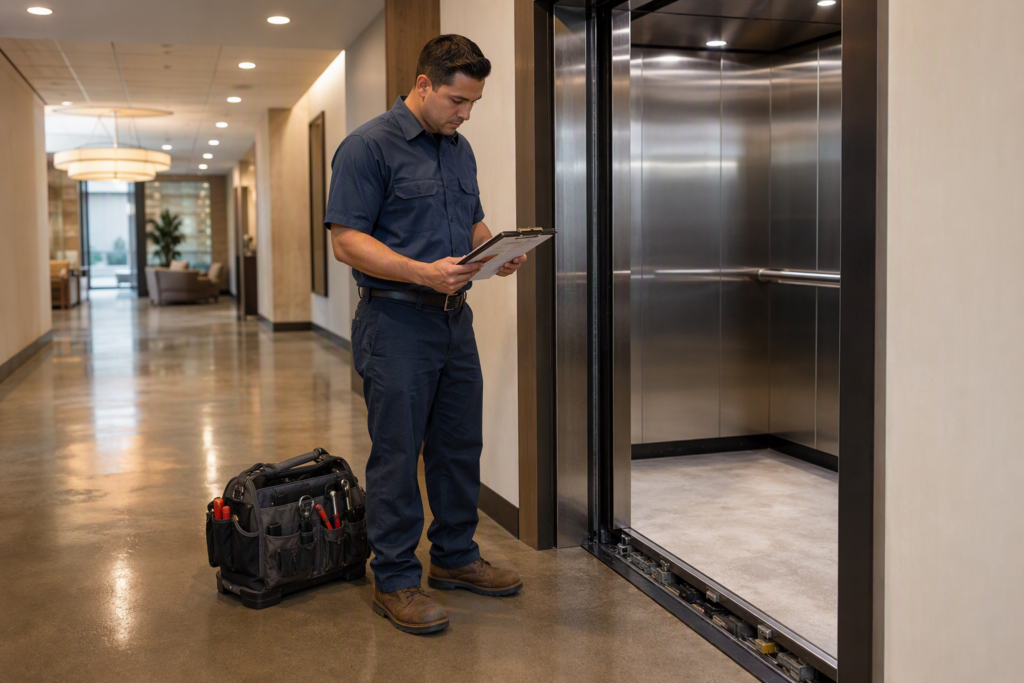
A preventive maintenance (PM) program for an apartment building elevator encompasses all the scheduled tasks that keep the equipment operating safely and within code between inspections. The specific tasks vary by equipment type — traction elevators, hydraulic elevators, and machine-room-less (MRL) elevators each have distinct maintenance profiles — but a comprehensive PM program generally addresses the following systems and components:
- Door systems: Door operator adjustment, clutch and coupler wear inspection, safety edge and detector testing, door speed and reopening force verification.
- Mechanical components: Lubrication of guide rails, roller guides, hoist ropes or hydraulic cylinder and seals, sheaves, and gearboxes where applicable.
- Electrical systems: Controller inspection, wiring and connection integrity, contactor and relay condition, motor starter testing.
- Safety devices: Governor inspection and testing, safeties, buffers, leveling devices, emergency stop switches, and interlock verification.
- Hydraulic systems (where applicable): Fluid level and condition, pump and motor inspection, valve testing, cylinder and piping leak inspection.
- Cab and pit: Lighting, ventilation, emergency communication device testing, pit sump pump and water intrusion checks, and housekeeping.
- Machine room: Temperature control, fire detection and suppression equipment where required, and equipment cleanliness.
Maintenance frequency for individual tasks ranges from monthly checks of critical safety items to quarterly and semi-annual service intervals for components with longer wear cycles. A well-structured PM contract specifies exactly which tasks are performed and at what interval, providing building owners with a clear record for regulatory compliance and liability management.
What Documentation Must Apartment Building Owners Maintain?
Documentation is a core component of elevator compliance. Building owners and property managers should maintain the following records:
- Current certificate of inspection or certificate of operation, typically required to be posted in or near the elevator cab.
- Inspection reports from all periodic inspections, including any deficiency notices and documentation of corrective actions taken.
- Maintenance logs documenting each preventive maintenance visit, the tasks performed, technician identification, and any findings or repairs made.
- Records of all category tests performed, including test results and the names of the licensed inspectors who witnessed or conducted the tests.
- Repair records for any non-routine work, including parts replaced and work orders completed.
- Equipment data plates, wiring diagrams, and the original installation documentation for the specific equipment, which maintenance technicians require to service the elevator correctly.
In many jurisdictions, building owners are legally required to make maintenance and inspection records available to the authority having jurisdiction (AHJ) upon request. Gaps in documentation can result in compliance citations even when the physical equipment is in good condition.
What Happens If an Apartment Building Elevator Fails Inspection?
When an elevator fails a periodic inspection, the typical regulatory process unfolds in a structured sequence:
- Deficiency notice issued: The inspector documents the specific code violations or safety deficiencies and issues a written notice to the building owner or operator.
- Compliance deadline assigned: The authority having jurisdiction establishes a deadline by which corrections must be completed. The urgency of the deadline varies with the severity of the deficiency — an imminent safety hazard may require immediate removal from service, while a minor administrative deficiency may allow a longer correction window.
- Elevator removed from service (if required): For serious safety deficiencies, the AHJ may order the elevator taken out of service immediately, or the certificate of operation may be revoked, prohibiting the elevator from carrying passengers until corrections are made.
- Repairs completed: The building owner engages a qualified elevator contractor to perform the required repairs or corrections. All work must comply with ASME A17.1 and applicable local amendments.
- Re-inspection requested: After corrections are completed, the building owner requests a re-inspection from the AHJ or approved third-party inspection agency.
- Certificate reinstated: If the re-inspection confirms the deficiencies have been corrected, the certificate of operation is reinstated and the elevator may return to service.
Building owners should be aware that operating an elevator with a revoked or expired certificate of operation can expose them to significant legal liability in the event of an incident, beyond the regulatory fines associated with the compliance violation itself.
What Are the ADA Elevator Maintenance Requirements for Apartment Buildings?
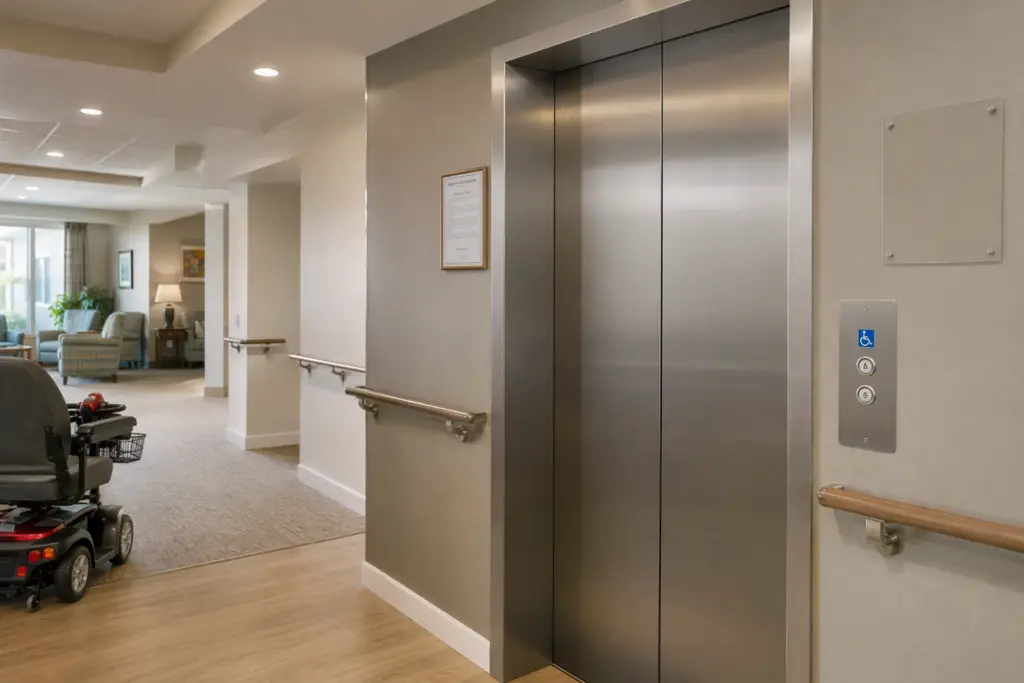
Under the Americans with Disabilities Act, elevators that serve as a required accessible means of vertical travel must be maintained in operable condition. The ADA acknowledges that elevators will occasionally be out of service for maintenance or repair, but it requires that building operators take prompt action to restore service and, where possible, provide alternative accessible routes during outages.
Key ADA elevator maintenance considerations for apartment buildings include:
- Ensuring that elevator controls, including call buttons and floor selectors, remain operable and at accessible heights as specified in ADA Standards for Accessible Design.
- Maintaining audible and visual signals for floor arrival and door opening/closing.
- Keeping floor designation tactile signs and Braille markings legible and properly positioned.
- Ensuring the emergency two-way communication system is functional at all times.
- Scheduling maintenance in a manner that minimizes the duration of elevator outages for residents who depend on the elevator as their only accessible route.
Residential apartment buildings that fall under the Fair Housing Act may face overlapping accessibility obligations, and building owners should consult appropriate legal counsel to understand how both the ADA and Fair Housing Act apply to their specific property type.
What Factors Drive Elevator Maintenance Costs in Apartment Buildings?
Elevator maintenance costs in apartment buildings are influenced by several interconnected variables. Because costs vary widely based on local market conditions, equipment type, building age, and contract structure, general industry figures are not cited here — but the key cost drivers are well understood:
- Equipment type and age: Older traction elevators with relay-based controllers typically require more labor-intensive maintenance than modern solid-state systems. Hydraulic elevators have their own cost profile, often involving fluid management and cylinder maintenance. Machine-room-less (MRL) elevators may require specialized tooling and training.
- Number of units and floors served: Higher-traffic elevators in larger apartment buildings experience more wear on doors, buttons, and mechanical components, increasing maintenance frequency needs.
- Contract structure: Maintenance contracts range from basic “examine and lubricate” agreements to comprehensive full-service contracts that include all parts and repairs. The scope of the contract significantly affects the monthly cost and the building owner’s exposure to unplanned repair expenses.
- Local labor market: Elevator mechanic labor rates vary substantially by region and are influenced by union collective bargaining agreements in many markets.
- Deferred maintenance history: Buildings that have deferred maintenance over multiple years typically face higher initial costs to bring equipment back to a maintainable baseline condition before a preventive maintenance program can be effectively implemented.
- Modernization age: Elevators that have been recently modernized with updated controls, drives, and door operators generally have lower ongoing maintenance costs than equipment approaching end-of-life.
How Should Apartment Building Owners Choose an Elevator Maintenance Vendor?
Selecting an elevator maintenance provider is a significant decision with long-term implications for safety, compliance, and operating costs. The following criteria help building owners evaluate and compare prospective vendors:
- Licensing and compliance: Verify that the company employs technicians who hold the appropriate state or local elevator mechanic licenses required in the jurisdiction where the building is located.
- Familiarity with the specific equipment: Elevator maintenance requires intimate knowledge of the specific manufacturer’s equipment. A provider with demonstrated experience on the make and model installed in the building can perform maintenance more efficiently and correctly.
- Contract transparency: A reputable provider clearly specifies which tasks are included in the preventive maintenance scope, what parts and repairs are covered, and what exclusions apply. Vague contract language is a red flag.
- Maintenance documentation practices: Ask prospective vendors how they document service visits and how building owners can access maintenance records. Digital maintenance logs that provide real-time access to service history are increasingly standard among quality providers.
- References from comparable properties: References from other apartment building owners — particularly those with similar equipment types and building profiles — provide the most relevant basis for comparison.
- Compliance support: A quality maintenance provider assists building owners in scheduling and preparing for periodic inspections, tracking certificate renewal deadlines, and addressing deficiency notices promptly.
Liftech Elevator approaches maintenance engagements with a data-driven framework, helping apartment building owners understand the current condition of their equipment, track compliance milestones, and make informed decisions about maintenance investment versus modernization.
What Are the Most Common Elevator Maintenance Violations in Apartment Buildings?
While violation data varies by jurisdiction and is not aggregated in a single publicly available national dataset, elevator inspectors and industry practitioners consistently identify several recurring deficiency categories in residential apartment buildings:
- Door safety device failures: Malfunctioning door reopening devices, excessive door closing force, or door safety edges that are worn or non-functional are among the most frequently cited deficiencies.
- Expired or missing certificates of operation: Building owners who lose track of inspection renewal deadlines may unknowingly operate an elevator without a valid certificate.
- Non-functional emergency communication: The two-way communication device required in elevator cabs is frequently found inoperable due to phone service changes, battery failure, or neglected testing.
- Inadequate pit conditions: Water intrusion, debris accumulation, non-compliant lighting, and missing or non-functional pit stop switches are common pit-related deficiencies.
- Lubrication deficiencies: Under-lubricated guide rails, worn rope sheaves, and dry or contaminated hydraulic fluid are indicators of inadequate preventive maintenance.
- Outdated or non-compliant signage: Missing or damaged floor designation signs, Braille markings, or load capacity placards.
What Trends Are Shaping Apartment Elevator Maintenance in 2025–2026?
The elevator maintenance industry for residential apartment buildings is experiencing meaningful evolution driven by technology, regulatory activity, and workforce dynamics. While specific market statistics for 2025–2026 are not cited here without authoritative sourcing, the following qualitative trends are broadly recognized across the industry:
- Remote monitoring and predictive maintenance: Building owners and maintenance providers are increasingly deploying IoT-connected sensors that monitor elevator performance data in real time. These systems can detect anomalies in door cycle times, motor current draw, and leveling accuracy before they result in failures or violations, enabling genuinely predictive — rather than purely scheduled — maintenance interventions.
- Modernization as a maintenance strategy: As a significant portion of the installed elevator base in older apartment buildings approaches or exceeds its design lifespan, more building owners are evaluating modernization not solely as a capital improvement but as a way to reduce maintenance costs, improve reliability, and meet updated code requirements.
- Evolving code adoption cycles: State and local jurisdictions continue to adopt newer editions of ASME A17.1, which may introduce updated maintenance and testing requirements. Building owners and their maintenance providers should actively track their jurisdiction’s current adopted code edition.
- Labor market pressures: The elevator mechanic workforce faces ongoing supply constraints in many markets, making long-term relationships with established maintenance providers increasingly valuable for securing consistent service coverage.
- Sustainability and energy efficiency: Property owners pursuing green building certifications or energy efficiency initiatives are placing greater emphasis on elevator drive modernization and regenerative drive technology as part of broader building sustainability programs.
What Should Building Managers Do Immediately When an Elevator Breaks Down?
- Ensure no one is trapped: Confirm through the emergency communication system or physical check that no passengers are entrapped in the cab. If entrapment is confirmed, contact emergency services and your elevator maintenance provider immediately — do not attempt to free passengers without trained technician assistance.
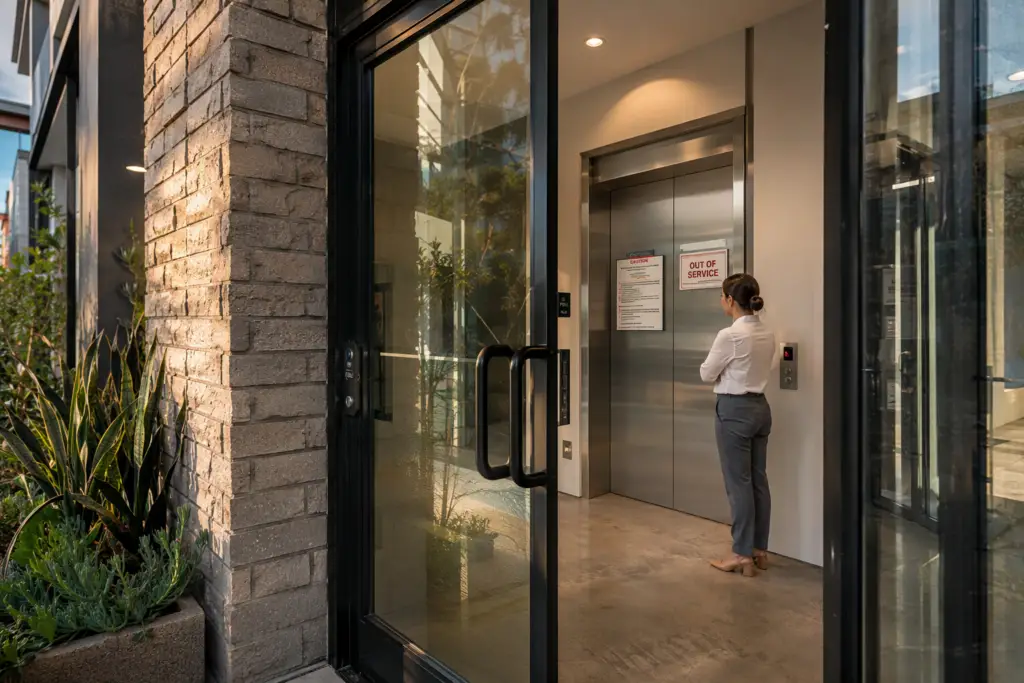
- Take the elevator out of service: Secure the elevator by placing it in the lowest landing with doors held open, or use the key switch to prevent further use. Post clear signage on all landing doors indicating the elevator is out of service.
- Contact your licensed elevator maintenance provider: Notify your elevator maintenance contractor as soon as possible. Provide the elevator identification number, the nature of the malfunction as observed, and any error codes displayed on the controller if accessible.
- Notify residents and implement accessibility accommodations: Communicate the outage to building residents, particularly those who depend on the elevator as their only accessible means of vertical travel. Assess whether interim accommodations are required under applicable fair housing or ADA obligations.
- Document the incident: Record the date and time of the malfunction, the circumstances as reported, and all subsequent actions taken. This documentation is important for regulatory compliance, insurance purposes, and maintenance record continuity.
- Do not restore service without technician clearance: An elevator should not be returned to passenger service until a qualified, licensed elevator mechanic has inspected the equipment, identified and corrected the cause of the malfunction, and confirmed the elevator is safe to operate.
How Does Elevator Maintenance Affect Building Owner Liability?
Building owners have a duty of care to residents, guests, and any person who uses the elevator. An elevator that is not properly maintained and subsequently causes injury creates significant legal exposure for the building owner. Courts and insurers examine maintenance records, inspection certificates, and the promptness of corrective action in liability cases involving elevator incidents.
Proactive, documented maintenance is among the strongest risk mitigation tools available to building owners. A complete, unbroken maintenance record demonstrating regular service visits, timely repair of identified deficiencies, and up-to-date inspection certifications provides a strong evidentiary basis that the owner exercised reasonable care in maintaining the equipment.
Buildings covered under commercial property or premises liability insurance policies may also find that their coverage terms require demonstration of a documented preventive maintenance program for elevator equipment. Owners should review their policy terms with their insurance broker to confirm compliance with any elevator maintenance requirements that condition coverage.
Is Elevator Maintenance Different for High-Rise Apartment Buildings?
High-rise apartment buildings present distinct elevator maintenance considerations compared to low- and mid-rise properties. High-rise buildings typically employ traction elevator systems — including geared and gearless configurations — rather than hydraulic systems, and these buildings often feature multiple elevators operating in groups managed by sophisticated dispatching software.
Key differences in the high-rise context include the greater complexity of group dispatching systems, which require periodic software and parameter review as part of the maintenance program; the higher wear rates on ropes, sheaves, and brake components driven by greater daily duty cycles; the need for rope testing and replacement planning, since wire rope degradation on high-cycle high-rise elevators must be monitored carefully; and the involvement of multiple elevator units, which makes scheduling maintenance windows more operationally complex to coordinate without reducing service availability to residents.
Additionally, high-rise buildings in some jurisdictions face more frequent or more rigorous inspection requirements, and their machine rooms or machine spaces may be subject to specific fire protection, HVAC, and access control requirements that intersect with elevator maintenance activities.
How Can Technology Improve Elevator Maintenance Compliance in Apartment Buildings?
Digital tools are transforming how apartment building owners and maintenance providers manage elevator compliance. Modern maintenance management platforms enable electronic work orders and digital maintenance logs that automatically timestamp service visits and create an auditable record; automated alerts for upcoming inspection deadlines, certificate renewals, and scheduled maintenance intervals; remote diagnostics that allow technicians to review controller fault logs and performance data before arriving on site, reducing diagnostic time; and integration with building management systems (BMS) that centralize monitoring of elevator status alongside other building systems.
For building owners managing multiple properties, portfolio-level dashboards that aggregate compliance status, upcoming inspection dates, and maintenance history across all locations provide a significant administrative efficiency advantage over paper-based systems.
Liftech Elevator incorporates technology-forward maintenance documentation practices to help apartment building owners maintain clear, accessible compliance records and stay ahead of inspection and certification requirements.
Summary: Key Maintenance Requirements at a Glance
| Requirement Category | Governing Authority | Source |
|---|---|---|
| Safety inspection and testing standards | ASME A17.1 Safety Code for Elevators and Escalators (as adopted by local jurisdiction) | ASME Codes & Standards |
| Accessible route and communication device maintenance | Americans with Disabilities Act / ADA Standards for Accessible Design | ADA.gov |
| Technician safety during maintenance operations | Occupational Safety and Health Administration standards | OSHA.gov |
Work With a Data-Driven Elevator Maintenance Partner
Apartment building elevator maintenance is a multidimensional compliance obligation with direct implications for resident safety, regulatory standing, and financial liability. Meeting those obligations requires more than occasional service visits — it requires a systematic, documented program aligned with the current requirements of ASME A17.1, applicable local amendments, and ADA accessibility standards.
Liftech Elevator provides apartment building owners and property managers with a structured, compliance-focused approach to elevator maintenance. From initial equipment assessment and maintenance program design to ongoing documentation support and inspection preparation, Liftech Elevator helps building owners stay compliant, protect residents, and manage their elevator assets with confidence.
Contact Liftech Elevator for a free elevator assessment. Call 562-609-3478 to speak with the Liftech Elevator team about your apartment building’s maintenance requirements and compliance status.
Need elevator service you can rely on? Liftech Elevator is ready to help.