How to Get Your Healthcare Building Elevator Ready for Inspection Before Your Certificate Expires
For hospital administrators, skilled nursing facility operators, medical office building managers, and outpatient clinic owners across Signal Hill, Long Beach, Los Angeles, and Orange County, a lapsing elevator permit is not simply a paperwork problem — it is a patient safety issue and a potential operational shutdown. California law prohibits operating an elevator without a valid, current permit to operate issued by Cal/OSHA. In a healthcare setting, where patients depend on elevators for safe transport between floors, that risk is unacceptable.
This guide walks healthcare facility managers through every step of getting their elevators inspection-ready before the certificate expires — covering California-specific regulations, ASME code requirements, ADA obligations, and the practical steps that determine whether a reinspection passes the first time.
What California Law Actually Requires for Elevator Permits in Healthcare Facilities?
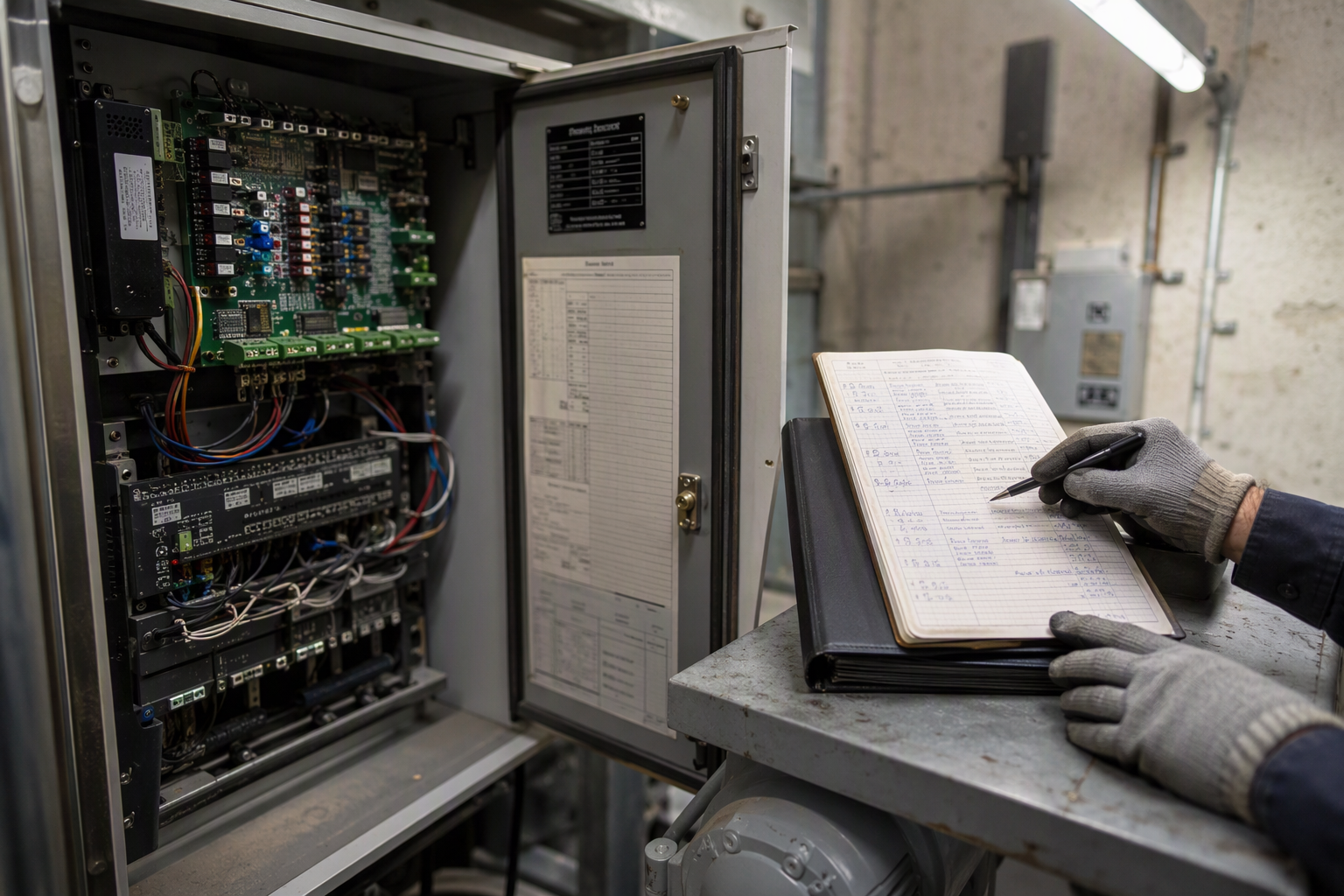
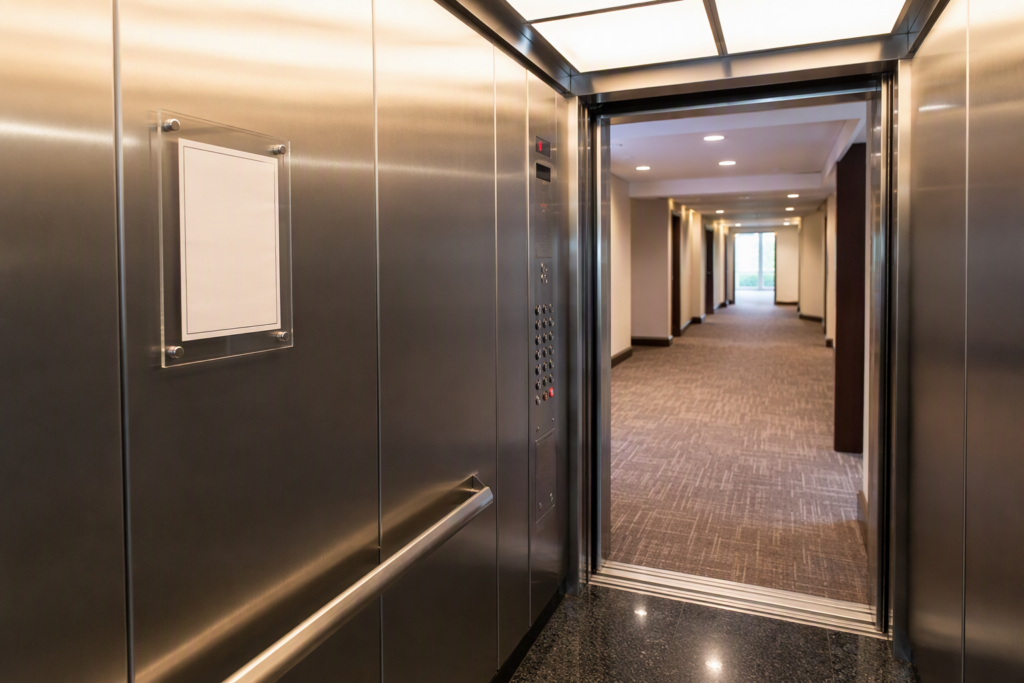
Under California Labor Code Sections 7300–7324.2 and the California Code of Regulations, Title 8, Elevator Safety Orders, no elevator in California may be operated without a valid permit to operate issued by Cal/OSHA’s Elevator Unit, California Department of Industrial Relations. The permit must be posted conspicuously inside the elevator car — in a healthcare facility, this applies to every passenger elevator, freight elevator, and any other regulated conveyance on the property.
California law requires every conveyance to be inspected at least once a year. When an elevator passes inspection, it receives a permit to operate for up to one year. However, if the elevator is in safe condition and is covered by a full maintenance contract with a C-11 licensed elevator company, Cal/OSHA may issue a permit for up to two years. Arranging the annual reinspection is the building owner’s responsibility — not the inspector’s and not the elevator company’s.
Healthcare facilities in Los Angeles should also be aware that the City of Los Angeles operates its own elevator and conveyance inspection program through the Los Angeles Department of Building and Safety (LADBS). Facility managers in Los Angeles should confirm which program governs their specific building.
How Early Should a Healthcare Facility Start Preparing for an Elevator Inspection?
Preparing well in advance is strongly advisable. Cal/OSHA scheduling timelines, contractor availability, and the time required to complete any identified repairs all make last-minute preparation risky. The general industry recommendation — and the approach taken by Liftech Elevator when working with healthcare clients — is to begin the preparation process no fewer than 60 to 90 days before the permit expiration date.
This window allows time to:
- Conduct a full internal maintenance audit of each elevator.
- Identify and document any deficiencies against ASME A17.1 requirements.
- Complete all required repairs using a Certified Competent Conveyance Mechanic (CCCM) employed by a Certified Qualified Conveyance Company (CQCC).
- Verify ADA compliance for cab dimensions, controls, and signage.
- Confirm that all documentation, maintenance logs, and prior inspection reports are organized and accessible.
- Schedule the Cal/OSHA reinspection or the applicable inspection through the local authority having jurisdiction.
What ASME Code Standards Apply to Healthcare Elevators in California?
California’s Elevator Safety Orders (California Code of Regulations, Title 8, Sections 3000–3146) adopt the ASME A17.1/CSA B44 Safety Code for Elevators and Escalators, 2004 edition, for installation contracts signed on or after May 1, 2008. This adopted edition governs the safety requirements that inspectors evaluate during a reinspection.
It is worth noting that California has proposed a Group V update to its Elevator Safety Orders that would incorporate elements of ASME A17.1-2019. As of 2026, the California Standards Board held a public hearing on this proposed update on June 18, 2026, and no effective date has been posted. Healthcare facility managers should monitor Cal/OSHA’s Elevator Unit page for any updates.
Key ASME A17.1 areas that inspectors commonly evaluate include:
- Door safety systems and closing force limits
- Emergency lighting and ventilation in the cab
- Governor, safeties, and buffers
- Pit conditions, lighting, and stop switches
- Machine room conditions and access
- Load capacity ratings and posted signage
- Two-way emergency communication systems
How Does ADA Compliance Factor Into a Healthcare Elevator Inspection?
The Americans with Disabilities Act (ADA) establishes federal accessibility requirements that are especially critical in healthcare environments where patients, visitors, and staff may have mobility limitations. While ADA compliance is enforced separately from California’s elevator permit process, a healthcare facility that fails to meet ADA standards faces federal civil rights liability and potential complaints.
ADA requirements relevant to healthcare elevators include cab dimensions adequate for wheelchair access, door timing that allows safe entry and exit, tactile and Braille controls at the correct heights, audible and visual floor indicators, and leveling accuracy so the cab floor aligns with the building floor within acceptable tolerances. Liftech Elevator includes an ADA compliance review as part of its pre-inspection assessments for healthcare facilities in Long Beach, Signal Hill, Los Angeles, and Orange County.
Who Is Legally Allowed to Inspect and Repair Elevators in California Healthcare Facilities?
California law is explicit on this point. Only State of California safety engineers and Certified Competent Conveyance Inspectors (CCCI) may perform elevator inspections in California. Only a Certified Competent Conveyance Mechanic (CCCM) working for a Certified Qualified Conveyance Company (CQCC) may maintain, repair, alter, or replace components on a conveyance.
Companies seeking CQCC certification must hold a current C-11 Elevator Contractor license issued by the California Contractors State License Board (CSLB), along with certificates of workers’ compensation and liability insurance. Healthcare facility managers should always verify that their elevator service vendor holds active CQCC certification before allowing any work to proceed — an uncertified repair can jeopardize the inspection outcome and create liability exposure.
Liftech Elevator operates as a Certified Qualified Conveyance Company serving healthcare facilities throughout Signal Hill, Long Beach, Los Angeles, and Orange County.
What Should a Healthcare Facility Do Step by Step to Prepare for an Elevator Inspection?
- Identify the expiration date of every elevator’s current permit to operate and note the governing authority — Cal/OSHA or, for Los Angeles facilities, LADBS.
- Gather all maintenance records, prior inspection reports, and any previous violation notices or outstanding correction orders.
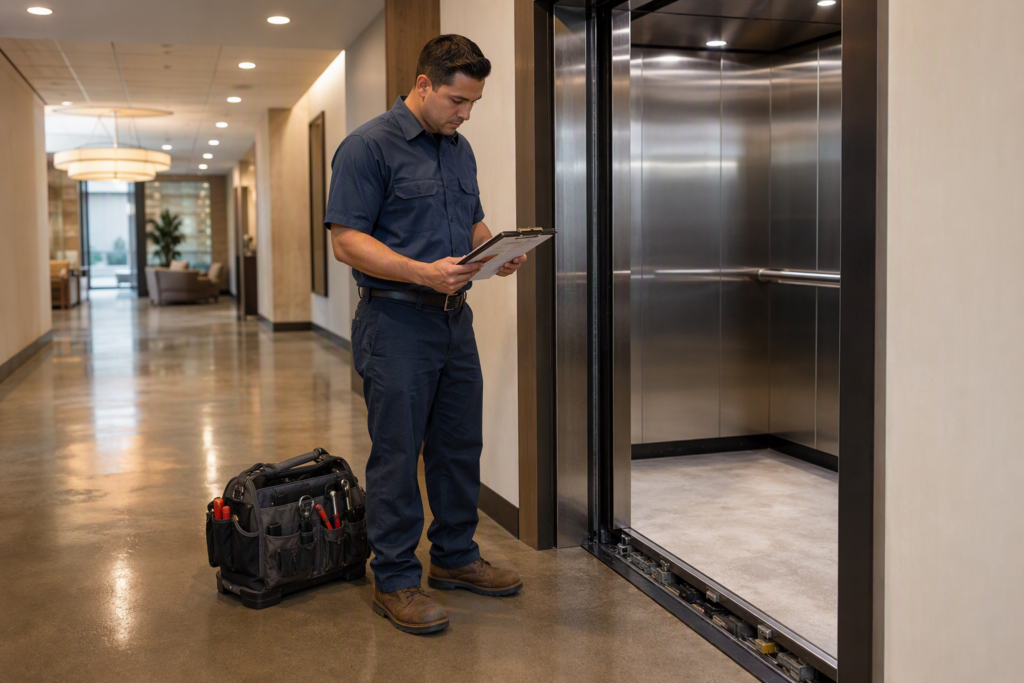
- Engage a CQCC-certified elevator company such as Liftech Elevator to perform a comprehensive pre-inspection assessment of each conveyance.
- Complete all identified repairs using a Certified Competent Conveyance Mechanic before the inspection date. Do not leave known deficiencies unaddressed.
- Verify ADA compliance for cab controls, door timing, leveling, and signage.
- Confirm machine room and pit conditions meet ASME A17.1 requirements — clean, properly lit, with no stored materials blocking access.
- Ensure the current permit to operate is posted conspicuously in the elevator car until the new permit is issued.
- Coordinate the inspection schedule with Cal/OSHA (or LADBS for Los Angeles) and confirm the appointment in writing.
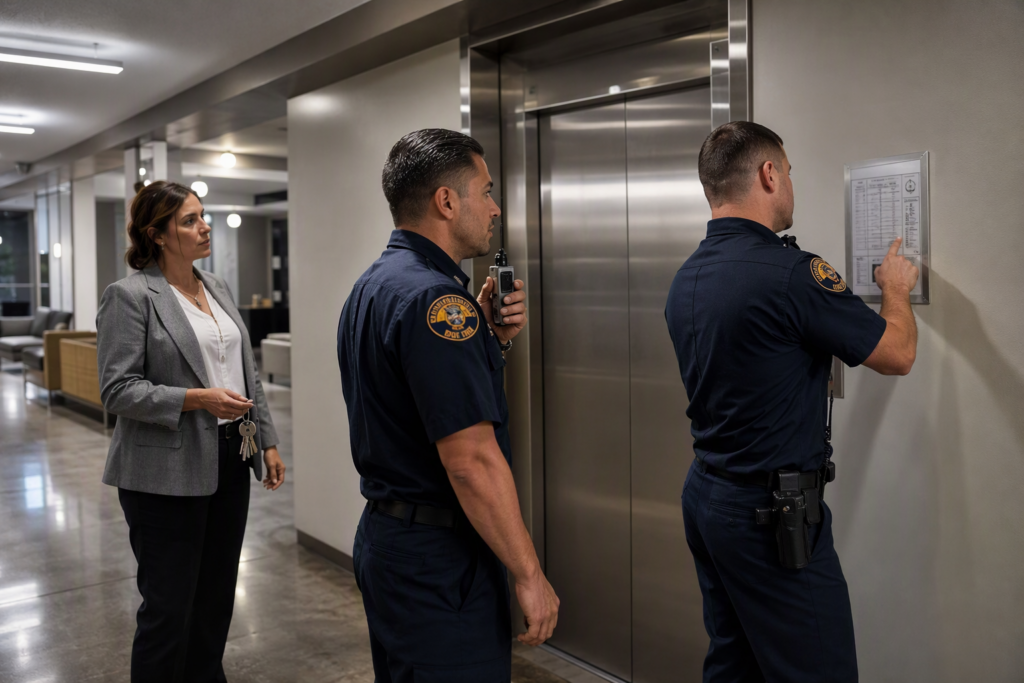
- Have a knowledgeable facility representative present during the inspection to provide access and answer questions.
What Happens If a Healthcare Elevator Fails Inspection or the Permit Lapses?
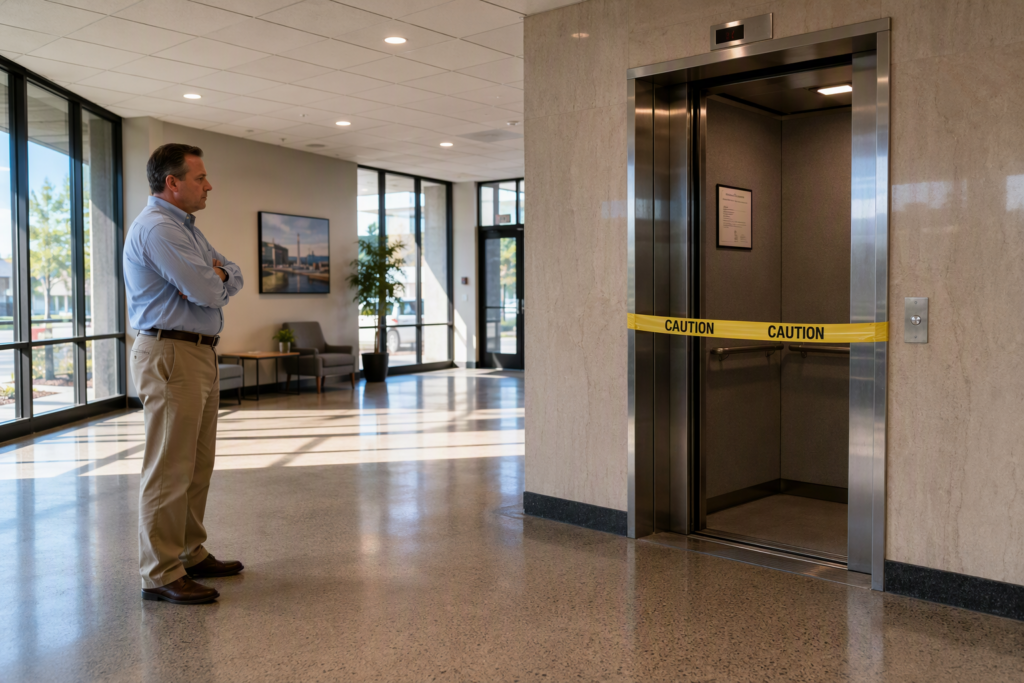
If Cal/OSHA determines that an elevator is unsafe or if the permit to operate lapses without renewal, the elevator cannot legally be operated. For a healthcare facility, this can mean shutting down a primary means of patient transport between floors — a serious operational and safety consequence. Cal/OSHA has the authority to order an elevator out of service if it does not meet safety requirements.
If deficiencies are identified during inspection, the facility will typically receive a correction order with a deadline for compliance. All corrective work must be performed by a CCCM working for a CQCC-certified company. Liftech Elevator works with healthcare facility managers to prioritize correction items and schedule return visits promptly to minimize elevator downtime.
Does a Full Maintenance Contract Help with California Elevator Permits in Healthcare Buildings?
Yes — and this is a meaningful benefit for healthcare facilities. Under California law, when an elevator is covered by a full maintenance contract with a C-11 licensed elevator company, Cal/OSHA may issue a permit to operate for up to two years rather than the standard one year. For a busy hospital or medical campus, a two-year permit reduces the frequency of inspection disruptions and helps ensure continuous, uninterrupted elevator operation.
A full maintenance contract must cover comprehensive preventive maintenance performed on a regular schedule. Facility managers should confirm with their elevator service provider exactly what the contract covers and ensure it qualifies under California’s requirements.
Are There Healthcare-Specific Elevator Requirements Beyond Standard Codes?
Healthcare facilities must also consider guidance from the Joint Commission (for accredited hospitals), Centers for Medicare and Medicaid Services (CMS) Conditions of Participation, and applicable provisions of the California Building Code when renovating or modifying elevator systems. These frameworks generally require that life-safety systems, including elevators designated for emergency use, are maintained in continuous working order.
Hospitals and acute care facilities that rely on specific elevators for patient transport, code responses, or evacuation planning should prioritize those units in their pre-inspection preparation. Fire service mode operation, as addressed under ASME A17.1, is a common inspection focus point in healthcare settings where elevators must respond appropriately during a fire event.
Questions Your Inspector Will Ask
When a Cal/OSHA safety engineer or Certified Competent Conveyance Inspector arrives at a healthcare facility, the following questions and verification requests are common. Having clear, documented answers ready demonstrates proactive compliance and can help the inspection proceed efficiently.
- “May I see the current permit to operate?” — It must be posted in the elevator car. Have it visible before the inspector enters the cab.
- “Who is your elevator maintenance company, and are they CQCC-certified?” — Be prepared to provide the company name and confirm CQCC certification status.
- “Can I review the maintenance records for this conveyance?” — Organized, complete, and up-to-date maintenance logs demonstrate a responsible maintenance program.
- “Are there any outstanding correction orders from the previous inspection?” — If so, have documentation showing all items were addressed by a CCCM.
- “What is the current load capacity rating, and is it posted?” — Confirm the capacity plate is in the cab and accurate.
- “When was the last safety test performed on the governor and safeties?” — Know the date and be able to point to the corresponding maintenance record.
- “Is the machine room accessible and in proper condition?” — Inspectors will check for adequate lighting, no stored materials, and proper access control.
- “Is the pit properly lit and does the pit stop switch function correctly?” — Pit conditions are a frequent inspection focus.
- “Does the emergency communication system function?” — Test the two-way communication system before the inspector arrives.
How Does Liftech Elevator Support Healthcare Facilities Through the Inspection Process?
Liftech Elevator provides pre-inspection assessments specifically designed for healthcare facilities in Signal Hill, Long Beach, Los Angeles, and Orange County. The process begins with a comprehensive evaluation of each elevator against applicable ASME A17.1 requirements and ADA accessibility standards, followed by a written report identifying any items that need attention before the inspector visits.
All maintenance, repair, and alteration work is performed by Certified Competent Conveyance Mechanics working under Liftech Elevator’s CQCC certification. Documentation support — including organizing maintenance logs and prior inspection records — is part of the service. The goal is to give healthcare facility managers confidence that their elevators will pass the first time, with no operational surprises on inspection day.
Ready to Get Your Healthcare Elevator Inspection-Ready?
A lapsing elevator permit in a healthcare facility is a risk no administrator should carry. Contact Liftech Elevator for a free elevator assessment and find out exactly where your elevators stand before the inspector arrives. Liftech Elevator serves healthcare facilities throughout Signal Hill, Long Beach, Los Angeles, and Orange County, California.
Contact Liftech Elevator for a free elevator assessment: 562-609-3478
Need elevator service you can rely on? Liftech Elevator is ready to help.