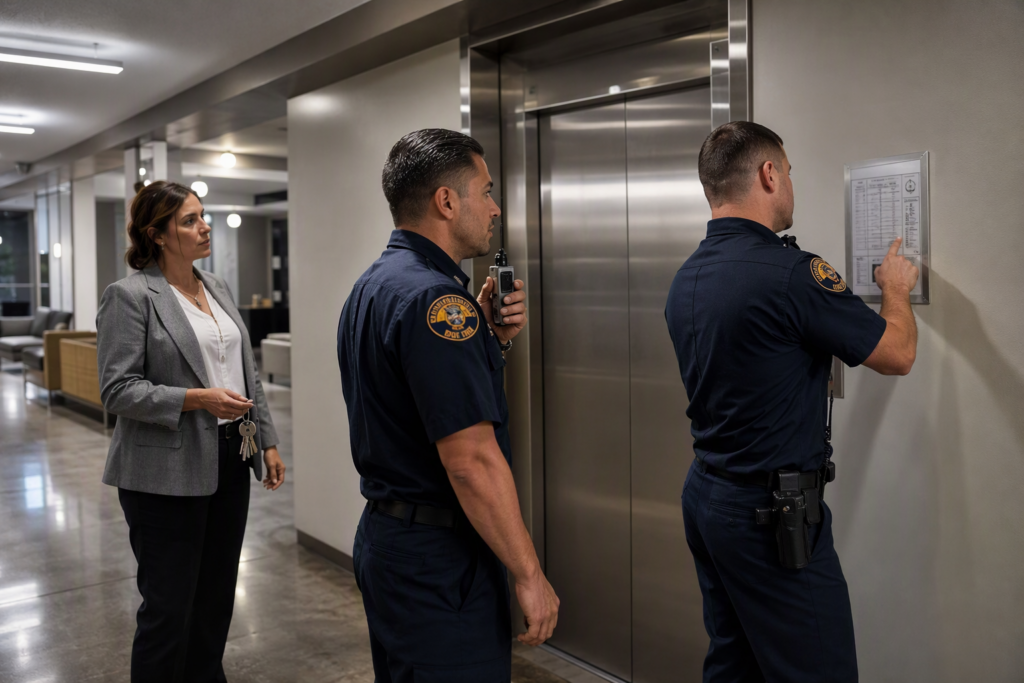
How Fast Can an Elevator Be Repaired? Complete FAQ Guide
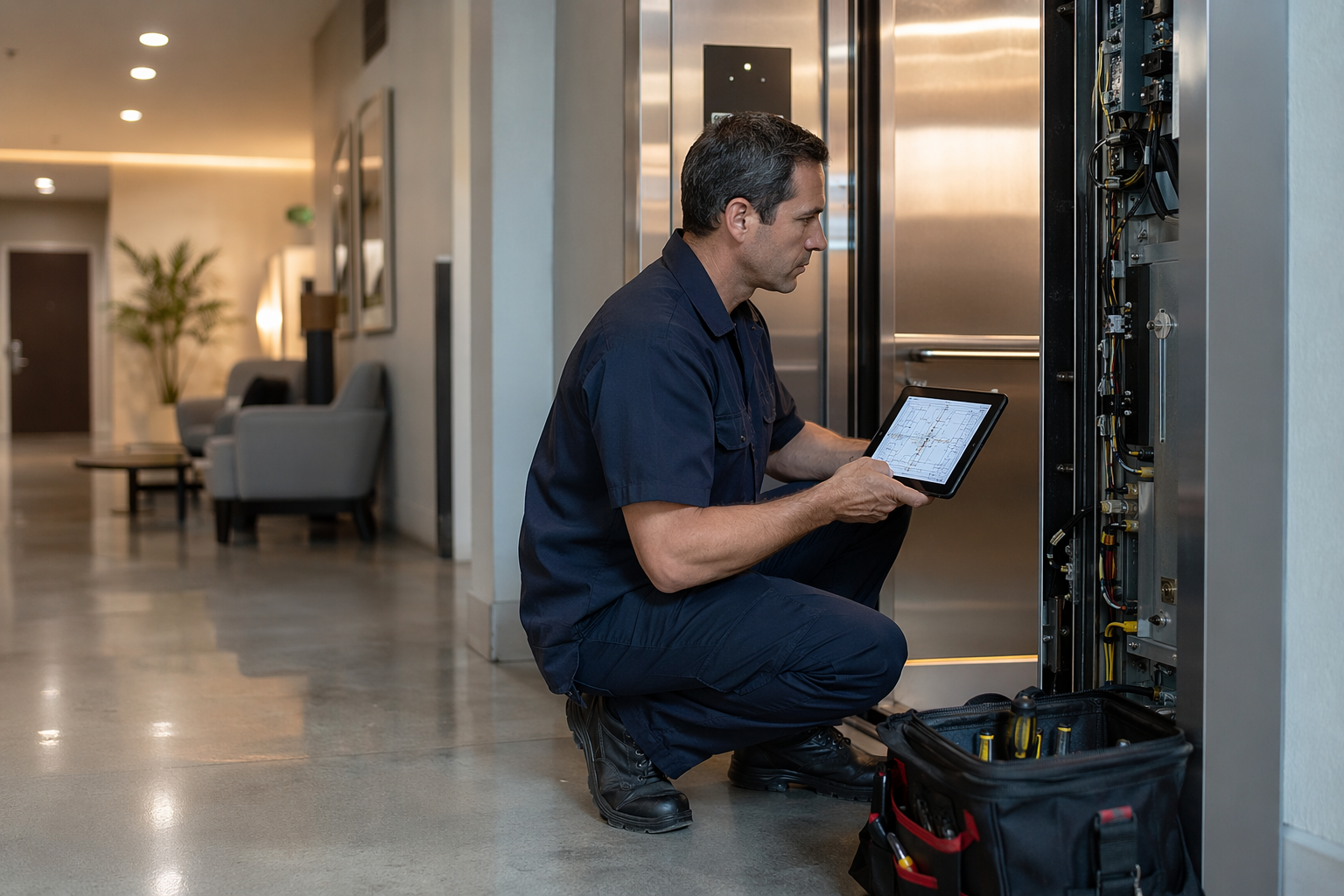
After more than 15 years working on traction and hydraulic elevators across Southern California, our team has seen every repair scenario imaginable — from a simple door sensor fix resolved in 90 minutes to a complete hydraulic cylinder replacement that kept a Long Beach apartment building offline for four days. Repair speed isn’t just about the technician’s skill. It’s about diagnostic accuracy, parts inventory, code compliance under the 2025 California Elevator Safety Orders, and the maintenance history of the unit. This FAQ hub covers every angle of elevator repair timelines so building owners and property managers know exactly what to expect.
How fast can an elevator be repaired on average?
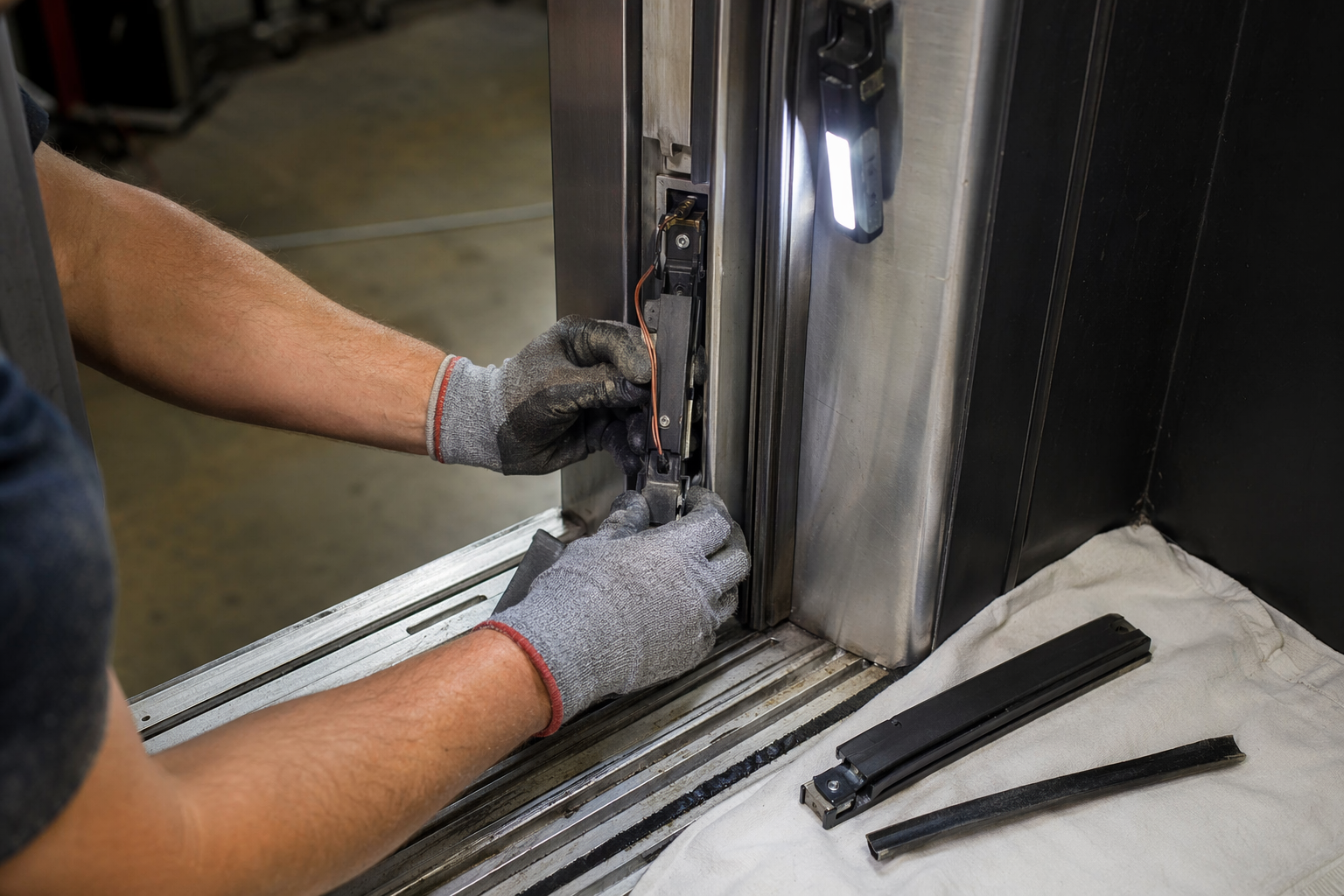
The average elevator repair takes between 2 and 8 hours for common faults, with emergency response typically arriving within 1 to 4 hours of your service call depending on your location and service agreement tier.
Industry service data indicates that a significant share of elevator service calls are resolved during the initial visit — categorized as first-call resolution incidents — typically involving door operator adjustments, safety device resets, minor electrical faults, or leveling corrections. Calls that require return visits generally involve a specialized part that must be ordered or a fault that reveals a deeper systemic issue requiring phased repair work. Because verified aggregate statistics on first-call resolution rates vary by provider and region, we recommend asking your service company for their documented first-visit closure rate before signing a maintenance contract.
Response time and total repair duration depend heavily on your service agreement structure. A building on a full-maintenance contract with a local provider like Liftech Elevator in Long Beach or Signal Hill CA will typically see faster response than a property relying on one-off service calls, because the assigned technician already knows the unit’s history, quirks, and parts inventory requirements before arriving on site.
What are the most common elevator repairs and how long do they take?
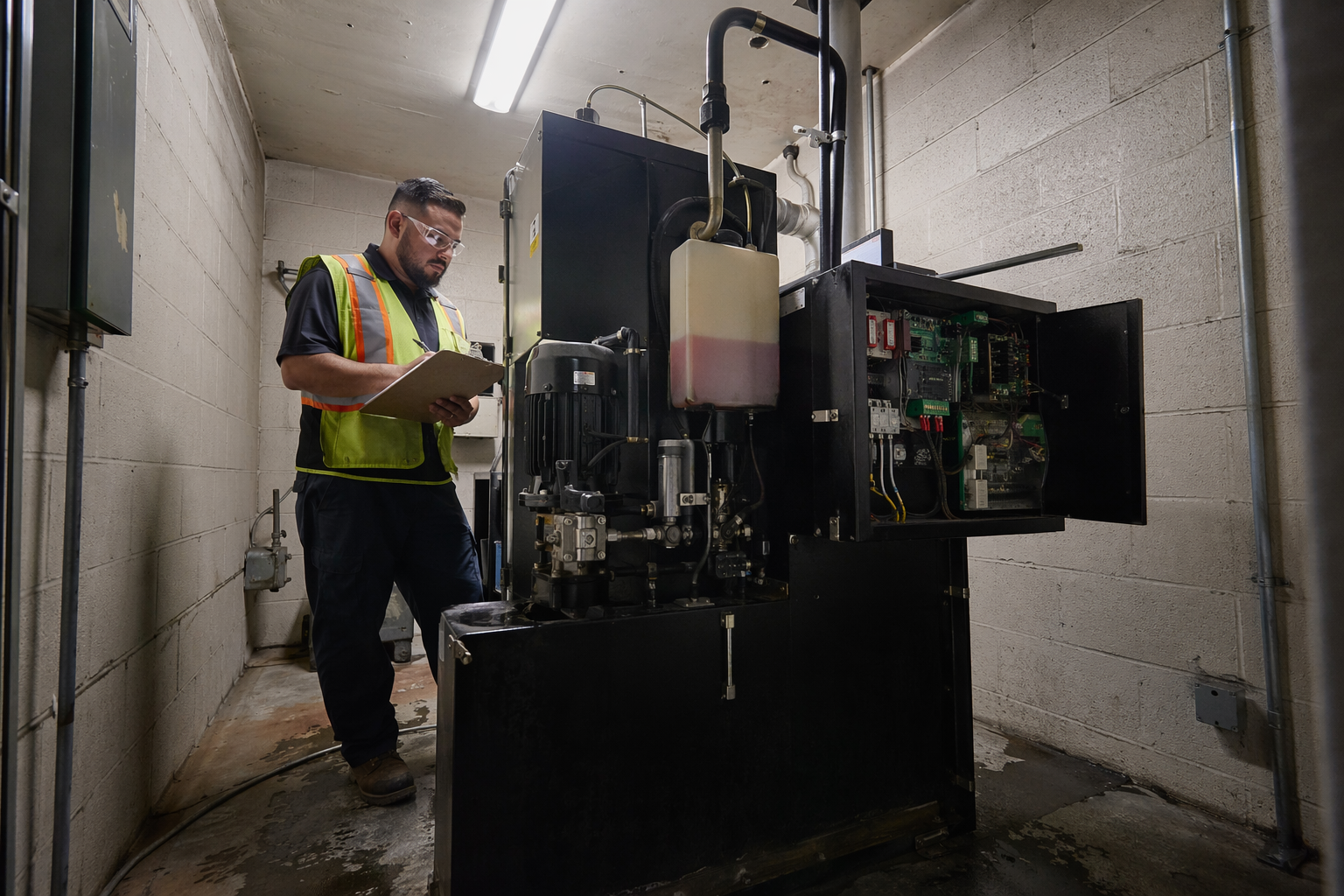
Door malfunctions are the most common elevator repair, typically resolved in 1 to 3 hours, followed by leveling issues, electrical faults, and hydraulic system problems that range from 2 hours to several days depending on component availability.
The table below reflects real-world service timelines observed across traction and hydraulic elevator systems serviced by Liftech Elevator in Los Angeles, Long Beach, and Orange County CA. Individual results will vary based on unit age, parts availability, and site conditions.
| Repair Type | Typical Resolution Time | Parts Usually In Stock? | Elevator Type Most Affected |
|---|---|---|---|
| Door sensor / safety edge replacement | 1 – 2 hours | Yes | Traction & Hydraulic |
| Door operator adjustment or replacement | 2 – 4 hours | Often | Traction & Hydraulic |
| Car leveling / re-leveling | 1 – 3 hours | N/A (adjustment) | Traction |
| Control board / circuit board replacement | 4 – 8 hours | Sometimes | Traction & Hydraulic |
| Hydraulic fluid leak repair | 3 – 6 hours | Yes (fluid/seals) | Hydraulic |
| Hydraulic cylinder replacement | 3 – 5 days | No (custom order) | Hydraulic |
| Traction hoist machine overhaul | 2 – 4 days | No (sourced per unit) | Traction |
| Controller / drive replacement | 1 – 3 days | Rarely | Traction & Hydraulic |
| Rope / cable replacement | 4 – 8 hours | Sometimes | Traction |
| Safety governor reset or replacement | 2 – 5 hours | Often | Traction |
Does elevator age or elevator type affect how long repairs take?
Yes — older elevators and discontinued equipment lines consistently take longer to repair because replacement parts must be sourced from secondary suppliers, fabricated, or adapted from current-generation components.
Hydraulic elevators installed before 1995 frequently use single-bottom cylinders that require an environmental assessment before replacement work can begin, adding 1 to 3 business days to the project timeline before a wrench is turned. Traction elevators manufactured by companies that have since exited the market — or whose controller systems have been discontinued — may require a controls modernization rather than a direct part swap, which is a week-long or longer process.
By contrast, elevators installed within the last 10 years and serviced by the original equipment manufacturer or a qualified independent company like Liftech Elevator benefit from active parts distribution networks and digital diagnostic tools that reduce fault identification time significantly. When our technicians can pull a fault log from a modern controller in minutes rather than spending an hour on manual diagnostics, the overall repair window shrinks accordingly.
Key factors that slow repairs on older units include:
- Obsolete relay logic controllers that require complete replacement rather than board-level repair
- Non-standard door operator systems with proprietary hardware no longer in production
- Hydraulic systems requiring environmental permits before cylinder excavation
- Hand-wound motors that require specialized rewinding services
- Missing or incomplete maintenance records that require the technician to manually audit every safety device before returning the unit to service
How does parts availability affect elevator repair time in 2026?
Parts availability is consistently one of the top two factors determining elevator repair duration. A fault that takes 2 hours to diagnose and 1 hour to fix can still result in a 5-day outage if the required component is not in local inventory and must be shipped from a regional warehouse or fabricated on order.
The 2024 and 2025 supply chain environment created notable delays for certain elevator components, particularly microprocessor-based controller boards and imported hydraulic valves. As of mid-2026, lead times for most standard parts have stabilized, but specialty items — including custom cylinder liners, proprietary drive boards for discontinued controllers, and large-diameter wire rope in specific constructions — can still carry 5 to 15 business day lead times depending on the manufacturer and distributor network.
Building owners can reduce parts-related downtime by working with a maintenance provider that keeps a stocked service vehicle and a local warehouse inventory. Liftech Elevator maintains parts inventory in Long Beach CA specifically to serve properties in Los Angeles County, Orange County, and the surrounding region without waiting for next-day freight. When evaluating elevator service companies, ask the following questions about parts logistics:
- What is your average parts lead time for the most common repairs on my specific elevator model?
- Do you stock replacement door operators, sensors, and circuit boards for my unit’s controller brand?
- If a specialty part must be ordered, do you provide a temporary fix or interim safety measure while the building waits?
- Is parts procurement included in my maintenance contract, or are components billed separately at a markup?
What does emergency elevator repair typically cost, and does it affect how quickly work starts?
Emergency elevator repair rates in California typically range from $250 to $600 per hour for after-hours labor, compared to $150 to $350 per hour for standard daytime service calls, with total emergency repair costs commonly falling between $500 and $3,500 for single-visit incidents not involving major component replacement.
These figures reflect general market ranges observed in the Southern California elevator service industry and will vary based on your contract terms, the company’s rate schedule, and the complexity of the fault. We recommend requesting a written rate card from any elevator service provider before an emergency occurs so you understand cost exposure in advance. Buildings with a person trapped in the cab will always be prioritized for immediate dispatch regardless of service tier, as California law requires prompt entrapment response.
Cost structure can also influence repair sequencing. Some building owners, particularly in multi-unit residential properties operating under tight HOA or property management budgets, delay authorization for expensive repairs once a preliminary quote is provided. This decision-making delay — not the technician’s availability — is a common cause of extended elevator outages that could otherwise be resolved within a single business day. To avoid this bottleneck, we recommend that property managers establish a pre-approved repair authorization threshold with ownership so technicians can proceed with documented repairs up to a set dollar amount without waiting for individual sign-off.
Cost ranges for common repair scenarios in the Los Angeles and Orange County CA market as of 2026:
| Repair Scenario | Estimated Cost Range | Notes |
|---|---|---|
| Door sensor / safety edge replacement (daytime) | $200 – $500 | Parts often stocked; single-visit resolution |
| Door operator replacement | $800 – $2,500 | Varies by operator model and brand |
| Control board replacement | $1,500 – $6,000 | Board cost drives total; labor 3–6 hours |
| Hydraulic fluid replacement and seal repair | $600 – $1,800 | Environmental disposal fees may apply |
| Hydraulic cylinder replacement | $8,000 – $25,000+ | Excavation, permits, and custom cylinder add cost |
| Emergency after-hours call (labor only) | $500 – $1,500 | Excludes parts; portal-to-portal rates apply |
All cost ranges are general market estimates for informational purposes. Contact Liftech Elevator for a site-specific repair quote.
Do California code compliance requirements slow down elevator repairs?
Yes, in specific circumstances. California elevator repairs that involve safety-critical components — including governors, buffers, safeties, hydraulic cylinders, and certain electrical alterations — require a permit, inspection, and written approval from the Division of Occupational Safety and Health (Cal/OSHA) Elevator Unit before the unit is returned to passenger service.
Under the California Elevator Safety Orders enforced through 2026, any repair classified as an alteration or replacement of a listed safety component must be filed with the state prior to work commencement. A Cal/OSHA elevator inspector must then verify the completed work before the elevator is placed back in service. Depending on inspector availability in your county, this inspection window can add 1 to 5 business days beyond the physical repair completion date.
Common repairs that trigger the permit and inspection requirement in California include:
- Hydraulic cylinder or plunger replacement
- Replacement or rewinding of the hoist motor
- Controller modernization or replacement
- Governor or safety gear replacement
- Structural changes to the hoistway or machine room
- Rope or cable replacement on traction elevators (requirements vary by circumstance)
Routine maintenance repairs such as door sensor replacements, lubrication, minor electrical adjustments, and safety device resets generally do not require a permit and can be completed and returned to service by the technician on the same visit after verifying safe operation. Liftech Elevator is fully licensed with the California Elevator Unit and manages all permit filings and inspection coordination on behalf of our clients to minimize compliance-related delays.
How do I choose an elevator repair company that will respond quickly?
The three most reliable indicators of fast elevator repair response are local technician proximity, a documented first-visit resolution rate, and a stocked parts inventory for your elevator’s brand and model. National brands are not automatically faster than qualified local independents — and are sometimes slower in suburban and mid-size markets.
In the Southern California market, building managers evaluating elevator service providers should compare the following criteria before signing a maintenance or repair agreement:
- Response time guarantee: Does the contract define a maximum response window for emergency calls? Four hours or less is a reasonable standard for occupied residential and commercial buildings.
- Technician assignment: Will a dedicated technician familiar with your unit be assigned, or will dispatched technicians rotate? Familiarity with a unit’s history meaningfully reduces diagnostic time.
- Parts stocking: Ask whether the service vehicle is stocked with parts specific to your controller brand, door operator model, and elevator type.
- License and permit handling: Confirm the company holds a current California elevator contractor license and will manage all Cal/OSHA permit filings without requiring you to coordinate independently.
- Service history documentation: A provider that maintains detailed digital service records for your unit can share fault history with dispatched technicians before they arrive, reducing on-site diagnostic time.
Liftech Elevator serves property owners and managers in Long Beach, Signal Hill, Torrance, Compton, Carson, Lakewood, and surrounding communities in Los Angeles and Orange County CA. Our service team provides emergency response, full maintenance contracts, and permitted repair work for both traction and hydraulic elevator systems. Contact us to discuss your building’s elevator service needs and request a response-time commitment in writing before your next outage occurs.
What should I do while waiting for elevator repairs to be completed?
While your elevator is out of service, your immediate responsibilities as a building owner or manager are to secure the elevator landing doors, notify all tenants and occupants, post compliant out-of-service signage, and document the outage for your records and insurance carrier if applicable.
In California residential buildings with three or more stories, a non-operational elevator may trigger ADA accommodation obligations if tenants with mobility limitations are affected. We recommend consulting with your property attorney or ADA compliance advisor if an outage extends beyond 24 hours in an occupied multi-story building. Some property managers arrange temporary accommodations — including ground-floor unit access or alternative transportation assistance — for affected residents during extended outages.
From a practical standpoint, the steps below will help you manage the situation while the repair is in progress:
- Call your elevator service provider immediately and confirm whether a person is trapped in the cab. Entrapment calls receive priority dispatch under California law.
- Post clear out-of-service signage at every elevator landing on every floor.
- Confirm the machine room is locked and accessible only to the responding technician.
- Gather your elevator’s last inspection certificate and maintenance records to share with the technician on arrival.
- Ask the technician for a written estimate of repair duration and parts requirements before authorizing work so you can communicate a realistic timeline to building occupants.
- Document the fault report, repair authorization, and completion certificate for your building’s maintenance file and future permit records.
If you are a property manager in the Los Angeles or Orange County area and need elevator repair assistance, Liftech Elevator is available for emergency dispatch and scheduled service. Our technicians are familiar with the California Elevator Safety Orders currently in effect through 2026 and will keep you informed throughout the repair process from first call to final inspection sign-off.