Elevator Service in Signal, CA | Liftech Elevator
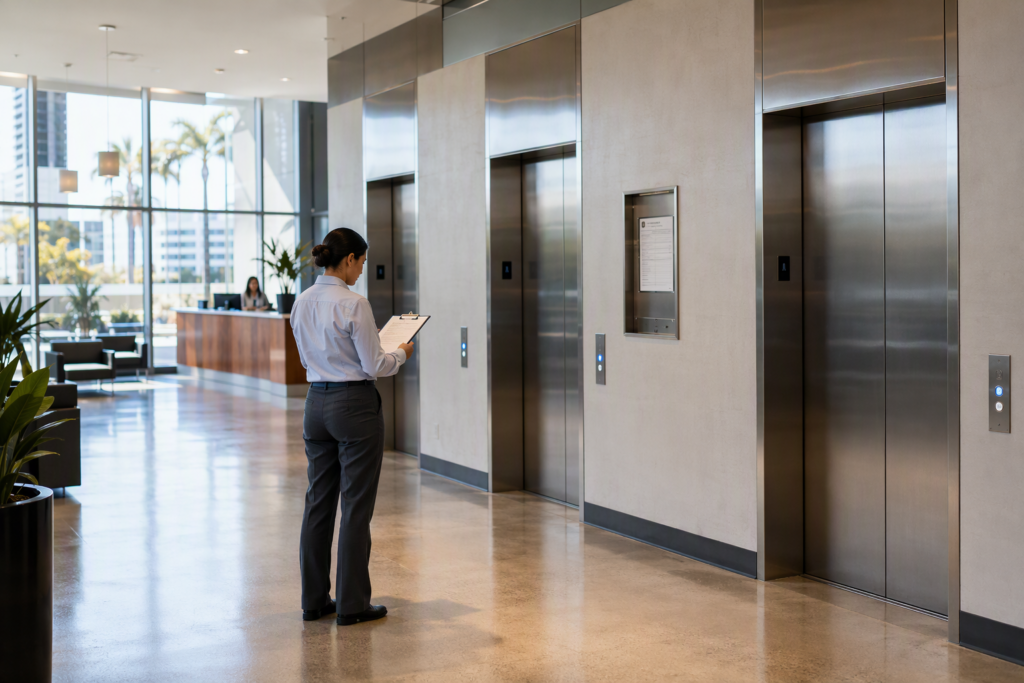
In Signal, CA, building owners and property managers often face a critical question when planning elevator improvements: does this work require a permit, and will it trigger a full code compliance review? The answer depends on the scope of the modification. California enforces some of the most comprehensive elevator safety regulations in the country, and understanding which upgrades cross the threshold into permit territory can save significant time, cost, and liability exposure. Liftech Elevator provides certified elevator modernization and compliance services throughout California, helping Signal-area clients navigate every step of the process.
—
Which Elevator Upgrades Require a Permit in California?
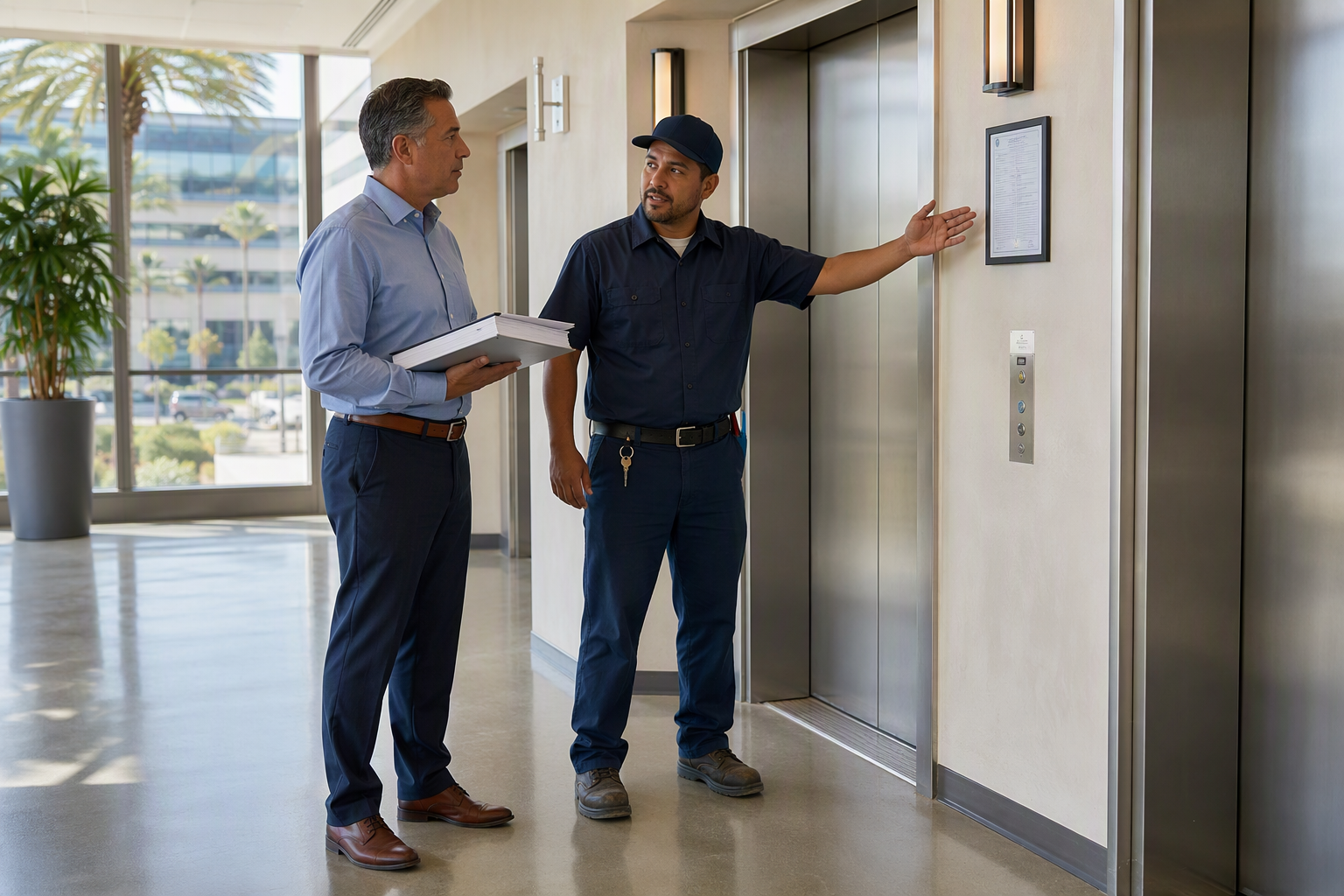
Under California’s elevator safety framework — administered by Cal/OSHA’s Elevator Unit — a permit is generally required for any alteration that affects the safe operation of an elevator. This includes, but is not limited to:
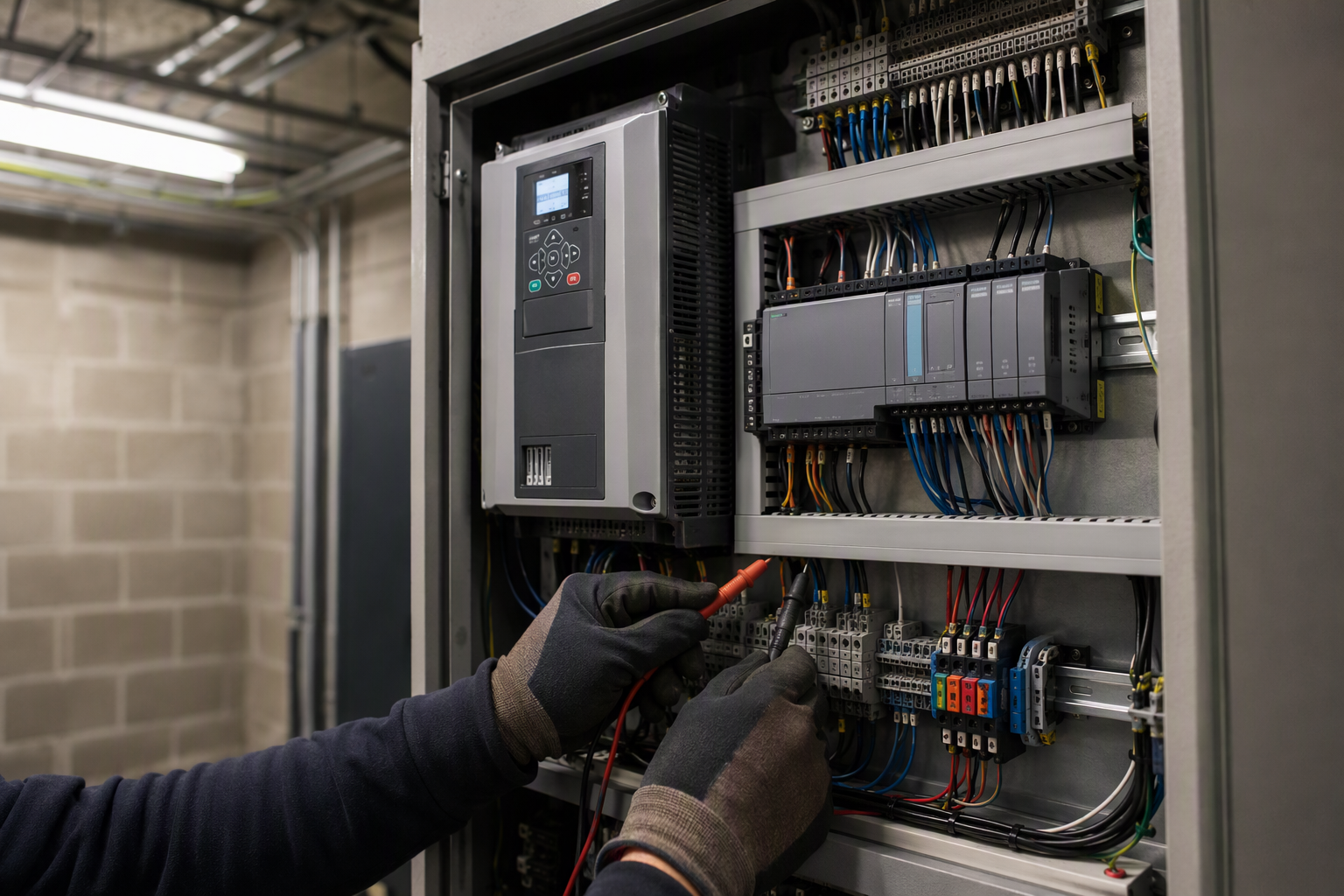
- Controller replacements — Swapping out relay-logic or older solid-state controllers for modern programmable systems constitutes an alteration and triggers permitting.
- Drive system upgrades — Replacing a DC motor drive with a variable-frequency AC drive (VFD) is a significant mechanical change requiring review.
- Safety device modifications — Updates to governor systems, safeties, buffers, or door interlocks require inspection and approval.
- Cab enclosure changes — Structural alterations to the elevator cab interior, including changes to capacity ratings, are subject to review.
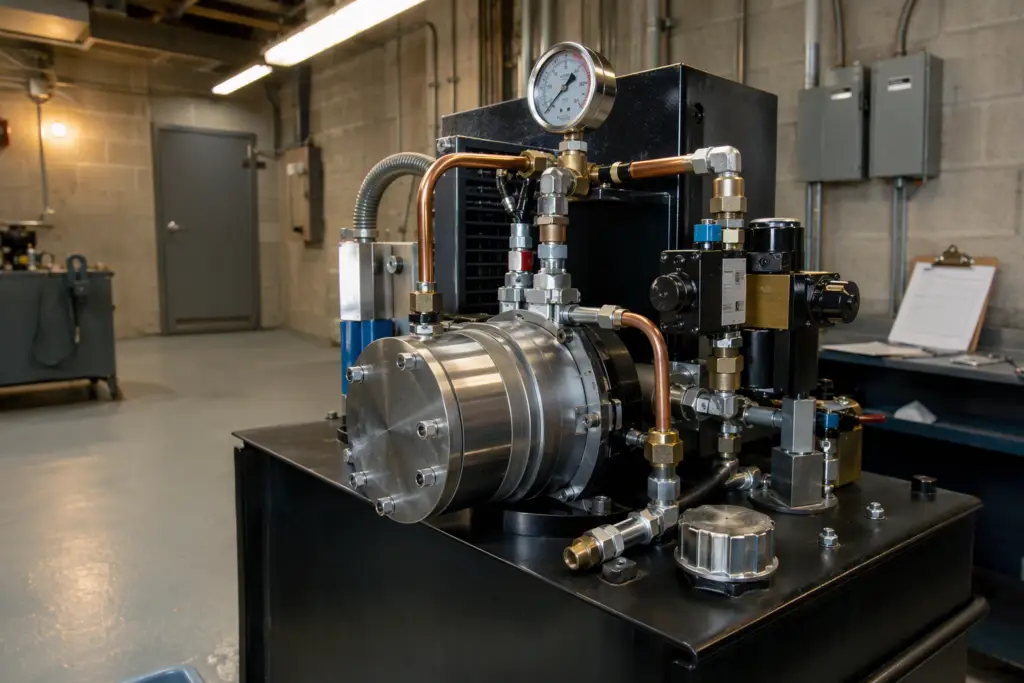
- Hydraulic system conversions — Converting a hydraulic elevator’s power unit, cylinder, or adding environmental containment systems requires a permit.
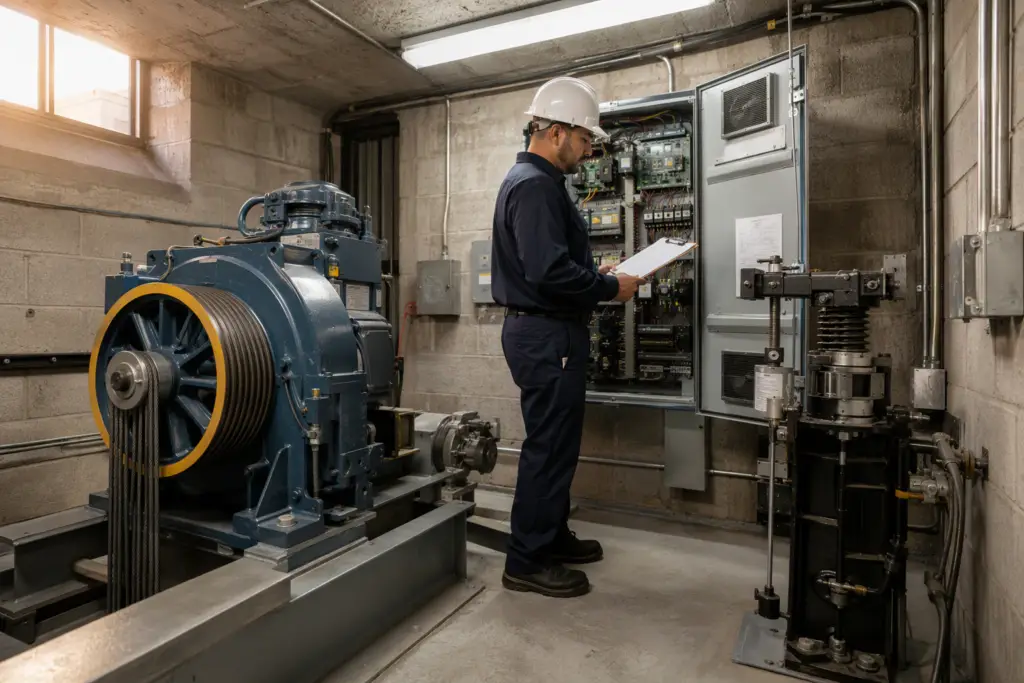
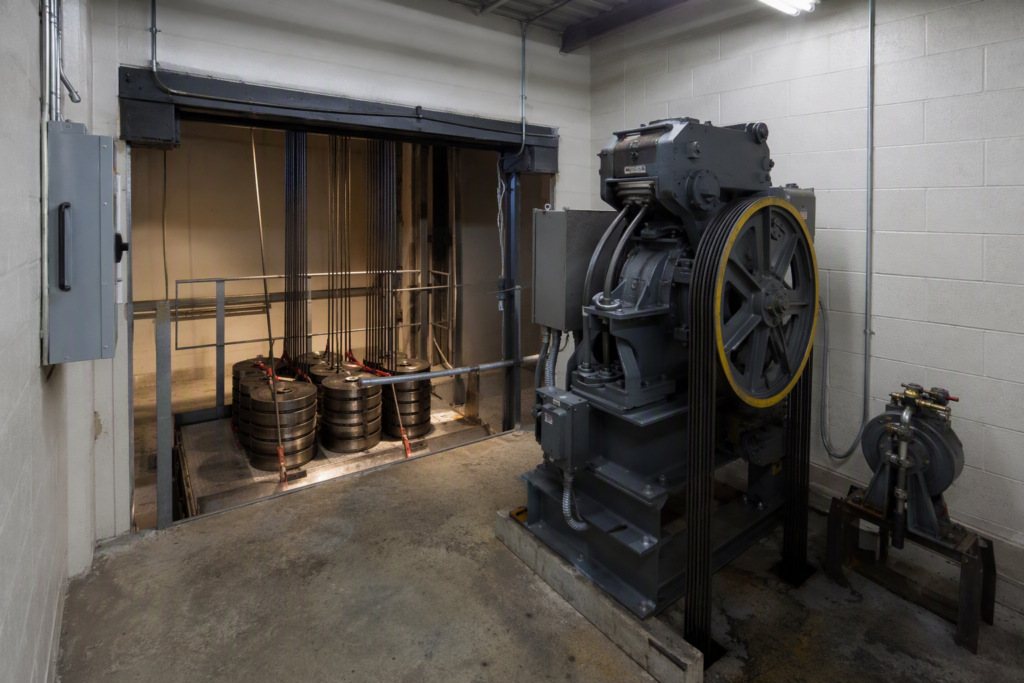
- Machine room or hoistway modifications — Any changes to the structural or mechanical components within the hoistway or machine room are covered.
- Emergency lighting and communication upgrades — Alterations to code-required emergency systems may trigger compliance review depending on scope.
Routine maintenance, lubrication, part-for-part replacements (like-for-like), and minor repairs typically do not trigger a permit — but the line between “repair” and “alteration” is often a judgment call best made with a qualified elevator contractor familiar with California’s regulatory requirements.
—
What Code Standards Apply to Elevator Modernization in California?
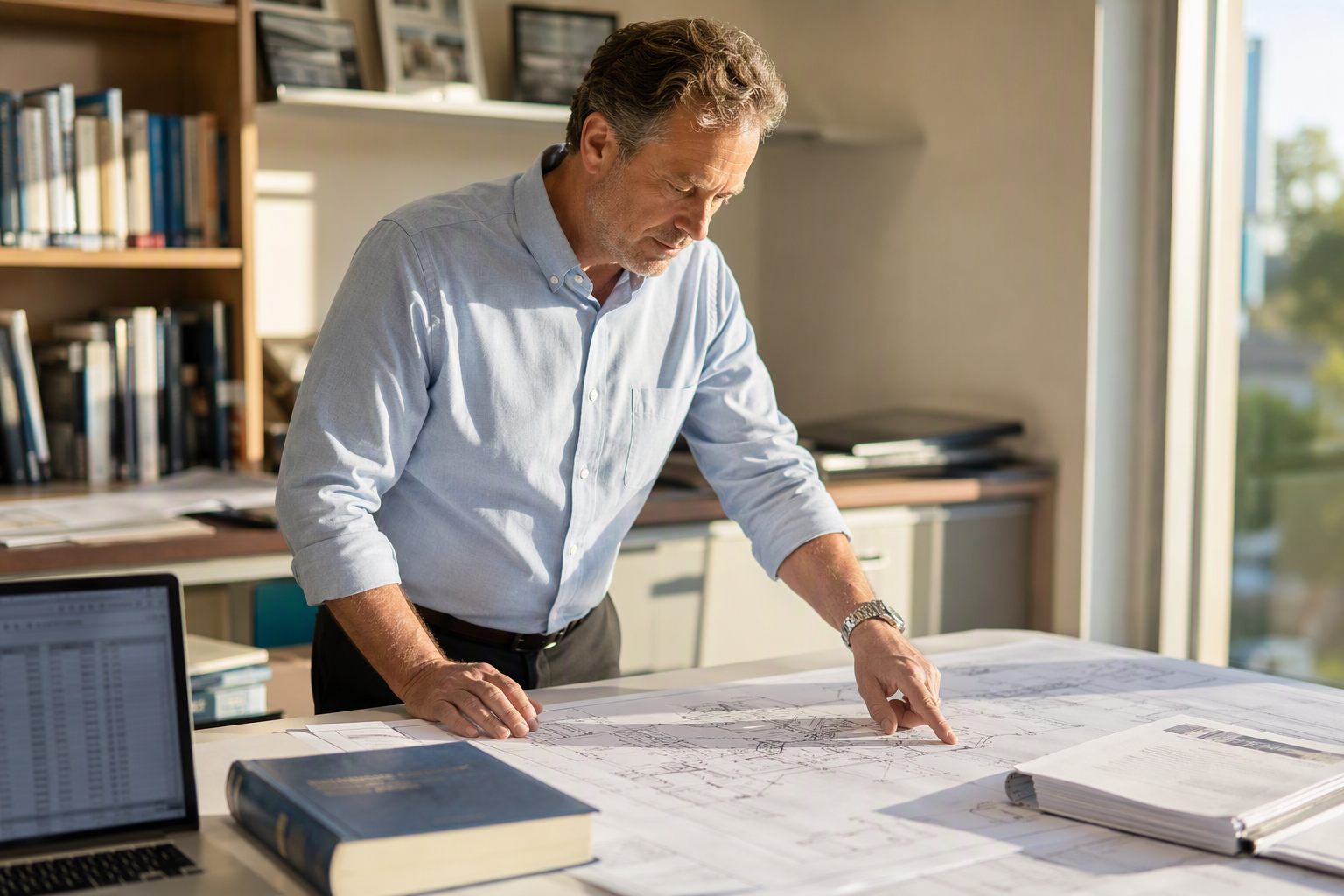
California’s elevator regulations reference two foundational national standards:
- ASME A17.1 Safety Code for Elevators and Escalators — Governs the design, construction, installation, operation, inspection, testing, maintenance, alteration, and repair of elevators in new and modernized installations.
- ASME A17.3 Safety Code for Existing Elevators and Escalators — Applies specifically to existing installations and outlines retrofit and upgrade requirements that may be triggered when alterations are made.
When a permit is pulled for modernization work, California inspectors typically evaluate the upgraded components against the edition of ASME A17.1 that was in effect at the time of the permit application. In 2026, this means compliance review incorporates current code editions addressing accessibility, fire service operation, seismic requirements, and energy efficiency considerations unique to California buildings.
Additionally, if the modernization affects passenger access or cab dimensions, Americans with Disabilities Act (ADA) standards for accessible design may come into play, particularly for commercial properties undergoing alterations.
—
What Triggers a Full Code Compliance Review — Not Just a Permit?
A permit initiates the process, but a full code compliance review is triggered when the scope of modernization is substantial enough that the elevator is effectively treated as a new or significantly altered installation. In California, this typically occurs when:
- The entire control system is replaced, requiring the elevator to meet current A17.1 requirements for the modernized components.
- Alterations affect multiple interdependent systems simultaneously (e.g., drive, control, and door systems together).
- The rated load or speed of the elevator is being changed.
- Seismic upgrades are required under California’s Title 24 building standards or local AHJ requirements.
- The elevator is being converted from one type to another (e.g., hydraulic to traction).
The local Authority Having Jurisdiction (AHJ) — which may be the city of Signal Hill, Los Angeles County, or another local body depending on the property’s jurisdiction — has the authority to interpret code requirements and set additional local conditions for approval.
—
What Is the Permit and Inspection Process for Elevator Modernization in California?
Understanding the step-by-step process helps building owners plan realistic project timelines and budgets.
- Engage a licensed elevator contractor. In California, elevator work must be performed by a contractor licensed by the Contractors State License Board (CSLB) with the appropriate elevator classification. Liftech Elevator works with building owners throughout the Signal, CA area to assess scope and code requirements before any work begins.
- Submit permit application and drawings. The contractor prepares and submits permit applications to Cal/OSHA’s Elevator Unit, including plans, specifications, and equipment data sheets for all components being modified.
- Permit review and approval. Cal/OSHA reviews the submitted documentation for compliance with applicable ASME A17.1 and A17.3 standards. Additional review by the local AHJ may occur concurrently.
- Perform the modernization work. Once the permit is approved, the licensed elevator contractor completes the modernization per the approved plans and applicable codes.
- State inspection. A Cal/OSHA elevator inspector conducts a field inspection of the completed work to verify compliance with the permit and applicable code requirements.
- Certificate of Operation issued. Upon passing inspection, a new Certificate of Compliance and Certificate of Operation are issued. The elevator cannot legally be returned to passenger service until this certificate is in hand.
- Ongoing periodic inspections resume. After modernization, the elevator re-enters the routine periodic inspection cycle required by California law.
—
How Does California’s Seismic Environment Affect Elevator Modernization Requirements?
California’s seismic activity adds a layer of complexity to elevator modernization that property owners in Signal, CA should not overlook. When permits are pulled for significant alterations, inspectors and AHJs frequently evaluate whether the existing seismic bracing and retainer systems in the hoistway meet current standards. In many cases, modernization projects trigger a requirement to upgrade guide rail brackets, counterweight retainers, and other seismic components — even if those components were not the original focus of the project. Planning for seismic compliance from the outset avoids costly mid-project surprises.
—
Does Elevator Modernization Require ADA Compliance Updates?
When a commercial building undergoes an alteration — including elevator modernization — the Americans with Disabilities Act requires that the altered elements, and the path of travel to them, comply with current ADA Standards for Accessible Design to the maximum extent feasible. For elevators, this can mean evaluating call button height and placement, cab dimensions, door timing, tactile signage, and audible signals. Building owners should work with their elevator contractor and, where appropriate, an accessibility consultant to assess ADA implications before finalizing the modernization scope.
—
What Happens If Modernization Work Is Done Without a Permit in California?
Performing elevator alteration work without the required permit in California carries serious consequences. Cal/OSHA has authority to order the elevator taken out of service immediately upon discovering unpermitted work. Building owners may also face civil penalties, and the cost of retroactive permitting — which often requires full disassembly and inspection of the work performed — can far exceed what a proper permit would have cost. Beyond regulatory exposure, unpermitted elevator alterations create significant liability in the event of an incident or injury.
—
Why Do Signal, CA Property Owners Work With Liftech Elevator for Modernization Projects?
Signal, CA sits within a dense Southern California market where commercial, residential, and industrial properties all depend on reliable vertical transportation. Liftech Elevator brings deep familiarity with California’s regulatory environment — including Cal/OSHA permitting processes, ASME code requirements, local AHJ expectations, and seismic compliance standards — to every modernization engagement. The Liftech team works across a broad range of property types in the greater Los Angeles area, providing permit management, code consulting, and certified modernization services tailored to the complexity of each project.
When elevator systems approach the end of their service life or fall behind current safety standards, proactive modernization protects building occupants, reduces long-term maintenance costs, and ensures continued legal operation. Liftech Elevator helps Signal-area clients identify which upgrades trigger permit requirements before work begins — avoiding surprises and keeping projects on schedule.
For urgent elevator issues, Liftech Elevator maintains emergency service availability to support clients when unplanned outages occur.
—
What Should Building Owners in Signal, CA Do First When Planning Elevator Modernization?
- Request a comprehensive assessment. Have a qualified elevator contractor evaluate the current condition, age, and compliance status of your elevator system before defining the modernization scope.
- Identify permit triggers early. Work with your contractor to determine which planned improvements will require Cal/OSHA permits and AHJ review — this shapes the timeline and budget.
- Review code edition applicability. Confirm which edition of ASME A17.1 will govern your permit review and whether any seismic or ADA compliance gaps need to be addressed.
- Plan for inspection lead times. Cal/OSHA inspection scheduling can affect project timelines; factor this into planning before committing to tenant or occupancy dates.
- Document everything. Maintain complete records of all permit applications, approved drawings, inspection reports, and certificates — these are required for insurance, due diligence, and future work.
—
Schedule a Free Consultation with Liftech Elevator
If your Signal, CA property needs elevator modernization, permit guidance, or a compliance assessment, Liftech Elevator is ready to help. Contact the Liftech team today to discuss your project and understand exactly what code requirements apply to your building.
Call Liftech Elevator: 562-997-3639
Need elevator service you can rely on? Liftech Elevator is ready to help.