How to Budget for Elevator Maintenance and Repairs in Your Building’s 2027 Fiscal Year
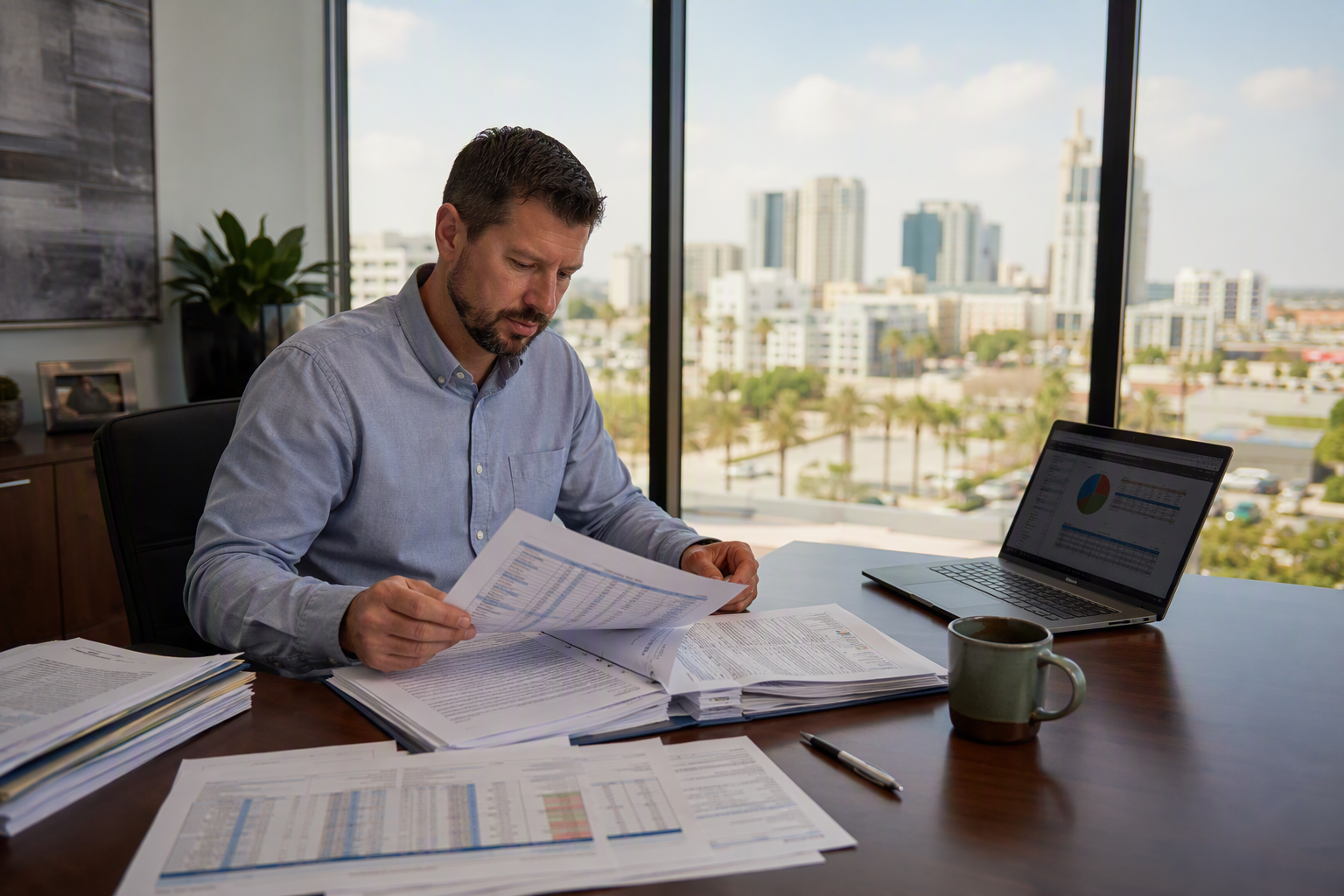
Elevator systems are among the most capital-intensive building assets to maintain, yet they are frequently underbudgeted. As building owners and facility managers prepare their 2027 fiscal year plans, understanding the full cost structure of elevator maintenance—from routine service contracts to emergency repairs to mandated safety upgrades—is essential for financial accuracy and liability management. This page breaks down every major cost driver, compliance requirement, and budgeting framework you need.
What Are the Primary Cost Categories for Elevator Maintenance Budgeting?
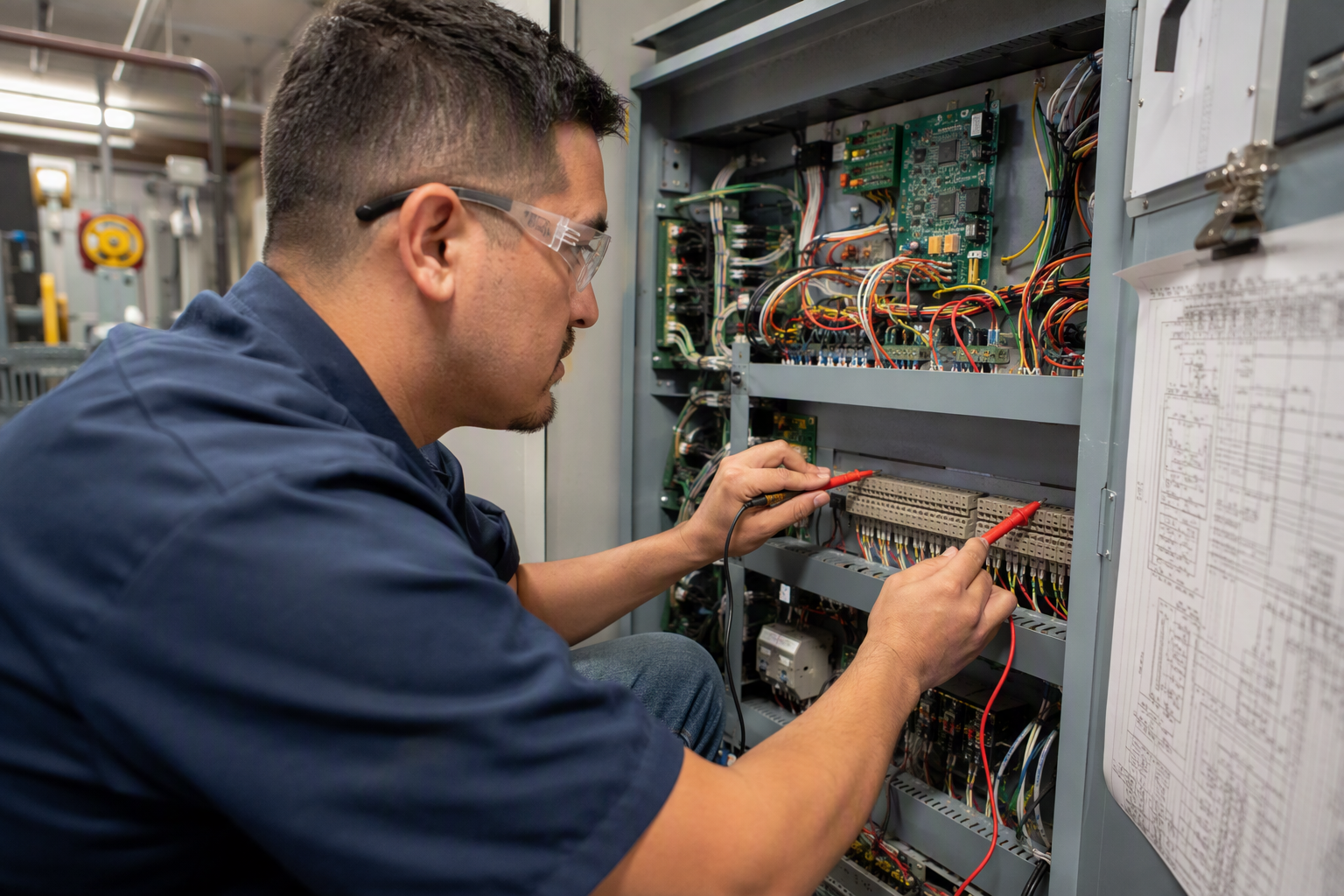
Every elevator maintenance budget should be organized around four core cost categories. Conflating these leads to surprise expenses that can destabilize a capital plan mid-year.
- Preventive Maintenance Contracts: Regularly scheduled service visits, lubrication, inspection, adjustment, and minor parts replacement. These are typically fixed-cost annual or multi-year contracts with a licensed elevator service company.
- Mandatory Inspections and Permits: Most U.S. jurisdictions require annual or biennial third-party safety inspections under state elevator safety laws and codes derived from ASME A17.1 Safety Code for Elevators and Escalators. Permit fees are set by local authorities having jurisdiction (AHJ) and vary by region.
- Reactive and Emergency Repairs: Unplanned breakdowns, entrapments, and component failures that occur outside of scheduled maintenance windows. These carry premium labor rates and unpredictable parts costs.
- Capital Replacement and Modernization: Major component overhauls (motors, controllers, door operators, hydraulic systems) or full modernization projects that extend equipment life and restore code compliance.
A structurally sound budget allocates funds to all four categories—not just the maintenance contract—before the fiscal year begins.
What Does a Preventive Maintenance Contract Typically Include?
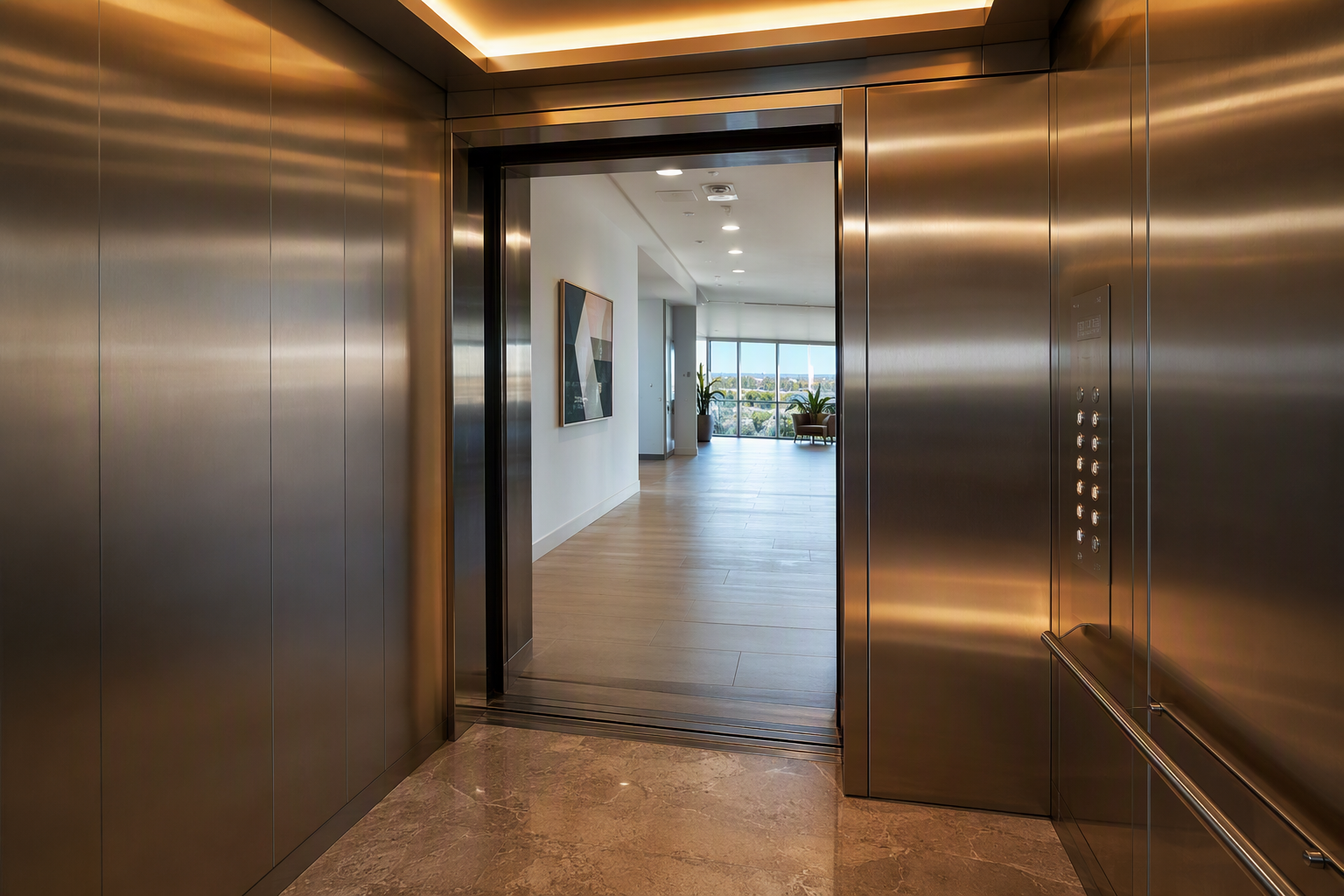
Preventive maintenance (PM) contracts are the financial foundation of any elevator budget. The scope of coverage varies widely between full-service contracts and limited or “oil and grease” contracts, and the difference has direct implications for your repair reserve needs.
Full-service contracts generally include all parts and labor for covered components, scheduled lubrication and adjustment visits, 24/7 emergency callback coverage, and annual safety testing. These contracts carry higher base premiums but substantially reduce out-of-pocket reactive repair costs.
Limited or oil-and-grease contracts cover only labor for scheduled visits and consumables. Parts and callback labor are billed separately at time-and-materials rates. These contracts appear cheaper on paper but require a much larger repair reserve to cover exposure.
When comparing vendors for your 2027 contract, the critical question is not the monthly fee but the exclusions list. Review what components and failure types fall outside the contract scope, and model those as uninsured repair risks in your capital reserve.
How Do Elevator Age and Type Affect Annual Maintenance Costs?
Two variables that most directly predict maintenance spend are the age of the equipment and the drive type. These factors are qualitative cost drivers that experienced facility managers use to tier their reserve allocations.
Equipment Age: Elevators operating past their expected design life—commonly 20 to 25 years for major components—experience accelerating parts failures and increasingly obsolete components that are expensive or difficult to source. Buildings with aging elevator fleets should budget meaningfully higher reserves than those with recently modernized equipment.
Drive Type:
- Hydraulic elevators carry risks associated with hydraulic fluid leaks, jack cylinder corrosion, and environmental compliance costs. Older single-bottom hydraulic jacks may require replacement under state environmental regulations.
- Traction elevators (geared and gearless) require hoist rope inspection and replacement cycles, brake component maintenance, and machine room environmental controls. Gearless machine room-less (MRL) systems have different service access requirements.
- Newer variable-frequency drive (VFD) systems may reduce long-term mechanical wear but introduce electronic and software diagnostic costs that require specialized technicians.
Liftech Elevator provides detailed condition assessments that help building owners understand where their specific equipment falls on this risk spectrum before fiscal year planning begins.
What Compliance and Code Requirements Drive Costs in 2026 and 2027?
Code compliance is a non-discretionary budget line. Failure to meet mandatory requirements exposes building owners to fines, forced shutdowns, and liability under the Americans with Disabilities Act (ADA), OSHA workplace safety standards, and state-adopted editions of ASME A17.1 Safety Code for Elevators and Escalators.
Key compliance cost drivers to include in a 2027 budget include:
- Annual and Periodic Inspections: ASME A17.1 establishes inspection intervals for various elevator categories. State and local jurisdictions adopt and sometimes amend these requirements. Most jurisdictions require at minimum an annual Category 1 functional test and periodic Category 5 full-load safety test on a longer cycle. Inspection fees, witness fees, and any required corrective actions must all be budgeted.
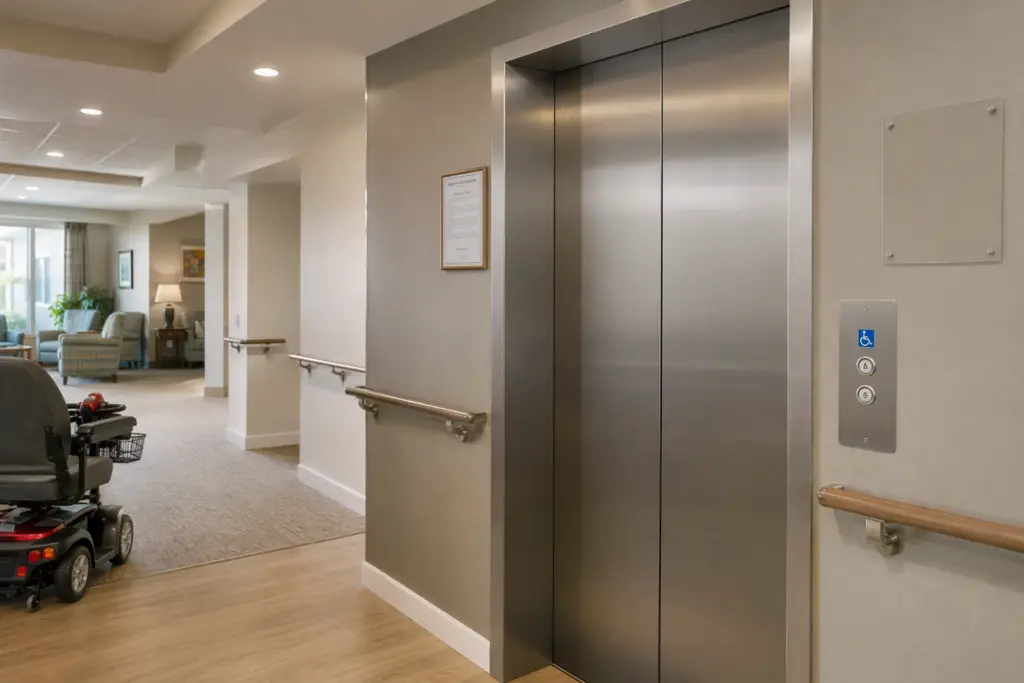
- ADA Accessibility Compliance: ADA requirements affect cab dimensions, door timing, controls, and signage. Older elevators may require modifications triggered by building renovations or enforcement actions.
- State-Mandated Upgrades: Several states have introduced or phased in requirements for door reopening devices, firefighter service updates, and seismic compliance in high-risk zones. Budget cycles must account for phase-in deadlines specific to your jurisdiction.
- Modernization Triggered by Major Repairs: In some jurisdictions, replacing a major component (controller, machine) triggers a requirement to bring the entire elevator into compliance with the currently adopted code edition. This can convert a planned repair into a much larger capital project.
How Should Building Managers Structure an Elevator Capital Reserve?
A capital reserve fund for elevators serves as the financial buffer between the PM contract’s covered scope and the full cost of unexpected or major expenditures. Structuring this reserve is as much a financial planning discipline as it is a facilities management practice.
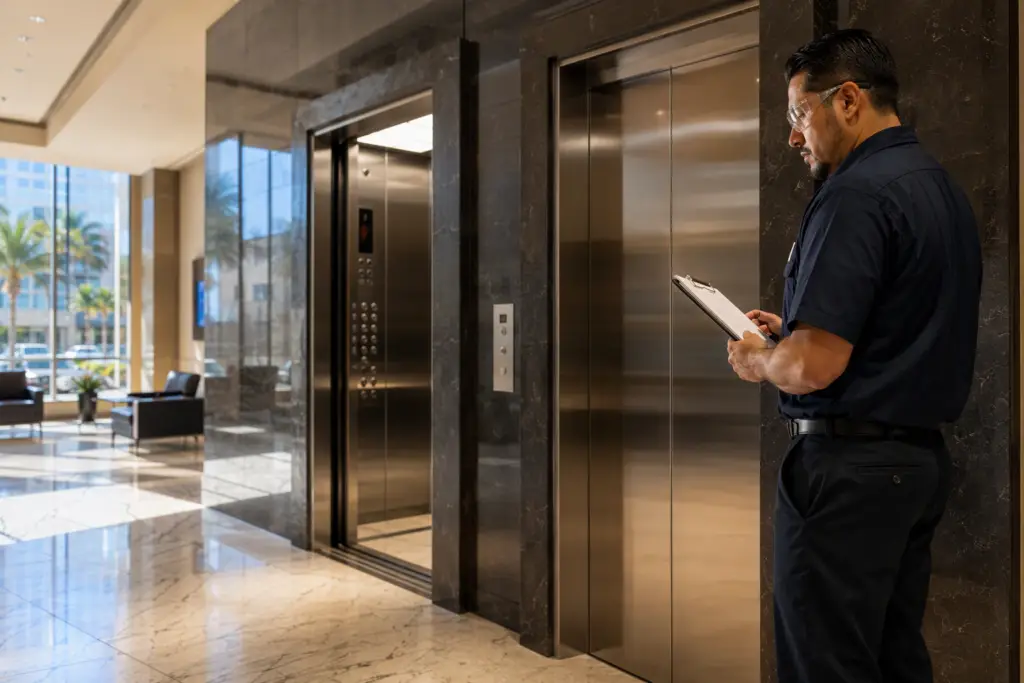
- Conduct a condition assessment: Before setting a reserve amount, commission a third-party or service provider elevator condition assessment. This identifies components approaching end-of-life, outstanding compliance items, and the probability of significant repair events in the next one to three years.
- List all known future capital events: Compile every component with a known replacement timeline—hoist ropes, door operators, hydraulic fluid, controllers, pump units—and assign a projected year and cost range to each.
- Assign probability-weighted costs to uncertain events: Reactive repairs that are possible but not certain should be assigned a probability and a cost estimate, then weighted accordingly in your reserve calculation.
- Set a minimum floor for the reserve: Regardless of current equipment condition, a meaningful floor prevents the reserve from being reallocated in lean budget years, leaving the building exposed to emergency expenditures with no funding source.
- Review and update annually: Reserve adequacy should be reassessed each year as equipment ages and as inspection findings update the risk profile.
What Are the Risks of Underbudgeting Elevator Maintenance?
Underbudgeting elevator maintenance is not a cost-saving strategy—it is a cost-deferral strategy with compounding consequences. The financial and operational risks include:
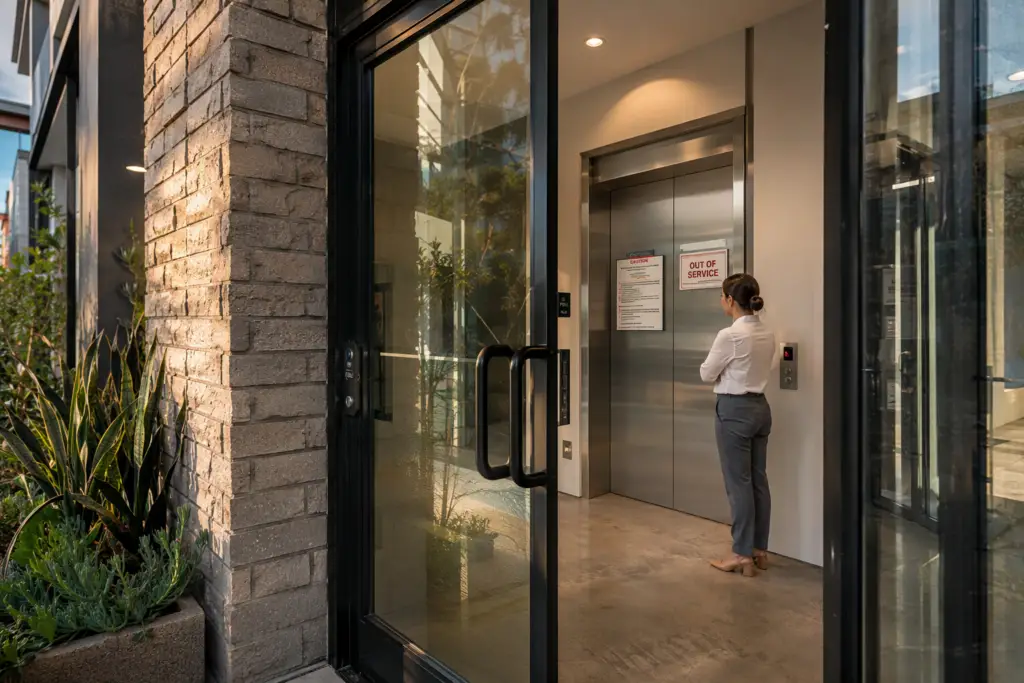
- Forced shutdowns: When an elevator fails an annual inspection due to deferred maintenance, the AHJ can order it out of service immediately. Lost revenue, tenant complaints, and ADA compliance exposure may follow.
- Accelerated component degradation: Skipping or reducing preventive maintenance intervals allows minor wear to become major failure, often converting a low-cost correction into a high-cost emergency repair or premature modernization.
- Entrapment and injury liability: Elevators that are not properly maintained create risks of entrapment and mechanical failure. Personal injury liability, under both tort law and OSHA workplace safety obligations, far exceeds the cost of any deferred maintenance item.
- Emergency repair premiums: After-hours callback labor, expedited parts sourcing, and unplanned downtime all carry premium costs that a well-funded PM contract and reserve fund would have avoided.
How Does Elevator Usage Volume Affect Maintenance Budgeting?
Usage intensity is a key variable in predicting maintenance frequency and parts wear cycles. High-traffic buildings—hospitals, hotels, residential towers with large populations, busy commercial buildings—place substantially more mechanical stress on elevator systems than low-use environments.
When building a 2027 budget, facility managers should document estimated monthly car trips and peak load conditions for each elevator. This data is useful both for accurately scoping a PM contract with a service provider and for flagging elevators that may be operating outside their designed duty cycle and therefore at elevated risk of early component failure.
What Should Building Managers Ask When Comparing Elevator Service Vendors?
Vendor selection has a direct and lasting impact on total annual cost. A lower contract price from a vendor with narrow coverage terms can result in higher total spend than a higher-priced full-service agreement. Key questions to ask in a competitive evaluation include:
- What specific components and failure modes are excluded from coverage?
- What are the callback response time commitments and any associated penalty or escalation provisions?
- Are proprietary parts used, and does using a particular vendor lock the building into a sole-source parts situation?
- What is the vendor’s experience with your specific elevator manufacturer, model, and drive type?
- How does the vendor document service visits and provide building owners with compliance records for inspection readiness?
- What is the process for code-triggered upgrades discovered during routine maintenance?
Liftech Elevator approaches vendor relationships with full transparency on contract scope, documented service records, and compliance tracking—supporting building managers in maintaining inspection-ready elevator systems year-round.
How Do Multi-Elevator Buildings Differ in Budgeting Complexity?
Buildings with two or more elevators face planning complexity that single-elevator properties do not. Key considerations include:
- Staggered inspection and permit cycles: Each elevator may have independent inspection due dates, permit renewal timelines, and Category 5 test schedules. A master compliance calendar is essential.
- Group versus individual contract pricing: Service providers may offer fleet pricing for multiple units in the same building, which can reduce per-unit cost. However, exclusions should still be evaluated per unit, as older units may carry higher individual risk.
- Modernization sequencing: If multiple elevators require modernization, the sequencing plan must ensure at least one unit remains operational at all times to maintain ADA-compliant access, which has both operational and budgeting implications.
- Reserve pooling: A single shared reserve fund for all elevators in a building allows resources to be deployed where needed rather than siloed per unit, providing more budgeting flexibility.
What Industry Trends in 2025–2026 Are Shaping 2027 Elevator Budgets?
The elevator service industry is experiencing several qualitative shifts that building managers should factor into forward-looking budget assumptions for 2027, even where specific figures are not available:
- Remote monitoring and predictive maintenance adoption: More service providers are deploying IoT-based monitoring systems that generate real-time data on elevator performance and component condition. Buildings adopting these systems may see a shift in maintenance spend from reactive repair to planned replacement, improving budget predictability over time.
- Skilled labor market pressures: The elevator service technician workforce continues to face supply constraints in many markets. This is placing upward pressure on callback labor rates and extended lead times for emergency service, reinforcing the value of comprehensive PM contracts that include callback coverage.
- Parts supply chain dynamics: Ongoing global supply chain variability is affecting lead times and pricing for legacy elevator parts, particularly for equipment manufactured by brands no longer active in the market. Buildings with aging fleets should account for potential extended downtime or premium sourcing costs when planning their repair reserves.
- Regulatory evolution: State legislatures and AHJs continue to update their adopted code editions and introduce new safety mandates. Building managers should monitor their local jurisdiction’s regulatory calendar and request compliance gap assessments from their service provider as part of annual budget preparation.
- Sustainability and energy efficiency upgrades: Older hydraulic and geared traction systems are increasingly being evaluated for energy efficiency improvements. While not yet mandated in most jurisdictions, some building owners are incorporating LED cab lighting, regenerative drives, and standby mode upgrades into modernization budgets as part of broader ESG commitments.
When Should a Building Budget for Full Elevator Modernization Rather Than Ongoing Maintenance?
Modernization is a capital investment decision that building managers often delay too long. The signals that a modernization project should be planned—and funded—in a 2027 budget or near-term capital plan include:
- Parts obsolescence: components that can no longer be sourced through normal supply channels, requiring custom fabrication or salvage sourcing
- Repair cost trajectory: when annual reactive repair and parts costs approach or exceed the cost of a major component overhaul on a per-year basis
- Compliance gap triggers: a pending or recent AHJ citation requiring upgrades that in scope effectively constitute modernization
- Tenant or occupant experience: persistent reliability complaints, slow door operation, rough ride quality, or outdated cab finishes that affect building marketability
- End-of-useful-life horizon: a qualified condition assessment indicating the elevator is within three to five years of expected major system failure
Modernization should be budgeted as a capital project separate from the operating maintenance budget, with its own reserve, financing strategy, and project timeline that accounts for permitting, equipment lead times, and installation downtime.
What Sourced Data Is Available for Elevator Maintenance Budget Reference?
| Requirement | Source / Standard | Budget Implication |
|---|---|---|
| Mandatory safety inspection intervals (Category 1, 3, 5 tests) for passenger elevators | ASME A17.1 Safety Code for Elevators and Escalators | Annual and periodic inspection fees, witness fees, and corrective action costs must be budgeted as fixed compliance line items |
| Accessibility requirements for elevator controls, cab dimensions, and door timing | Americans with Disabilities Act (ADA) | Non-compliant features may require retrofit investment; triggered by renovation projects or enforcement actions |
| Workplace safety requirements affecting elevator machine rooms and service personnel | OSHA General Industry Standards | Machine room housekeeping, lockout/tagout compliance, and hazard abatement may carry periodic costs for building owners |
Note: Cost figures have not been included in the table above because jurisdiction-specific permit fees, inspection fees, and retrofit costs vary too widely across markets to present a single representative figure without misrepresenting actual building-level exposure. Obtain itemized quotes from your local AHJ and service provider for accurate budget inputs.
How Should a 2027 Elevator Budget Be Presented to Building Ownership or a Board?
Facility managers who present elevator budgets to building ownership, HOA boards, or asset management committees benefit from organizing the request into a clear structure that separates non-discretionary from discretionary spend and connects each line item to a specific risk or requirement.
- Present the compliance floor first: Mandatory inspections, permits, and code-required corrective actions are not negotiable. Frame these as the non-discretionary baseline.
- Quantify the PM contract value in risk terms: Show the cost difference between a full-service and limited contract alongside an estimate of the additional repair reserve required to cover the gap. This reframes the PM contract as risk management, not a discretionary expense.
- Separate the capital reserve from the operating budget: Boards respond better to a capital reserve fund narrative than to a general maintenance budget that appears to grow every year. Show the reserve as a structured liability management tool.
- Include a deferred maintenance risk statement: If prior years have seen maintenance deferrals, quantify the current deferred backlog and its projected cost to remediate—either in 2027 or at forced failure.
- Attach inspection records and condition assessment findings: Documentation from recent inspections and any condition assessment performed by Liftech Elevator or another qualified provider provides objective support for budget requests.
What Is the Right Timeline for 2027 Elevator Budget Planning?
Elevator budgets require longer planning lead times than many other building operating expenses because of the complexity of vendor contracting, compliance scheduling, and capital project timelines. A recommended planning sequence for a January 2027 fiscal year start:
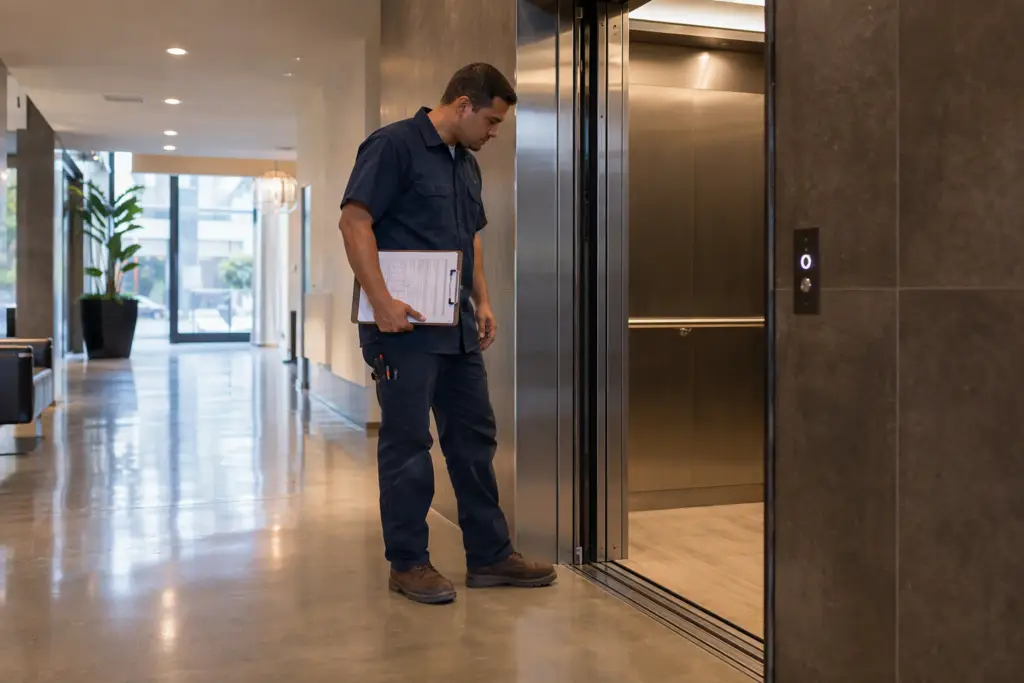
- Q2 2026 – Condition Assessment: Commission an elevator condition assessment to establish an objective baseline of equipment status, outstanding compliance items, and projected capital needs.
- Q2–Q3 2026 – Contract Renewal Evaluation: Request competitive proposals from qualified service providers if the current PM contract is approaching renewal. Allow time for full scope review and negotiation.
- Q3 2026 – Compliance Calendar Review: Confirm all upcoming inspection due dates, permit renewals, and Category 5 test schedules with your AHJ and service provider. Build these into the 2027 budget calendar.
- Q3 2026 – Capital Reserve Modeling: Using condition assessment findings and the component lifecycle inventory, model the capital reserve requirement for 2027 and the following two to three years.
- Q4 2026 – Budget Submission: Present the finalized elevator maintenance and capital reserve budget to building ownership or the board for approval before year-end.
- Q4 2026 / Q1 2027 – Vendor Contract Execution: Execute or renew PM contract in time for a seamless transition into the new fiscal year without service gaps.
Ready to Build an Accurate 2027 Elevator Budget?
Elevator maintenance budgeting is too consequential to rely on guesswork or industry averages that may not reflect your specific equipment, jurisdiction, or usage profile. Liftech Elevator provides data-driven condition assessments and maintenance planning support designed to give building owners and facility managers the specific, documented information they need to build defensible, accurate fiscal year budgets.
Contact Liftech Elevator for a free elevator assessment. Call us at 562-609-3478 to schedule your assessment and enter your 2027 fiscal year with a clear, compliance-grounded maintenance and capital budget.
Need elevator service you can rely on? Liftech Elevator is ready to help.