Elevator Service in Signal, CA | Liftech Elevator
Elevator modernization in the Los Angeles area is one of the most significant capital investments a building owner or property manager can make. For properties in Signal, CA and the surrounding region, modernization costs depend on a range of interrelated factors — from the age and condition of the existing equipment to the specific California code requirements that apply to the scope of work being performed. This guide breaks down what drives cost, what compliance demands property owners face in 2026, and how to approach vendor selection with confidence.
What Is Elevator Modernization and Why Does It Matter?
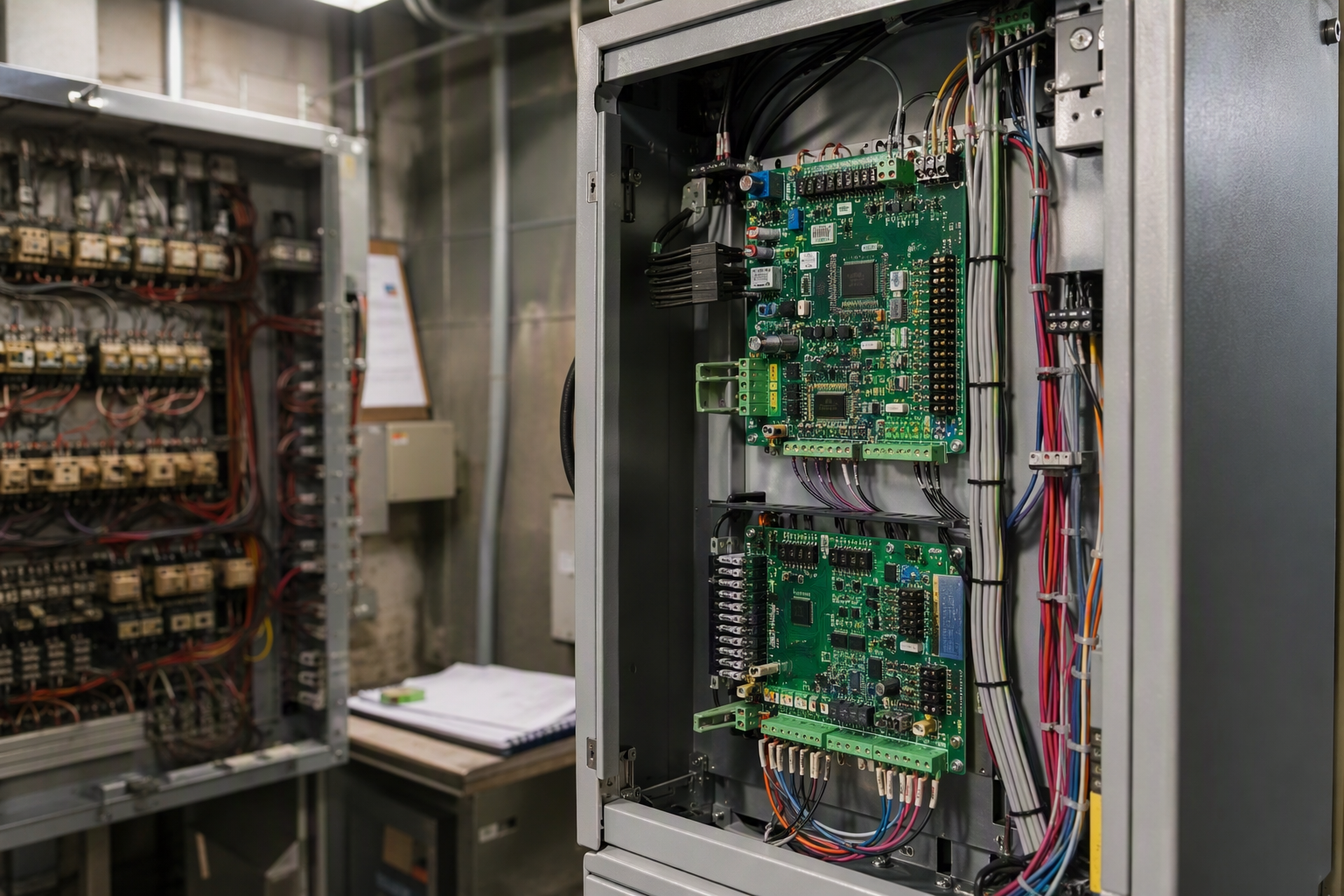
Elevator modernization is not the same as routine maintenance or repair. It refers to the partial or full replacement of major system components — including control systems, motors, cab interiors, door operators, safety devices, and signal fixtures — with the goal of extending equipment life, improving energy efficiency, and meeting current safety standards.
Older elevators that have not been modernized may no longer comply with current editions of the ASME A17.1 Safety Code for Elevators and Escalators, which California adopts and enforces through the California Elevator Safety Construction Code (Title 8, California Code of Regulations). In 2026, compliance with these standards is not optional — it is a legal requirement, and deferred modernization can expose building owners to liability, failed inspections, and costly emergency shutdowns.
What Factors Determine Elevator Modernization Cost in Los Angeles?
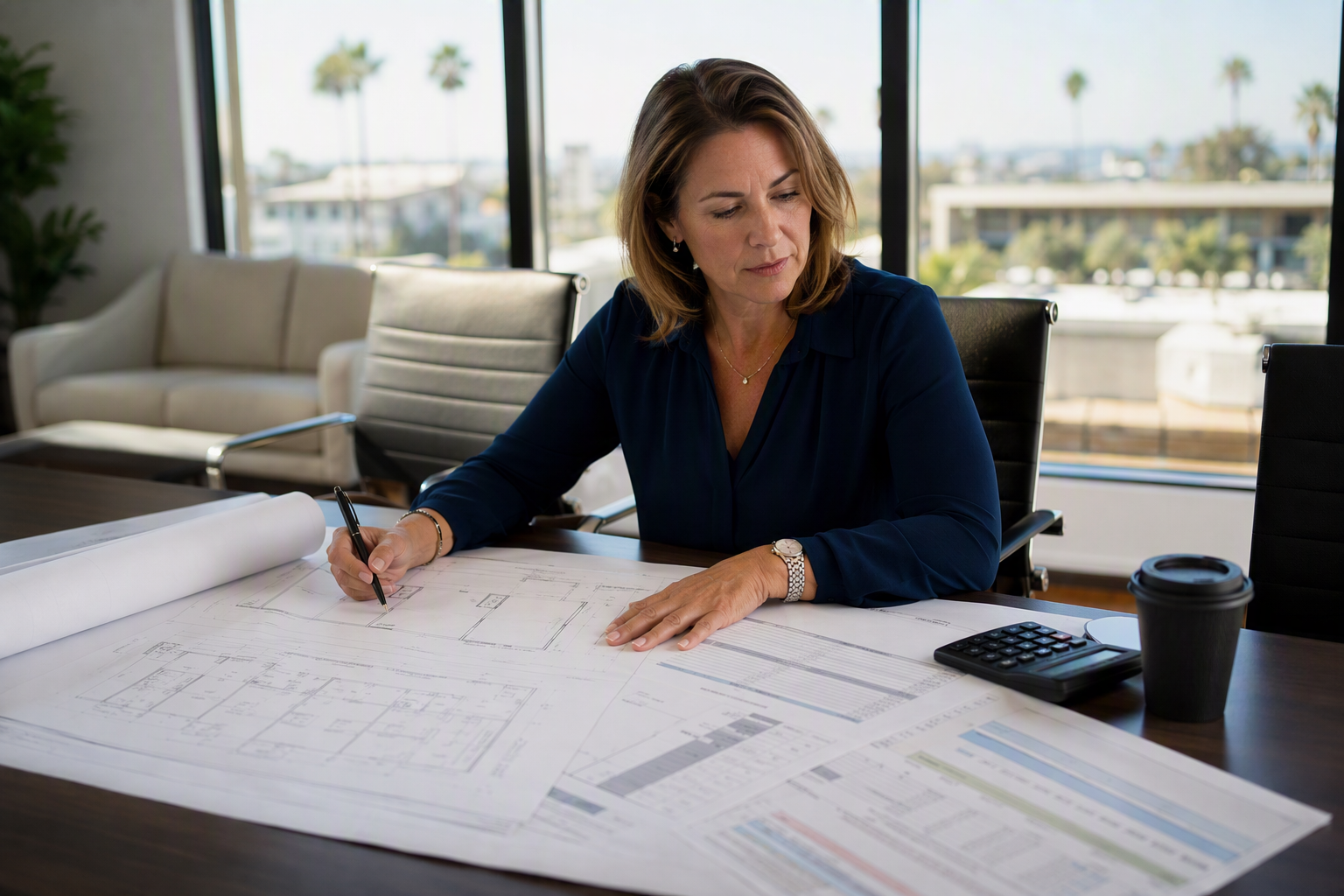
No two modernization projects carry the same price tag. The following factors are among the most significant cost drivers for properties in the Los Angeles area and Signal, CA specifically:
- Scope of work: A partial modernization targeting only the control system will cost considerably less than a full gut renovation that includes the cab, drive, doors, and safety systems.
- Equipment type: Hydraulic elevators and traction elevators each require different components and labor approaches, affecting total project cost.
- Age and condition of existing systems: Elevators with heavily degraded components or obsolete parts that are no longer manufactured may require additional engineering work and custom sourcing.
- California code compliance requirements: Projects that trigger specific thresholds under Title 8 regulations may require upgrades beyond the initially planned scope — such as adding or updating seismic safety equipment, which is a distinct concern in the Los Angeles region.
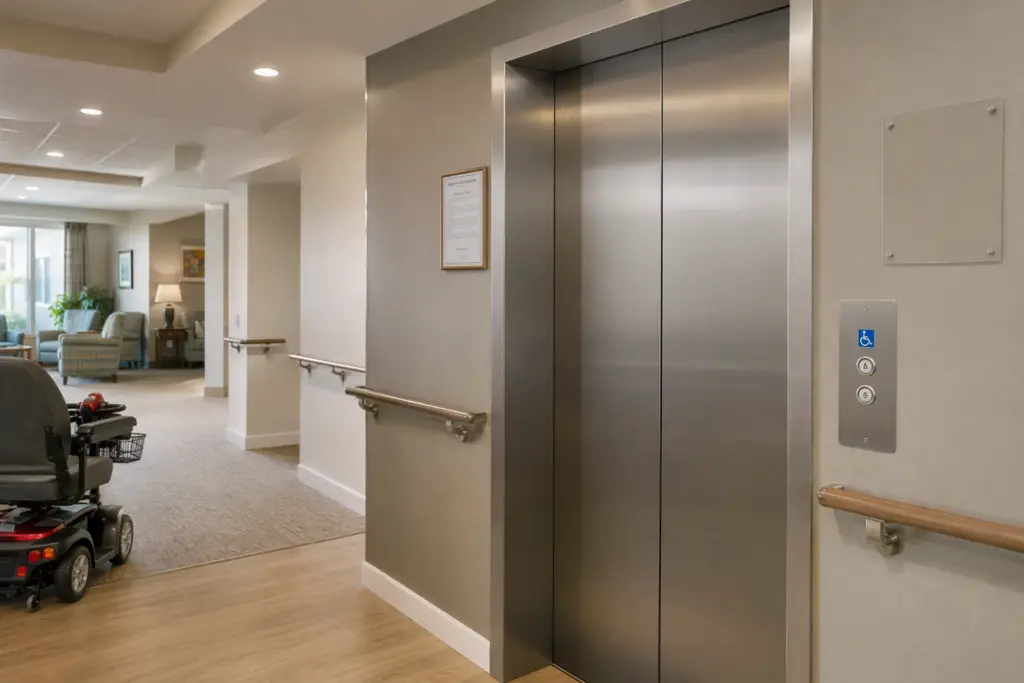
- Accessibility upgrades: Compliance with the Americans with Disabilities Act (ADA) may require modifications to cab dimensions, door timing, control placement, and auditory or visual signals.
- Building-specific logistics: High-rise buildings, multi-elevator systems, and properties with restricted access or unusual pit/overhead dimensions can add complexity and labor time to any project.
- Permitting and inspection fees: California requires permits and third-party inspections for modernization work, and the associated fees vary by jurisdiction within Los Angeles County.
What California Code Requirements Apply to Elevator Modernization in 2026?
California enforces elevator safety through Title 8 of the California Code of Regulations, which incorporates requirements derived from the ASME A17.1 Safety Code for Elevators and Escalators. In 2026, property owners in Signal, CA and the broader Los Angeles area should be aware of the following compliance areas:
- Seismic safety requirements: California-specific amendments require seismic switches and related safety devices in many elevator installations. Los Angeles County’s high seismic activity makes this a particularly relevant and closely enforced area of code.
- Firefighters’ emergency operation: Modernization projects typically trigger requirements to bring firefighters’ service (Phase I and Phase II emergency operation) up to current ASME A17.1 standards.
- Door reopening devices: California code requires functioning door reopening devices that meet current sensitivity standards, which may necessitate replacement of older door operators.
- Oil management for hydraulic units: California environmental regulations impose requirements on underground hydraulic cylinders, including secondary containment — relevant for older hydraulic systems undergoing modernization.
- Accessibility: Where a modernization project affects cab interiors or controls, ADA compliance under ADA.gov standards must also be addressed.
Because California code amendments interact with the base ASME standard in complex ways, working with a service provider familiar with Los Angeles County enforcement practices is essential to avoiding costly mid-project change orders.
What Does a Typical Elevator Modernization Timeline Look Like?
Timeline is often as important to property managers as cost. A well-planned modernization follows a structured process:
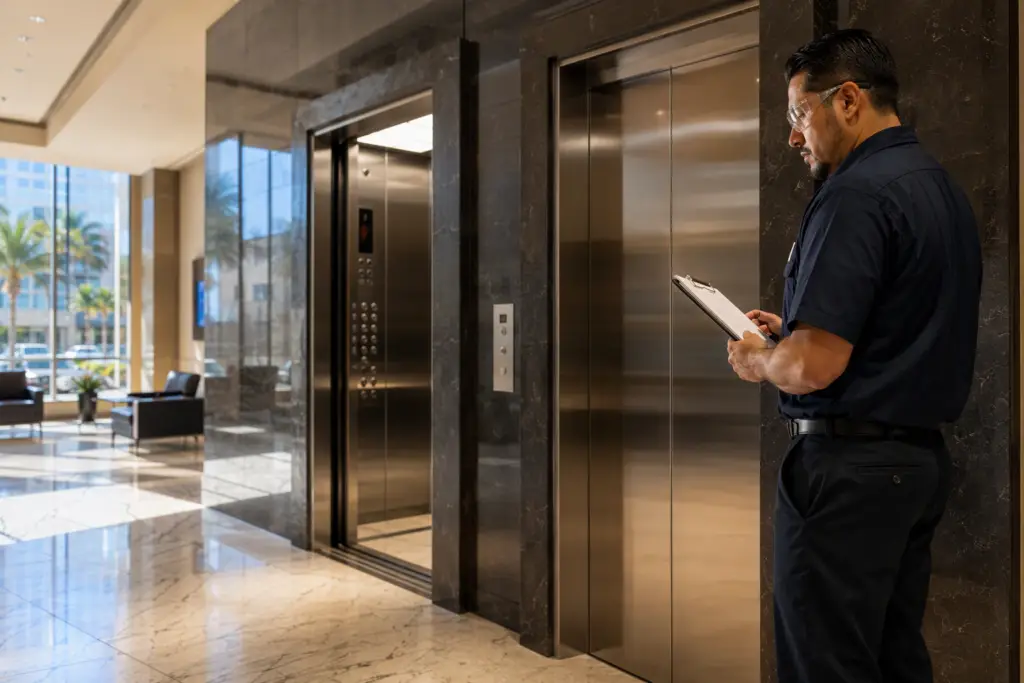
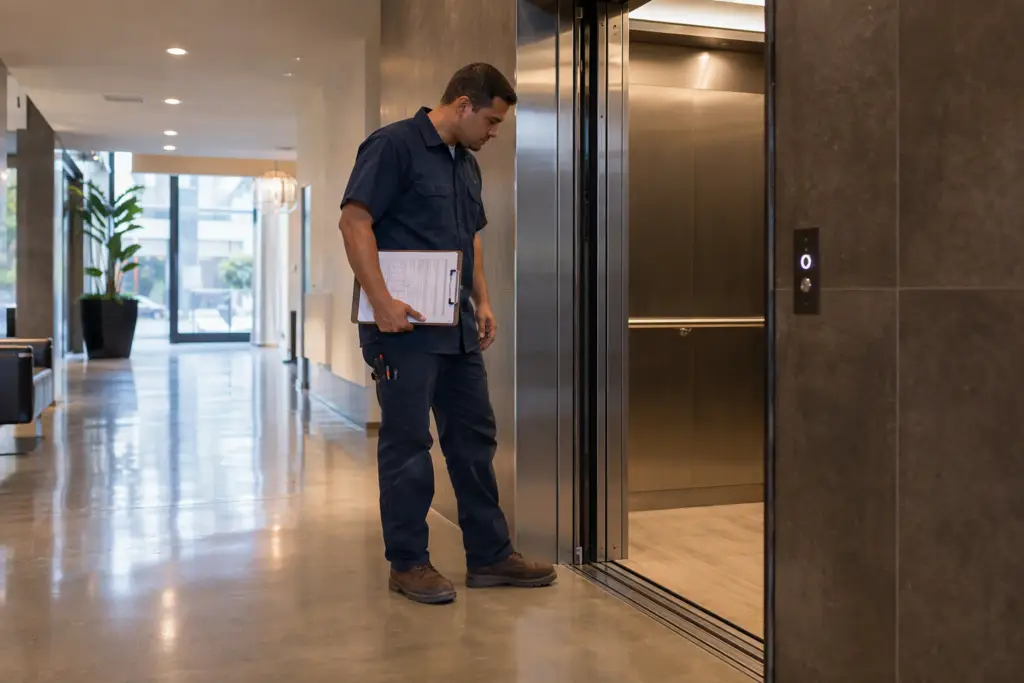
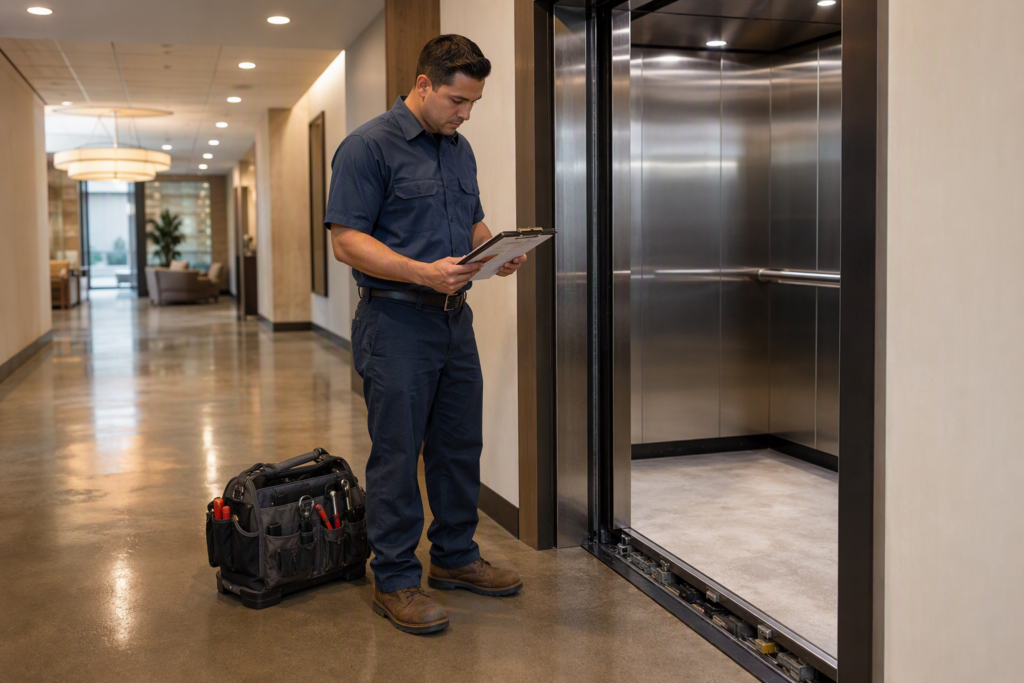
- Site assessment and audit: A qualified elevator technician inspects all existing components, documents deficiencies, and identifies code compliance gaps.
- Scope development: Based on the audit, a detailed scope of work is prepared that distinguishes mandatory code-driven upgrades from elective improvements.
- Permitting: Permit applications are submitted to the California Division of Occupational Safety and Health (Cal/OSHA) Elevator Unit and any applicable local jurisdiction. Permit review periods vary.
- Equipment procurement: Specialty components — particularly for older or less common elevator systems — may require lead time that affects the overall schedule.
- Installation: Modernization work is performed, typically requiring the elevator to be taken out of service for a defined period depending on project scope.
- Third-party inspection: California requires a licensed inspector to verify that all work meets applicable code before the elevator is returned to service.
- Certificate of compliance: Upon passing inspection, the elevator receives an updated certificate allowing legal operation.
How Should Building Owners Compare Elevator Modernization Vendors?
Selecting the right elevator modernization contractor in the Los Angeles area requires more than comparing line-item quotes. Property owners and managers in Signal, CA should evaluate vendors on the following criteria:
- Familiarity with California code: Vendors must understand Title 8 and local Los Angeles enforcement practice, not just the base ASME standard.
- Transparency in scope documentation: A reputable vendor clearly distinguishes code-mandated upgrades from optional improvements in writing before work begins.
- Permitting experience: Vendors who handle permitting in-house and have established relationships with inspection authorities can reduce administrative delays.
- References from comparable projects: Modernization experience in similar building types — commercial, residential, healthcare — is more relevant than aggregate volume claims.
- Post-modernization service capability: A vendor who can also provide ongoing maintenance after modernization offers continuity that reduces the risk of compatibility issues down the line.
Does Elevator Modernization Affect Building Insurance or Liability?
Modernized elevators that meet current ASME A17.1 and California code standards can reduce a building owner’s liability exposure by demonstrating that equipment meets the legally required safety baseline. Insurance carriers may also view code-compliant, recently modernized equipment more favorably during underwriting reviews. Property owners should consult their insurance broker alongside their elevator service provider when planning a modernization project.
Is Emergency Elevator Service Available for Properties in Signal, CA?
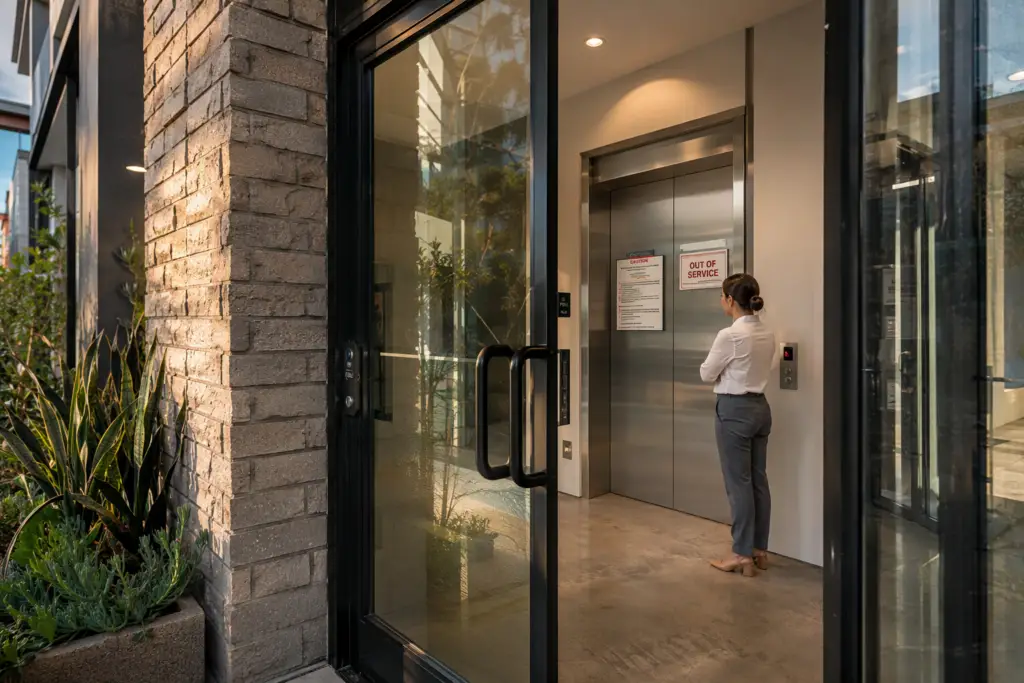
Liftech Elevator provides emergency elevator service to properties in Signal, CA and the surrounding Los Angeles area. Emergency response is available to address situations such as passenger entrapments, unexpected shutdowns, and safety-related failures. Property managers are encouraged to maintain direct contact information for their elevator service provider and to follow established building emergency protocols whenever an incident occurs.
What Markets and Property Types Does Liftech Elevator Serve in the Los Angeles Area?
Liftech Elevator serves a broad range of property types across the Los Angeles region, including commercial office buildings, residential apartment and condominium communities, retail centers, healthcare facilities, hospitality properties, and industrial sites. The team’s familiarity with the distinct operational and code compliance demands of each property type allows for modernization planning that reflects real-world building conditions — not generic assumptions.
How Can Signal, CA Property Owners Get Started with a Modernization Assessment?
The most reliable way to understand what elevator modernization will cost for a specific property in Signal, CA is to begin with a professional assessment. A site visit allows a qualified technician to evaluate current equipment condition, identify code compliance gaps, and develop a scoped estimate that reflects actual project requirements rather than broad industry averages.
Attempting to budget from general cost ranges without a site assessment frequently leads to inaccurate planning and unexpected change orders once work is underway. A structured consultation process protects building owners by creating a clear, documented record of what work is required, what is optional, and why.
Ready to understand what elevator modernization will cost for your Signal, CA property in 2026?
Schedule a Free Consultation with Liftech Elevator today and receive a site-specific assessment grounded in current California code requirements.
Call: 562-609-3478
Need elevator service you can rely on? Liftech Elevator is ready to help.