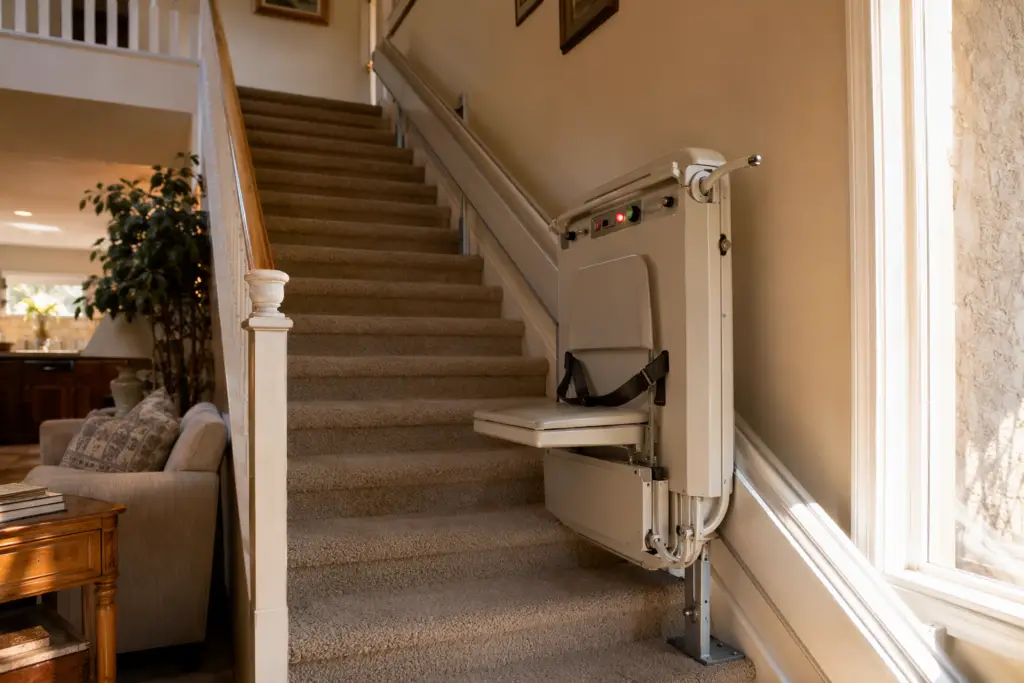
Getting an accurate repair quote for a handicap elevator — also called an accessibility elevator, wheelchair lift, or LULA (Limited Use/Limited Application) elevator — requires more than a phone estimate. Because California law mandates specific licensing, permitting, and inspection requirements for any work performed on a conveyance, the quoting process itself follows a defined sequence. The sections below answer every question property owners, facility managers, and ADA compliance officers in Signal Hill, Long Beach, Los Angeles, and Orange County ask before committing to a repair contract.
What is the fastest way to get a repair quote for a handicap elevator?
The fastest path is to call a Cal/OSHA-certified Certified Qualified Conveyance Company (CQCC) and schedule an on-site diagnostic visit, because a phone estimate alone cannot account for hidden component damage, code compliance gaps, or permit requirements.
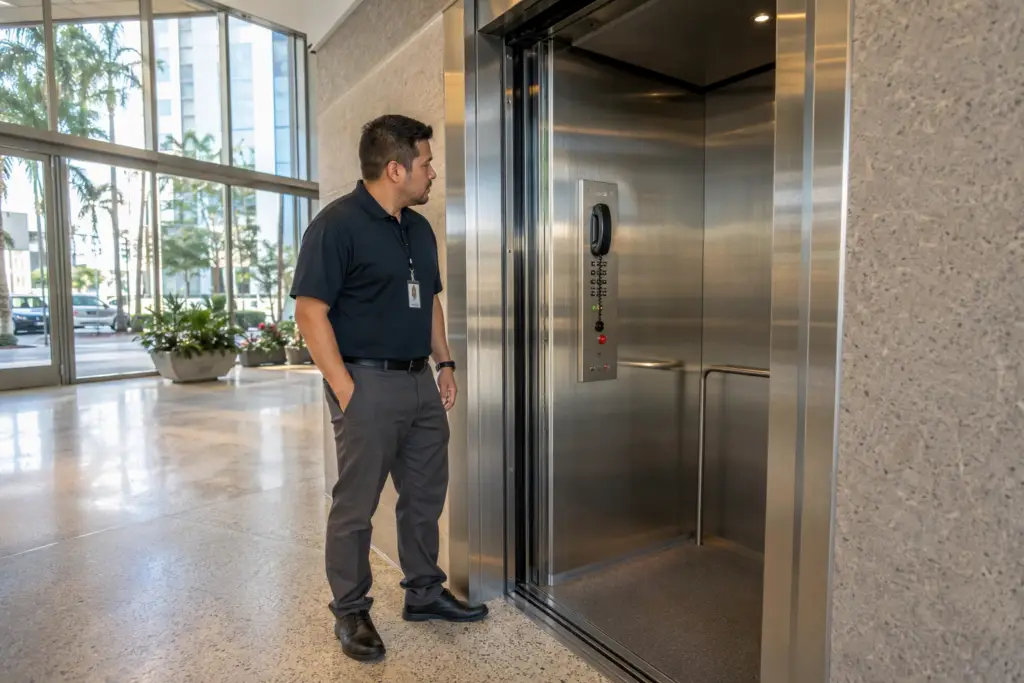
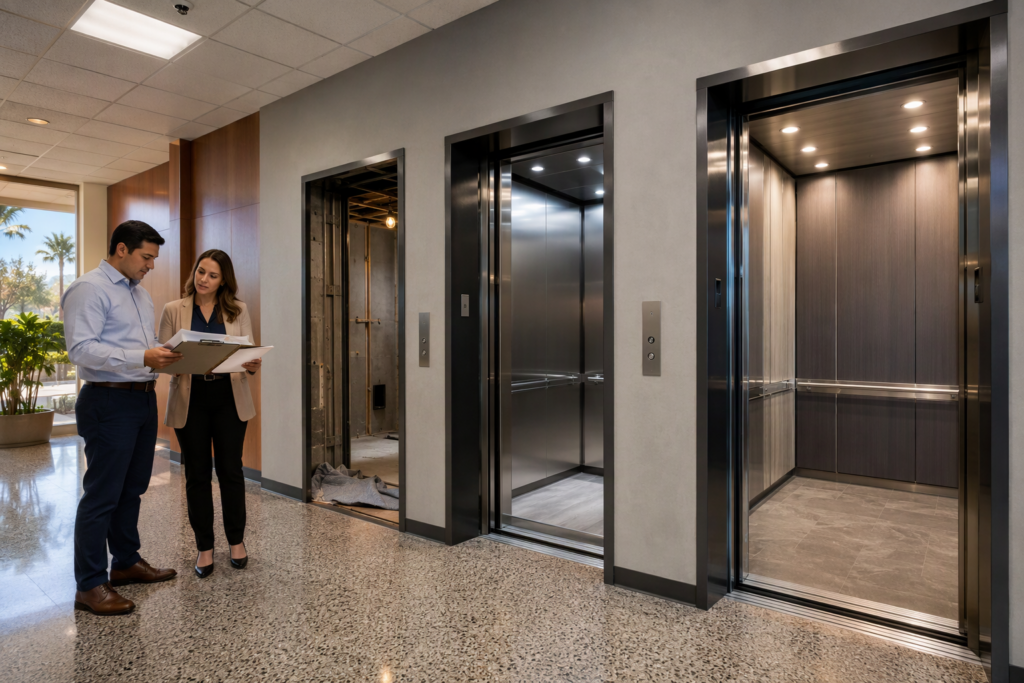
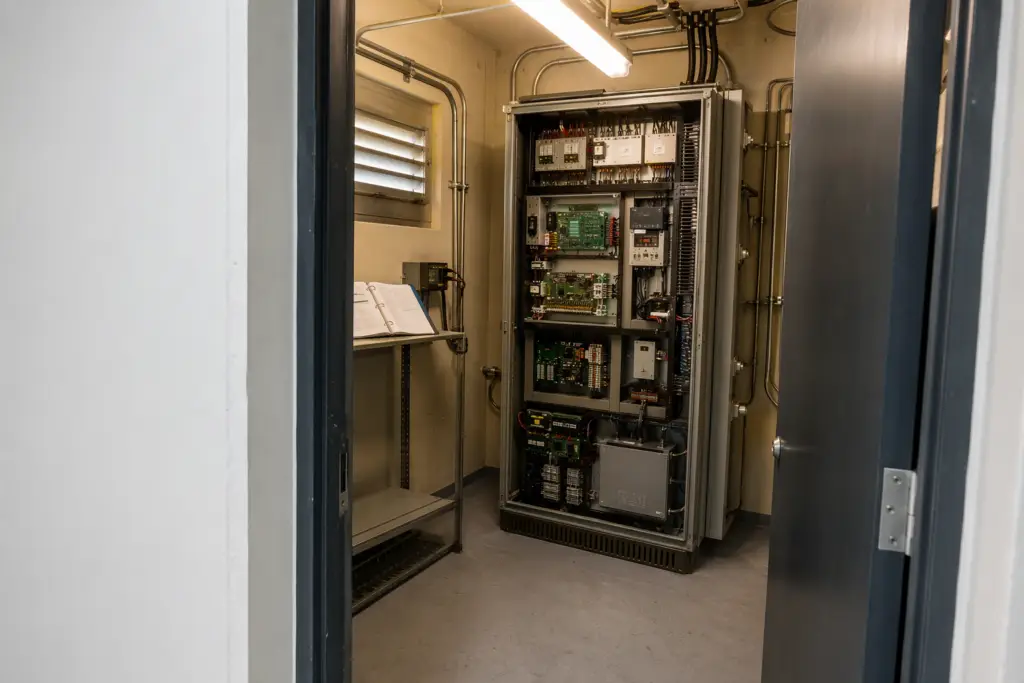
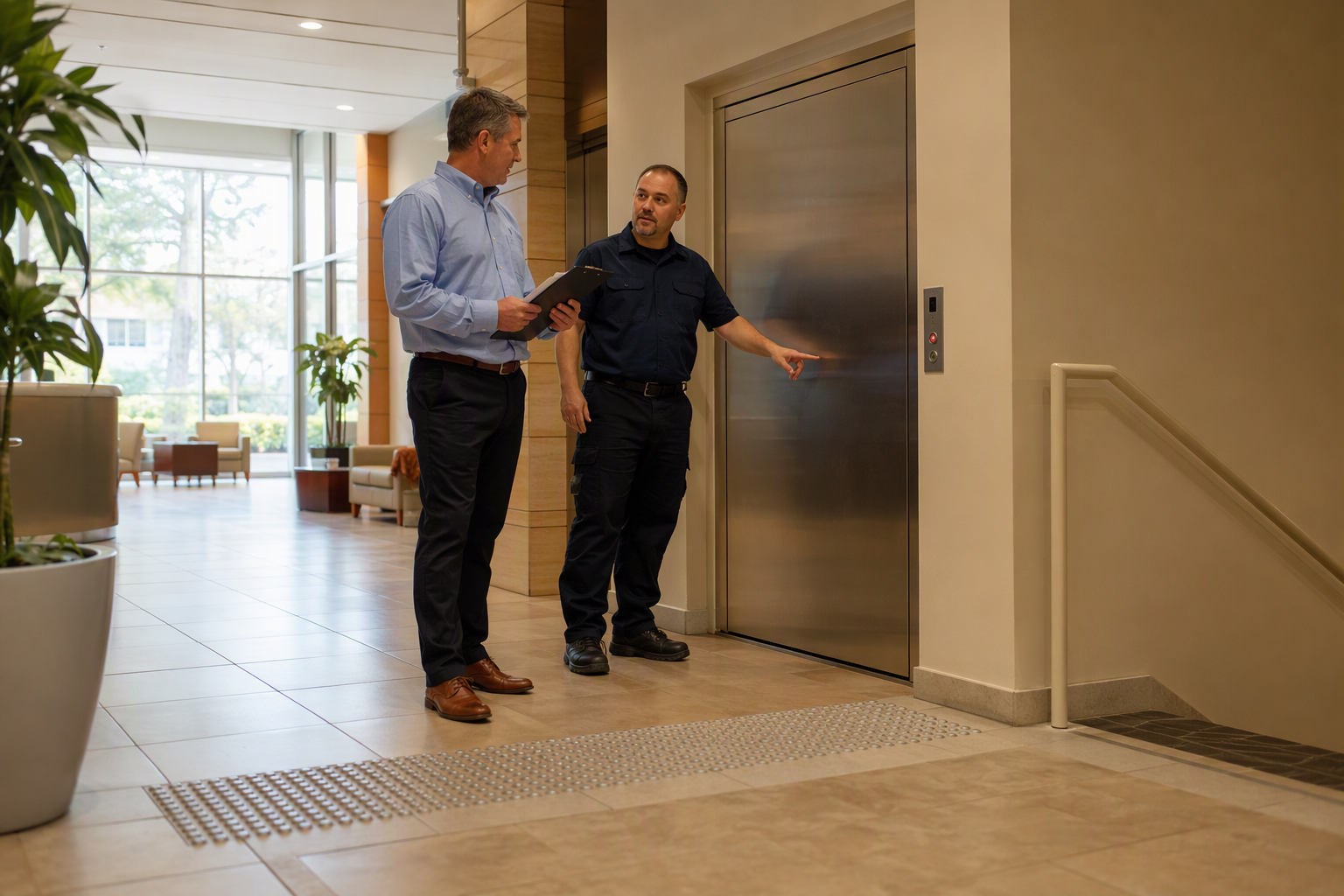
When a technician arrives, they will inspect the drive system, door operators, safety circuits, call buttons, and any accessibility-specific components such as fold-down platforms or audio/visual indicators. That physical inspection is the foundation of an honest repair quote. Companies that provide firm pricing before seeing the equipment are likely to add significant change orders once work begins.
In California, only a Certified Competent Conveyance Mechanic (CCCM) working for a CQCC may legally diagnose and repair elevator components. Requesting proof of both credentials before allowing any technician on site protects the property owner from liability and ensures the quote will reflect work that will pass Cal/OSHA inspection.
What information should a property owner prepare before requesting a quote?
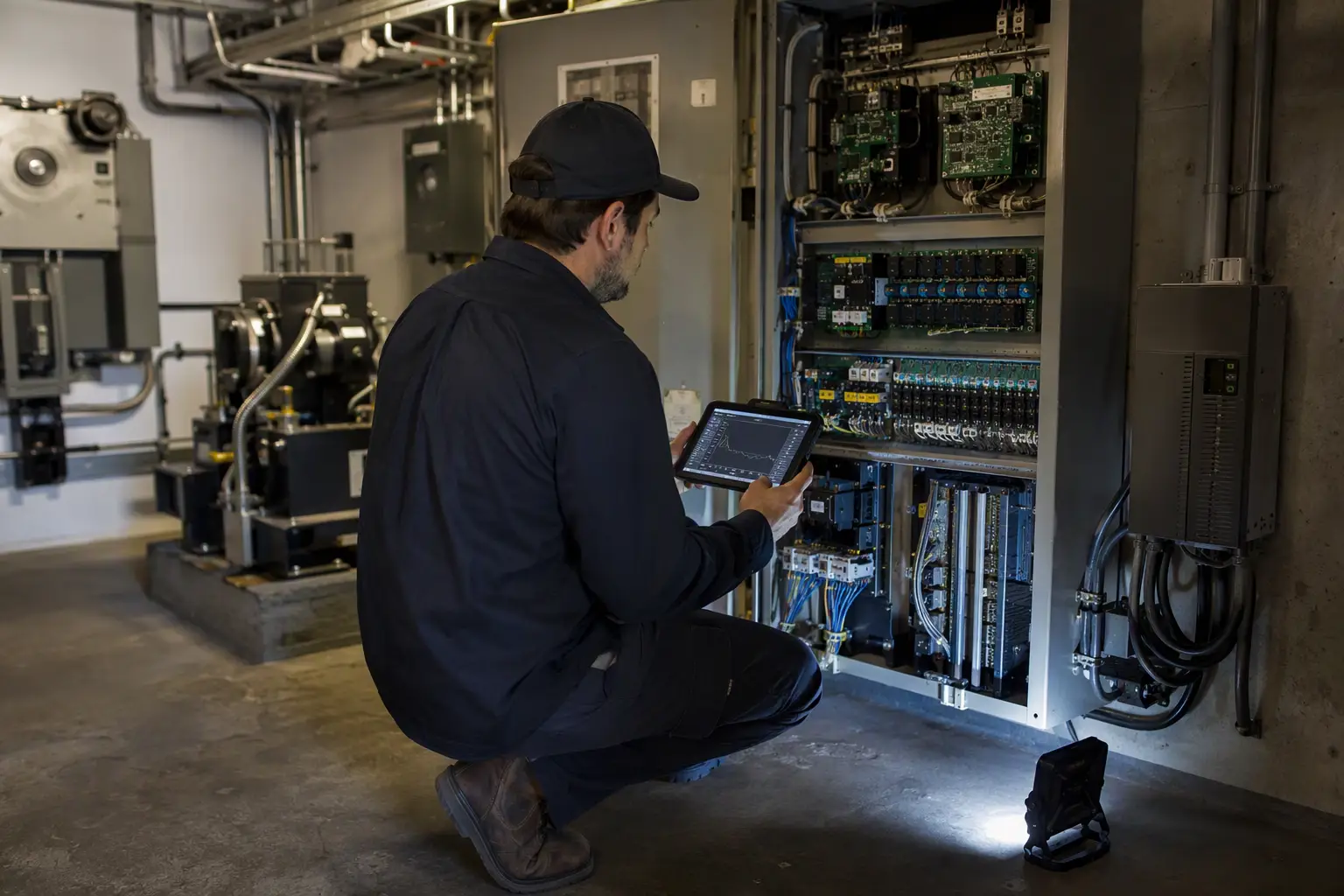
Having the elevator’s make, model, installation date, current permit-to-operate status, and a description of the malfunction ready before the first call will shorten the quoting process significantly.
Contractors need to know whether the unit is a vertical platform lift, a LULA elevator, or a full commercial wheelchair-accessible elevator, because parts, lead times, and permit categories differ. The Cal/OSHA permit to operate — which California law requires to be posted conspicuously inside the elevator car — contains the unit’s conveyance number, which a contractor uses to pull inspection history.
Also document any recent unusual behavior: slow travel, door mis-strikes, failure to level at landings, emergency phone faults, or error codes displayed on the controller. Detailed symptom information allows the estimating technician to arrive with the most likely replacement parts, reducing diagnostic time and, in turn, the cost of the assessment visit.
What credentials must a California elevator repair contractor hold?
In California, any company that installs, alters, maintains, or repairs elevators must be certified by Cal/OSHA as a Certified Qualified Conveyance Company (CQCC) and hold a C-11 Elevator Contractor license issued by the California Contractors State License Board (CSLB).
The Cal/OSHA Elevator Unit issues the CQCC certificate; the CSLB issues the C-11 license. Both are required simultaneously. To obtain CQCC certification, an applicant must submit a current C-11 license plus certificates of workers’ compensation and liability insurance. CQCC certificates are valid for two years and require at least eight hours of continuing education for renewal.
Individual mechanics must hold a Certified Competent Conveyance Mechanic (CCCM) certificate, also issued by Cal/OSHA and renewable every two years with continuing education. Requesting documentation of both the company’s CQCC number and each technician’s CCCM certificate before signing any repair contract is a reasonable and prudent step.
Liftech Elevator operates as a CQCC-certified company serving Signal Hill, Long Beach, Los Angeles, and Orange County, and its mechanics hold the CCCM certifications required under California Labor Code Sections 7300–7324.2.
What does a typical handicap elevator repair quote include?
A complete repair quote for a handicap elevator should itemize the diagnostic fee (if any), specific parts and part numbers, labor hours, disposal of replaced components, and the cost of any Cal/OSHA permits required before work can begin.
California law requires a permit from Cal/OSHA before a conveyance is materially altered. Whether a given repair constitutes a material alteration depends on which components are being replaced; the contractor is responsible for making that determination and obtaining the permit. A quote that omits permit fees may be artificially low.
The quote should also state whether the work will be performed under a lump-sum fixed price or a time-and-materials basis, and it should identify who is responsible for scheduling the Cal/OSHA inspection after repairs are complete. Arranging the annual reinspection is the elevator owner’s legal responsibility under California regulations, but most reputable contractors will handle that scheduling on the owner’s behalf.
How does the on-site assessment process work, step by step?
A structured on-site assessment follows a defined sequence so that nothing affecting safety, code compliance, or accurate pricing is missed.
- Schedule the assessment. Contact a CQCC-certified contractor and provide the conveyance number, equipment make/model, and a description of symptoms or failures.
- Grant access. Ensure the machine room, pit, and all landing entrances are accessible and that the current Cal/OSHA permit to operate is available for review.
- Diagnostic inspection. The CCCM technician runs the unit through its full operating cycle, checks safety circuits, tests the door operator, reviews controller fault codes, and inspects drive components.
- ADA and code compliance review. The technician identifies any features that do not meet ADA Standards for Accessible Design or the California Code of Regulations, Title 8, Elevator Safety Orders (Sections 3000–3146).
- Parts identification. Failed or degraded components are documented with manufacturer part numbers; lead times are checked to set a realistic project timeline.
- Permit determination. The contractor determines whether the scope of repair requires a Cal/OSHA material alteration permit before work can begin.
- Written quote delivery. A written estimate covering all line items — parts, labor, permits, and post-repair inspection coordination — is provided, typically within a few business days of the site visit.
- Review and authorization. The property owner reviews the quote, asks for clarification on any line item, and signs an authorization before work begins.
What are the most common repairs needed on handicap elevators?
The most frequently quoted repairs on handicap or accessibility elevators involve door operators, drive motors, safety sensors, control boards, and platform surfaces — components that experience the highest duty cycles and environmental exposure.
Door operator failures are a leading cause of service calls on vertical platform lifts and LULA elevators. Mis-strikes, door reversal faults, and worn gibs allow gaps that create entrapment hazards and trigger Cal/OSHA non-compliance findings. Drive motor and gearbox issues — manifesting as slow travel, vibration, or failure to reach the landing level — are the next most common category. Control board failures can cause complete outages and typically require manufacturer-specific diagnostics before a part number can be confirmed.
On accessibility-specific units, folding platform decks, ramp actuators, and handrail end returns are subject to mechanical fatigue and require periodic replacement. Emergency communication systems — a requirement under the ADA — are frequently found defective during inspections, triggering a repair quote that owners may not have anticipated.
How does ADA compliance affect the scope and cost of a repair quote?
When an existing handicap elevator undergoes repair or alteration, the ADA Standards for Accessible Design may require that the altered element — and in some cases the path of travel to it — be brought into full compliance, which can expand the scope of work beyond the immediate mechanical failure.
For example, replacing a control panel may trigger a requirement to verify that button heights, Braille labeling, and call button size meet current ADA standards. Resurfacing a platform may require updating the edge-protection or slope specifications. These compliance upgrades should appear as distinct line items in any professional repair quote so the property owner can understand the regulatory driver behind each cost.
ADA compliance also interacts with the California Code of Regulations, Title 8, Elevator Safety Orders, and the adopted ASME A17.1/CSA B44, 2004 edition, meaning that a single component change can implicate multiple code frameworks simultaneously. A contractor who quotes only the mechanical repair without flagging code compliance implications may deliver a lower number that results in a failed Cal/OSHA inspection and additional remediation costs.
What permits are required in California before handicap elevator repairs can begin?
California law requires a permit from Cal/OSHA before a conveyance is erected, installed, or materially altered, and no elevator may be operated in California without a valid, current permit to operate issued by the Cal/OSHA Elevator Unit.
The distinction between routine maintenance and a material alteration is critical to permit requirements and cost. Routine maintenance — such as lubricating guide rails or replacing worn brake pads — generally does not require a new permit. Replacing the controller, the drive motor, the door operator assembly, or structural components is more likely to qualify as a material alteration requiring prior Cal/OSHA approval. The CQCC contractor is responsible for making that determination in writing and including the permit fee in the repair quote.
In the City of Los Angeles, the Department of Building and Safety (LADBS) runs its own elevator and conveyance inspection program. Property owners in Los Angeles should confirm with their contractor whether LADBS involvement is required in addition to Cal/OSHA permitting for their specific scope of work.
How long does it take to receive and complete a repair quote?
From initial contact to receipt of a written quote, property owners can typically expect a timeline driven by assessment scheduling, parts research, and permit determination — not a fixed number of days that can be guaranteed in advance.
The on-site diagnostic visit is usually the longest scheduling constraint, particularly for older or proprietary elevator systems where the contractor may need to contact the original manufacturer to confirm part availability. Once the assessment is complete, a straightforward mechanical repair quote can often be delivered within a few business days. Complex scopes involving multiple component replacements, ADA upgrades, or material alteration permits may require additional time for permit pre-approval from Cal/OSHA before a firm start date can be committed.
Property owners experiencing a complete outage should communicate urgency when scheduling, as a non-functional accessibility elevator may constitute a civil rights violation under the ADA if the building has no equivalent accessible path of travel.
What should property owners compare when evaluating multiple repair quotes?
When comparing repair quotes for a handicap elevator, property owners should evaluate contractor credentials, scope completeness, parts quality, permit inclusion, warranty terms, and post-repair inspection coordination — not price alone.
| Evaluation Factor | What to Look For | Red Flag |
|---|---|---|
| Contractor credentials | Active CQCC certificate + C-11 license (California) | No CQCC number provided; unlicensed subcontractors named |
| Technician credentials | CCCM certificate for every mechanic on site | Vague reference to “trained technicians” without CCCM documentation |
| Scope completeness | Parts, labor, permit fees, disposal, and inspection all itemized | Single lump sum with no line-item breakdown |
| Parts specification | OEM or approved equivalent part numbers listed | “Generic” or unnamed replacement parts |
| Permit handling | Contractor confirms permit requirement in writing | No mention of Cal/OSHA permits |
| ADA compliance review | Code compliance gap identified and quoted separately | No reference to ADA or Title 8 compliance |
| Post-repair inspection | Contractor coordinates Cal/OSHA reinspection scheduling | Owner left to arrange inspection independently with no guidance |
| Warranty | Written warranty on parts and labor, duration specified | Verbal warranty only; no written terms |
Does a handicap elevator repair require a Cal/OSHA inspection after the work is completed?
Yes — any repair that constitutes a material alteration under California regulations requires Cal/OSHA inspection and issuance of a new or updated permit to operate before the elevator is returned to service.
California law requires every conveyance to be inspected at least once a year, and only State of California safety engineers and Certified Competent Conveyance Inspectors (CCCI) may perform those inspections. After material alterations, the post-repair inspection must occur before public use resumes. The contractor is responsible for ensuring the equipment is in a condition to pass; the building owner is responsible for arranging the inspection appointment under California regulations.
Cal/OSHA may issue a permit to operate for up to two years — rather than the standard one-year term — when an elevator is in safe condition and is covered by a full maintenance contract with a CQCC-certified elevator company. Property owners who plan to enter a maintenance agreement after repairs are completed should note this provision, as it reduces the frequency of disruptive inspection shutdowns.
What is the difference between a repair quote and a maintenance contract quote?
A repair quote covers a specific, defined scope of corrective work on identified failed components, while a maintenance contract quote covers ongoing preventive service, routine adjustments, and often a defined set of included parts and labor over a contract term.
Maintenance contracts are relevant to the quoting process because California allows Cal/OSHA to extend the permit-to-operate term to two years for elevators covered by a full maintenance contract with a CQCC company. For a property owner budgeting handicap elevator costs over a multi-year horizon, combining a repair quote with a maintenance contract proposal from the same contractor allows a complete cost comparison.
Maintenance contracts vary widely in their coverage of parts. “Oil and grease” contracts cover only lubrication and adjustment; full-coverage contracts include major components. The repair quote and the maintenance contract must be read together to understand whether the component being repaired today will be covered under the maintenance agreement going forward or will require a separate future repair quote.
How do older handicap elevators affect the complexity and cost of a repair quote?
Elevators installed before California adopted the ASME A17.1/CSA B44, 2004 edition — effective May 1, 2008, for installation contracts signed on or after that date — may be governed by earlier editions of the safety orders, and component availability for legacy systems can significantly affect both the complexity and cost of a repair quote.
Proprietary control systems from manufacturers who are no longer in business, discontinued hydraulic cylinder configurations, and obsolete door operator designs are among the most common factors that drive repair costs on older accessibility elevators. A contractor preparing a quote for a legacy system may need to identify third-party rebuilders, source refurbished components, or quote a controller replacement that modernizes the system to a currently supported platform.
California Code of Regulations, Title 8, Elevator Safety Orders (Sections 3000–3146) govern existing installations under the edition in effect at the time of installation, but any material alteration triggers compliance with applicable current requirements. This means a repair on a decades-old unit may require bringing the altered system — or the path of travel — into conformance with current standards, a factor that a thorough repair quote will address explicitly.
What questions should a property owner ask a contractor before accepting a repair quote?
Asking the right questions before signing a repair authorization protects property owners from scope gaps, permit surprises, and unauthorized subcontracting.
Key questions to ask include: Is your company currently certified as a CQCC by Cal/OSHA, and can you provide your certificate number? Are all technicians who will work on this unit CCCM-certified? Does this repair scope require a Cal/OSHA material alteration permit, and is that permit fee included in this quote? Are the replacement parts OEM or approved equivalents, and do you carry warranty documentation? Will you coordinate the post-repair Cal/OSHA inspection, and is that included in your scope? If the repair uncovers additional failed components, what is your process for authorizing additional work — will you provide a written change order before proceeding?
Property owners in Los Angeles should also ask whether the contractor will coordinate with the Department of Building and Safety (LADBS) in addition to Cal/OSHA, given that Los Angeles operates its own elevator inspection program.
How does building type affect the handicap elevator repair quoting process?
The building’s occupancy type — commercial office, multifamily residential, healthcare, retail, or public accommodation — affects both the applicable code requirements and the urgency of repair, which in turn affects the quoting process and contractor prioritization.
Public accommodations and commercial facilities covered by Title III of the ADA have the strongest legal obligation to maintain accessible routes. A non-functional handicap elevator in a Title III facility may require expedited repair to avoid civil rights exposure, and the repair quote should reflect any premium associated with accelerated scheduling. Multifamily residential buildings covered by the Fair Housing Act have related but distinct requirements; property owners should consult legal counsel on specific obligations.
Healthcare facilities and buildings with high occupancy or round-the-clock use may require that repair work be phased or scheduled during off-hours to avoid disrupting building operations, which can affect labor costs in the repair quote. Contractors experienced with commercial and institutional buildings in Signal Hill, Long Beach, Los Angeles, and Orange County will account for these scheduling constraints in their proposals.
Can a handicap elevator be repaired while remaining in partial service?
Whether a handicap elevator can remain in partial service during repairs depends on the nature of the failed component, the safety circuit status, and the Cal/OSHA permit requirements for the specific scope of work.
California law is clear that no elevator may be operated without a valid permit to operate. If a material alteration requires the permit to be suspended during the repair period, the elevator must be taken out of service entirely until Cal/OSHA issues a new or amended permit. For repairs that do not constitute a material alteration — such as replacing a worn call button or adjusting door timing — the elevator may in some cases remain in service during the work, subject to the contractor’s safety assessment.
When a complete outage is unavoidable, the building owner should document the outage, post clear signage at all landings, and identify an equivalent accessible path of travel where one exists. Under the ADA, a public accommodation is expected to take reasonable steps to maintain accessibility during periods of maintenance or repair.
What role does ASME A17.1 play in a handicap elevator repair quote?
The ASME A17.1 Safety Code for Elevators and Escalators is the foundational technical standard governing elevator design, installation, and maintenance requirements, and California has adopted the 2004 edition as the basis for its Elevator Safety Orders.
When a contractor prepares a repair quote, the ASME A17.1 requirements determine the minimum specifications for replacement components, safety device testing intervals, and performance thresholds. For example, replacement door operator systems must meet the force and kinetic energy limits specified in the adopted edition. Safety devices — including buffers, safeties, and interlocks — must be tested and certified per ASME A17.1 criteria as part of any post-repair inspection.
California has proposed a Group V update to its Elevator Safety Orders that would incorporate portions of ASME A17.1-2019; the Standards Board held a public hearing on June 18, 2026, and no effective date has been posted as of the time of this writing. Property owners considering major repairs or modernizations should ask their contractor to flag any emerging requirements that may affect long-term compliance, even if those requirements are not yet effective.
How should a property owner verify that a repair was completed correctly?
After a handicap elevator repair, the property owner should obtain written documentation of the work performed, confirm that all required Cal/OSHA permits have been updated, verify that the new or renewed permit to operate is posted conspicuously inside the elevator car, and confirm that the post-repair inspection has been passed.
California law requires the permit to operate to be posted in the elevator car; absence of a current permit is a compliance violation independent of the quality of the repair work itself. The contractor should provide a completed work order specifying every component replaced, the CCCM certificate number of the mechanic(s) who performed the work, and a statement of the code basis for the repair specifications.
If the repair involved a material alteration, the Cal/OSHA inspection record should reflect the inspector’s approval. Property owners are entitled to request a copy of the inspection report from the Cal/OSHA Elevator Unit. Retaining all repair documentation is important for future permit renewals, insurance claims, and any subsequent ADA compliance audits.
Why should property owners in Signal Hill, Long Beach, Los Angeles, and Orange County choose a locally experienced elevator contractor?
A contractor with direct experience in the specific jurisdictions where a property is located will have established relationships with Cal/OSHA inspectors, familiarity with local AHJ requirements — including the LADBS program for Los Angeles properties — and knowledge of the building stock, common elevator makes and models, and parts supply channels in the region.
Local experience reduces the time between quote approval and repair completion because the contractor is not navigating an unfamiliar permitting environment or sourcing parts from distant distributors. It also reduces the risk of a failed post-repair inspection caused by a misunderstanding of local inspection practices.
Liftech Elevator focuses its service on Signal Hill, Long Beach, Los Angeles, and Orange County, giving it familiarity with the regulatory landscape, inspection scheduling, and equipment profiles common in these markets. Property owners in these areas benefit from working with a contractor who understands the specific compliance environment governing their conveyance.
What should a property owner do if a handicap elevator fails unexpectedly before a repair quote can be arranged?
An unexpected handicap elevator failure should prompt the owner to immediately secure the unit from use, contact a CQCC-certified contractor for emergency assessment, and notify any building occupants who depend on the elevator of the outage and the available alternatives.
- Take the elevator out of service. Lock all landing doors if possible, disable the call buttons, and post clear out-of-service signage at every landing.
- Check for safety hazards. If there is any indication of a structural failure, unusual odors, smoke, or an entrapped passenger, contact emergency services before calling a contractor.
- Contact a CQCC-certified contractor. Communicate that the situation is an unplanned outage requiring emergency assessment and ask whether the contractor can expedite the on-site diagnostic visit.
- Notify building occupants. Inform all tenants or users about the outage, particularly those who depend on the elevator for accessibility, and identify any equivalent accessible path of travel.
- Document the failure. Photograph the controller fault display, note the time and circumstances of the failure, and preserve any recent maintenance records — all of which will assist the technician in preparing an accurate repair quote.
- Do not attempt DIY repairs. California law prohibits anyone other than a CCCM working for a CQCC from performing maintenance, repair, alteration, or component replacement on a conveyance.
- Confirm permit status before restoration. Before returning the elevator to service, confirm with the contractor that the permit to operate is valid and that any required Cal/OSHA inspection has been completed.
Liftech Elevator serves property owners across Signal Hill, Long Beach, Los Angeles, and Orange County and can be contacted to assess unplanned elevator outages and provide a repair quote based on a direct on-site diagnostic inspection.
Are there financing or phasing options that a repair quote should address for large-scope handicap elevator repairs?
For large-scope repairs — such as a full drive system replacement, comprehensive modernization, or multi-component ADA upgrade — a professional repair quote should offer the option to phase the work in a sequence that prioritizes life-safety and accessibility compliance items first, allowing the property owner to manage expenditure without remaining non-compliant.
Phasing must be carefully coordinated with Cal/OSHA permitting, because a partially altered elevator may not be eligible for a permit to operate in its interim configuration. The contractor should specify in writing which phases can be completed independently and which require the entire scope to be finished before the elevator can return to service.
Some property owners in California explore financing through property-assessed programs or capital improvement reserves; the elevator contractor’s role is to provide complete, accurate quote documentation that supports those financing applications. Liftech Elevator can provide detailed, itemized repair proposals that document the code basis, component specifications, and permit requirements needed for capital planning purposes.
Contact Liftech Elevator for a free elevator assessment at 562-997-3639.
Need elevator service you can rely on? Liftech Elevator is ready to help.