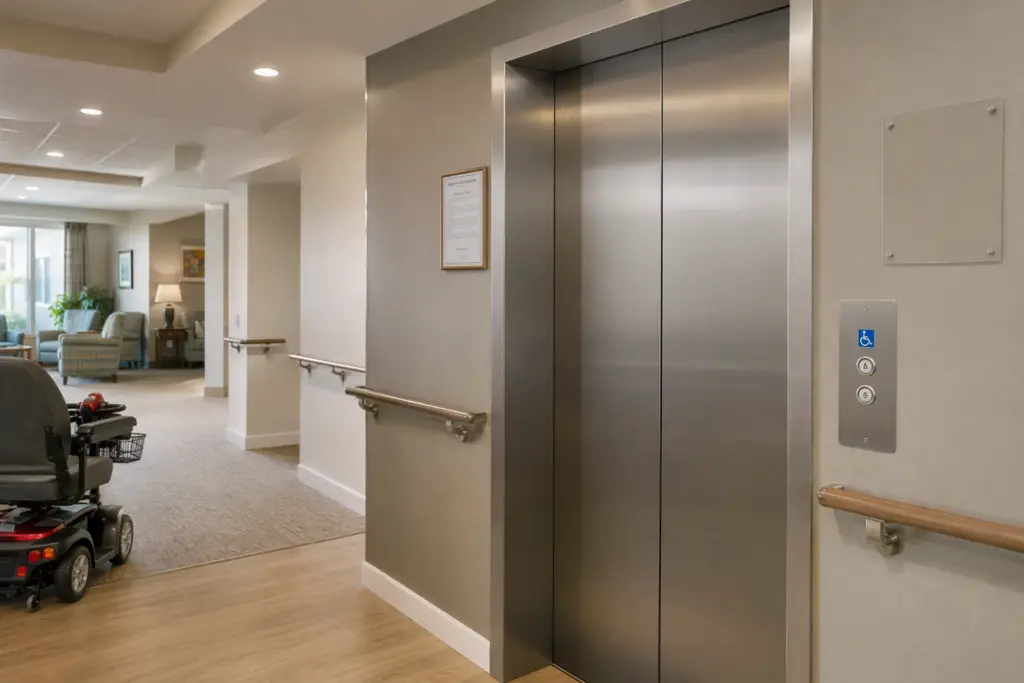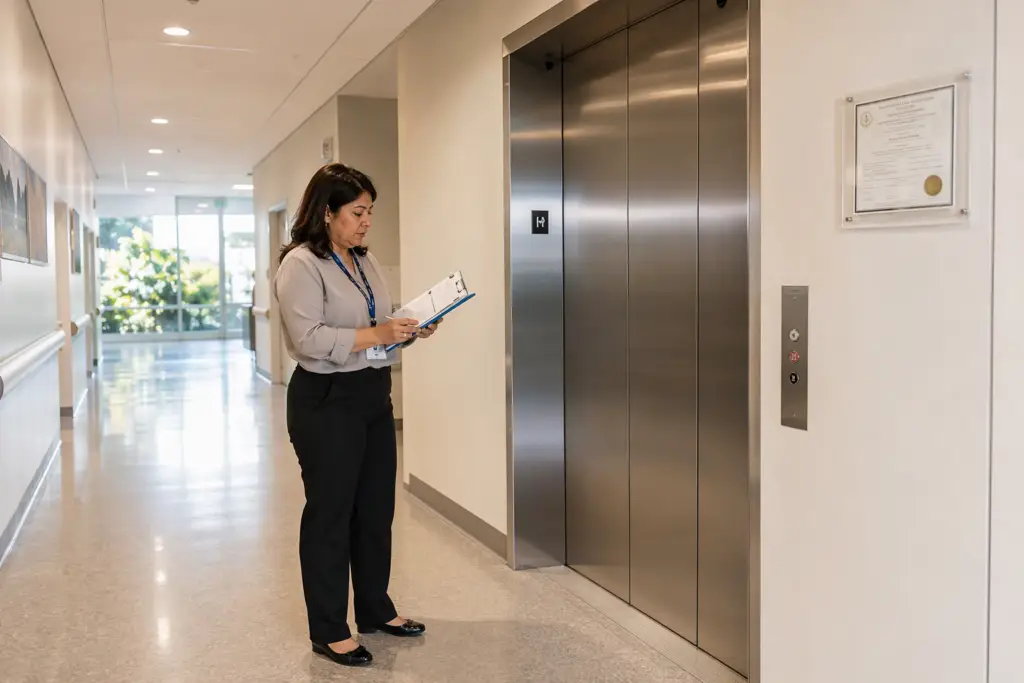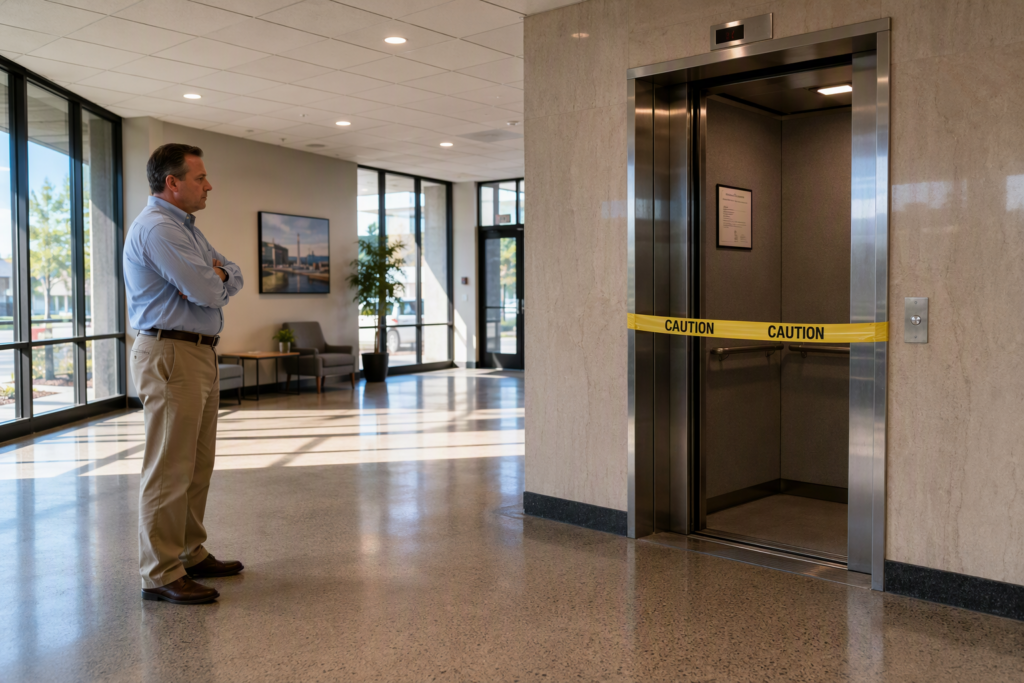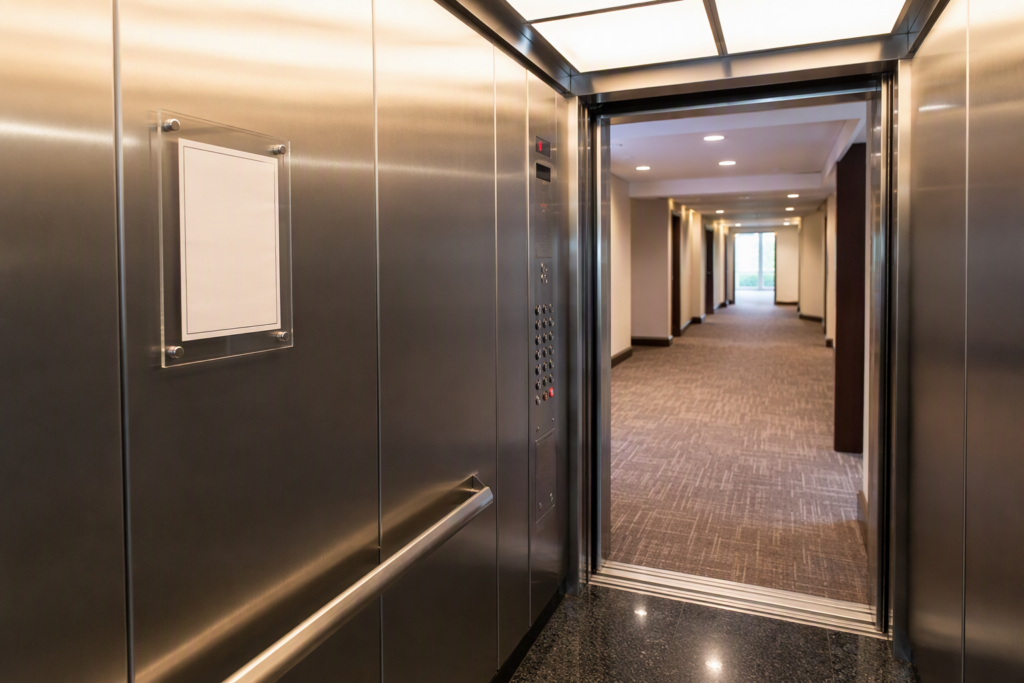
Quick Answer: In California, modernizing or repairing an older elevator triggers mandatory code upgrade requirements under ASME A17.3 Safety Code for Existing Elevators and Escalators and state-enforced standards; the scope of required upgrades depends on whether the work is classified as a repair, alteration, or full modernization — with broader alterations generally mandating more extensive safety retrofits reviewed and permitted by the local Authority Having Jurisdiction (AHJ).
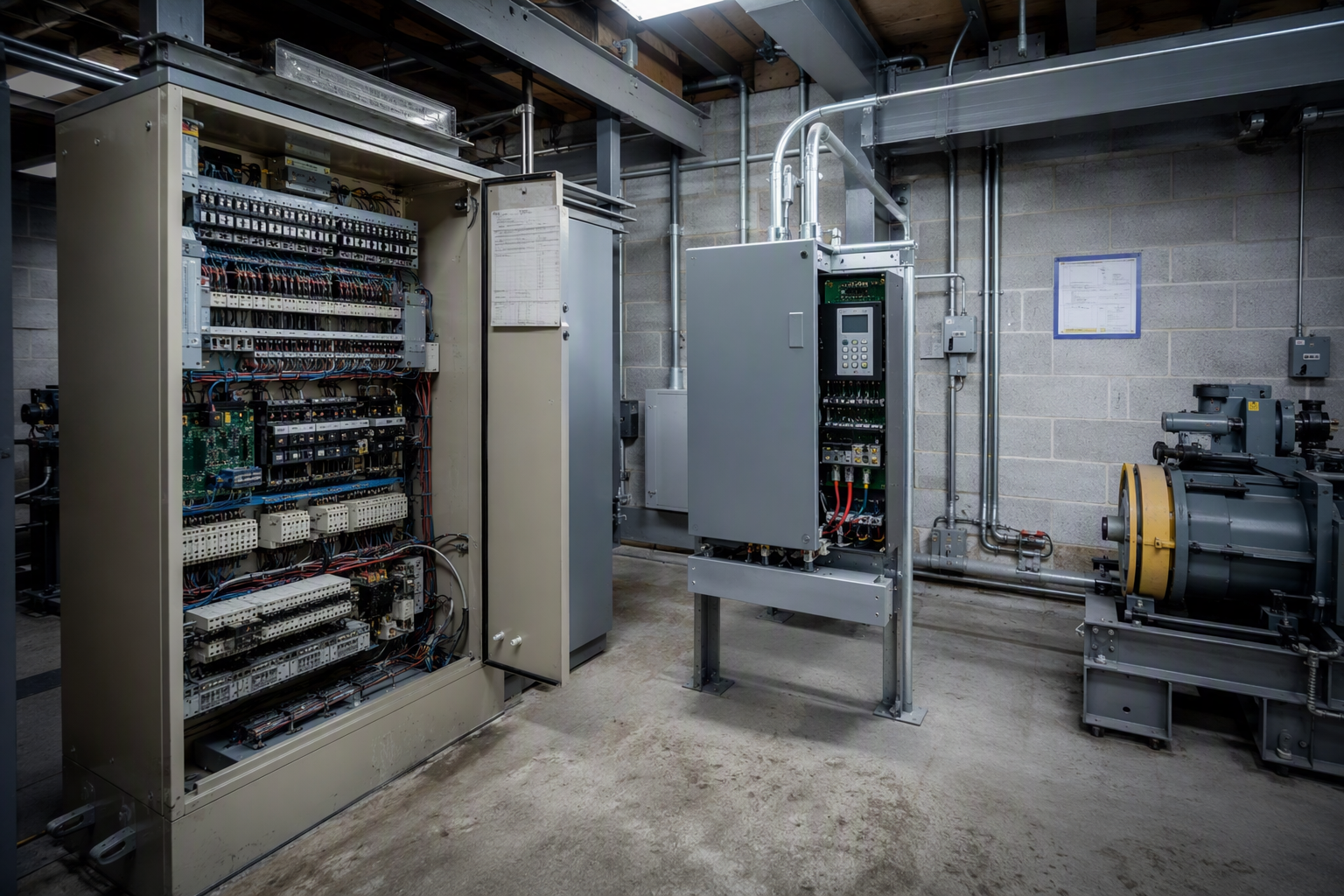
For California building owners and property managers, older elevators represent both a liability risk and a compliance challenge. When repair or modernization work is scheduled, California’s regulatory framework determines exactly which safety upgrades become mandatory — and the answer is not always straightforward. This guide breaks down the triggers, the required upgrades, the approval process, and how to plan for compliance efficiently.
What Is the Difference Between a Repair, Alteration, and Modernization in California Elevator Work?
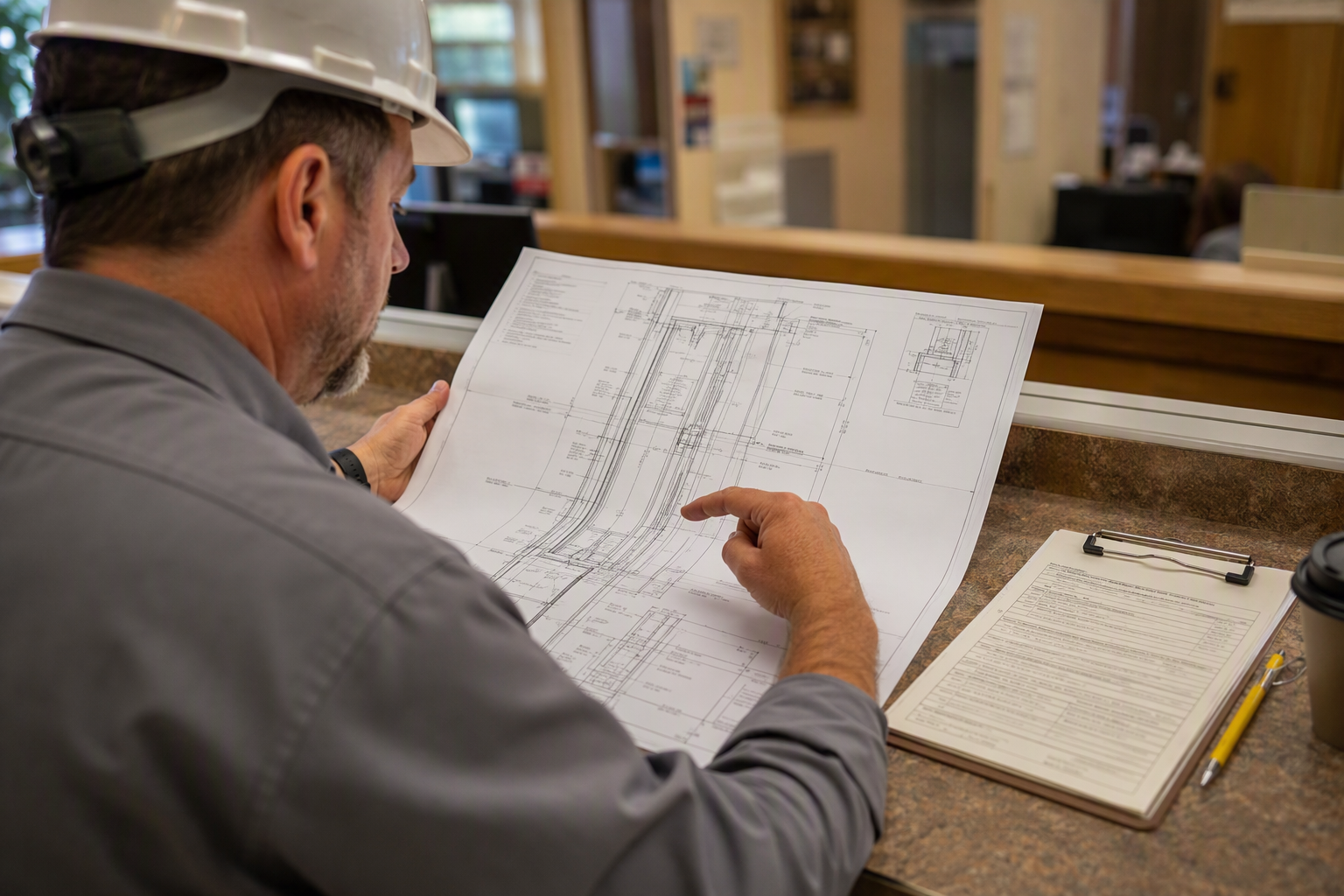
The classification of the work being performed is the single most important factor in determining what code upgrades are required. California’s elevator inspection program enforces definitions aligned with ASME A17.1 Safety Code for Elevators and Escalators and ASME A17.3 Safety Code for Existing Elevators and Escalators.
- Repair: Work that restores a component to its original design without changing the function, capacity, speed, or control system. Minor repairs typically trigger the fewest mandatory upgrades but still require AHJ notification and inspection.
- Alteration: Any change to the equipment that affects the capacity, speed, operation, or safety system — including replacing a controller, upgrading door operators, or changing the drive system. Alterations trigger code upgrade requirements for affected subsystems and, in many cases, related safety features.
- Modernization: A comprehensive alteration involving multiple major components. Full modernizations trigger the broadest set of mandatory safety retrofits and require a new certificate of inspection after completion.
The key principle: the more extensive the work, the more of the current code an elevator must be brought into compliance with. An AHJ — typically a California city or county building department with elevator inspection authority — makes the final determination on scope and required upgrades.
Which California Agencies and Codes Govern Elevator Compliance?
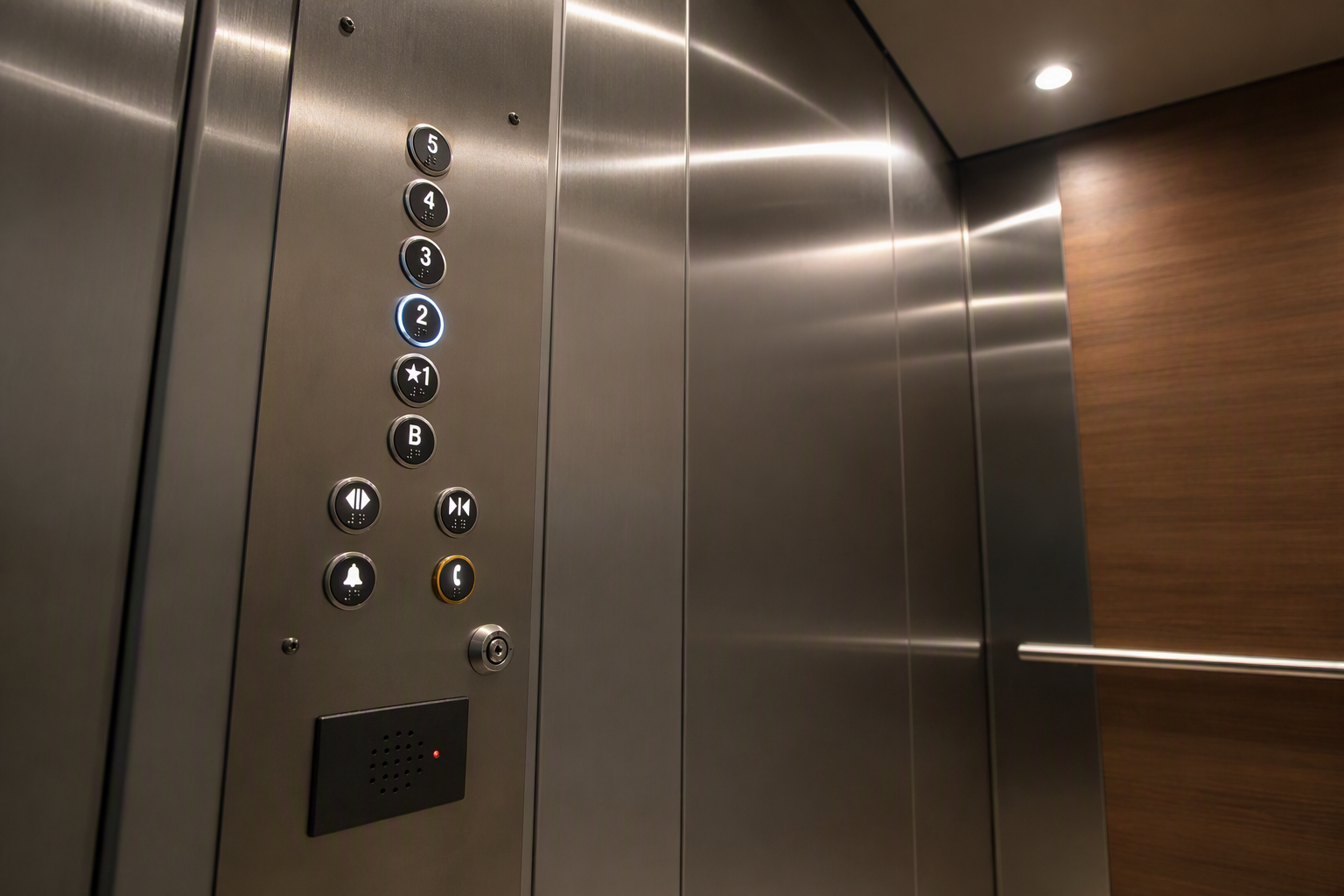
California elevator regulation operates through a layered system:
- California Department of Industrial Relations (DIR) — Elevator, Ride, and Tramway Unit (ERTB): The ERTB administers elevator safety under California Labor Code and the Elevator Safety Act. It issues permits, oversees certified inspectors, and maintains installation and alteration records.
- Local Authority Having Jurisdiction (AHJ): Many California cities and counties administer their own elevator inspection programs under state authorization. The local AHJ issues permits and signs off on compliance.
- ASME A17.1: The primary installation and design standard, referenced by California for new installations and alterations. (ASME Codes & Standards)
- ASME A17.3: Governs safety requirements for existing elevators and is the standard most directly applied during modernization and retrofit work. (ASME Codes & Standards)
- ADA: Federal accessibility requirements under the Americans with Disabilities Act apply to public accommodations and commercial facilities and may require accessibility upgrades concurrent with modernization.
What Safety Upgrades Are Commonly Triggered by Modernization in California?
When a California elevator undergoes a significant alteration or full modernization, the following safety upgrades are frequently required by the AHJ based on current code requirements under ASME A17.3:
| Required Upgrade Category | Typical Trigger | Code Basis | Complexity |
|---|---|---|---|
| Door reopening devices (non-contact sensing) | Door operator replacement or alteration | ASME A17.3 | Moderate |
| Car lighting and emergency lighting | Any major cab alteration | ASME A17.3 | Low |
| Emergency communication system (two-way) | Controller replacement or full modernization | ASME A17.3 / ADA | Low–Moderate |
| Firefighters’ emergency operation (FEO) | Controller or operation system alteration | ASME A17.3 | Moderate |
| Seismic safety devices | Any major modernization in seismic zones | ASME A17.1 / California building standards | High |
| Car enclosure and ventilation | Full cab modernization | ASME A17.3 | Moderate |
| Hydraulic cylinder and piping (older hydraulics) | Hydraulic system alteration | ASME A17.3 | High |
| Governor and safeties inspection/replacement | Drive system modernization | ASME A17.3 | High |
| ADA accessibility features (cab controls, signage) | Cab alteration in public-use facilities | ADA | Moderate |
The AHJ reviews the scope of submitted plans and determines exactly which items above apply to each project. Not every upgrade applies to every elevator — the determination is project-specific.
How Does Seismic Compliance Factor Into California Elevator Modernizations?
California’s seismic environment creates an additional layer of mandatory requirements that building owners in most other states do not face. When an elevator in California undergoes a major modernization, the AHJ typically requires a seismic safety evaluation. Depending on the seismic zone and the building’s construction date, required seismic upgrades may include:
- Seismic switches that trigger automatic elevator shutdown during an earthquake
- Retainer plates for counterweight rails to prevent derailment
- Compensation chain or rope guarding
- Pit and overhead clearance verification per current seismic standards
California’s seismic requirements are integrated into the state’s adoption of elevator safety standards and enforced at the permit stage. Building owners should confirm which seismic requirements apply based on the specific AHJ and building classification before finalizing any modernization scope.
What Is the Step-by-Step Process for Getting a California Elevator Modernization Permitted and Approved?
- Conduct a preliminary assessment. Have a qualified elevator contractor evaluate the existing equipment, identify components due for replacement, and document current compliance gaps against ASME A17.3 and local AHJ requirements.
- Define the scope of work. Clearly classify whether the project constitutes repairs, alterations, or a full modernization. This classification directly determines which code provisions apply.
- Prepare and submit permit drawings. Licensed elevator contractors prepare plans showing proposed changes and the resulting code compliance measures. Plans are submitted to the local AHJ or the California DIR ERTB, depending on jurisdiction.
- Receive permit approval. The AHJ reviews plans for completeness and code compliance before issuing a work permit. Do not begin alteration work before the permit is issued.
- Perform the modernization work. Licensed elevator mechanics complete the work per approved plans. Substitutions or scope changes during construction require AHJ review before implementation.
- Schedule a compliance inspection. A California-certified elevator inspector (either a state or AHJ inspector) performs a witnessing inspection covering all altered systems and required upgrades.
- Obtain a new Certificate of Inspection. Upon passing inspection, the elevator receives an updated certificate. The certificate must be posted in the elevator per state requirements.
- Document and retain records. Maintain all permits, inspection reports, and certificates. California building owners are responsible for maintaining these records for future inspections and liability purposes.
Repair vs. Alteration vs. Modernization: Comparison at a Glance
| Factor | Repair | Alteration | Full Modernization |
|---|---|---|---|
| Code upgrade trigger level | Low — restore to original | Moderate — affected subsystems | High — broad system compliance |
| Permit required? | Usually yes (AHJ notification) | Yes | Yes |
| Inspection required? | Yes | Yes | Yes — full witnessing inspection |
| Downtime duration | Hours to days | Days to weeks | Weeks to months |
| ADA review triggered? | Rarely | Possibly | Likely for public-use buildings |
| Seismic upgrade review? | Rarely | Possible depending on scope | Typically required |
| New certificate issued? | Sometimes | Yes | Yes |
| Best suited for | Single failed component | Targeted system upgrade | End-of-life equipment or major reliability concerns |
Does ADA Apply to Elevator Modernizations in California?
Yes. When a building undergoes alterations — including elevator modernizations — the Americans with Disabilities Act requires that the altered areas comply with ADA accessibility standards to the maximum extent feasible. For elevators in public accommodations and commercial facilities, this typically means:
- Accessible car controls at the correct mounting height
- Raised and Braille characters on all control buttons and floor designations
- Audible floor designation signals
- Door timing and reopening device standards
- Minimum cab dimensions where the cab is being replaced
California also enforces the California Building Code (CBC) accessibility provisions, which may exceed federal ADA minimums in some areas. Building owners should confirm CBC accessibility requirements with their AHJ during the permit phase.
What Happens If a California Elevator Is Operating Without Required Upgrades?
Operating an elevator in California without a valid Certificate of Inspection or with documented code deficiencies creates significant liability exposure. Consequences can include:
- Mandatory shutdown orders issued by the AHJ or California DIR ERTB
- Civil liability in the event of an injury related to an unaddressed code deficiency
- Fines and penalties assessed by the state or local jurisdiction
- Increased insurance premiums or potential coverage disputes
- Loss of occupancy permits for buildings where elevator service is required for code-compliant occupancy
Proactive compliance — addressing required upgrades before they result in a shutdown order — is consistently less disruptive and less costly than reactive emergency repairs under regulatory pressure.
How Long Does a California Elevator Modernization Typically Take?
Timeline varies significantly based on the scope of work, AHJ permit processing times, equipment lead times, and building access constraints. General planning ranges:
| Project Phase | Typical Duration | Key Variables |
|---|---|---|
| Assessment and scope definition | 1–3 weeks | Equipment age, access, AHJ pre-consultation availability |
| Plan preparation and permit submission | 2–6 weeks | Contractor capacity, plan complexity |
| AHJ permit review and approval | 2–8 weeks | AHJ backlog, completeness of submission |
| Equipment procurement | 4–16 weeks | Controller type, drive system, supply chain |
| Construction and installation | 2–8 weeks | Scope of modernization, building access |
| Inspection and certification | 1–3 weeks | Inspector scheduling, any required corrections |
Early engagement with the AHJ and an experienced elevator contractor significantly reduces delays. Buildings with multiple elevators can often phase the work to maintain partial service throughout the modernization period.
What Are the Pros and Cons of Completing Code Upgrades During Modernization vs. Deferring Them?
| Approach | Pros | Cons |
|---|---|---|
| Address all required upgrades during planned modernization | Single mobilization cost; reduced total downtime; lower long-term liability risk; single inspection event; may qualify for better maintenance contract terms | Higher upfront project cost; longer initial downtime window |
| Perform minimum required upgrades only | Lower immediate cost; shorter initial downtime | Future repairs may trigger additional upgrade requirements; multiple permit and inspection cycles; continued liability exposure from deferred items |
| Defer upgrades (non-compliant operation) | No upfront cost | Regulatory shutdown risk; civil liability; penalty exposure; certificate of inspection issues; potential occupancy impacts |
The industry consensus among elevator safety professionals is that addressing required upgrades comprehensively during a planned modernization — rather than in piecemeal fashion — reduces total cost of ownership and minimizes operational disruption over time.
How Should California Building Owners Choose an Elevator Modernization Contractor?
Selecting the right elevator contractor for a California modernization project is as consequential as selecting the right scope of work. Key evaluation criteria include:
- California licensing: Verify the contractor holds a current California Contractor’s License (C-11 Elevator Contractor classification) through the California Contractors State License Board (CSLB).
- AHJ familiarity: The contractor should have direct experience working with the specific AHJ that governs the building’s location. Permit submission requirements and enforcement interpretations vary by jurisdiction.
- Independent vs. OEM-tied contractors: Independent elevator service companies can work across multiple equipment brands and are not restricted to proprietary parts, which often results in more flexible and cost-competitive modernization solutions.
- References and documented compliance history: Request documentation of comparable modernization projects, including permits issued and inspections passed.
- Post-modernization maintenance capability: A contractor who can also maintain the equipment after modernization creates continuity and accountability for long-term compliance.
Liftech Elevator is an independent certified elevator service company operating throughout California. As an independent provider, Liftech Elevator works across multiple equipment platforms and brings direct AHJ experience to California modernization and compliance projects — without the limitations of a single-manufacturer service model. Liftech Elevator’s teams support building owners from initial assessment through permit acquisition, construction, inspection, and ongoing maintenance.
What Questions Should I Ask Before Starting a California Elevator Modernization Project?
Before committing to a scope of work, building owners and property managers should obtain clear answers to the following:
- Which AHJ has jurisdiction over this building’s elevator, and what are their specific permit submission requirements?
- Has a current code compliance gap analysis been performed against ASME A17.3 and local amendments?
- Is the proposed scope classified as a repair, alteration, or modernization — and has the AHJ confirmed this classification?
- Which seismic upgrades are required given this building’s location and construction type?
- What ADA upgrades are triggered by the proposed work scope?
- What is the realistic equipment lead time, and how will that affect the project schedule?
- Can the building maintain partial elevator service during construction if there are multiple units?
- What ongoing maintenance obligations will apply after the modernization certificate is issued?
Are There Any California-Specific Code Amendments That Differ From the National ASME Standard?
California adopts the ASME A17.1 and A17.3 standards as a base but applies state-specific amendments — most significantly around seismic requirements. California’s adoption of these standards is administered through the California Building Standards Code (Title 24) and the California Elevator Safety Act. Local AHJs may further amend requirements based on local ordinances.
Because California’s amendments can differ meaningfully from the base national standard — particularly for seismic safety, hydraulic cylinder requirements, and some accessibility provisions — building owners should not assume that compliance in another jurisdiction equals compliance in California. Always confirm applicable requirements with the local AHJ and a California-licensed elevator contractor before finalizing any project scope.
Ready to Understand Your California Elevator Compliance Obligations?
Navigating California’s elevator modernization code requirements — from ASME A17.3 to seismic upgrades to AHJ permit processes — requires experienced, independent guidance. Liftech Elevator provides free elevator assessments for California building owners, helping define the scope of required upgrades, prepare accurate permit submissions, and manage the full modernization process through final inspection and certification.
Don’t wait for a shutdown order or failed inspection to address compliance gaps.
Contact Liftech Elevator for a free elevator assessment: 562-609-3478
Need elevator service you can rely on? Liftech Elevator is ready to help.