Elevator Service in Signal, CA | Liftech Elevator
Multifamily property owners and managers in Los Angeles and Long Beach face a consistent budgeting challenge: elevator systems are life-safety equipment governed by strict California requirements, yet their costs are often underestimated until an emergency forces an unplanned expense. Understanding the full cost picture—routine maintenance, mandated inspections, repairs, and long-term capital reserves—gives building owners the financial clarity needed to stay compliant and avoid costly shutdowns.
Liftech Elevator provides certified elevator maintenance, repair, and modernization services throughout the greater Los Angeles area, including Long Beach and the Signal, CA market. The guidance below is designed to help multifamily property managers build a defensible, realistic elevator budget.
—
What Does California Require for Elevator Inspections and Who Enforces It?
In California, elevators in multifamily residential buildings are regulated under the California Elevator Safety Construction Code, administered by the Division of Occupational Safety and Health (Cal/OSHA) under the Department of Industrial Relations. The Authority Having Jurisdiction (AHJ) may be Cal/OSHA directly or a delegated local elevator inspection unit, depending on the municipality.
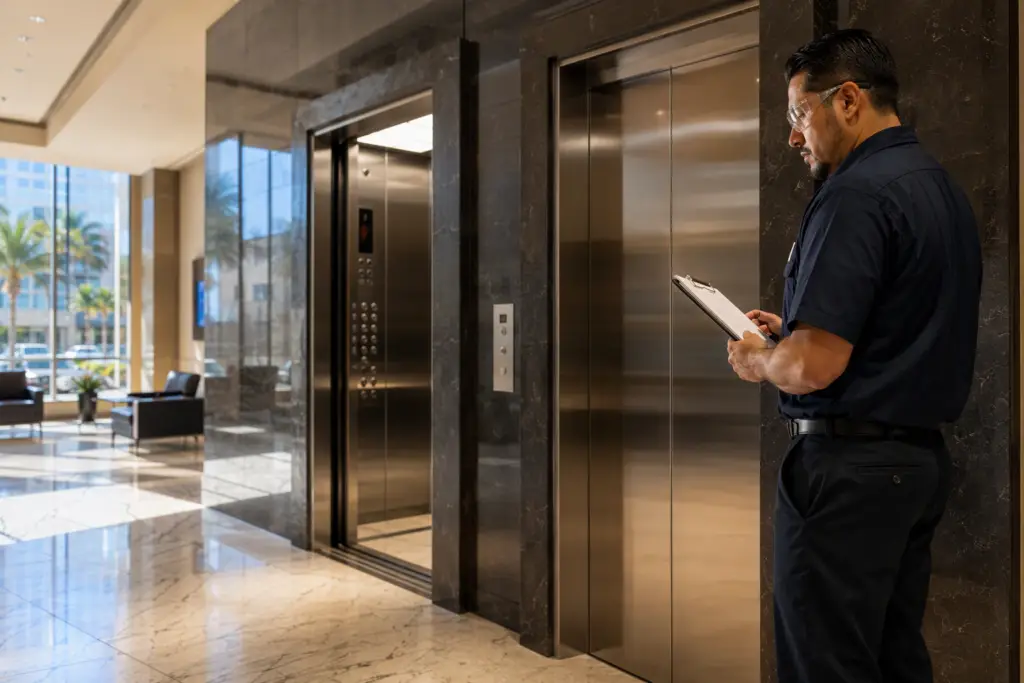
California requires periodic inspections to verify compliance with the ASME A17.1 Safety Code for Elevators and Escalators for new installations and the ASME A17.3 Safety Code for Existing Elevators and Escalators for equipment already in service. Inspections typically include a routine periodic inspection and a periodic safety test at intervals established by the state. Budget for the associated permit and inspection fees, which vary by jurisdiction and elevator type.
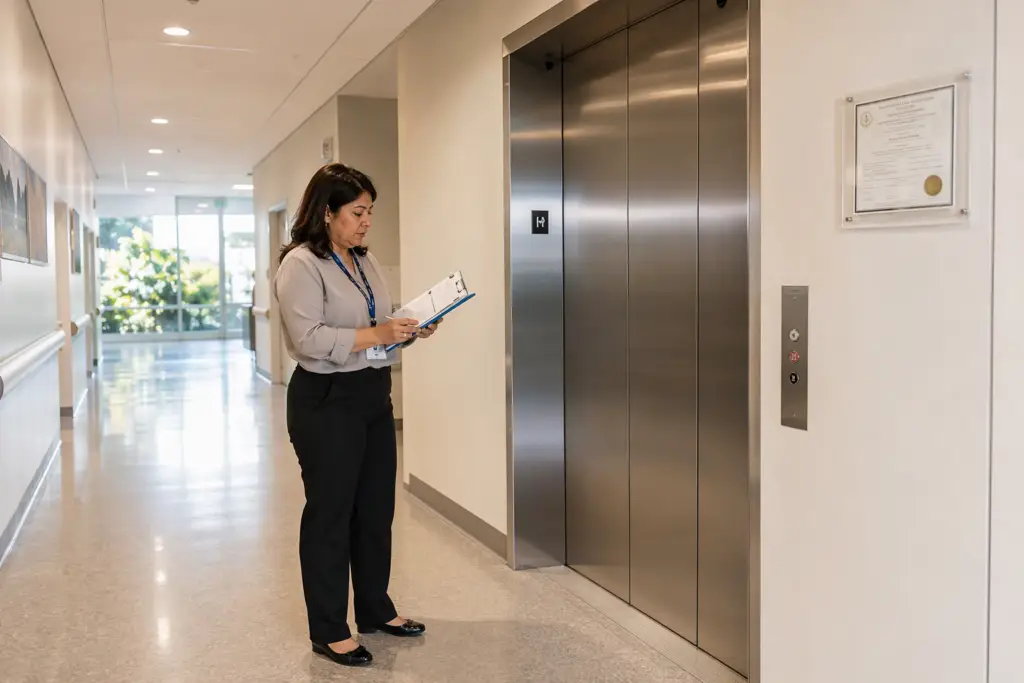
In Los Angeles, the Department of Building and Safety (LADBS) oversees elevator permitting. In Long Beach, the Building and Safety Bureau handles local elevator compliance. Building owners are responsible for ensuring inspection certificates are current and visibly posted inside each elevator cab—failure to comply can result in an order to cease operation.
—
How Should a Multifamily Building Owner Structure an Elevator Maintenance Budget?
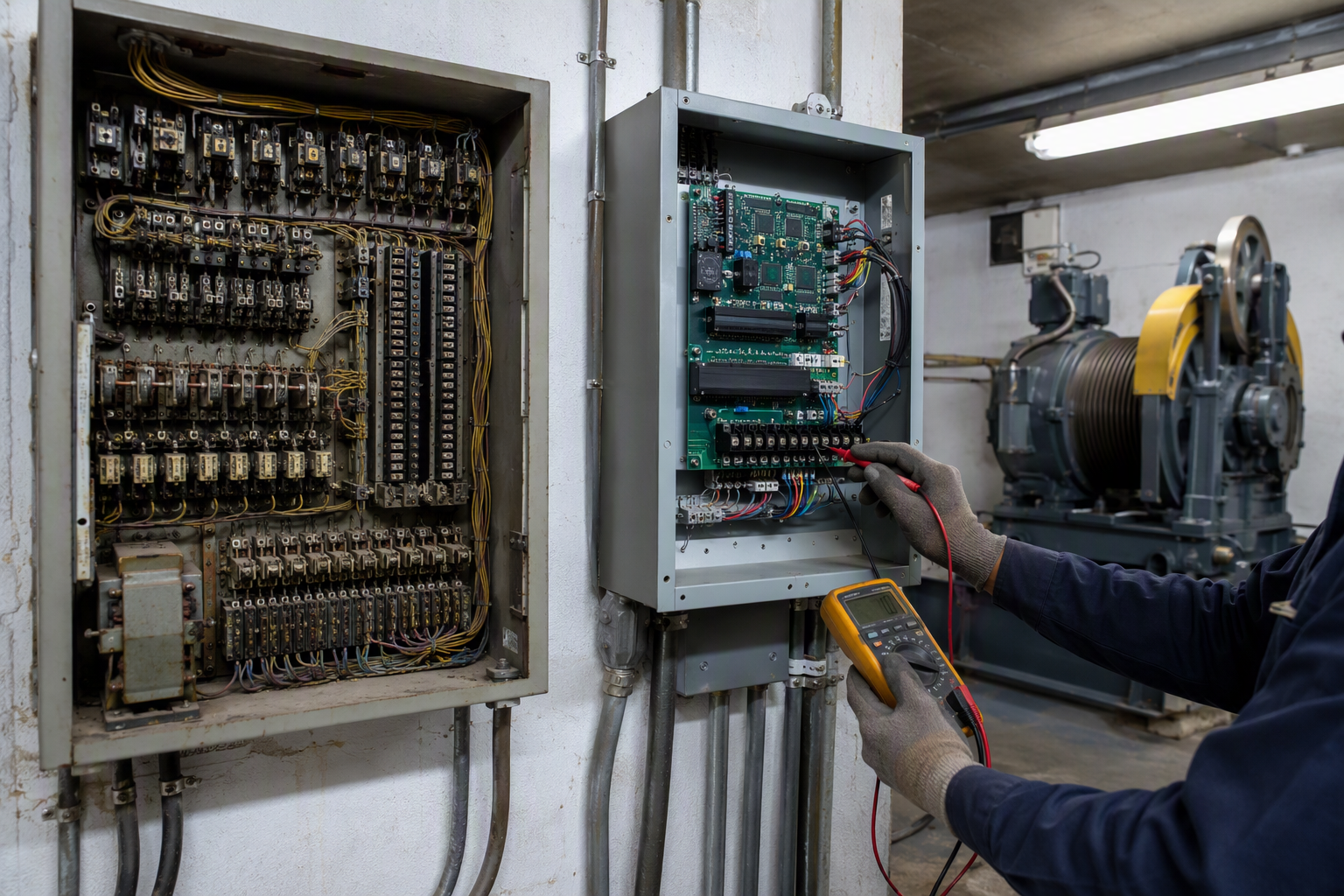
A well-structured elevator budget for a multifamily apartment building typically has three distinct cost layers:
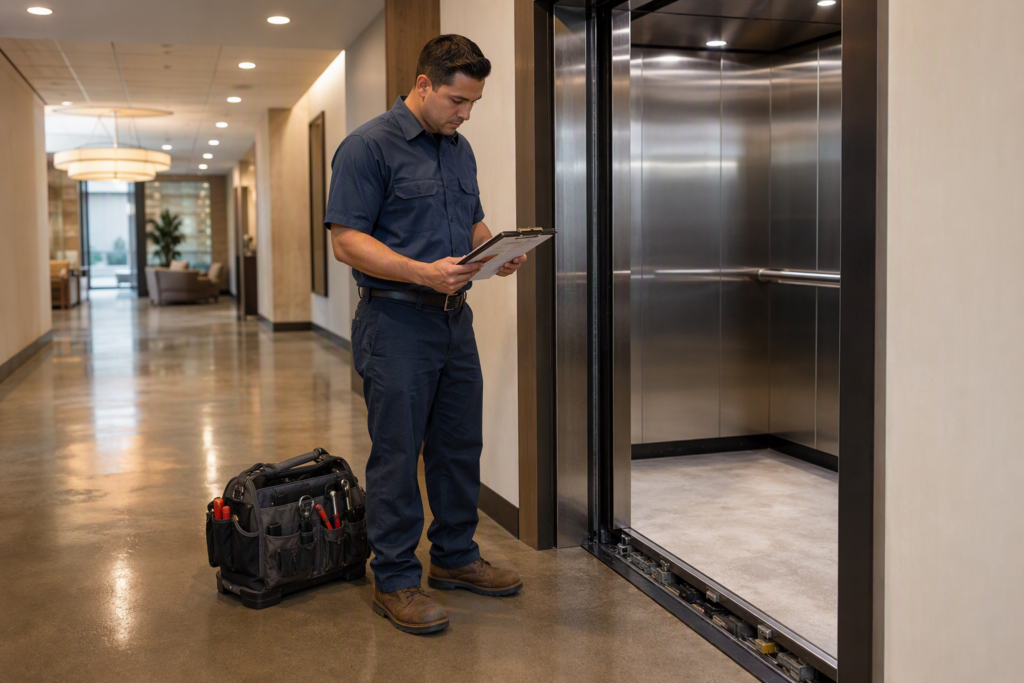
- Preventive Maintenance Contract: A monthly or annual service agreement covering routine lubrication, adjustments, cleaning, safety device testing, and callback response. This is the baseline cost and the single most effective way to reduce emergency repair frequency.
- Repair Reserve: A dedicated fund set aside each month to cover unplanned component failures—motors, controllers, door operators, and hydraulic pumps are among the most common repair items. Industry guidance consistently recommends treating elevators similarly to HVAC systems: budget for repairs even when none are currently anticipated.
- Capital Replacement Reserve: A longer-horizon allocation for major modernization work. Elevator components have finite service lives, and California’s compliance with evolving editions of ASME A17.3 means retrofits—such as door reopening device upgrades or fire service updates—can become mandatory without warning.
The relative weight of each layer depends on the age of the equipment, the number of elevator units in the building, and whether any deferred maintenance has already accumulated.
—
What ADA Requirements Apply to Elevators in Los Angeles Apartment Buildings?
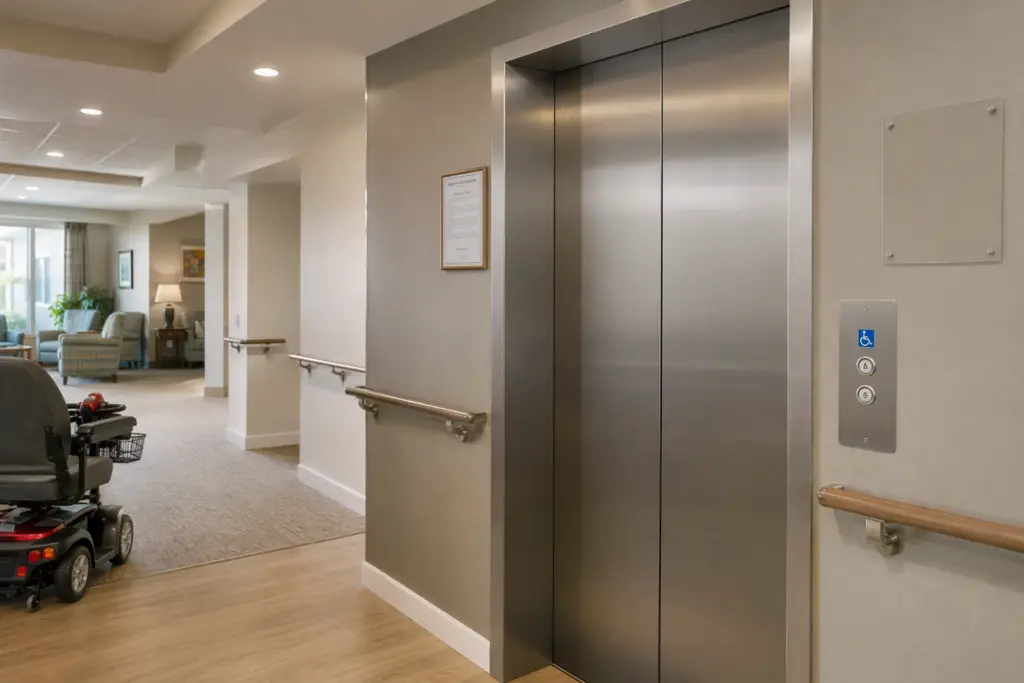
Federally, multifamily residential buildings that meet certain threshold criteria under the Americans with Disabilities Act (ADA) and the Fair Housing Act must provide accessible elevator service. Cab dimensions, control panel reach ranges, audible signals, and Braille/tactile markings are all subject to accessibility standards. When planning modernization budgets, ADA compliance upgrades should be evaluated alongside code compliance work—combining projects often reduces total cost.
—
How Do Equipment Age and Type Affect Repair Costs for Apartment Elevators?
Los Angeles and Long Beach have substantial older housing stock, and many multifamily buildings contain hydraulic or older traction elevators installed decades ago. Older equipment presents specific budgeting considerations:
- Hydraulic elevators may require periodic fluid changes, cylinder leak assessments, and—in some cases—underground cylinder testing or replacement to comply with environmental and safety standards.
- Traction elevators with aging relay-logic or early solid-state controllers face increasing parts scarcity, which drives repair costs upward over time.
- Machine-room-less (MRL) traction systems, while more modern, require technicians trained specifically on those platforms.
A professional condition assessment from a qualified elevator contractor is the most reliable way to forecast near-term repair probability and size an appropriate reserve fund.
—
What Happens If an Elevator Fails Inspection in California?
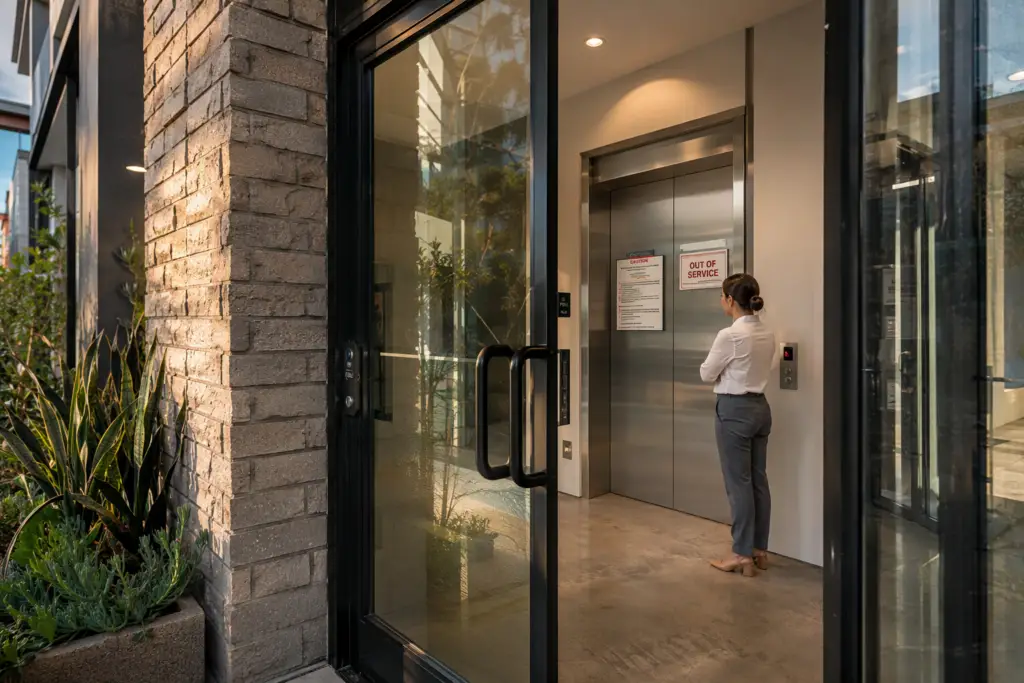
If a California elevator fails its periodic inspection or safety test, the AHJ may issue an order prohibiting further operation until the deficiency is corrected and re-inspected. For a multifamily apartment building, an out-of-service elevator creates immediate habitability concerns, potential Fair Housing liability, and lease-related disputes—particularly when the building houses elderly or mobility-impaired residents.
Budgeting proactively for compliance repairs—rather than waiting for a failed inspection—is significantly less costly than emergency remediation under a shutdown order.
—
What Should a Maintenance Contract with an Elevator Company Include?
When evaluating elevator service agreements for a Los Angeles or Long Beach apartment building, property managers should confirm the contract clearly addresses:
- Scope of covered maintenance tasks and excluded items
- Parts coverage and labor rates for repairs beyond routine maintenance
- Emergency callback provisions and how after-hours service is handled
- Documentation and record-keeping for California inspection compliance
- Notice requirements and terms for contract renewal or cancellation
Contracts that exclude critical components—such as door operators or control systems—can produce unexpectedly large out-of-pocket repair costs. Reviewing exclusions carefully before signing protects the building’s operating budget.
—
How Does a Multifamily Building Plan for Elevator Modernization Costs?
Elevator modernization—replacing major systems such as the controller, drive, cab interior, or door equipment—is a capital project that should appear in any long-range building reserve study. In California, modernizations trigger a permit process with the AHJ and must bring the elevator into compliance with current ASME A17.1 requirements for new installations, as well as applicable ADA accessibility standards.
For multifamily buildings in Los Angeles and Long Beach, a phased modernization approach—replacing subsystems incrementally rather than all at once—can distribute capital spending across multiple budget years while maintaining continuous operation.
—
Why Does Local Expertise Matter for Elevator Service in Los Angeles and Long Beach?
Elevator compliance in California involves layered jurisdiction: state law through Cal/OSHA, local permitting through LADBS or Long Beach Building and Safety, and federal accessibility requirements under the ADA. Navigating permit applications, inspection scheduling, and AHJ-specific documentation requirements benefits from a service provider who works regularly within these jurisdictions.
Liftech Elevator’s service footprint is focused exclusively in California, with active experience serving multifamily properties, commercial buildings, and mixed-use developments throughout Los Angeles County and the greater Southern California region, including Signal, CA. That geographic focus means familiarity with local AHJ procedures, inspection timelines, and the specific code interpretations that affect how repairs and upgrades are scoped and approved.
—
What Should Building Owners Do Right Now to Assess Their Elevator Budget?
- Locate and review current elevator inspection certificates to confirm compliance status and identify upcoming inspection due dates.
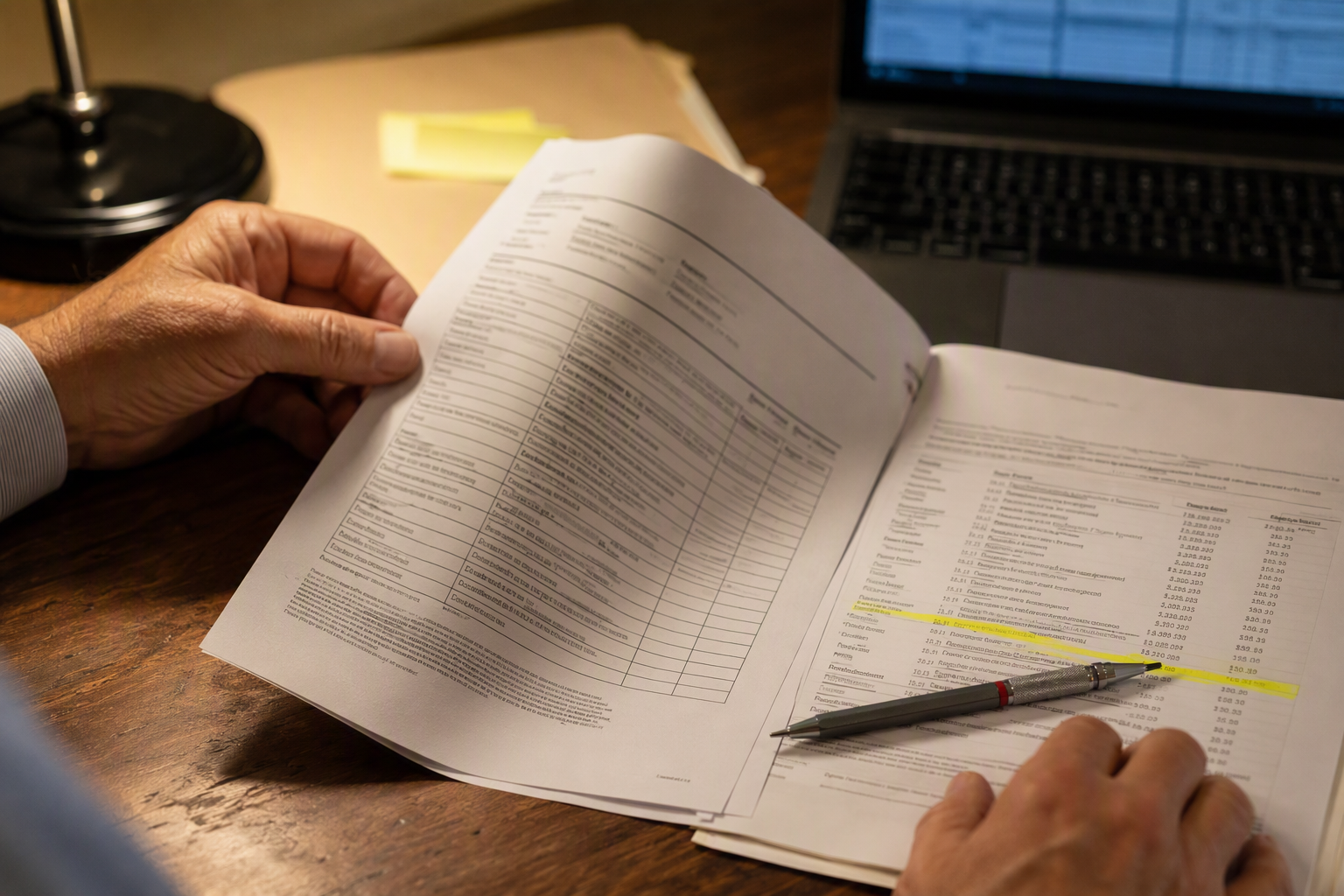
- Gather maintenance contract documents and identify any exclusions or components not currently under service agreement.
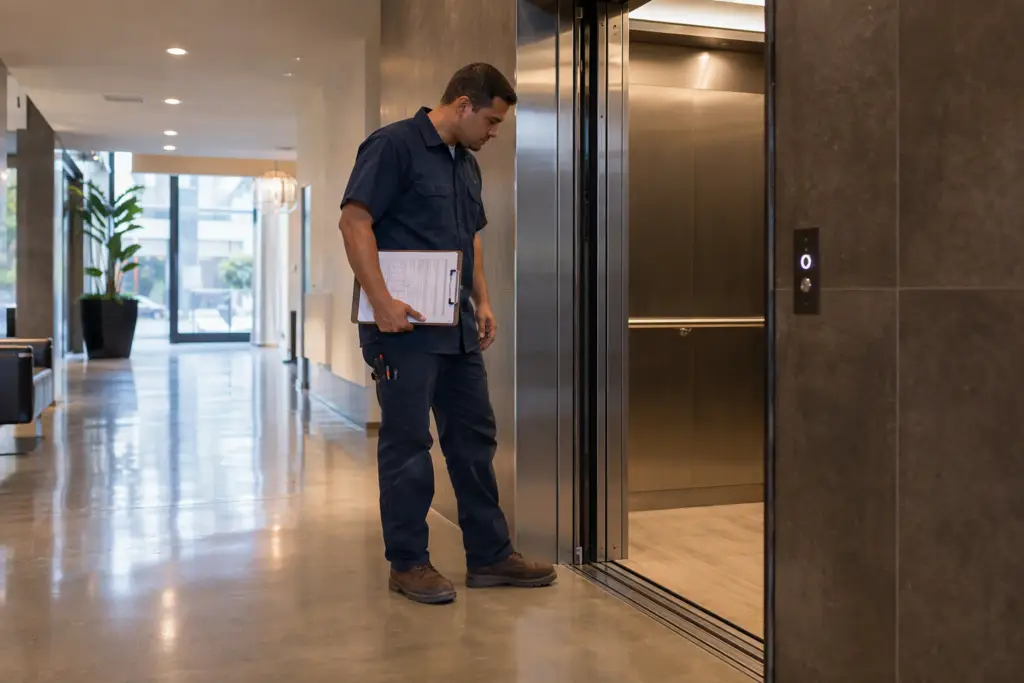
- Request a current condition assessment from a qualified elevator contractor to identify deferred maintenance and near-term repair probability.
- Consult with a reserve study professional to incorporate elevator capital costs into the building’s long-range financial plan.
- Contact the local AHJ (LADBS for Los Angeles, Long Beach Building and Safety for Long Beach) to confirm any open permits, outstanding violations, or pending code compliance orders.
—
Elevator budgeting for multifamily properties in Los Angeles and Long Beach is not a one-time exercise—it is an ongoing financial management discipline tied to California code compliance, equipment lifecycle, and resident safety. Liftech Elevator works with property owners and managers to develop maintenance programs and modernization plans that align with both regulatory requirements and operating budgets.
Schedule a Free Consultation with Liftech Elevator today: 562-609-3478
Need elevator service you can rely on? Liftech Elevator is ready to help.