What Causes Elevator Breakdowns Most Often — and How to Prevent Unplanned Outages
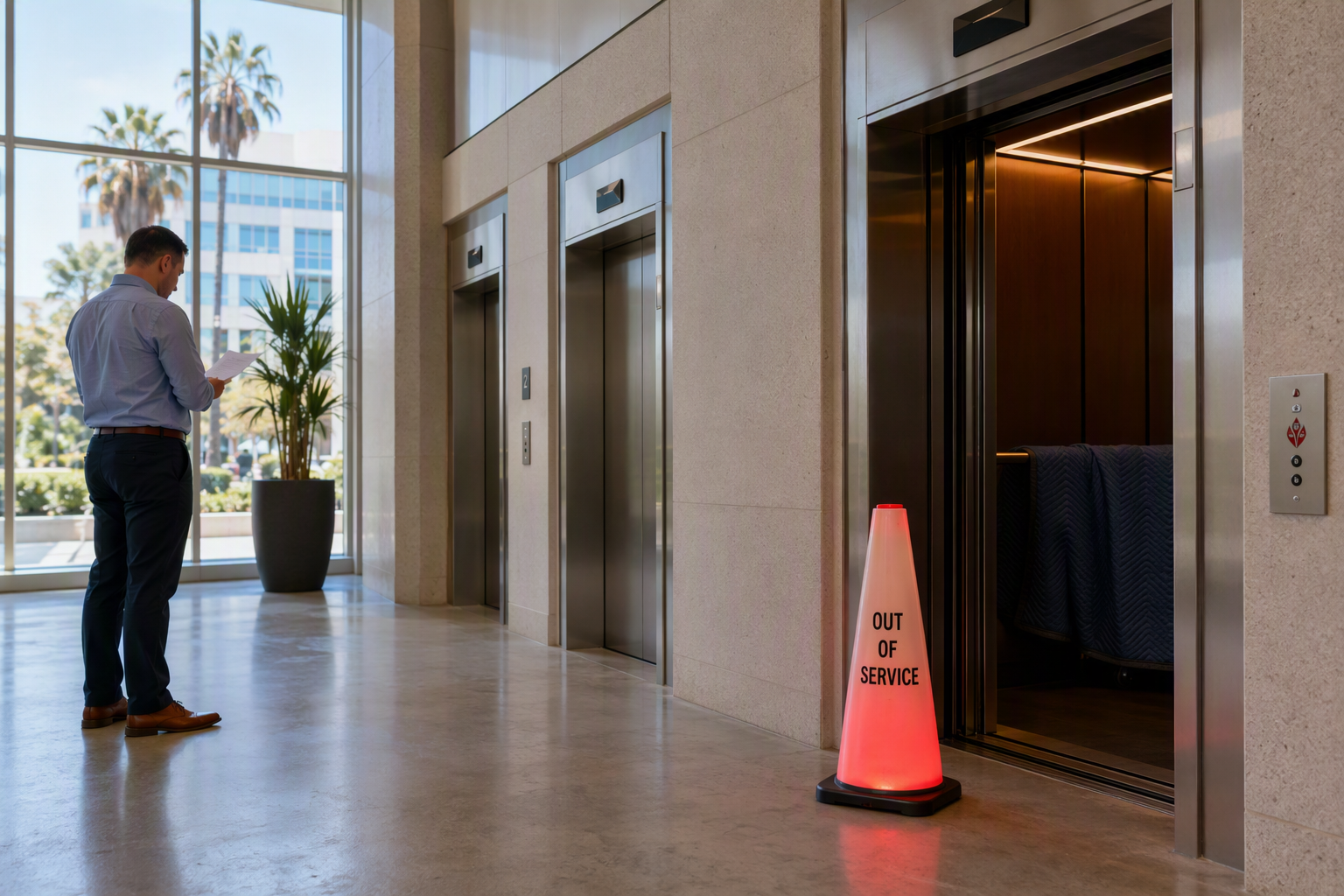
An unexpected elevator outage does more than inconvenience building occupants. It disrupts operations, creates compliance exposure, and — in buildings serving people with mobility limitations — can constitute an accessibility failure under federal law. Understanding the root causes of elevator breakdowns and building a prevention strategy around them is one of the most cost-effective decisions a building owner or facilities manager can make.
This guide covers the leading mechanical and operational causes of elevator failures, what safety codes require, what proactive maintenance looks like in practice, and how to evaluate your building’s risk. Liftech Elevator provides data-driven elevator assessments and maintenance programs designed to reduce unplanned outages across commercial, residential, and mixed-use buildings.
What Are the Most Common Causes of Elevator Breakdowns?
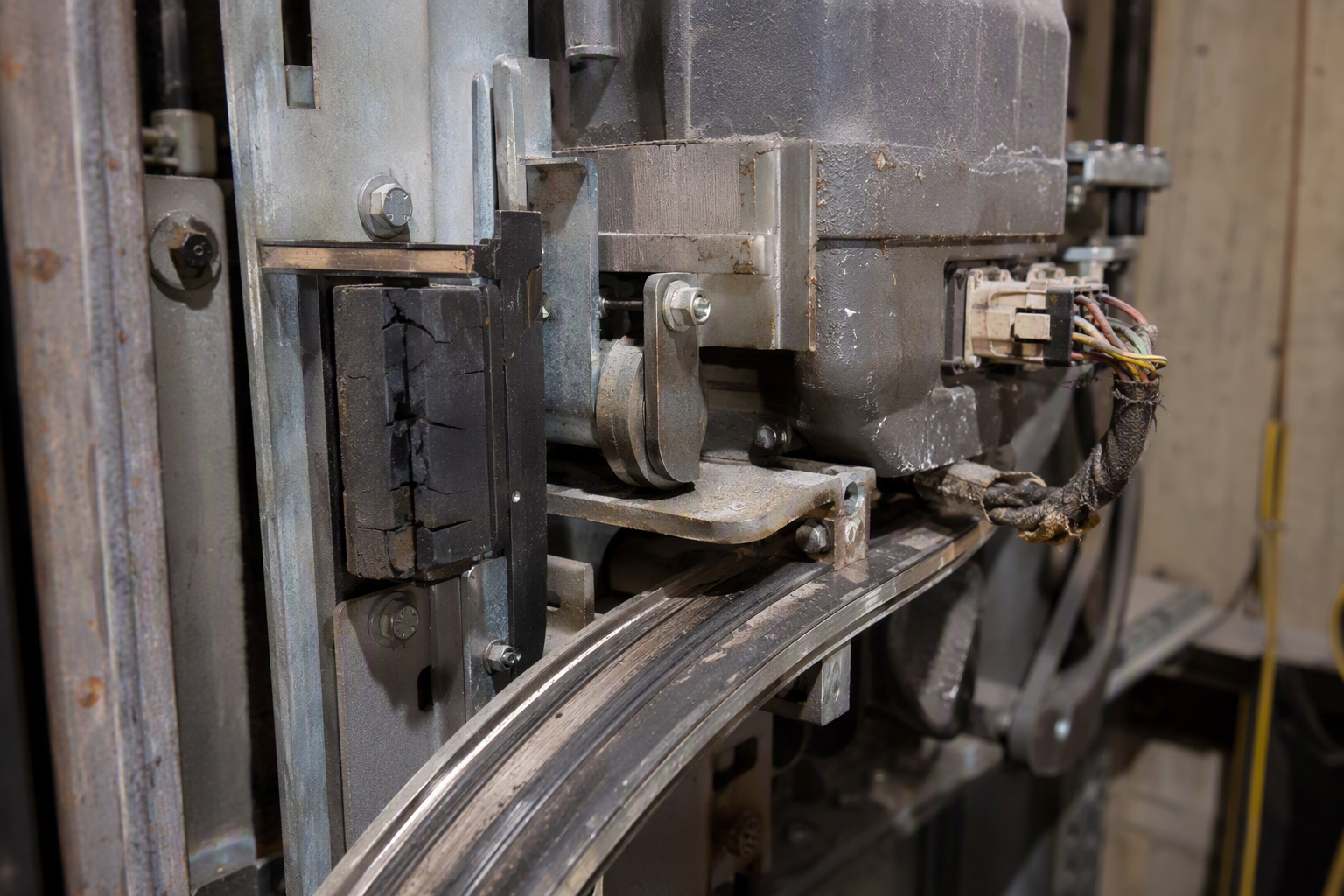
Elevator failures rarely happen without warning. Most unplanned outages share one or more of the following root causes:
- Worn or failed door operator components: Elevator doors are the single most active mechanical system in any elevator — they open and close hundreds of times per day. Door operator motors, cams, gibs, rollers, and safety edges wear with use. When these components degrade, doors fail to close properly, triggering fault codes that take the cab out of service.
- Hydraulic system leaks and seal failures: In hydraulic elevators, degraded cylinder seals, contaminated fluid, and aging pump units are a primary source of unexpected shutdowns. As hydraulic systems age, they become increasingly susceptible to slow leaks that eventually trigger low-fluid safety stops.
- Aging control boards and electrical components: Older relay-logic or early solid-state control systems become harder to maintain as replacement parts are discontinued. Electrical faults — including burned contacts, corroded wiring, and failing circuit boards — can cause intermittent or complete outages with little prior warning.
- Rope and cable wear: In traction elevators, hoist ropes and governor cables stretch and wear over time. Improper tension or broken wires beyond code-allowable limits require immediate removal from service.
- Brake system issues: The electromagnetic brake is a safety-critical component. Worn brake linings or coils that fail to release cleanly lead to rough rides, leveling errors, and eventually cab shutdown.
- Motor and drive failures: AC and DC drive units, gearbox oil seals, and motor windings all degrade under load cycles. Heat buildup — often caused by poor machine room ventilation — accelerates this wear.
- Safety device trips: Governors, buffers, safeties, and oil buffers are designed to trigger under unsafe conditions. When these devices trip due to a real fault, the elevator requires a qualified technician reset and often a component inspection before returning to service.
- Environmental factors: High humidity, extreme temperature swings in machine rooms, flooding in elevator pits, and power quality issues (surges, brownouts) all shorten component lifespans and increase failure frequency.
- Deferred maintenance: The most preventable cause. When inspection intervals are skipped, lubrication is neglected, or known minor faults are left unaddressed, small issues compound into system failures.
What Do Safety Codes Require for Elevator Maintenance and Inspections?
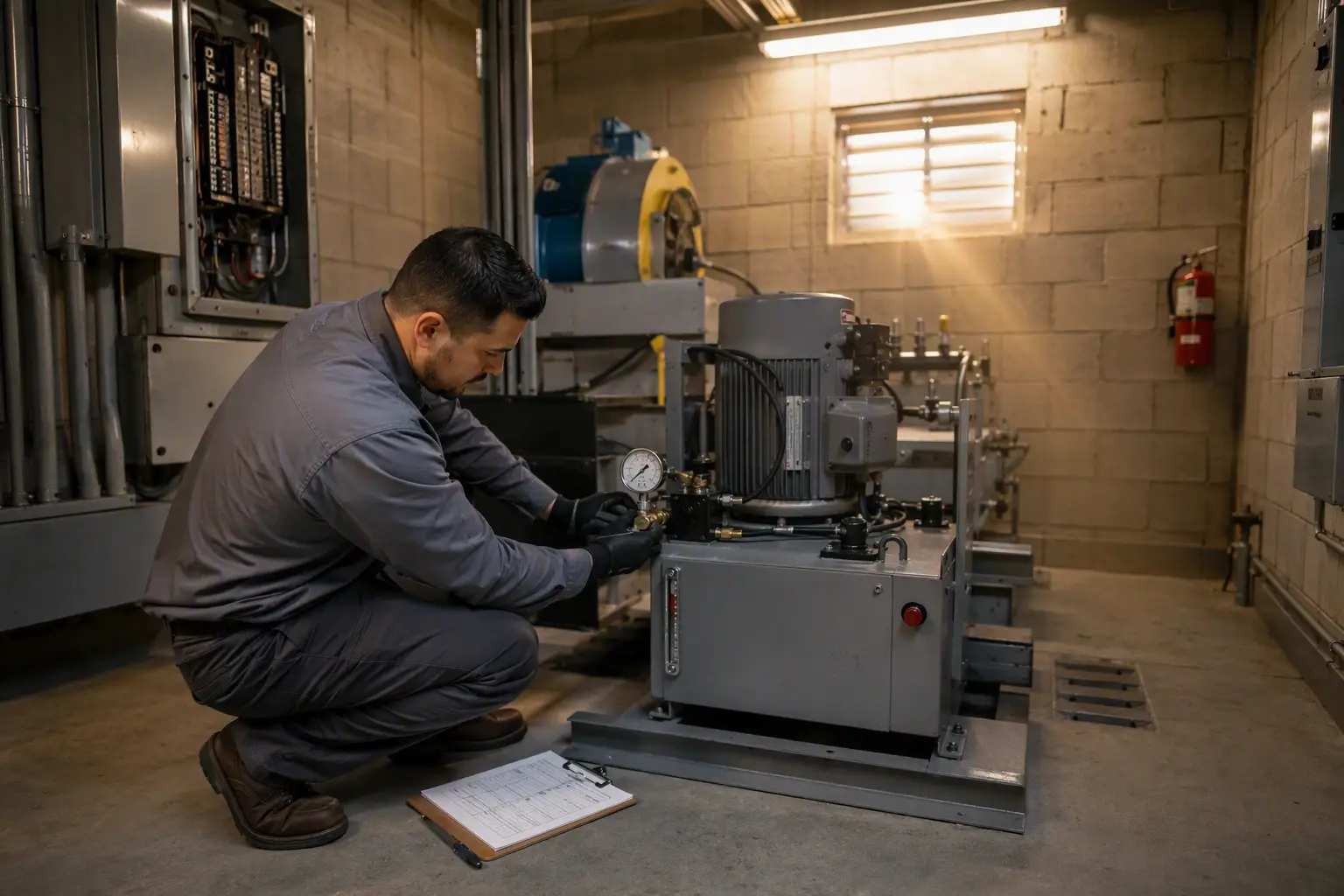
The governing standard for elevator safety in the United States is the ASME A17.1 Safety Code for Elevators and Escalators. This code, adopted by most U.S. jurisdictions and updated on a regular cycle, establishes minimum requirements for construction, installation, inspection, testing, and maintenance of elevators and escalators.
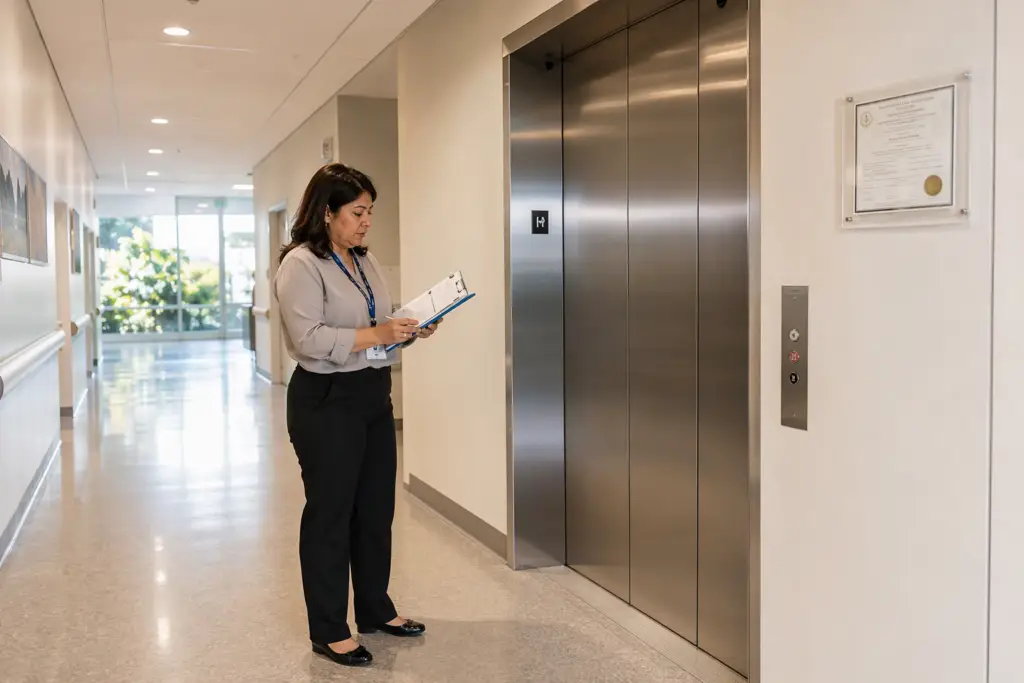
Under ASME A17.1, elevators are required to undergo periodic inspections and tests conducted by qualified inspectors. The code specifies:
- Annual inspections of the complete elevator installation by an authorized elevator inspector
- Periodic testing requirements for safety devices including governors, safeties, buffers, and pressure relief valves — with test intervals that vary by device type and elevator category
- Maintenance requirements that mandate elevators be maintained in a safe operating condition by qualified elevator mechanics
- Documentation requirements, including a maintenance control program (MCP) that building owners and contractors must follow
The ASME A17.6 Standard for Elevator Suspension, Compensation, and Governor Systems provides additional technical requirements for rope and chain systems.
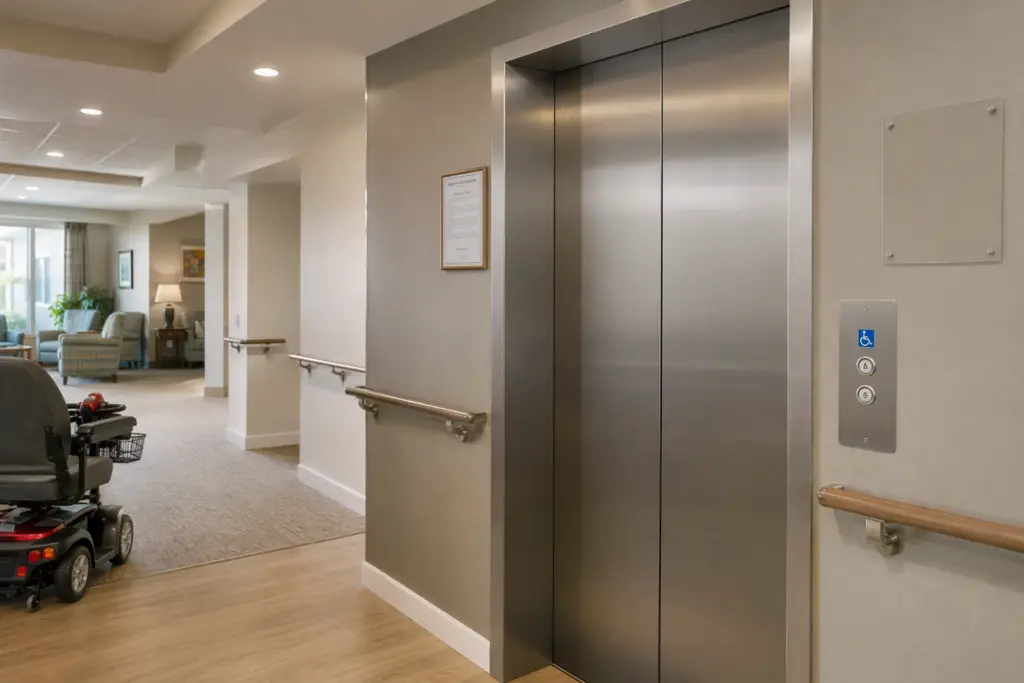
Separately, the Americans with Disabilities Act (ADA) requires that elevators in multi-story buildings covered by the law remain accessible and operational. Prolonged outages in buildings where elevators are the only accessible means of vertical travel can constitute an ADA compliance failure, creating legal exposure for building owners.
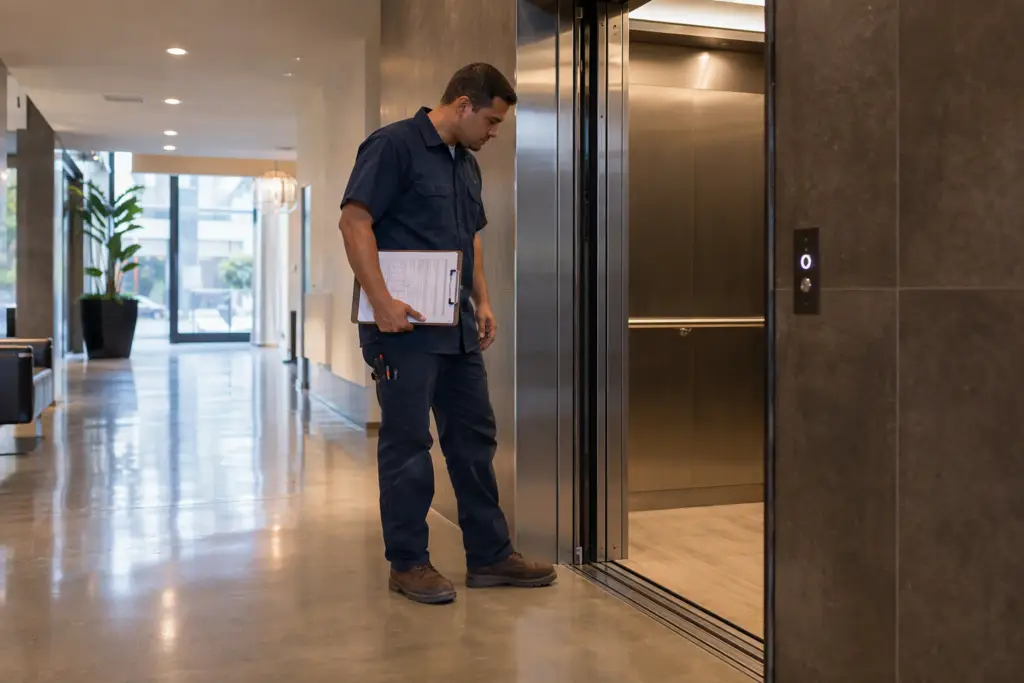
Workplace elevator safety involving maintenance personnel also falls under the jurisdiction of OSHA, which sets standards for confined space entry, lockout/tagout procedures, and general industry safety applicable to elevator machine rooms and pits.
What Is a Preventive Maintenance Program and Why Does It Matter?
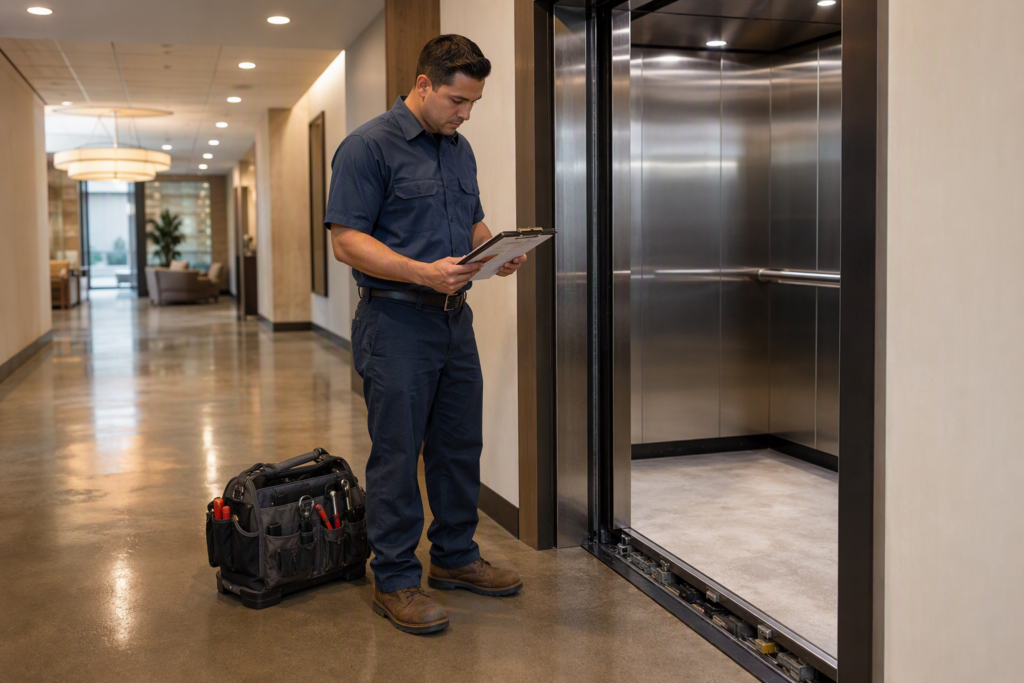
A preventive maintenance (PM) program is a scheduled, systematic approach to inspecting, lubricating, adjusting, and replacing elevator components before they fail. Unlike reactive maintenance — which responds to breakdowns after they occur — preventive maintenance is designed to eliminate the conditions that lead to failure in the first place.
A well-structured PM program typically includes:
- Monthly or quarterly inspections of door operators, safety edges, interlocks, and leveling systems
- Regular lubrication of guide rails, roller guides, hoist ropes, and mechanical linkages per manufacturer specifications
- Periodic testing and adjustment of brake systems, drive units, and control parameters
- Annual review of rope condition against ASME A17.1 removal-from-service criteria
- Machine room environmental checks — temperature, humidity, cleanliness, and ventilation
- Pit inspection for water intrusion, oil accumulation, and debris
- Review and update of the Maintenance Control Program documentation as required by ASME A17.1
Buildings that operate elevators without a documented PM program consistently experience higher rates of unplanned outages, more frequent emergency callbacks, and shortened component lifespans compared to those on structured service agreements.
What Should Building Owners Do Immediately After an Elevator Breakdown?
- Ensure occupant safety first. If anyone is trapped in the cab, call emergency services. Do not attempt to extract passengers without trained personnel.
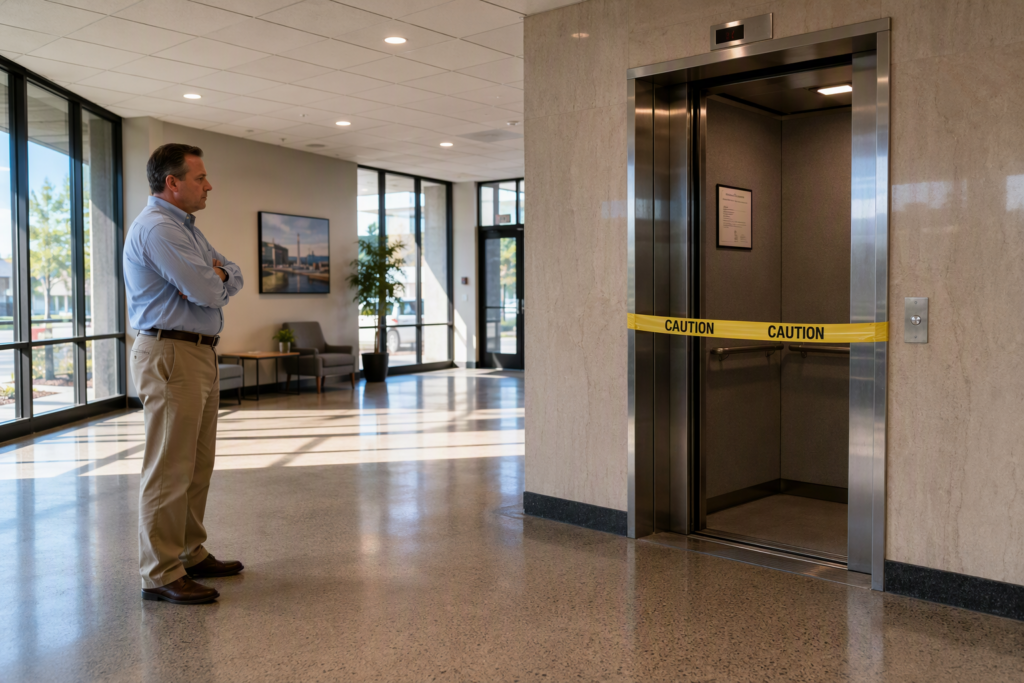
- Take the elevator out of service. Place an “Out of Service” notice at each landing. If the elevator has a key switch, use it to prevent additional use.
- Contact your elevator service provider. Report the specific symptoms observed — unusual sounds, error codes displayed, floor where the cab stopped, or door behavior — to help the technician diagnose faster.
- Do not reset the elevator manually unless trained to do so. Resetting certain fault conditions without understanding the cause can mask a safety issue or damage components further.
- Document the incident. Record the date, time, symptoms, and any error codes for your maintenance log and for the technician’s records.
- Notify building occupants and management. If the elevator serves accessible routes required under the ADA, communicate alternative accessible routes and an estimated repair timeline.
- Follow up with a root-cause review. After the repair, request a written explanation of the failure cause and ask whether a recurring PM task or component replacement can prevent recurrence.
How Does Building Age and Elevator Age Affect Breakdown Risk?
Elevator systems — like all mechanical infrastructure — follow a predictable reliability curve. Newer installations tend to experience fewer failures as components settle in. Mid-life elevators on regular maintenance programs maintain strong reliability. As systems age past their design lifecycle, failure frequency increases, parts availability decreases, and the cost of reactive repairs often exceeds what a modernization would have cost.
Control systems from earlier generations were not designed with the diagnostic capabilities of modern microprocessor-based controllers. When these systems fail, sourcing replacement boards or relays can take days or weeks, extending outages significantly. Buildings with elevators approaching or beyond their expected service life should conduct a formal condition assessment to understand their risk exposure.
What Are the Hidden Costs of Elevator Downtime?
The direct cost of an elevator repair call is only a fraction of the total cost of an unplanned outage. Building owners and managers should account for:
- Tenant dissatisfaction and lease risk: Frequent or extended outages erode tenant confidence, particularly in office buildings, senior housing, and multi-family residential properties where vertical access is a fundamental expectation.
- ADA compliance exposure: In buildings where the elevator is the only accessible route, outages can trigger complaints under the Americans with Disabilities Act and potential legal action.
- Emergency callback premiums: Reactive repairs outside of normal business hours — which is when many outages are noticed — typically carry higher labor costs than planned maintenance work.
- Shortened component life: Operating equipment in a degraded state accelerates wear on adjacent components, turning a single point of failure into a cascading repair scenario.
- Regulatory penalty risk: Jurisdictions that enforce ASME A17.1 inspection requirements can issue fines or require elevator shutdown for non-compliant buildings.
How Do I Choose the Right Elevator Maintenance Provider?
Not all elevator maintenance contracts deliver the same level of protection. When evaluating service providers, building owners should ask the following questions:
- Does the provider use a documented Maintenance Control Program aligned with ASME A17.1 requirements?
- Are service technicians licensed or certified in the applicable jurisdiction?
- What does the service agreement specifically cover — and what are the exclusions?
- How does the provider handle parts availability for older or obsolete systems?
- Does the provider offer condition assessments and modernization planning, or only reactive repairs?
- Is there a documented callback history and reporting system so building owners can track reliability trends?
Liftech Elevator approaches maintenance as a data-driven discipline — using documented inspection records, component tracking, and condition reporting to help building owners make informed decisions about when to repair, when to modernize, and how to reduce their overall outage risk.
What Are the Trends in Elevator Reliability and Maintenance for 2025–2026?
Several industry-wide shifts are shaping how elevator maintenance is approached in 2025 and 2026:
- Remote monitoring and predictive maintenance: Modern elevator controllers increasingly support IoT-based monitoring platforms that track performance data in real time. These systems can detect anomalies — unusual door cycle times, drive current spikes, leveling drift — before they escalate to breakdowns. Building owners are increasingly requesting this capability as part of service agreements.
- Modernization pressure on aging inventory: A significant portion of the U.S. elevator fleet is operating on systems installed before current control technology was available. As parts obsolescence accelerates, the business case for modernization is strengthening compared to ongoing reactive repair costs.
- Code update cycles: The ASME A17.1 Safety Code is revised on a regular cycle, and jurisdictions adopt new editions on varying schedules. Building owners should verify which edition their jurisdiction currently enforces and whether any newly required upgrades apply to their installation.
- ADA enforcement awareness: Regulators and advocacy groups have increased attention on elevator accessibility in recent years. Building owners with aging equipment should be proactive about ensuring compliance with ADA accessibility requirements.
- Supply chain normalization: After several years of parts delays and extended lead times affecting the elevator industry broadly, supply chains for major components have stabilized in many categories — though legacy parts for obsolete systems remain a sourcing challenge.
What Is the Difference Between Preventive, Predictive, and Reactive Maintenance?
Reactive maintenance means responding to a breakdown after it occurs. It is the most expensive approach per incident, causes the longest outages, and provides no protection against failures between service visits.
Preventive maintenance follows a scheduled calendar of inspections, lubrication, adjustments, and component replacements based on manufacturer recommendations and code requirements. It significantly reduces failure frequency but does not use real-time performance data to anticipate emerging issues.
Predictive maintenance uses continuous monitoring data — vibration readings, motor current trends, door cycle timing, leveling accuracy — to identify components trending toward failure before they reach a breakdown threshold. When combined with a strong PM foundation, predictive capabilities can reduce unplanned outages substantially.
The appropriate strategy for a given building depends on elevator age, usage volume, occupant sensitivity to downtime, and budget. Liftech Elevator can help building owners evaluate which approach is right for their specific equipment and operations.
How Much Does Elevator Modernization Cost Compared to Ongoing Repairs?
Elevator modernization costs vary significantly based on the type of equipment, the scope of work, building configuration, and local labor markets. There is no universal figure that applies across all situations. What building owners can evaluate is the pattern of their repair spending: when annual repair costs consistently approach or exceed a meaningful fraction of what a modernization would cost — and especially when outages are increasing in frequency — the financial case for modernization typically becomes compelling.
A modernization may cover the full system (cab, controls, door operators, drive, machine) or may be scoped to specific high-failure components such as controls and door operators alone. A condition assessment from a qualified provider is the most reliable way to understand which approach makes sense for a specific installation.
Are Elevator Pit Conditions a Factor in Breakdowns?
Yes. The elevator pit is one of the most overlooked contributors to system reliability. Water intrusion, oil accumulation, and debris in the pit create conditions that accelerate corrosion of safeties, buffers, and traveling cables. Standing water is not only a component reliability issue — it can create a safety hazard for maintenance personnel and may trigger regulatory citations.
Pit conditions are addressed in inspections required under ASME A17.1, which specifies requirements for pit cleanliness, lighting, stop switches, and drainage. Building owners should ensure their maintenance agreements explicitly include pit inspection as a routine task.
How Does Machine Room Temperature Affect Elevator Performance?
Elevator machine rooms must be maintained within temperature ranges appropriate for the installed equipment. Excessive heat — often caused by inadequate HVAC in the machine room — accelerates the degradation of drive components, control boards, and motor insulation. Cold extremes can affect hydraulic fluid viscosity and cause sluggish or erratic operation in hydraulic systems.
Machine room environmental conditions are a factor that ASME A17.1 addresses as part of the broader installation and maintenance requirements. A machine room that is regularly too hot or too cold is a warning sign that should be addressed as part of any preventive maintenance review.
What Should Be in an Elevator Maintenance Log?
A maintenance log is not just a best practice — it is a requirement under the Maintenance Control Program provisions of ASME A17.1. An adequate log should include:
- Date and scope of each maintenance visit
- Name and credentials of the technician performing the work
- Components inspected, lubricated, adjusted, or replaced
- Any deficiencies noted and the corrective action taken
- Records of all periodic tests and inspection results
- Callback history with cause codes and resolution notes
Building owners should retain these records and ensure they are available for review by jurisdictional inspectors. A well-maintained log also provides the data needed to identify recurring failure patterns and make informed decisions about component replacement before failure.
Can Tenant Behavior or Misuse Contribute to Elevator Breakdowns?
Yes. While most elevator failures are mechanical or electrical in nature, occupant behavior can accelerate wear and trigger outages. Common contributing factors include:
- Holding doors open manually rather than using the door-open button, which strains door operator mechanics
- Overloading cabs beyond rated capacity, stressing drive and rope systems
- Using service elevators improperly during moves without protective padding, damaging interiors and door mechanisms
- Vandalism of control panels or safety devices
Building managers can reduce these risks through occupant education, clear posted capacity limits, and coordinated move-in/move-out procedures that include elevator protection requirements.
How Does Liftech Elevator Help Buildings Reduce Elevator Downtime?
Liftech Elevator provides structured preventive maintenance programs, condition assessments, and modernization planning designed to reduce unplanned outages and maintain code compliance. The team works from documented inspection protocols aligned with ASME A17.1 requirements, giving building owners a defensible maintenance record and a clear picture of their equipment’s condition and risk profile.
Rather than responding only to breakdowns, Liftech Elevator’s approach is to surface the patterns that predict failures — worn door components, aging control hardware, environmental conditions, pit conditions — and address them before they take a cab out of service. This is particularly valuable for buildings with high occupant sensitivity to downtime, including healthcare facilities, senior living communities, hotels, and Class A office properties.
For buildings operating older equipment, Liftech Elevator also provides honest assessment of when the repair-versus-modernize calculation has shifted — so owners can plan capital expenditure strategically rather than reactively.
Get a Free Elevator Assessment for Your Building
Elevator breakdowns are largely preventable. The first step is understanding the current condition of your equipment, your compliance status under ASME A17.1, and where your highest-risk failure points are.
Contact Liftech Elevator for a free elevator assessment: 562-609-3478
Liftech Elevator serves commercial, residential, and mixed-use buildings with data-driven maintenance programs designed to keep elevators running safely, reliably, and in full code compliance.
Need elevator service you can rely on? Liftech Elevator is ready to help.