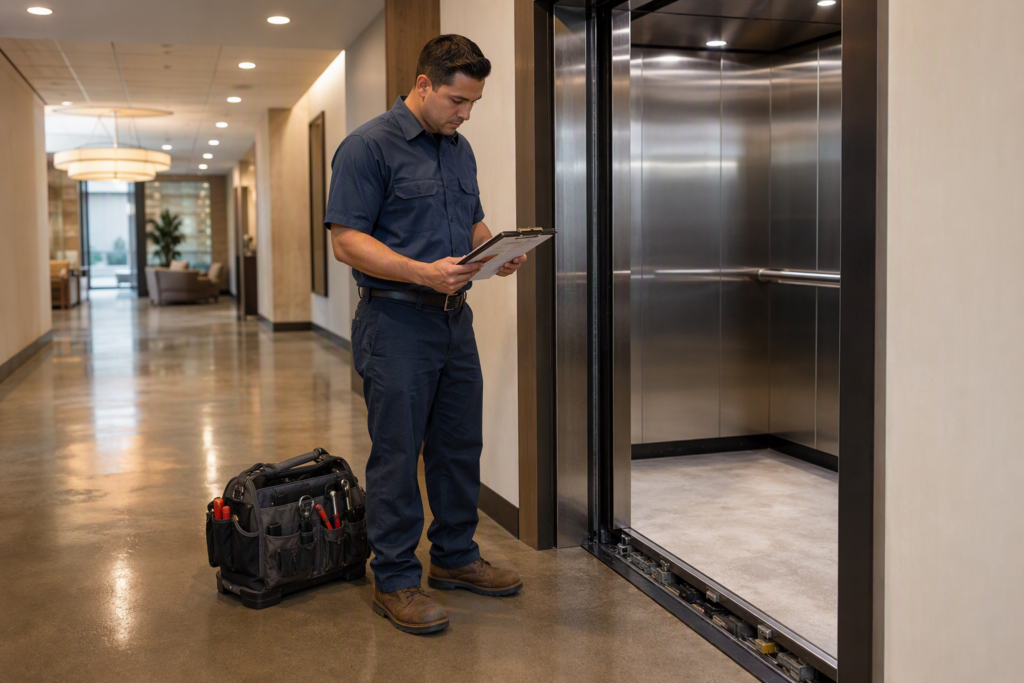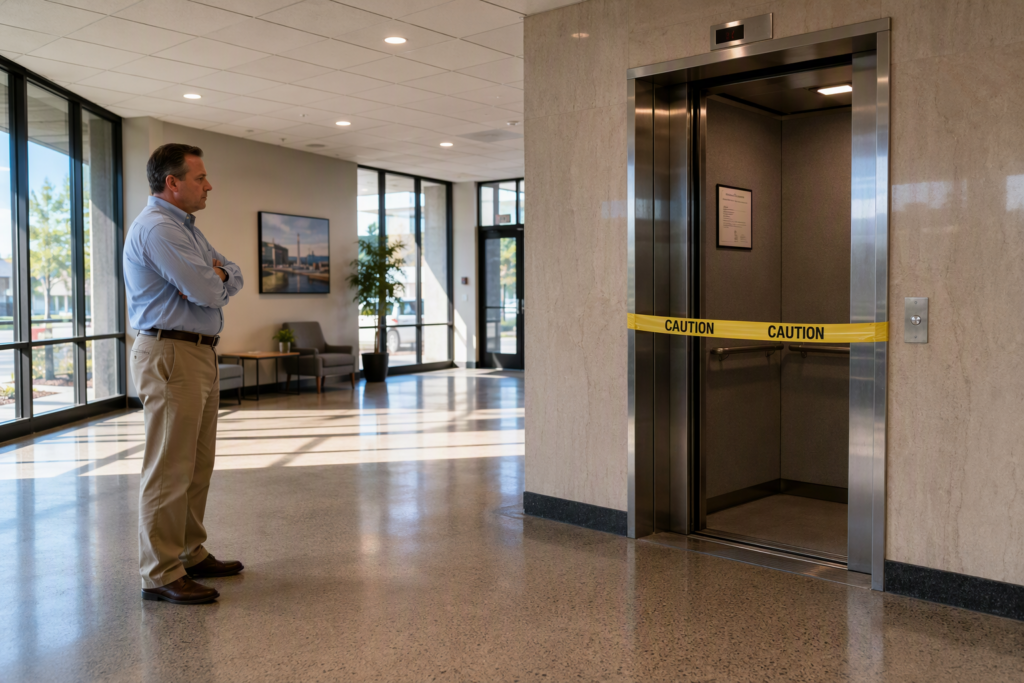
When you sell or transfer ownership of a commercial building in California, an elevator maintenance contract typically does not automatically transfer to the new owner — whether it assigns, terminates, or requires renegotiation depends on the contract’s assignment clause, California contract law, and the elevator service provider’s policies.
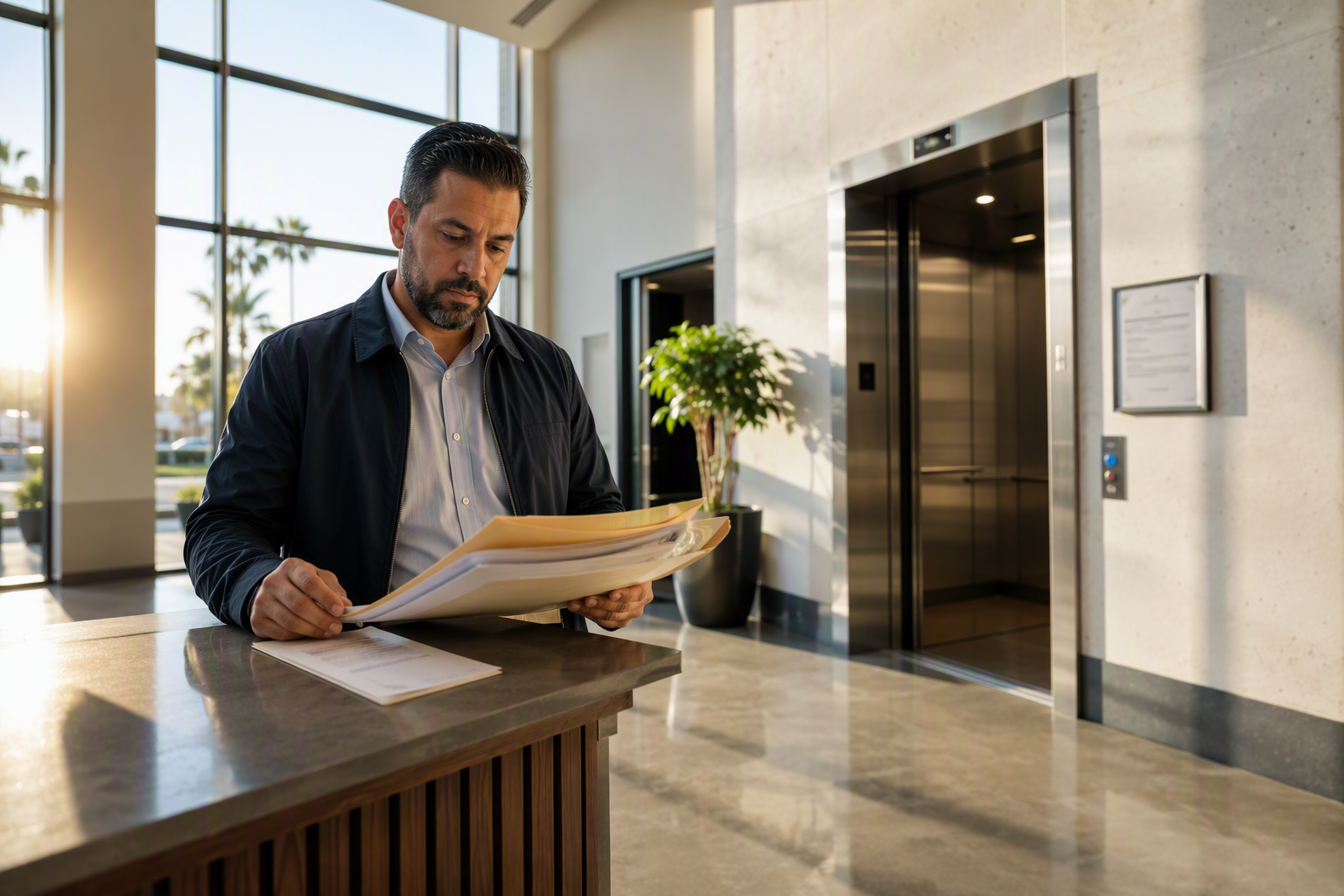
Elevator Maintenance Contracts and Building Ownership Transfers in California: Complete FAQ
Selling or acquiring a commercial property in California involves dozens of moving parts, and the elevator maintenance contract is one that frequently gets overlooked until the last moment. Understanding what happens to that contract — legally, operationally, and financially — protects both buyers and sellers from unexpected liability, compliance gaps, and service interruptions. This FAQ hub covers every facet of the issue, from assignment clauses to California safety compliance obligations, drawing on applicable codes including the ASME A17.1 Safety Code for Elevators and Escalators and relevant ADA accessibility requirements.
What exactly happens to an elevator maintenance contract when a commercial building is sold in California?
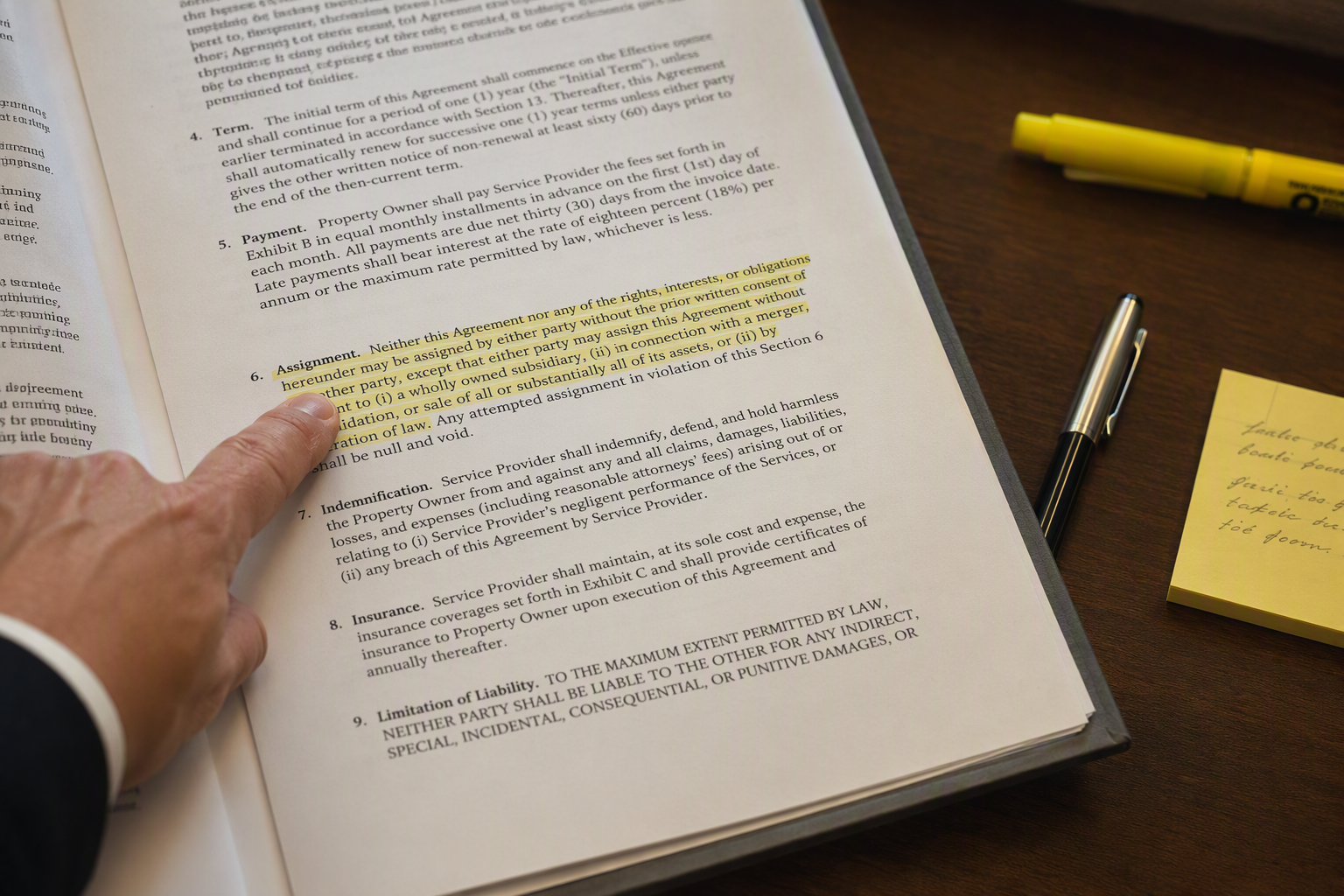
The contract does not automatically transfer to the new owner — its fate is governed by the assignment clause written into the agreement, and the outcome varies significantly from one contract to another.
Most commercial elevator maintenance agreements contain an assignment clause that specifies whether the contract can be transferred to a new building owner, requires the service provider’s written consent, or terminates automatically upon a change of ownership. California contract law (California Civil Code § 1457) permits assignment of contractual rights unless the contract expressly prohibits it or the obligation is personal in nature. However, assignment of duties — such as the obligation to pay maintenance fees — requires the obligor’s consent. In practical terms, this means the new owner cannot unilaterally assume the contract without the service company’s approval.
For commercial properties in Los Angeles, Long Beach, Signal Hill, and Orange County, this matters because elevator downtime or a compliance lapse during the ownership transition can trigger regulatory notices from the California Department of Industrial Relations (DIR) Elevator Unit, which oversees elevator safety statewide.
Are there different types of elevator maintenance contracts, and does the type affect transferability?
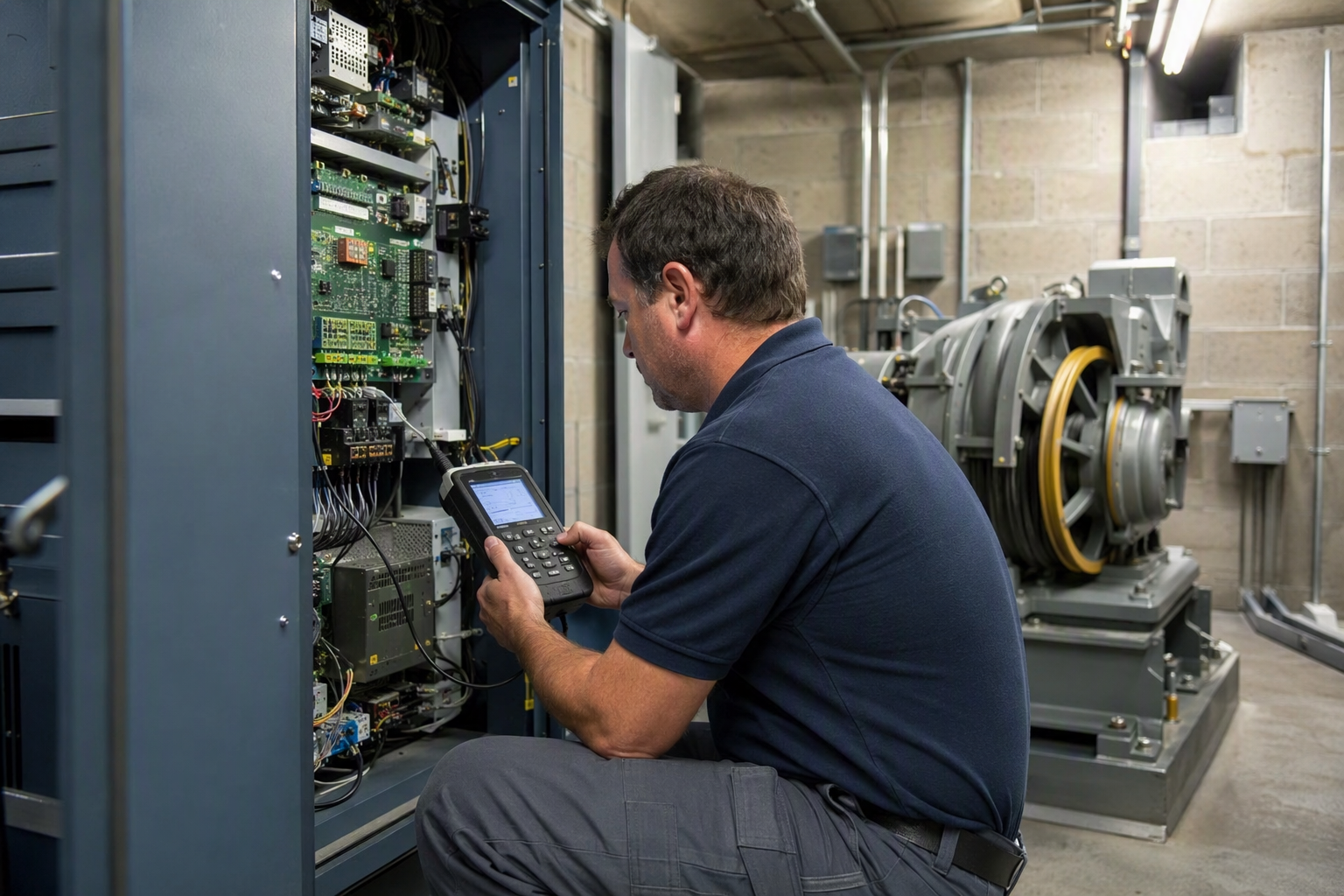
Yes — the three most common contract structures (full-maintenance, parts-and-labor, and examination-only) carry different transferability implications because they differ in scope of liability and ongoing financial obligation.
A full-maintenance contract covers all parts, labor, adjustments, and often modernization components. Because the service provider assumes significant financial exposure, most full-maintenance agreements include strict anti-assignment language and require a new creditworthiness review before agreeing to bind themselves to a new owner.
A parts-and-labor (or oil-and-grease) contract covers routine lubrication, adjustment, and minor parts but excludes major components. These contracts are moderately complex to transfer because parts liability is shared.
An examination-only contract involves the service company performing periodic inspections and reporting deficiencies without supplying parts or labor. These are generally the easiest to transfer or terminate because the financial exposure for both parties is lowest.
Buyers conducting due diligence on a California commercial property should request the contract type, remaining term, auto-renewal dates, and the full text of the assignment clause before closing.
What does the assignment clause in an elevator maintenance contract typically say?
Most elevator maintenance contracts include one of three assignment provisions: outright prohibition of assignment, permission with prior written consent of the service provider, or automatic assignment to any successor-in-interest.
Outright prohibition is the most restrictive and effectively terminates the contract upon a transfer of building ownership. The seller may then owe an early-termination fee. Permission with written consent is the most common arrangement — the new owner must formally apply, the service company evaluates creditworthiness and equipment condition, and both parties execute an assignment addendum. Automatic assignment to successors-in-interest is relatively rare in elevator contracts but does appear in some long-term agreements tied to new equipment installations.
Buyers should never assume a contract carries over. Verifying the assignment language is a standard item in commercial real estate due diligence checklists for elevator-equipped buildings throughout California.
Who is responsible for elevator safety compliance during the ownership transition period?
During the gap between closing and formal contract reassignment or execution of a new maintenance agreement, the entity in legal possession of the building bears full responsibility for elevator safety compliance under California law.
California Labor Code § 7300–7324.2 establishes the legal framework for elevator safety in the state, placing the duty of safe operation on the “owner or lessee in charge.” This means the new owner assumes compliance obligations the moment title transfers, even if a maintenance contract is not yet in place. Operating an elevator without a valid maintenance agreement and current permits is a violation that can result in the California DIR Elevator Unit ordering the equipment out of service.
The ASME A17.1 Safety Code for Elevators and Escalators (the standard adopted by reference under California’s Title 8 regulations) requires that elevators be maintained by qualified personnel according to a documented maintenance program. The absence of a contract does not relieve the owner of that obligation — it simply means the owner must either immediately secure a new contract or demonstrate compliance through an in-house program meeting ASME A17.1 requirements.
What should a buyer do before closing to protect themselves from elevator contract liability?
A buyer should complete a structured pre-closing elevator due diligence review that examines the existing contract terms, current permit status, inspection records, and equipment condition before the transaction closes.
- Request the full maintenance contract from the seller, including all amendments, addenda, and renewal notices.
- Identify the contract expiration date and any auto-renewal clauses — many contracts renew for one-year terms automatically with 60–90 days’ advance written notice required to cancel.
- Review the assignment clause to determine whether the contract can transfer, requires consent, or terminates on sale.
- Request copies of the current California elevator permits (Form QS-71 or equivalent DIR Elevator Unit documentation) and confirm permits are valid and current.
- Obtain all inspection and violation history from the seller, including any outstanding orders to repair from the DIR Elevator Unit or the applicable local authority having jurisdiction (AHJ).
- Commission an independent third-party elevator inspection to assess equipment condition, identify deferred maintenance, and benchmark compliance against the current edition of ASME A17.1.
- Contact the current service provider to confirm whether they are willing to assign the contract to the new owner and under what conditions.
- Negotiate contract-related costs into the purchase agreement — if an early-termination fee applies or equipment upgrades are needed, those costs should be reflected in the sale price or allocated between parties.
Liftech Elevator provides pre-purchase elevator assessments for commercial properties in Signal Hill, Long Beach, Los Angeles, and Orange County, helping buyers understand the true maintenance obligations they are inheriting before a transaction closes.
What are the early-termination fee implications if a contract cannot be transferred?
If an elevator maintenance contract cannot be assigned and must be terminated by the seller upon sale, the seller typically owes an early-termination fee calculated based on the remaining contract term and the monthly service rate.
Early-termination provisions in commercial elevator contracts commonly calculate fees as a multiple of the remaining monthly payments — often the full remaining value of the contract term, or a flat fee negotiated in the original agreement. On a multi-elevator, multi-year full-maintenance contract, these fees can be material and should always be surfaced during seller disclosure and due diligence. California has no specific statutory cap on commercial contract early-termination fees, so the amount is purely a function of the negotiated agreement.
From a deal-structuring perspective, the seller’s obligation to pay an early-termination fee — or the cost of negotiating an assignment addendum — is a legitimate item for escrow allocation or purchase price adjustment.
Does an elevator maintenance contract affect ADA compliance obligations for the new owner?
Yes — the maintenance contract directly affects the new owner’s ability to meet ADA vertical accessibility requirements, because an unmaintained or out-of-service elevator in a building required to provide accessible vertical access constitutes an ADA violation.
Under the Americans with Disabilities Act, commercial facilities must maintain accessible features — including elevators — in operable working condition. The ADA’s “readily achievable” maintenance standard means that even brief service gaps that render an elevator inoperative can expose a building owner to ADA complaints. In multi-story commercial buildings in California, where stairways do not constitute equivalent accessible access for people with mobility impairments, elevator availability is not optional.
A new owner who assumes a building without a maintenance contract in place, allows the elevator to fall into disrepair during the ownership transition, or inherits outstanding repair orders faces compounded exposure — both under California Labor Code elevator safety statutes and the ADA.
What California state regulations govern elevator maintenance obligations for building owners?
California’s elevator safety program is administered by the Department of Industrial Relations (DIR) Division of Occupational Safety and Health (Cal/OSHA) Elevator Unit under Labor Code §§ 7300–7324.2 and Title 8 of the California Code of Regulations.
Key obligations include: maintaining a valid elevator permit issued by the DIR, ensuring the elevator undergoes periodic inspections by a Qualified Elevator Inspector (QEI) certified under ASME QEI-1 Standard for the Qualification of Elevator Inspectors, and operating equipment in compliance with the adopted edition of ASME A17.1. California adopted ASME A17.1 by reference and incorporates it into Title 8 regulations, meaning the technical requirements of that standard carry the force of state law for California building owners.
When ownership changes, the new owner should notify the DIR Elevator Unit of the ownership transfer and confirm that all permits are reissued or updated in the new owner’s name. Failure to update permit records can create compliance complications during subsequent inspections.
How do elevator inspection requirements change when a building changes hands?
Inspection requirements themselves do not change — the same periodic inspection intervals mandated under California Title 8 and ASME A17.1 apply regardless of who owns the building — but the new owner must confirm that the inspection schedule is current and that no outstanding violations exist from the prior owner’s tenure.
California requires periodic inspections of elevators, with the inspection interval and type varying based on equipment category (passenger elevator, freight elevator, escalator, platform lift, etc.) and risk classification. These inspections must be performed by a QEI and witnessed or reviewed by the DIR Elevator Unit or an approved third-party inspection agency.
A new owner who discovers that the prior owner allowed inspection intervals to lapse — a situation that sometimes surfaces only after closing — faces potential out-of-service orders and must schedule remedial inspections promptly. Engaging a qualified elevator service company immediately after closing to audit inspection records is the most effective way to identify and address these gaps.
What is the difference between assigning an existing contract and negotiating a new one?
Assigning an existing contract preserves the original terms and pricing but binds the new owner to conditions negotiated by someone else, while negotiating a new contract gives the buyer the opportunity to right-size scope, pricing, and service-level expectations based on current equipment condition and business needs.
| Factor | Assigning Existing Contract | Negotiating a New Contract |
|---|---|---|
| Pricing | Locked to prior owner’s negotiated rate | Reflects current market and equipment condition |
| Scope of coverage | Fixed per original terms | Fully negotiable |
| Equipment condition acknowledgment | Inherited as-is; disputes possible | Baseline inspection documents known condition |
| Service provider | Existing provider only | Competitive bidding possible |
| Contract term | Remaining term of original agreement | Fully negotiable (typically 1–5 years) |
| Auto-renewal risk | Inherits prior renewal schedule | New renewal dates established |
| Time to implement | Faster (addendum only) | Longer (RFP, review, execution) |
| Best suited for | Equipment in good condition, favorable terms | Aging equipment, poor prior service history |
For buildings in the Los Angeles and Orange County markets where elevator modernization needs may be significant, negotiating a new contract with a provider who performs a documented baseline inspection — as Liftech Elevator does for new commercial clients — is frequently the more advantageous approach for the incoming owner.
Can a new owner switch elevator service providers immediately after a building purchase?
A new owner can switch elevator service providers if the existing contract has terminated, expired, been successfully cancelled, or if the assignment was declined by the current provider — but switching while a valid contract remains in effect exposes the seller or new owner to breach-of-contract liability.
If the contract did not transfer and the seller paid an early-termination fee, the new owner enters the transaction free to select any qualified service provider. If the contract was assigned and remains active, the new owner is legally bound to that contract for its remaining term unless the agreement contains a change-of-ownership exit clause.
When evaluating new service providers, building owners in California should verify that the company is registered with the California DIR, employs certified elevator mechanics, and maintains familiarity with the ASME A17.1 requirements applicable to the specific equipment type in the building.
What questions should a new building owner ask a potential elevator service provider?
A new building owner should ask prospective service providers about their California DIR registration, their familiarity with the specific equipment brand and model in the building, what is included and excluded in the contract, how violations and repair orders are handled, and what the exit provisions are.
Specific questions worth asking include: Is the contract full-maintenance, parts-and-labor, or examination-only? What are the auto-renewal terms and required cancellation notice period? Who is the designated contact for emergency service? How are parts sourced for older or proprietary equipment? How are outstanding DIR violation orders managed and tracked? What documentation is provided after each maintenance visit?
Thoroughly vetting these points before signing protects new owners from discovering after the fact that their contract does not cover the very components most likely to require attention on a building they just acquired.
How do outstanding elevator violations or repair orders affect a property sale in California?
Outstanding elevator violations or open repair orders issued by the California DIR Elevator Unit are material defects that must be disclosed in a commercial transaction and can affect the sale price, financing, and insurability of the property.
Under California Civil Code § 1102 and associated commercial disclosure obligations, sellers of commercial property are required to disclose known material defects. An open DIR violation order — particularly one that has resulted in an out-of-service tag — is unambiguously material. Lenders evaluating commercial real estate loans will typically require resolution of open elevator violations as a condition of financing, and commercial property insurers may exclude or limit coverage for incidents involving equipment subject to outstanding orders.
Buyers who discover undisclosed violations after closing may have legal remedies against the seller, but pursuing those remedies is time-consuming and costly. The more effective approach is thorough pre-closing due diligence, including a direct inquiry to the California DIR Elevator Unit about the permit and violation history of every elevator unit in the subject property.
What happens to elevator modernization or capital improvement obligations when a building is sold?
Modernization obligations specified in a maintenance contract — such as required upgrades to meet current ASME A17.1 or ADA standards — pass to whoever is responsible for the equipment, which after closing is the new owner unless the parties contractually allocate those costs differently.
California’s elevator safety regulations do not automatically require full code compliance upon a change of ownership for existing installations (grandfather provisions under ASME A17.1 and California Title 8 apply to existing equipment), but any outstanding orders from the DIR Elevator Unit requiring code-compliance upgrades must be addressed regardless of the ownership change. In practice, modernization obligations written into a maintenance contract — where the service company has committed to perform upgrades on a scheduled basis — follow the contract. If the contract terminates, those obligations may need to be renegotiated.
For properties with aging elevator systems, a pre-purchase modernization assessment establishes the cost exposure the incoming owner will face over the next maintenance cycle and is an important input into the property valuation.
How does the building sale affect elevator permits in California?
California elevator permits are issued to the building owner of record, and a change of ownership typically requires the new owner to update permit records with the DIR Elevator Unit to ensure compliance documentation reflects the correct responsible party.
The DIR Elevator Unit maintains permit records by equipment unit and owner. When a building transfers, the new owner should proactively contact the DIR to update ownership information. While California regulations do not necessarily require a new permit application solely due to a sale (as opposed to a major alteration or installation), the owner-of-record information on the permit affects inspection scheduling, violation notices, and enforcement actions. An owner who is not on the DIR’s records as the responsible party may not receive timely notices of required inspections or violation orders.
What role does a property management company play in elevator contract transfers?
A property management company that manages the elevator service relationship on behalf of the building owner acts as the owner’s agent for contract purposes, but the legal obligation under the maintenance contract and California safety regulations remains with the property owner, not the management company.
In many California commercial transactions — particularly multi-tenant office and retail properties common in Los Angeles and Orange County — the outgoing property manager has been the primary point of contact for the elevator service company. At ownership transfer, the new owner must confirm whether the existing property management agreement is continuing, and if so, whether the manager has the authority to bind the new owner to the elevator contract. If the property management arrangement changes, the elevator service company must be notified of the new authorized contacts for service authorization and contract management.
What are the OSHA implications for elevator maintenance gaps during ownership transitions?
If an elevator serves a workplace — which is common in commercial buildings — gaps in maintenance documentation or service provider coverage during an ownership transition can create OSHA General Duty Clause exposure for the new employer-owner if an employee is injured during the gap period.
OSHA’s General Duty Clause (Section 5(a)(1) of the OSH Act) requires employers to provide a workplace free from recognized hazards likely to cause serious injury or death. An elevator with documented deferred maintenance — particularly one for which no qualified service provider is currently responsible — presents a recognized hazard. While federal OSHA’s elevator-specific standards primarily address construction and general industry in specific contexts, California operates its own OSHA plan (Cal/OSHA) under which the DIR Elevator Unit enforces elevator safety standards. A maintenance gap that coincides with a workplace injury involving an elevator will trigger scrutiny of whether the new owner exercised due diligence in maintaining safe equipment from the moment of ownership transfer.
How long does it typically take to execute a new elevator maintenance contract after a building purchase?
The timeline for executing a new elevator maintenance contract after a commercial building purchase depends on whether the new owner is assigning an existing agreement or entering a new one, but in either case, the process should be initiated before closing, not after, to avoid any gap in coverage.
An assignment addendum to an existing contract, where the service provider has already reviewed the equipment and agrees to the transfer, can be executed in days. A fully negotiated new contract — requiring a baseline inspection, scope definition, pricing negotiation, and legal review — typically takes several weeks. For properties with multiple elevator units or complex equipment types, the baseline inspection alone may take additional time to schedule and complete.
The practical recommendation is to begin the contract transition process no later than 30 days before the anticipated closing date. This allows time to identify whether the existing contract is assignable, evaluate alternative providers if needed, commission an independent inspection, and have a signed agreement in place before the new owner assumes legal responsibility for the equipment.
What should a seller do to prepare the elevator maintenance contract for a building sale?
A seller should review the existing elevator maintenance contract well in advance of listing the property, identify the assignment and termination provisions, resolve any outstanding violations or deferred maintenance, and present a clean compliance record as part of the property’s marketing materials.
Practically, sellers benefit from having a current, fully documented elevator maintenance file readily available for buyer review. This file should include the active maintenance contract, all annual and periodic inspection reports, permit documentation, any outstanding DIR orders and evidence of their resolution, and records of all maintenance and repair work performed. A property with a clean, well-documented elevator maintenance history commands greater buyer confidence and reduces due-diligence friction — both of which support a smoother and potentially faster transaction.
How can building owners in Signal Hill, Long Beach, Los Angeles, and Orange County ensure continuous elevator compliance through a property transfer?
Building owners in these California markets can ensure continuous compliance by engaging a qualified local elevator service company to manage the contract transition process, conduct a baseline inspection of the equipment at closing, and immediately establish a documented maintenance program in the new owner’s name.
Liftech Elevator serves commercial properties throughout Signal Hill, Long Beach, Los Angeles, and Orange County, providing pre-purchase assessments, contract review consultations, and seamless onboarding for new building owners who want to confirm compliance from day one. Working with a service provider who understands California DIR requirements, local authority having jurisdiction (AHJ) expectations, and the technical demands of the equipment in the building is the most reliable way to avoid the compliance gaps that so frequently arise in commercial elevator transitions.
Continuous compliance through a transfer requires attention to three parallel workstreams: the legal contract transition, the regulatory permit update with the DIR, and the operational handoff of maintenance responsibilities. Managing all three in a coordinated way — ideally with a single qualified service provider who can document the baseline condition of the equipment and establish a forward maintenance schedule — is the standard of care that protects both parties in a commercial real estate transaction.
What documentation should be included in the elevator maintenance records transferred at closing?
At closing, the seller should transfer a complete elevator maintenance file that includes the current maintenance contract, all inspection certificates and reports, DIR permits, violation histories and resolution records, maintenance logs, parts replacement records, and any modernization or alteration permits.
This documentation package serves multiple purposes for the new owner. Inspection certificates and DIR permits establish baseline compliance. Maintenance logs and parts replacement records reveal the equipment’s service history and help a new service provider anticipate upcoming component-end-of-life issues. Modernization and alteration permits are required by California regulations whenever significant work is performed on elevator equipment, and their absence can complicate future inspections or alterations. Violation histories and resolution records demonstrate that outstanding issues were addressed, which protects the new owner from inherited liability.
A thorough documentation transfer is also required to support compliance with the ASME A17.1 maintenance record-keeping provisions, which require that maintenance records be retained and available for inspection by the authority having jurisdiction.
Get Expert Elevator Contract Guidance Before Your Building Sale or Purchase
Navigating an elevator maintenance contract through a commercial property transfer in California requires technical knowledge, regulatory familiarity, and attention to contractual detail that a generalist real estate attorney or property manager may not possess. Whether buying or selling a commercial property in Signal Hill, Long Beach, Los Angeles, or Orange County, working with a qualified elevator service company from the start of the transaction protects against compliance gaps, unexpected costs, and post-closing liability.
Contact Liftech Elevator for a free elevator assessment. Liftech Elevator’s team serves commercial building owners and buyers throughout the Southern California market with pre-purchase inspections, contract transition support, and comprehensive maintenance programs designed to keep elevators safe, compliant, and operational — from the first day of new ownership forward.
Call Liftech Elevator today: 562-609-3478
Need elevator service you can rely on? Liftech Elevator is ready to help.