Elevator Service in Signal, CA | Liftech Elevator
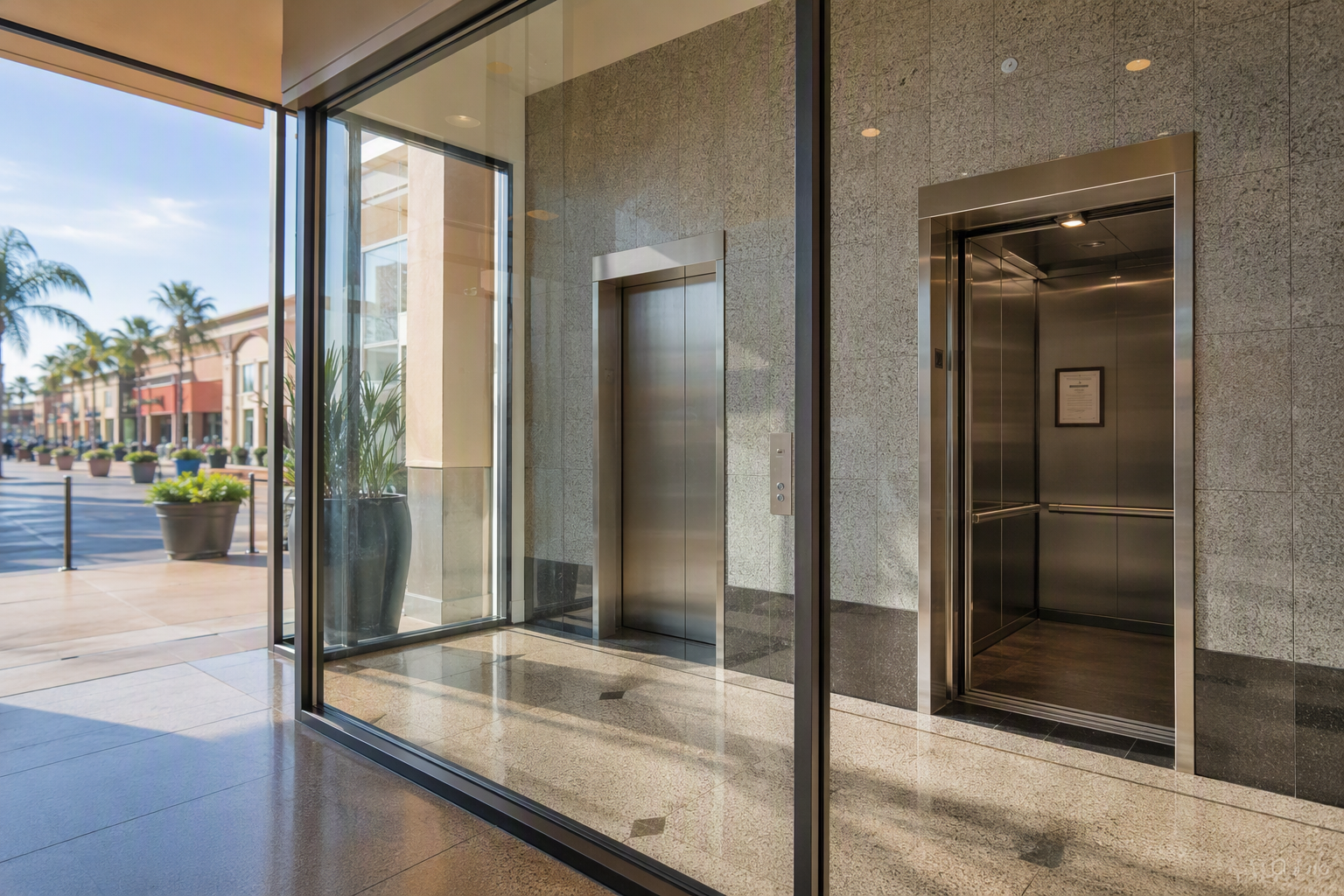
Elevators in retail shopping centers and commercial properties in Signal, CA, and throughout Orange County and Los Angeles County are subject to some of the most comprehensive elevator safety regulations in the United States. Property managers, facility directors, and building owners who understand these requirements avoid costly shutdowns, liability exposure, and compliance penalties. Liftech Elevator provides elevator maintenance, inspection coordination, and code compliance services across both counties, serving the commercial and retail sectors that depend on reliable vertical transportation every day.
—
What Inspection Requirements Apply to Elevators in California Retail and Commercial Properties?
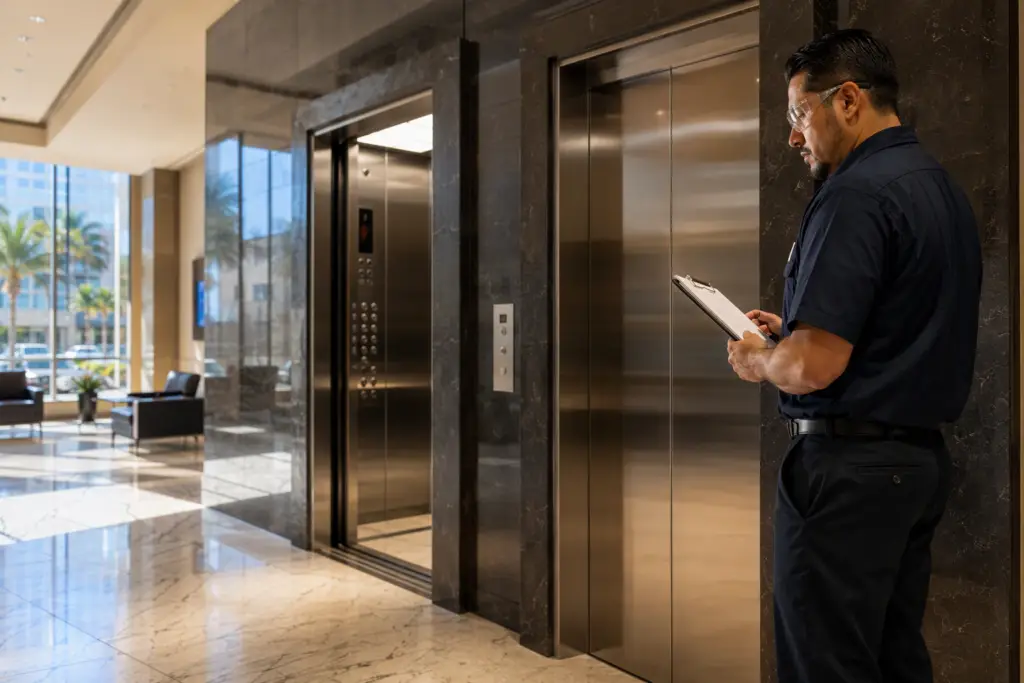
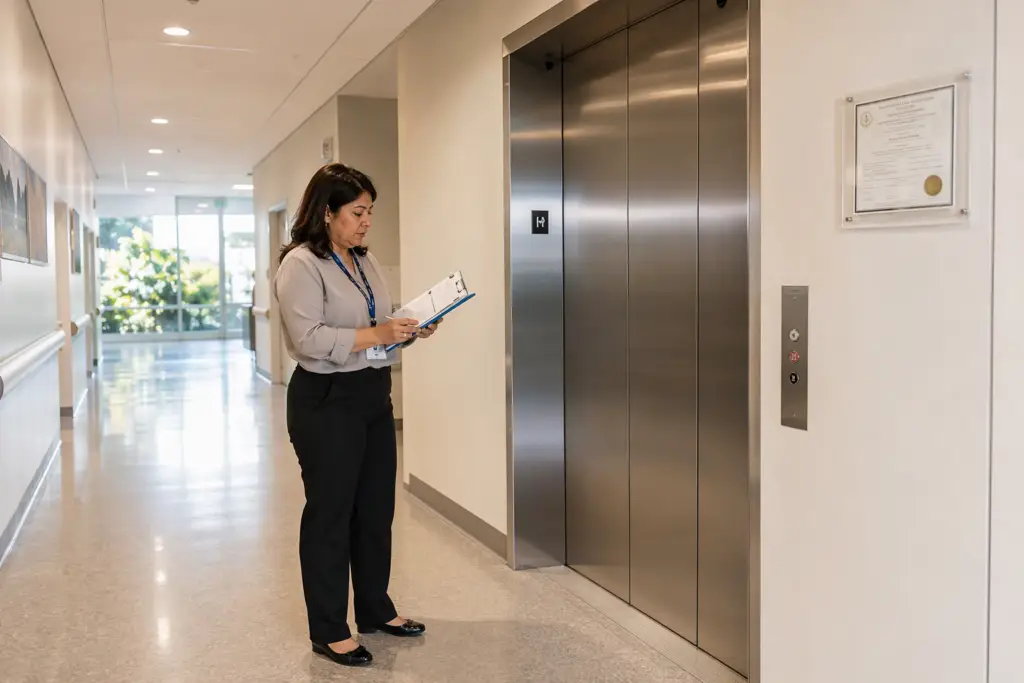
California requires that all passenger elevators in commercial and retail buildings — including shopping centers, department stores, mixed-use developments, and office buildings — undergo periodic inspections conducted by a certified elevator inspector. These inspections are administered through the California Department of Industrial Relations (DIR), Elevator, Ride, and Tramway (ERT) Unit.
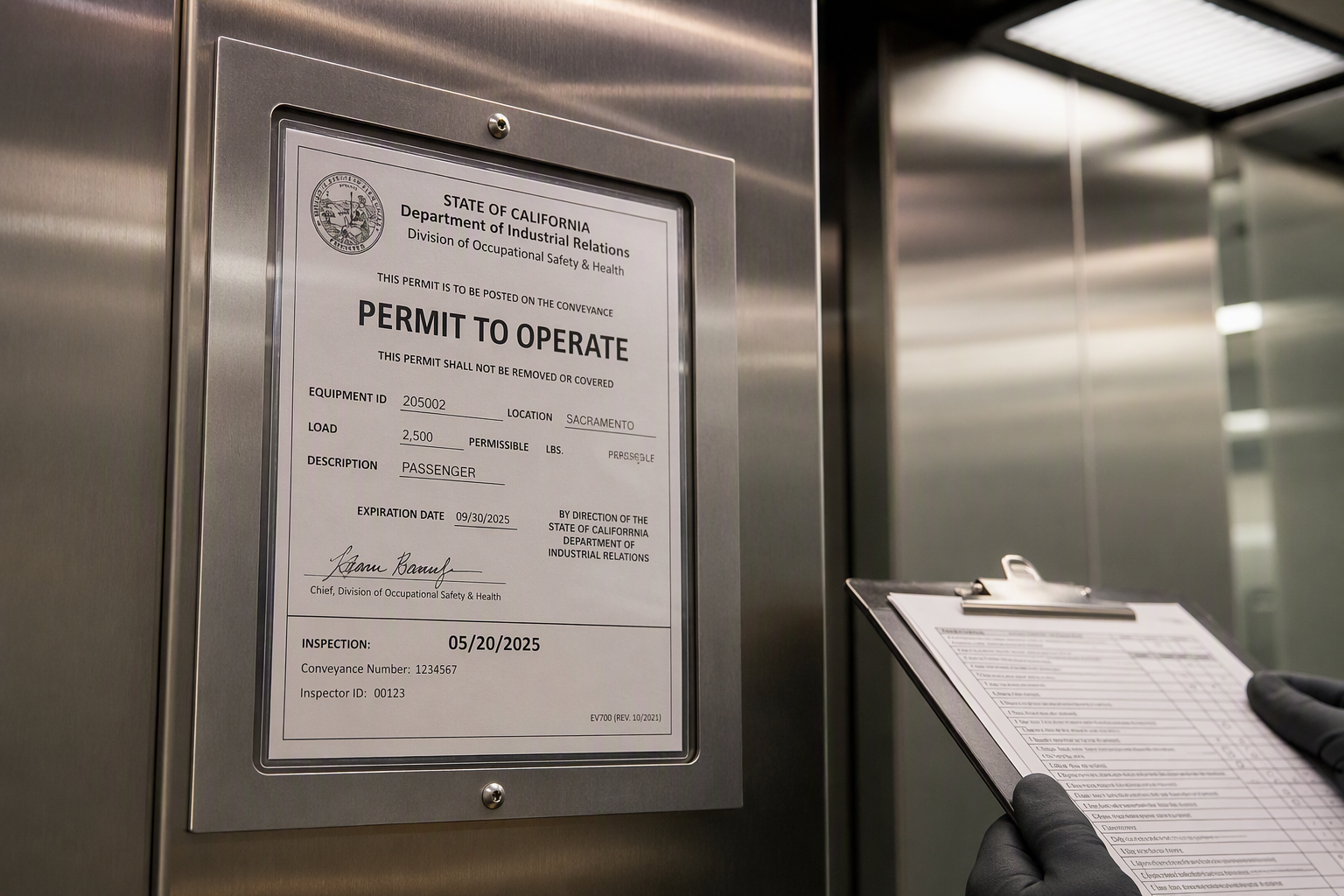
Inspections are required at regular intervals and must be performed by inspectors who hold a valid California Qualified Elevator Inspector (QEI) certification. After a satisfactory inspection, the property receives a valid permit — often referred to as a “permit to operate” — that must be posted in the elevator cab and renewed on the schedule set by Cal/OSHA. Operating an elevator without a valid, posted permit is a violation subject to enforcement action.
The underlying safety standards that California references are drawn from the ASME A17.1 Safety Code for Elevators and Escalators, the nationally recognized model code for elevator construction and maintenance. California adopts and enforces editions of this code as part of its own regulatory framework, and the 2025/2026 compliance cycle reflects requirements tied to current adopted editions.
What Ongoing Maintenance Is Required for Commercial Elevators in Orange County and Los Angeles?
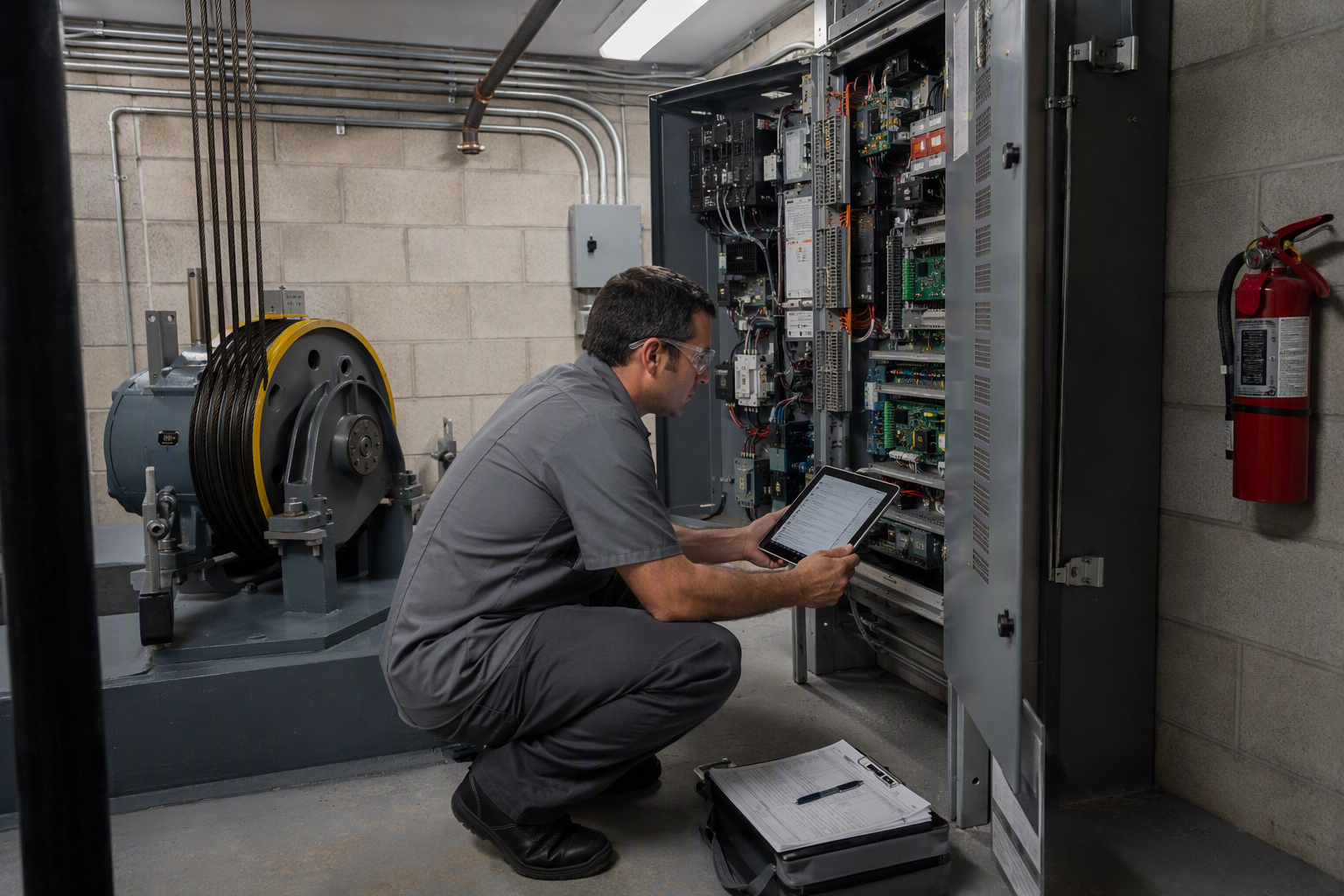
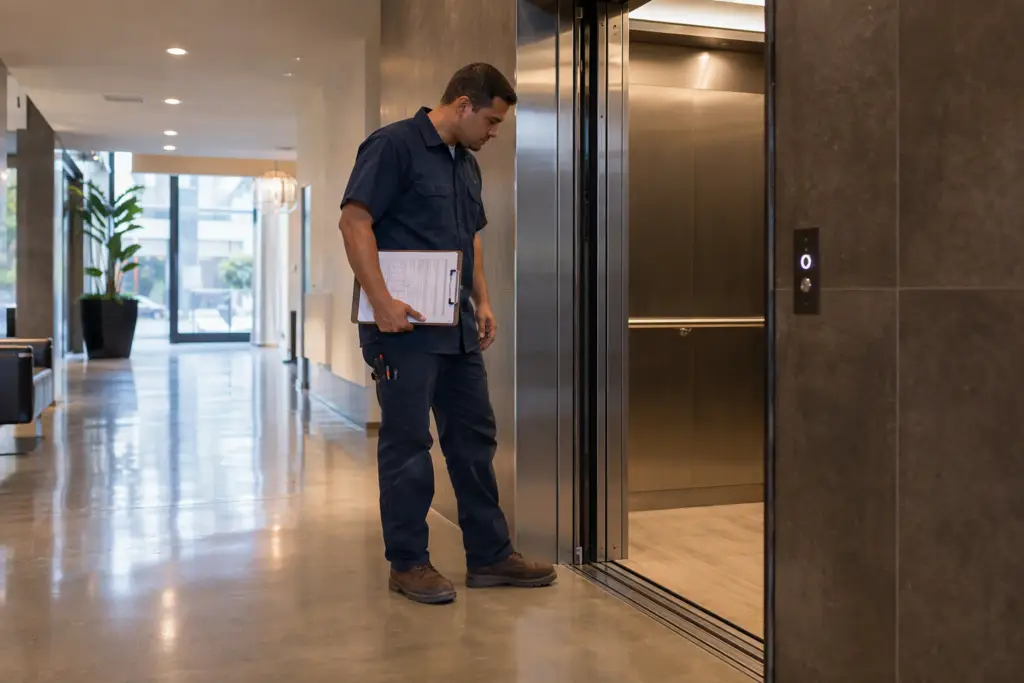
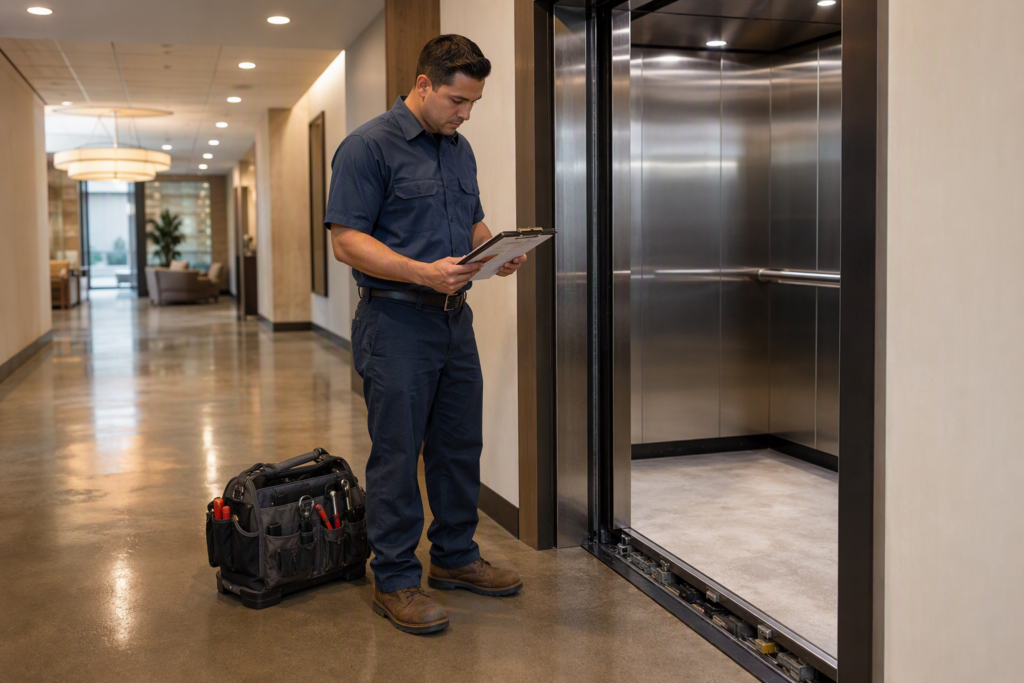
Beyond periodic state inspections, California law requires that elevators in commercial and retail settings receive continuous preventive maintenance performed by a licensed elevator contractor. Under California law, elevator maintenance must be performed by contractors holding an active California Elevator Contractor License, issued through the DIR.
Proper maintenance programs for retail environments typically include:
- Regular lubrication and adjustment of mechanical components
- Inspection and testing of safety devices, door operators, and interlocks
- Verification of emergency lighting, communication systems, and alarm functionality
- Review of machine room conditions, including temperature and cleanliness
- Documentation of all service activities in a maintenance log kept on-site
The ASME A17.1 Safety Code for Elevators and Escalators establishes the maintenance requirements that licensed contractors must follow, and California inspectors may review maintenance records during inspections. Gaps in documentation can trigger compliance concerns even if the equipment itself is in good condition.
What Are the ADA Compliance Obligations for Elevators in Shopping Centers?
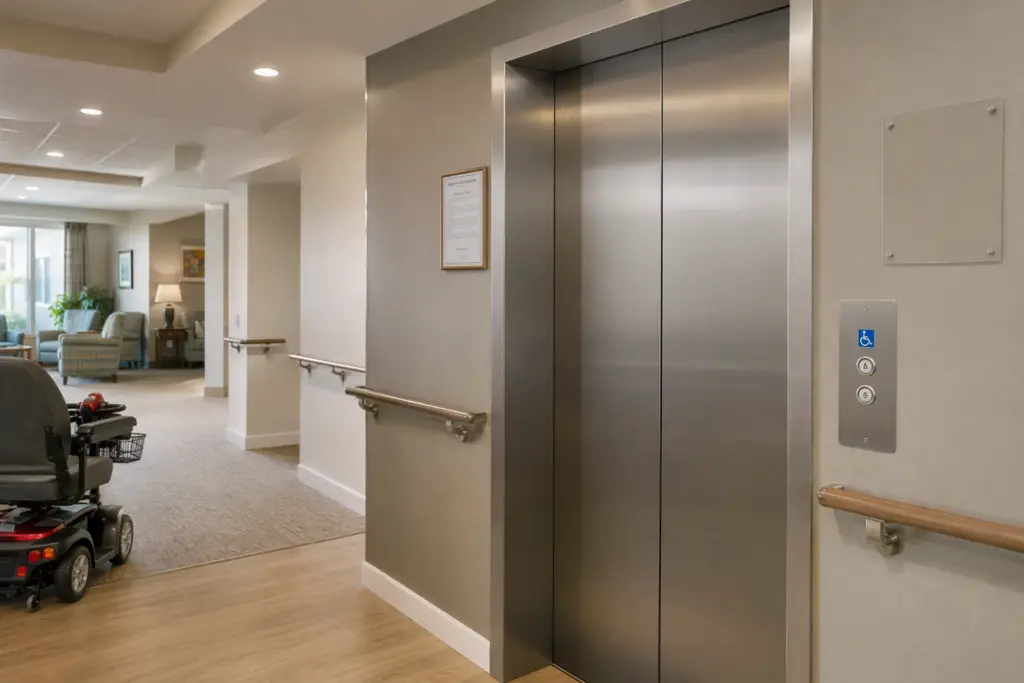
Retail shopping centers and commercial properties subject to the Americans with Disabilities Act (ADA) must ensure that elevators serving public areas meet federal accessibility standards. This includes requirements for:
- Cab dimensions sufficient to accommodate wheelchair users
- Accessible call button heights and Braille signage
- Audible and visual floor indicators
- Door timing and reopening sensitivity to protect users with mobility limitations
ADA compliance is enforced independently of state elevator permits — a building can hold a valid California operating permit and still be out of ADA compliance. Property owners in Orange County and Los Angeles County are advised to address both regulatory tracks simultaneously during modernization or alteration projects.
What Happens If an Elevator Fails Inspection in a Retail or Commercial Property?
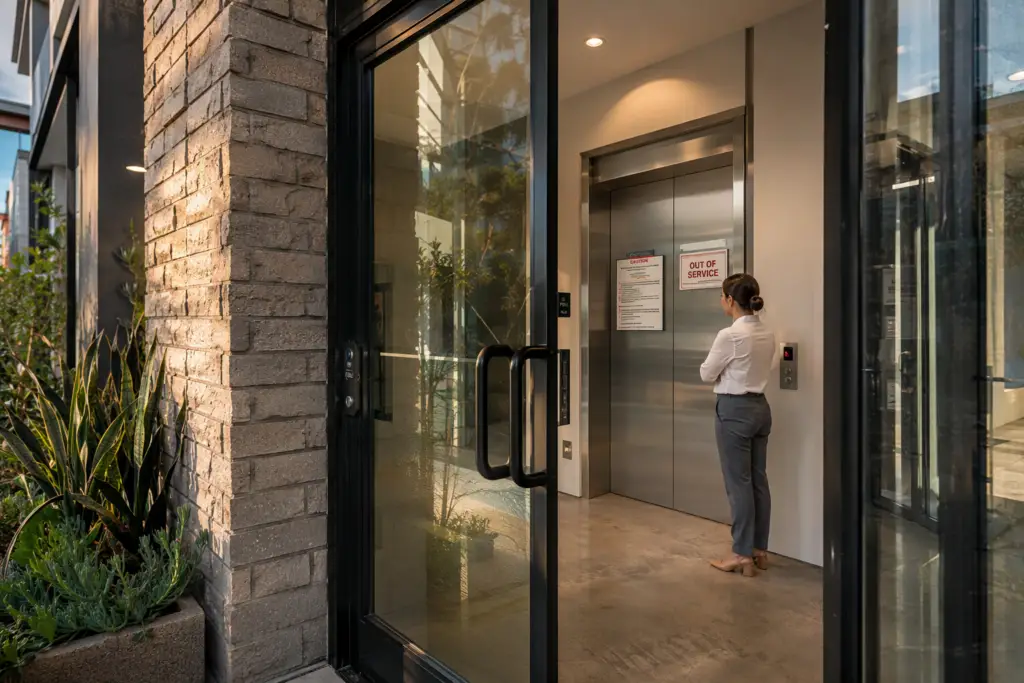
When a California elevator fails inspection or a permit lapses, the DIR may issue a shutdown order, requiring the elevator to be taken out of service until deficiencies are corrected and a follow-up inspection is passed. For a shopping center or multi-tenant commercial building, an elevator shutdown creates immediate operational and liability consequences.
Here is the standard protocol when an elevator fails inspection or receives a shutdown notice:
- Post required notices in and around the affected elevator immediately upon receiving the shutdown order.
- Contact a licensed California elevator contractor to assess all cited deficiencies as quickly as possible.
- Obtain and review the inspection report to confirm every corrective action required.
- Authorize the contractor to complete all required repairs and document each correction.
- Request a reinspection through the DIR’s ERT Unit or an approved third-party QEI inspector.
- Upon passing reinspection, confirm that a renewed permit is issued and properly posted in the cab.
- Retain all inspection and repair records on-site for the duration required by California regulations.
How Do Cal/OSHA and the DIR Work Together to Regulate Elevators in Commercial Buildings?
The California Division of Occupational Safety and Health (Cal/OSHA), operating under the Occupational Safety and Health Administration framework at the state level, sets and enforces elevator safety standards in workplaces. The DIR’s ERT Unit handles permitting, inspection scheduling, and contractor licensing. Together, these agencies create the dual-track regulatory environment that applies to all commercial elevator installations in Orange County and Los Angeles County.
Retail property managers should understand that both agencies may have jurisdiction over a single building — particularly in properties where employees operate freight or service elevators in addition to public passenger units.
What Elevator Modernization Requirements Apply When a Retail Property Is Renovated?
Alteration or modernization of an existing elevator triggers a new set of compliance obligations under both California code and the ASME A17.1 Safety Code for Elevators and Escalators. Any change to a listed component — motors, controllers, door systems, safety devices — requires a new permit application, plan approval, and inspection before the elevator returns to service.
Shopping center renovations frequently trigger elevator modernization requirements, particularly when tenant improvements alter floor loads, building occupancy classifications, or the physical envelope of the elevator hoistway. Engaging a licensed elevator contractor early in the renovation planning process helps property owners in Los Angeles and Orange County avoid permit delays and construction conflicts.
Why Do Retail and Commercial Properties in Orange County and Los Angeles Choose Liftech Elevator?
Liftech Elevator holds the licenses and certifications required to perform elevator maintenance, repair, inspection coordination, and modernization work throughout Orange County and Los Angeles County. The Liftech team works specifically with retail shopping centers, commercial office buildings, mixed-use developments, and multi-tenant properties — the types of facilities where elevator reliability directly affects tenant satisfaction, foot traffic, and regulatory standing.
Liftech’s service area includes Signal Hill and the broader communities of Los Angeles and Orange County, making the company a locally accountable partner for property managers who need responsive, code-compliant elevator service. All work is performed by California-licensed elevator mechanics under the oversight of the DIR’s requirements, with documentation maintained to support smooth permit renewals and inspections.
Beyond routine maintenance, Liftech Elevator provides emergency service coordination for situations where an elevator goes out of service unexpectedly — a critical capability for retail properties that cannot afford extended downtime during business hours.
What Should Commercial Property Owners Do to Stay Ahead of Compliance Deadlines?
Proactive compliance management is the most cost-effective approach for retail and commercial properties. Property owners and facility managers in Orange County and Los Angeles are encouraged to:
- Maintain a current record of all elevator permit expiration dates and schedule inspections well in advance
- Establish a preventive maintenance agreement with a licensed California elevator contractor
- Conduct periodic internal audits of posted permits, maintenance logs, and emergency communication systems
- Review ADA compliance status whenever elevator components are repaired or replaced
- Consult with a licensed elevator contractor before beginning any renovation project that could affect elevator systems
—
Schedule a Free Consultation
Retail shopping centers and commercial properties in Orange County and Los Angeles County face real regulatory consequences when elevator maintenance and inspection requirements are not met. Liftech Elevator is ready to help facility managers and property owners develop a compliance plan, coordinate required inspections, and maintain elevators to the standards California requires.
Contact Liftech Elevator today to schedule a free consultation: 562-609-3478
Need elevator service you can rely on? Liftech Elevator is ready to help.