Elevator Service in Signal, CA | Liftech Elevator
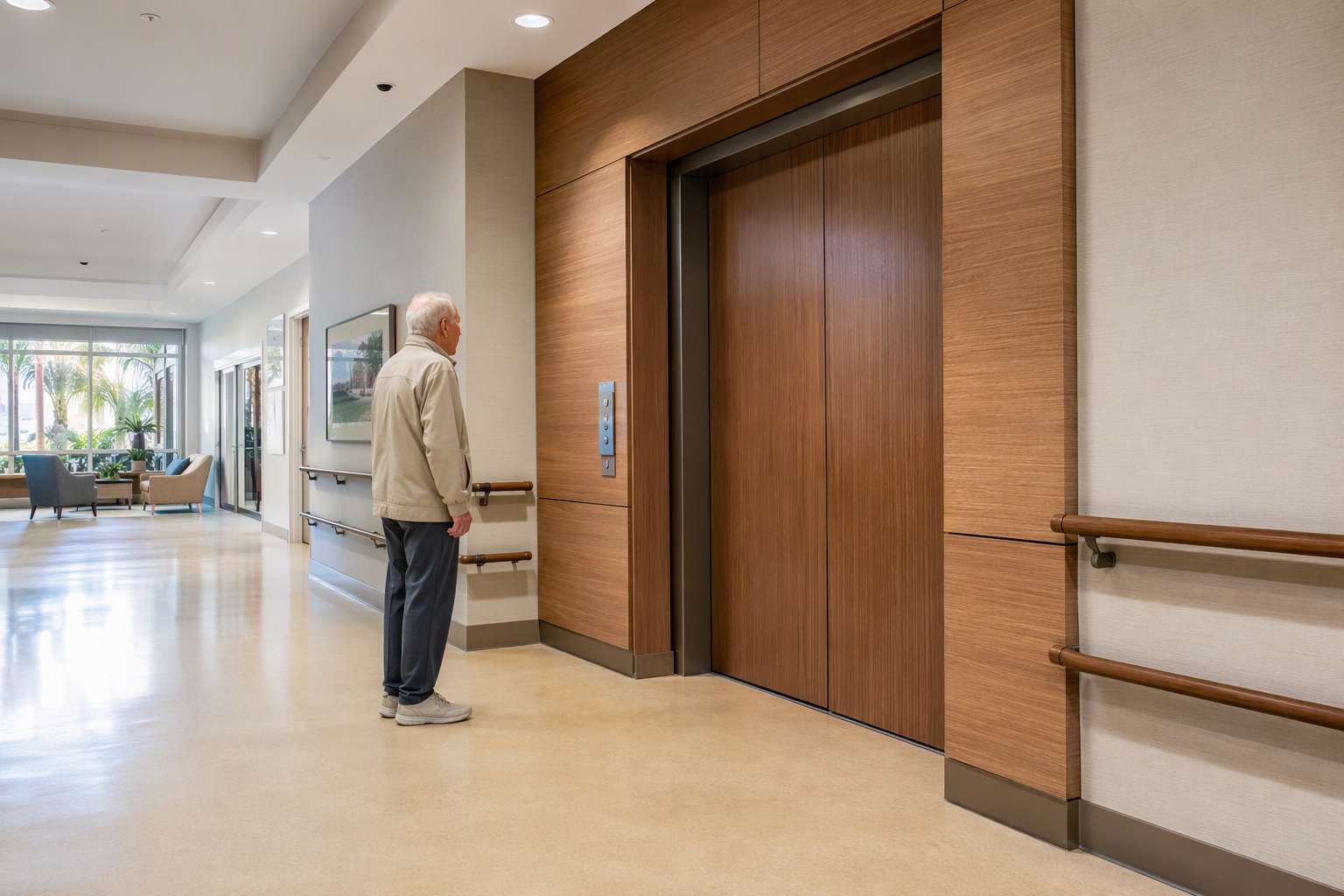
Senior living communities in Signal, CA depend on elevators every hour of every day. For residents with limited mobility, a functioning elevator is not a convenience — it is a necessity. Liftech Elevator is a Cal/OSHA-certified provider offering elevator maintenance, inspection coordination, repair, and modernization services tailored to the unique demands of senior living facilities throughout California.
Does Liftech Elevator Serve Senior Living Communities in Signal, CA?
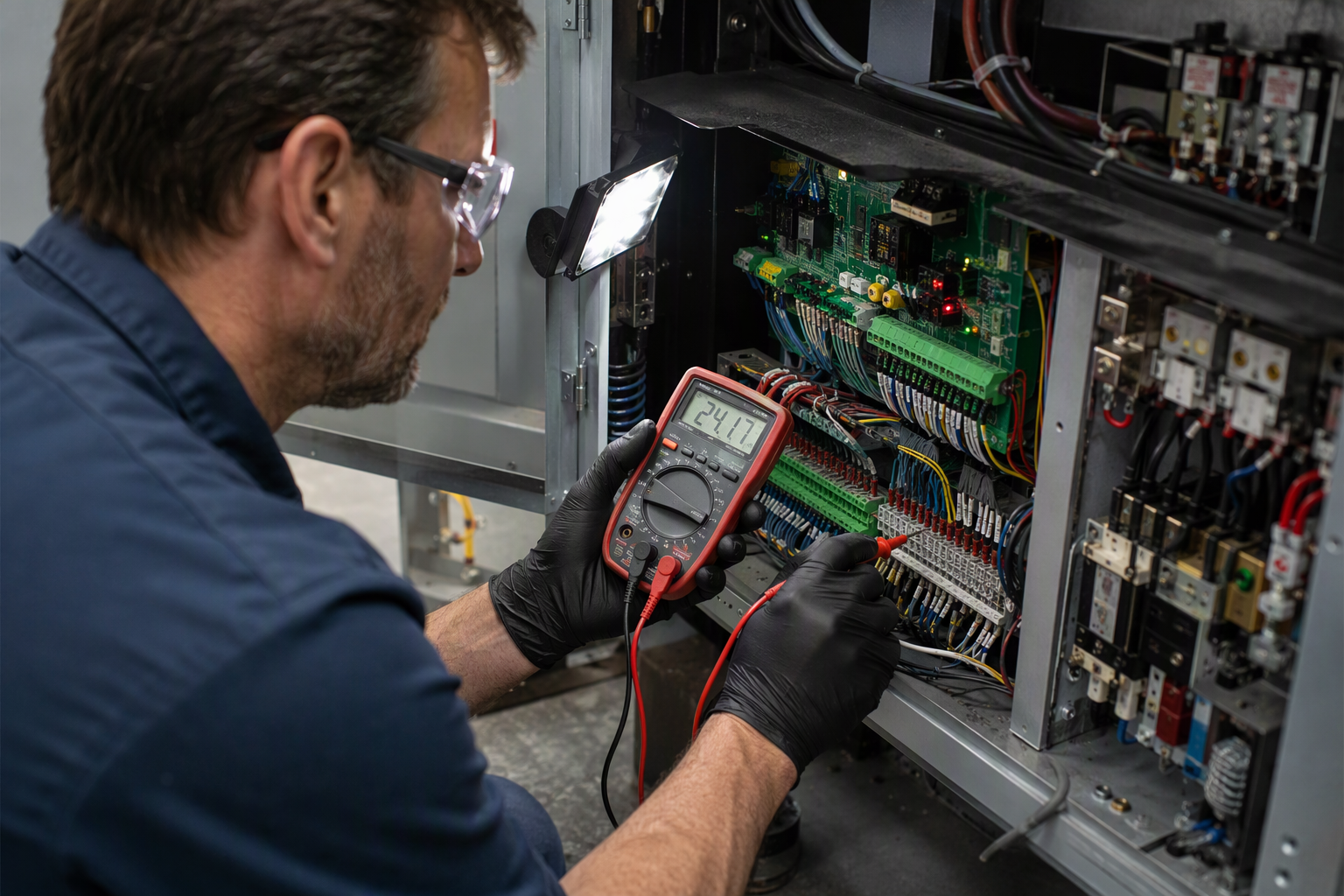
Liftech Elevator serves a wide range of property types across California, and senior living communities represent one of the most critical markets the company supports. Independent living facilities, assisted living centers, memory care communities, and skilled nursing facilities all share a common need: elevators that operate reliably, safely, and in full compliance with California law. Liftech Elevator’s team understands the operational rhythms of these communities and provides maintenance programs designed around the facility’s schedule and its residents’ needs.
Senior living communities also face heightened scrutiny from state licensing agencies and accreditation bodies. Elevator downtime or compliance lapses can affect a facility’s operating license. Liftech Elevator helps administrators stay ahead of those risks through proactive maintenance and thorough documentation.
What California Regulations Apply to Elevators in Senior Living Facilities?
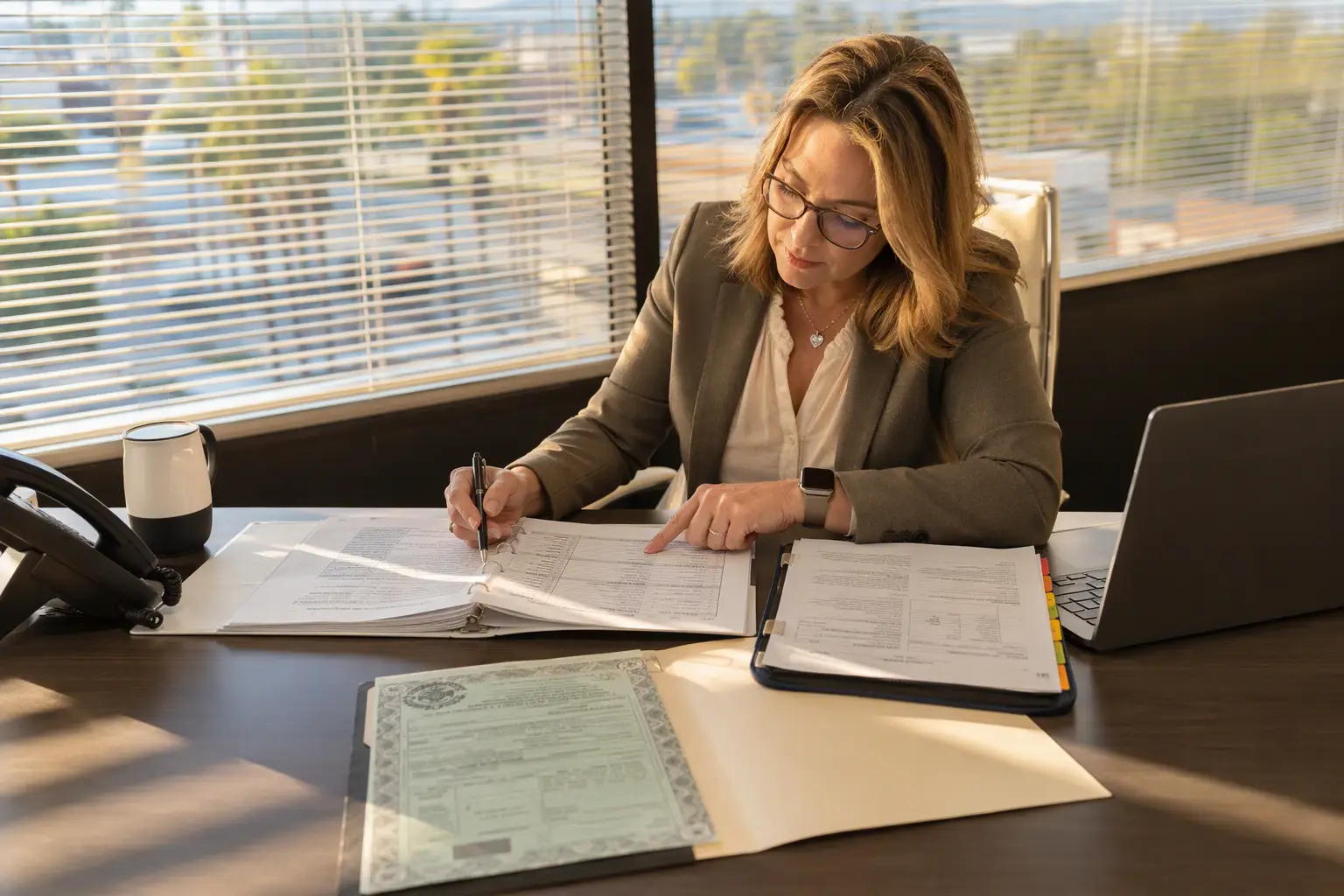
California’s elevator oversight is handled by the Division of Occupational Safety and Health (Cal/OSHA), Elevator Unit, California Department of Industrial Relations. The governing statute is the California Labor Code, Sections 7300–7324.2, and the technical rules are found in the California Code of Regulations, Title 8, Elevator Safety Orders (Sections 3000–3146). The adopted installation standard is the ASME A17.1/CSA B44, 2004 edition, which applies to elevator installation contracts signed on or after May 1, 2008.
Key compliance requirements every senior living facility operator in Signal, CA should understand include:
- Permit to operate: No elevator may be operated in California without a valid, current permit to operate issued by Cal/OSHA. That permit must be posted conspicuously inside the elevator car.
- Annual inspections: California law requires every conveyance to be inspected at least once a year. Only State of California safety engineers and Certified Competent Conveyance Inspectors (CCCI) may perform these inspections.
- Two-year permits: Cal/OSHA may issue a permit to operate for up to two years for an elevator in safe condition that is covered by a full maintenance contract with a C-11 licensed elevator company — a meaningful incentive for senior living operators who want fewer administrative disruptions.
- Owner responsibility: Arranging the annual reinspection is the elevator owner’s responsibility, not the state’s.
- Certified companies and mechanics: Only a Certified Competent Conveyance Mechanic (CCCM) working for a Certified Qualified Conveyance Company (CQCC) may maintain, repair, alter, or replace components on a conveyance in California. Liftech Elevator holds the required CQCC certification and employs mechanics who hold individual CCCM credentials.
California has also proposed a Group V update to its Elevator Safety Orders that would incorporate portions of ASME A17.1-2019. A public hearing was held on June 18, 2026; no effective date has been posted as of this writing. Liftech Elevator monitors regulatory developments so clients are not caught off guard.
What Does an Elevator Maintenance Program for a Senior Living Community Include?
A full maintenance contract from Liftech Elevator for a senior living community typically addresses the following areas:
- Scheduled lubrication, adjustment, and inspection of mechanical and electrical components
- Safety device testing in accordance with the ASME A17.1/CSA B44 safety code
- Door operation checks — critical in senior living settings where residents may move slowly or use mobility aids
- Drive system evaluation and adjustment
- Control system diagnostics
- Documentation and permit compliance support to help owners meet their Cal/OSHA obligations
- Coordination with Cal/OSHA-authorized inspectors for annual or biennial inspections
For senior living communities, Liftech Elevator can also advise on Americans with Disabilities Act (ADA) accessibility considerations, including cab dimensions, control heights, and audible or tactile features relevant to an aging resident population.
How Does Elevator Downtime Affect Senior Living Residents and What Can Be Done?
In a multi-story senior living community, an out-of-service elevator can effectively strand residents who rely on mobility devices or who have difficulty using stairs. It can also impede staff delivering meals, medications, and care. Liftech Elevator structures maintenance programs to minimize unplanned outages through consistent preventive service, early detection of wear, and prompt repair response when issues arise.
Emergency service availability is part of Liftech Elevator’s support structure for senior living clients in the Signal, CA area. When an elevator goes out of service unexpectedly, having a service provider who is familiar with the specific equipment in the building shortens resolution time significantly.
What Should a Senior Living Facility Do When an Elevator Fails?
- Confirm that no residents or staff are trapped inside the cab. If anyone is trapped, contact local emergency services immediately.
- Take the elevator out of service and post clear signage at all landings so residents do not attempt to use it.
- Contact Liftech Elevator to report the failure and request emergency service.
- Notify facility management and activate any internal protocols for residents who depend on elevator access for daily care.
- Document the time, symptoms, and any error codes or unusual sounds observed before the failure — this information helps the technician diagnose the issue faster.
- Do not allow unauthorized personnel to attempt repairs. Under California law, only a CCCM working for a CQCC may perform repair work on a conveyance.
- Once the elevator is restored to service, verify that all safety devices are functioning before returning the unit to resident use.
How Should a Senior Living Facility Evaluate an Elevator Service Provider in California?
When selecting an elevator service company, senior living administrators in Signal, CA should confirm the following:
- The company holds a current CQCC certification from Cal/OSHA.
- The company’s mechanics hold individual CCCM certifications — required under California law for anyone performing unsupervised work on a conveyance.
- The company carries a C-11 Elevator Contractor license issued by the California Contractors State License Board (CSLB), along with current workers’ compensation and liability insurance.
- The company offers full maintenance contracts, which make the property eligible for a two-year Cal/OSHA permit to operate.
- The company is familiar with the specific equipment types — hydraulic, traction, or limited-use/limited-application (LULA) — installed in senior living environments.
- CQCC, CCCM, and conveyance inspector certificates in California last two years and require at least eight hours of continuing education for renewal, so confirm that a prospective provider’s credentials are current.
Can Liftech Elevator Help With Modernization or Upgrades in a Senior Living Facility?
Older elevator systems in senior living facilities may require modernization to meet current safety standards, improve reliability, or enhance accessibility features for an aging resident population. Liftech Elevator provides modernization services and can guide facility operators through the Cal/OSHA permitting process. Under California law, a permit from Cal/OSHA is required before a conveyance is materially altered, and any newly installed or significantly altered elevator must be inspected and receive a permit to operate before being placed in service. Liftech Elevator manages this process on behalf of its clients, reducing administrative burden on facility staff.
Does ADA Apply to Elevators in Senior Living Communities?
The Americans with Disabilities Act establishes accessibility requirements for elevators in facilities that serve the public or house multiple residential units. Senior living communities typically fall within the scope of ADA requirements, which address cab dimensions, door timing, control panel height and labeling, and emergency communication features. Liftech Elevator’s maintenance and modernization services are informed by ADA accessibility standards, helping senior living operators address both safety and accessibility in a single program.
Schedule a free consultation with Liftech Elevator at 562-997-3639.
Need elevator service you can rely on? Liftech Elevator is ready to help.