Elevator Inspection Requirements in California: A Complete Compliance Guide
California elevator inspection requirements are among the most detailed in the United States. Building owners, property managers, and facilities teams operating elevators in the state must navigate a layered framework of state statutes, nationally adopted safety codes, and local enforcement procedures. Non-compliance can result in permit revocation, fines, and — most critically — preventable injuries. This guide covers every major aspect of the inspection process, from governing authority and inspection intervals to what happens when an elevator fails.
Who Governs Elevator Inspections in California?
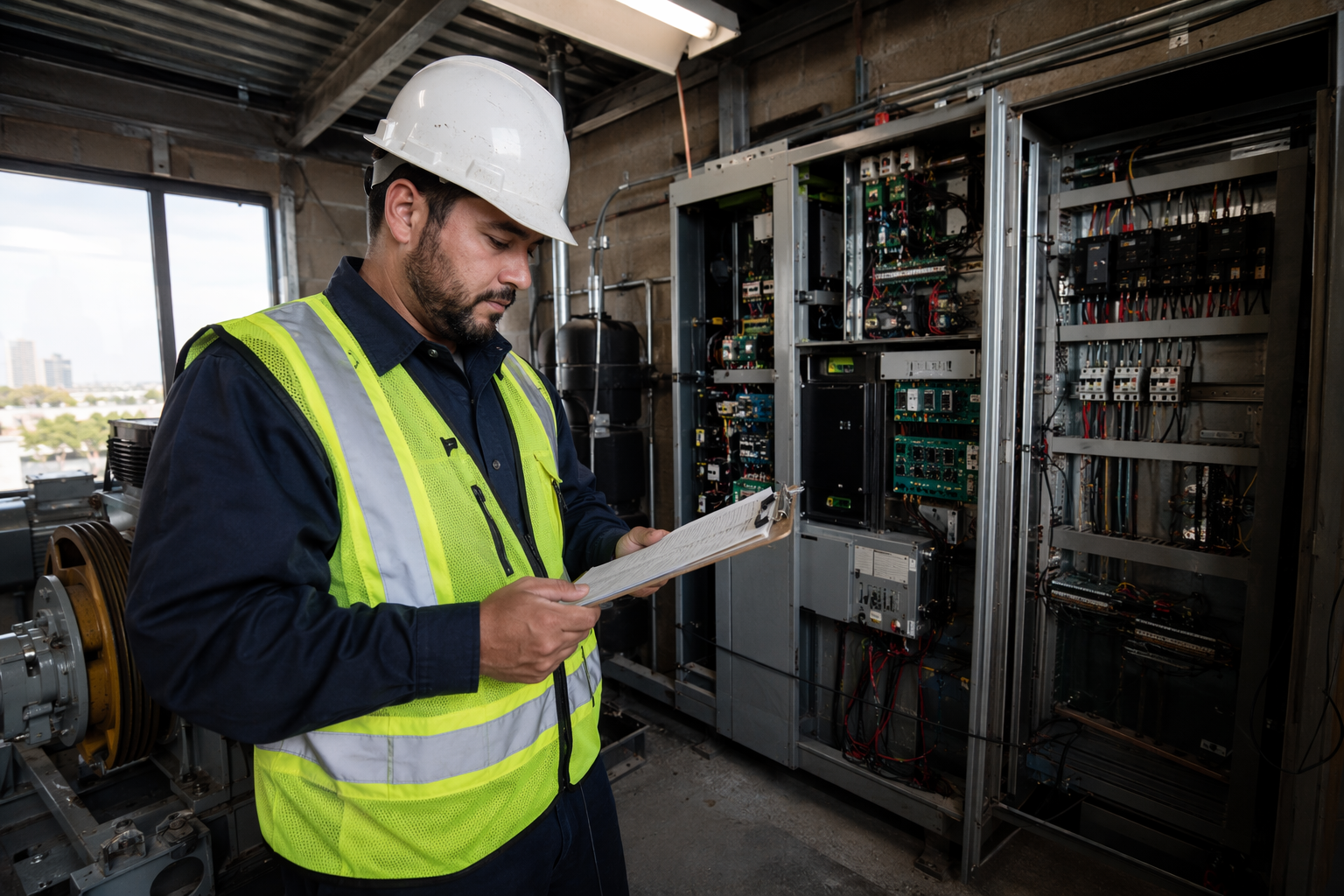
Elevator safety in California is administered by the Elevator, Ride, and Tramway Unit (ERT Unit) within the California Department of Industrial Relations (DIR), Division of Occupational Safety and Health (Cal/OSHA). The ERT Unit licenses elevator inspectors, issues permits to operate, and enforces the California Elevator Safety Construction Code, which is codified in California Code of Regulations (CCR) Title 8.
California has adopted the ASME A17.1 Safety Code for Elevators and Escalators as the baseline technical standard. The state supplements this with California-specific amendments found in CCR Title 8, Sections 3000–3143. Where California’s amendments are more stringent than ASME A17.1, the California rules prevail.
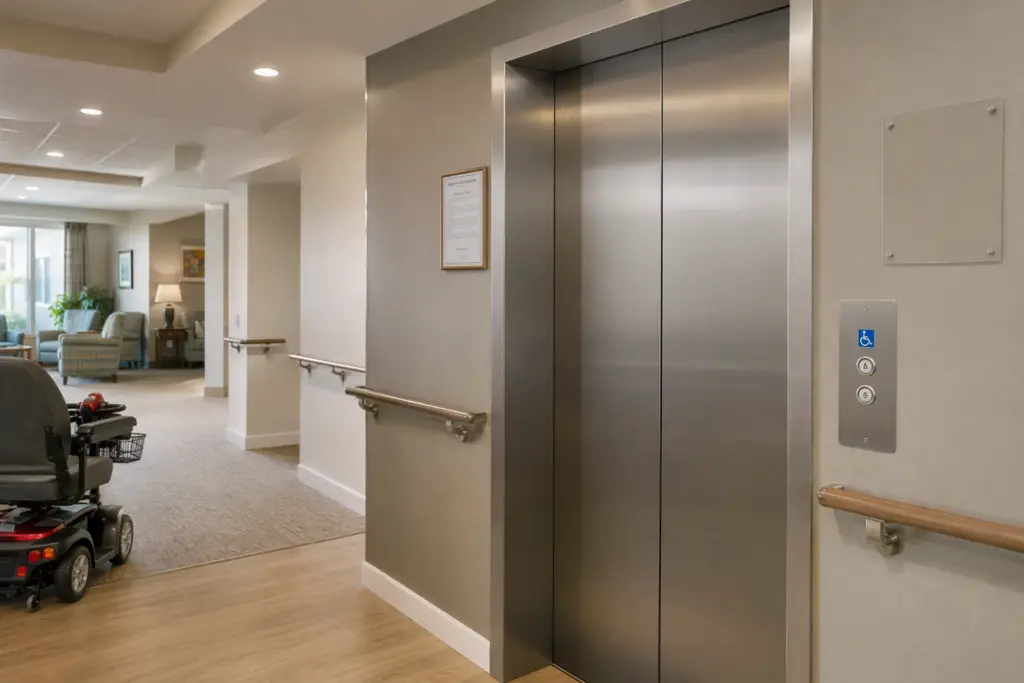
The Americans with Disabilities Act also intersects with elevator compliance. Elevators in multi-story facilities subject to the ADA must meet accessibility requirements in addition to safety inspection standards. These are separate obligations — passing a Cal/OSHA safety inspection does not automatically confirm ADA compliance.
What Types of Elevators Must Be Inspected in California?

California’s inspection requirements apply broadly to conveyances regulated under CCR Title 8, including:
- Passenger elevators (traction and hydraulic)
- Freight elevators
- Escalators
- Moving walks
- Dumbwaiters accessible to the public
- Platform lifts and stairway chairlifts in commercial applications
- Amusement rides that meet specific definitions
- Aerial tramways and ski lifts
Privately owned, single-family residential elevators are generally exempt from California’s commercial permit and inspection requirements, though manufacturers’ maintenance recommendations and local building codes may still apply.
How Often Must Elevators Be Inspected in California?
California’s inspection cadence follows a two-track system tied to the ASME A17.1 Safety Code for Elevators and Escalators framework:
| Inspection / Test Type | Required Frequency | Governing Authority |
|---|---|---|
| Periodic (routine) inspection | Annually | California DIR / ERT Unit (CCR Title 8) |
| Periodic safety test (hydraulic — pressure relief) | Every 5 years | ASME A17.1 / CCR Title 8 |
| Full-load safety test (traction — governor/buffer) | Every 5 years | ASME A17.1 / CCR Title 8 |
| New installation / alteration inspection | Before returning to service | California DIR / ERT Unit |
Source: ASME A17.1 Safety Code for Elevators and Escalators; California Code of Regulations, Title 8, Elevator Safety Orders.
In practice, building owners should plan for the annual inspection to be coordinated with their licensed elevator service contractor well in advance of permit expiration. The five-year tests require more extensive preparation, including coordination with an approved testing laboratory or certified inspector for load and safety device verification.
What Is Required to Obtain a California Elevator Operating Permit?
No elevator in California may be operated without a valid permit issued by the ERT Unit. The permit cycle follows these steps:
- Submit a permit application to the California DIR ERT Unit. For existing equipment, this typically occurs as part of the annual renewal process triggered by the inspection cycle.
- Schedule an inspection with a California-licensed elevator inspector — either a state inspector or a certified conveyance inspector authorized under the DIR’s third-party inspection program.
- Prepare the equipment: ensure all required maintenance records are current, the machine room is accessible and properly illuminated, all safety devices are functional, and the certificate of operation from the prior period is posted in the elevator car.
- Pass the inspection: the inspector will verify compliance with CCR Title 8 and applicable ASME standards, noting any deficiencies.
- Correct any violations: if deficiencies are identified, the owner receives a correction order with a specified timeline. Critical safety violations may result in an immediate shutdown order (tag-out).
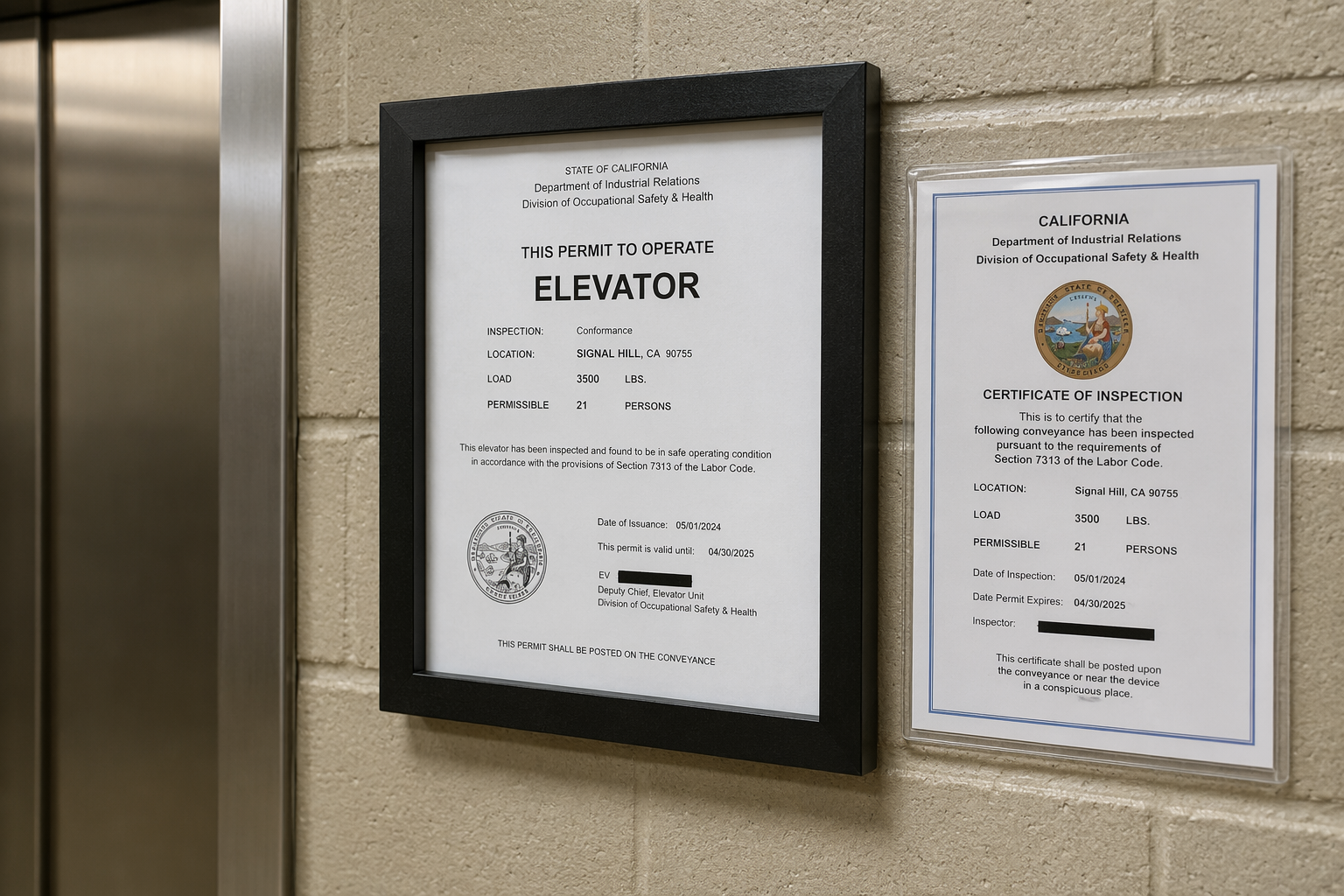
- Receive the new permit: once all violations are cleared and the inspector files a satisfactory report, the DIR issues the operating permit, which must be posted in the elevator car.
What Does a California Elevator Inspector Check?
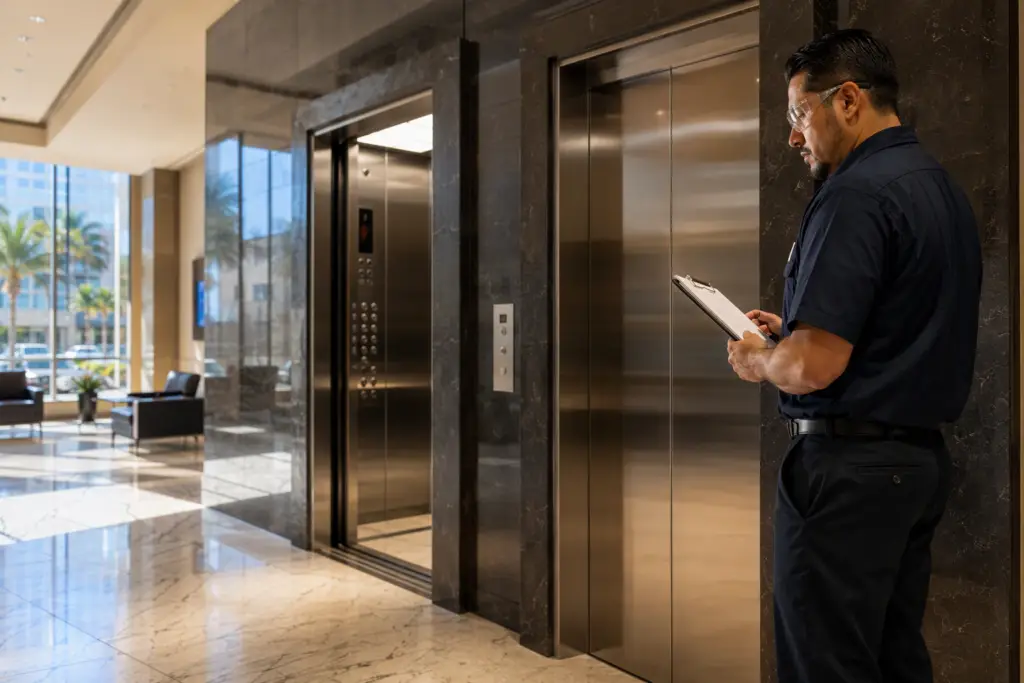
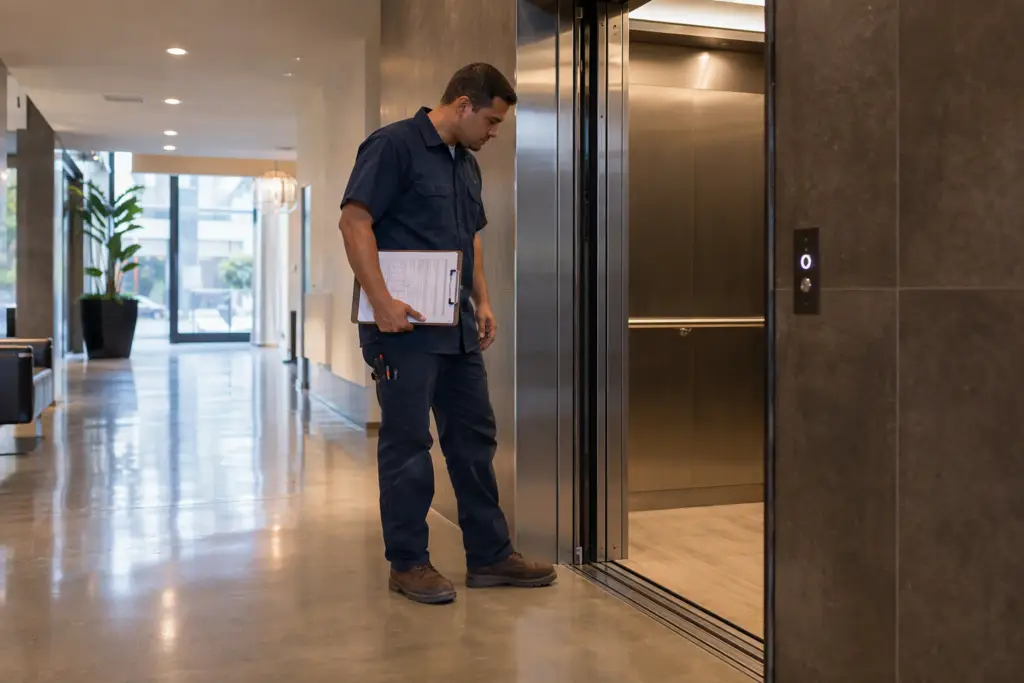
During a periodic inspection, a licensed California elevator inspector examines a comprehensive list of mechanical, electrical, and safety components. While the exact checklist is governed by CCR Title 8 and the applicable edition of ASME A17.1, key inspection points typically include:
- Governor and safety device operation
- Pit conditions — lighting, stop switch, water intrusion, clearances
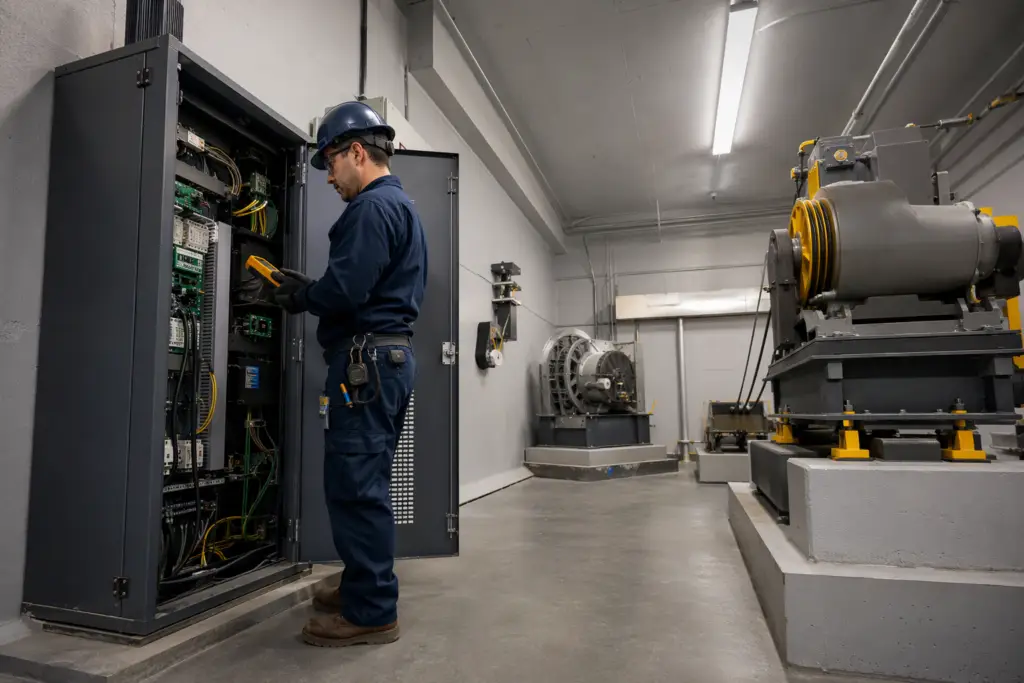
- Machine room environment — temperature, lighting, housekeeping, access control
- Door interlocks and landing door operation
- Emergency lighting, communication systems, and emergency power operation
- Car leveling accuracy
- Rope or hydraulic cylinder condition (depending on drive type)
- Buffer condition and clearances
- Capacity and load test results (for periodic full-load tests)
- Required signage — capacity, permit, emergency instructions
- Oil containment systems for hydraulic units (environmentally required in California)
What Happens If an Elevator Fails Inspection in California?
When an inspector identifies a violation, the outcome depends on the severity of the deficiency:
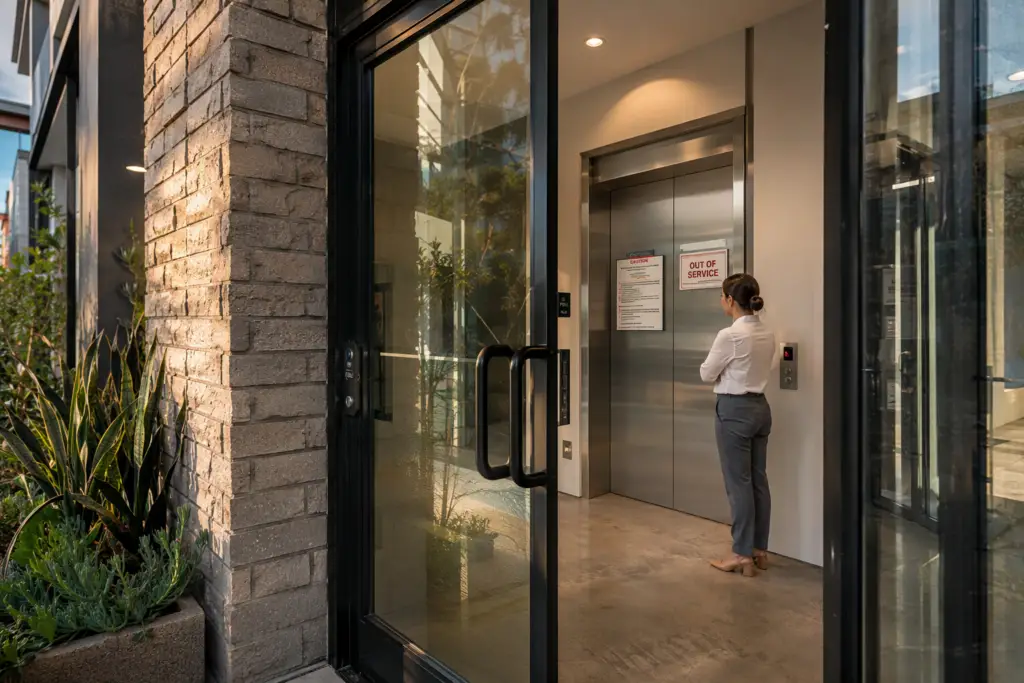
- Critical / imminent hazard violations result in an immediate order to take the elevator out of service. The unit may not resume operation until the deficiency is corrected and re-inspected.
- Non-critical violations generate a correction order with a deadline — typically 30 days, though complex repairs may receive extended timelines at the inspector’s discretion.
- Operating without a valid permit exposes building owners to civil penalties under California Labor Code provisions enforced by Cal/OSHA.
Building owners should never attempt to circumvent a shutdown order. Beyond the legal exposure, operating a tagged-out elevator creates significant liability in the event of an incident. The corrective action process involves coordinating with a licensed elevator contractor to perform the required repairs and then scheduling a re-inspection with the ERT Unit.
What Are California’s Requirements for Elevator Maintenance Records?
California requires that maintenance records be kept and made available to inspectors on request. Under CCR Title 8 and ASME A17.1 requirements adopted by the state, owners must maintain:
- A maintenance control program (MCP) — a written document describing maintenance procedures, frequency, and responsible parties
- A maintenance log recording all maintenance activities, tests, and repairs performed on the unit
- Records of all prior inspections and any correction orders
- Documentation of alterations, modernizations, or major component replacements
The maintenance control program requirement is one of the more commonly overlooked obligations, particularly for building owners who have recently assumed management of a property. When Liftech Elevator conducts assessments for new clients, review of the MCP and maintenance log is a standard part of the process.
How Do ADA Requirements Interact with California Elevator Inspections?
The Americans with Disabilities Act establishes accessibility requirements for elevators in places of public accommodation and commercial facilities. ADA compliance is not evaluated during a Cal/OSHA safety inspection — the two regulatory tracks operate independently.
ADA elevator requirements address factors such as call button placement and height, door timing and reopening devices, floor designations in Braille, audible floor indicators, and cab dimensions. Building owners should confirm that both the safety inspection and accessibility compliance are addressed, particularly following any modernization or alteration project that could trigger ADA obligation reviews.
What Workplace Safety Rules Apply to Elevator Work in California?
Technicians performing maintenance, repair, and inspection work on elevators in California must comply with OSHA standards — and with Cal/OSHA regulations, which are at least as stringent as federal OSHA rules and in some areas more so. California operates an OSHA State Plan, meaning Cal/OSHA standards govern rather than federal OSHA directly. Relevant requirements include lockout/tagout procedures, confined space protocols for pit entry, and fall protection standards for machine room and overhead work.
What Is the Role of Third-Party Inspection Programs in California?
California’s DIR ERT Unit authorizes a third-party inspection program that allows certified private inspectors to conduct periodic inspections on behalf of the state. This program exists partly to address inspection scheduling demand given the volume of conveyances regulated across California. Building owners should verify that any third-party inspector they engage holds a current California certification and is authorized under the ERT Unit’s program — not simply a nationally recognized certification without state authorization.
How Much Do Elevator Inspections Cost in California?
Inspection costs in California are influenced by several factors that vary by situation and are not fixed by state regulation:
- State permit fees: the DIR ERT Unit charges fees for permit issuance and inspection services. Fee schedules are published by the DIR and subject to periodic revision.
- Equipment type and complexity: a hydraulic elevator in a two-story office building involves a different scope of inspection work than a high-rise traction elevator with multiple floors.
- Five-year test years: the years when full-load safety tests or hydraulic pressure tests are due involve additional labor, equipment, and preparation costs compared to routine annual inspections.
- Correction and repair work: any deficiencies identified during inspection generate additional costs for parts, labor, and re-inspection scheduling.
- Maintenance contract structure: owners with comprehensive maintenance agreements often have inspection-related services partially or fully included in their contract terms.
Building owners are advised to request itemized quotes from licensed elevator contractors that clearly separate maintenance, inspection preparation, testing, and permit-fee pass-through components.
What Are the 2025–2026 Trends in California Elevator Inspection Compliance?
Several qualitative trends are shaping elevator inspection compliance in California as of 2025 and into 2026:
- Increased scrutiny of modernization documentation: as aging elevator fleets undergo partial modernization — replacing controls, drives, or door systems without full replacements — inspectors are paying closer attention to whether alterations trigger re-inspection obligations under CCR Title 8 and whether the work was permitted at the time of alteration.
- Remote monitoring and predictive maintenance adoption: more elevator contractors and building owners are implementing sensor-based condition monitoring systems. While these systems do not replace mandatory inspections, they are helping identify deficiencies before they rise to the level of inspection failures — improving compliance rates and reducing emergency shutdown events.
- Environmental compliance overlap: California’s environmental regulations around hydraulic fluid containment and spill prevention continue to be a focus area during inspections of hydraulic elevators. Older units without compliant containment systems are receiving increased scrutiny.
- Workforce and scheduling pressures: demand for licensed inspection capacity relative to the number of regulated conveyances in California creates scheduling lead time challenges. Building owners who wait until close to permit expiration to schedule inspections risk operating with lapsed permits. Planning inspections well ahead of expiration dates is increasingly important.
- Code edition alignment: as ASME periodically updates the A17.1 standard and California evaluates adoption of newer editions, building owners and contractors should stay current on which edition is in force under CCR Title 8 — this affects what specific technical requirements apply during inspection.
How Can Liftech Elevator Help with California Inspection Compliance?
Liftech Elevator supports building owners and property managers across California in meeting their elevator inspection and compliance obligations. As a data-driven service provider, Liftech Elevator approaches compliance through systematic documentation review, pre-inspection preparation, and coordination of required testing — helping clients understand exactly where their equipment stands relative to California’s regulatory requirements before the inspector arrives.
Liftech Elevator’s approach to compliance includes reviewing existing maintenance control programs, identifying gaps in maintenance logs, confirming five-year test schedules, and preparing equipment to minimize the likelihood of correction orders. For building owners who have recently acquired a property and are uncertain about the inspection history of existing elevator equipment, a comprehensive assessment is the recommended starting point.
Frequently Asked Questions: California Elevator Inspection Requirements
Is an annual elevator inspection required in California?
Yes. California requires that most commercial and public-use elevators undergo a periodic inspection on an annual basis, with the operating permit renewed following a satisfactory inspection. This requirement is enforced by the California DIR ERT Unit under CCR Title 8.
Who can perform elevator inspections in California?
Inspections must be conducted by a California-licensed elevator inspector — either a state inspector employed by the DIR ERT Unit or a certified private inspector authorized under California’s third-party inspection program. Inspectors must hold a current California certification; national credentials alone are not sufficient to conduct state-required inspections.
What is the five-year elevator test requirement in California?
Under ASME A17.1 Safety Code for Elevators and Escalators as adopted by California, elevators are subject to more comprehensive safety tests every five years in addition to the annual periodic inspection. For traction elevators, this includes governor and safety device testing and full-load buffer testing. For hydraulic elevators, it includes pressure relief valve testing. These tests require additional preparation and coordination with the inspector.
What is a maintenance control program and is it required in California?
A maintenance control program (MCP) is a written document required under ASME A17.1 (adopted by California) that defines the maintenance tasks, intervals, and responsible parties for a specific elevator installation. It must be kept on site and available for inspector review. Building owners who lack a current MCP are in violation of California’s maintenance documentation requirements.
Can an elevator operate in California without a permit?
No. California law prohibits the operation of any regulated conveyance without a valid operating permit issued by the DIR ERT Unit. Operating without a permit exposes building owners to civil penalties and, in the event of an incident, substantially increased liability exposure.
How long does it take to get an elevator permit in California?
Processing timelines vary based on ERT Unit workload, inspection scheduling availability, and whether correction orders must be resolved before the permit is issued. Building owners should plan to initiate the inspection process well before their current permit expiration date to avoid operating with a lapsed permit. The scheduling lead time for inspections has generally increased with the volume of regulated conveyances in California.
What happens if my elevator fails a California inspection?
The outcome depends on the nature of the violation. Critical deficiencies result in an immediate out-of-service order. Non-critical violations generate a written correction order with a compliance deadline. The elevator may not resume operation on a tagged-out unit until repairs are made and the inspector verifies compliance. Engaging a licensed elevator contractor promptly following a failed inspection minimizes downtime.
Does California require elevator inspections for residential buildings?
California’s commercial elevator inspection requirements apply to elevators in commercial, industrial, and multi-unit residential buildings (such as apartment complexes and condominiums) that are accessible to residents or the public. Single-family residential elevators are generally exempt from the commercial permit and inspection framework, though local jurisdictions may impose additional requirements.
Are platform lifts and accessibility lifts inspected in California?
Yes. Commercial platform lifts and limited-use/limited-application (LULA) elevators used in commercial settings are regulated under CCR Title 8 and subject to inspection and permitting requirements. These units are also subject to ADA accessibility requirements where applicable, which are evaluated separately from safety inspections.
How do I find out if my elevator’s permit is current in California?
The operating permit issued by the California DIR ERT Unit must be posted inside the elevator car. The permit displays the expiration date. Building owners can also contact the ERT Unit directly or work with a licensed elevator contractor to confirm permit status and the date of the last inspection on record. Liftech Elevator can assist in locating and organizing this documentation as part of a compliance assessment.
What documentation should I have ready before a California elevator inspection?
Before a scheduled inspection, building owners should have the following available: the current maintenance control program (MCP), the maintenance log for the period since the last inspection, records of any repairs or alterations performed, the prior operating permit, and documentation of any five-year test completion if applicable. Machine room access must be unobstructed and properly illuminated, and the pit must be clean and accessible.
Schedule Your Free Elevator Compliance Assessment
California’s elevator inspection requirements involve multiple regulatory layers, precise documentation obligations, and time-sensitive permit renewal cycles. Whether you manage a single-elevator building or a large commercial portfolio, staying ahead of compliance requirements protects your tenants, limits your liability, and keeps your elevators operating without interruption.
Contact Liftech Elevator for a free elevator assessment. Call 562-609-3478 to speak with the Liftech Elevator team about your California inspection obligations, permit status review, and pre-inspection preparation services.
Need elevator service you can rely on? Liftech Elevator is ready to help.