Elevator Maintenance Contract Pricing: A Complete Industry Guide

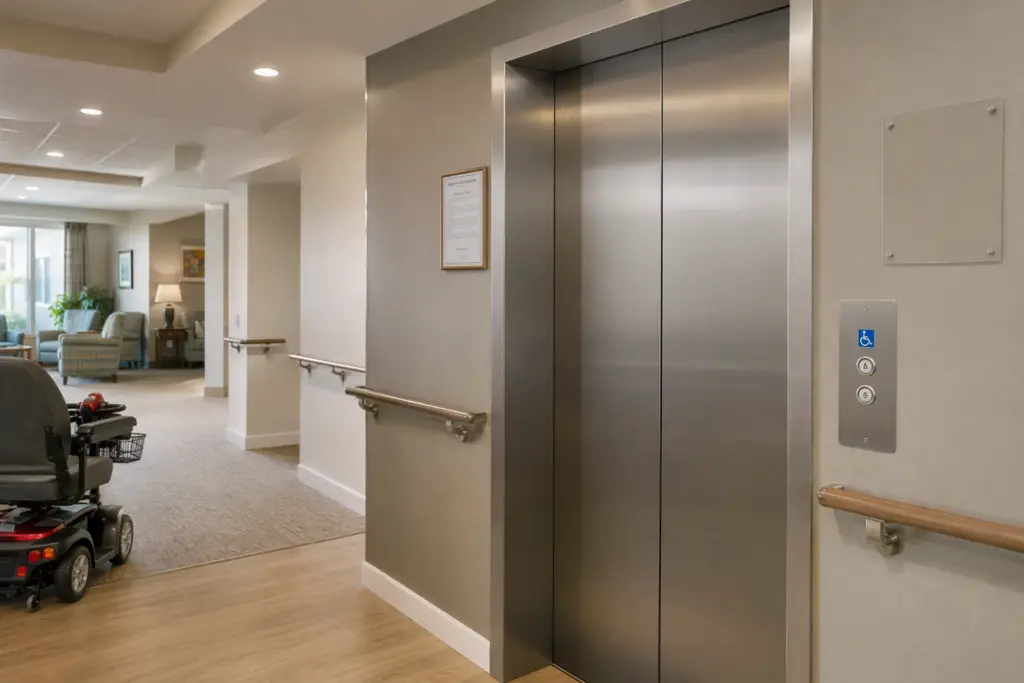
Understanding elevator maintenance contract pricing is one of the most consequential financial decisions a building owner or facilities manager will make. The wrong contract — whether over-specified or under-resourced — can result in unexpected repair costs, code violations, and equipment downtime. This guide explains how pricing is structured, what drives cost, what compliance requires, and how to evaluate vendors effectively.
What Is an Elevator Maintenance Contract?
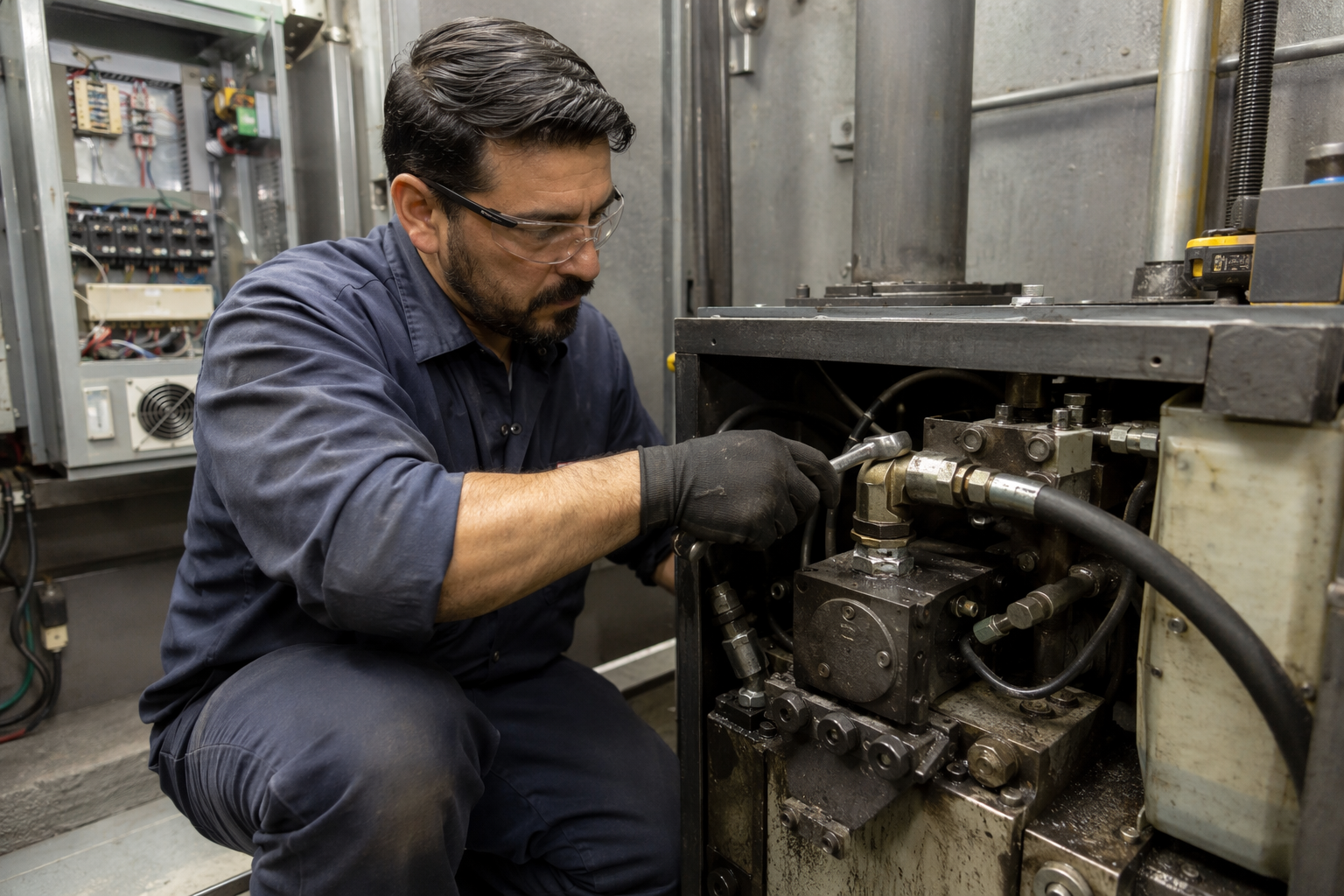
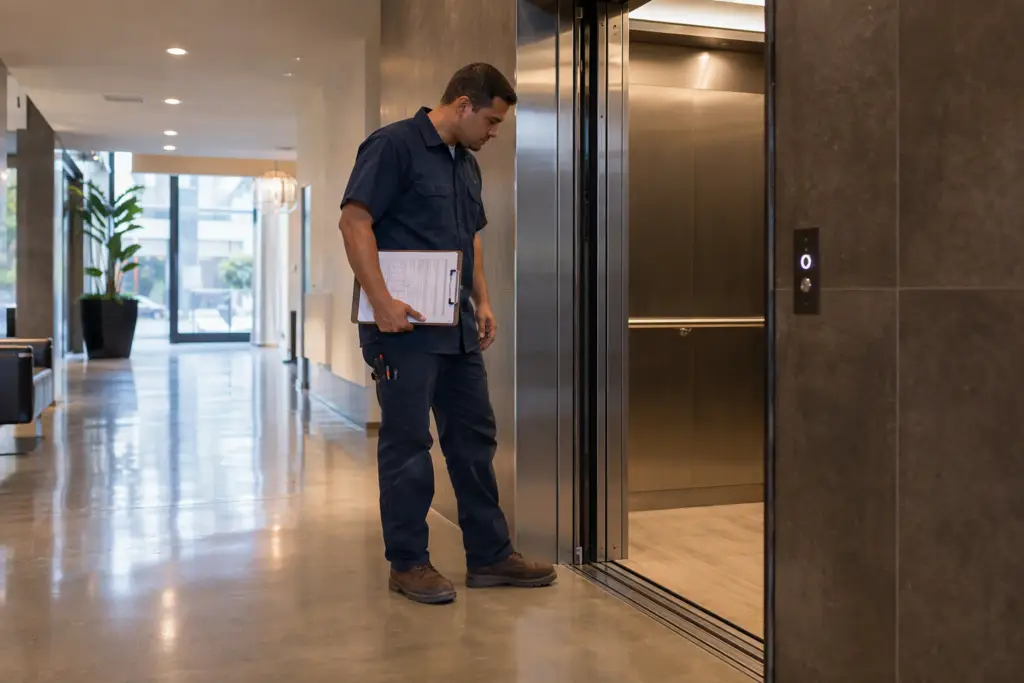
An elevator maintenance contract is a formal agreement between a building owner and a licensed elevator service provider. The contract defines the scope of preventive maintenance visits, emergency response obligations, parts coverage, and exclusions. Contracts typically run for one to five years and are renewed annually or on a rolling basis.
The purpose of the contract is to keep the elevator in safe, code-compliant operating condition and to distribute the cost of maintenance predictably across a fiscal year rather than absorbing large, unplanned repair invoices.
What Are the Main Types of Elevator Maintenance Contracts?
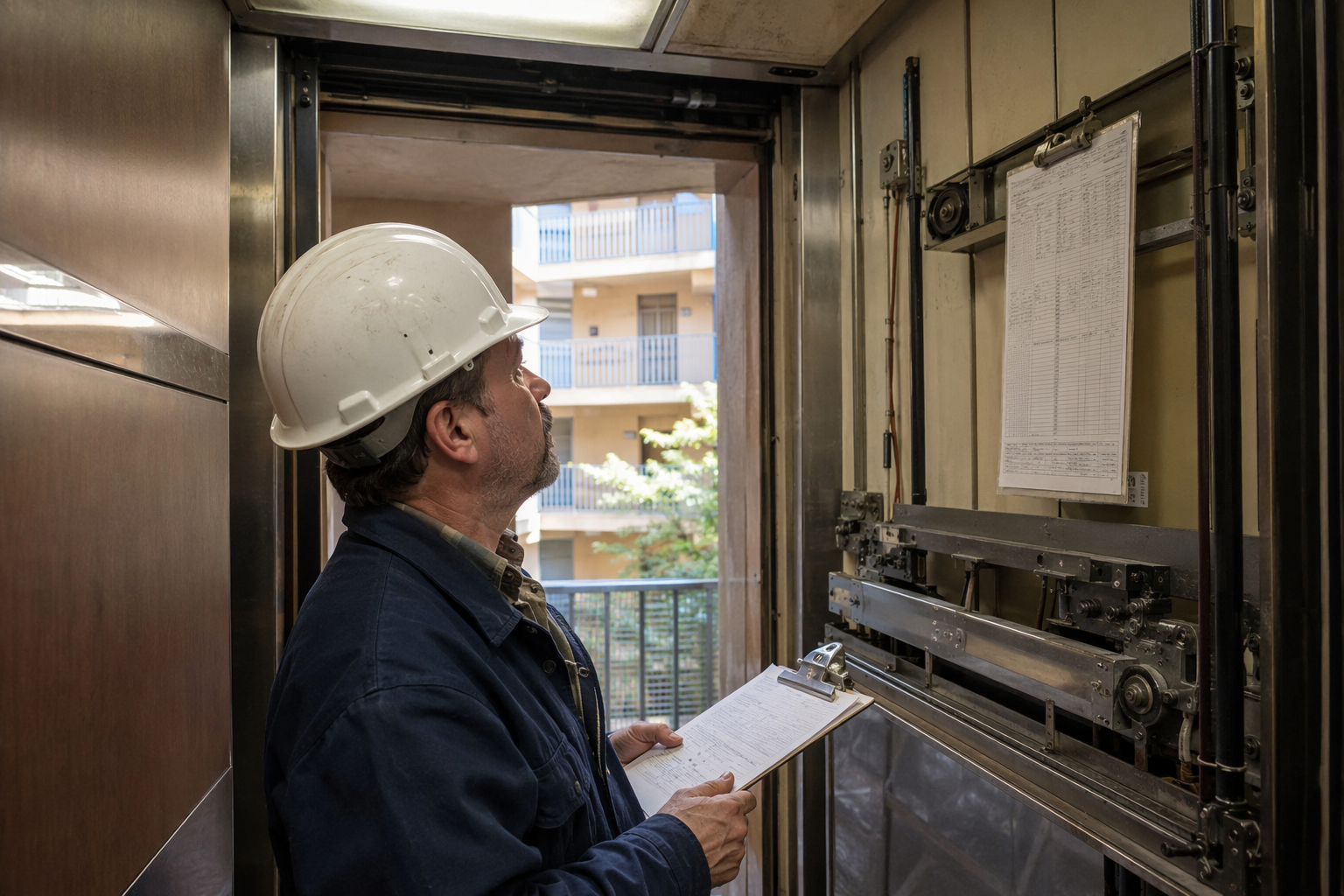
Contract type is the single largest driver of price. The three primary structures are:
- Oil-and-Grease (Lubrication-Only): The most limited and lowest-cost option. The technician lubricates, adjusts, and cleans components but does not supply parts or cover labor for repairs beyond routine servicing. This structure places the highest financial risk on the building owner.
- Parts-and-Labor (Examination Contract): A mid-tier option that covers the cost of technician labor for repairs identified during maintenance visits and often includes a defined list of covered parts. Exclusions vary significantly by provider and must be reviewed carefully.
- Full-Service (Comprehensive) Contract: The most inclusive option. Covers preventive maintenance, labor, and a broad range of parts replacements. High-cost components such as motors, controllers, or hydraulic cylinders may still be excluded or capped. Best suited for older equipment or high-use buildings where repair frequency is elevated.
A hybrid or “modified comprehensive” contract sits between the parts-and-labor and full-service tiers and is increasingly common in commercial real estate portfolios where owners want predictable budgeting without paying for full-service coverage on newer units.
What Factors Determine Elevator Maintenance Contract Pricing?
No two elevator contracts are priced identically. The key variables that elevator service providers use to calculate contract cost include:
- Number of elevators: Multi-unit buildings benefit from volume pricing. A portfolio of ten units in a single location is priced more efficiently than ten units spread across ten separate properties.
- Equipment type and age: Hydraulic elevators, traction elevators, and machine-room-less (MRL) systems each carry different maintenance labor profiles. Older equipment — especially units manufactured before current digital control systems — typically commands a higher contract price due to parts scarcity and increased technician time.
- Usage intensity: An elevator serving a hospital or a high-rise office building runs far more cycles per day than a residential unit in a low-rise building. High-cycle applications accelerate wear and justify a higher contract tier.
- Contract scope and exclusions: Parts caps, response time tiers, after-hours coverage, and callback provisions all influence price. Owners should request a detailed schedule of exclusions before accepting any quote.
- Geographic market: Labor costs, local licensing requirements, and regional demand for elevator technicians vary by market. Urban markets with high union labor costs typically yield higher contract pricing than rural or suburban markets.
- Modernization status: Elevators that have been recently modernized to current standards are often less expensive to maintain because the components are under manufacturer warranty or simply more reliable.
What Does Elevator Safety Code Require for Maintenance?
Maintenance is not optional — it is mandated by code. The governing standard in the United States is the ASME A17.1 Safety Code for Elevators and Escalators. This code establishes minimum maintenance requirements, inspection intervals, and the qualifications of personnel who may perform maintenance work on elevator systems.
Key code-driven obligations that directly affect contract scope include:
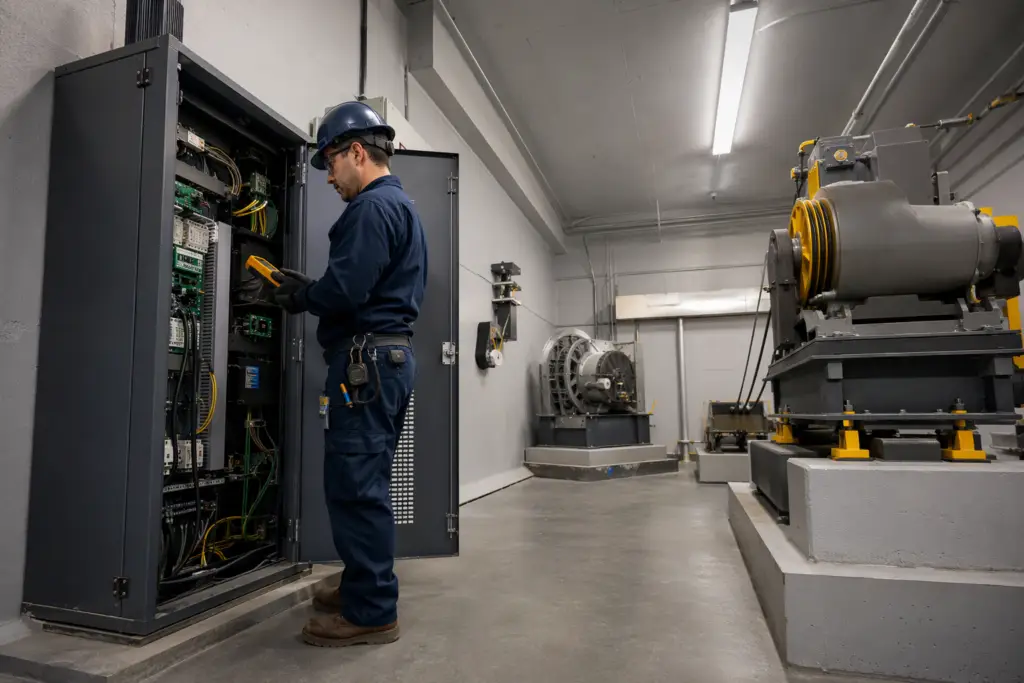
- Periodic maintenance must be performed by qualified elevator mechanics in accordance with the manufacturer’s maintenance instructions and ASME A17.1 requirements.
- Maintenance records must be kept on-site and made available to the authority having jurisdiction (AHJ) upon request.
- Annual or periodic inspections — distinct from maintenance — must be performed by a certified inspector, often a state or city employee or a third-party inspection agency approved by the AHJ.
Buildings with elevators that serve the public must also comply with accessibility requirements under the Americans with Disabilities Act (ADA), which affects the operational readiness requirements that maintenance contracts should be designed to support.
Worksite safety obligations for elevator technicians performing maintenance are governed by OSHA standards, including lockout/tagout and confined space protocols that reputable contractors will already build into their service procedures.
How Should Building Owners Compare Elevator Maintenance Contract Quotes?
Comparing elevator maintenance contracts on price alone is a common and costly mistake. The following process helps building owners conduct an accurate apples-to-apples evaluation:
- Request a detailed scope of work. Every quote should specify the frequency of preventive maintenance visits per year, the tasks performed at each visit, and which systems are included.
- Review the exclusions schedule. Ask each vendor for a written list of parts and conditions that are not covered. Pay particular attention to high-cost components such as main drive motors, hydraulic power units, and control systems.
- Evaluate callback and emergency provisions. Understand what happens when the elevator fails between scheduled visits — who is dispatched, under what conditions, and whether after-hours callbacks are billed separately.
- Assess technician qualifications. Confirm that technicians are licensed to perform elevator work in your jurisdiction and that their work meets ASME A17.1 requirements.
- Check contract termination and renewal terms. Auto-renewal clauses, early termination fees, and price escalation caps are contractual terms that significantly affect the total cost of ownership over a multi-year agreement.
- Ask for documentation of inspection compliance. A reputable provider will have a clear process for coordinating periodic inspections with the AHJ and for closing out any violations identified during those inspections.
- Verify parts availability and sourcing. Some independent providers have limited access to OEM parts for proprietary control systems. Confirm that the vendor can source required components within a reasonable timeframe.
What Is Typically Included in a Full-Service Elevator Contract?
A full-service elevator maintenance contract generally covers the following categories of work:
- Scheduled preventive maintenance visits at intervals defined by ASME A17.1 and the manufacturer’s maintenance manual
- Lubrication of sheaves, rails, guide shoes, buffers, and mechanical linkages
- Adjustment of brakes, door operators, leveling systems, and safety devices
- Cleaning of machine rooms, pits, and hoistways
- Replacement of worn parts from a defined covered-parts list
- Callback response to entrapments and service interruptions
- Coordination of required periodic inspections
- Maintenance log documentation kept on-site per code requirements
Common exclusions even in full-service contracts include major structural repairs, cosmetic cab refurbishment, vandalism damage, and repairs caused by misuse or building system failures such as flooding or electrical surges.
What Are the Risks of an Inadequate Maintenance Contract?
Selecting a contract that under-specifies maintenance coverage — or selecting a vendor based solely on the lowest price — creates several categories of risk:
- Code violations: If maintenance is not performed at required intervals or to required standards, the elevator may fail inspection. Violations can result in the elevator being taken out of service until corrective work is completed and re-inspected.
- Liability exposure: A poorly maintained elevator that injures a passenger can expose building owners to significant legal liability. Documented maintenance records are a critical element of any liability defense.
- Unbudgeted repair costs: Without adequate parts coverage, a single component failure — particularly in older equipment — can generate repair invoices that far exceed the annual contract premium saved by choosing a lower-tier agreement.
- ADA non-compliance: Extended downtime on an elevator that is the only accessible means of vertical travel in a building may constitute an ADA violation under ADA accessibility requirements.
What Industry Trends Are Shaping Elevator Maintenance Contracts in 2025–2026?
Several meaningful shifts are reshaping how maintenance contracts are structured and priced in the current market:
- Predictive maintenance technology: Remote monitoring systems that track door cycle counts, motor temperatures, and leveling accuracy are increasingly being bundled into service agreements. Vendors who offer remote diagnostics can often detect emerging failures before they cause downtime, which changes the risk calculus for contract pricing.
- Labor market pressure: The elevator mechanic trade continues to face workforce constraints in many markets, driven by retirements and the specialized training required to enter the trade. This dynamic is placing upward pressure on labor-intensive service agreements, particularly in markets with strong union representation.
- Proprietary system complexity: Modern elevator controllers, destination dispatch systems, and building integration platforms are increasingly proprietary. This can create lock-in with OEM service providers and should be evaluated carefully during the procurement of any new elevator equipment.
- Sustainability and energy efficiency expectations: Building owners managing ESG-driven portfolios are beginning to ask vendors to document energy performance metrics alongside traditional safety records — a trend that is influencing how comprehensive contracts are scoped.
- Multi-site portfolio contracting: Property management companies with large elevator portfolios are increasingly negotiating enterprise-level service agreements that span multiple locations, creating leverage for more favorable terms and standardized reporting.
How Often Should Preventive Maintenance Visits Occur?
Maintenance visit frequency depends on equipment type, usage intensity, and the requirements of the authority having jurisdiction. The ASME A17.1 Safety Code for Elevators and Escalators establishes the framework for maintenance intervals, and manufacturers publish their own maintenance manuals that specify additional requirements.
In practice, high-use commercial elevators — particularly those in hospitals, airports, or dense urban office buildings — are often serviced on a monthly basis. Lower-use residential or light commercial units may be maintained quarterly. The appropriate frequency should be determined by a qualified provider based on equipment assessment, not negotiated downward purely for cost savings.
What Should Be in a Maintenance Contract for Older Elevators?
Older elevator equipment — generally units that have not been modernized within the past fifteen to twenty years — requires a different contractual approach than newer systems. Key considerations include:
- Parts coverage should be evaluated carefully. Obsolete components may require custom fabrication or sourcing from specialist suppliers, and not all vendors have equal capability here.
- The contract should specify what happens when a required part is no longer available. Some agreements allow for the cost of modernization work to be credited against the contract if a component failure makes repair impractical.
- Older hydraulic systems in particular may have environmental compliance implications related to underground cylinders and fluid containment — a factor that should be addressed in the maintenance scope.
- Inspection compliance history is especially important for older units. A thorough review of prior inspection reports and outstanding violations will help establish a realistic maintenance baseline.
How Does Elevator Modernization Affect Maintenance Contract Pricing?
Modernizing an elevator — replacing major components such as the controller, motor, drive system, or cab finishes — typically results in meaningfully lower ongoing maintenance contract pricing. The reasons include:
- Modern components are more reliable and have longer service intervals
- Digital controllers provide better diagnostic visibility, reducing diagnostic labor time
- Newly installed components are often under manufacturer warranty, reducing parts cost exposure
- Updated systems are more likely to meet current ASME A17.1 requirements, reducing inspection violation risk
Building owners evaluating a high-priced maintenance quote for aging equipment should ask their service provider to model the total cost of ownership for both a continued maintenance approach versus a partial or full modernization — in some cases, modernization produces a net financial benefit within a defined payback period.
What Questions Should Be Asked Before Signing an Elevator Maintenance Contract?
Before executing any elevator maintenance agreement, building owners and facilities managers should obtain clear written answers to the following questions:
- How many scheduled maintenance visits are included per year, and what tasks are performed at each?
- What is the complete list of excluded parts and conditions?
- How are callback responses handled, and is after-hours service included or billed separately?
- Who performs the work, and are they licensed in this jurisdiction?
- How is the annual inspection coordinated, and what happens if violations are identified?
- What are the contract escalation provisions for multi-year agreements?
- What is the early termination process and any associated penalty?
- How are maintenance records documented and made available to the building owner?
- Does the vendor offer remote monitoring, and is it included or an add-on?
- What is the process for handling a major component failure that exceeds the contract’s parts coverage cap?
How Can a Building Owner Reduce Elevator Maintenance Contract Costs Without Cutting Coverage?
Cost management is possible without compromising safety or compliance. Strategies that experienced property managers use include:
- Multi-unit bundling: Placing all elevators in a building or portfolio with a single vendor typically yields better pricing than splitting units across multiple providers.
- Longer initial contract terms: Vendors often offer price stability in exchange for multi-year commitments. Ensure any multi-year contract includes a cap on annual price escalations.
- Timing modernization strategically: Scheduling equipment upgrades before entering a new contract cycle can significantly reduce the labor and parts risk the vendor prices into the agreement.
- Competitive bidding at renewal: Even satisfied customers should periodically put their contract out to competitive bid. The exercise benchmarks pricing and can prompt a current vendor to sharpen their renewal terms.
- Right-sizing contract tier to equipment: New equipment under manufacturer warranty may not require a full-service contract. A well-scoped parts-and-labor agreement during the early years of an elevator’s life can reduce cost without meaningful risk.
Why Work With a Data-Driven Elevator Service Provider?
Liftech Elevator approaches maintenance contract pricing with transparency and a commitment to right-sizing agreements to each client’s actual equipment profile, usage patterns, and compliance obligations. Rather than defaulting to a one-size-fits-all contract template, Liftech Elevator evaluates each elevator’s current condition, maintenance history, and regulatory standing before recommending a contract structure.
Building owners working with Liftech Elevator receive documentation that supports ASME A17.1 compliance, clear communication about inspection coordination, and maintenance records that are available on-site as required by the authority having jurisdiction. This approach ensures that contract pricing reflects actual risk and service requirements — not generic assumptions.
Get Accurate Elevator Maintenance Contract Pricing for Your Building
Every building is different. The most reliable way to understand what elevator maintenance should cost — and what your current contract may be missing — is a professional assessment of your equipment and compliance status.
Contact Liftech Elevator for a free elevator assessment: 562-609-3478
Need elevator service you can rely on? Liftech Elevator is ready to help.