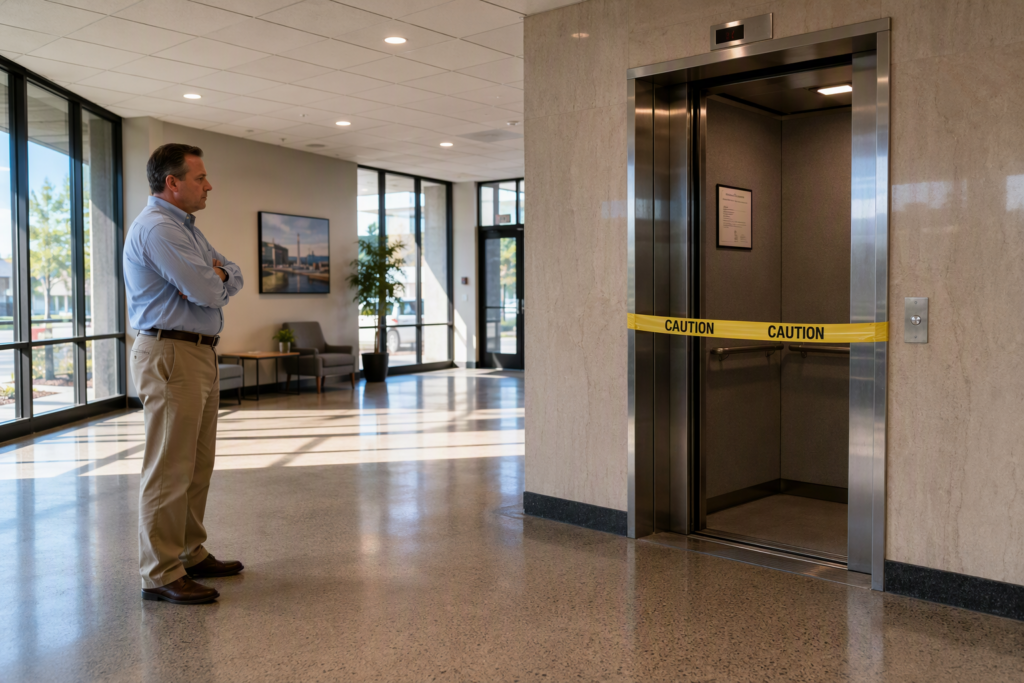
How Do I Know If My Elevator Needs Repairs or Just Routine Maintenance?
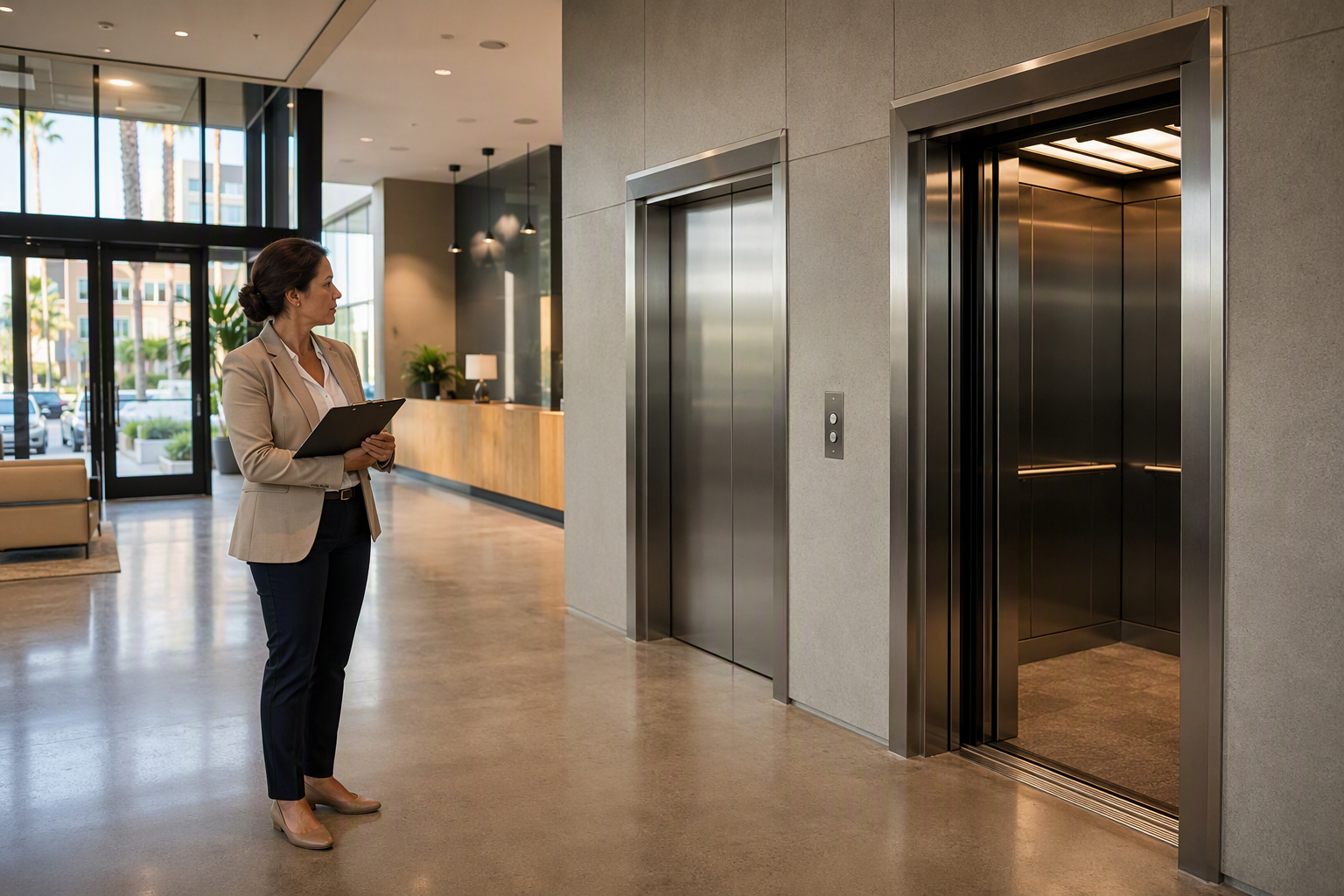
Distinguishing between a repair call and a scheduled maintenance visit is one of the most practical questions building owners, property managers, and facilities directors in Signal Hill, Long Beach, Los Angeles, and Orange County face. The answer shapes safety outcomes, budget planning, and regulatory compliance under California’s elevator inspection framework and the ASME A17.1 Safety Code for Elevators and Escalators. The 20 questions below cover every angle of that decision.
1. What Is the Core Difference Between Elevator Repair and Routine Maintenance?
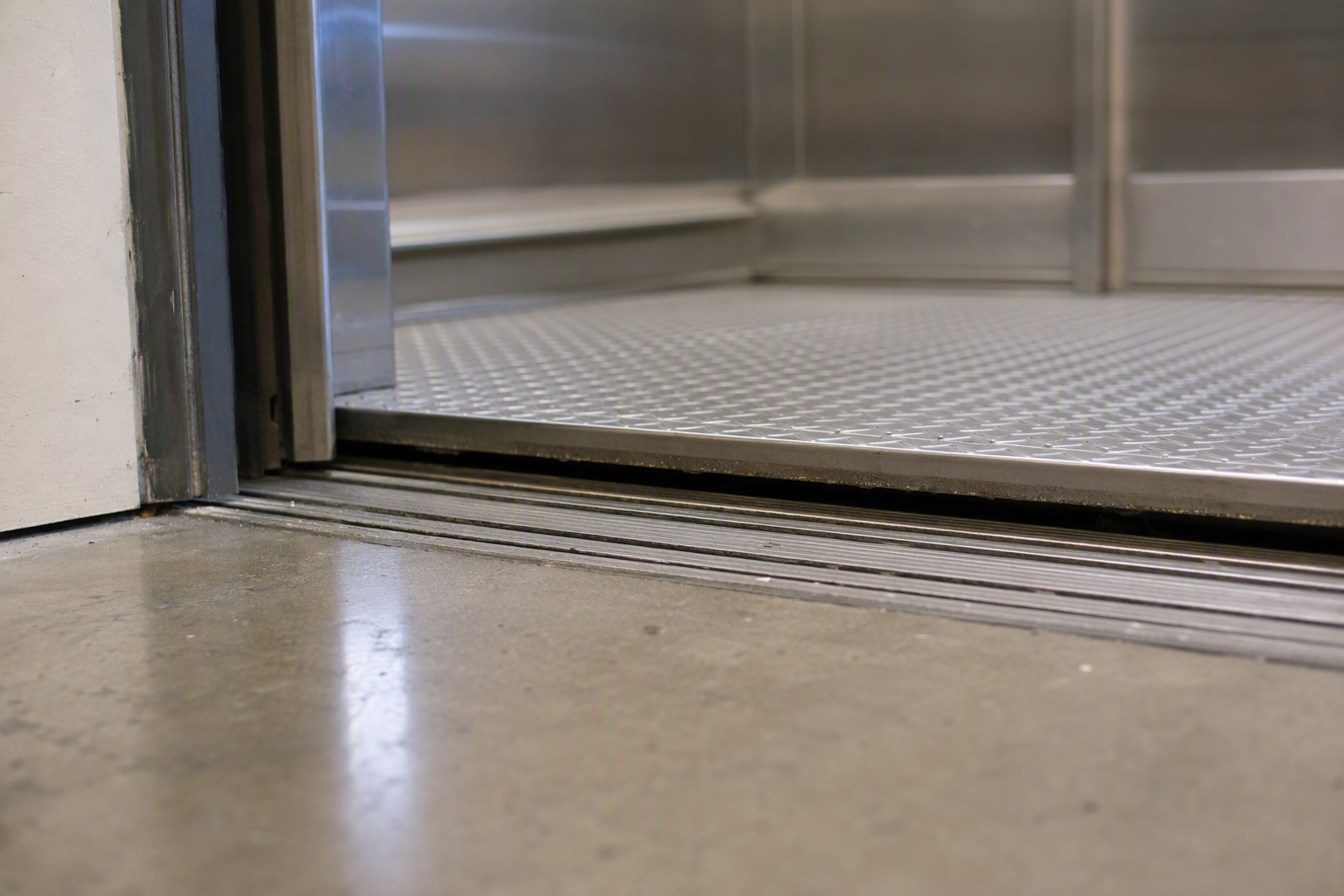
Routine maintenance is a scheduled, preventive service performed on a working elevator to preserve its condition, while repair is a corrective intervention triggered by a specific fault, failure, or safety concern.
Maintenance tasks include lubrication of guide rails and sheaves, adjustment of door operators, inspection of safety devices, testing of emergency lighting and intercoms, and cleaning of machine room components. These tasks follow a recurring schedule—monthly, quarterly, or annually—regardless of whether anything appears wrong.
Repair tasks, by contrast, are reactive. They address a defined symptom: a worn brake lining, a failed door sensor, a damaged hoist rope, a malfunctioning controller board, or a leveling drift that causes the cab floor to sit above or below the landing. Repairs restore a specific component to its designed specification.
2. What Are the Most Common Signs That an Elevator Needs Immediate Repair?
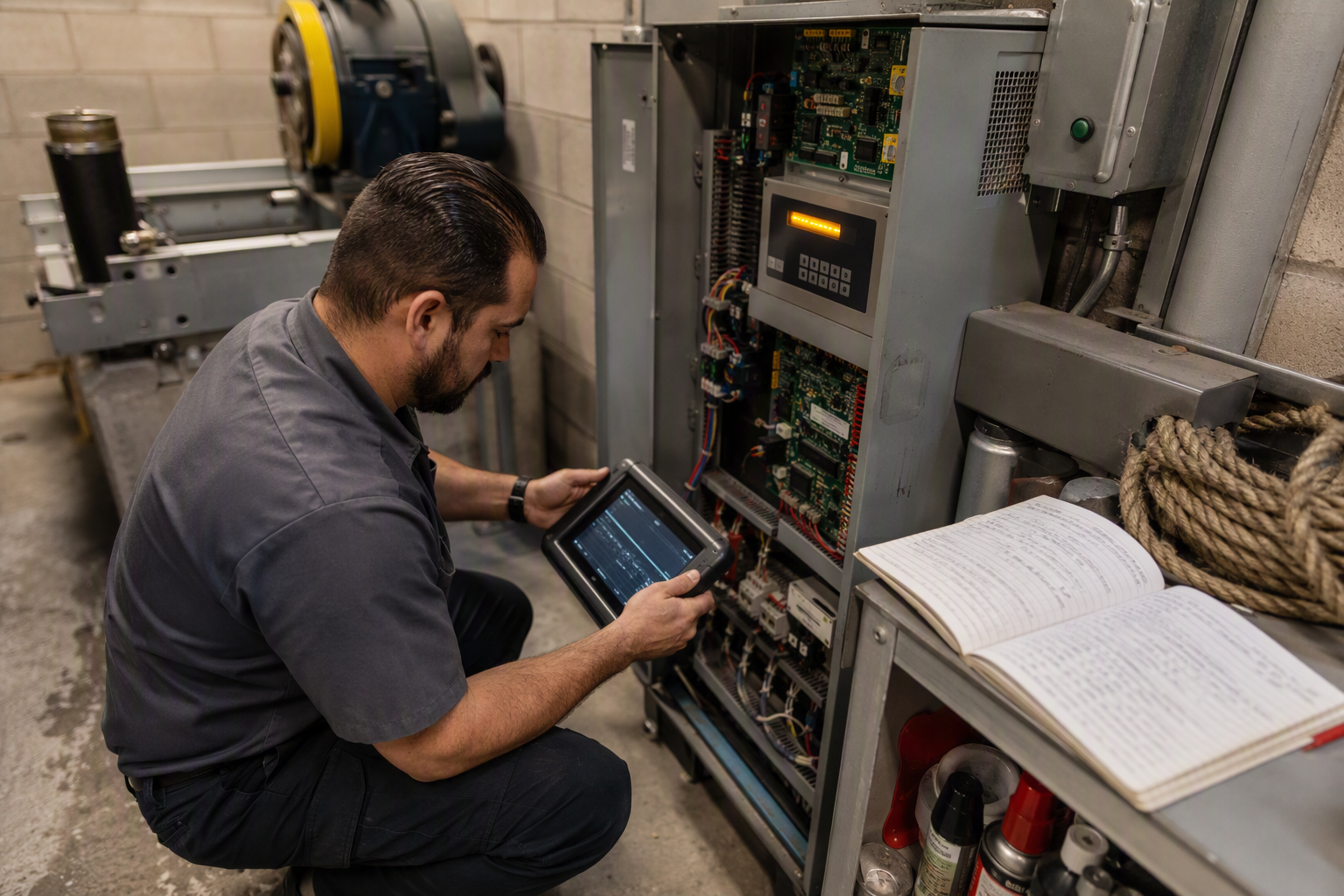
The most urgent repair indicators are uncontrolled movement, door failures, unusual sounds, or any fault that triggers the elevator’s safety circuit and takes the unit out of service.
Building managers should watch for the following warning signs:
- Mis-leveling: The cab floor stops more than ½ inch above or below the landing threshold—a trip-and-fall hazard directly addressed under ADA accessibility requirements.
- Door hesitation or reversal: Doors that reopen unexpectedly, close too slowly, or fail to close completely.
- Unusual noises: Grinding, squealing, banging, or clicking sounds during travel or door operation.
- Rough or jerky ride: Vibration or sudden stops that were not present during the previous service period.
- Burning smell: Indicates overheating in the motor, brake, or controller.
- Flickering or failed cab lighting: A safety and code compliance issue.
- Intercom or phone failure: Mandatory emergency communication must function per ASME A17.1.
- Fault codes on the controller display: Modern controllers log error codes that signal specific component failures.
Any one of these conditions warrants a service call before the next scheduled maintenance visit.
3. How Often Should Elevators Receive Routine Maintenance?
Maintenance frequency depends on elevator type, age, usage volume, and the terms of the service agreement, but most commercial elevators in California require at minimum monthly visits under a full-service contract.
High-traffic installations—hospitals, high-rise office buildings, transit hubs—typically require more frequent attention than a low-rise residential building with a single cab. The ASME A17.1 Safety Code for Elevators and Escalators establishes performance standards for all safety devices and drives the intervals at which those devices must be tested. California’s Division of Occupational Safety and Health (Cal/OSHA) enforces annual or periodic inspections on top of routine maintenance requirements.
4. What Does a Standard Routine Maintenance Visit Include?
A standard maintenance visit covers lubrication, adjustment, cleaning, safety device testing, and a written service record documenting every item inspected.
Typical line items on a maintenance checklist include:
- Guide rail lubrication and alignment verification
- Door operator adjustment and clutch inspection
- Safety shoe and door sensor testing
- Brake adjustment and lining thickness measurement
- Hoist rope inspection for wear, elongation, and lubrication
- Buffer and governor inspection
- Emergency lighting, alarm bell, and two-way phone test
- Machine room temperature and cleanliness check
- Controller board visual inspection for loose connections or heat damage
- Pit water intrusion and sump pump check
A properly documented maintenance record is essential for annual state inspections and for demonstrating due diligence in the event of a liability claim.
5. What Is the Difference Between a Full-Service Maintenance Contract and a Basic Inspection-Only Contract?
A full-service contract bundles all routine maintenance labor and most parts into a fixed monthly fee, while a basic or oil-and-grease contract covers only lubrication and adjustment, leaving repair costs entirely to the building owner.
The table below compares the most common contract structures:
| Contract Type | What Is Covered | What Is Excluded | Best For |
|---|---|---|---|
| Full-Service (Comprehensive) | All routine maintenance labor, most standard parts, minor repairs | Major modernization, vandalism, code upgrades | High-traffic, older equipment, risk-averse owners |
| Maintenance Only (Oil & Grease) | Lubrication, cleaning, adjustment | All parts, all repairs | New equipment under manufacturer warranty |
| Parts & Labor | Maintenance labor + agreed parts categories | Specific exclusions listed in contract | Mid-age equipment, budget-conscious owners |
| Inspection Only | Annual or periodic inspections with written report | All maintenance and repair | Owner-maintained equipment with in-house staff |
Building owners in Los Angeles and Orange County should review contract language carefully—specifically the exclusion clauses—before signing any elevator service agreement.
6. When Does Routine Maintenance Cross the Line Into a Required Repair?
Maintenance becomes a repair when a technician discovers a component that has degraded beyond its acceptable tolerance, triggering a mandatory corrective action before the elevator can legally remain in service.
Examples include hoist ropes that have thinned below the minimum diameter specified in ASME A17.1, brake linings worn to the point where stopping distance exceeds code limits, or a door reopening device that fails its performance test. When these conditions are discovered during a maintenance visit, the technician is obligated to document the finding and initiate a repair work order—or, in serious cases, take the unit out of service until the deficiency is corrected.
7. How Does Elevator Age Affect the Repair-vs-Maintenance Decision?
Older elevators require progressively more frequent repairs because wear accumulates across multiple systems simultaneously, and replacement parts for legacy equipment become harder to source.
An elevator installed in the 1970s or 1980s may be operating with a relay-logic controller, a DC motor-generator drive, or drum-wound hoist ropes—all technologies that have been superseded. Maintenance on these systems still follows the same inspection logic, but the probability that a maintenance visit uncovers a repair need is substantially higher. At a certain threshold, the cost of recurring repairs relative to equipment value makes modernization the more economical path.
8. What California-Specific Regulations Govern Elevator Inspections and Repairs?
In California, elevator inspections are administered by Cal/OSHA’s Elevator, Ride, and Tramway Unit, which enforces the ASME A17.1 Safety Code for Elevators and Escalators as adopted by the state, requiring a valid permit to operate and a current certificate of inspection posted inside the elevator cab.
Property owners in Signal Hill, Long Beach, Los Angeles, and Orange County must ensure their elevators hold a current Elevator Safety Permit issued by the state. Following any significant repair—particularly to safety-critical components such as the governor, buffers, or safeties—a witnessing inspection by a state inspector or a Qualified Elevator Inspector (QEI) may be required before the elevator is returned to public use. Failure to maintain a current permit exposes building owners to fines and potential shutdown orders.
9. What Is a Mis-Leveling Problem and Why Is It a Repair Emergency?
Mis-leveling occurs when the elevator cab stops at a height above or below the landing floor, creating an uneven surface that poses a serious trip-and-fall hazard and constitutes a potential ADA accessibility violation.
Causes include worn leveling vanes, faulty proximity sensors, brake adjustment drift, or a control system issue. Because the hazard is immediate and affects every user of the elevator, mis-leveling should be treated as a repair emergency rather than a maintenance item to schedule at the next routine visit. A building’s liability exposure increases materially when a documented leveling fault goes uncorrected.
10. What Should a Building Owner or Manager Do Immediately When an Elevator Malfunctions?
When an elevator shows a malfunction, the correct sequence of actions protects passengers, preserves evidence, and initiates the repair process in the right order.
- Ensure passenger safety first. If anyone is trapped, call 911 and the building’s elevator service provider simultaneously. Do not attempt a manual rescue without trained personnel.
- Take the elevator out of service. Post clear “Out of Service” signage at every landing. Lock the ground-floor call button if possible.
- Document the malfunction. Note the time, symptoms, floor number, and any fault codes visible on the controller display.
- Contact your elevator service provider. Report the specific symptoms—not just “the elevator isn’t working”—so the technician arrives with appropriate parts and tools.
- Do not reset the controller and return the unit to service until a qualified technician has inspected and cleared the fault. Resetting without diagnosis risks masking a safety-critical condition.
- Retain documentation. Keep written records of the incident for insurance, regulatory, and liability purposes.
11. How Can Building Owners Identify Small Problems Before They Become Expensive Repairs?
The most effective way to catch developing faults early is through a combination of a consistent monthly maintenance program and a brief informal walk-through by building staff between service visits.
Building managers do not need technical expertise to notice early warning signs. A brief weekly ride in the elevator—paying attention to ride quality, door timing, noise, and leveling accuracy—can surface anomalies that warrant a call to the service provider. Keeping a simple log with dates and observations gives technicians valuable trend data. Liftech Elevator recommends that building contacts in Long Beach, Signal Hill, Los Angeles, and Orange County establish this informal monitoring habit as a standard property management practice.
12. What Are the Most Frequently Repaired Elevator Components?
Door systems, controllers, and hoist ropes represent the highest-frequency repair categories across commercial elevator populations.
Door-related issues—including worn rollers, damaged gibs, misaligned tracks, and failed safety edges—account for a large proportion of service calls because doors cycle thousands of times per week in busy installations. Controllers accumulate heat and vibration damage over time, causing relay failures or software faults. Hoist ropes, while long-lived when properly lubricated and tensioned, eventually reach retirement criteria defined in ASME A17.1. Brake systems, buffers, and guide shoe liners are also common repair items in elevators that have passed their design service life.
13. How Do Elevator Modernization and Repair Differ, and When Should You Choose Modernization?
Repair replaces or restores a single failed component, while modernization upgrades multiple interconnected systems—typically drive, controller, and fixtures—to current code and performance standards.
A useful decision trigger is when the cumulative cost of recurring repairs over a rolling 12-to-24-month period approaches or exceeds what a modernization project would cost, amortized over the expected life of the upgraded equipment. Additional drivers include the inability to source parts for obsolete equipment, persistent code violations flagged during state inspections, or a building renovation requiring ADA-compliant fixtures and controls. Liftech Elevator provides assessments to help property owners in Los Angeles and Orange County evaluate this threshold objectively.
14. Does the Type of Elevator (Hydraulic vs. Traction) Change the Maintenance and Repair Profile?
Yes—hydraulic and traction elevators have fundamentally different mechanical systems, which means their maintenance schedules, failure modes, and repair priorities differ significantly.
Hydraulic elevators use a pump, jack, and cylinder assembly filled with hydraulic fluid. Their maintenance priorities include fluid condition, cylinder integrity (particularly for underground units where corrosion is a risk), and pump motor health. Oil seepage is a common repair issue and an environmental concern regulated under California law. Traction elevators use steel hoist ropes, a sheave, and a counterweight; their maintenance priorities center on rope condition, brake performance, and drive motor health. The ASME A17.1 Safety Code contains specific provisions for each type.
15. What Are the Consequences of Skipping or Deferring Routine Elevator Maintenance?
Deferred maintenance accelerates component wear, increases the probability of an in-service failure, exposes the building owner to regulatory fines, and can create personal injury liability that far exceeds the cost of the skipped service.
From a regulatory standpoint, Cal/OSHA can issue citations and require corrective action when inspections reveal evidence of neglected maintenance. From a liability standpoint, a documented gap in maintenance records is a significant disadvantage in personal injury litigation following an elevator-related incident. From a practical standpoint, components that receive no lubrication, adjustment, or inspection simply wear faster—turning what would have been a minor adjustment into a component replacement. OSHA standards also impose general duty obligations on building owners to maintain safe equipment.
16. How Long Does a Typical Elevator Repair Take to Complete?
Repair duration ranges from under an hour for a minor door adjustment or sensor replacement to several weeks for a major component such as a hoist machine, controller, or hydraulic cylinder.
Parts availability is the most significant variable for longer repairs. Controllers and drive units for obsolete equipment may have lead times of several weeks or months. Planning for this contingency—by maintaining an inventory of high-wear consumables or establishing priority parts agreements with the service provider—reduces downtime exposure. For buildings with a single elevator, extended downtime creates genuine hardship for occupants with mobility limitations, making ADA compliance planning particularly important.
17. What Questions Should Building Owners Ask an Elevator Service Provider Before Signing a Maintenance Contract?
The right questions before signing a maintenance contract reveal whether the provider’s scope, documentation practices, and parts capabilities match the building’s specific equipment and risk profile.
Recommended questions include:
- What specific tasks are performed at each maintenance visit, and how is each visit documented?
- How are repair needs discovered during maintenance visits communicated, and what is the authorization process?
- What is excluded from the contract, and how are those exclusions priced?
- Does the provider have experience with this specific make, model, and vintage of equipment?
- How are parts sourced for legacy or discontinued equipment?
- What is the process for state inspection scheduling and permit renewal support?
- How are emergency calls handled outside of standard business hours?
Liftech Elevator serves building owners and property managers across Signal Hill, Long Beach, Los Angeles, and Orange County and is available to answer these questions directly before any contract discussion begins.
18. How Does ADA Compliance Factor Into Elevator Repair and Maintenance Decisions?
ADA requirements govern the physical dimensions, controls, leveling accuracy, door timing, and signage of elevators serving public accommodations and commercial facilities, meaning that certain repairs and upgrades are legally mandated regardless of equipment age.
Under the Americans with Disabilities Act, existing elevators must be maintained in operable working condition. A door that consistently fails to reopen for an obstruction, a floor indicator that is not accessible to users with visual impairments, or consistent mis-leveling are not merely maintenance issues—they are ADA compliance failures. When a repair corrects an ADA-related deficiency, the corrected installation must meet current standards for that element. Building owners undergoing significant renovations should also evaluate whether the broader scope of the project triggers an obligation to bring the elevator into fuller ADA compliance.
19. What Role Do Elevator Fault Codes and Remote Monitoring Play in the Repair Decision?
Modern elevator controllers log fault codes that identify specific system failures with precision, and remote monitoring systems can transmit these codes to a service provider in real time—dramatically accelerating the diagnosis and repair process.
A fault code indicating a door zone sensor failure, for example, tells the responding technician exactly which component to inspect and what parts to bring. Without this data, a technician may need multiple visits to isolate an intermittent fault. Remote monitoring also enables pattern recognition: a controller that generates the same fault code repeatedly over several weeks signals a developing failure before it becomes a complete shutdown. Buildings in Los Angeles and Orange County that operate equipment capable of remote monitoring should confirm with their service provider that this feature is active and being reviewed.
20. How Do I Choose a Qualified Elevator Service Company in Southern California?
A qualified elevator service company in California must hold a valid state contractor’s license for elevator work, employ licensed elevator mechanics, carry appropriate insurance, and demonstrate familiarity with the specific code edition and equipment vintage present in the building.
In addition to licensing, look for a provider with documented experience servicing the makes and models in your building, a clear written scope for maintenance visits, transparent communication about repair needs and costs, and the capacity to support state inspection scheduling and permit renewal. For property owners and managers in Signal Hill, Long Beach, Los Angeles, and Orange County, Liftech Elevator is a certified elevator service company with deep familiarity with California’s regulatory environment and the diverse equipment installed across the region’s commercial and residential building stock.
Key Benchmarks at a Glance
| Condition / Symptom | Category | Urgency Level | Code Reference |
|---|---|---|---|
| Scheduled lubrication and adjustment | Routine Maintenance | Planned | ASME A17.1 |
| Annual state inspection | Regulatory Requirement | Required / Permit-driven | Cal/OSHA, ASME A17.1 |
| Cab mis-leveling (floor offset) | Repair | High – immediate | ADA, ASME A17.1 |
| Door reopening device failure | Repair | High – immediate | ASME A17.1 |
| Intercom / emergency phone failure | Repair | High – immediate | ASME A17.1 |
| Hoist rope wear beyond tolerance | Repair | High – out of service | ASME A17.1 |
| Unusual noise (grinding, banging) | Repair | Medium-High – prompt | ASME A17.1 |
| Recurring controller fault codes | Repair / Modernization eval | Medium – scheduled | ASME A17.1 |
| Hydraulic fluid seepage | Repair | Medium – regulatory exposure | California environmental regs |
| Obsolete parts / repeated repairs | Modernization | Strategic – plan ahead | ASME A17.1, ADA |
Summary: Repair or Maintenance—A Decision Framework
The clearest way to apply the distinction in day-to-day property management is this: if the elevator is operating within its normal parameters and the service visit is on the calendar, that is maintenance. If the elevator has exhibited a new symptom, generated a fault code, failed a safety device test, or created a hazard for users, that is a repair—and it should not wait for the next scheduled maintenance date.
California’s regulatory framework, the 2026 edition references within ASME A17.1, and ADA accessibility obligations collectively create a strong legal and ethical imperative for building owners to maintain their elevators proactively. The cost of a missed maintenance visit or a deferred repair is almost always greater—in parts, downtime, liability exposure, and regulatory risk—than the cost of addressing it on schedule.
Property managers and building owners in Signal Hill, Long Beach, Los Angeles, and Orange County can rely on Liftech Elevator for both the routine maintenance programs that prevent failures and the skilled repair work that corrects them when they occur.
Schedule a Free Elevator Assessment
Not sure whether your elevator needs a repair call or is due for routine maintenance? Contact Liftech Elevator for a free elevator assessment. A qualified technician will evaluate your equipment, review your current maintenance history, and provide a clear, written recommendation—so you know exactly where your elevator stands and what it needs to remain safe, compliant, and operational.
Call Liftech Elevator today: 562-609-3478
Serving Signal Hill, Long Beach, Los Angeles, and Orange County, CA.
Need elevator service you can rely on? Liftech Elevator is ready to help.