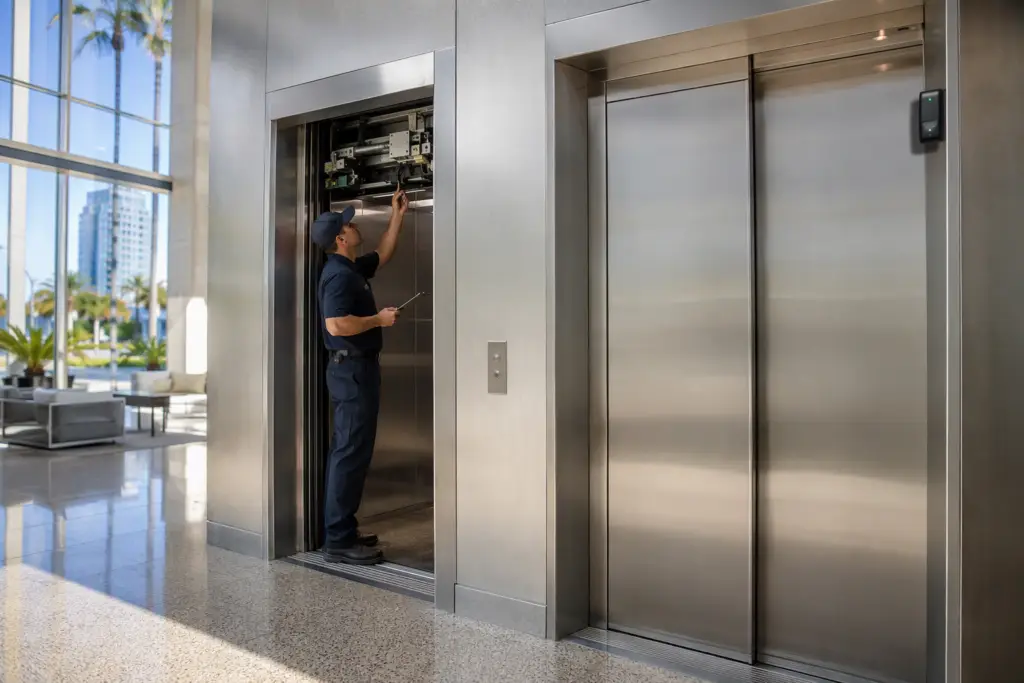
What Happens to Elevator Components and Performance During Southern California Hot Summers — and How to Prepare
Direct Answer: Southern California’s summer heat — routinely exceeding 100°F in inland valleys and persisting through multi-day heat events — stresses elevator motors, hydraulic fluid, control electronics, and machine room ventilation systems simultaneously, making pre-summer inspections and targeted cooling measures the most reliable way to prevent unexpected shutdowns and keep equipment compliant with ASME A17.1 Safety Code for Elevators and Escalators performance requirements.
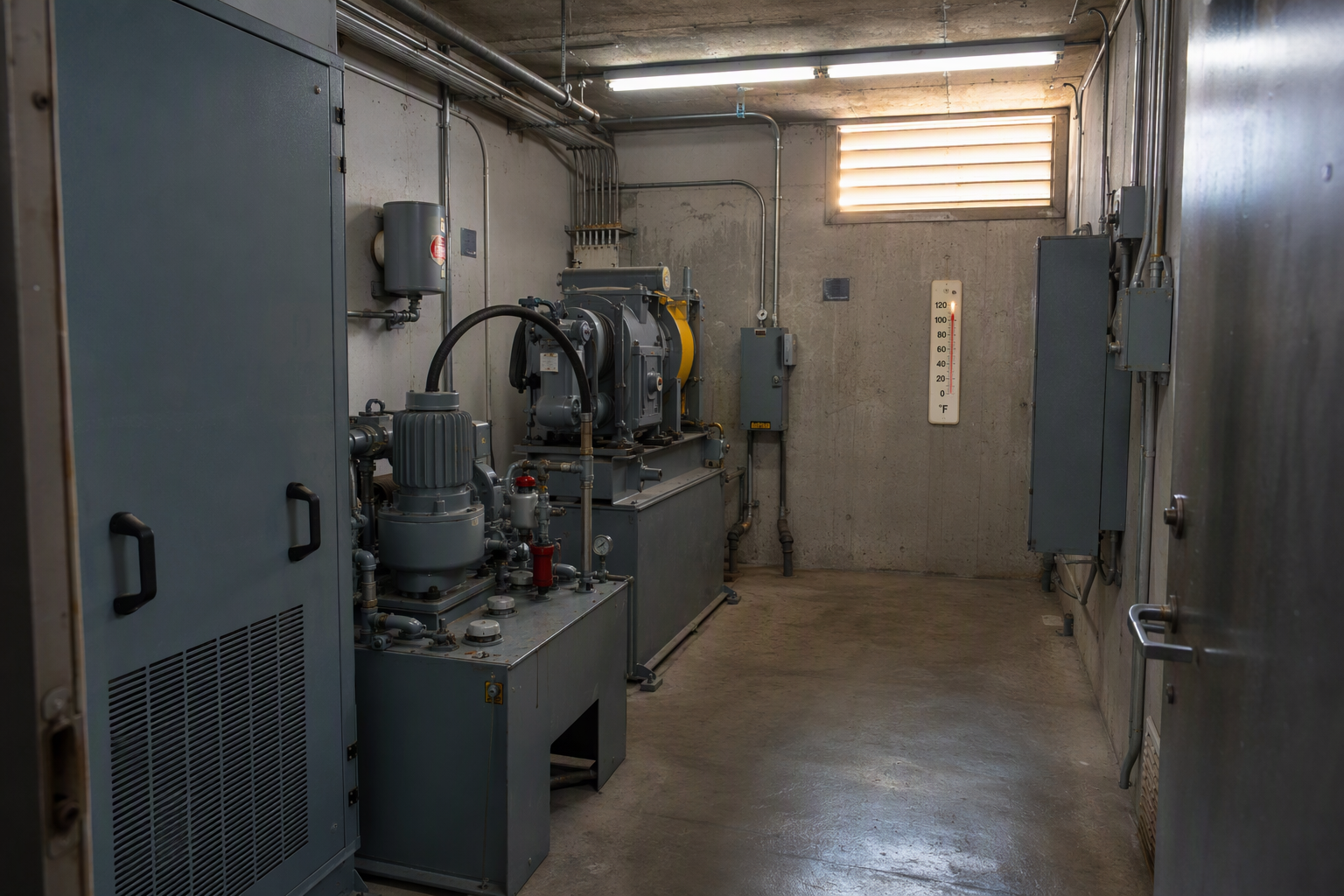
Southern California’s climate creates a uniquely demanding operating environment for vertical transportation equipment. Extended heat waves — increasingly common across Los Angeles, San Bernardino, Riverside, and surrounding counties — push machine room temperatures well beyond the thresholds that elevator manufacturers engineer their components to handle. Understanding exactly which components are vulnerable, how failure cascades through a system, and what preparation steps matter most can mean the difference between a fully operational building all summer and an emergency shutdown during peak occupancy.
Why Is Summer Heat Particularly Dangerous for Elevators in Southern California?
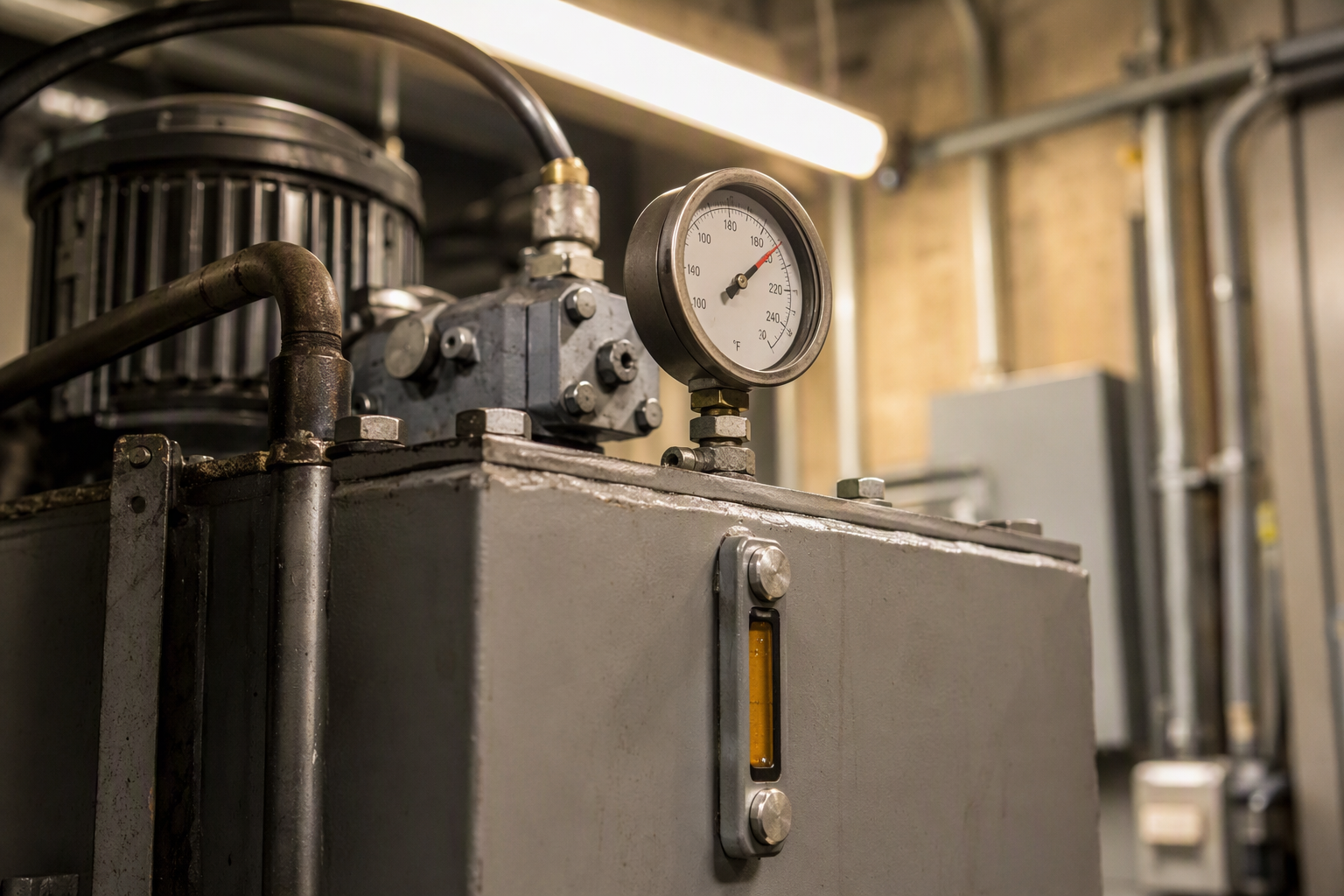
Elevator equipment is thermal-sensitive by design. Motors, drives, hydraulic power units, and control boards all generate internal heat during normal operation. Under standard conditions, machine room ventilation and ambient air temperatures remain within ranges the equipment is rated to handle. During a Southern California heat event, however, ambient outdoor temperatures can spike dramatically and remain elevated overnight — a pattern that prevents equipment from cooling down between operating cycles.
The combination of high ambient temperature and continuous operation creates a compounding thermal load. A motor running continuously in a machine room that has climbed above its rated ambient threshold does not simply run less efficiently — it may trigger thermal protection shutdowns, accelerate insulation degradation, or in severe cases sustain permanent winding damage. Unlike a single hot afternoon, multi-day heat waves deny the system any recovery period, which is why Southern California’s July–September window is disproportionately associated with elevator service calls.
California’s mix of building stock compounds the risk. Older hydraulic systems, traction elevators installed before modern variable-frequency drive technology, and machine rooms without dedicated HVAC are all widespread across commercial, residential, and mixed-use properties in the region.
Which Elevator Components Are Most Vulnerable to Summer Heat?
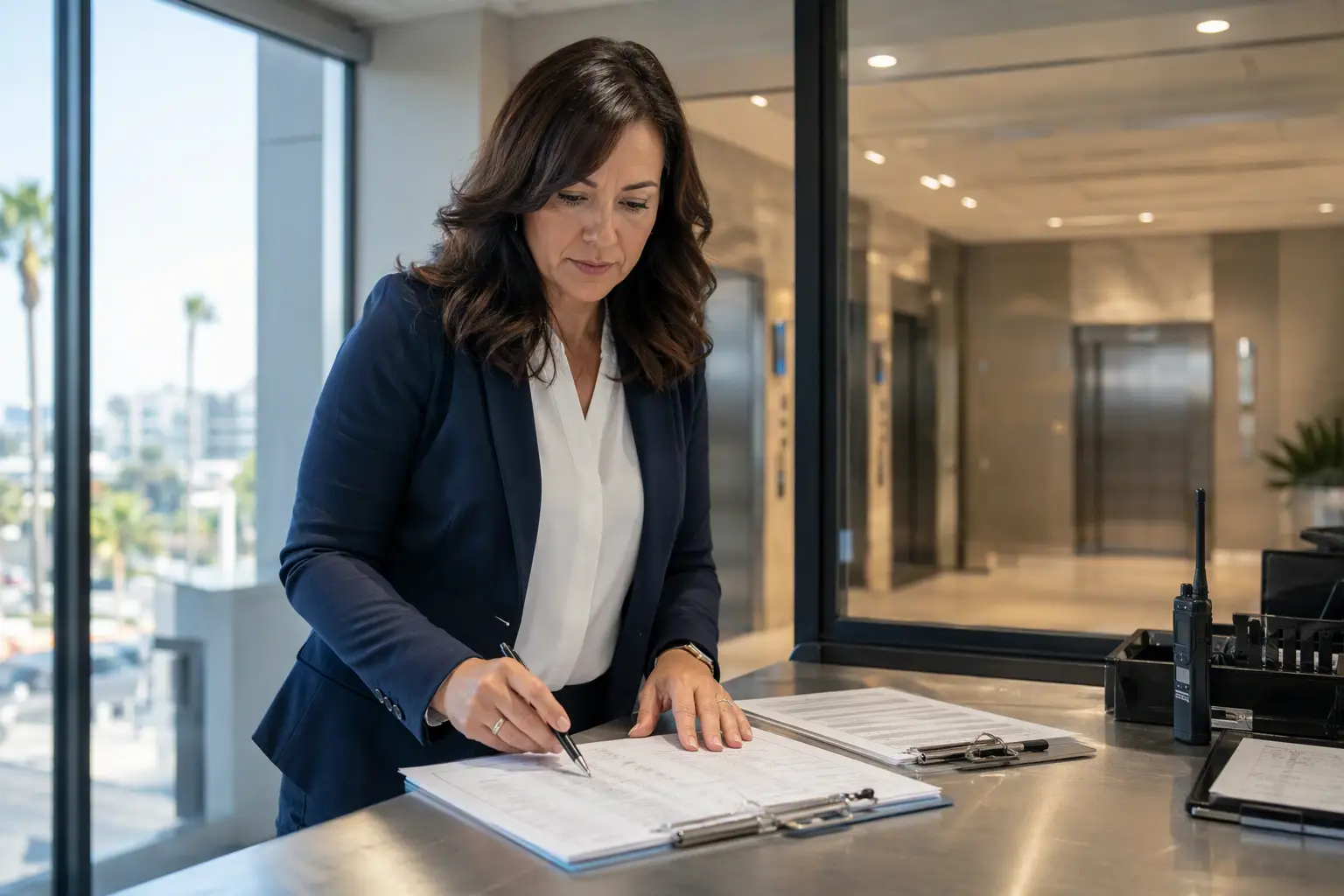
Hydraulic Power Units and Fluid
Hydraulic elevators use pressurized oil to raise and lower the car. Hydraulic fluid has a specified viscosity range — when fluid overheats, viscosity drops, reducing the fluid’s ability to maintain consistent pressure and allowing internal seal wear to accelerate. Overheated fluid also degrades chemically over time, shortening its service life and increasing the risk of seal failure and fluid leaks. Machine room temperatures that remain elevated for extended periods push hydraulic fluid temperatures into ranges where performance becomes inconsistent, often manifesting as slow or uneven leveling at floor landings.
Traction Machine Motors and Drive Systems
Electric motors carry a rated ambient temperature — the maximum surrounding air temperature within which the motor can operate at its nameplate output continuously. When machine room air exceeds that rating, the motor must derate (reduce output) or risk thermal damage. Variable-frequency drives (VFDs), which regulate motor speed and improve energy efficiency, contain power electronics that are similarly temperature-sensitive. Heat-related VFD faults are among the most common summer service issues on modernized traction systems.
Solid-State Control Boards and Microprocessors
Modern elevator controllers rely on printed circuit boards, microprocessors, and solid-state relays. These components have maximum operating temperature ratings that, when exceeded, cause erratic behavior — doors that fail to close, incorrect floor registration, or controller lockouts. High ambient heat combined with the controller’s own operational heat generation creates conditions where component failure is a matter of when, not if, without adequate thermal management.
Brake Systems and Mechanical Components
Elevator brakes use friction materials and solenoid coils that are affected by sustained heat. Brake solenoid coil resistance increases with temperature, potentially affecting release timing and holding force. Lubricated mechanical components — guide rails, sheaves, and bearings — rely on grease formulations that soften and migrate when temperatures climb, leading to increased wear and the potential for noise or vibration.
Door Operators and Safety Edges
Thermal expansion in metal door panels and sill grooves can cause doors to bind or misalign during peak heat. Door operator motors and safety edge sensors — which must function reliably under ASME A17.1 requirements — can experience intermittent failures when operating temperatures exceed design parameters.
What Machine Room Temperature Thresholds Should Building Owners Know?
Elevator equipment manufacturers publish ambient temperature ratings in their installation manuals and equipment specifications. While specific figures vary by manufacturer and equipment model, industry practice holds that most elevator machine room equipment is designed to operate within a defined ambient range — commonly cited in manufacturer documentation as requiring machine room temperatures to be maintained within acceptable limits for continuous operation. When those limits are exceeded, manufacturers may note that warranty coverage and safe operation are contingent on adequate environmental controls.
California’s Title 24 Building Energy Code governs HVAC design for commercial buildings, and building operators should verify that machine room ventilation or cooling systems are correctly sized and functioning before summer peaks. The relevant authority having jurisdiction (AHJ) for elevator inspections in California is the California Department of Industrial Relations, Division of Occupational Safety and Health (Cal/OSHA) — Elevator, Ride, and Tramway Unit, which enforces compliance with California’s elevator safety orders and references ASME standards.
How Does Summer Heat Affect Elevator Compliance and Inspection Status in California?
California elevators are subject to periodic inspections to maintain a valid Certificate of Inspection. Equipment that has sustained heat-related damage — such as deteriorated insulation, malfunctioning safety circuits, or failed door operators — may fail inspection or require corrective repairs before a certificate is issued or renewed. Under ASME A17.3 Safety Code for Existing Elevators and Escalators, which California’s elevator safety orders reference for existing installations, equipment must be maintained in safe operating condition regardless of age or original installation date.
Heat-accelerated component degradation does not pause the inspection calendar. A system that suffers mid-summer motor damage or hydraulic seal failure may be out of service precisely when building occupancy and elevator demand are at their highest. Proactive summer preparation is therefore both an operational and a compliance strategy.
ADA (Americans with Disabilities Act) accessibility requirements also remain in effect during any service interruption. When an elevator is the only accessible means of vertical travel in a building, extended downtime carries legal exposure under ADA standards in addition to the inconvenience and safety implications for passengers.
What Are the Warning Signs That Heat Is Already Stressing an Elevator System?
Building managers and facilities teams should treat the following as actionable warning indicators during summer months:
- Unexpected shutdowns or thermal lockouts — the controller has detected an over-temperature condition and stopped the elevator to protect the equipment.
- Sluggish or inconsistent leveling — on hydraulic systems, this often points to fluid viscosity changes caused by overheating.
- Door hesitation or door-open faults — thermal expansion or door operator heat stress causing intermittent sensor or motor faults.
- Unusual motor noise or vibration — bearing lubrication breakdown or rotor/stator thermal stress.
- Burning smell from the machine room — a serious indicator of electrical insulation breakdown requiring immediate service.
- Control panel fault codes related to temperature — modern controllers log thermal faults; reviewing fault logs proactively reveals developing issues before they cause shutdowns.
How Do I Prepare My Elevator for a Southern California Summer?
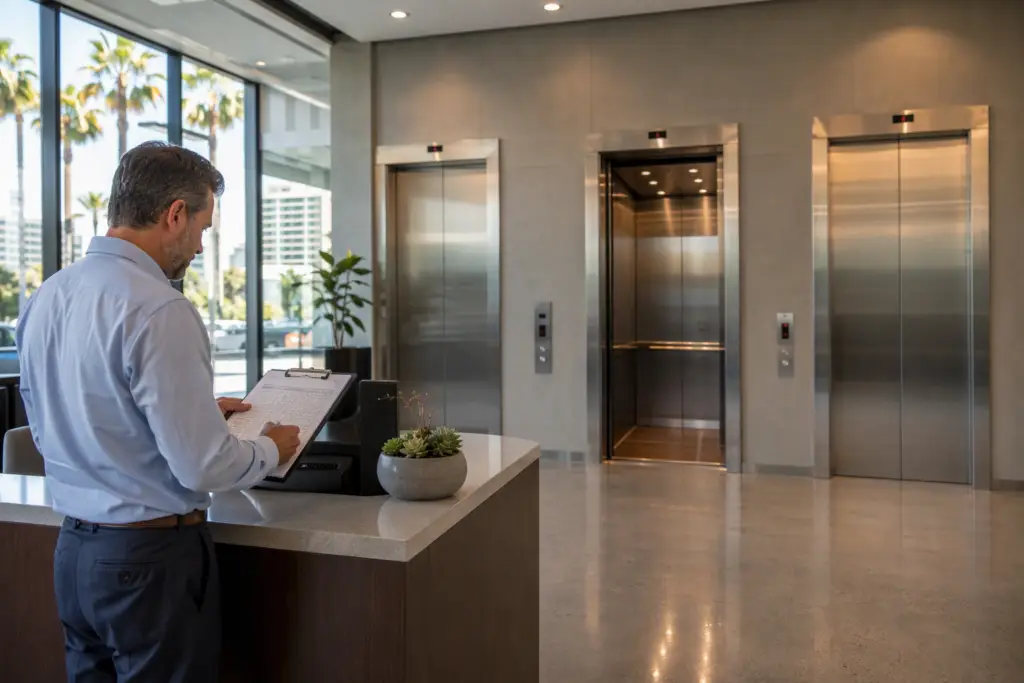
- Schedule a pre-summer maintenance visit. Arrange for a qualified elevator technician to perform a full inspection and lubrication service before temperatures peak — ideally in April or May. This creates a documented baseline of equipment condition before thermal stress begins.
- Inspect and service machine room ventilation or cooling. Verify that exhaust fans, louvers, or dedicated cooling units are clean, operational, and adequately sized for the machine room’s heat load. Replace filters and clear any obstructions.
- Check hydraulic fluid condition and level. Have the technician test fluid temperature tolerance, look for signs of contamination or degradation, and confirm that fluid levels and type match manufacturer specifications.
- Test thermal protection systems. Confirm that motor thermal overloads, VFD over-temperature settings, and controller temperature alarms are set correctly and functional.
- Review controller fault logs. A technician should download and review any stored fault codes. Recurring thermal faults from previous summers indicate equipment that is already marginal and may need cooling upgrades or component replacement before peak heat arrives.
- Inspect door operator components and sill grooves. Clean door tracks and sill grooves of debris that can worsen binding under thermal expansion conditions. Lubricate door operator components per manufacturer specifications.
- Verify brake solenoid coil resistance. A technician can measure coil resistance to confirm it is within specification — a value outside tolerance in spring may indicate a coil that will fail under summer heat load.
- Confirm your emergency communication system is functional. Heat events that strand passengers require a reliable in-car emergency phone. ASME A17.1 mandates an emergency means of two-way communication in elevator cars; test it during the pre-summer service visit.
- Establish a summer escalation contact. Ensure building management has a direct service number for their elevator maintenance provider and knows the procedure for initiating an emergency call during peak heat conditions.
- Consider modernization if equipment is near end of service life. Aging hydraulic systems or traction elevators without VFDs are significantly more vulnerable to heat-related failure. A capital planning conversation with a qualified service provider can help weigh the cost of repeated emergency repairs against the investment in modernization.
Does Summer Heat Increase the Risk of Elevator Entrapments?
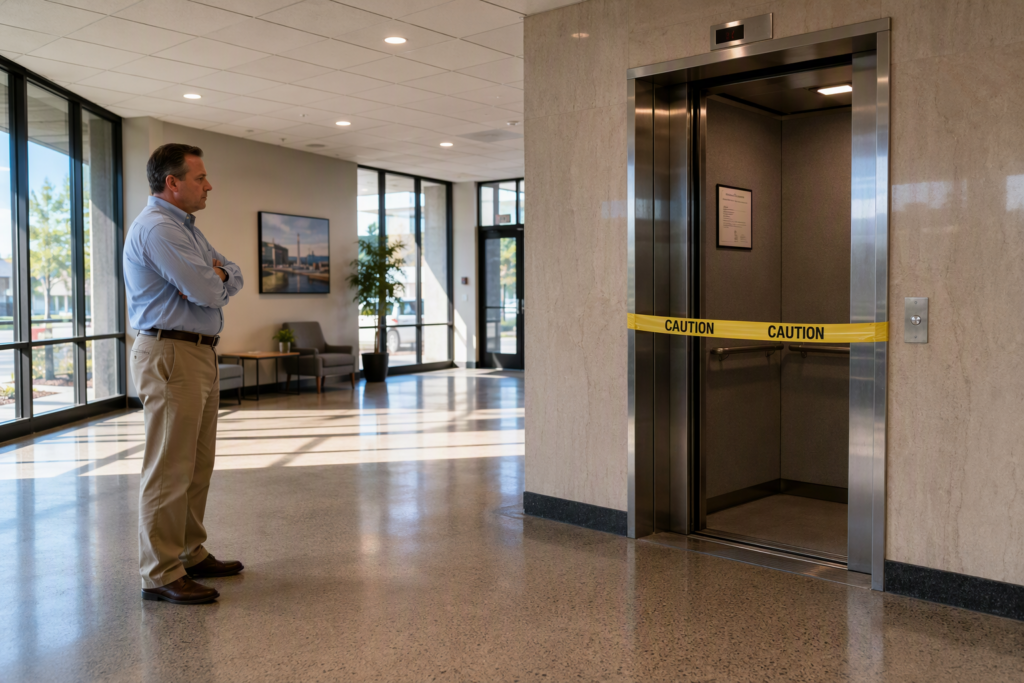
Yes. Thermal shutdowns — where the elevator controller stops the car to protect overheated components — are among the more common causes of unplanned passenger entrapments during heat events. Unlike a mechanical failure, a thermal shutdown can occur with passengers aboard and the car stopped between floors. California’s elevator safety regulations require that entrapment situations be addressed by qualified technicians, and building emergency response plans should account for the increased likelihood of entrapment calls during multi-day heat events.
The in-car emergency communication system mandated under ASME A17.1 is the passenger’s lifeline in an entrapment. Building staff should be trained on how to communicate with a trapped passenger and what steps to take while awaiting technician response.
How Does Heat Stress Affect Elevator Energy Consumption?
Heat-stressed motors and drives operate less efficiently, drawing more electrical current to produce the same mechanical output. A motor running at the edge of its thermal rating may also operate for longer periods before completing a run cycle, compounding energy draw. For hydraulic systems, fluid viscosity loss under heat means the pump works harder to maintain pressure, again increasing energy consumption. Building owners monitoring utility costs during summer months may notice elevator-related increases that are partly attributable to thermal inefficiency rather than increased passenger traffic alone.
Modernization with high-efficiency motors and regenerative VFD systems reduces thermal sensitivity and can meaningfully lower energy consumption — a relevant consideration as California’s commercial building energy compliance landscape continues to evolve under Title 24 updates.
What Industry Trends Are Shaping How Elevator Providers Respond to Heat Events in 2025–2026?
Several qualitative trends are shaping how elevator service providers approach Southern California’s summer challenge heading into 2025 and 2026:
Remote monitoring and IoT-enabled diagnostics are becoming more prevalent across mid-size and large commercial installations. Systems that transmit real-time temperature, fault, and performance data allow service providers to identify thermal stress patterns before they produce shutdowns — shifting maintenance from reactive to predictive.
Machine room-less (MRL) traction technology continues to expand into building types where traditional machine rooms were standard. MRL systems distribute drive components differently and have their own thermal management requirements in hot climates, making installation-specific assessment important.
Hydraulic modernization projects are gaining momentum as aging hydraulic systems reach end of service life. Property owners are increasingly evaluating the lifecycle cost of maintaining older hydraulic equipment through annual heat seasons against the capital cost of converting to traction or updated hydraulic technology.
California’s grid reliability pressures during heat events create a secondary risk: utility voltage fluctuations and demand-response curtailments during peak grid hours can affect elevator drive performance. Properties with older, less tolerant drive systems face elevated risk during grid stress events that often coincide with the hottest summer days.
Code edition awareness is increasing among property managers as California’s adoption of updated ASME standards evolves. Staying current with the applicable edition of ASME A17.1 and A17.3 as interpreted by California’s AHJ is an ongoing responsibility, and 2026 code awareness conversations are already underway among compliance-focused building operators.
Are There Specific California Code Requirements Related to Machine Room Temperature?
California’s elevator safety orders, enforced by the Cal/OSHA Elevator, Ride, and Tramway Unit, incorporate ASME A17.1 Safety Code for Elevators and Escalators by reference. ASME A17.1 includes requirements related to machine room environmental conditions, including provisions addressing temperature, humidity, and ventilation necessary to maintain equipment in safe operating condition. Rather than citing specific section numbers that may change across code editions, building owners should confirm applicable requirements with their licensed elevator contractor and the local AHJ during inspection or plan-check processes.
California’s Title 24 Building Energy Code governs HVAC design for new and significantly renovated commercial spaces, including machine rooms in applicable building types. When machine room cooling is installed or upgraded, Title 24 compliance applies to the cooling equipment itself.
How Do I Compare Elevator Service Providers for Summer Preparedness?
When evaluating elevator service providers for summer maintenance in Southern California, key differentiators include:
- Documented pre-summer inspection protocols — providers should be able to articulate a specific checklist, not a generic “tune-up.”
- Hydraulic fluid testing capability — ability to assess fluid condition and recommend appropriate action rather than defaulting to a blanket fluid change.
- Controller and VFD diagnostic tools — technicians should have the equipment and training to read manufacturer-specific fault logs and temperature data.
- Knowledge of California-specific code requirements — the service provider should understand how Cal/OSHA’s Elevator Unit interprets and enforces ASME standards in California.
- Modernization consultation capability — for aging equipment, access to engineering guidance on cost-effective modernization paths is valuable beyond routine maintenance.
Liftech Elevator is a California-based elevator service provider focused on data-driven maintenance, compliance support, and modernization consulting for property owners navigating Southern California’s demanding operating environment. Liftech’s approach combines proactive seasonal maintenance with equipment-level diagnostics to help clients maintain operational uptime and code compliance through summer heat seasons.
What Should I Do Immediately If My Elevator Shuts Down During a Heat Event?
- Confirm whether passengers are present in the car. Use the in-car emergency communication system or intercom to make contact.
- Advise any trapped passengers to remain calm, stay in the car, and avoid attempting to exit. Self-rescue from a stalled elevator is dangerous and prohibited under California safety standards.
- Contact your elevator service provider’s emergency line immediately. Provide the building address, elevator number (if applicable), and whether passengers are entrapped.
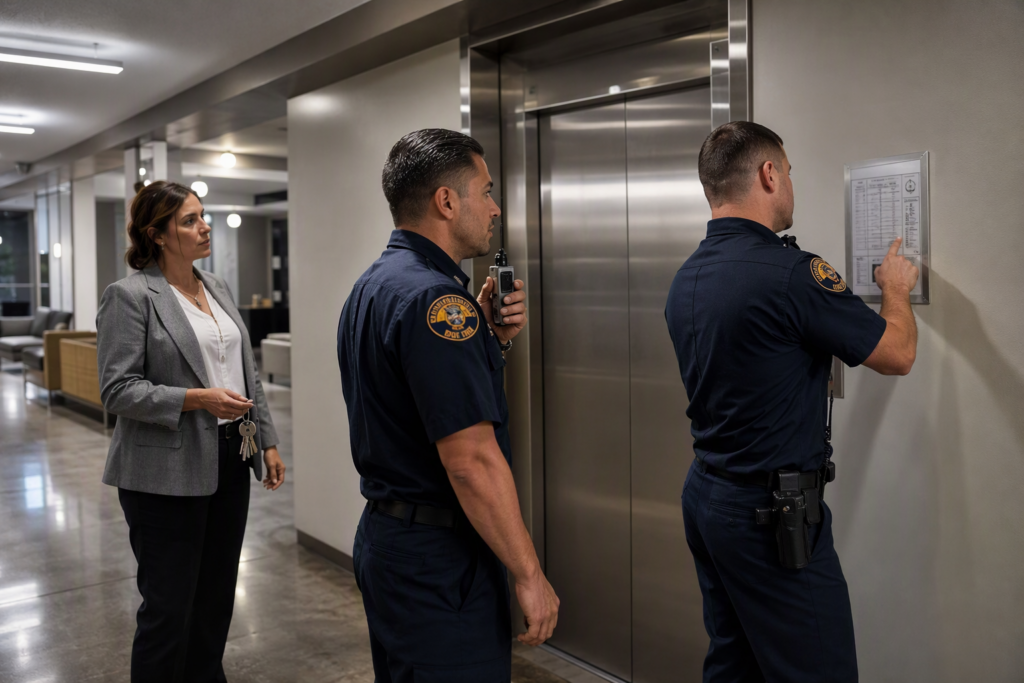
- If passengers are entrapped and distressed, contact 911 — California fire departments are trained in elevator rescue and can respond while the service technician is en route.
- Do not attempt to reset the elevator controller repeatedly. If a thermal shutdown has occurred, repeated reset attempts without addressing the underlying temperature condition will not resolve the issue and may damage the controller.
- Assess the machine room temperature if it is safely accessible. Document conditions for the arriving technician. Do not operate portable fans or improvised cooling in a way that introduces moisture near electrical equipment.
- Document the time, conditions, and any fault codes displayed on the controller. This information accelerates diagnosis and is valuable for future preventive planning.
How Often Should Elevators Be Serviced in Southern California’s Climate?
California’s inspection and maintenance requirements establish minimum intervals, but Southern California’s climate makes the case for maintenance frequency beyond those minimums for many installations. Hydraulic systems, older traction equipment, and any elevator in a building without machine room cooling are candidates for more frequent summer-season check-ins. Liftech Elevator recommends that building owners discuss climate-specific maintenance intervals with their service provider based on the age, type, and condition of their specific equipment rather than defaulting to a one-size-fits-all schedule.
Summary: Key Takeaways for Southern California Building Owners
- Summer heat affects every major elevator subsystem — hydraulic fluid, motors, drives, controls, brakes, and door operators — through thermal stress and component degradation.
- Pre-summer maintenance, machine room cooling assessment, and hydraulic fluid service are the highest-impact preparation steps.
- California’s elevator safety framework, enforced through the Cal/OSHA Elevator Unit and referencing ASME A17.1 and A17.3, establishes ongoing maintenance and compliance obligations that heat-related damage does not suspend.
- ADA accessibility obligations remain in effect during any equipment downtime — extended outages in buildings where the elevator is the only accessible route carry legal exposure.
- Remote monitoring, MRL technology, and hydraulic modernization are the trends most directly relevant to summer resilience in 2025–2026.
- When an elevator shuts down during a heat event, passenger safety is the first priority — contact your service provider and emergency services if passengers are trapped.
Get Your Elevator Ready Before Southern California’s Next Heat Season
Don’t wait for a thermal shutdown to find out your elevator system isn’t prepared for summer. Liftech Elevator provides comprehensive pre-season assessments that evaluate machine room conditions, hydraulic fluid health, motor and drive thermal tolerance, and compliance status — giving building owners the actionable information they need before peak heat arrives.
Contact Liftech Elevator for a free elevator assessment: 562-609-3478
Need elevator service you can rely on? Liftech Elevator is ready to help.