Elevator Service in Signal, CA | Liftech Elevator
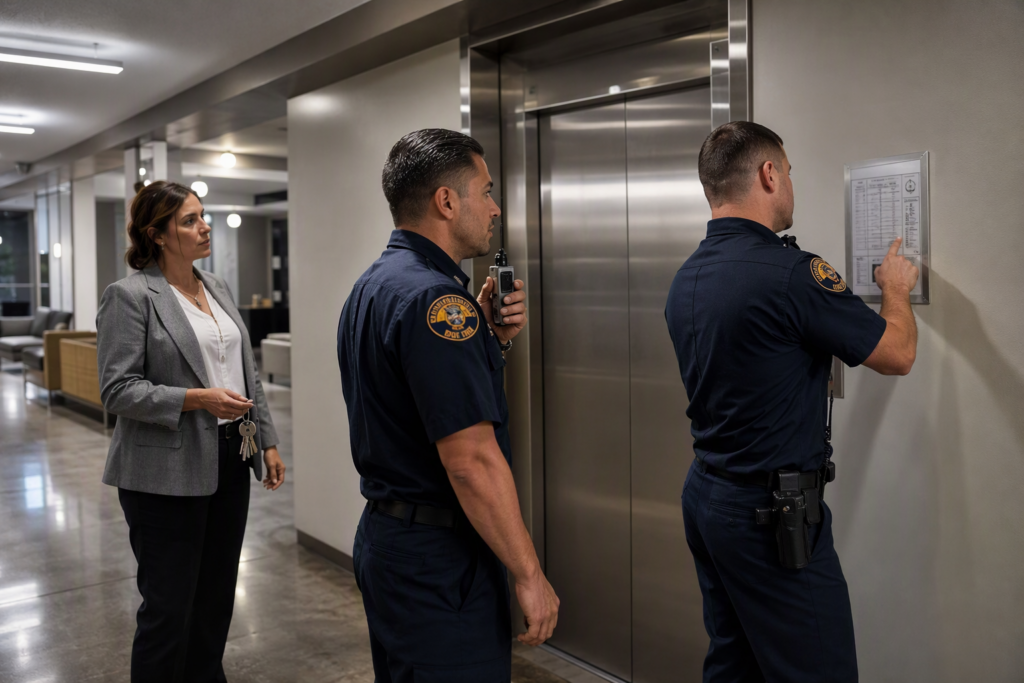
For property owners and facility managers in Signal, CA, elevator modernization is one of the most significant infrastructure investments a building will undergo. Understanding the realistic timeline — and what can derail it — is essential for planning, budgeting, and minimizing disruption to building occupants. Liftech Elevator brings California-specific expertise to every phase of the modernization process, from initial assessment through final AHJ sign-off.
What Is the Typical Timeline for Elevator Modernization in California?
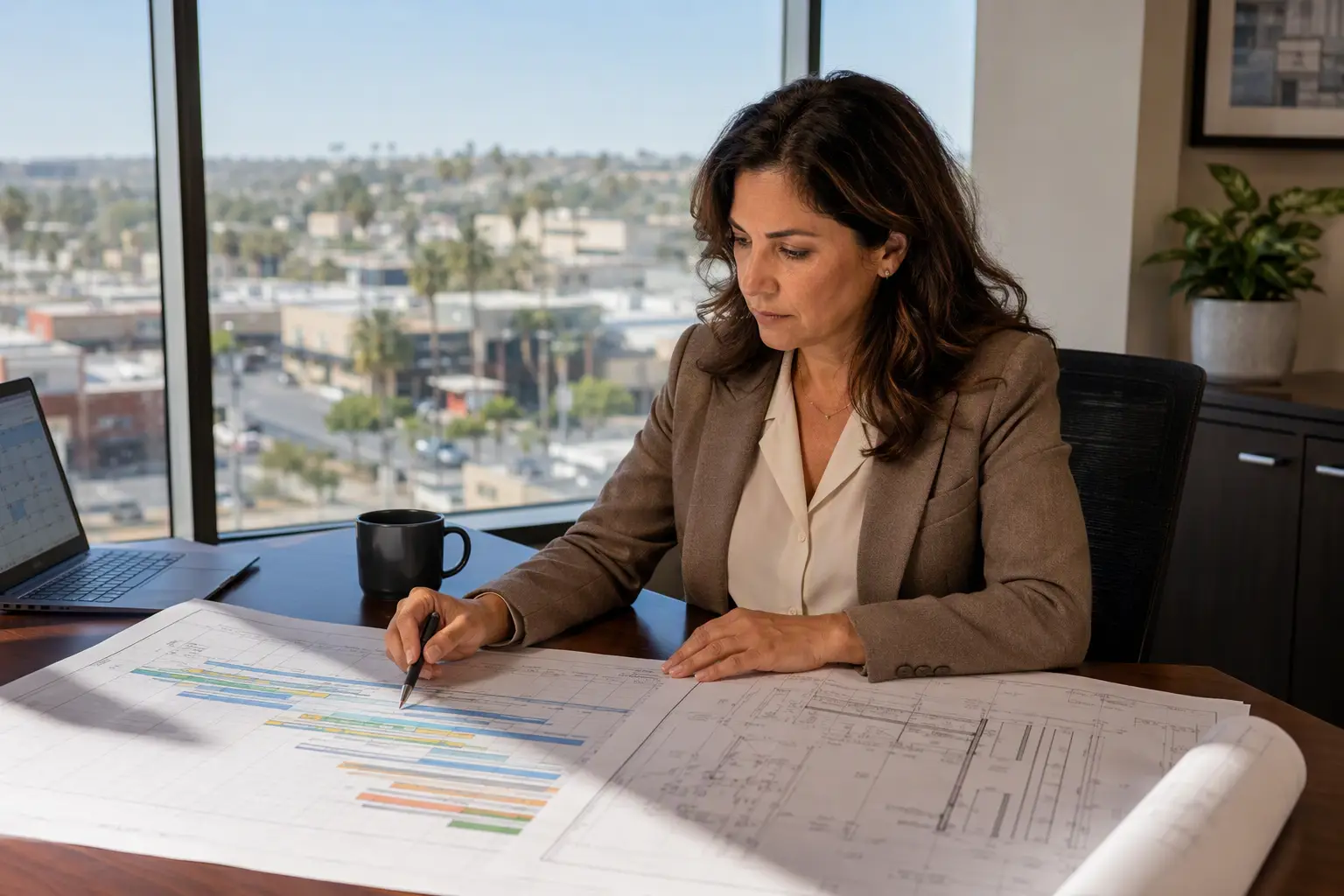
Elevator modernization timelines in California vary based on the scope and complexity of the project, but the process generally moves through several distinct phases:
- Assessment and Scope Development: A qualified elevator contractor evaluates existing equipment, identifies code deficiencies, and defines the modernization scope. This phase can take days to several weeks depending on how thoroughly the existing system is documented.
- Contract Execution: Once the proposal is accepted and a contract is signed, the project formally begins. Lead times for major components are then initiated.
- Permit Application and AHJ Approval: In California, modernization work requires permits issued by the local Authority Having Jurisdiction — often the Division of Occupational Safety and Health (Cal/OSHA Elevator Unit) or a delegated local agency. Permit review timelines vary by jurisdiction and workload.
- Equipment Fabrication and Delivery: Custom or semi-custom elevator components — controllers, drives, door operators, cab interiors — are ordered and manufactured. This is frequently the longest single phase, often spanning several weeks to a few months.
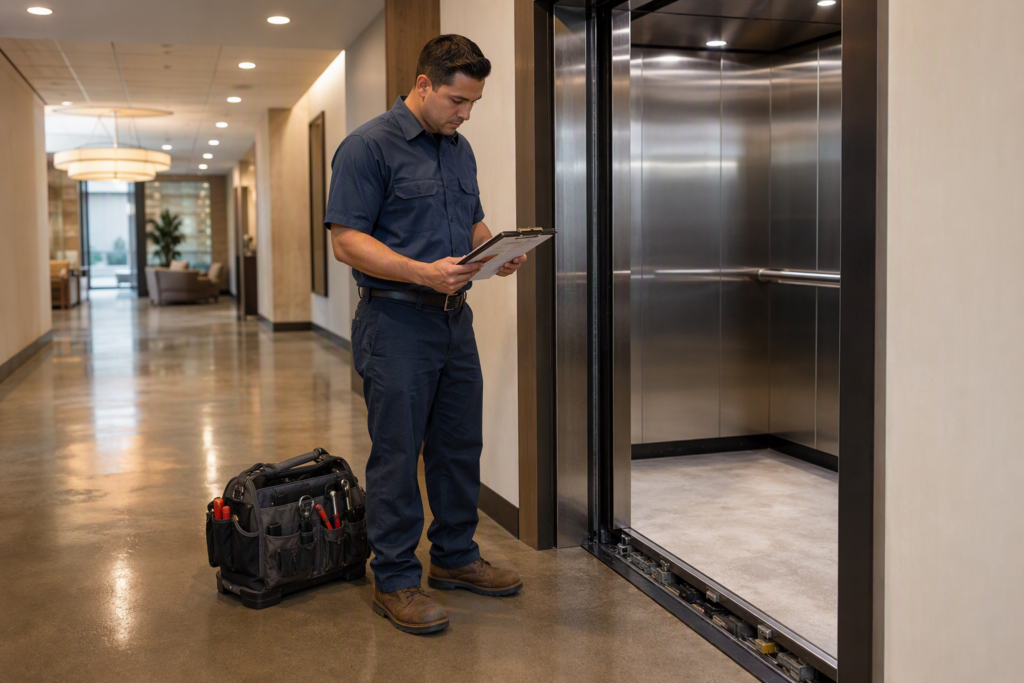
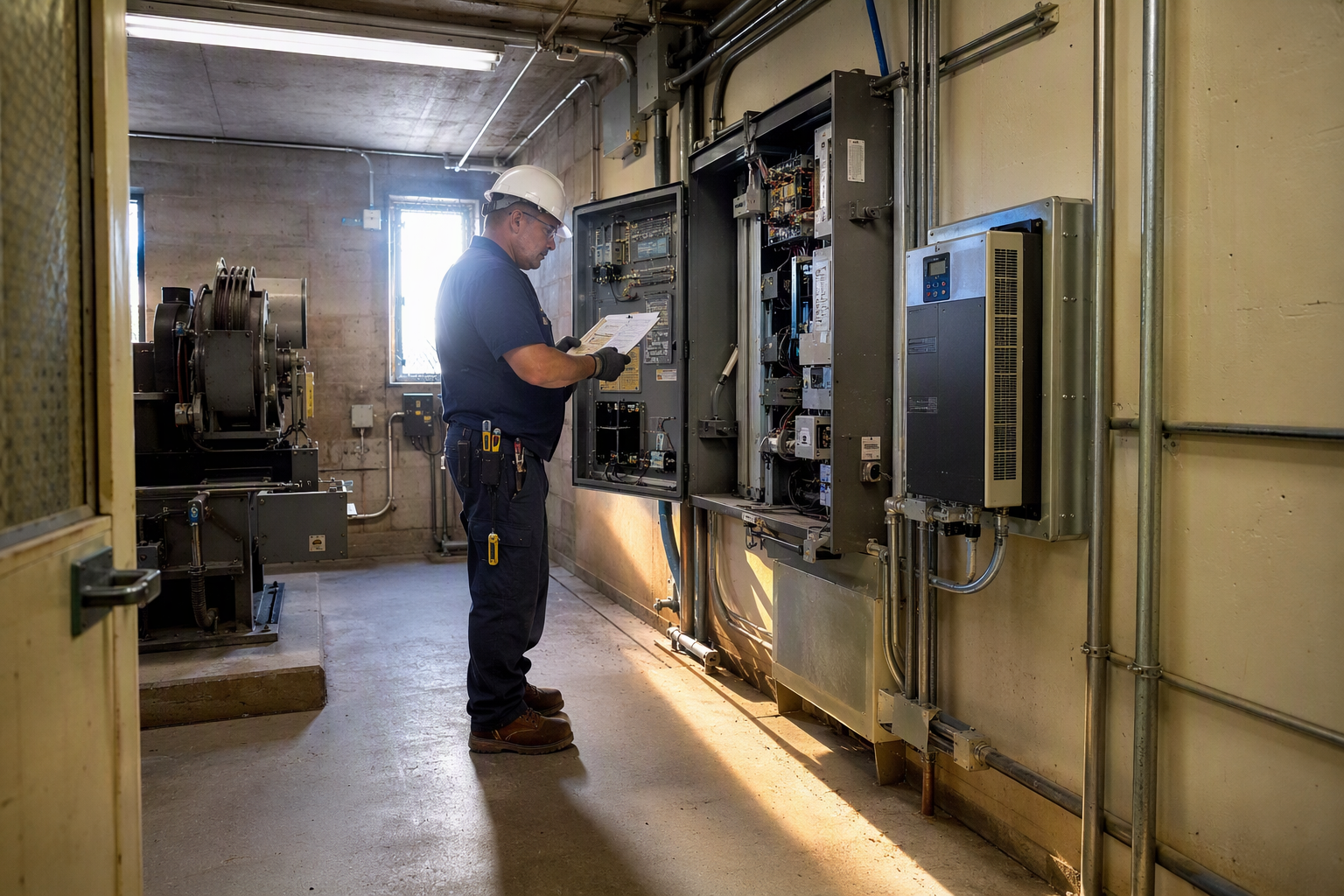
- Field Installation: Technicians perform the physical removal of old equipment and installation of new components. Installation duration depends on the number of stops, the complexity of the modernization, and building access conditions.
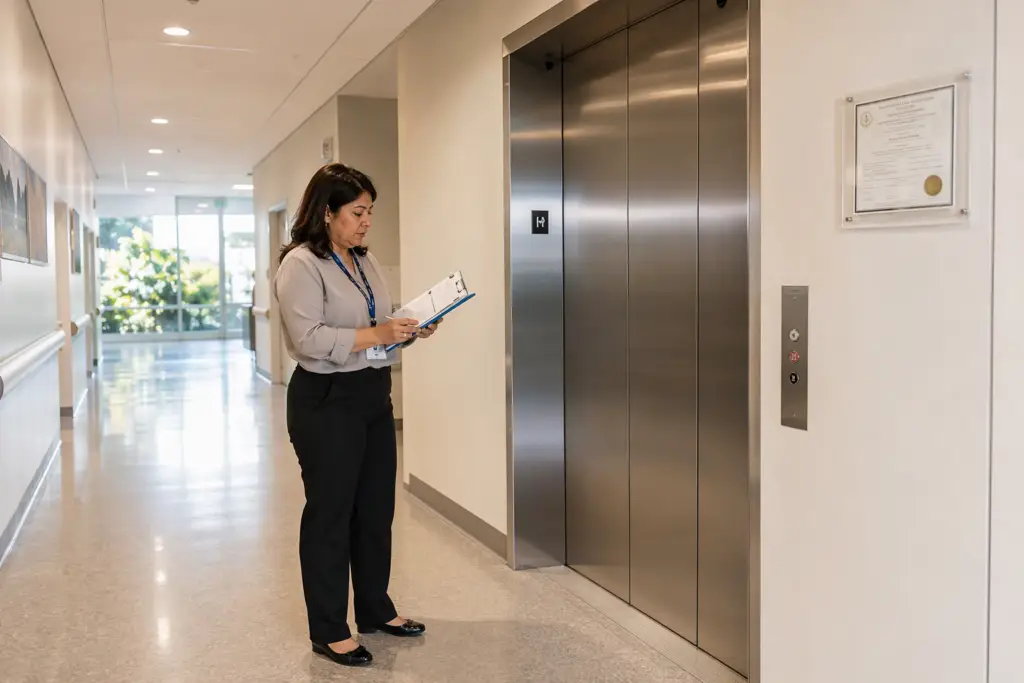
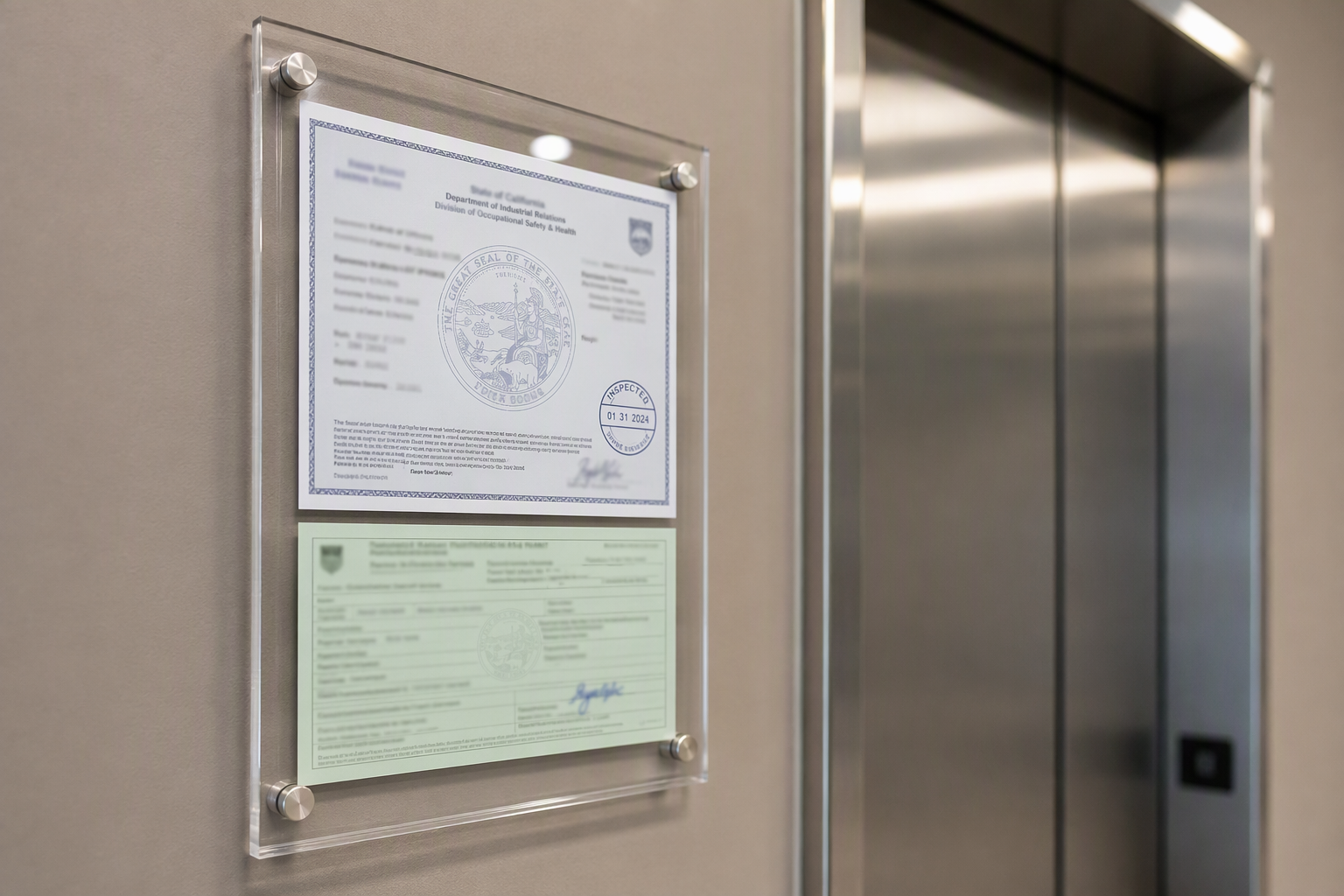
- Testing and Inspection: Upon completion of installation, a state-certified inspector performs a formal acceptance inspection as required under California regulations. The elevator cannot be returned to service until it passes this inspection and a certificate is issued.
- Certificate Issuance and Return to Service: Once the elevator passes inspection, the operating permit is updated and the unit is cleared for use.
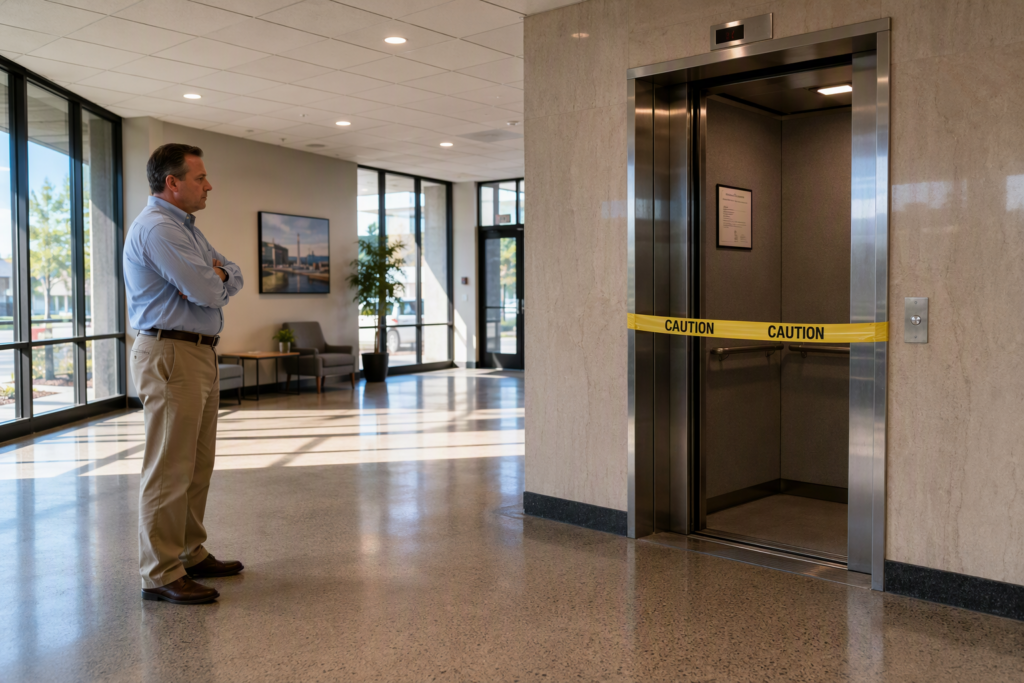
From contract signing to the elevator returning to service, property owners in Signal, CA should plan for a range of several months. Full cab or machine room overhauls with custom components on the longer end; targeted component replacements on the shorter end.
What California Code Requirements Govern Elevator Modernization?
California elevator modernization is governed by a layered regulatory framework. At the federal level, the ASME A17.1 Safety Code for Elevators and Escalators and ASME A17.3, Safety Code for Existing Elevators and Escalators establish baseline safety requirements. ASME A17.3 specifically addresses existing installations and is directly relevant when modernization work triggers retroactive upgrades.
Accessibility requirements under the Americans with Disabilities Act (ADA) must also be evaluated during any modernization, particularly for cab dimensions, control panel heights, and door timing.
At the state level, California’s elevator safety program is administered through the Cal/OSHA Elevator, Ride, and Tramway Unit. Permits, inspections, and operating certificates for elevators in commercial and residential buildings fall under this program. Any modernization that alters the safety system, control system, or structural components typically requires a new permit and a formal acceptance inspection before the unit returns to service.
Signal, CA property owners should confirm with the local AHJ which edition of ASME A17.1 and A17.3 has been formally adopted, as California may reference specific code editions in its regulatory framework.
What Are the Most Common Causes of Elevator Modernization Delays?
Several factors routinely extend modernization timelines beyond initial projections:
- Equipment Lead Times: Global supply chain conditions affect delivery of controllers, drives, and cab components. Custom finishes and non-standard dimensions extend lead times further.
- Permit Processing Delays: AHJ review queues, incomplete submittals, or requests for additional engineering documentation can add weeks to the permit phase.
- Unforeseen Field Conditions: Once old equipment is removed, technicians may discover deteriorated hoistway wiring, structural issues, or asbestos-containing materials that require remediation before installation can proceed.
- Change Orders: Scope additions — such as upgrading cab lighting, adding a new destination dispatch system, or addressing newly identified code deficiencies — reset portions of the schedule.
- Building Access Restrictions: Hospitals, hotels, senior living facilities, and multi-tenant commercial buildings often impose restricted working hours, which extends installation duration.
- Inspector Availability: Scheduling the final acceptance inspection depends on the availability of a California-certified elevator inspector. Busy periods can add wait time after installation is complete.
- Incomplete Documentation: Missing as-built drawings, prior inspection records, or legacy equipment specifications can delay both permitting and installation planning.
How Does the Permitting Process Work for Elevator Modernization in Signal, CA?
Before any modernization work begins in Signal, CA, the elevator contractor submits permit applications and engineering drawings to the applicable AHJ. For most commercial and multi-family residential elevators in California, this involves the Cal/OSHA Elevator Unit or a city or county agency with delegated authority.
The permit application typically includes a description of work, equipment specifications, wiring diagrams, and in some cases stamped engineering documents. The AHJ reviews these for code compliance before issuing the permit. Once the permit is issued, work may begin. After installation is complete, the contractor requests a final inspection. The elevator may not be placed back in service until a California-certified inspector has tested the unit and the operating permit reflects the current installation.
Liftech Elevator manages this permitting coordination on behalf of Signal, CA property owners, helping to avoid the common delays caused by incomplete submittals or miscommunication with the AHJ.
What Scope of Work Typically Triggers a Full Modernization vs. a Targeted Repair?
Not every elevator project requires a full modernization. The decision between a targeted component repair and a comprehensive modernization is driven by the age and condition of existing equipment, the extent of code deficiencies identified during inspection, and the long-term operational goals of the property.
A full modernization typically involves replacing the control system, machine or drive, door operators, and cab interior. Targeted repairs may address a single failing component. However, California code and ASME A17.3 provisions mean that certain component replacements — particularly to the control system or safety circuit — can trigger broader compliance upgrades to the existing installation. An experienced contractor will identify these trigger points during the initial assessment to prevent mid-project surprises.
How Can Signal, CA Property Owners Minimize Elevator Downtime During Modernization?
Minimizing occupant impact requires proactive planning. Steps that help include:
- Scheduling modernization during lower-occupancy periods, such as building renovation cycles or seasonal low-traffic windows.
- For multi-elevator buildings, staggering modernization so at least one unit remains in service at all times.
- Communicating timelines clearly to tenants and building users well in advance.
- Ensuring all equipment is ordered before the installation window opens, so the unit is not sitting idle waiting on parts.
- Having all permit applications submitted and approved before the scheduled installation start date.
- Confirming inspector availability in advance to avoid delays at the final acceptance stage.
What Is Liftech Elevator’s Role in Elevator Modernization Projects Across California?
Liftech Elevator serves commercial, residential, and industrial properties throughout California, including Signal, CA and the surrounding region. The Liftech team coordinates every phase of the modernization process — assessment, permitting, equipment procurement, installation, and final inspection — to keep projects on schedule and in full compliance with California and federal elevator codes.
Liftech’s local knowledge of California AHJ requirements, inspection protocols, and regional supply chain conditions positions property owners to avoid the delays and compliance gaps that derail projects managed by less experienced providers. Emergency service needs that arise outside of scheduled modernization work are also addressed by Liftech’s service operations, providing property owners a single point of contact for ongoing elevator needs.
Are There ADA Compliance Considerations Specific to Elevator Modernization?
Yes. Modernization projects provide an opportunity — and in many cases a legal obligation — to address ADA accessibility requirements. These include cab dimensions, door clear opening widths, control panel button heights and Braille designations, floor indicators, and door timing. California also enforces its own accessibility standards under the California Building Code, which in many respects meets or exceeds federal ADA minimums.
Addressing ADA deficiencies during a planned modernization is far more cost-effective than performing a separate accessibility retrofit after the fact. Liftech evaluates ADA compliance as part of every modernization assessment for Signal, CA clients.
What Should Property Owners Ask a Contractor Before Signing an Elevator Modernization Contract?
Before committing to a modernization contract, Signal, CA property owners should ask:
- What is the estimated lead time for all major components once the contract is signed?
- Who is responsible for permit application and AHJ coordination?
- What code deficiencies have been identified, and which will be addressed by this scope of work?
- What conditions could result in a change order or schedule extension?
- How will communication be handled throughout the project?
- What warranty is provided on new equipment and installation labor?
- How is the final inspection scheduled, and what is the expected turnaround?
A contractor who answers these questions clearly and in writing before contract execution is demonstrating the transparency that protects the property owner throughout a complex project.
Schedule a Free Consultation with Liftech Elevator in Signal, CA
Whether a modernization project is in early planning or already overdue, Liftech Elevator provides Signal, CA property owners with a clear, code-compliant path from contract to completion. Contact the team today to discuss your elevator’s condition, timeline, and options.
Schedule a Free Consultation: 562-609-3478
Need elevator service you can rely on? Liftech Elevator is ready to help.