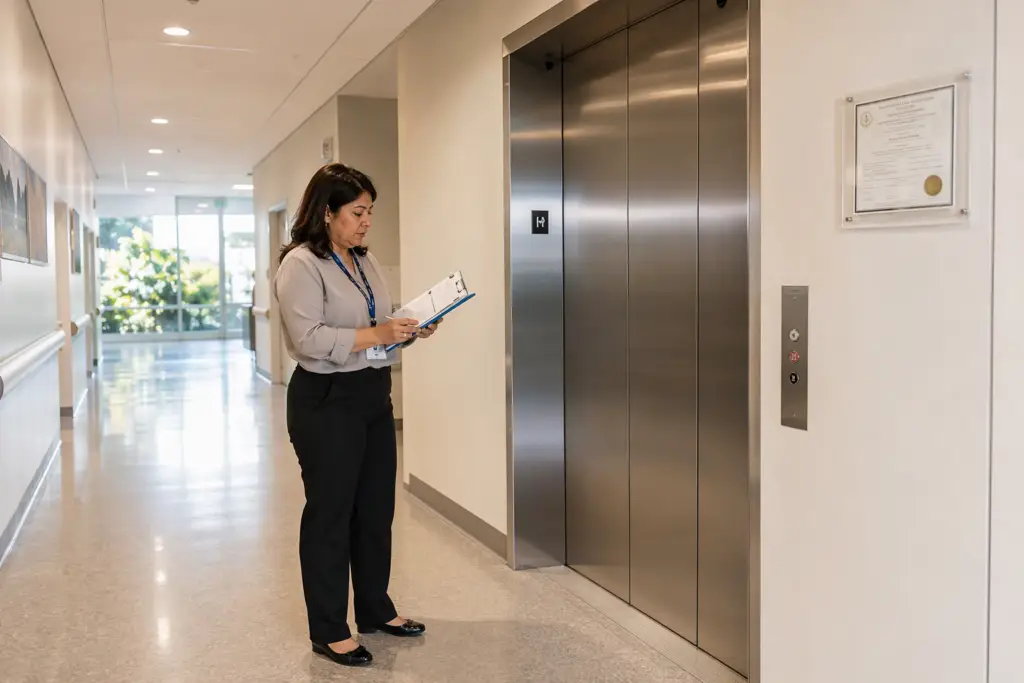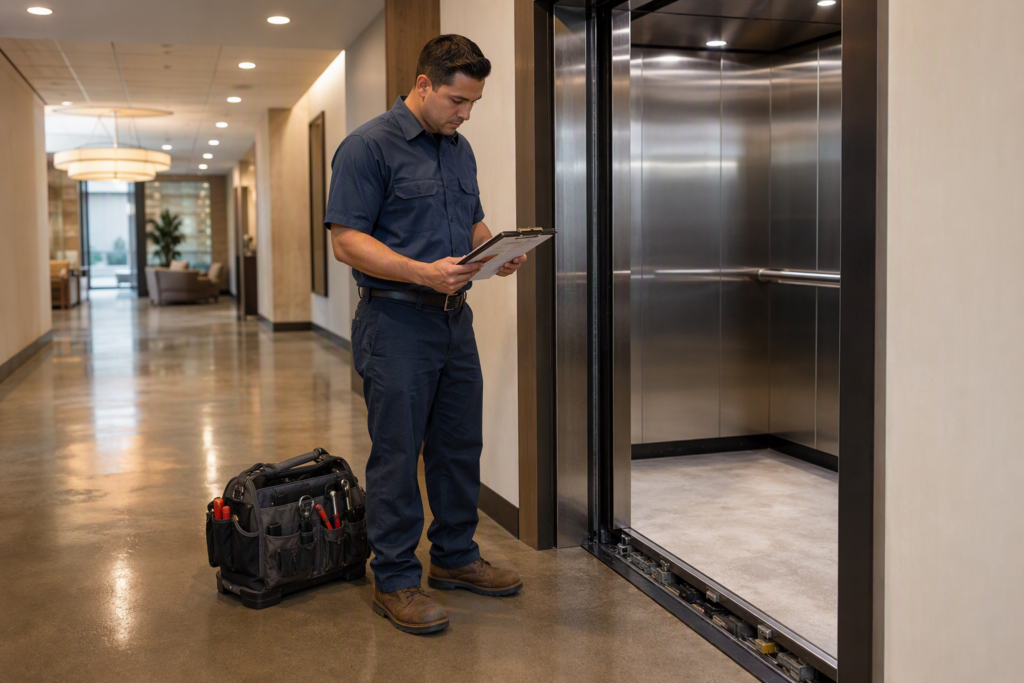
Who Should I Contact for Emergency Elevator Repair in Long Beach?

When an elevator fails mid-operation — whether it traps passengers, loses power, or develops a dangerous mechanical fault — building owners and property managers need to know exactly who to call and what to expect. This comprehensive FAQ guide covers every dimension of emergency elevator repair in Long Beach, CA, from regulatory obligations and safety protocols to vendor selection criteria and compliance requirements under state and federal codes.
Who Should I Contact First When an Elevator Breaks Down in Long Beach?
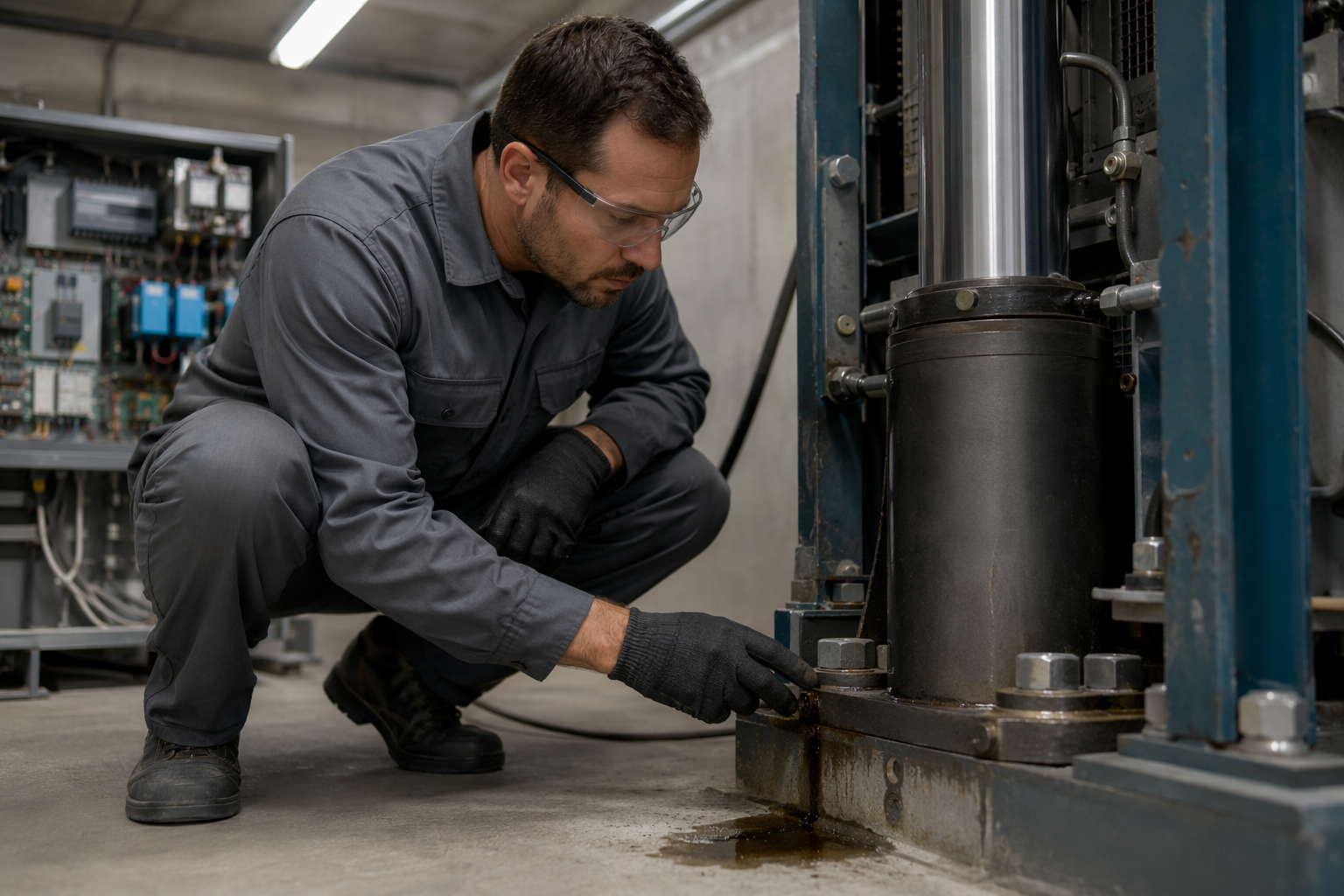
Contact a licensed elevator service contractor operating in Long Beach, CA, such as Liftech Elevator, and alert building management immediately so emergency protocols can be activated in parallel.
The first priority in any elevator emergency is passenger safety. If individuals are trapped inside the cab, building staff should communicate calmly through the intercom or door and call 911 if the situation poses immediate risk to health or safety. Simultaneously, a certified elevator service company should be contacted to assess and resolve the mechanical failure.
Property managers should maintain an emergency contact list that includes their elevator service contractor’s number posted visibly in the machine room and at the building management office. In Long Beach, elevators fall under the jurisdiction of the California Department of Industrial Relations, Division of Occupational Safety and Health (Cal/OSHA), which requires that all elevators be maintained in a safe operational condition at all times.
What Qualifies as an Elevator Emergency Requiring Immediate Repair?
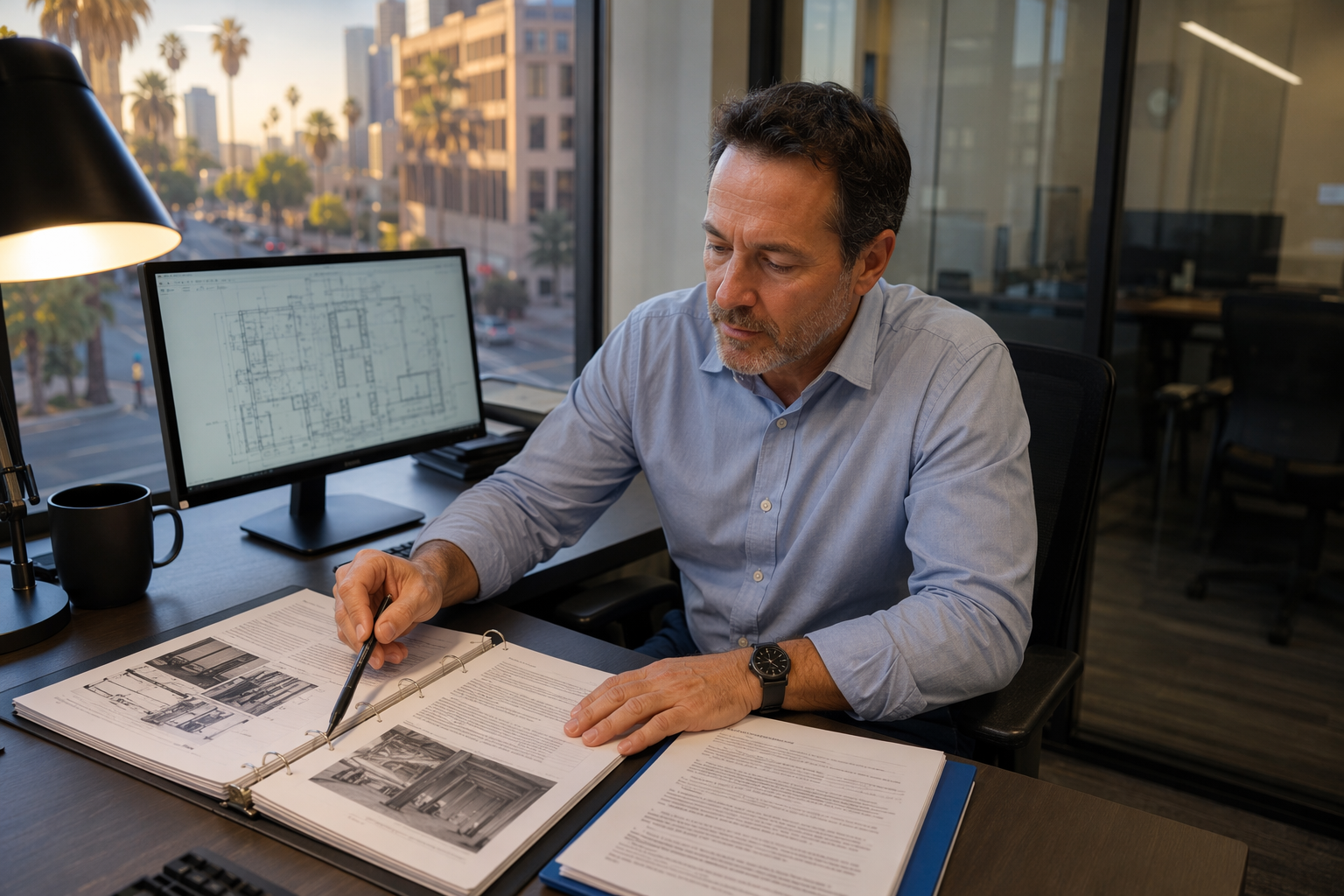
An elevator emergency includes any condition that endangers passenger safety, traps occupants, or creates a code-violating mechanical failure requiring the unit to be taken out of service.
Common emergency conditions include:
- Passengers trapped between floors or inside a stalled cab
- Door malfunction that prevents safe entry or exit
- Leveling failure causing a dangerous gap between cab floor and landing
- Unusual noise, vibration, or smoke from the machine room or shaft
- Complete loss of power to the elevator with passengers aboard
- Safety device activation (governor, buffer, or safeties triggered)
- Hydraulic fluid leaks in hydraulic elevator systems
- Control system failures causing erratic or uncontrolled movement
Non-emergency issues — such as a slow door, minor cosmetic damage, or a burned-out cab light — can typically be scheduled as routine service calls rather than treated as emergencies. However, when in doubt, erring on the side of caution and contacting a service provider protects both building occupants and the property owner from liability.
Is Building Management Legally Required to Act on Elevator Emergencies?
Yes. California law requires building owners and property managers to ensure elevators are maintained in a safe, code-compliant condition, and failure to respond to a known emergency can create significant legal and regulatory liability.
Under California Labor Code provisions administered by Cal/OSHA, elevators used to transport persons must meet the safety requirements of the ASME A17.1 Safety Code for Elevators and Escalators, which is the governing technical standard adopted by the state. When an elevator develops a hazardous condition, building operators are required to take the unit out of service and barricade access until repairs are completed and the unit passes re-inspection.
Continuing to allow passenger use of a known-defective elevator not only violates state regulations but exposes property owners to tort liability for any resulting injury. Facilities subject to the Americans with Disabilities Act (ADA) have an additional obligation to ensure accessible routes remain available, meaning a prolonged elevator outage in a multi-story building may also trigger ADA compliance concerns for individuals who cannot use stairs.
What Should I Do Immediately When an Elevator Traps Passengers?
Follow this step-by-step protocol to ensure passenger safety and regulatory compliance while professional repair is arranged.
- Activate the elevator intercom or communication system and speak calmly to the trapped occupants. Inform them that help is on the way and instruct them not to attempt to force open the doors or climb out of the cab.
- Call 911 if any passenger reports a medical emergency, is elderly or has a disability with urgent needs, or if the entrapment extends beyond a reasonable waiting period.
- Contact your elevator service contractor — such as Liftech Elevator at 562-609-3478 — and describe the elevator model, location, and observable symptoms.
- Notify building management and security so the elevator lobby can be monitored and alternative access routes can be directed to other occupants.
- Barricade the elevator landing doors on all floors to prevent anyone else from attempting to use the unit while it is out of service.
- Document the incident including the time of failure, number of passengers, and all communications, as this record may be required by Cal/OSHA or your insurance carrier.
- Do not attempt to manually open shaft doors or intervene mechanically unless you are a certified elevator mechanic — unauthorized intervention can cause serious injury.
- After professional repair, ensure the unit is re-inspected as required before returning it to service, and file any required incident reports with Cal/OSHA if applicable.
How Do I Choose the Right Emergency Elevator Repair Company in Long Beach?
Select a contractor that holds a valid California elevator contractor license, employs certified mechanics, operates locally in Long Beach or nearby service areas, and has demonstrated experience with the type of elevator installed in your building.
California requires elevator contractors to be licensed through the California Department of Industrial Relations. Mechanics must hold a Certified Competent Conveyance Mechanic (CCCM) credential issued by the state. When vetting a service provider, property managers should request proof of licensure, verify coverage of Long Beach within the contractor’s service territory, and confirm familiarity with their specific elevator brand and drive type.
Liftech Elevator is a certified elevator service company that serves Long Beach, Signal Hill, Los Angeles, and Orange County, with technical expertise across a range of commercial and residential elevator systems. When evaluating any contractor, ask specifically about their experience with your elevator’s make, model, and drive system — traction, hydraulic, or machine-room-less (MRL) — as technical requirements differ significantly between platforms.
What Information Should I Have Ready Before Calling for Emergency Elevator Repair?
Providing accurate elevator data when calling for emergency service significantly reduces diagnostic time and allows the arriving technician to bring appropriate parts and tools.
Before calling, gather the following if accessible:
- Elevator manufacturer and model number (found on the data plate in the machine room or cab)
- Drive type: hydraulic, traction (geared or gearless), or MRL
- Number of floors served and current reported cab position
- Nature of the fault: power loss, door issue, leveling failure, error code displayed
- Whether passengers are currently trapped
- Date and permit number from the current inspection certificate (posted inside the cab)
- Building address and best access point for technician arrival
Does an Emergency Elevator Repair Require a Re-Inspection Before the Elevator Returns to Service?
In California, certain types of elevator repairs and alterations require a permit and follow-up inspection by a qualified elevator inspector before the unit may be returned to passenger service.
The California Elevator Safety Orders, which incorporate the ASME A17.1 Safety Code for Elevators and Escalators, define which repairs constitute alterations requiring permit and inspection versus routine maintenance that can be completed without formal re-inspection. Safety-critical repairs — such as replacement of the governor, buffers, car safeties, hydraulic cylinders, or control systems — typically require inspection before the elevator is returned to service. Routine component replacements may not. A licensed elevator contractor will advise the building owner on the applicable requirement for each specific repair.
How Do Emergency Elevator Repairs Differ From Routine Maintenance?
Emergency repairs address sudden failures that render the elevator unsafe or inoperable, while routine maintenance is scheduled preventive work designed to catch and correct wear before failure occurs.
The distinction matters for both regulatory compliance and cost management. Routine maintenance performed under a full-service maintenance agreement keeps components within operational tolerances and often prevents the most common causes of emergency failures — worn door contacts, degraded hydraulic fluid, and aging control components being among the most frequent culprits. Buildings with consistent preventive maintenance histories statistically experience fewer unplanned outages and may benefit from reduced repair costs over the equipment lifecycle.
| Factor | Emergency Repair | Routine Maintenance |
|---|---|---|
| Trigger | Sudden failure or safety hazard | Scheduled preventive service |
| Scheduling | Unplanned, immediate | Planned, periodic |
| Regulatory Trigger | May require Cal/OSHA notification and re-inspection | Recorded in maintenance log; no immediate regulatory action |
| Typical Scope | Component replacement, system reset, safety device inspection | Lubrication, adjustment, cleaning, minor part replacement |
| Permit Required? | Depends on repair type and ASME A17.1 classification | Generally no, for standard maintenance tasks |
| Cost Structure | Variable; parts, labor, and potential overtime | Predictable; typically covered under service agreement |
| Impact on Uptime | Unplanned downtime, occupant disruption | Planned downtime, minimal disruption |
Are There OSHA Requirements That Apply to Elevator Emergencies?
Yes. OSHA standards apply to elevator safety in workplace environments, and employers have a general duty to protect workers from recognized hazards, including malfunctioning elevators in commercial buildings.
While elevator-specific inspection and permitting in California falls primarily under Cal/OSHA through the Elevator Safety Orders, federal OSHA’s General Duty Clause (Section 5(a)(1) of the Occupational Safety and Health Act) requires employers to provide a workplace free from recognized hazards likely to cause death or serious harm. In commercial and industrial buildings where elevators are used by employees, a known unrepaired elevator defect could be cited under this provision. Building owners and facility managers should treat elevator failures in employee-accessible areas as a compliance priority, not merely a tenant convenience issue.
What Types of Elevators Are Common in Long Beach Buildings?
Long Beach’s commercial, residential, and mixed-use building stock includes hydraulic elevators, traction elevators (both geared and gearless), and a growing number of machine-room-less (MRL) traction systems.
Understanding the drive type in your building matters when selecting an emergency repair contractor, because each system has distinct mechanical, electrical, and hydraulic characteristics:
- Hydraulic elevators are common in low-rise buildings (typically up to five or six stories) and use a pump unit and fluid-driven piston. Emergency scenarios may involve fluid leaks, pump failure, or valve malfunction.
- Geared traction elevators are found in mid-rise commercial buildings and use a geared machine with steel hoist ropes. Common emergency causes include brake wear, gear failure, or rope slip.
- Gearless traction elevators serve high-rise buildings and offer high-speed, smooth operation. Failures often involve motor or drive system issues.
- MRL traction elevators house the drive machine within the hoistway, eliminating the need for a separate machine room. Emergency access and diagnostic procedures differ from traditional configurations.
Liftech Elevator provides service across all common elevator types serving the Long Beach and greater Los Angeles market.
What ADA Obligations Apply When an Elevator Is Out of Service?
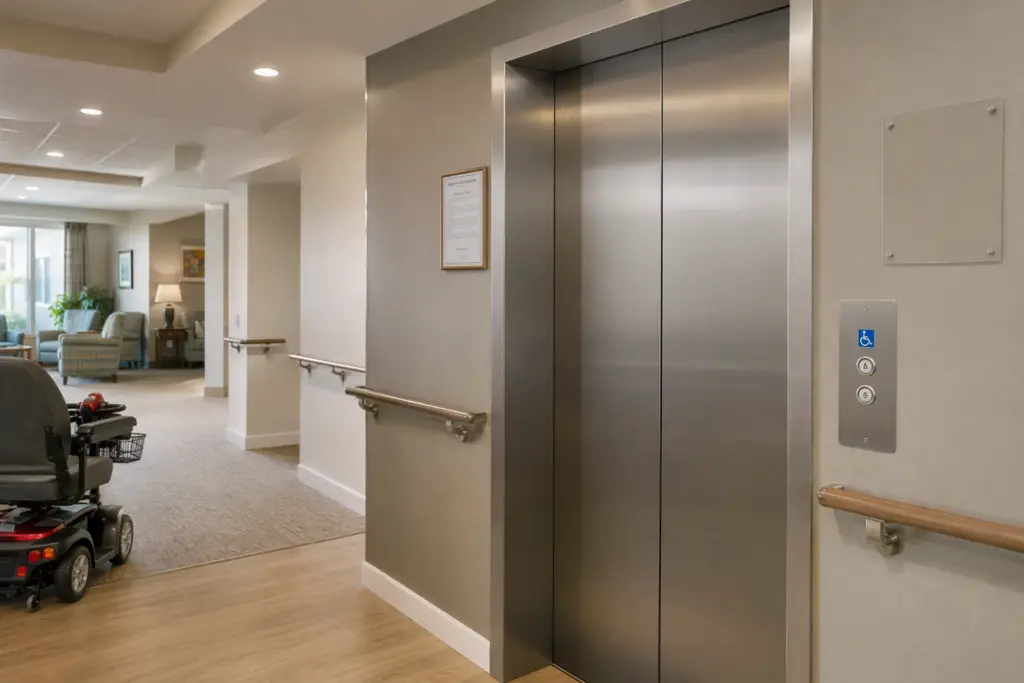
Under the Americans with Disabilities Act (ADA), facilities must ensure that accessible routes remain available to individuals with disabilities, and a prolonged elevator outage in a multi-story building may constitute a barrier to access requiring prompt remediation.
The ADA requires that when elevators are out of service, building operators take reasonable steps to restore access. For buildings where the elevator is the only accessible route to upper floors, this means emergency repair becomes a civil rights compliance matter, not just a maintenance issue. Title III of the ADA applies to places of public accommodation, while Title II applies to state and local government facilities — both of which are represented in Long Beach’s diverse commercial and civic building portfolio. Property managers should document outage duration and corrective actions taken to demonstrate good-faith compliance efforts.
What Is the Role of the California Division of Occupational Safety and Health in Elevator Emergencies?
Cal/OSHA’s Elevator Unit has jurisdiction over elevator safety in California and must be notified of accidents or serious incidents involving elevators, after which an investigation and potential re-inspection may be required before the elevator is returned to service.
California’s Elevator Safety Orders, enforced by Cal/OSHA, require that elevators maintain compliance with the adopted edition of the ASME A17.1 Safety Code for Elevators and Escalators. In the event of a passenger injury or a mechanical failure that results in an injury, building owners must report the incident to Cal/OSHA. The agency may dispatch an elevator inspector to conduct an investigation, and the elevator may be required to remain out of service until the inspector authorizes return to operation. Working with a licensed elevator contractor who understands these regulatory workflows is essential for navigating the post-incident process efficiently.
How Can a Maintenance Agreement Reduce Elevator Emergencies?
A comprehensive elevator maintenance agreement provides regular, scheduled inspections and adjustments that identify and correct developing faults before they cause unplanned outages or safety failures.
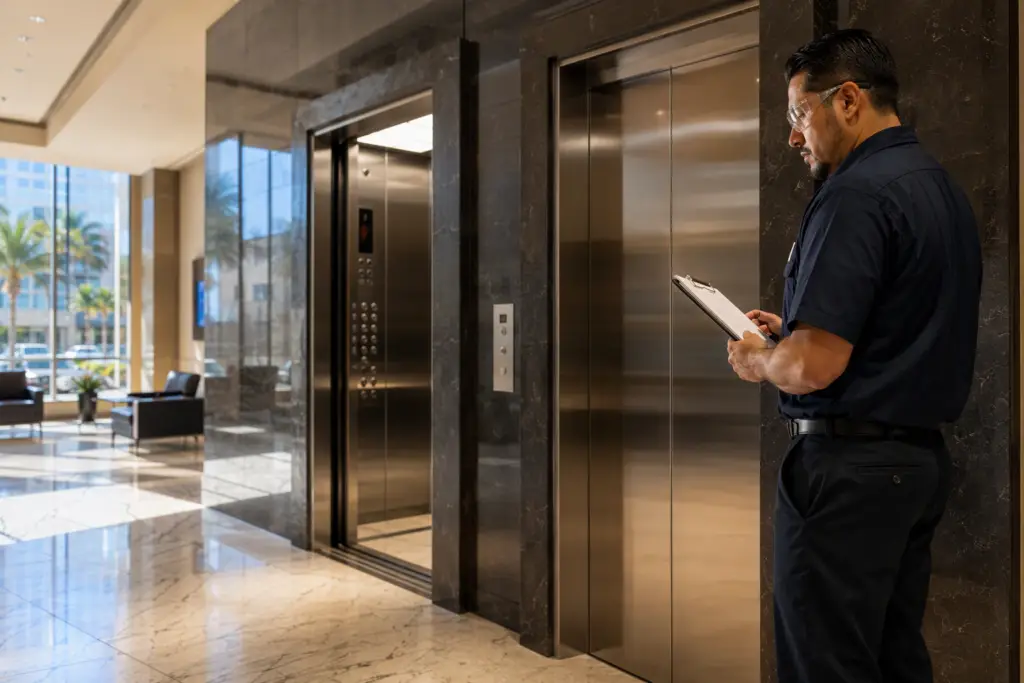
Preventive maintenance under a full-service agreement typically includes lubrication of mechanical components, adjustment of door operators and contacts, testing of safety devices, inspection of hoist ropes or hydraulic systems, and review of control system diagnostics. These activities address the most common precursors to emergency failures. Buildings enrolled in maintenance programs also maintain a documented service record, which supports regulatory compliance and can be valuable in the event of a Cal/OSHA audit or insurance review.
What Should Property Managers in Signal Hill and the Greater Long Beach Area Know About Local Elevator Regulations?
Properties in Signal Hill, Long Beach, and surrounding Los Angeles and Orange County communities are subject to California statewide elevator regulations administered by Cal/OSHA, with no separate municipal elevator inspection authority superseding state jurisdiction in most cases.
Unlike some states where elevator regulation is managed at the city or county level, California has a unified statewide elevator safety program. This means the permitting, inspection, and enforcement framework is consistent across Long Beach, Signal Hill, Los Angeles, and Orange County — simplifying compliance for multi-property portfolios. The current California Elevator Safety Orders reference the ASME A17.1 Safety Code for Elevators and Escalators as the baseline technical standard, with California-specific amendments where applicable. As of 2026, property managers should confirm with their elevator contractor that their equipment meets the currently adopted edition requirements.
How Long Does an Emergency Elevator Repair Typically Take?
The duration of an emergency elevator repair depends on the nature of the fault, parts availability, and whether regulatory re-inspection is required — simple resets may take under an hour, while major component replacements can require days or longer.
Minor faults such as a tripped circuit breaker, a door contact misalignment, or a control board reset may be resolved within a single service visit of modest duration. More complex repairs — hydraulic cylinder replacement, traction machine overhaul, or control system upgrade — require procurement of components, which may extend the timeline. Building owners should communicate transparently with tenants about expected downtime and, where applicable, arrange alternative access routes. Working with a local contractor like Liftech Elevator, familiar with the Long Beach and Southern California market, can help streamline parts sourcing and reduce overall repair duration.
Can Elevator Entrapments Be Prevented With Regular Inspections?
Regular inspections and proactive maintenance significantly reduce the risk of entrapments by identifying and correcting door, leveling, and control system deficiencies before they cause a mid-operation failure.
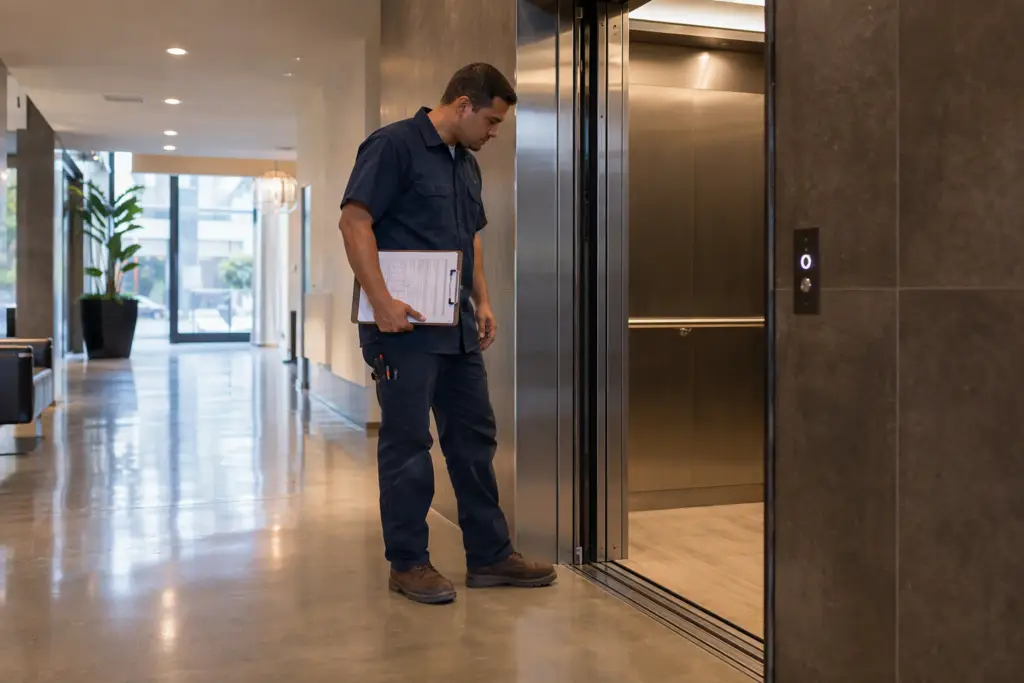
The majority of passenger entrapments are caused by door system failures — worn rollers, misadjusted contacts, or failing door operators — and leveling issues that cause the cab to stop out of alignment with the floor. These are precisely the components addressed during routine maintenance. California regulations require periodic inspection of elevators by qualified inspectors, and the ASME A17.1 Safety Code for Elevators and Escalators establishes the technical benchmarks for safe door, leveling, and control system performance. Buildings that defer maintenance or allow inspection intervals to lapse are at greater risk of the conditions that lead to entrapments.
What Questions Should I Ask a Potential Emergency Elevator Repair Contractor?
Vetting a contractor before an emergency occurs ensures that when a failure happens, the building management team has a trusted, capable service provider already identified and ready to respond.
Recommended questions include:
- Is your company licensed as an elevator contractor in California, and do your mechanics hold current CCCM credentials?
- Do you have direct experience servicing the specific brand and drive type of elevator installed in our building?
- What is your service territory, and do you directly serve Long Beach and Signal Hill?
- Do you handle the permit and re-inspection coordination with Cal/OSHA following repairs that require it?
- Can you provide references from comparable commercial or residential properties in the Long Beach area?
- What maintenance agreement options do you offer, and what does each tier include?
- Do you stock commonly needed repair parts for our elevator model?
Are Older Elevators in Long Beach at Higher Risk for Emergencies?
Older elevator systems are generally at greater risk for unplanned failures due to component wear, obsolete control systems, and increasing difficulty sourcing original replacement parts — making proactive assessment and modernization planning important for aging equipment.
Long Beach and the greater Los Angeles area have substantial building stock with elevators that have been in service for several decades. As systems age, relay-based or early solid-state controls become difficult to maintain, hydraulic seals degrade, and mechanical components accumulate wear that routine adjustment can no longer fully compensate. The ASME A17.1 Safety Code for Elevators and Escalators includes provisions for existing installations, and Cal/OSHA may require that older elevators be brought into compliance with updated safety requirements during major repairs or alterations. A qualified elevator contractor can assess aging equipment and recommend whether targeted component repair, partial modernization, or full modernization is the most appropriate path forward.
How Does Elevator Emergency Repair Affect Building Insurance and Liability?
A documented history of prompt emergency response, proper maintenance, and regulatory compliance substantially supports a building owner’s position in liability claims and insurance underwriting evaluations related to elevator incidents.
Insurance carriers underwriting commercial property and general liability policies for buildings with elevators typically review maintenance records as part of their assessment. Buildings with gaps in maintenance documentation, overdue inspection certificates, or a history of unresolved deficiencies face greater scrutiny and potential coverage implications. When an emergency repair is performed, retaining the contractor’s written service report — including the nature of the fault, components repaired or replaced, and the date of service — creates the documentation that protects the building owner in the event of a subsequent claim. Property managers should retain these records for the duration of ownership and beyond.
What Are the Signs That My Long Beach Building’s Elevator Needs Emergency Attention Right Now?
Certain observable conditions indicate an elevator requires immediate professional assessment and should not continue operating until a licensed mechanic has evaluated the system.
Take an elevator out of service and contact a qualified contractor immediately if any of the following are observed:
- The cab stops more than one inch above or below the floor landing (leveling failure)
- Doors reopen unexpectedly, close on passengers, or fail to fully close
- The elevator moves with doors open or partially open
- Passengers report the cab jerking, lurching, or moving unexpectedly
- Unusual sounds — grinding, banging, or squealing — emanate from the machine room or hoistway
- Burning smell or visible smoke near the elevator equipment
- The elevator fails to respond to landing calls or car operating panel inputs
- The inspection certificate in the cab is expired
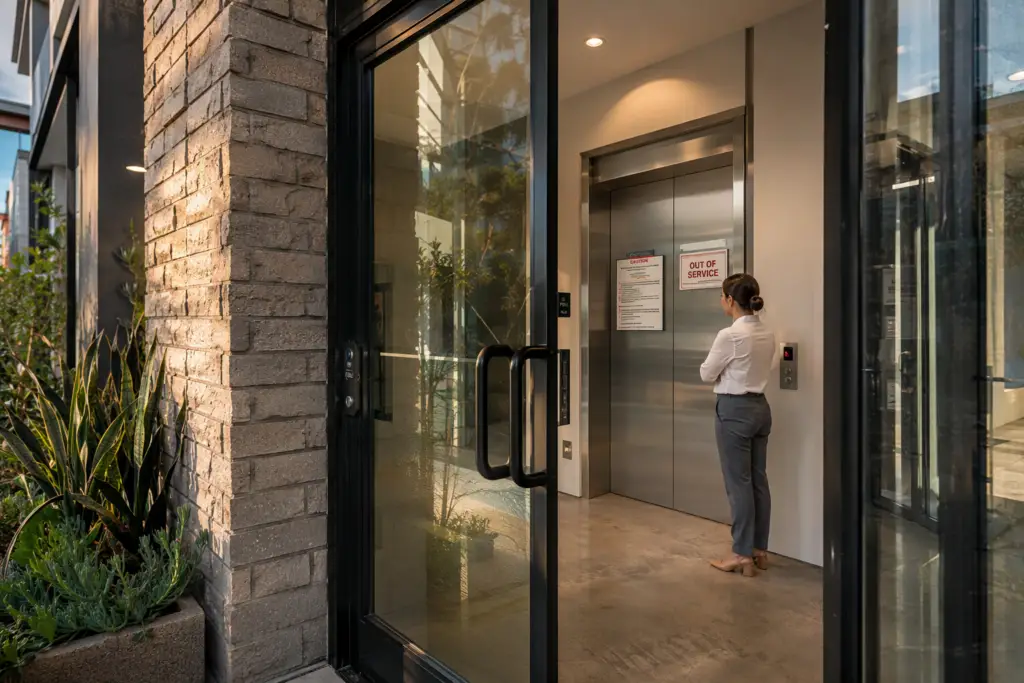
In all of these scenarios, building management should barricade the elevator immediately, post out-of-service notices at all landings, and contact a licensed elevator contractor. Liftech Elevator serves Long Beach, Signal Hill, Los Angeles, and Orange County and can be contacted at 562-609-3478 to evaluate and address urgent elevator conditions.
Contact Liftech Elevator for a Free Elevator Assessment
Whether a building is experiencing an active elevator emergency or a property manager wants to proactively evaluate the condition of aging or underperforming elevator equipment, Liftech Elevator provides expert elevator service across Long Beach, Signal Hill, Los Angeles, and Orange County, CA.
Liftech Elevator is a certified elevator service company equipped to handle emergency repairs, routine maintenance agreements, code compliance evaluations, and modernization planning — all in compliance with California Elevator Safety Orders and the ASME A17.1 Safety Code for Elevators and Escalators.
Call Liftech Elevator now for a free elevator assessment: 562-609-3478
Need elevator service you can rely on? Liftech Elevator is ready to help.