Elevator Service in Signal, CA | Liftech Elevator
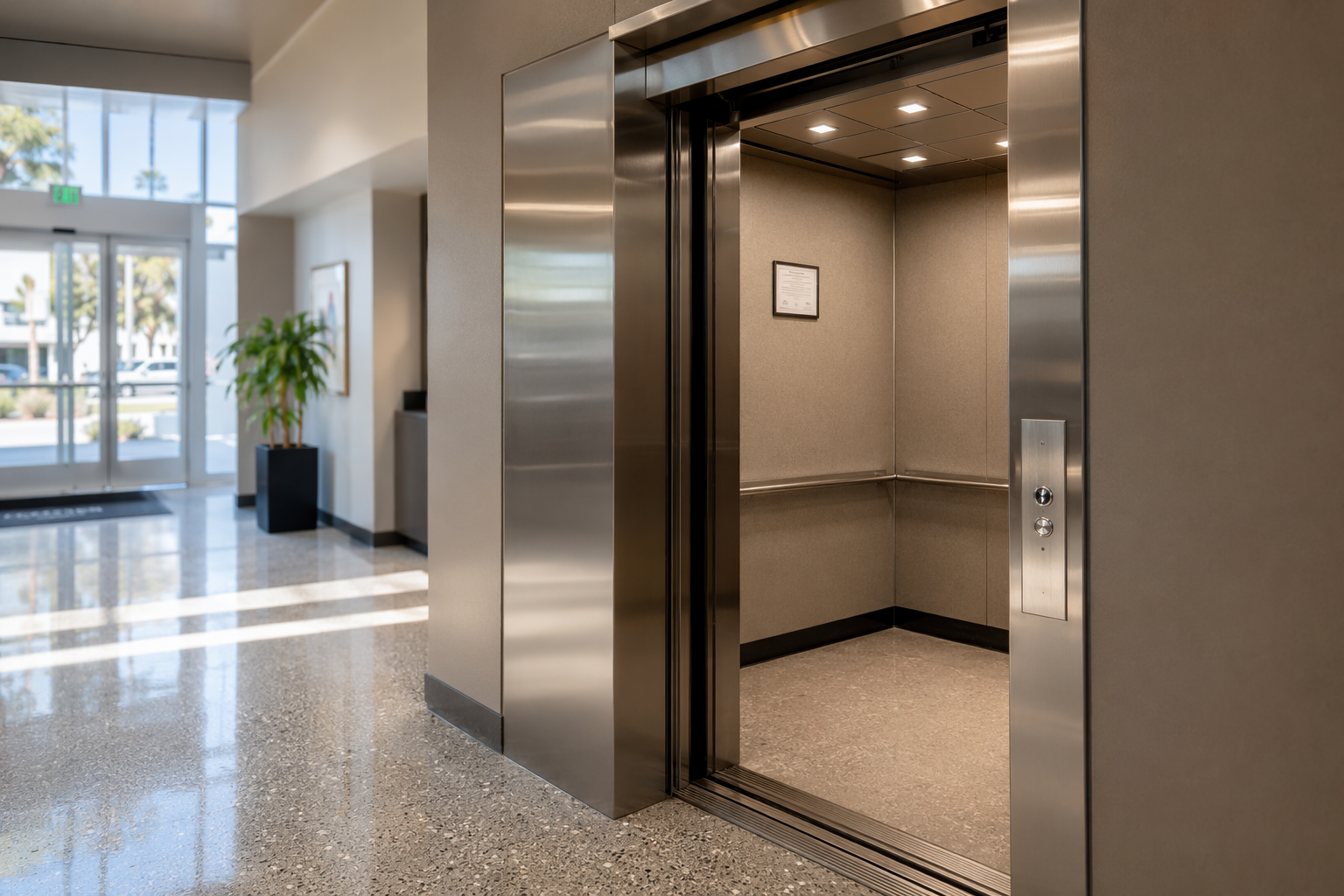
Passing an elevator inspection in Signal, CA requires advance preparation, an understanding of state and local code requirements, and a well-maintained unit. Liftech Elevator provides elevator inspection support, maintenance, and compliance services to building owners and property managers throughout Signal and the surrounding Southern California region. The following guide covers everything needed to navigate the inspection process with confidence.
What Does It Take to Pass an Elevator Inspection in California?
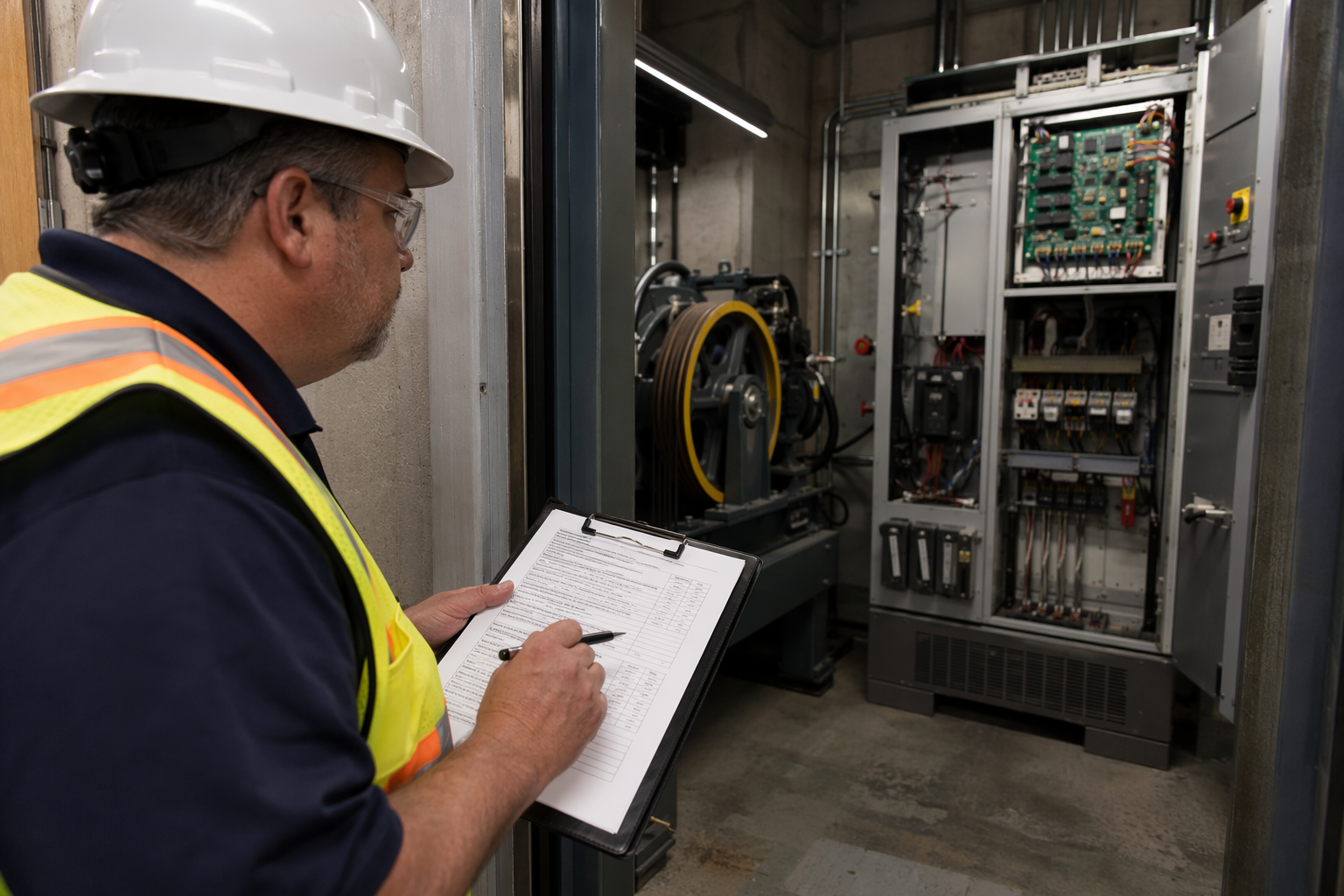
California elevator inspections are governed by the ASME A17.1 Safety Code for Elevators and Escalators and enforced at the state level by the California Department of Industrial Relations (DIR), Division of Occupational Safety and Health (Cal/OSHA). To pass, an elevator must demonstrate safe mechanical and electrical operation, proper documentation, and compliance with all applicable safety standards current to the 2026 code cycle.
Key areas inspectors evaluate include:
- Door operation, safety edges, and interlocks
- Emergency lighting, alarm systems, and communication devices
- Governor, safeties, and buffers
- Capacity and load ratings posted and accurate
- Pit conditions, including lighting, drainage, and stop switches
- Machine room cleanliness, accessibility, and temperature control
- Up-to-date permits displayed inside the elevator cab
What Are California’s Specific Elevator Code Requirements?

California enforces its own elevator safety regulations through the California Elevator Safety Construction Code, which incorporates and supplements the ASME A17.1 Safety Code for Elevators and Escalators. All elevators in California must be permitted by the DIR and inspected on a regular schedule. Routine periodic inspections are required annually for most elevator types, though specific intervals may vary by unit classification under state rules.
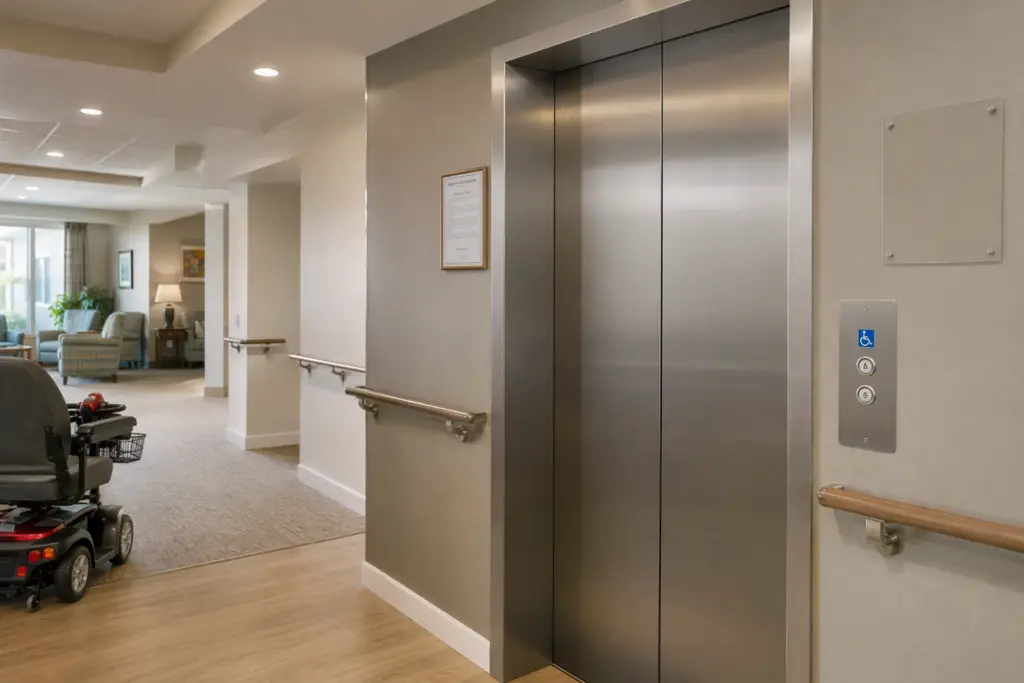
California also requires that elevators serving the public comply with accessibility standards under the Americans with Disabilities Act (ADA), including minimum cab dimensions, control height requirements, and audible/visual floor indicators where applicable.
Additionally, elevator machine rooms and work areas fall under OSHA general industry standards, which affect how maintenance is performed and documented.
How Do You Prepare for an Elevator Inspection Step by Step?
- Review your current permit and expiration date. Confirm when your California DIR elevator permit expires and schedule your inspection before that date to avoid operating with a lapsed permit.
- Compile maintenance records. Gather all service logs, repair records, and previous inspection reports. Inspectors review maintenance history as part of the evaluation.
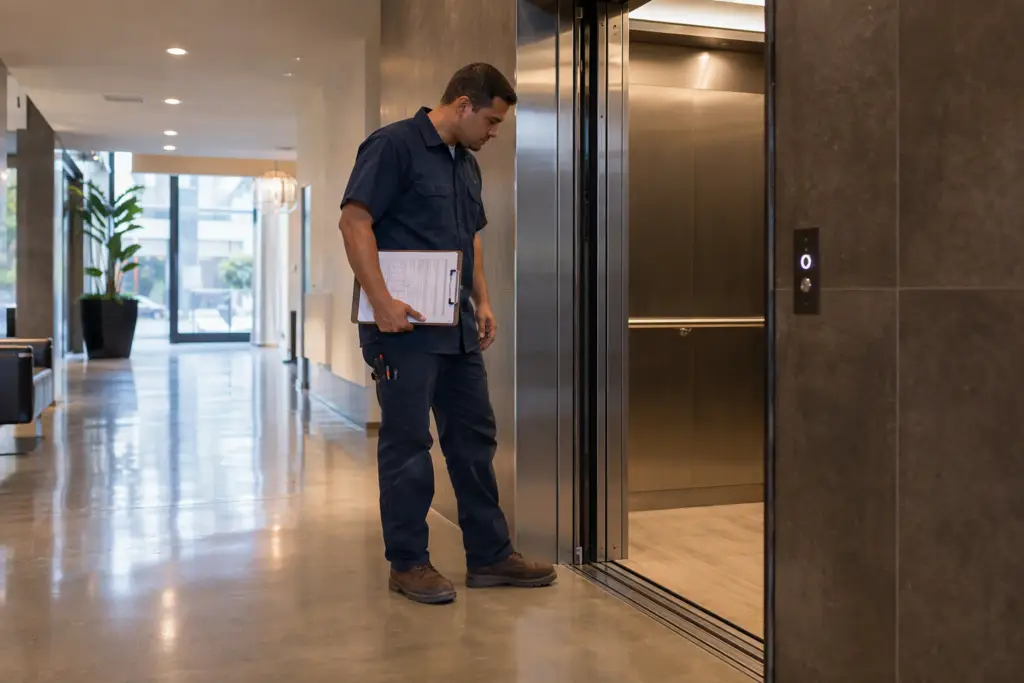
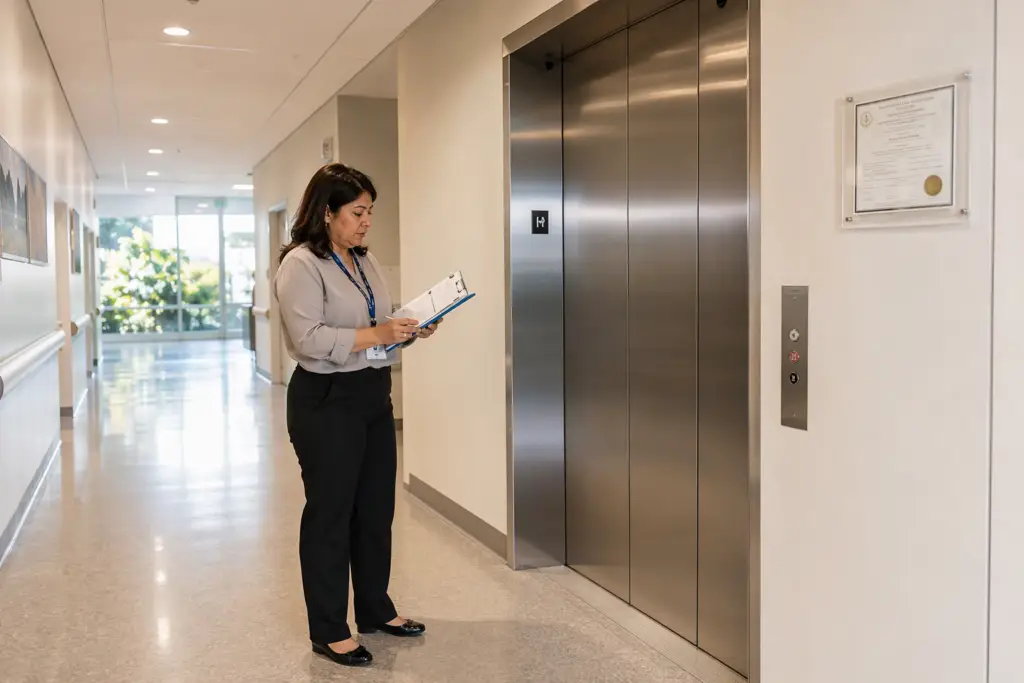
- Conduct a pre-inspection walkthrough. Check pit conditions, machine room access, lighting, and emergency communication systems. Address any obvious deficiencies before the official inspection date.
- Verify safety device functionality. Test door reopening devices, emergency stops, alarm bells, and intercom or phone systems to confirm they are operational.
- Confirm load and capacity postings. Ensure rated capacity and other required placards are legible and correctly posted inside the cab.
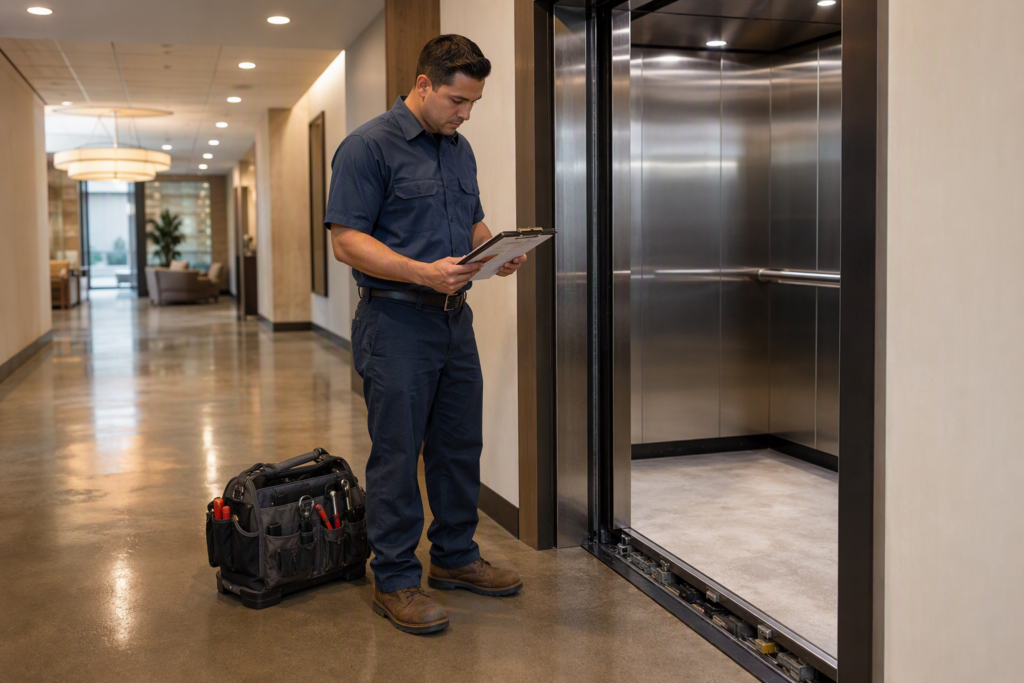
- Schedule a pre-inspection maintenance visit. Have a qualified elevator technician perform a thorough maintenance check and correct any issues before the state inspector arrives.
- Be present or designate a representative. Ensure someone with access to all elevator spaces — pit, machine room, and cab — is available during the inspection.
- Address any deficiencies promptly. If the inspector issues a correction notice, coordinate repairs immediately and request a re-inspection to avoid service disruption.
What Commonly Causes Elevators to Fail Inspection in CA?
Several recurring issues lead to failed inspections for elevator units in California. Understanding these in advance helps building owners take corrective action before an inspector arrives.
- Expired or missing operating permits
- Inoperative or improperly functioning door safety edges
- Non-functioning emergency lighting or alarm
- Dirty, cluttered, or improperly ventilated machine rooms
- Pit water intrusion or inoperative pit lighting
- Missing or outdated safety device test records
- Communication devices that do not connect to a monitored line
- Worn or improperly tensioned governor ropes
Proactive maintenance and regular service visits significantly reduce the likelihood of these findings appearing during a formal inspection.
How Often Must Elevators Be Inspected in California?
Under California’s elevator safety program, most passenger elevators are subject to annual inspections conducted by the DIR or a certified third-party inspection agency approved by the state. Hydraulic elevators, escalators, and other conveyance types may follow slightly different schedules as defined by state regulation. Additionally, California requires periodic witnessing of governor and safety tests on a schedule aligned with the ASME A17.1 Safety Code for Elevators and Escalators requirements.
Building owners in Signal, CA should track both their annual inspection due date and any periodic test intervals to stay continuously compliant.
What Is the Role of a Certified Elevator Service Company in the Inspection Process?
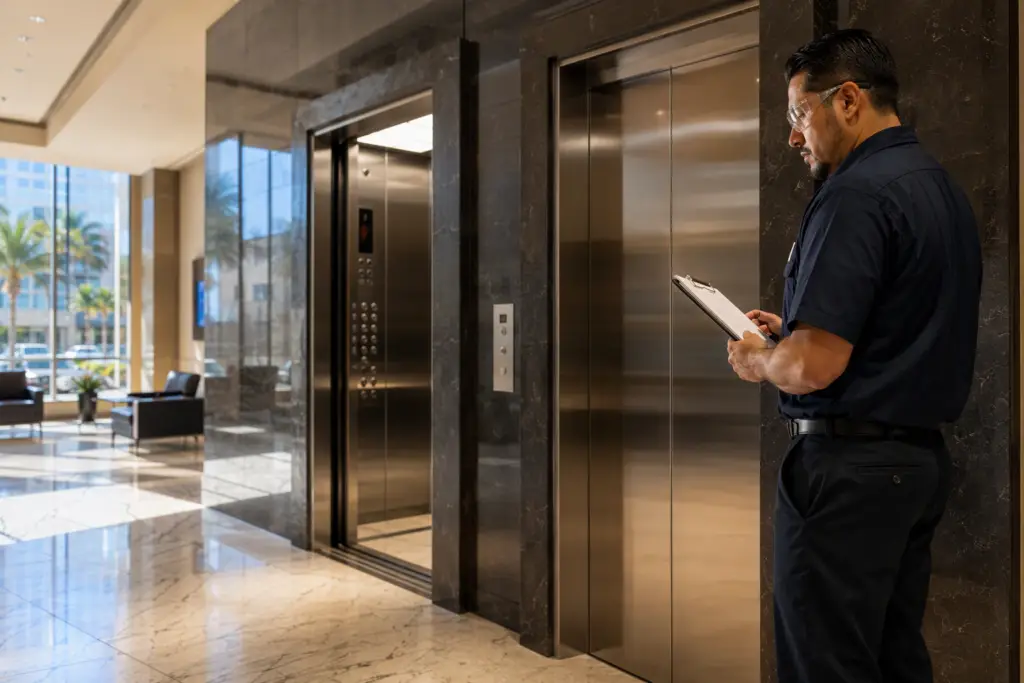
A qualified elevator service company plays a critical role in helping building owners prepare for and pass inspections. Liftech Elevator works with property managers and building owners throughout Signal, CA and the greater Southern California area to provide thorough pre-inspection maintenance, identify code compliance gaps, and perform necessary repairs before the state inspection occurs.
Elevator service companies do not conduct the official California state inspection — that authority rests with the DIR or a state-approved inspection agency. However, a knowledgeable service partner helps ensure the elevator is fully prepared, documentation is organized, and any deficiencies discovered during the inspection are corrected efficiently.
Does Elevator Compliance Overlap with ADA Requirements?
Yes. In California, elevator compliance involves both the state safety code and federal accessibility requirements under the Americans with Disabilities Act (ADA). Buildings constructed after the ADA’s effective date — and existing buildings undergoing alterations — must ensure their elevators meet ADA specifications for door width, cab size, control panel height, floor call buttons, and accessible signage including Braille.
ADA compliance is not directly enforced during a California DIR safety inspection, but building owners can face separate liability for accessibility failures. Liftech Elevator helps clients understand where safety compliance and accessibility requirements intersect.
What Happens After a Failed Elevator Inspection in Signal, CA?
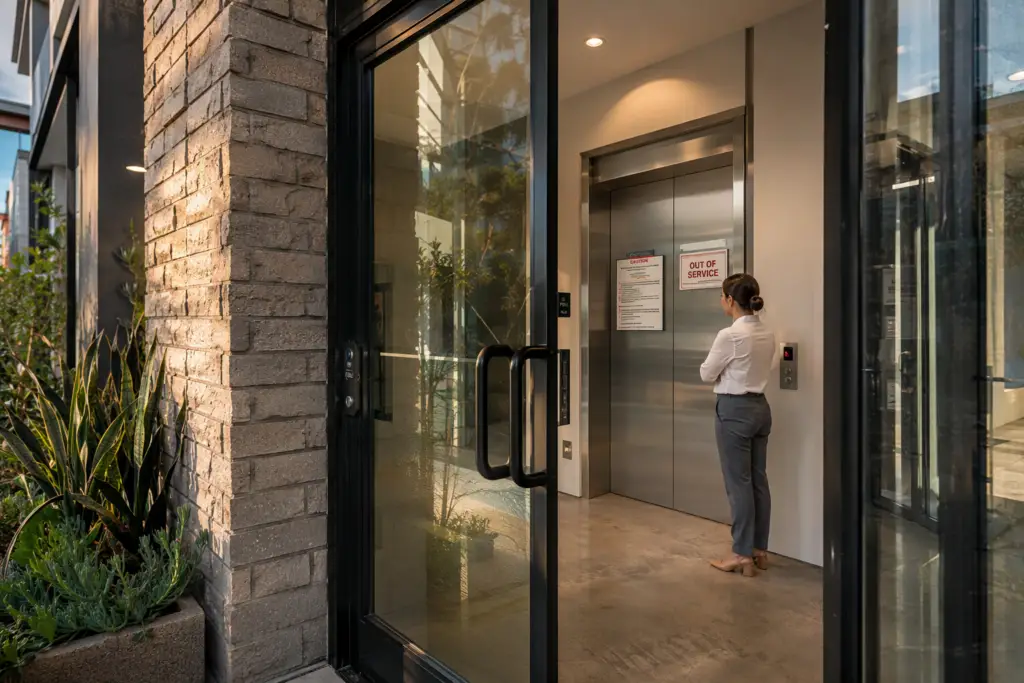
If a California elevator inspection results in a deficiency notice or order to shut down the unit, building owners must act quickly. The state may require the elevator to be taken out of service until corrections are verified. Steps to take include:
- Review the inspection report carefully and identify every cited deficiency.
- Contact a qualified elevator service company to begin repairs without delay.
- Document all corrective work performed with dated service records.
- Request a re-inspection from the DIR or approved inspection agency once repairs are complete.
- Do not restore the elevator to service until written clearance is received.
Operating an elevator under a shutdown order carries serious legal and liability consequences. Prompt action protects both building occupants and property owners.
Why Do Signal, CA Building Owners Trust Liftech Elevator?
Liftech Elevator serves commercial properties, residential high-rises, healthcare facilities, and public buildings throughout Signal, CA and the broader Southern California market. The Liftech team brings deep familiarity with California’s elevator safety regulations, DIR inspection procedures, and the practical steps needed to bring elevators into full compliance.
Liftech Elevator is available to support building owners with pre-inspection maintenance, emergency repair coordination, and ongoing preventive service programs — helping properties remain in continuous compliance between annual inspections. When issues arise outside regular business hours, Liftech’s team is reachable to respond to urgent elevator needs.
Schedule a Free Consultation
If your elevator is due for inspection or you have questions about California compliance requirements, Liftech Elevator is ready to help. Contact the team today to schedule a free consultation and ensure your elevator in Signal, CA is fully prepared to pass inspection.
Call Liftech Elevator: 562-609-3478
Need elevator service you can rely on? Liftech Elevator is ready to help.