Elevator Accident Statistics: A Comparison and Decision Guide for Building Owners
Elevator safety is a critical responsibility for building owners, property managers, and facilities teams. Understanding the landscape of elevator accidents — what causes them, who is at risk, what regulations apply, and how to reduce risk — is essential for making informed decisions about maintenance contracts, inspection schedules, and equipment upgrades. This guide covers the full topic cluster: accident causes, at-risk populations, compliance requirements, maintenance approaches, and how to choose a qualified service provider.
What Do Elevator Accident Statistics Tell Us About Risk?
Elevators are among the most statistically safe forms of vertical transportation available. However, when accidents do occur, they tend to cluster around predictable, preventable causes. According to data published by the U.S. Occupational Safety and Health Administration (OSHA), elevator and escalator accidents account for a meaningful share of workplace injuries, with construction workers and maintenance technicians representing a disproportionate share of fatalities compared to the general riding public.
For everyday building occupants, the primary risks are not catastrophic free-falls — a scenario often feared but structurally guarded against by multiple redundant safety systems — but rather entrapment, door-related incidents, leveling misalignment, and falls at the threshold between the cab and the landing. These risk categories are directly influenced by the quality and frequency of preventive maintenance.
Key Risk Categories at a Glance
| Risk Category | Primary Population at Risk | Primary Prevention Method | Applicable Standard |
|---|---|---|---|
| Door-related entrapment or impact | General public, elderly, mobility-impaired | Regular door sensor and closer calibration | ASME A17.1 |
| Leveling/mis-leveling at landings | General public, wheelchair users | Brake and leveling system inspection | ASME A17.1 |
| Falls during maintenance/repair | Elevator technicians, construction workers | Lock-out/tag-out procedures, pit safety | OSHA 29 CFR 1910 |
| Entrapment (power/mechanical failure) | General public | Emergency communication systems, alarm testing | ASME A17.1 |
| Accessibility-related incidents | People with disabilities | ADA-compliant cab dimensions, controls, and signage | ADA Standards for Accessible Design |
| Overloading | General public, freight handlers | Capacity signage, load sensing devices | ASME A17.1 |
What Are the Most Common Causes of Elevator Accidents?
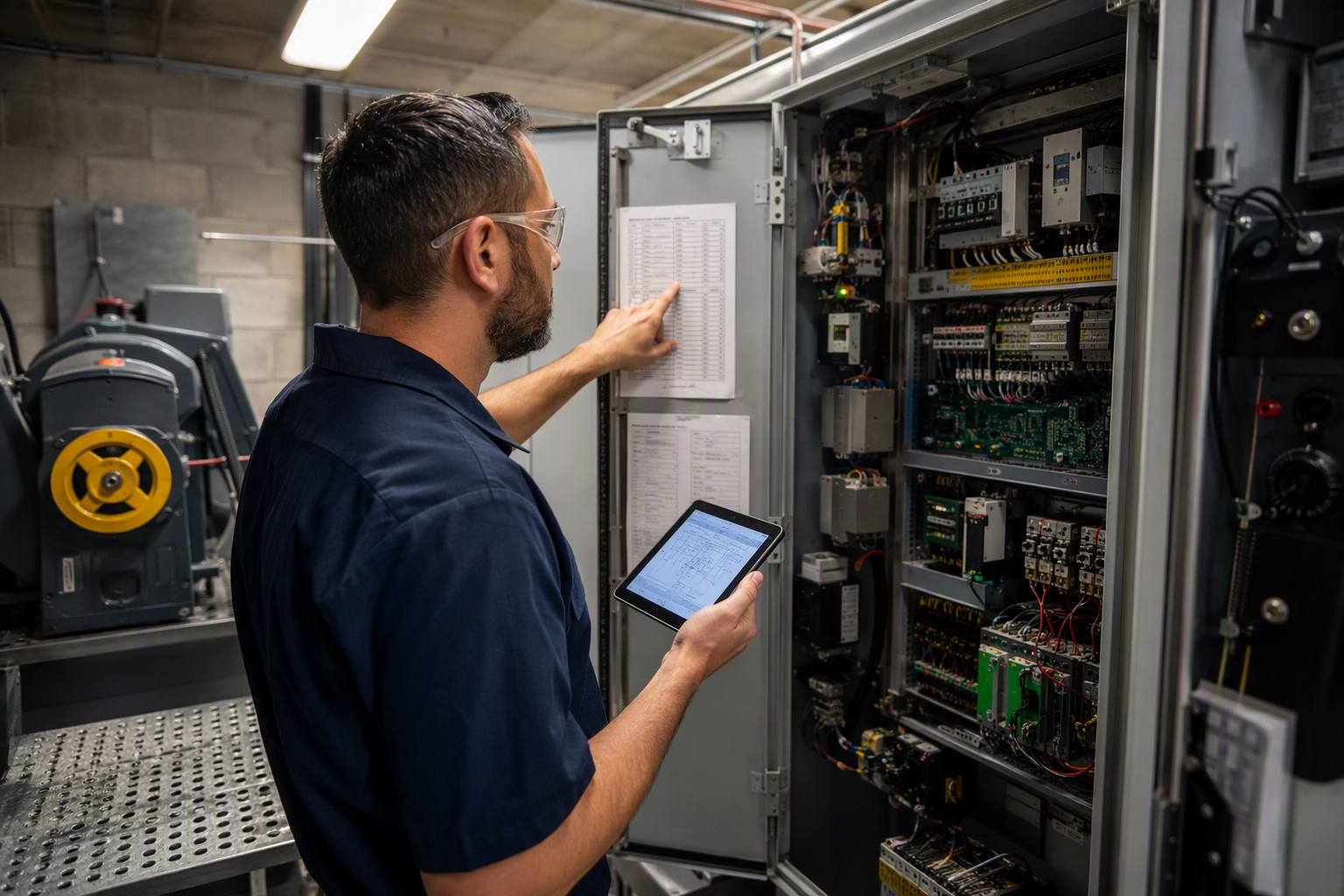
Accident causation in elevators follows a consistent pattern documented across regulatory and safety literature. The most frequently cited contributing factors include:
- Deferred or inadequate maintenance: When lubrication, component inspection, and parts replacement are postponed, mechanical degradation accelerates and failure risk rises.
- Non-compliant equipment: Older elevators not updated to meet current editions of the ASME A17.1 Safety Code for Elevators and Escalators may lack modern safety features such as door re-opening devices, governor-rope safety systems, or pit stop switches.
- Improper user behavior: Forcing open doors, overloading cabs, or attempting self-rescue from stalled elevators contribute to a notable share of injuries.
- Inadequate inspection cycles: Jurisdictions vary in required inspection frequency, and where enforcement is lax, inspection gaps create conditions for undetected hazards.
- Poor contractor qualifications: Maintenance performed by unlicensed or inadequately trained technicians introduces risk rather than reducing it.
How Do Maintenance Contract Types Compare on Safety Outcomes?
The type of maintenance agreement a building owner holds has a direct bearing on safety outcomes. The table below compares common contract structures on dimensions relevant to accident prevention.
| Contract Type | Scope of Coverage | Inspection Frequency | Parts Replacement | Safety Risk Profile | Best For |
|---|---|---|---|---|---|
| Oil & Grease (Basic) | Lubrication, minor adjustments only | Periodic visits, minimal | Not included | Higher — major components not monitored | Very low-traffic, new equipment only |
| Full Maintenance | All parts, labor, and adjustments | Regular scheduled visits | Included | Lower — proactive component replacement | Most commercial and residential buildings |
| Comprehensive (Parts & Labor) | Full maintenance plus callbacks | Highest frequency | Included with callback priority | Lowest — fastest response to emerging issues | High-traffic, high-liability environments |
| Time & Materials (Ad Hoc) | Repairs only on request | None scheduled | Billed separately | Highest — no proactive monitoring | Not recommended for occupied buildings |
Recommendation: For occupied commercial, multi-family, or institutional buildings, a full maintenance or comprehensive contract is the industry-standard approach to minimizing accident risk. Liftech Elevator provides independent elevator service and maintenance contracts designed to align with ASME A17.1 requirements and jurisdictional inspection mandates.
Who Is Most Vulnerable to Elevator Accidents?
Risk is not evenly distributed across elevator users. Certain populations face elevated exposure:
- Elevator maintenance workers and technicians face the highest occupational risk, particularly during shaft access, pit work, and top-of-car operations. OSHA publishes specific guidance for elevator installation and repair hazards.
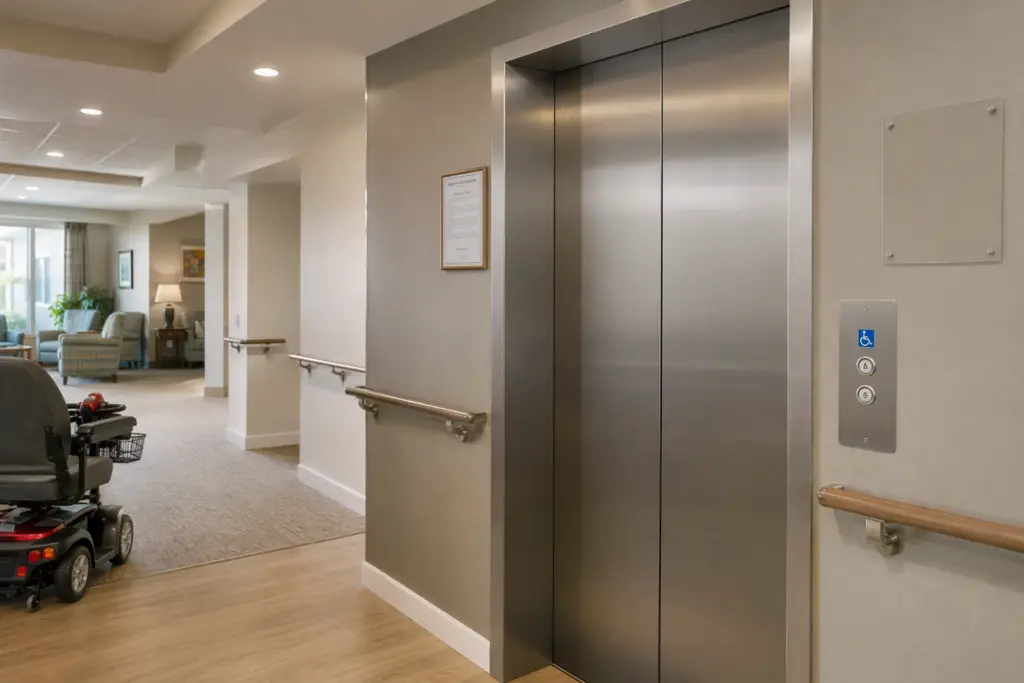
- Elderly individuals and people with mobility impairments are more susceptible to falls caused by landing mis-leveling, door closure impact, and threshold gaps. ADA compliance requirements address many of these exposure points.
- Children are at heightened risk from door entrapment and from play-related misuse such as jumping inside cabs.
- Hospital and healthcare facility occupants — including patients on gurneys or in wheelchairs — face compound risks if elevators malfunction during transport.
What Regulations Govern Elevator Safety and Accident Prevention?
Elevator safety in the United States is governed by a layered framework of federal guidelines, model codes, and state or local regulations. The primary reference standards are:
- ASME A17.1 Safety Code for Elevators and Escalators — The model code adopted (with local amendments) across most U.S. jurisdictions. It governs design, construction, installation, operation, inspection, testing, maintenance, alteration, and repair of elevators. The 2022 edition represents current guidance as of 2026.
- ASME A17.3 Safety Code for Existing Elevators and Escalators — Addresses retroactive safety requirements for elevators installed under earlier code editions, creating a pathway for bringing older equipment closer to current safety standards.
- OSHA 29 CFR 1910 and 1926 — Covers worker safety during elevator maintenance, installation, and construction phases.
- ADA Standards for Accessible Design — Mandates accessible elevator features in public accommodations and commercial facilities, with implications for both safety and legal liability.
State and local authorities having jurisdiction (AHJ) adopt and amend these model codes independently. Building owners should confirm the specific adopted edition and any local amendments that apply to their property.
What Should Building Owners Do Immediately After an Elevator Incident?
- Ensure passenger safety first. If an occupant is injured or trapped, call emergency services immediately. Do not attempt to manually open elevator doors unless trained to do so safely.
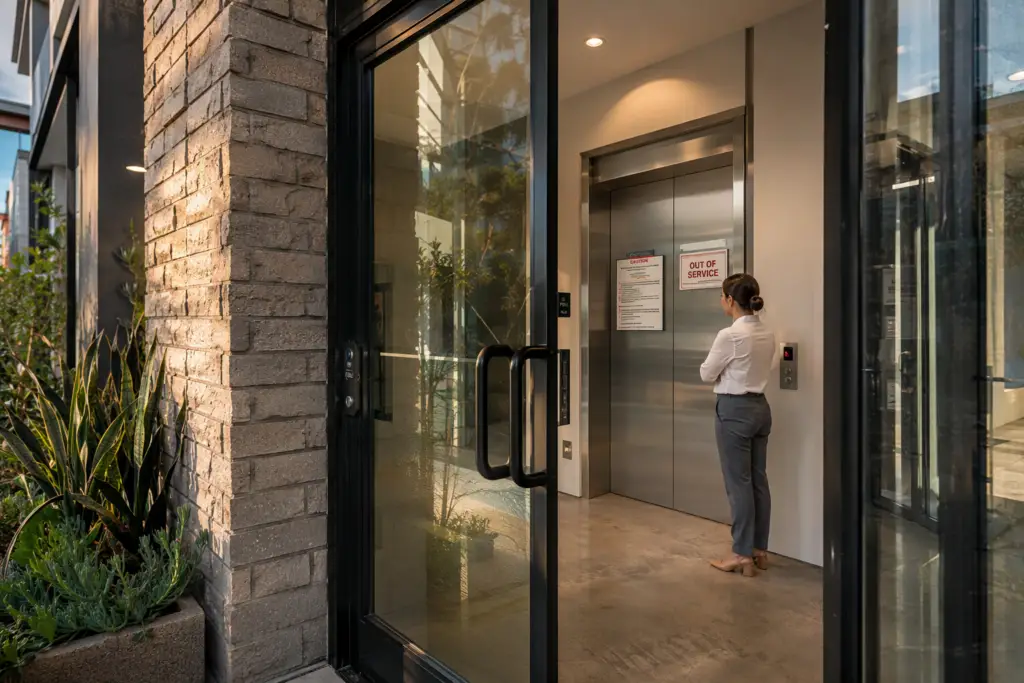
- Take the elevator out of service. Place the unit in a locked-out, non-operational state to prevent additional use until inspection is complete.
- Notify your elevator maintenance provider. Contact your service contractor immediately to dispatch a qualified technician for inspection and documentation.
- Document the scene. Photograph the cab interior, door mechanism, landing, and any visible damage or anomalies before repairs begin. Preserve all surveillance footage.
- File required reports with the AHJ. Most jurisdictions require prompt reporting of elevator accidents, injuries, or entrapments to the local elevator inspection authority. Confirm your jurisdiction’s reporting timelines.
- Notify your insurance carrier. Report the incident to your property or liability insurer as soon as practical.
- Retain all maintenance records. Service logs, inspection certificates, and prior repair orders will be critical to any regulatory review or liability assessment.
- Arrange a post-incident inspection. Before returning the unit to service, ensure a thorough inspection by a qualified elevator technician — and in many jurisdictions, by the AHJ as well.
How Does Deferred Maintenance Increase Accident Risk?
Deferred maintenance is widely recognized in the elevator safety field as a primary driver of preventable incidents. When routine tasks such as brake adjustments, door operator lubrication, rope inspection, and controller testing are postponed, components operate outside their design tolerances. This creates compounding risk: one degraded component places additional stress on adjacent systems, accelerating wear across the unit.
From a liability standpoint, documented gaps in maintenance schedules — missed visits, incomplete service logs, or expired inspection certificates — can significantly affect the outcome of accident-related legal proceedings. Building owners who maintain thorough service records and hold current inspection certificates are in a demonstrably stronger compliance position.
Liftech Elevator offers independent maintenance programs designed to ensure consistent, documented service intervals aligned with both manufacturer recommendations and the requirements of the ASME A17.1 Safety Code for Elevators and Escalators.
How Do Independent vs. OEM Elevator Service Providers Compare on Safety?
| Factor | OEM (Original Equipment Manufacturer) Provider | Independent Provider (e.g., Liftech Elevator) |
|---|---|---|
| Equipment brand coverage | Typically limited to own brand | Multi-brand capability |
| Parts sourcing | Proprietary parts, potential supply delays | OEM and compatible parts from multiple sources |
| Code compliance orientation | Brand-standard aligned | AHJ and ASME code aligned |
| Contract flexibility | Often standardized contracts | Customizable to building-specific needs |
| Transparency of service records | Variable | Typically owner-accessible documentation |
| Conflict of interest in inspection | Possible (same entity maintains and inspects) | Lower when maintenance and third-party inspection are separated |
What Role Does ADA Compliance Play in Elevator Accident Prevention?
The Americans with Disabilities Act (ADA) establishes minimum standards for elevator accessibility in public accommodations and commercial facilities. These standards — covering cab dimensions, door width and timing, control button height and tactile marking, floor designation signage, and leveling tolerances — are not merely civil rights requirements. They also directly reduce the risk of physical harm to users with disabilities.
For example, ADA requirements for door re-opening devices and minimum door-open times reduce the risk of impact injuries to slower-moving passengers. Leveling accuracy requirements reduce the tripping hazard at the threshold. Building owners who defer ADA retrofits face both legal liability and elevated injury risk.
How Often Should Elevators Be Inspected to Minimize Accident Risk?
Inspection frequency requirements are set by the jurisdiction’s AHJ, typically based on the ASME A17.1 Safety Code for Elevators and Escalators as locally adopted. Most jurisdictions require periodic inspections — often annually — conducted by a qualified, state-licensed elevator inspector who may be a government employee or a third-party inspector certified to the relevant standard.
In addition to mandatory AHJ inspections, proactive building owners arrange more frequent maintenance visits: typically monthly or quarterly depending on traffic volume, equipment age, and building type. A high-traffic commercial tower warrants more frequent service intervals than a low-traffic residential building with newer equipment. The goal is to identify and correct developing issues well before they manifest as failures or incidents.
What Are the Pros and Cons of Upgrading Older Elevators for Safety?
| Approach | Pros | Cons | Typical Timeline |
|---|---|---|---|
| Targeted safety retrofit (e.g., door sensors, leveling) | Lower upfront cost; addresses highest-risk items first | Underlying aging infrastructure remains; may not achieve full code compliance | Days to weeks per unit |
| Modernization (controls, drive system, fixtures) | Significantly extends useful life; improves reliability and code compliance; reduces operating costs | Higher investment; temporary out-of-service period | Weeks to months per unit |
| Full replacement | Full code compliance; maximum reliability; ADA compliance from scratch | Highest cost; longest out-of-service period; structural considerations | Months |
| Deferred action (maintenance only) | Lowest short-term cost | Increasing repair frequency; rising liability exposure; potential non-compliance with ASME A17.3 | N/A — risk accumulates over time |
The right approach depends on equipment age, current condition, jurisdiction-specific retroactive requirements under ASME A17.3, and building ownership objectives. A qualified independent elevator service provider can assess these factors and present options without the inherent bias of a manufacturer promoting a single product line. Liftech Elevator provides assessment services to help building owners evaluate their current equipment against applicable code requirements and safety benchmarks.
How Can Building Owners Reduce Elevator Liability Exposure?
Liability reduction in the context of elevator accidents is fundamentally a documentation and process discipline. Key practices include:
- Maintaining current, jurisdiction-valid inspection certificates and posting them as required by local law
- Retaining complete service logs for all maintenance visits, including technician notes, parts replaced, and adjustments made
- Ensuring timely callback response when deficiencies are identified during maintenance visits
- Training building staff on proper elevator emergency procedures — including how to communicate with trapped passengers and when to call emergency services
- Posting current load capacity and operational instructions in each cab
- Auditing ADA compliance and addressing identified gaps in a documented remediation plan
Why Choose Liftech Elevator as Your Service Provider?
Liftech Elevator is a certified, independent elevator service company serving building owners and facility managers. As an independent provider, Liftech Elevator is not tied to a single equipment brand — enabling service across a wide range of elevator makes and models, and ensuring that maintenance recommendations are driven by safety and code compliance rather than manufacturer sales objectives.
Liftech Elevator’s approach centers on aligning building owners with the requirements of the ASME A17.1 Safety Code for Elevators and Escalators, applicable OSHA worker safety standards, and ADA accessibility requirements — helping reduce accident risk, support regulatory compliance, and strengthen the documentation record that matters when incidents are reviewed.
Take the Next Step Toward Safer Elevators
Elevator accidents are largely preventable with the right maintenance program, inspection schedule, and service partner. Don’t wait for an incident to evaluate your risk exposure.
Contact Liftech Elevator for a free elevator assessment: 562-609-3478
Our team is ready to review your equipment, documentation, and compliance status — and help you build a maintenance strategy aligned with current safety codes and your building’s specific needs.
Need elevator service you can rely on? Liftech Elevator is ready to help.