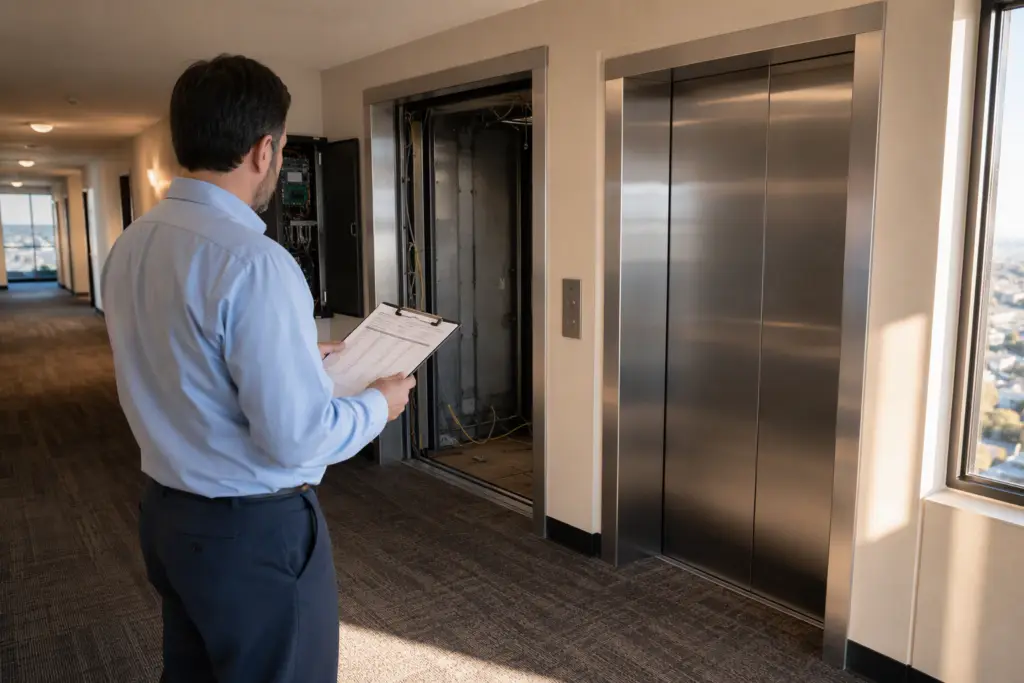
How Long Does Elevator Modernization Take & Will My Building Lose Elevator Service?
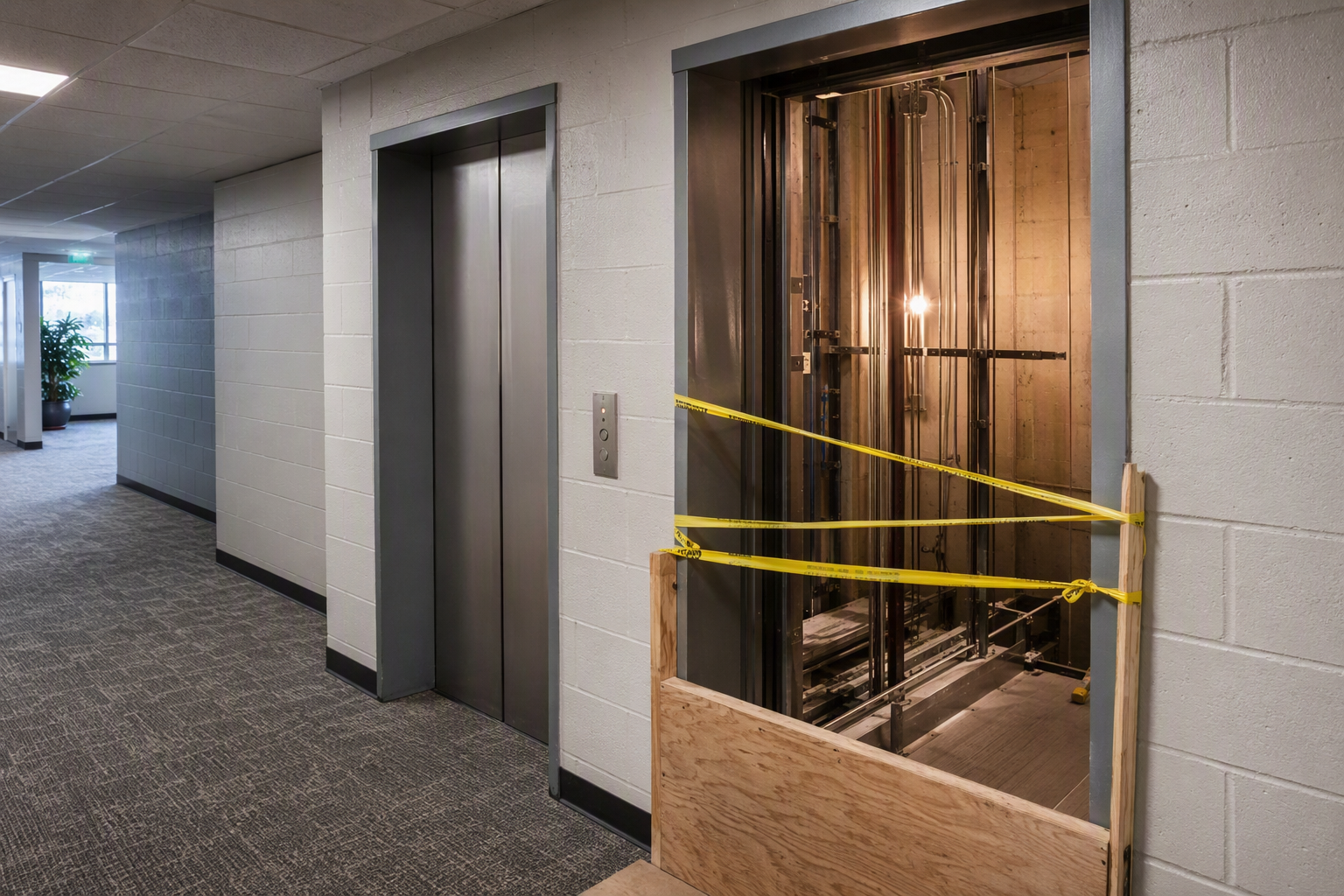
Elevator modernization is one of the most consequential capital improvement decisions a building owner or property manager can make. Unlike routine maintenance or a single-component repair, modernization replaces aging systems — controls, drive machinery, cab interiors, and safety devices — to bring a unit into compliance with current codes and extend its useful life by decades. This FAQ hub answers the most critical questions surrounding modernization timelines, service disruptions, code requirements, equipment selection, and local considerations for properties in Signal Hill, Long Beach, Los Angeles, and Orange County.
What Is Elevator Modernization and How Does It Differ from Routine Repair?
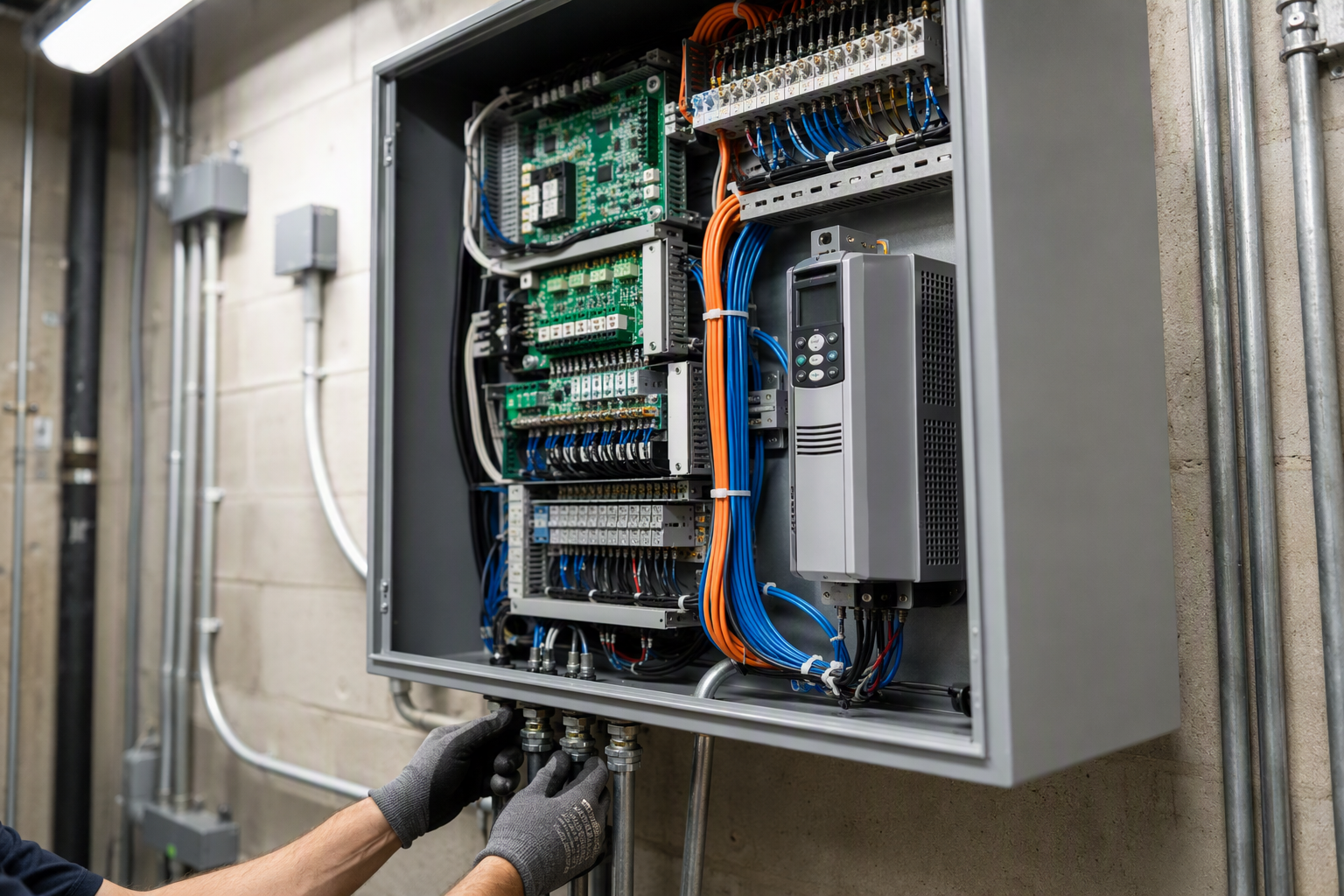
Elevator modernization is the planned replacement of major elevator subsystems to restore reliability, meet current code requirements, and improve performance — it is not a repair of a single failed component.
Routine repair addresses isolated failures: a worn door operator, a faulty relay, or a burned motor contactor. Modernization, by contrast, targets the integrated systems that have collectively aged beyond cost-effective maintenance. A full modernization typically replaces the controller, drive system (for traction elevators), door operating equipment, fixtures (buttons and displays), and in many cases the cab interior. Partial modernizations may address only the controller and drive, leaving the cab and doors intact.
The distinction matters for timelines. A controller-and-drive modernization on a mid-rise traction elevator might take four to six weeks. A comprehensive modernization that also includes cab renovation, new door equipment, and updated safety devices can run eight to twelve weeks or longer, particularly when custom cab finishes are specified.
How Long Does a Typical Elevator Modernization Project Take?
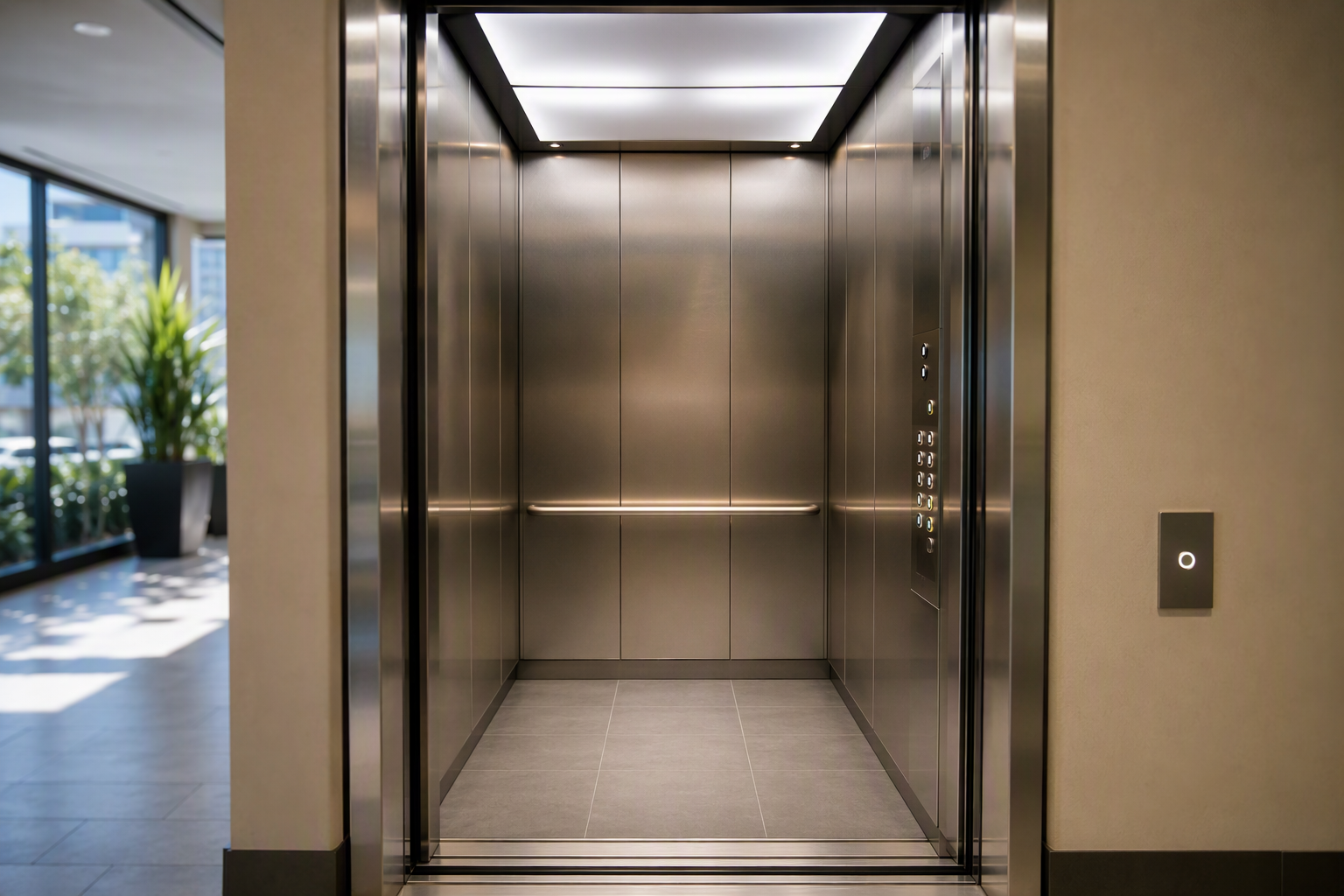
A typical elevator modernization takes between 4 and 12 weeks of active on-site work, with additional lead time of 8 to 20 weeks for equipment procurement before installation begins.
The timeline has two distinct phases that building managers often conflate. The first is the procurement and engineering phase — the period between contract signing and the first day a technician arrives on site. During this phase, the contractor orders custom control panels, drive units, fixtures, and cab materials. Supply chain conditions, particularly for specialized elevator controllers and variable-frequency drives, can extend this lead time. This phase does not interrupt elevator service.
The second is the active installation phase, during which the elevator is taken out of service. This is the window that most directly affects tenants and building operations. Scope of work, field conditions (such as the need to reinforce the machine room floor or modify the pit), inspection scheduling, and permit-related delays all influence active installation duration.
| Modernization Scope | Procurement Lead Time | Active Installation (Out of Service) | Total Project Duration | Typical Building Type |
|---|---|---|---|---|
| Controller & Drive Only | 8–12 weeks | 3–5 weeks | 11–17 weeks | Low- to mid-rise commercial |
| Controller, Drive & Door Equipment | 10–14 weeks | 4–7 weeks | 14–21 weeks | Mid-rise office or residential |
| Full Modernization (All Systems) | 12–20 weeks | 6–12 weeks | 18–32 weeks | High-rise, hospital, hotel |
| Hydraulic Conversion or Full Hydraulic Mod | 10–16 weeks | 4–8 weeks | 14–24 weeks | Low-rise commercial or residential |
| Cab Interior Renovation Only | 4–8 weeks | 1–2 weeks | 5–10 weeks | Any building type |
Note: These are general benchmarks based on commonly cited industry practice. Actual timelines vary based on site conditions, permit jurisdiction, and equipment availability. A formal site assessment is required for project-specific projections.
Will the Elevator Be Completely Out of Service During Modernization?
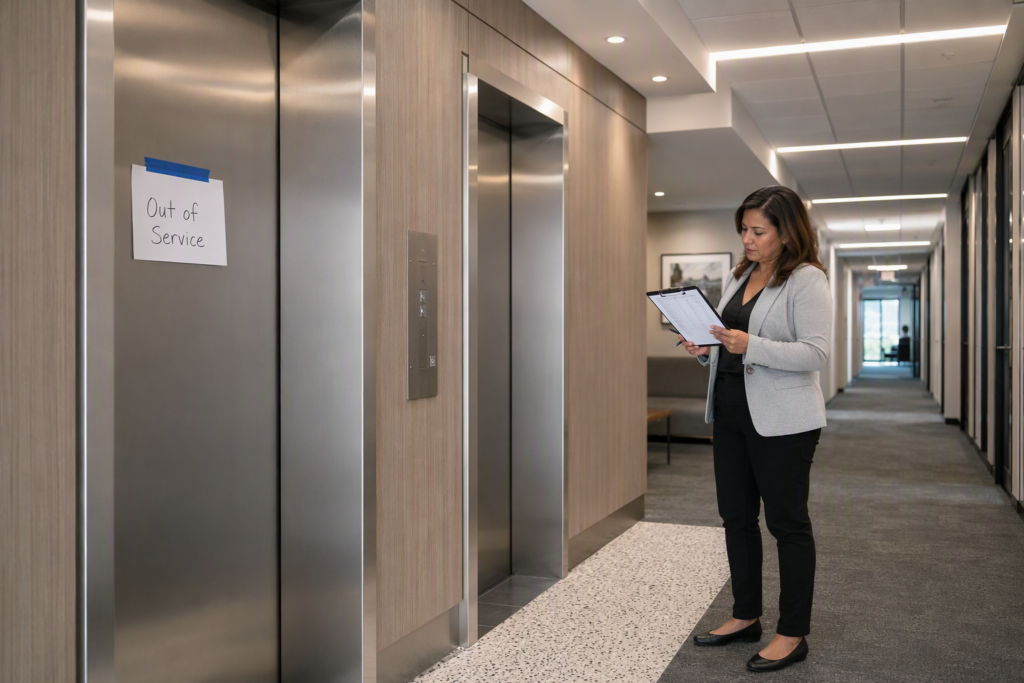
Yes — the elevator undergoing modernization will be out of service during the active installation phase, but in buildings with multiple elevators, contractors can sequence work to maintain at least one car in operation at all times.
For single-elevator buildings, out-of-service periods require careful planning. Temporary accommodations such as stair-assist programs for mobility-impaired occupants, temporary portable lift rentals, or scheduling installation during lower-occupancy periods (evenings, weekends, or vacancy periods) are strategies that experienced contractors discuss with building management before work begins.
In multi-elevator installations, phased modernization is the standard approach. One elevator is taken down while the remaining cars continue service. Once the first unit passes final inspection and returns to service, work begins on the next. This approach extends the overall project calendar but keeps building operations functional throughout.
What Factors Can Extend or Shorten a Modernization Timeline?
Permit processing speed, equipment availability, field conditions discovered during tear-out, and inspection scheduling are the four most common factors that shift a modernization timeline in either direction.
Permit processing timelines vary significantly by jurisdiction. In California, elevator permits are processed through the Division of Occupational Safety and Health (Cal/OSHA) Elevator Unit at the state level, and local jurisdictions may have additional plan-check requirements. Complex projects or those requiring variance from adopted code may require additional review time.
Field conditions discovered during tear-out — such as deteriorated hoist ropes, worn sheave grooves, asbestos-containing materials in older machine rooms, or code-deficient pit conditions — can add scope and time to a project. A thorough pre-modernization survey by a qualified elevator contractor is the best tool for surfacing these issues before work begins, reducing the likelihood of schedule-disrupting surprises.
Equipment availability is a significant variable. Certain controller manufacturers and drive suppliers operate on long lead times, particularly during periods of high industry demand. Selecting a contractor with established supplier relationships can compress procurement lead times meaningfully.
What Building Code Requirements Trigger Elevator Modernization in California?
California adopts the ASME A17.1 Safety Code for Elevators and Escalators through Title 8 of the California Code of Regulations, and certain alteration or modernization thresholds trigger mandatory upgrades to safety features that were not present on older equipment.
Under the ASME A17.1 framework — which California incorporates into its elevator safety regulations — alterations to existing elevators can require that the altered equipment meet requirements of the edition in effect at the time of alteration. This means that even a partial modernization (such as replacing a controller) can trigger requirements for additional safety devices, such as car door interlocks, two-way communication systems, and pit lighting upgrades, that did not exist when the elevator was originally installed.
Building owners should understand that California’s Cal/OSHA Elevator Unit enforces these requirements and conducts inspections upon project completion. Permits must be obtained prior to beginning modernization work, and a final inspection and certificate of compliance are required before the modernized elevator is returned to public use. More information on workplace safety regulations is available through OSHA, and California-specific elevator safety information is administered through Cal/OSHA, the state’s OSHA-approved state plan.
Does Elevator Modernization Need to Comply with ADA Requirements?
Yes — modernization projects are subject to ADA (Americans with Disabilities Act) requirements, and alterations that affect the usability of an elevator may trigger accessibility upgrades to controls, cab dimensions, and communication systems.
The ADA Standards for Accessible Design specify requirements for elevator call buttons, floor designation controls, Braille and raised character signage, audible signals, two-way communication systems, and cab dimensions. When a modernization project alters any of these elements, the altered features must comply with current ADA standards. Additionally, if a modernization improves the “path of travel” to the elevator, related accessibility features serving that path may also require upgrading.
For properties in Los Angeles, Long Beach, Signal Hill, and Orange County, ADA compliance during modernization is not optional — it is legally required and subject to enforcement. Modernization is frequently the most practical opportunity to address ADA deficiencies that have accumulated over the life of an older elevator, and experienced contractors incorporate ADA compliance into the modernization scope as a matter of standard practice.
What Are the Main Components Replaced During a Full Elevator Modernization?
A full elevator modernization typically replaces the controller, drive system, door operator and hanger equipment, fixtures and signals, cab interior, and safety devices, while often retaining the existing structural components such as the guide rails, sling, and platform.
The controller is the brain of the elevator — a modern microprocessor-based controller replaces decades-old relay logic panels, improving dispatching efficiency and enabling remote diagnostics. The drive system (a variable-frequency drive on traction elevators) replaces generator-motor sets or older solid-state drives, reducing energy consumption and improving ride quality. Door equipment — operators, hangers, tracks, and interlocks — is a common source of entrapment incidents and service calls on older elevators, making its replacement a high-priority item for both reliability and safety.
Cab interiors, fixtures (hall and car buttons, position indicators), and emergency lighting and communication systems are updated both for code compliance and occupant experience. Safety devices, including oil buffers, governor systems, and car door restrictors, are inspected and replaced as required by the applicable edition of the ASME A17.1 Safety Code for Elevators and Escalators.
How Should Building Managers Communicate Elevator Outages to Tenants?
Building managers should notify tenants in writing at least 30 days before a planned modernization outage, with follow-up notices 72 hours before the elevator goes out of service and a clear communication channel for questions throughout the project.
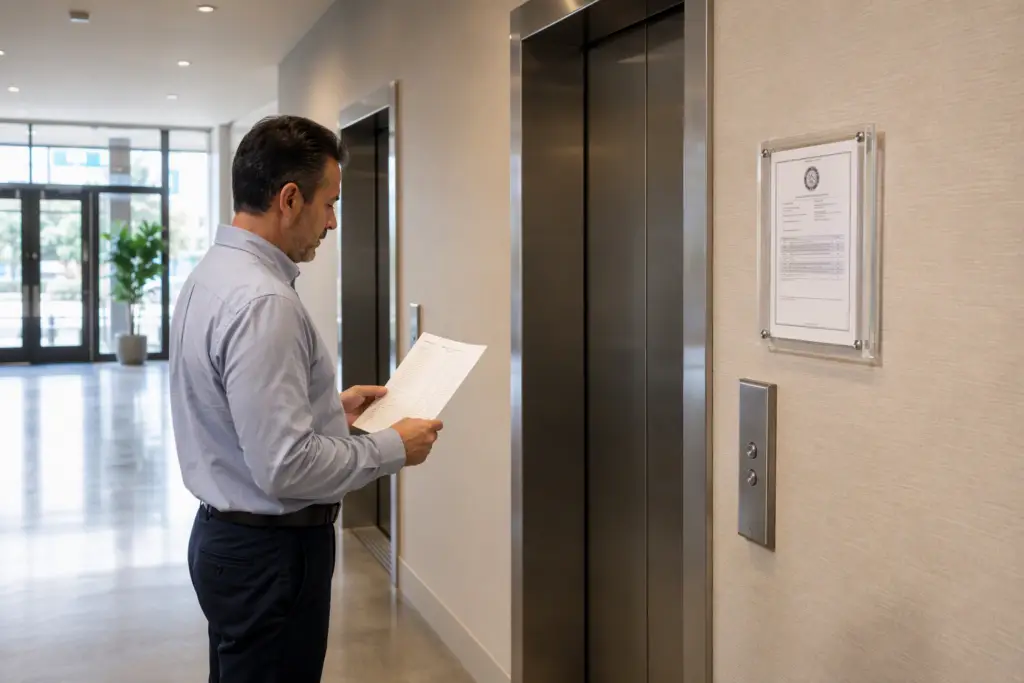
Effective tenant communication is as important as project planning itself. Key elements of a tenant notification plan include the scheduled start and end dates of the outage, the reason for the work (modernization versus emergency repair), the floor affected, alternative access routes and accommodations for mobility-impaired occupants, a point of contact for project-related questions, and an update mechanism for schedule changes.
For residential buildings in Los Angeles and Long Beach, local tenant protection ordinances may impose specific notification requirements. Building managers should consult legal counsel familiar with local rental regulations before finalizing notification timelines. Contractors such as Liftech Elevator typically assist building management with communication templates as part of project planning services.
What Accommodations Should Be Made for ADA-Compliant Access During the Outage?
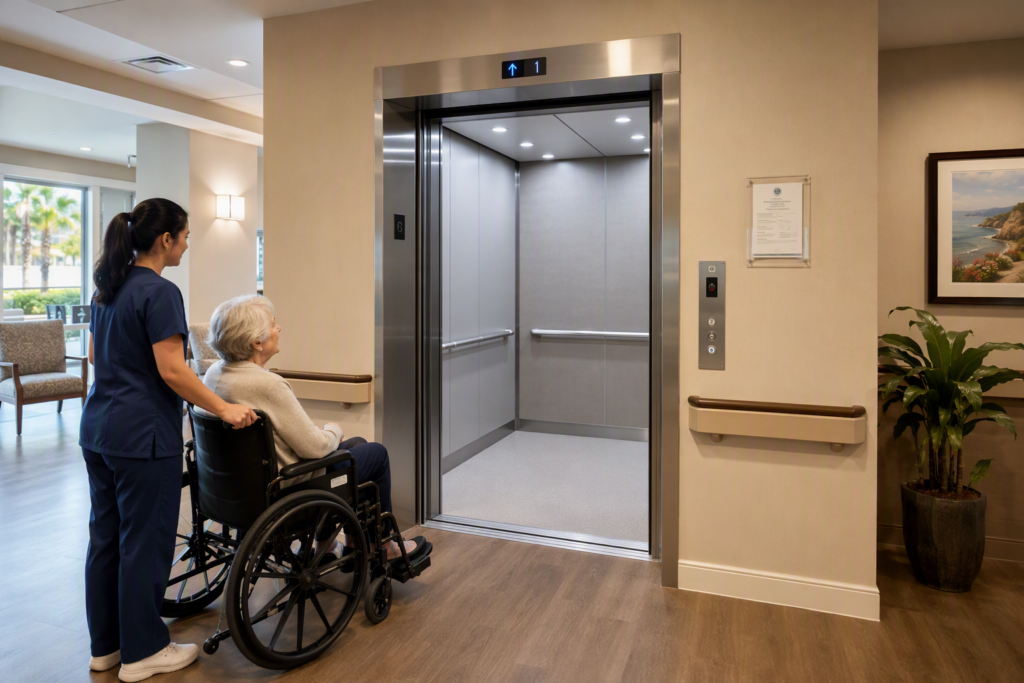
During an elevator outage in a building subject to ADA, building management must make reasonable alternative accommodations for individuals with disabilities to ensure they can access the services and facilities on all floors.
The ADA requires that entities covered by the law make reasonable modifications to avoid discrimination. When the sole elevator is out of service, this may mean temporarily relocating offices or services to accessible floors, providing staff assistance, or arranging portable lift equipment for limited-duration outages. The key standard is that the accommodation must be genuinely functional, not merely theoretical.
In multi-elevator buildings, sequenced modernization ensures at least one accessible elevator remains in service, which generally satisfies ADA requirements. Building managers should document their accommodation plan and retain records for the duration of the outage.
How Do You Select the Right Elevator Modernization Contractor?
The right elevator modernization contractor holds a valid California Elevator Contractor license, has demonstrated experience with the specific equipment type and building occupancy, and provides a transparent project schedule, permit plan, and written scope of work before contract execution.
In California, elevator contractors and mechanics must be licensed through Cal/OSHA and must hold appropriate credentials under the California Elevator Safety Construction, Alteration, and Maintenance regulations. Verifying licensure is a non-negotiable first step for building owners.
Beyond licensure, evaluation criteria should include the contractor’s familiarity with the local permit jurisdiction (Los Angeles, Long Beach, Signal Hill, and Orange County each have local inspection protocols layered on top of state requirements), their supplier relationships (which affect procurement lead times), and their capacity to provide project management support including tenant communication assistance and interim service planning.
Liftech Elevator serves property owners and managers throughout Signal Hill, Long Beach, Los Angeles, and Orange County with modernization project management that encompasses permitting, procurement coordination, and structured communication support throughout the outage period.
What Is the Step-by-Step Process for an Elevator Modernization Project?
Elevator modernization follows a structured sequence from initial assessment through final inspection, and understanding each phase helps building owners set realistic expectations for timelines and service impacts.
- Initial Site Assessment: A qualified elevator technician conducts a thorough examination of existing equipment, documents the current condition of all major components, identifies code deficiencies, and reviews permit history. This assessment forms the basis for accurate scope and timeline projections.
- Scope Development and Proposal: The contractor prepares a written scope of work detailing which components will be replaced, which will be retained, what code upgrades are required, and a preliminary project schedule including estimated out-of-service periods.
- Contract Execution and Permit Application: Once the building owner executes the contract, the contractor submits permit applications to the California Elevator Unit (Cal/OSHA) and any applicable local plan check authority. Permit processing time begins at this stage.
- Equipment Procurement: The contractor orders all major components — controller, drive, door equipment, fixtures, cab materials — from manufacturers and suppliers. This is typically the longest phase and runs concurrently with permit processing.
- Tenant and Building Notification: Building management distributes advance notice to tenants, coordinates alternative access plans for mobility-impaired occupants, and confirms the outage start date with the contractor.
- Mobilization and Tear-Out: Technicians remove existing equipment from the machine room, hoistway, and cab. Any field conditions requiring additional scope (asbestos, structural deficiencies, pit flooding protection) are documented and addressed at this stage.
- Installation of New Equipment: New components are installed in sequence — typically machine room equipment first, then hoistway components, then cab and door equipment, and finally fixtures and finishes.
- Wiring, Programming, and Initial Testing: The control system is wired, programmed, and subjected to systematic testing by the installing technicians before any inspector is called.
- State and Local Inspection: The contractor schedules a final inspection with the Cal/OSHA Elevator Unit. The inspector witnesses performance tests, verifies code compliance, and issues a Certificate of Operation upon passing.
- Return to Service: The elevator is returned to public use, documentation is provided to building management, and the contractor confirms warranty terms and ongoing maintenance arrangements.
How Much Does Elevator Modernization Cost in Southern California?
Modernization costs vary significantly based on elevator type, number of stops, scope of work, and site conditions — a formal site assessment and written proposal from a licensed contractor is the only reliable way to obtain an accurate project cost.
Cost factors include the type of elevator (hydraulic, geared traction, gearless traction), the number of floors served, the specific components being replaced, the level of cab finish specified, local permit fees, and any unforeseen field conditions. Buildings in Los Angeles, Long Beach, Signal Hill, and Orange County may encounter varying permit fees and inspection costs depending on the local jurisdiction and the scope of the work.
Because no two modernization projects are identical, published price ranges risk being misleading. Building owners are best served by obtaining multiple written proposals from licensed contractors, each based on a physical site assessment, so that proposals reflect actual field conditions rather than generic assumptions.
Is Elevator Modernization Worth It Compared to Replacement?
Modernization is typically more cost-effective than full replacement when the elevator’s structural components — guide rails, sling, platform, and hoistway — are in sound condition, because it avoids the substantial cost and extended timeline of construction work associated with installing a new unit.
Full replacement requires significant structural work: potentially new pit construction, new overhead beam installation, new machine room configuration, and hoistway modifications. These construction activities involve general contractors, structural engineers, and building permits beyond the elevator permit itself — adding both cost and time.
Modernization preserves the existing hoistway infrastructure while replacing the systems that age most rapidly: electronics, drives, and mechanical wear components. A well-executed modernization can extend the useful service life of an elevator by 20 to 25 years, making it a sound long-term capital investment for most building types. The decision between modernization and replacement should be made on the basis of a structural condition assessment of the existing hoistway and structural components, not on age alone.
What Energy Savings Can Be Expected After Elevator Modernization?
Modernized elevators with variable-frequency drive (VFD) technology and LED cab lighting consume substantially less energy than older systems with motor-generator sets or older drive technologies, though actual savings depend on usage patterns and the age of the replaced equipment.
Older traction elevators often use motor-generator (MG) sets that run continuously and dissipate significant energy as heat. Modern VFD-based drive systems use energy in direct proportion to demand and eliminate the continuous losses of MG sets. Regenerative drive systems, available on some modern platforms, can return braking energy to the building’s electrical grid, further reducing net energy consumption.
For building owners pursuing LEED certification or energy benchmarking compliance in Los Angeles and other California jurisdictions, elevator modernization can contribute meaningfully to energy performance metrics. Energy performance claims in proposals should be reviewed critically, as actual savings depend on the specific equipment being replaced and building usage patterns.
What Maintenance Program Should Follow Elevator Modernization?
Newly modernized elevators should be placed under a comprehensive preventive maintenance agreement immediately upon return to service, as new electronic control systems and drive components require periodic software updates, firmware checks, and physical inspections to maintain warranty validity and code compliance.
California regulations require that elevators be maintained in safe operating condition and inspected at prescribed intervals. The ASME A17.1 Safety Code for Elevators and Escalators outlines maintenance requirements that California adopts through its regulatory framework. A maintenance agreement with a licensed elevator contractor ensures that required tests — including periodic safety device tests and five-year full-load tests — are scheduled, performed, and documented properly.
Modernization creates an opportunity to reset maintenance records and establish a clean baseline for the new equipment. Liftech Elevator provides ongoing maintenance programs for modernized elevators throughout its service area in Signal Hill, Long Beach, Los Angeles, and Orange County, supporting building owners in maintaining both code compliance and equipment reliability after project completion.
How Are Elevator Inspections Scheduled After Modernization in California?
After modernization, the elevator must pass a final acceptance inspection by the California Elevator Unit before it can be returned to public use, and annual operating permit inspections are subsequently required to maintain a valid Certificate of Operation.
California’s elevator safety program, administered through Cal/OSHA, requires that all elevators hold a valid Certificate of Operation, which is renewed through periodic inspections. After modernization, the final acceptance inspection is the gateway inspection — the elevator cannot legally carry passengers until this certificate is issued. Scheduling this inspection requires coordination with the Cal/OSHA Elevator Unit, and in high-demand periods, inspection scheduling can itself add days or weeks to the project timeline.
Building owners should confirm with their contractor who is responsible for scheduling the final inspection, providing required documentation to the inspector, and addressing any deficiencies noted during the inspection before the certificate is issued. These responsibilities should be clearly defined in the modernization contract.
What Is the Difference Between a Partial and Full Elevator Modernization?
A partial modernization replaces specific high-priority subsystems — most commonly the controller and drive — while retaining others, whereas a full modernization replaces all major systems comprehensively and typically carries a longer out-of-service period but a longer resulting service life.
Partial modernizations are often chosen when budget constraints exist or when specific systems have failed while others remain functional. The risk of a partial approach is that it may defer costs rather than avoid them — if the door equipment, cab fixtures, and safety devices are not replaced alongside the controller, they may require attention within a few years, potentially triggering additional permit processes and additional outages.
A full modernization, while representing a larger upfront investment and a longer single outage, provides a comprehensive reset of the elevator’s major systems and typically comes with a longer warranty period and a more predictable maintenance cost profile going forward. The appropriate scope is best determined through a thorough site assessment that evaluates the current condition of all subsystems, not just those that have recently failed.
How Does Elevator Age Affect Modernization Complexity?
Elevators more than 30 to 40 years old typically present greater modernization complexity because of obsolete components, the absence of original engineering documentation, and the likelihood of multiple generations of prior repair work that may not conform to current codes.
Very old relay-logic controllers — some of which have not had replacement parts manufactured for decades — require complete replacement rather than the incremental upgrades possible on newer generation analog or early digital systems. Older hoistway wiring may not meet current code requirements for wire gauge, insulation type, or conduit protection, requiring rewiring work beyond the core equipment replacement.
In Southern California, many buildings constructed in the 1960s and 1970s contain elevators of this generation. Contractors experienced with older equipment in this market — including buildings throughout Los Angeles County and Orange County — bring familiarity with the specific challenges these installations present, including materials of concern (asbestos, lead paint) that must be handled in compliance with applicable regulations administered by OSHA and California’s Cal/OSHA program.
What Should Be Included in a Modernization Contract?
A modernization contract should specify the complete scope of work, a detailed list of components to be replaced and retained, the permit responsibility, a project schedule with milestones, warranty terms, payment schedule tied to project milestones, and procedures for handling unforeseen field conditions.
Unforeseen conditions clauses deserve particular attention. Modernization tear-out routinely surfaces conditions that were not visible during the pre-installation survey — deteriorated pit structures, unauthorized prior modifications, or hazardous materials. The contract should define how these conditions are documented, how cost changes are authorized, and how schedule impacts are communicated. Contracts that lump all risk on either party without a defined process for managing field conditions tend to produce disputes that delay project completion.
Building owners in California should also confirm that the contract specifies which party is responsible for permit fees, inspection scheduling, and any required third-party testing. These costs and responsibilities vary by jurisdiction and contractor, and ambiguity in the contract creates friction at critical project milestones.
Why Should Southern California Building Owners Choose Liftech Elevator for Modernization?
Liftech Elevator serves building owners and property managers throughout Signal Hill, Long Beach, Los Angeles, and Orange County with elevator modernization services that include pre-project site assessment, permit coordination, phased scheduling to minimize service disruption, and post-modernization maintenance programs.
Properties in Southern California face a specific regulatory environment that combines California’s state elevator safety program with local municipal requirements in Los Angeles, Long Beach, and other jurisdictions. Working with a contractor that operates regularly in these markets — and has established working relationships with local inspection authorities — reduces the risk of permit delays and inspection deficiencies that extend outage periods unnecessarily.
Liftech Elevator’s approach to modernization projects begins with a thorough site assessment designed to surface field conditions and code deficiencies before contract execution, giving building owners an accurate picture of project scope, timeline, and cost before committing to the work. This transparency at the front end of a project is the most effective tool available for managing the single concern that building owners most frequently raise: how long will my elevator be out of service?
What Are the Most Common Mistakes Building Owners Make During Elevator Modernization?
The most common mistakes are underestimating procurement lead times, failing to plan tenant accommodations before the outage begins, selecting scope that is too narrow to address underlying code deficiencies, and not obtaining permit approvals before scheduling installation start dates.
Procurement lead times catch building owners off-guard regularly. A building owner who expects work to begin within a few weeks of contract signing may be surprised to learn that the control system alone carries a 12- to 16-week lead time. Understanding that the total project duration includes a lengthy pre-installation phase — during which the elevator remains in service — helps set accurate expectations.
Scope decisions driven purely by short-term cost minimization frequently result in projects that pass inspection but return to service with remaining aging components that generate high maintenance costs or premature failures. A contractor who recommends a scope that is honestly appropriate to the equipment condition — even when it exceeds the initial budget expectation — is serving the building owner’s long-term interests. Building owners should treat scope recommendations from multiple licensed contractors as valuable diagnostic input, not just competing price points.
Get a Free Elevator Modernization Assessment
Understanding exactly how long your modernization will take — and what service disruption your building will experience — requires a physical assessment of your existing equipment by a licensed elevator contractor. Generic timelines and ballpark estimates are no substitute for a scope-specific projection grounded in the actual condition of your elevator.
Liftech Elevator provides complimentary elevator assessments for building owners and property managers throughout Signal Hill, Long Beach, Los Angeles, and Orange County. An assessment covers current equipment condition, applicable code compliance status, recommended modernization scope, preliminary timeline projection, and permit jurisdiction requirements specific to your location.
Contact Liftech Elevator for a free elevator assessment: 562-609-3478
Liftech Elevator — serving Signal Hill, Long Beach, Los Angeles, and Orange County with certified elevator modernization, maintenance, and repair services.
Need elevator service you can rely on? Liftech Elevator is ready to help.