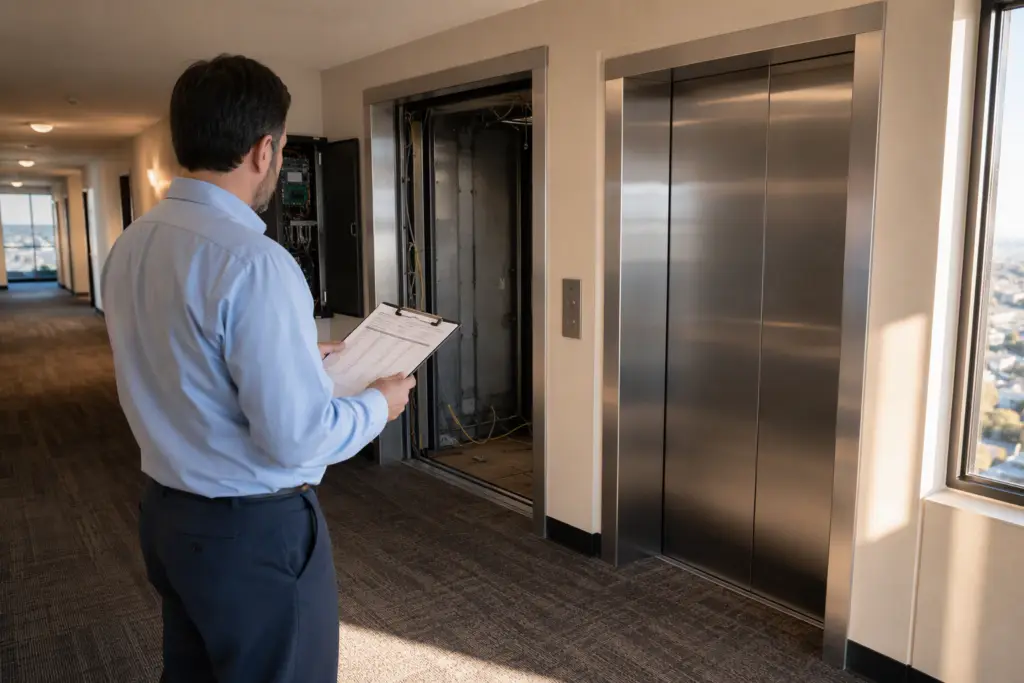
Elevator Upgrades & Modernization: Tax Deductions and Depreciation Benefits for California Commercial Buildings

For California commercial property owners, elevator modernization represents one of the most significant capital expenditures in a building’s lifecycle. Understanding which upgrades qualify for favorable tax treatment is essential for maximizing return on investment. This guide breaks down the federal tax provisions that apply to California commercial buildings, the types of elevator work that qualify, and what building owners should know before filing.
What Federal Tax Provisions Apply to Elevator Modernization in California Commercial Buildings?
California commercial property owners are subject to federal tax law administered by the Internal Revenue Service. Several provisions are directly relevant to elevator upgrade and modernization costs:
- IRC Section 179 Expensing: Allows businesses to deduct the full purchase price of qualifying equipment and certain improvements in the year they are placed in service, rather than depreciating the cost over many years. Elevator components classified as personal property or qualified improvement property may be eligible.
- Bonus Depreciation (IRC Section 168(k)): Introduced and expanded by the Tax Cuts and Jobs Act of 2017, bonus depreciation allows an additional first-year depreciation deduction. Under current federal law, the bonus depreciation percentage has been phasing down; property owners and their tax advisors should confirm the applicable percentage for the tax year in which work is placed in service.
- MACRS (Modified Accelerated Cost Recovery System): Elevator components that do not qualify for Section 179 or bonus depreciation are typically depreciated under MACRS. The applicable recovery period depends on how the component is classified — as personal property, structural component, or qualified improvement property.
- IRC Section 190 — Barrier Removal Deduction: Businesses may deduct up to a specified annual amount for costs incurred to remove architectural or transportation barriers that prevent access by persons with disabilities or elderly individuals, provided the work satisfies IRS requirements. Elevator installations or modifications made to comply with the Americans with Disabilities Act (ADA) can often qualify.
- IRC Section 44 — Disabled Access Credit: Small businesses (those with revenues below a threshold and with no more than a specified number of full-time employees) may be eligible for a tax credit — not just a deduction — for eligible access expenditures, including ADA elevator compliance work.
Important Note: California’s state income tax treatment of depreciation does not always conform to federal rules. California has historically decoupled from bonus depreciation provisions. California commercial property owners should work with a California-licensed CPA or tax attorney to understand the state-level tax impact separately from federal treatment.
Which Specific Elevator Upgrades Typically Qualify for Tax Deductions or Depreciation?
Not all elevator expenditures receive the same tax treatment. The distinction between a capital improvement, a repair, and a replacement drives whether a cost is immediately deductible, depreciated, or treated as a building structural component. The following categories of elevator work are commonly analyzed in the context of tax qualification:
Upgrades That May Qualify Under Section 179 or as Qualified Improvement Property
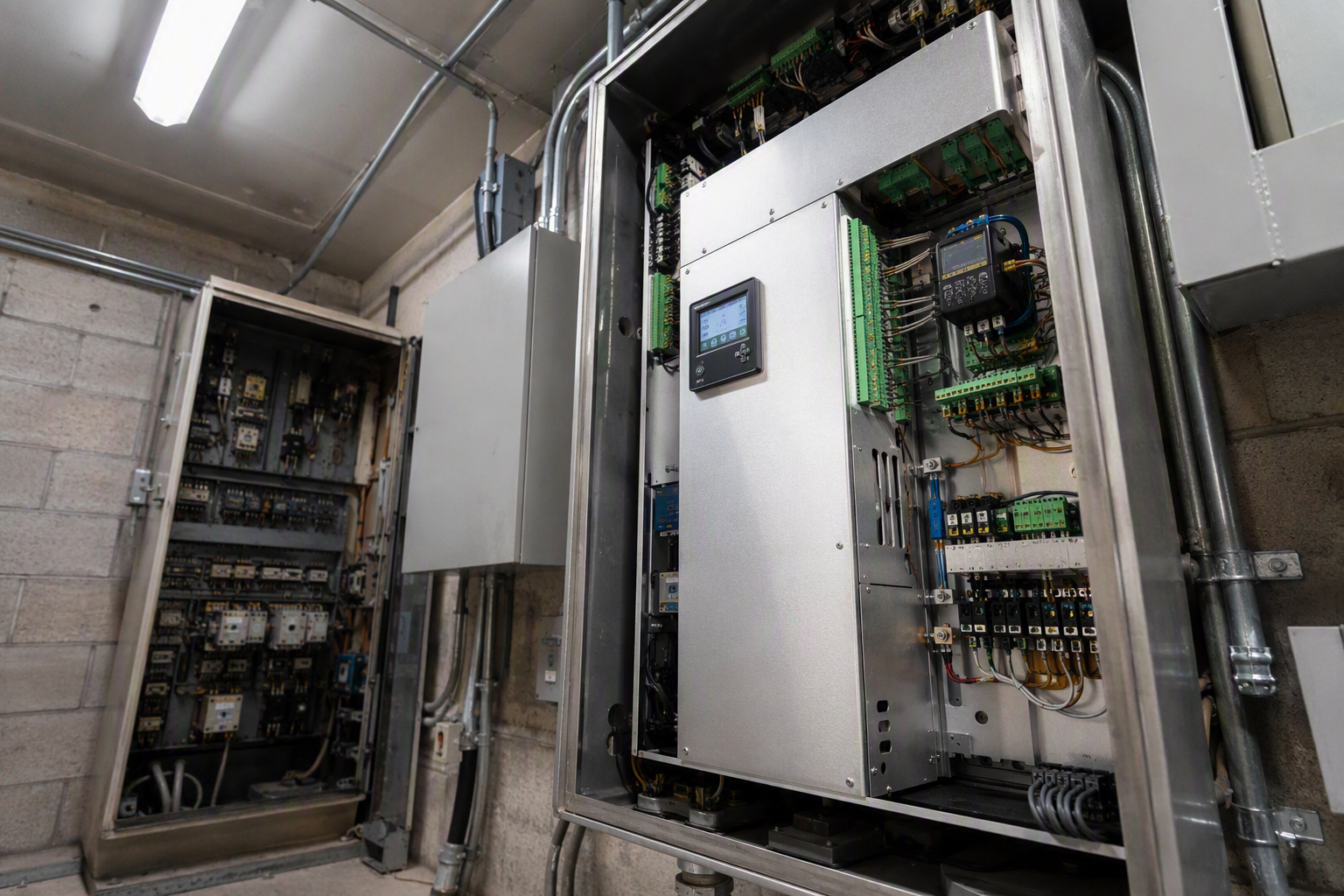
- Replacement of elevator control systems and logic controllers
- Drive system conversions (e.g., replacing hydraulic systems with traction or machine-room-less drives)
- Door operator replacements and door safety systems
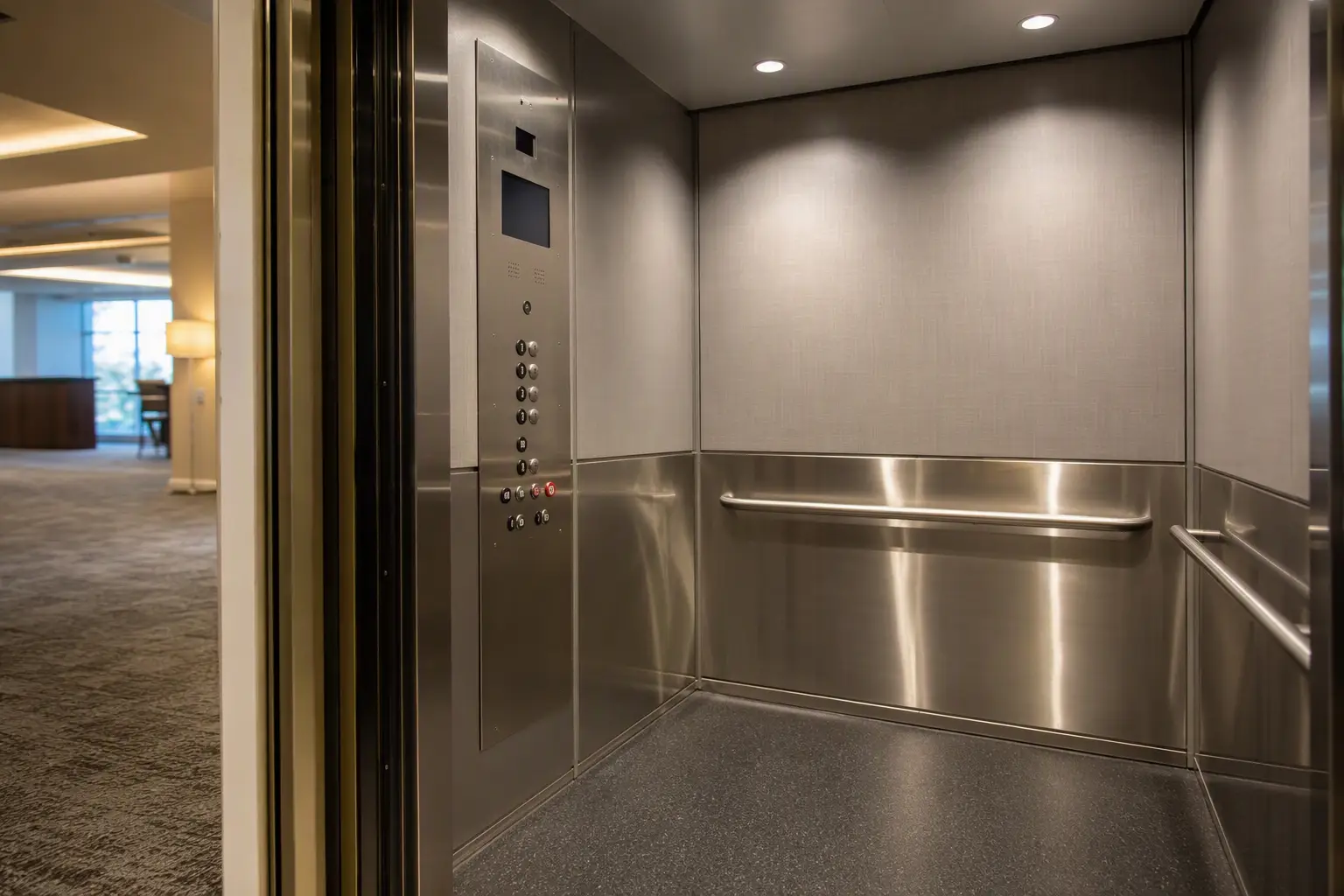
- Modernized cab interiors (flooring, lighting, handrails, fixtures)
- Upgraded position indicators and communication systems
- Replacement of motor-generator sets with solid-state drives
Upgrades Related to ADA Compliance (Section 190 / Section 44 Eligibility)
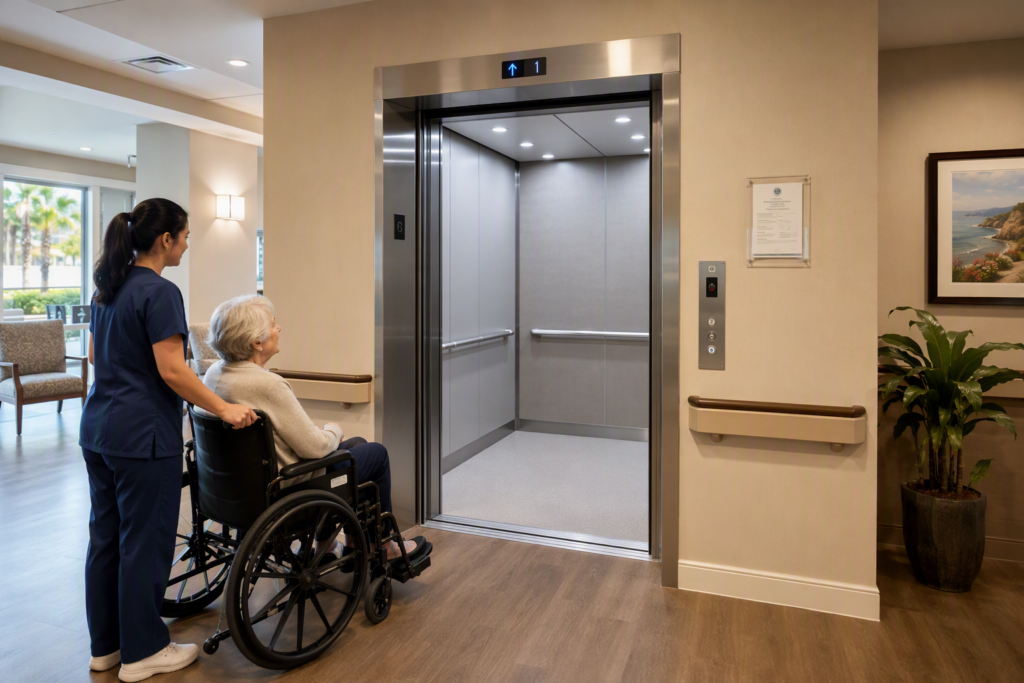
The ADA requires that elevators in commercial facilities above a specified size and number of stories meet accessibility standards. Work performed specifically to achieve or maintain ADA compliance may qualify for the Section 190 barrier removal deduction or the Section 44 disabled access credit. Examples include:
- Installing or upgrading braille and raised character buttons
- Adding or improving audible and visual signals at landings and inside the cab
- Widening door openings to meet minimum clear width requirements
- Installing two-way communication systems in the elevator cab
- Leveling improvements to reduce the gap between the cab floor and landing
Safety and Code-Compliance Modernization
California elevator safety is governed at the state level through the Division of Occupational Safety and Health (Cal/OSHA) Elevator, Ride, and Tramway Unit, and elevators must comply with applicable editions of the ASME A17.1 Safety Code for Elevators and Escalators and ASME A17.3 Safety Code for Existing Elevators and Escalators. Modernization work required to bring an elevator into compliance with current ASME standards — such as upgrading safety edges, adding emergency lighting, or retrofitting door reopening devices — creates deductible or depreciable expenditures depending on how they are classified under IRS guidance.
How Is Elevator Work Classified as a Repair vs. a Capital Improvement for Tax Purposes?
The IRS Tangible Property Regulations (Treasury Regulation §1.263(a)) provide a framework for distinguishing repairs (currently deductible) from capital improvements (depreciated over time). For elevator systems, the relevant tests include:
- Betterment: Does the work ameliorate a material condition or defect, or result in a material addition or a material increase in capacity, productivity, efficiency, strength, or quality?
- Restoration: Does the work restore the unit of property to its ordinary efficient operating condition after it had deteriorated to a state of disrepair, or does it replace a major component?
- Adaptation: Does the work adapt the elevator to a new or different use than the use in its placed-in-service condition?
Routine maintenance — lubricating components, adjusting door speeds, replacing worn cables that are part of a regular maintenance plan — typically falls into the deductible repair category. A comprehensive modernization that replaces the entire drive system, cab, and controller is almost always a capital improvement subject to depreciation. The analysis becomes nuanced for partial modernizations, and a qualified tax professional should review the scope of work before categorization.
What Is the Depreciation Recovery Period for Elevator Systems in Commercial Buildings?
Under MACRS, the recovery period for elevator components depends on classification:
- Qualified Improvement Property (QIP): Improvements to the interior of a nonresidential commercial building placed in service after the building was first placed in service are generally classified as QIP with a 15-year recovery period under MACRS, making them eligible for bonus depreciation under current federal law.
- 39-Year Property: Structural components of a commercial building — including items treated as permanent attachments to the building — are depreciated over 39 years under MACRS for nonresidential real property. Elevator structural shafts, pit structures, and machine room construction generally fall here.
- Personal Property (5- or 7-Year Property): Some elevator components may be classified as personal property with shorter recovery periods, particularly when a cost segregation study is performed. Cost segregation is a tax strategy in which an engineer and tax professional systematically reclassify building components into shorter-lived asset classes to accelerate depreciation deductions.
A cost segregation study conducted by a qualified engineering firm and tax advisor can identify which elevator modernization components qualify for 5-, 7-, or 15-year recovery rather than the standard 39-year commercial building rate — potentially generating substantial present-value tax savings for California commercial property owners.
Does ADA Compliance Work on Elevators Qualify for Special Tax Treatment?
Yes. The IRS provides two overlapping provisions specifically for accessibility expenditures:
IRC Section 190 — Barrier Removal Deduction: A business of any size may deduct qualified architectural barrier removal expenditures. The annual deduction limit is set by statute; property owners should confirm the current limit with a tax advisor, as it is subject to legislative change. To qualify, the work must satisfy Treasury standards for accessibility and must be certified as meeting those standards.
IRC Section 44 — Disabled Access Credit: Eligible small businesses may claim a credit equal to 50% of eligible access expenditures that exceed a statutory floor, up to a statutory cap per year. Unlike a deduction, a credit reduces tax liability dollar-for-dollar. Elevator upgrades made specifically to comply with the ADA are among the most commonly cited eligible expenditures. A business cannot claim both the full Section 190 deduction and the Section 44 credit for the same expenditure — the deduction must be reduced by the amount of the credit claimed.
What Types of Elevator Modernization Work Are NOT Tax-Deductible in the Current Year?
Certain elevator-related expenditures are nearly always capitalized and depreciated rather than immediately deducted:
- Complete replacement of an elevator system in a building where the elevator did not previously exist (new installation)
- Construction of a new elevator shaft, pit, or machine room
- Structural reinforcement of the building to support new elevator equipment
- Land costs associated with elevator access modifications
Even within a modernization project, costs that relate to permanent structural elements of the building — rather than to the mechanical and electrical components of the elevator itself — are typically assigned the 39-year nonresidential real property recovery period and cannot be immediately expensed.
How Does California State Tax Law Treat Elevator Depreciation Differently from Federal Law?
California’s state corporate and personal income taxes do not conform to all federal depreciation provisions. Historically, California has not conformed to the federal bonus depreciation provisions under IRC Section 168(k), meaning a California commercial building owner who claims bonus depreciation on a federal return may need to add back a portion of that deduction on their California state return and depreciate the asset under California’s own rules.
California also has its own conformity date with respect to federal tax code changes, which affects which version of IRC provisions apply for state purposes. Property owners should not assume that a federal tax benefit from elevator modernization will produce an identical California state tax benefit. Consulting a California-licensed CPA or tax attorney who specializes in commercial real estate is strongly recommended before and after any major modernization project.
What Documentation Is Required to Support Elevator Modernization Tax Deductions?
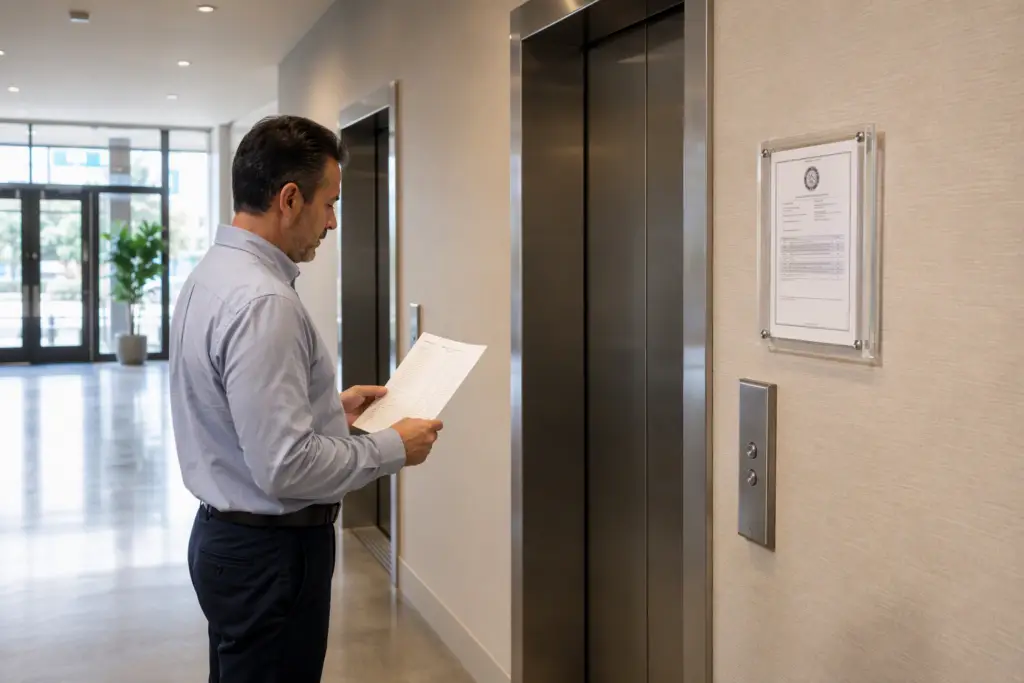
Supporting documentation is critical in the event of an IRS or California Franchise Tax Board audit. Best practices include:
- Obtain itemized contractor invoices that separate labor from materials and distinguish individual components (e.g., controller, drive, cab interior, door operators) rather than a single lump-sum charge.
- Retain the scope of work document, engineering reports, and any specifications that describe what was replaced vs. repaired.
- Keep records of the building’s placed-in-service date and any prior modernization work, as these facts affect QIP eligibility and restoration analyses.
- Document ADA compliance objectives in writing — letters from the building’s ADA consultant, architectural drawings, or inspection reports can support Section 190 or Section 44 eligibility.
- If a cost segregation study is performed, retain the full study report and the engineer’s methodology.
- Maintain California elevator permit records and certificates of inspection, which confirm that modernization work was formally approved by the relevant Authority Having Jurisdiction (AHJ) — supporting the legitimacy and scope of the work claimed.
- Record the placed-in-service date of modernized components precisely, as this date determines which tax year depreciation begins and whether bonus depreciation rates are applicable.
Are There Energy Efficiency Tax Incentives for Elevator Upgrades in California?
Elevator drive system modernizations — particularly conversions from hydraulic systems to variable-frequency drive (VFD) traction or machine-room-less systems — can reduce a building’s energy consumption. At the federal level, the Energy Efficient Commercial Buildings Deduction (IRC Section 179D) provides a deduction for qualifying energy-efficient improvements to commercial buildings, including lighting, HVAC, and building envelope improvements. Whether specific elevator drive upgrades qualify under Section 179D depends on how the improvement fits within the IRS’s defined energy systems and whether it meets the required energy reduction thresholds as certified by a qualified engineer.
California also has utility-administered energy efficiency rebate programs through investor-owned utilities such as Pacific Gas & Electric, Southern California Edison, and San Diego Gas & Electric. While rebates are not tax deductions, they reduce net project cost and may themselves need to be recognized as taxable income (reducing the net deductible basis of the improvement). Property owners should analyze both federal tax provisions and available California utility rebates as part of a comprehensive modernization financial model.
What Industry Trends in 2025–2026 Are Affecting Elevator Modernization Tax Planning for California Buildings?
Several converging trends are shaping how California commercial property owners approach elevator modernization and its tax implications as of 2026:
- Phasedown of Bonus Depreciation: The bonus depreciation percentage available under federal law has been phasing down following the Tax Cuts and Jobs Act’s original provisions, creating urgency for property owners to complete and place qualifying modernization projects in service during years when higher percentages remain available. Tax advisors are increasingly recommending that clients accelerate planned modernizations rather than defer them.
- Increased ADA Enforcement Activity: ADA litigation targeting commercial buildings in California has remained active, driving building owners to proactively fund elevator accessibility upgrades. This creates opportunities to pair tax benefits under Section 190 and Section 44 with compliance-driven capital expenditures.
- Code-Driven Modernization Requirements: Periodic updates to ASME A17.3 requirements for existing elevators and California’s adoption cycle create mandatory upgrade timelines that align with tax planning windows.
- Cost Segregation Adoption: Cost segregation studies are being used more frequently by mid-size commercial building owners — not only large institutional owners — as awareness grows about the potential to reclassify elevator components into shorter-lived asset categories.
- Sustainability and ESG Considerations: California’s commercial real estate market is seeing increased investor and tenant attention to building energy performance. Elevator drive system modernizations that reduce energy consumption are increasingly part of ESG (Environmental, Social, and Governance) capital plans, making their tax treatment a component of broader investment analysis.
How Should California Commercial Building Owners Structure a Modernization Project to Maximize Tax Benefits?
- Engage a tax advisor early — before contracts are signed. Tax classification decisions are most effective when the scope of work is structured proactively, not analyzed after the fact.
- Request itemized, component-level pricing from the elevator contractor. Lump-sum contracts make cost segregation more difficult and may reduce deductible amounts.
- Identify ADA-compliance components explicitly in the scope of work and in contractor documentation to support Section 190 deduction and Section 44 credit eligibility.
- Coordinate the placed-in-service date with the tax year that provides the most favorable bonus depreciation percentage, if flexibility exists in the project timeline.
- Commission a cost segregation study for large-scale modernization projects to identify components eligible for 5-, 7-, or 15-year recovery periods.
- Analyze California conformity separately from federal treatment to avoid unexpected state tax liability.
- Retain all documentation as described in the documentation section above, organized by tax year and component category.
Why Work with a California Elevator Contractor That Understands Code-Compliance Documentation?
Tax deductions and depreciation benefits for elevator modernization are only as defensible as the underlying documentation. California building owners benefit from working with an elevator service provider that provides detailed, component-level invoicing and maintains thorough records of permit approvals, inspection certifications, and scope-of-work specifications — all of which directly support tax filing positions.
Liftech Elevator serves California commercial property owners with elevator modernization and upgrade services informed by current ASME codes, ADA requirements, and California regulatory standards. Liftech Elevator’s team assists clients in obtaining the permit records, inspection certificates, and itemized project documentation that tax advisors and cost segregation engineers need to support deduction and depreciation claims. As a California-focused provider, Liftech Elevator understands the local Authority Having Jurisdiction requirements that affect project timelines and documentation across California’s diverse commercial real estate markets.
Summary: Key Tax Provisions for California Elevator Modernization
| Tax Provision | Type of Benefit | Key Elevator Application | Source / Authority |
|---|---|---|---|
| IRC Section 179 | Immediate expensing deduction | Qualifying elevator equipment and QIP components | IRS (irs.gov) |
| IRC Section 168(k) — Bonus Depreciation | Accelerated first-year depreciation | QIP, personal property components (phasing down) | IRS / Tax Cuts and Jobs Act |
| MACRS — QIP (15-year) | Accelerated depreciation schedule | Interior improvements to nonresidential buildings | IRS MACRS guidelines |
| IRC Section 190 | Barrier removal deduction | ADA elevator accessibility work | ADA.gov; IRS |
| IRC Section 44 | Tax credit (not deduction) | ADA compliance for eligible small businesses | ADA.gov; IRS |
| IRC Section 179D | Energy efficiency deduction | Drive system upgrades meeting energy reduction thresholds | IRS |
Note: This table summarizes federal provisions for informational purposes. California state tax conformity varies. Consult a qualified California tax professional before filing.
Frequently Asked Questions
Can elevator modernization costs be fully deducted in the year the work is completed?
Potentially, yes — but only for components that qualify under IRC Section 179 or that are eligible for bonus depreciation under IRC Section 168(k), and only up to applicable limits and phase-out thresholds. Structural components and those classified as 39-year property must be depreciated over the recovery period. A tax advisor should review the specific scope of work to determine which costs can be immediately expensed and which must be depreciated.
Does replacing an entire elevator system count as a repair or a capital improvement?
A comprehensive system replacement — covering the drive, controller, cab, and door operators — is almost universally treated as a capital improvement rather than a deductible repair under the IRS Tangible Property Regulations. The improvement is then subject to depreciation, with the applicable recovery period depending on how individual components are classified through cost segregation or standard MACRS categorization.
What ADA elevator requirements might require upgrades in a California commercial building?
The ADA requires elevators in covered commercial facilities to meet ADA Standards for Accessible Design, including minimum cab dimensions, button placement and labeling requirements (including braille), floor designation announcements, two-way emergency communication systems, and door timing requirements. Buildings undergoing alterations may trigger path-of-travel upgrade obligations that include elevator accessibility improvements.
Can a California property owner claim both the Section 190 deduction and the Section 44 credit for the same elevator work?
Not for the same dollar of expenditure. The IRC requires that the amount of the Section 44 credit claimed reduce the amount eligible for the Section 190 deduction dollar-for-dollar. Tax advisors typically model both scenarios to determine which combination of credit and deduction produces the better after-tax outcome for a particular property owner’s situation.
How does cost segregation apply to elevator modernization projects?
Cost segregation is an engineering-based tax strategy in which a qualified team disaggregates a building improvement’s costs into components with different MACRS recovery periods. For elevator modernization, this process can reclassify drive systems, control electronics, cab interiors, and door operators into 5- or 7-year personal property or 15-year QIP categories rather than the 39-year building category — accelerating depreciation deductions and improving cash flow. Cost segregation is most cost-effective for larger projects where the present-value tax benefit exceeds the study fee.
Does California conform to federal bonus depreciation for elevator upgrades?
California has historically decoupled from federal bonus depreciation provisions, meaning California taxable income may need to be adjusted upward when federal bonus depreciation is claimed. California commercial property owners must track federal and California depreciation schedules separately. This conformity issue is one of the most important reasons to work with a California-focused tax professional on any large modernization project.
What ASME code compliance work might require elevator upgrades in California buildings?
California adopts editions of the ASME A17.3 Safety Code for Existing Elevators and Escalators, which establishes minimum safety requirements for elevators already in service. As California’s AHJs enforce current ASME A17.3 requirements, building owners may be required to retrofit safety features — such as door reopening devices, firefighters’ emergency operation systems, or emergency lighting — that were not required when the elevator was originally installed. These mandated upgrades create depreciable capital expenditures and, depending on classification, may qualify for accelerated depreciation treatment.
How long does a typical California elevator modernization project take, and how does timing affect tax benefits?
Project duration varies based on the scope of work, equipment lead times, and permit processing timelines through the California AHJ. For tax purposes, the critical date is when modernized components are placed in service — meaning installed, inspected, and available for use. Building owners who want to capture tax benefits in a specific tax year should work backward from December 31 of that year, accounting for permitting, installation, and final inspection timelines, to ensure qualifying components receive their certificate of inspection and are placed in service before year-end.
Are elevator pit, machine room, or shaft upgrades depreciable?
Costs relating to the physical structure of the elevator shaft, pit construction, and machine room are generally treated as structural components of the building and assigned the 39-year MACRS recovery period for nonresidential real property. They do not qualify as QIP (which applies only to interior improvements, not structural elements) and are not eligible for Section 179 expensing. However, mechanical, electrical, and finishing components within these spaces may be reclassified through cost segregation.
What questions should a California commercial building owner ask an elevator contractor to support tax documentation?
Building owners should ask for: (1) itemized invoices listing each component replaced or installed with its individual cost; (2) a written scope of work clearly distinguishing new components from maintained or repaired ones; (3) copies of all permit applications and approvals from the California AHJ; (4) final inspection certificates confirming the placed-in-service date; and (5) documentation of any ADA compliance objectives the project addresses. These documents form the evidentiary foundation for tax return positions and are essential if those positions are examined by the IRS or the California Franchise Tax Board.
Get a Professional Elevator Assessment for Your California Commercial Building
Elevator modernization is both a compliance obligation and a tax planning opportunity for California commercial property owners. Whether a building needs ADA accessibility upgrades, ASME code-compliance retrofits, or a comprehensive drive system modernization, the tax treatment of each project depends on how the work is scoped, documented, and classified.
Liftech Elevator provides California commercial building owners with detailed elevator assessments, code-compliance evaluations, and modernization project documentation designed to support both regulatory compliance and tax planning needs. Working alongside your CPA and cost segregation team, Liftech Elevator delivers the component-level transparency and permit documentation that makes favorable tax treatment achievable and defensible.
Contact Liftech Elevator for a free elevator assessment: 562-609-3478
This page is provided for informational purposes only and does not constitute tax, legal, or financial advice. California commercial property owners should consult a qualified tax professional before making tax filing decisions related to elevator modernization expenditures.
Need elevator service you can rely on? Liftech Elevator is ready to help.