Elevator Service in Signal, CA | Liftech Elevator
For building owners and property managers in Signal, CA, understanding ASME A17.1 Safety Code for Elevators and Escalators is not optional — it is the legal and operational backbone of safe elevator use. Liftech Elevator provides certified elevator maintenance, inspection support, and code-compliance services across Signal and the surrounding Los Angeles County region, helping properties meet California’s stringent elevator safety requirements.
What Is ASME A17.1 and Why Does It Matter for Elevators in Signal, CA?
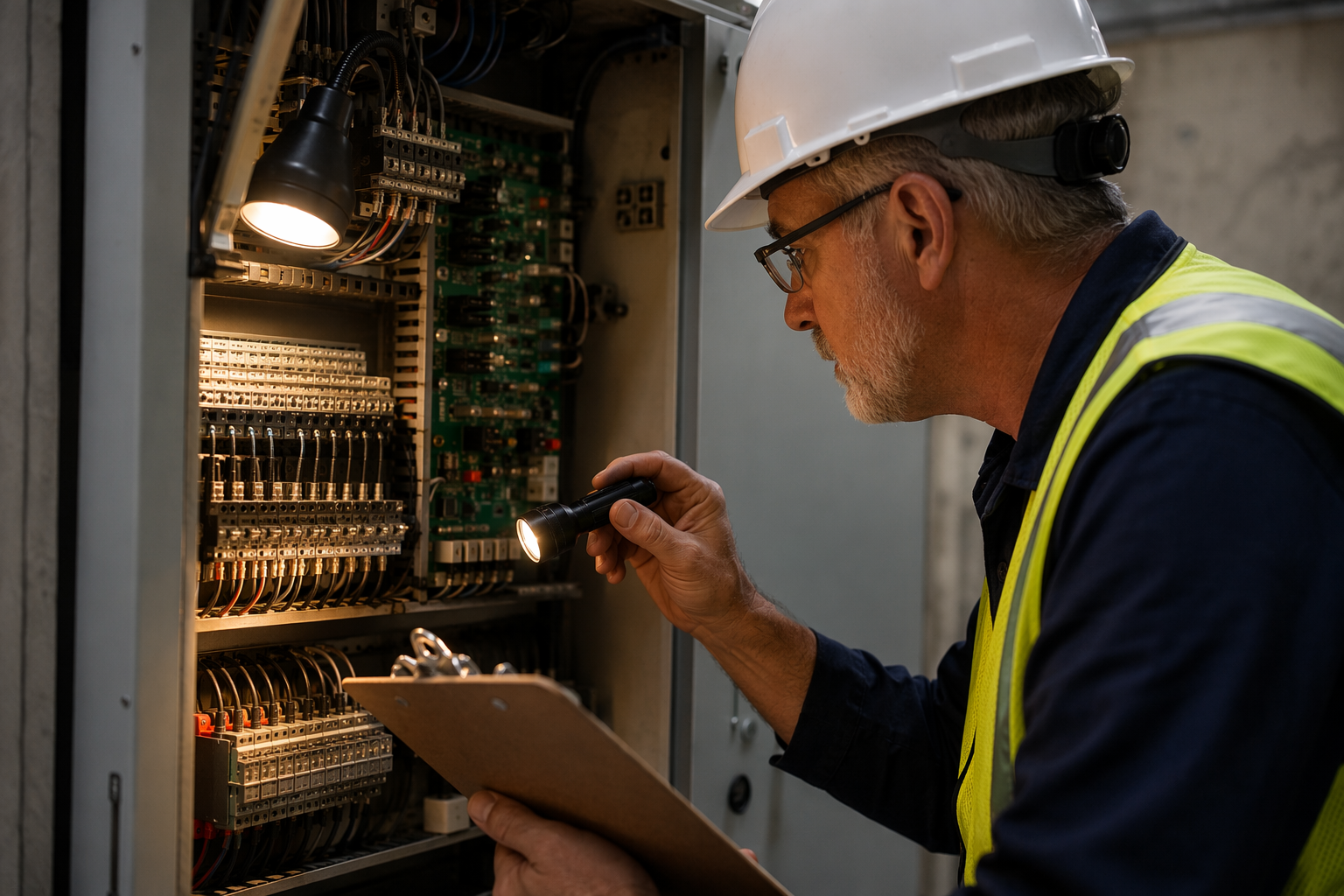
The ASME A17.1 Safety Code for Elevators and Escalators is the primary national standard developed by the American Society of Mechanical Engineers. It establishes minimum safety requirements for the design, construction, operation, inspection, testing, maintenance, alteration, and repair of elevators and escalators throughout the United States.
In California, the Division of Occupational Safety and Health (Cal/OSHA) Elevator Unit enforces elevator safety regulations that incorporate and reference ASME A17.1 requirements. This means that any elevator operating in Signal, CA must meet both the statewide California Elevator Safety Construction Code and the underlying ASME A17.1 provisions as adopted by the state. Building owners who fail to maintain compliance risk permit violations, forced shutdowns, and significant liability exposure.
The 2019 edition of ASME A17.1 (and its Canadian counterpart CSA B44) remains widely referenced, and as of 2026, California authorities continue to evaluate amendments and updated editions for adoption. Building managers should work closely with a qualified elevator service provider to confirm which edition applies to their specific equipment and permit history.
What Are the Key Requirements of ASME A17.1 That Affect California Buildings?
Several ASME A17.1 provisions have direct, practical implications for elevator owners in Signal, CA:
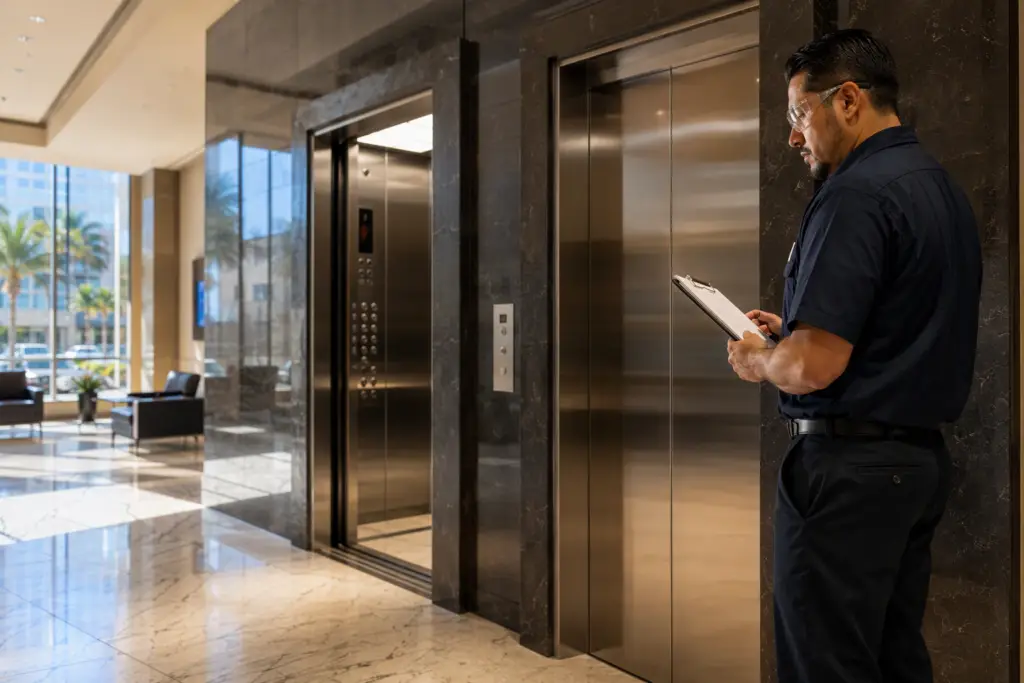
- Periodic Inspections and Tests: ASME A17.1 mandates routine inspections and periodic tests — including annual inspections and full-load safety tests — conducted by a qualified elevator inspector. California enforces these requirements through Cal/OSHA, which issues certificates of compliance upon satisfactory inspection.
- Maintenance Logs and Records: The code requires that detailed maintenance records be kept and be accessible. California regulations reinforce this, and inspectors may request these records during compliance reviews.
- Safety Device Testing: Governor and safety device tests, buffer tests, and other critical system checks must be performed at code-specified intervals. These tests verify that emergency stopping mechanisms will function correctly when needed.
- Emergency Operations: ASME A17.1 includes requirements for firefighters’ emergency operation (Phase I and Phase II), ensuring elevators can be safely managed during building emergencies.
- Modernization Standards: When an elevator undergoes significant alteration or modernization, ASME A17.1 requires that affected systems be brought into compliance with current code provisions — a critical consideration for older buildings in the Signal area.
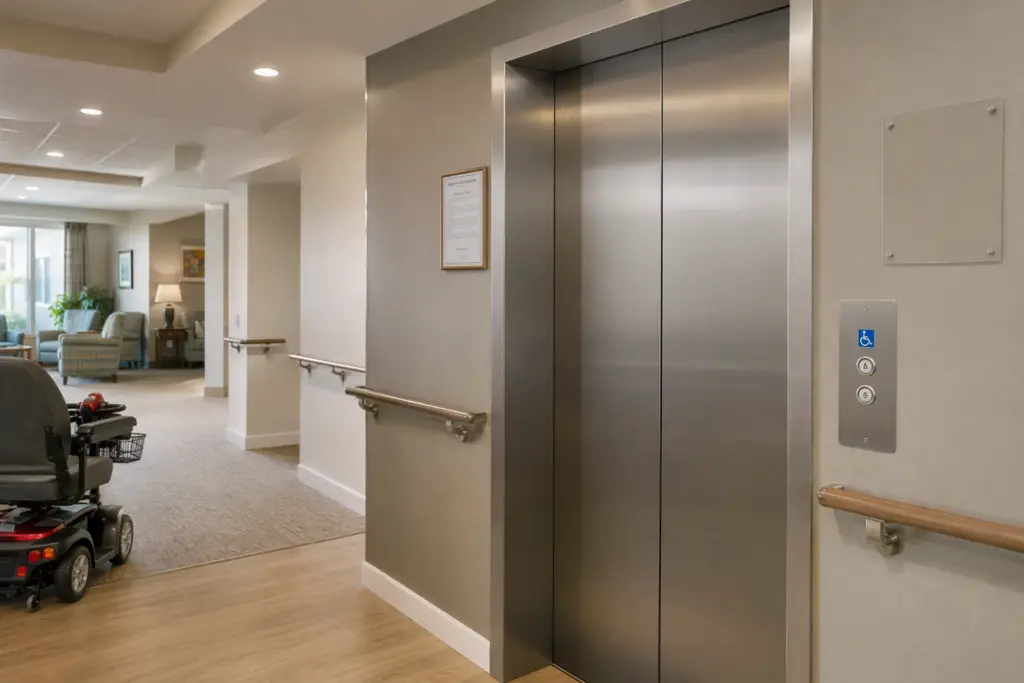
- Accessibility Compliance: While ASME A17.1 governs mechanical safety, elevator projects must also consider Americans with Disabilities Act (ADA) requirements for cab dimensions, door timing, and control placement.
How Does California Enforce ASME A17.1 Elevator Code?
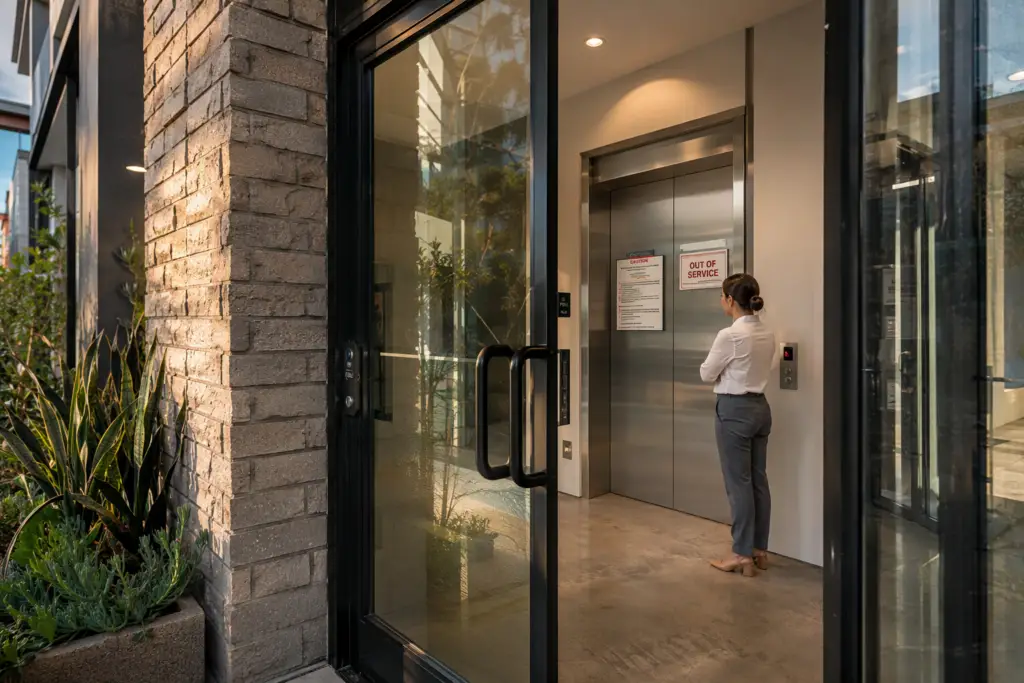
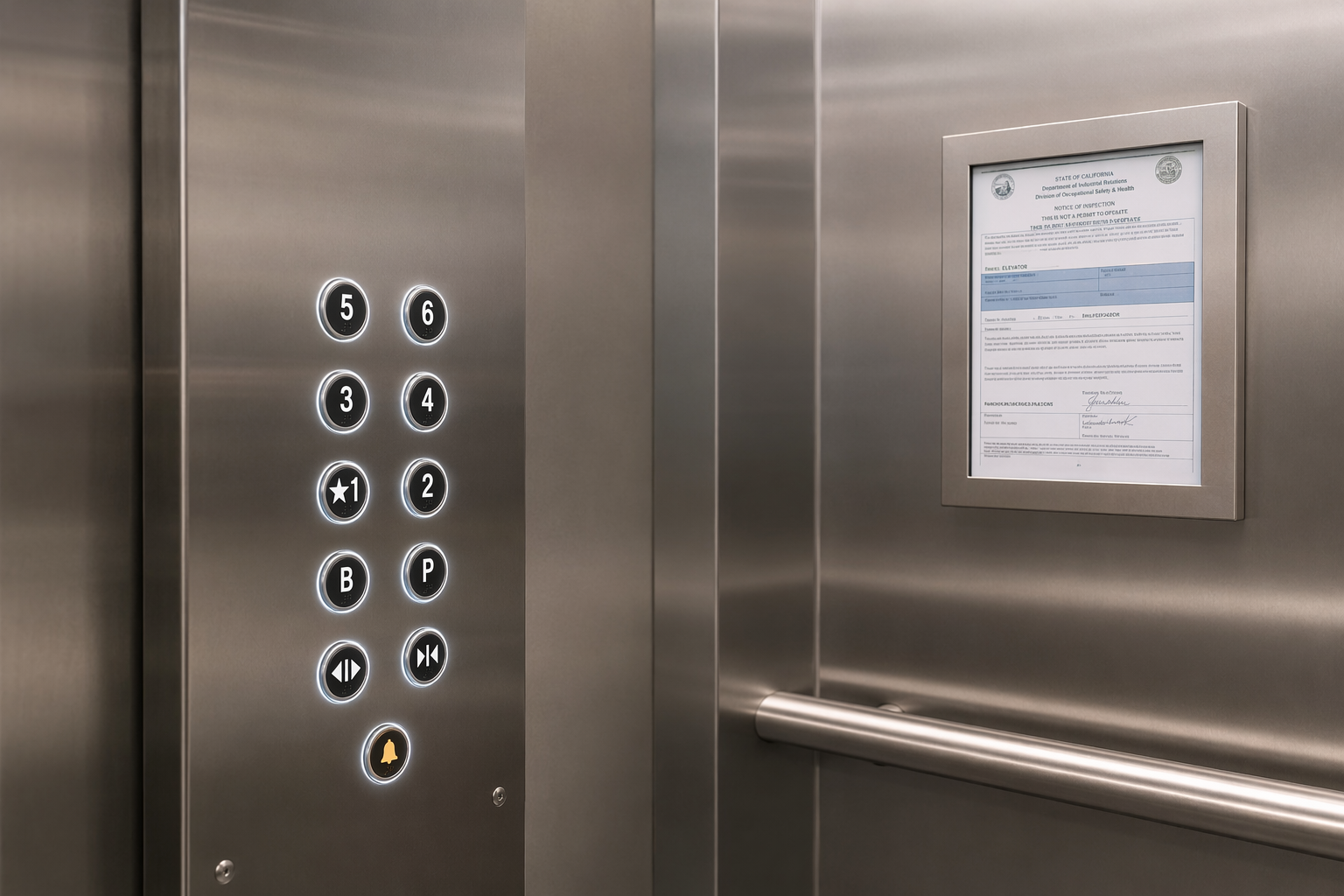
California’s elevator enforcement structure is administered by the Cal/OSHA Elevator Unit, which operates under the Department of Industrial Relations. Elevators in Signal, CA are subject to permit requirements, periodic inspections by state-certified inspectors, and must display a valid certificate of inspection. The authority having jurisdiction (AHJ) — typically Cal/OSHA or a certified local inspector — has the authority to order an elevator out of service if it fails inspection or if required tests are overdue.
Owners should be aware that California has adopted its own elevator safety regulations (Title 8, California Code of Regulations) that reference and in some cases exceed ASME A17.1 minimums. Staying compliant requires ongoing coordination between building management and a knowledgeable elevator maintenance provider who understands both the state-specific overlay and the underlying ASME standard.
What Is the Inspection and Testing Schedule Required Under ASME A17.1 in California?
Under ASME A17.1 and California’s enforcement framework, elevators are subject to:
- Annual inspections to verify overall operational safety and code compliance.
- Periodic safety tests conducted at intervals specified by the code — typically every one to five years depending on the test type and equipment category.
- Maintenance performed according to a documented schedule that meets code minimums for lubrication, adjustment, and component inspection.
Missing an inspection deadline can result in permit suspension. Liftech Elevator helps Signal-area building owners track upcoming inspection milestones and ensures that equipment is properly prepared and documented before inspector visits.
What Should Building Owners Do Immediately If an Elevator Fails Inspection in Signal, CA?
- Take the elevator out of service immediately as directed by the inspector or as required by the violation notice — continued operation of a non-compliant elevator creates legal and safety liability.
- Secure a copy of the inspection report and identify each specific deficiency cited by the inspector.
- Contact a qualified elevator service company such as Liftech Elevator to review the violations and develop a corrective action plan.
- Obtain required parts or components needed to address cited deficiencies — your service provider can advise on lead times for any specialized equipment.
- Schedule the repair work and ensure all corrective actions are documented in the maintenance log.
- Request a re-inspection through the appropriate Cal/OSHA office once repairs are complete and verified by your elevator contractor.
- Post the new certificate in the elevator cab once compliance is confirmed and the certificate is issued.
How Does ASME A17.1 Interact With ADA Requirements for Elevators in California?
ASME A17.1 and the Americans with Disabilities Act address different aspects of elevator compliance. ASME A17.1 governs mechanical and operational safety, while the ADA establishes accessibility standards for cab dimensions, door operation timing, control button height, and Braille signage. In California, the state building code (Title 24) incorporates ADA accessibility requirements and in some cases applies stricter standards.
Building owners undertaking elevator modernization projects in Signal should evaluate both code frameworks simultaneously, as a modernization project that triggers ASME A17.1 compliance upgrades may also require ADA accessibility improvements — particularly in buildings subject to barrier removal obligations under Title III of the ADA.
What Is the Difference Between Elevator Maintenance, Repair, and Modernization Under ASME A17.1?
ASME A17.1 distinguishes between these three categories because each carries different code implications:
- Maintenance refers to routine work — lubrication, adjustments, parts replacement on a like-for-like basis — that keeps an elevator in safe operating condition without changing its design.
- Repair involves restoring a component to its original condition or replacing it with an equivalent part. Repairs generally do not trigger full code-compliance upgrades unless the scope crosses into alteration territory.
- Modernization (Alteration) involves changes to the elevator’s control system, safety devices, machinery, or cab that modify its performance or design. Alterations under ASME A17.1 require that affected portions of the installation meet current code standards and typically require a new permit and inspection.
Understanding this distinction helps building owners in Signal, CA plan capital expenditures and anticipate the compliance requirements associated with elevator improvement projects.
Why Do Signal, CA Property Owners Choose Liftech Elevator for Code Compliance Support?
Liftech Elevator brings focused expertise in California elevator code requirements to commercial, residential, and mixed-use properties throughout Signal and the greater Los Angeles County area. The Liftech team is familiar with the regulatory landscape administered by Cal/OSHA’s Elevator Unit and provides maintenance and inspection-readiness services aligned with ASME A17.1 Safety Code for Elevators and Escalators requirements.
Liftech Elevator serves a broad range of property types across the region, including office buildings, multi-family residential communities, retail centers, healthcare facilities, and industrial properties. The company’s service approach emphasizes proactive maintenance planning, thorough documentation practices, and responsive support — helping property owners stay ahead of inspection deadlines and avoid costly compliance failures.
Emergency elevator service is available for situations where equipment failure creates safety concerns or access issues, and Liftech coordinates with building management to address urgent needs as quickly as conditions allow.
What Should Signal, CA Building Owners Budget for ASME A17.1 Compliance?
Compliance costs vary considerably depending on the age, type, and condition of the equipment, as well as whether a property requires routine maintenance, targeted repairs, or a broader modernization project. Older hydraulic and traction elevators in Los Angeles County properties often require more frequent attention to meet current code standards. The most cost-effective approach is consistent preventive maintenance, which reduces the likelihood of major component failures and keeps inspection results manageable.
Liftech Elevator offers free consultations to help building owners in Signal understand their current compliance status and develop a realistic plan for ongoing maintenance and any necessary upgrades.
Elevator code compliance in Signal, CA is a shared responsibility between building owners, qualified elevator contractors, and state regulators. Liftech Elevator is positioned to serve as a reliable partner in navigating ASME A17.1 requirements, California-specific regulations, and the practical demands of keeping elevators safe, functional, and permitted.
Ready to confirm your elevator’s compliance status or plan upcoming maintenance?
Schedule a Free Consultation — Call Liftech Elevator at 562-609-3478
Need elevator service you can rely on? Liftech Elevator is ready to help.