Elevator Service in Signal, CA | Liftech Elevator
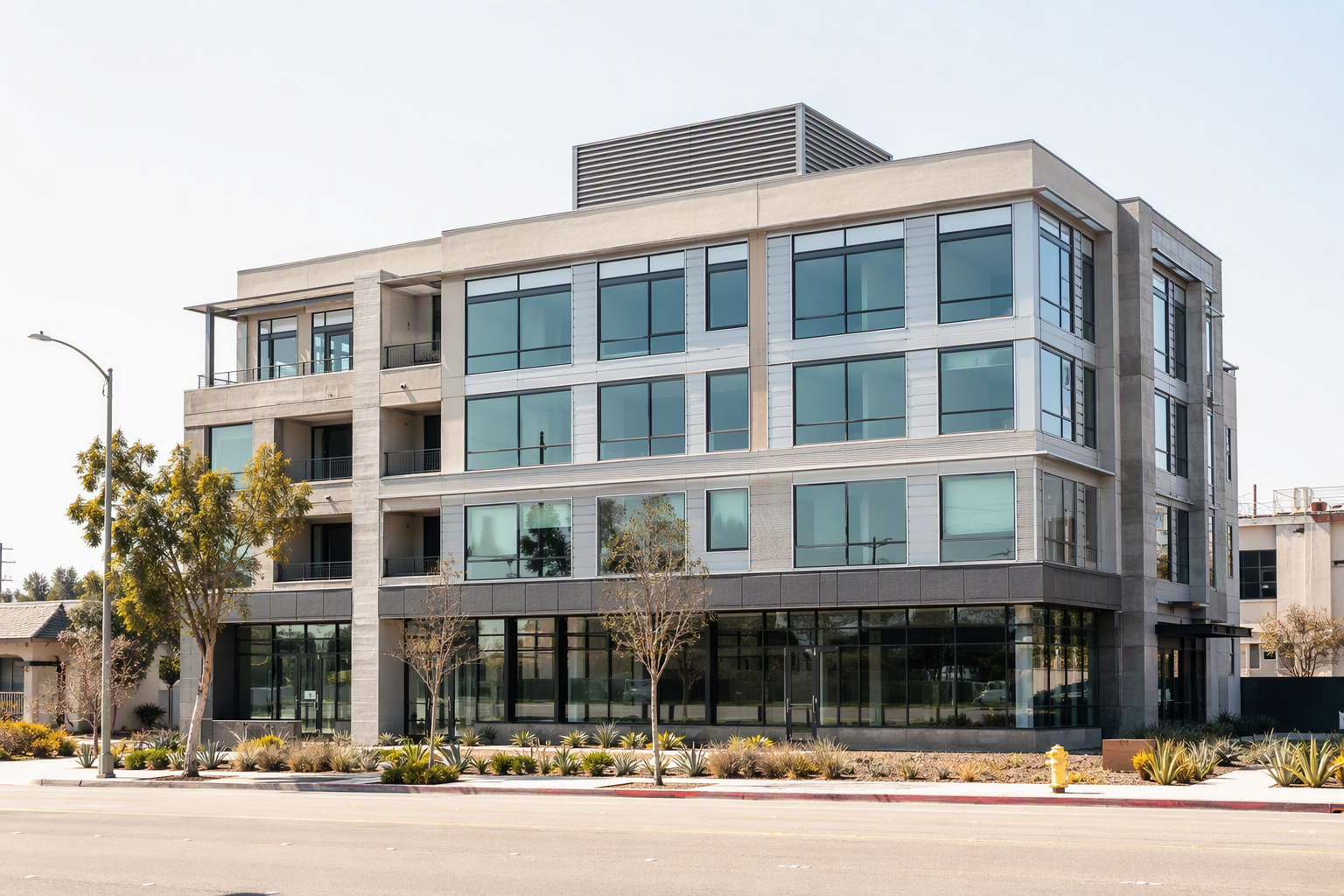
Signal Hill, CA sits within one of Southern California’s most demanding climates for vertical transportation equipment. Summer temperatures regularly push mechanical systems to their limits, and elevators are no exception. For building managers responsible for residential towers, commercial properties, and mixed-use developments in the Signal Hill area, understanding how heat affects elevator systems — and what California code requires — is essential for occupant safety, liability management, and uninterrupted operations.
Liftech Elevator provides certified elevator service across Signal Hill and the broader Los Angeles County region, helping building managers navigate seasonal maintenance demands, California regulatory requirements, and emergency situations when equipment fails under summer stress.
How Does Extreme Heat Affect Elevator Performance?
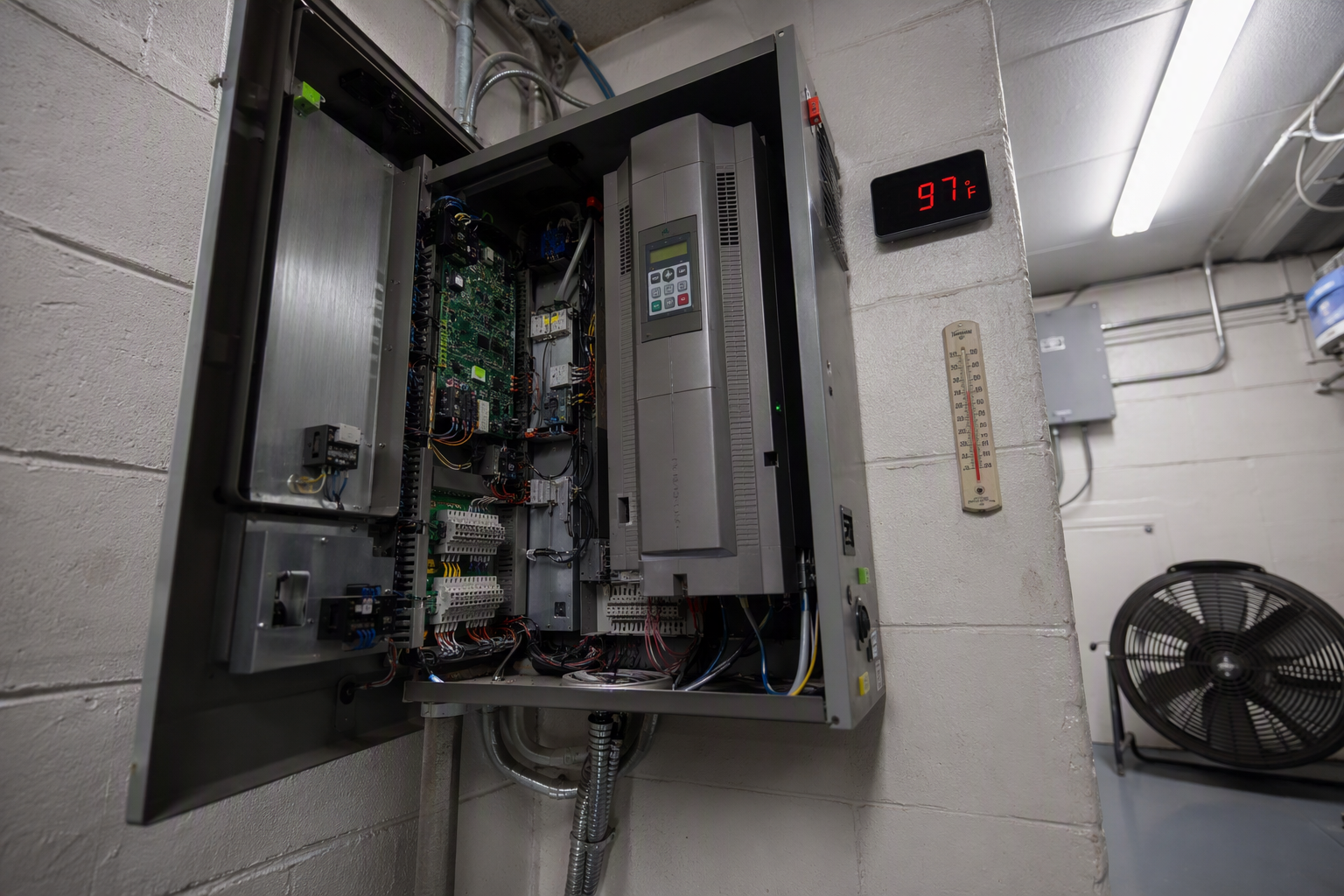
Heat is one of the most significant environmental stressors for elevator systems. When ambient temperatures rise sharply — as they do during Southern California’s summer months — several critical failure points emerge:
- Machine room overheating: Traction and hydraulic elevators generate heat during normal operation. When machine rooms lack adequate cooling, heat accumulates beyond the operating thresholds of motors, drives, and controllers, triggering automatic thermal shutdowns.
- Hydraulic fluid viscosity changes: Hydraulic elevators depend on precise fluid viscosity to maintain controlled lift and descent. High temperatures thin the fluid, reducing lifting capacity, slowing response, and accelerating seal wear — which can lead to fluid leaks and sudden leveling problems.
- Electronic control system failures: Modern elevator controllers rely on sensitive circuit boards and variable frequency drives (VFDs) that are rated for specific temperature ranges. Sustained heat exposure causes component drift, erratic behavior, and premature failure.
- Brake and motor degradation: Heat accelerates wear on electromagnetic brakes and motor windings, increasing the risk of unexpected stops between floors.
- Door operator malfunctions: Metal components expand in heat, causing door tracks and sills to bind, leading to nuisance door reopening cycles and door fault shutdowns.
- Power supply stress: Summer cooling demands city-wide strain local electrical grids, increasing voltage fluctuations that can disrupt elevator control systems.
What California Elevator Codes Apply to Heat and Ventilation?

California adopts and amends the ASME A17.1 Safety Code for Elevators and Escalators through the California Elevator Safety Construction Code, administered by the California Department of Industrial Relations (DIR), Division of Occupational Safety and Health (Cal/OSHA). The code — as enforced in California for 2026 — establishes specific requirements relevant to heat management:
- Machine room temperature: The ASME A17.1 code requires that machine rooms be maintained within the temperature range specified by the elevator manufacturer for installed equipment. For most modern systems, this means machine rooms must not exceed approximately 104°F (40°C), though specific equipment may have lower thresholds.
- Ventilation requirements: Machine rooms must have adequate ventilation or air conditioning to prevent temperatures from exceeding equipment-rated limits. Building managers are responsible for maintaining this environment year-round.
- Periodic inspections: California law requires regular inspections by a licensed elevator inspector. Annual permits and inspections through the DIR are mandatory for most elevator installations, and deficiencies identified during summer conditions — including inadequate machine room cooling — must be corrected promptly.
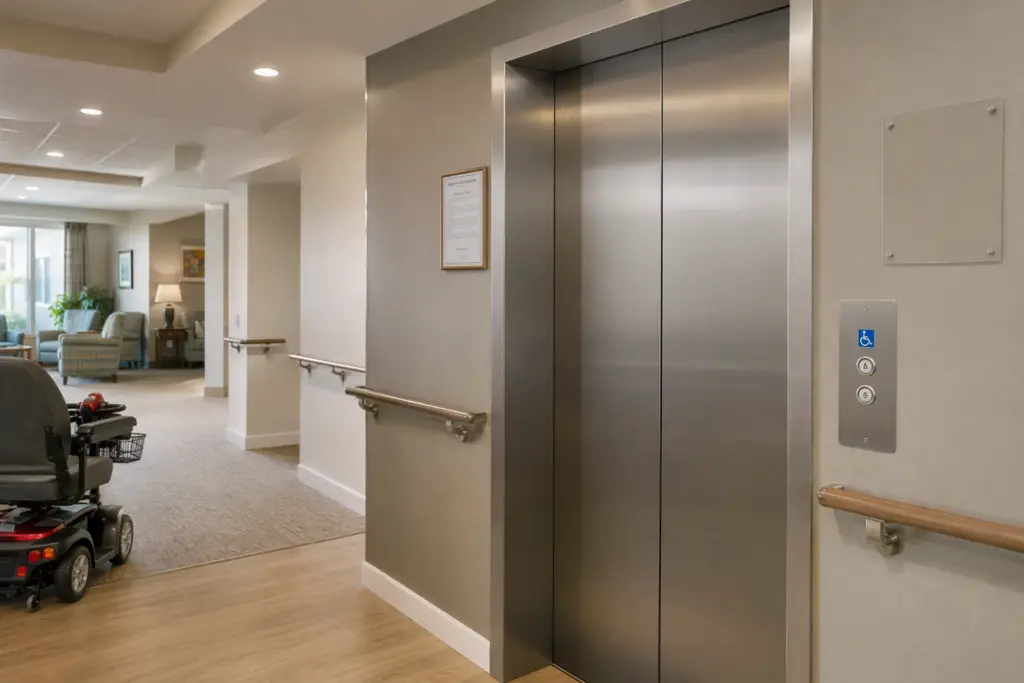
- ADA compliance continuity: Under the Americans with Disabilities Act, elevators providing required accessible routes must remain operational. Heat-related shutdowns affecting accessible routes create compliance exposure.
Building managers should retain documentation of all maintenance, inspections, and corrective actions, as Cal/OSHA inspectors may request records during routine or complaint-driven inspections.
What Should Building Managers Do Before Summer Arrives?
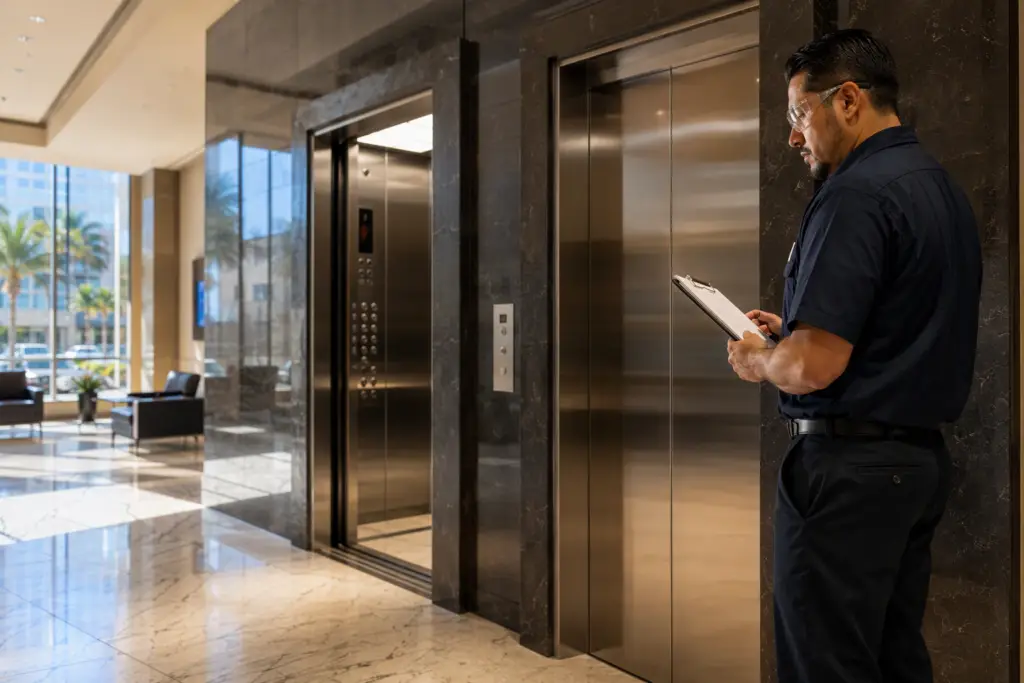
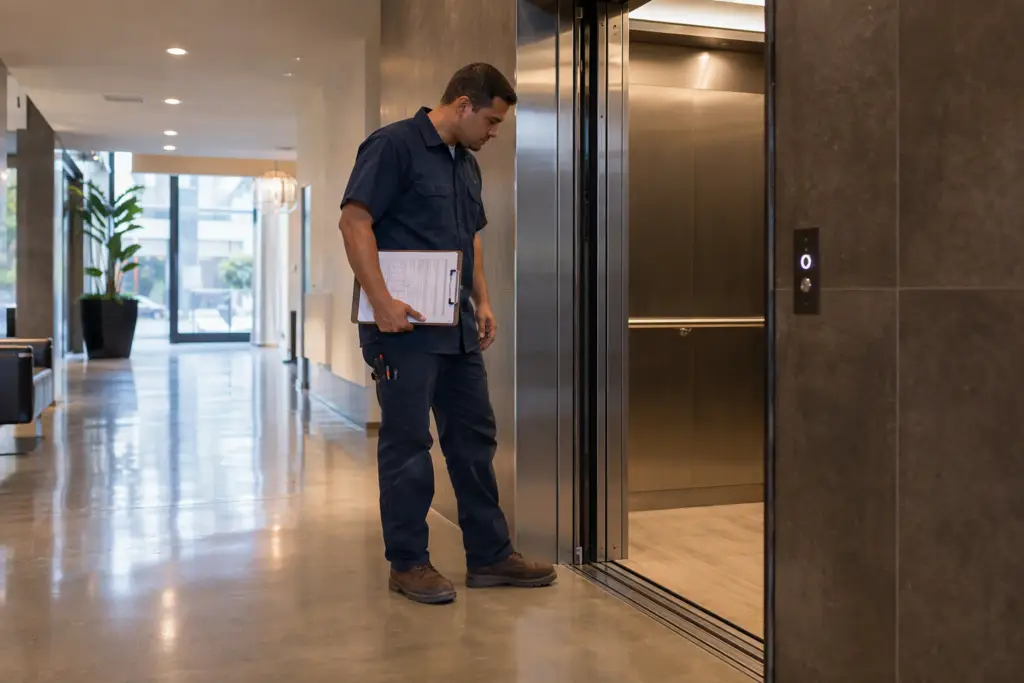
- Schedule a pre-season preventive maintenance inspection with a qualified elevator service contractor. Request a written report identifying heat-vulnerable components.
- Audit machine room HVAC and ventilation. Confirm that any air conditioning or exhaust ventilation in the machine room is functional, clean, and capable of maintaining manufacturer-required temperatures during peak summer days.
- Check hydraulic fluid condition. Have a technician verify that hydraulic fluid is at the correct level and viscosity grade for warm-weather operation. Replace fluid showing signs of contamination or degradation.
- Inspect door operators and sills. Lubricate and adjust door tracks to account for thermal expansion. Test door open and close cycles under controlled conditions.
- Test the cooling and alarm systems in the machine room. Verify that any temperature monitoring alarms are functional and that building staff know the escalation procedure when an alert triggers.
- Review your emergency service contract. Confirm that your elevator service provider offers emergency dispatch during evenings, weekends, and holidays — the periods when summer heat events most frequently cause failures.
- Communicate with tenants or occupants. Notify building residents or office tenants of the inspection schedule and provide a contact protocol if elevator irregularities occur during hot weather.
- Verify California elevator permit currency. Confirm that the elevator’s annual operating permit issued by the DIR is current for 2026. Operating with an expired permit creates legal liability.
How Do Hydraulic and Traction Elevators Respond Differently to Heat?
The two dominant elevator types found in Signal Hill’s building stock respond to summer heat in distinct ways. Hydraulic elevators — common in low- to mid-rise buildings — are more directly affected by temperature because their performance is mechanically dependent on fluid properties. Traction elevators — used in taller commercial and residential buildings — are more resilient to ambient heat but remain vulnerable through their machine room electronics and motor systems. Building managers should discuss the specific vulnerabilities of their installed equipment type with their elevator service provider and ensure that maintenance protocols are tailored accordingly.
What Are the Signs That an Elevator Is Heat-Stressed During Summer?
- Slow or sluggish floor leveling, particularly during afternoon peak heat hours
- Repeated door reopening or door fault error codes
- Unexpected shutdowns with the elevator returning to the ground floor
- Unusual motor noise or burning smell near the machine room
- Control panel displaying thermal fault or overtemperature error codes
- Visible hydraulic fluid seepage beneath the elevator pit or along jack cylinder
Any of these conditions should be reported to the building’s elevator service contractor promptly. Continuing to operate an elevator exhibiting heat stress symptoms increases the risk of a full shutdown with passengers aboard.
Is Emergency Elevator Service Available in Signal Hill During Summer Heat Events?
Liftech Elevator maintains emergency service availability for building managers in Signal Hill and surrounding Los Angeles County communities. When heat-related failures occur outside normal business hours — including evenings, weekends, and holidays — emergency dispatch is accessible. Building managers are encouraged to confirm the details of emergency coverage with Liftech directly when establishing or renewing a service agreement, as specific availability and scope can be reviewed at that time.
How Can Building Managers Minimize Heat-Related Elevator Downtime?
Reactive service calls are more disruptive and often more costly than planned preventive maintenance. The most effective strategy for minimizing summer downtime combines pre-season inspection, ongoing maintenance agreements, and a documented emergency response protocol. A structured maintenance agreement with a qualified elevator contractor ensures that seasonal checks — including machine room temperature verification, fluid analysis, and electronic system review — occur on a scheduled basis rather than only after a failure occurs. Building managers overseeing multiple properties in the Signal Hill area benefit from consolidated service agreements that streamline scheduling and documentation across their portfolio.
What Compliance Risks Do Heat-Related Elevator Failures Create for Building Owners?
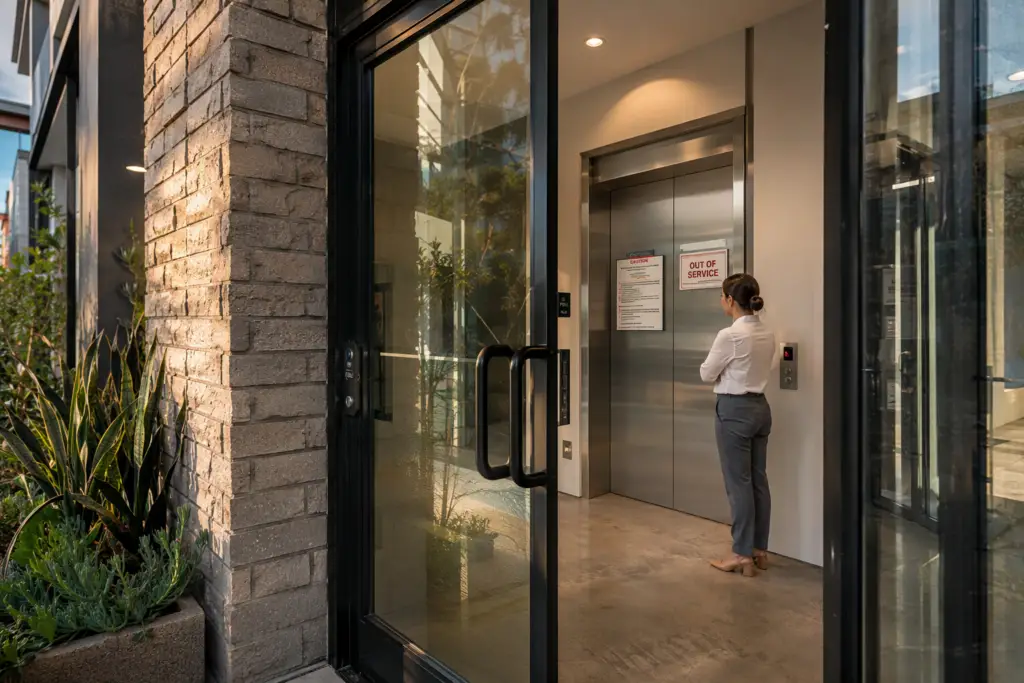
A heat-related elevator shutdown that traps passengers or disables an accessible route creates overlapping liability exposure. California building owners may face enforcement action from the DIR, potential civil claims from affected occupants, and ADA compliance findings if the elevator serves a required accessible route. OSHA standards may also apply in commercial and industrial settings where elevator access is part of the work environment. Maintaining current inspection permits, documented maintenance records, and a service relationship with a licensed elevator contractor are the primary defenses against these exposures.
Why Work With Liftech Elevator for Summer Elevator Service in Signal Hill?
Liftech Elevator serves building managers across Signal Hill and the greater Los Angeles County area with elevator maintenance, repair, modernization, and compliance support. The Liftech team is familiar with the specific building stock, regulatory environment, and climate conditions that define elevator service in this region. From pre-season inspections to emergency dispatch and California DIR permit management, Liftech provides building managers with a single accountable partner for year-round elevator reliability.
Schedule a Free Consultation
Don’t wait for a summer shutdown to evaluate your building’s elevator readiness. Contact Liftech Elevator today to schedule a free consultation and learn how a proactive maintenance strategy can protect your occupants, your compliance standing, and your operations throughout the hottest months of the year.
Call Liftech Elevator: 562-609-3478
Serving Signal Hill, CA and surrounding communities in Los Angeles County.
Need elevator service you can rely on? Liftech Elevator is ready to help.